


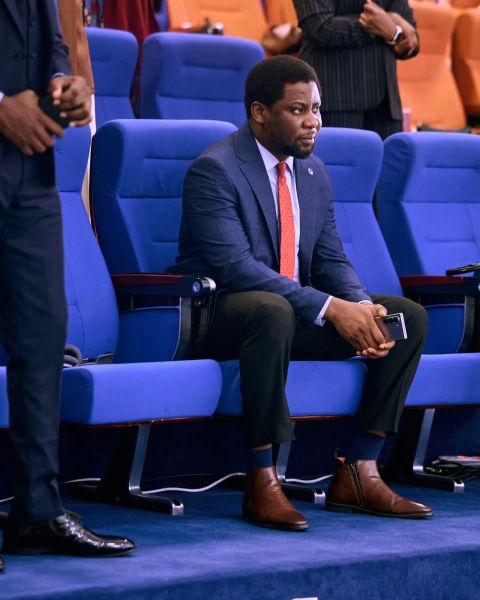





LAGOS, NIGERIA — Femi Lazarus, a prominent Pan-African leader and CEO of Voice of Africa by Africans, has issued a stark warning regarding the psychological and cultural impacts of protracted economic and systemic hardship across the continent, cautioning that unchecked societal pain is actively compromising leadership and institutional decision-making.
In an analytical commentary addressing Africa’s developmental trajectory, Lazarus argued that the primary threat to the continent’s future is no longer just structural captivity, but the systematic breaking of the collective African spirit through systemic burdens.
Drawing a historical parallel to ancient geopolitical subjugation, Lazarus pointed to the biblical account of Egypt’s strategy over the Israelites, noting that the imposition of heavy burdens and rigorous labor was designed not merely for economic exploitation, but as a deliberate psychological tool to induce institutional blindness.
Lazarus asserted that prolonged exposure to socioeconomic distress fundamentally alters how individuals and nations perceive opportunities for growth and liberation.
“Pain does not just hurt people, it blinds them,” Lazarus stated, emphasizing that historic trauma often causes societies to resist real structural reform. “A broken spirit would not just affect how you experience pain, it would affect what you do with everything that comes after it. You can be free and still be bound.”
The Pan-African strategist urged policymakers, cultural leaders, and institutional heads to look beyond macroeconomic indicators and focus on the psychological health of the populace. He warned that the trauma produced by failing systems is quietly dictating governance and policy choices at the individual, institutional, and continental levels.
According to Lazarus, addressing the root causes of this systemic despair must become a top priority for anyone serious about the future of Africa, as a nation operating under the influence of chronic trauma will inevitably make decisions that perpetuate its own containment.