



ANTHONY EMEKA NWOSU
Nigeria’s agricultural economy is poised for a structural shift as new processing technology emerges to tackle the country’s ₦3.5 trillion annual post-harvest losses. Beyond food security, the innovation carries profound implications for inflation, employment, and foreign exchange earnings.
The Scale of the Crisis
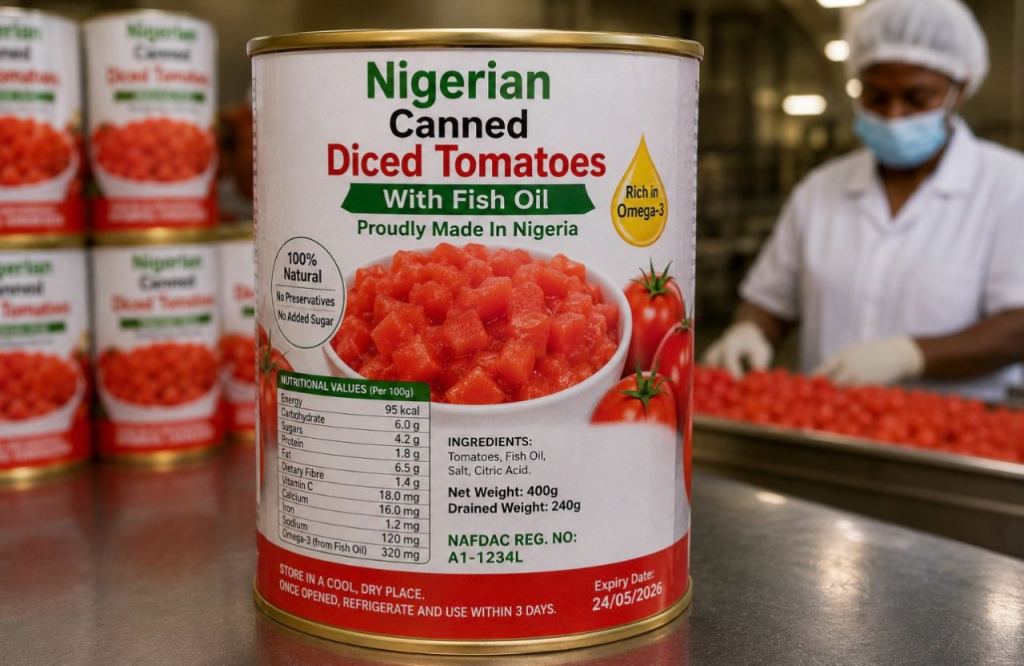
According to the Food and Agriculture Organization (FAO), between 40% and 50% of perishable produce—tomatoes, peppers, pineapples, and other staples—never reaches consumers. The culprits are familiar: weak cold-chain infrastructure, inadequate storage, and poor transport logistics.
This systemic failure has created a paradox: farmers lose income while consumers pay inflated prices. The result is a vicious cycle of farm-gate losses, food inflation, and missed opportunities for export growth.
Economic Implications
The ripple effects of post-harvest losses extend far beyond agriculture:
- Inflationary Pressures: Food inflation, already a major driver of Nigeria’s headline inflation, worsens as supply chains collapse.
- Foreign Exchange Drain: Nigeria imports processed foods it could produce locally, straining reserves and weakening the naira.
- Employment Loss: Without agro-processing hubs, millions of potential jobs in packaging, logistics, and exports remain unrealized.
- Rural Poverty: Farmers are trapped in subsistence cycles, unable to capture value from their harvests.
Processing as the New Growth Driver
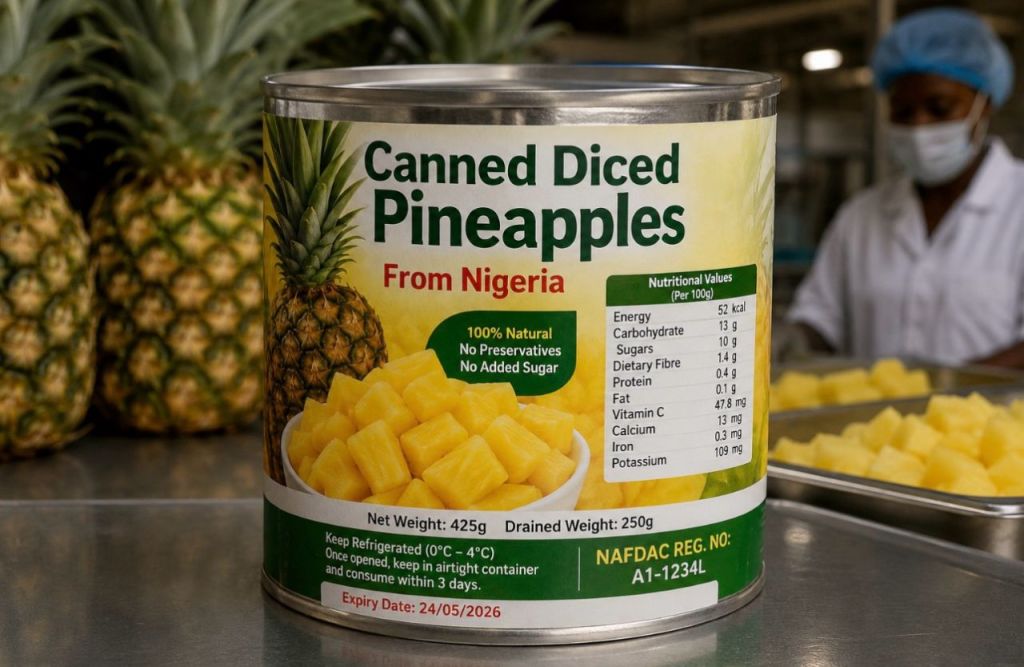
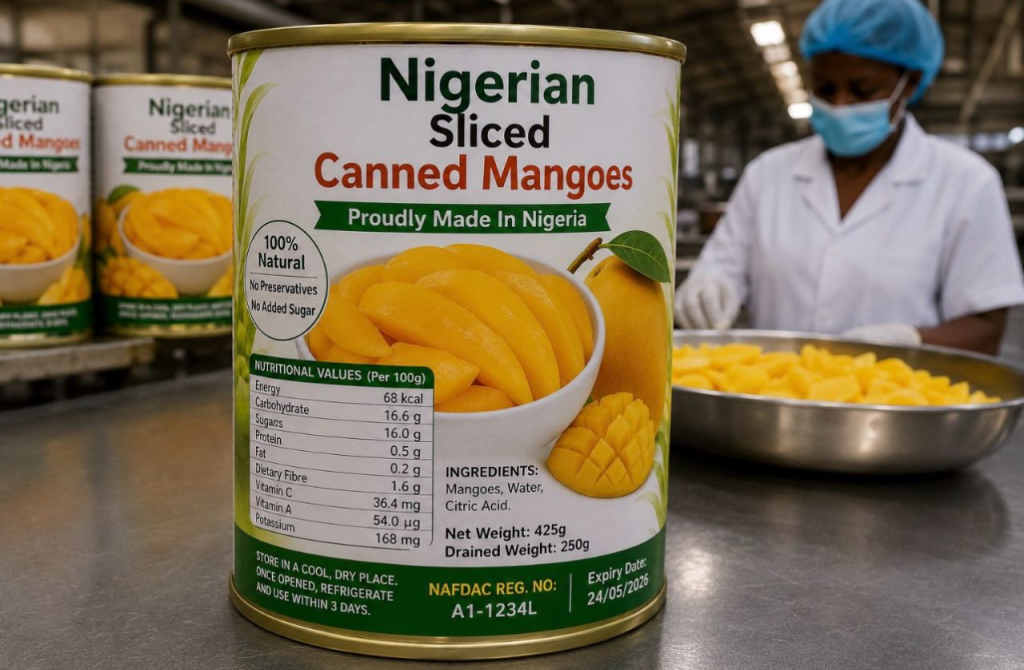
Growth strategist Dr. Kolawole Iselowo unveiled a scalable processing system that converts fresh produce into shelf-stable canned goods. By bypassing cold-storage deficits, the model positions Nigeria to compete in both domestic and international markets.
“The next agricultural revolution in Nigeria may not come from producing more food,” Dr. Iselowo emphasized. “It may come from wasting less of what we already produce.”
The system promises to:
- Stabilize Prices: Processed goods smooth seasonal spikes, protecting consumers.
- Anchor Rural Economies: Farmers gain reliable buyers, reducing vulnerability to gluts.
- Boost Exports: Shelf-stable products open new trade channels across Africa and beyond.
- Attract Investment: Processing plants create industrial hubs, drawing capital from institutional investors and development agencies.
Policy Alignment
The Federal Government’s ₦3.5 trillion post-harvest reform framework already seeks to reduce food waste and protect smallholder farmers. This private-sector innovation dovetails with national policy, offering a complementary pathway to:
- Reduce dependence on food imports.
- Strengthen food security amid climate volatility.
- Position agriculture as a driver of GDP growth and forex earnings.
The Bigger Picture
Nigeria’s agribusiness revolution is not just about food—it’s about economics. By shifting focus from production to preservation, the country could unlock a new era of agro-industrial growth, stabilize inflation, and create millions of jobs.
The challenge now lies in scaling the technology, securing investment, and ensuring policy alignment to deliver long-term impact. If successful, Nigeria could transform its agricultural sector from a source of losses into a pillar of economic resilience.