


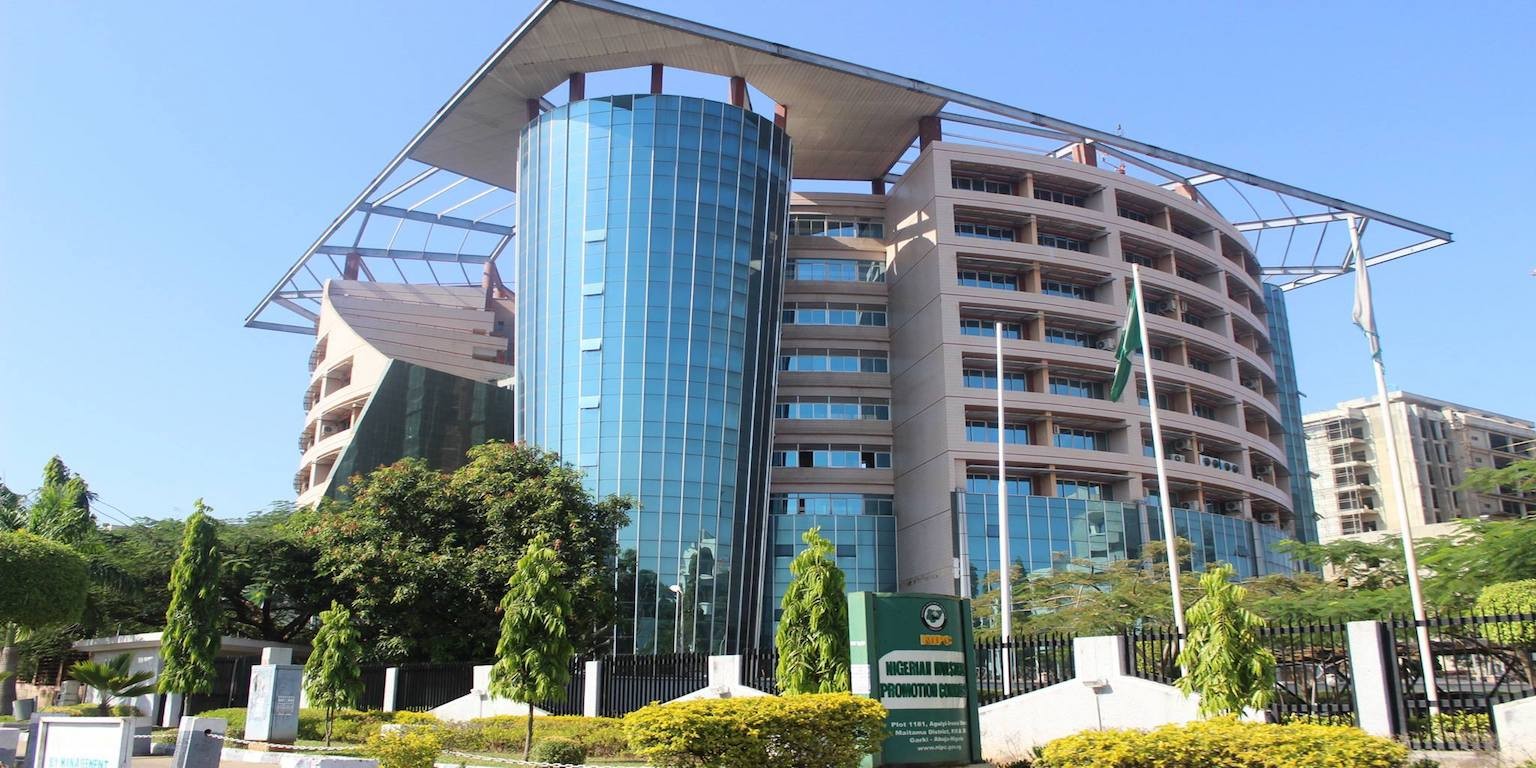
The Nigerian Communications Commission (NCC) has disclosed that more than 75 million telecom subscribers across the country have been compensated for poor quality of service, even as operators continue to invest heavily in network expansion and broadband infrastructure to improve customer experience.
This was one of the major outcomes of the 109th Meeting of the NCC Governing Board held on May 25, 2026, where members reviewed developments in the telecommunications sector and considered key regulatory, strategic and collaborative issues affecting the industry and Nigeria’s broader digital economy.
According to a communiqué issued by the Office of the Commission Secretary, the Board received updates on industry operations and noted significant investments being undertaken by Mobile Network Operators (MNOs) to strengthen network coverage, capacity and overall service quality. The Commission revealed that operators have committed to deploying more than 12,000 additional coverage and capacity sites across the country, with over 5,000 sites already completed, representing more than 40 percent of the planned rollout.
The Board also noted improvements in transmission infrastructure, with fibre connectivity now extended to more than 700 sites nationwide. The development is expected to improve network resilience, boost backhaul capacity and enhance service reliability. In addition, colocation and infrastructure-sharing companies have continued to upgrade infrastructure, deploying new equipment across more than 2,000 Base Transceiver Stations (BTS) in support of operators’ network expansion programmes and compliance with quality-of-service obligations.
Reviewing the Commission’s directive requiring operators to compensate subscribers affected by poor service quality, the Board expressed satisfaction with the level of compliance achieved so far. It noted that full implementation of the directive had resulted in compensation being offered to more than 75 million affected subscribers. The Commission, however, said it would continue to independently verify operators’ claims to ensure all eligible subscribers receive the compensation due to them, while encouraging consumers to maintain engagement with the regulator on service-related concerns.
The Board also examined compliance by tower infrastructure providers, which had been directed to reinvest regulatory fines into infrastructure upgrades capable of delivering measurable improvements in network resilience and service quality. While acknowledging progress made by the Tower Companies (TowerCos), the Board observed that some operators had only partially complied with the requirement to fund escrow accounts with the full value of regulatory fines. It stressed the importance of full compliance to guarantee sustainable infrastructure improvements across the sector.
As data consumption continues to rise rapidly across the country, the Board noted that demand growth has been constrained by inadequate infrastructure capacity, overreliance on mobile internet services and the duplication of network assets. These challenges, it observed, have contributed to service quality concerns experienced by consumers.
Nevertheless, the Commission reported encouraging growth in Fibre-to-the-Home (FTTH) subscriptions, which increased from 84,141 subscribers in the fourth quarter of 2025 to 210,065 subscribers by the fifth quarter of 2025. Although the figure remains relatively small compared to national demand, the Board said the upward trend reflects growing acceptance of fixed broadband services among consumers.
The Board maintained that expanding FTTH and other fixed-fibre connections would reduce pressure on mobile networks, improve service quality and provide Nigerians with more connectivity options. It also noted that the Commission is reviewing the telecommunications market structure to reflect current industry realities, particularly the evolving roles of wholesale and retail service providers.
According to the Board, wider access to wholesale backbone fibre infrastructure, supported by expanded metropolitan fibre networks, would enable more homes, businesses and institutions to connect to fixed broadband services. Over time, this would lower connectivity costs, improve affordability of retail data services and strengthen network resilience nationwide.
The Board reaffirmed that the expansion of fibre infrastructure remains the most sustainable pathway for meeting Nigeria’s growing data needs over the next decade and aligns with the Federal Government’s digital transformation agenda and its aspiration of building a $1 trillion economy.
Members of the Board also expressed concern over the persistent challenge of telecommunications infrastructure vandalism, which continues to affect industry growth and service delivery. While commending the efforts of the Office of the National Security Adviser and the Nigeria Security and Civil Defence Corps following the designation of telecommunications facilities as Critical National Information Infrastructure (CNII), the Board stressed the need for stronger collaboration among stakeholders to protect network assets across the country.
As part of efforts to strengthen infrastructure security, the Board disclosed that it is exploring the feasibility of establishing a Communications Industry Security Trust Fund to support the protection of telecommunications facilities.
The Commission further reviewed ongoing engagements with industry stakeholders aimed at developing a framework for the zero-rating of educational platforms and digital learning content. The initiative is expected to promote digital inclusion, improve access to educational resources and help bridge the digital divide between urban and rural communities.
The Board also considered the state of governance at the Digital Bridge Institute (DBI), noting that the expiration of the tenure of its Board Chairman and some members had created governance gaps requiring urgent attention.
To strengthen oversight and reposition the institute to play a more effective role in Nigeria’s digital economy, the Board approved the appointment of Princess Oforitsenere Emiko, a Non-Executive Commissioner of the Nigerian Communications Commission, as Interim Chairman of the DBI Governing Board. It also approved the appointments of Engr. Abraham Oshadami, Executive Commissioner, Technical Services, and Rimini Makama, Executive Commissioner, Stakeholder Management, as interim members of the Board.
At the conclusion of the meeting, the NCC reaffirmed its commitment to building a sustainable, inclusive and resilient communications sector capable of driving Nigeria’s digital economy. The Commission pledged to continue prioritising quality of service, network resilience, consumer protection, transparency, fair competition and market discipline as part of its regulatory mandate.