








Nigeria’s marketing and communications industry is entering a new phase of self-organization, as senior executives call for stronger institutional frameworks to match the country’s global talent reputation.
This conversation took center stage at the inaugural 2026 meeting of the CMO Circle by MarkHack, held on June 5 in Lagos. The gathering brought together top marketing executives, brand leaders, and industry stakeholders to reflect on the future of leadership, talent, and policy influence within the sector.
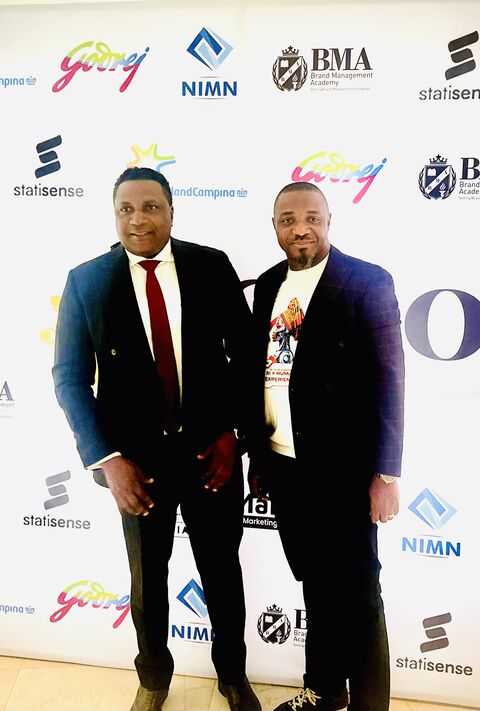
Among the participants was advertising executive Steve Babaeko, who described the session as a turning point for the industry’s structural development. According to him, while Nigeria continues to produce globally competitive marketing talent, the missing link has long been a formal space where leaders can exchange ideas, align thinking, and collectively influence the direction of the industry.
The CMO Circle, he noted, represents an attempt to fill that gap by creating a structured environment where chief marketing officers and senior professionals can collaborate beyond corporate boundaries and build shared intelligence that benefits the broader ecosystem.
The event was endorsed by the International Advertising Association Nigeria Chapter, a move widely interpreted as institutional recognition of the initiative’s potential long-term impact on the industry.
Discussions at the forum were anchored on the theme “The C-Suite Mandate: Talent Density and Marketing Leadership,” a session chaired by respected industry figures Iquo Ukoh and Lolu Akinwunmi. Conversations focused on leadership depth, talent development, and the need for stronger coordination among senior marketing professionals.
The initiative was convened by Victor Afolabi, who has been advocating for more structured collaboration within Nigeria’s marketing and innovation ecosystem.
Beyond networking, participants emphasized that the absence of coordinated platforms has historically limited the industry’s ability to translate individual expertise into collective influence—particularly in shaping business strategy, policy direction, and regional competitiveness.
For many attendees, the launch of the CMO Circle signals a shift from informal professional engagement to a more intentional effort to build institutional capacity within African marketing.
As one participant noted, the focus is no longer on whether African marketers deserve a seat at the global table, but on how to build and strengthen their own table altogether.