

LAGOS — Discussions at the Africa Energy Technology Conference have highlighted the urgent need for stronger collaboration, digital integration and talent development to improve efficiency and reduce costs across Africa’s energy sector.
Ibilola Amao, who represented the Petroleum Club Lagos as a board member at the conference, said the event brought together industry leaders, policymakers, and technology innovators focused on shaping Africa’s energy future.
Focus on efficiency and cost reduction
A major theme of the discussions was how technology and standardised operations can significantly reduce the high cost of oil production, particularly in deep offshore projects in the Gulf of Guinea, where drilling costs can reach as high as $200 million per well.
Amao noted that improved use of digital tools, data optimisation, and operational standardisation across National Oil Companies (NOCs) and International Oil Companies (IOCs) are essential to enhancing efficiency and improving decision-making across the value chain.
Strengthening NOC–IOC collaboration
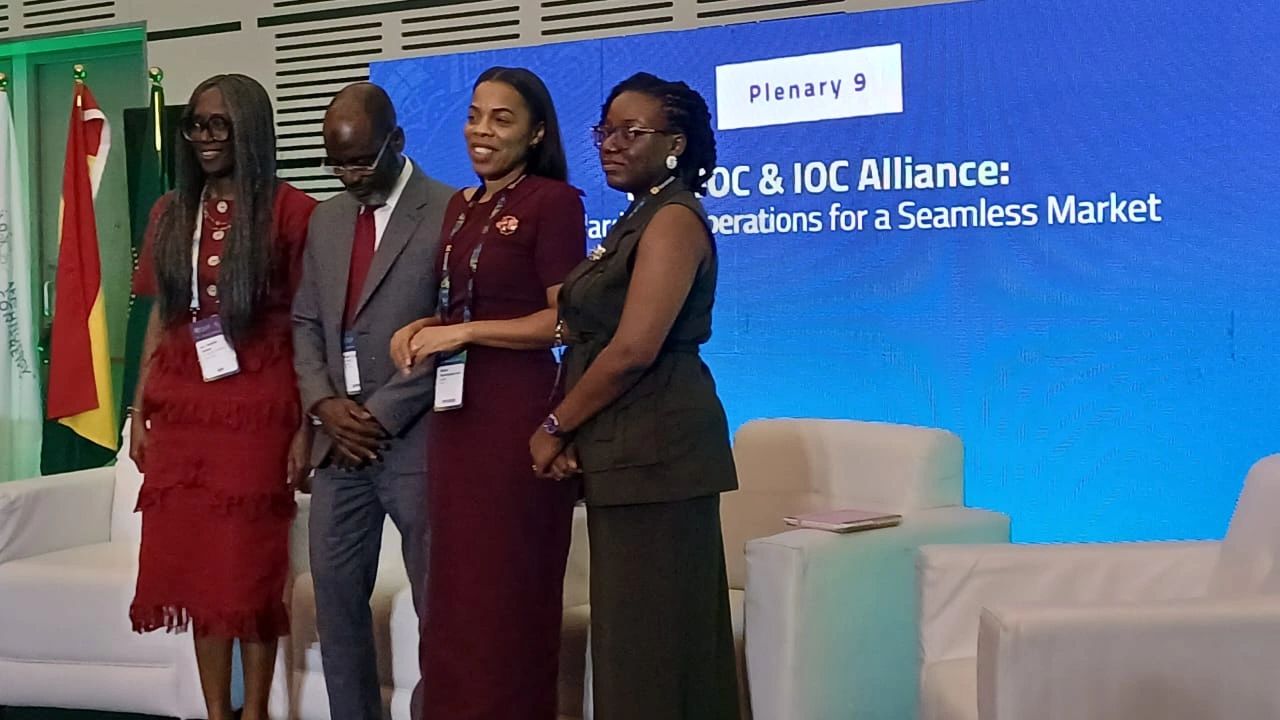
The conference also examined the importance of stronger alliances between NOCs and IOCs, particularly in harmonising operational standards to enable smoother marketing and production processes.
Participants emphasised that digital integration and effective data management are becoming increasingly critical for maximising value creation and ensuring seamless coordination between exploration, production, and delivery systems.
Technology transfer and local capacity building
Amao further stressed the role of Original Equipment Manufacturers (OEMs) and technology providers in supporting local content development and skills acquisition within Africa’s energy sector.
She highlighted that meaningful technology transfer and structured capacity-building programmes are essential for strengthening indigenous expertise and enabling African professionals to compete globally, especially as the industry expands into more complex deepwater assets.
Talent as a strategic priority
A key takeaway from the conference was the growing recognition that workforce development is central to long-term industry success.
Amao noted that asset owners, including both NOCs and IOCs, must prioritise talent development as a strategic business imperative, alongside investments in infrastructure and technology.
She added that competitive energy production depends not only on advanced assets and systems but also on a highly skilled workforce capable of driving innovation, operational excellence, safety, and sustainability.
Outlook for Africa’s energy sector
The discussions concluded that Africa’s energy future will be shaped by stronger partnerships, standardised operational frameworks, increased technology adoption, and deliberate investment in human capital.
Amao reaffirmed that sustained investment in people remains one of the most critical factors for ensuring long-term energy security and enabling African businesses to deliver globally competitive solutions.