


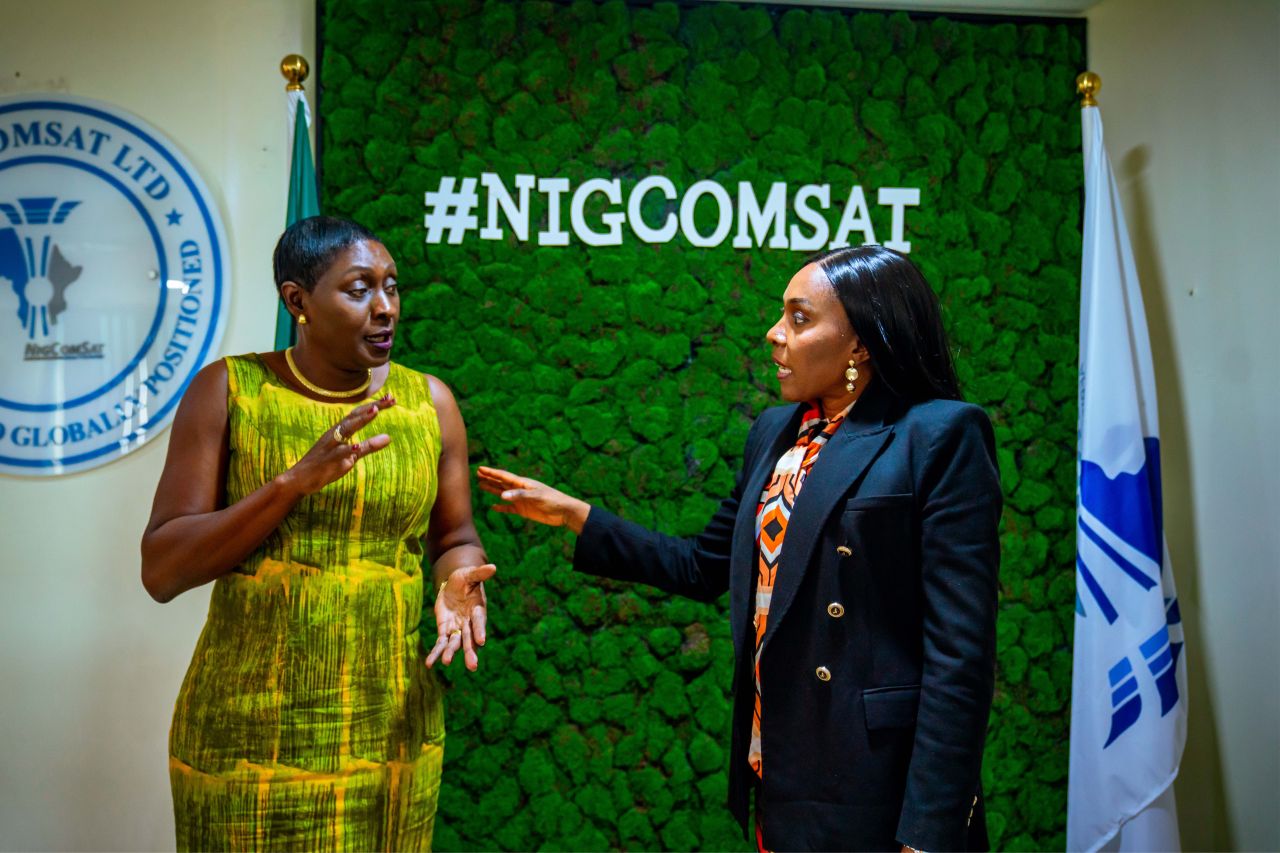






The Country Director of PharmAccess, Njide Ndili, has emphasized the growing importance of digital connectivity in strengthening Nigeria’s healthcare system, describing it as a key pillar for achieving Universal Health Coverage (UHC).
Speaking after a recent visit to the Nigerian Communications Satellite Limited (NIGCOMSAT), Ndili said discussions with the agency’s Chief Executive Officer, Jane Egerton-Idehen, highlighted the urgent need to treat connectivity as essential health infrastructure rather than optional technology.
According to her, the future of healthcare delivery in Nigeria will increasingly rely on the ability to digitally connect patients, healthcare providers, diagnostic services, financing systems, and data platforms in real time.
Ndili noted that many rural and underserved communities continue to face limited access to healthcare services, not only because of inadequate medical facilities, but also due to unreliable internet and communication infrastructure.
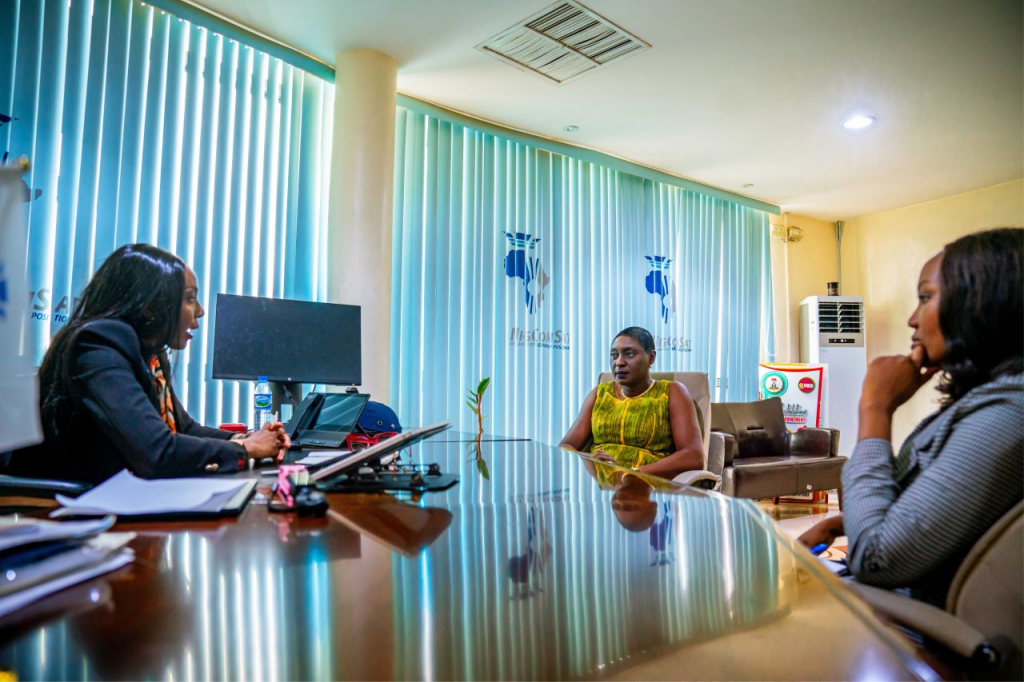
She explained that stronger connectivity would support critical healthcare functions such as telemedicine, remote consultations, connected laboratory systems, digital health insurance processing, disease surveillance, emergency response coordination, and electronic medical records management.
“Without connectivity, digital health remains theoretical. Without digital infrastructure, equitable healthcare access remains limited,” she said.
Ndili further described NIGCOMSAT as strategically important to Nigeria’s healthcare future, noting that satellite-enabled connectivity could help bridge healthcare gaps in remote communities, strengthen primary healthcare systems, and improve emergency preparedness during disease outbreaks.
She also called for greater collaboration across sectors, arguing that healthcare, telecommunications, finance, energy, and technology are now deeply interconnected components of national development.
The PharmAccess executive reaffirmed the commitment of the Healthcare Federation of Nigeria to promoting stronger public-private sector integration, stressing that achieving quality healthcare outcomes and universal coverage would require coordinated systems rather than isolated interventions.
She added that healthcare sovereignty in the digital age would depend on Nigeria’s ability to build resilient, interoperable, inclusive, and scalable digital systems.
“Connectivity is not just about technology. It is about access, equity, and health,” Ndili stated.