


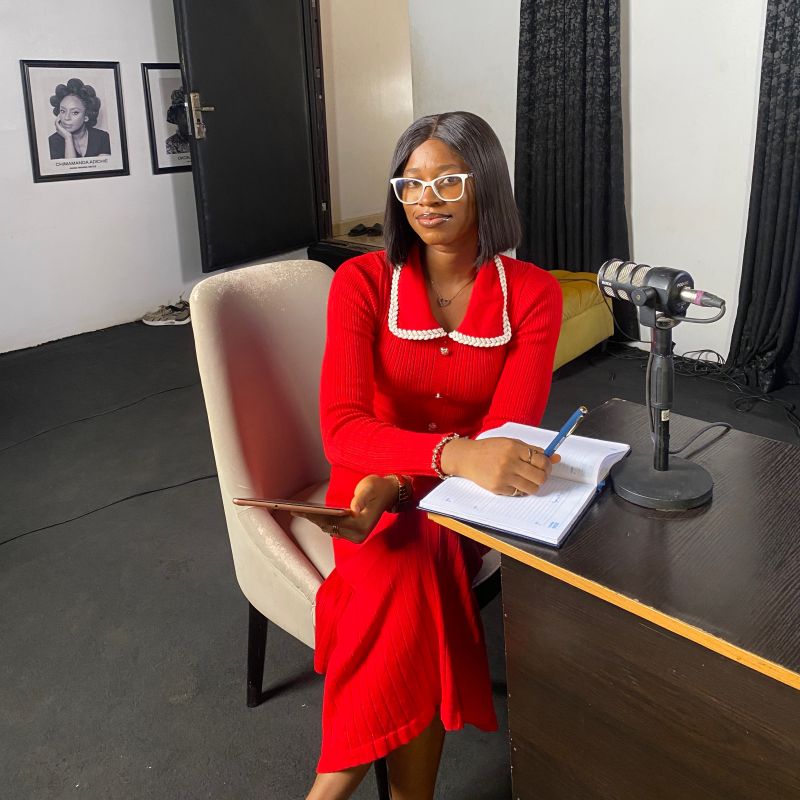





A media professional has reignited discussion on the distinction between journalism and content creation, highlighting growing concerns over blurred boundaries in today’s digital media landscape.
Journalist and media strategist Ifunanya Ibeneme noted in a recent commentary that content creation and journalism, though often practiced on similar platforms, are fundamentally different in purpose, standards, and responsibility.
She explained that content creation is a broad field that includes entertainment, marketing, education, storytelling, and personal branding, often aimed at audience engagement or online visibility.
In contrast, she said journalism is guided by strict principles such as accuracy, fairness, independence, accountability, public interest, and ethical reporting. According to her, journalists are required to verify information before publication, unlike content creators who may not always operate under the same obligation.
Ibeneme further stated that while content creators can freely express opinions, share trends, and publish personal experiences or viral content, journalists bear a higher responsibility to maintain truth and public trust.
She acknowledged that the rise of digital platforms has made the distinction less clear, as many news stories now break first on social media in formats similar to journalism. However, she emphasized that not all such content qualifies as journalism unless it adheres to established professional standards.
She concluded that journalism goes beyond appearing on camera or posting news online, stressing that it is defined by responsibility and adherence to ethical practice.
The discussion has since sparked renewed debate on how to clearly define the boundary between digital journalism and content creation in the evolving media space.