







For millions of Nigerians, unreliable electricity is not just an inconvenience. It means children studying in the dark, small businesses shutting down early, and families spending a fortune on petrol generators just to get through the day.
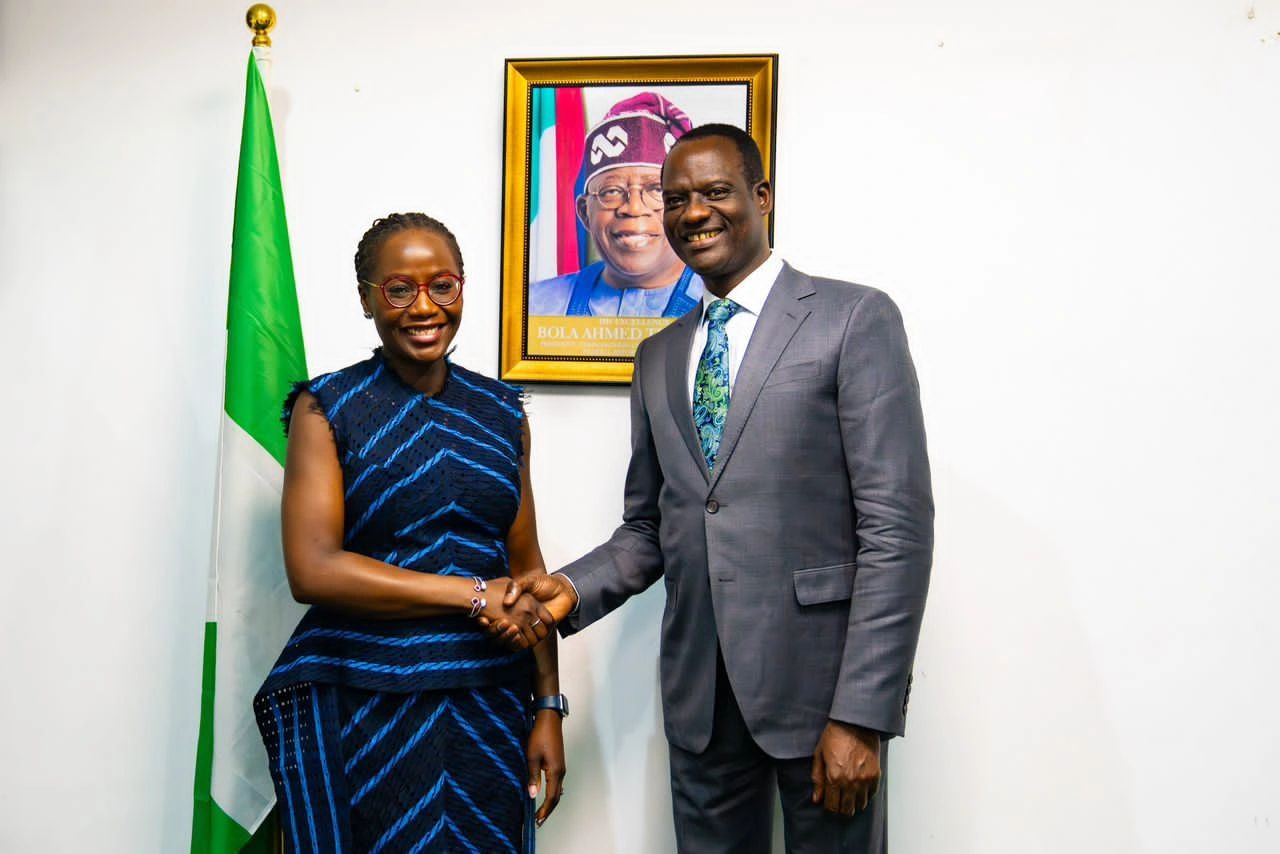
But a new push from the federal government is trying to change that. The Special Adviser to the President on Energy, Olu Verheijen, recently met with the Minister of Finance and Coordinating Minister of the Economy, Taiwo Oyedele, to find ways to make energy policy work for ordinary people.
Their mission is simple but ambitious: align the country’s finances with its energy goals so that more Nigerians get access to reliable, affordable power.
At the heart of the discussion was how to unlock the money needed to fix the electricity market. The government wants to increase oil production to 3 million barrels per day, but beyond that, leaders are looking at practical ways to redesign the power sector so that it actually functions. That means fewer blackouts, more investor confidence, and ultimately, electricity that small business owners and families can depend on.
For a trader in Lagos who relies on light to keep her shop open past 6 p.m., or a student in Kano trying to study for exams, these reforms aren’t just policy jargon. They are the difference between struggling to get by and having a real shot at a better life.
Oyedele put it this way: driving energy reforms requires coordinated policy and strategic investment. But behind those words is a deeper promise, one that touches every Nigerian who has ever sat in the dark and wondered when the lights would come back on.
ANTHONY EMEKA NWOSU