
…Sets up TELCARE Desk for enhancing consumer protection

The Nigerian Communications Commission (NCC) has reaffirmed its commitment to accelerate deployment of robust broadband infrastructure accessible to all Nigerians. This is to enhance their access to the required resources to carry out seamless digital financial services, irrespective of their locations and circumstances.

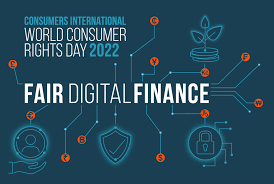
The Commission gave the assurance at a programme organised to commemorate Year 2022 World Consumer Rights Day (WCRD). At the programme which took place at the Commission’s Head Office in Abuja on Tuesday, March 15, 2022, and implemented in the context of the global theme: ‘Fair Digital Finance’, the Management of NCC announced the establishment of a dedicate desk, tagged: “TELCARE” to be operated across the country to enhance telecoms consumer protection.

Attendance and participation at the event, operated in-person and virtually, was overwhelming. Board members, senior management and staff of the Commission, collaborating agencies and other critical industry stakeholders were among the participants. The event also ran concurrently with a roadshow carried out in Abuja and other NCC zonal offices in different parts of the country, to enlighten telecom consumers on the significance of the WCRD and to engage them on the NCC’s unwavering commitment to consumer protection.

Speaking at the event, the Chairman, Board of Commissioners of NCC, Prof. Adeolu Akande, said in line with NCC’s mandates, the Board and Management have been upbeat in implementing regulatory initiatives aimed at building a robust digital ecosystem to drive the frontier of digital economy with positive impacts on all other sectors in the nation’s economy.

Alluding to the theme of the WCRD 2022, Akande said considering the increasing number of telecom consumers who are also users of digital finance services, the Commission is working assiduously to ensure that all consumers, including the most vulnerable, are provided with access to manage their finances, and protected from scams, fraud, and phishing to safeguard their data.

Earlier in his keynote address, the Executive Vice Chairman of NCC, Prof. Umar Danbatta, said the theme of this year’s WCRD aligns with the emerging realities of the regulatory goals of the Commission. He informed the audience that the Commission is aware of the dynamic changes in the telecom industry, even as the Commission consolidated the growth in the telecommunication sector since the sector’s liberalisation in 2001.

Danbatta stated that the growth in the telecom industry has led to convergence in different sectors, especially between telecoms and financial service sector. According to him, there is no greater demonstration of this than the fact that financial transactions that were once conducted in-person at banking halls are now undertaken on consumers’ mobile devices. “Financial and commercial activities have been digitised, and the most common of this is the Unstructured Supplementary Service Data (USSD), which has brought ease to financial transactions,” he said.

Danbatta declared that NCC embarked on various initiatives including the licensing of Infrastructure Companies (InfraCos), effective utilization of spectrum, industry collaboration to address operators’ challenges, increased collaborations with relevant government agencies such as the Central Bank of Nigeria. A central objective of these initiatives is to ensure availability, accessibility and affordability of ubiquitous broadband services to drive growth in all sectors, including financial services sector.

The EVC explained further that the Commission has been working hard to ensure that broadband penetration gets to every part of the country. He asserted that the number of active mobile subscriptions reached 195.4 million while Internet subscription has exceeded 141 million, because there has been increasing broadband penetration which stood at 40.88 per cent as at December 2021.

“Despite some of the challenges confronting the sector, telecommunications remained an enablers of growth in the Nigerian economy, in the year 2021. The Information and Communications sector contributed over N17 trillion to the nominal Gross Domestic Product (GDP), according to data from the National Bureau of Statistics,” Danbatta said to put the contribution of telecom and ICT in context that the audience could relate with.

Also, consistent with NCC’s focus to ensure that consumers get satisfaction, Danbatta disclosed that the Commission had finalised arrangements to establish the Telecom Consumer Assistance, Resolution and Enquiries (TELCARE) Desk. The Desk, he said, will be strategically located in different parts of the county to serve as an additional platform to receive and facilitate the resolution of consumer complaints.

According to him, the Desk will also provide a means through which consumers and citizens can make inquiries on consumer issues; provide a platform for advocacy on any topical consumer issues and concerns, and further enhance awareness of the Commission’s activities. He said the Desk will complement other existing initiatives of the Commission aimed at protecting the interest, privileges and rights of the consumers.

The EVC’s submissions were underscored by the Commission’s Executive Commissioner Stakeholder Management, Adeleke Adewolu, who declared that the theme of the WCRD is a reminder that “we all have the responsibility to protect the consumer from market abuses, exploitation, and injustices that erode the consumer’s rights, especially with respect to using digital financial services.”

Representatives of the Office of the National Security Adviser (ONSA), CBN, Association of Licensed Telecom Operators (ALTON), the Industry Consumer Advisory Forum (ICAF), National Disability Empowerment Forum (NDEF), telecom operators, among other stakeholders, commended the Commission for all its consumer-centric initiatives and assured of their continuing collaboration towards creating a safer cyber space for digital service users in Nigeria.

Earlier, as part of the activities slated for this year’s commemoration of the WCRD, the NCC had, on Monday, March 14, 2022, organised a debate for secondary school students in Abuja. The debate focused on how the students use mobile devices to enhance their academic performances. The Commission seized the opportunity of the debate to enlighten the students on their rights and privileges, and to discuss other activities of the Commission.
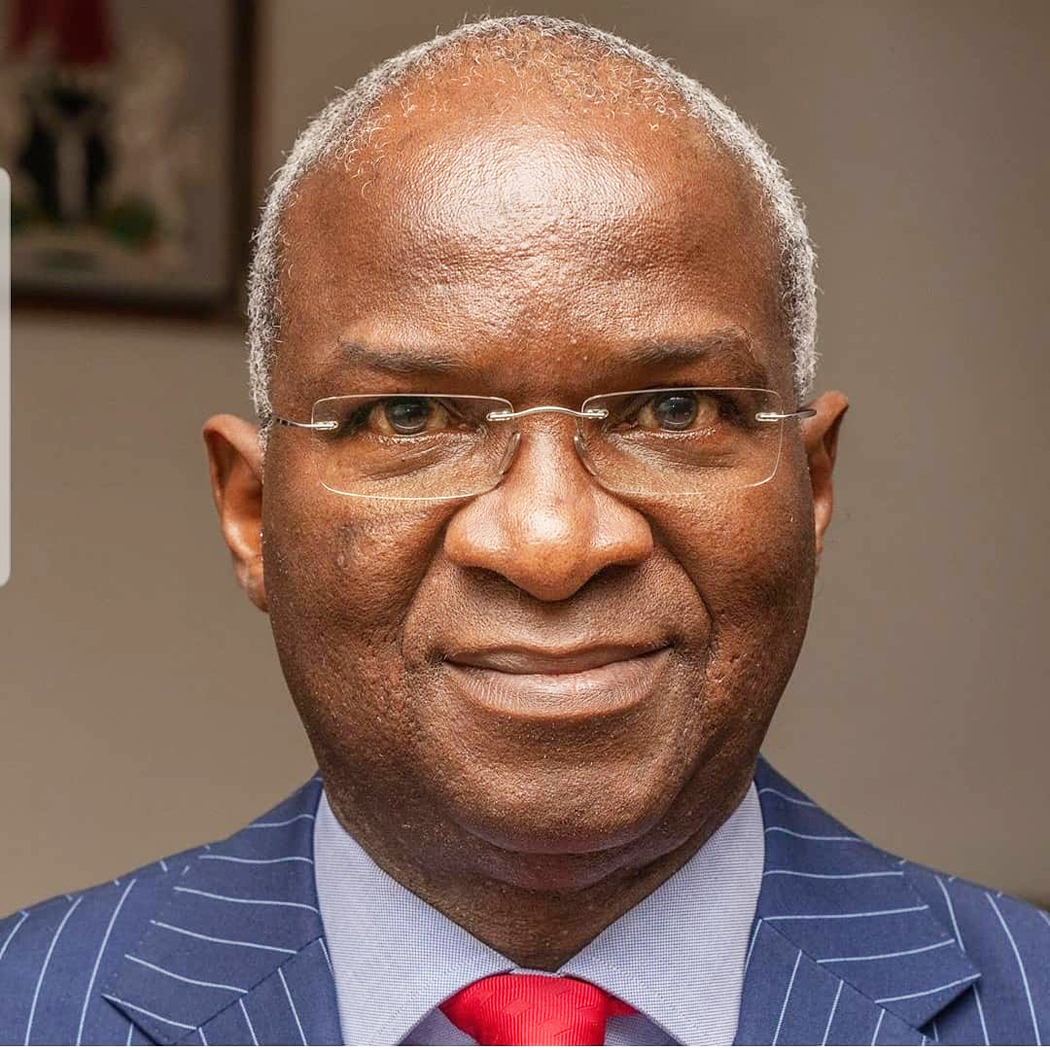

The Minister of Works and Housing, Mr. Babatunde Fashola, SAN has declared that the commitment of the human resources comprising men and women determines the quality of life in every given environment.

He stated this at the Federal Ministry of Works and Housing 2020 Staff Recognition and Reward Ceremony during which 35 outstanding members of staff were honoured for productivity and diligence in service delivery at the International Conference Centre, Abuja on Monday 14th March 14, 2022.

The Minister emphasized that the quality and quantity of man and woman power commitment determines the quality of life and should be accorded adequate attention and care hence the institution of the awards to encourage better productivity from the staff.

“I believe that human resources require more attention to get the best out of them and it is part of the reason why we undertake this process of recognition and reward ceremony to those who have given their skill, their time, some beyond the call of duty and who have demonstrated a commitment that is an enchantment to others,” he said.

Fashola said that Civil and Public Servants are goal getters who can do everything and anything if they are challenged, stating that whatever government initiates, civil and public servants will deliver on them.

“I also tell my colleagues when we hold our monthly meetings, that perhaps we have not paid enough attention to the activities and possibilities that lies in the public service. I truly believe that Civil and Public Servants can do everything and anything if they are challenged, if a government responds today and say I want to run a policy of education, civil service will deliver and if after an election and a change of government and it comes and says I want to deliver a programme on free education, the same civil service that delivered paid education will move again and deliver on free education,” he said.

The Minister also reiterated government’s commitment to ensuring adequate and conducive environment for workers to thrive by making sure that the federal secretariats across the nation are in good working condition.

“At our assumption of duty, we saw that the federal secretariats across the nation where some of our staff work require attention. Today, we have essentially refurbished, renovated and now undertaking daily and routine maintenance in 24 Federal Secretariats across the nation to make the place more habitable and hoping that this will provide better and more deserving work accommodation and better environment for civil and public servants not only in our Ministry but all Federal and Public staff employed in all states.”

Fashola applauded the awardees and admonished them to keep on working hard, adding that the reward called for more work. He added that the awardees represent the 5000 staff strength of the Ministry nationwide who do the hard work, and make possible some of the things that seem impossible before now.
“For me, the Nigerian Civil and Public Servants deserves to be resourced, rewarded and also to be accountable,” he said.

In his welcome address, the Director Overseeing the Office of the Permanent Secretary Federal Ministry of Works and Housing, Engr. Chukwunwike Uzor said the awardees were carefully selected using quantifiable and objective parameters that ensured that the best candidate emerged from each of the category’s field of selection, explaining that it was necessary to ensure transparency, integrity in the mode of selection, and above all to achieve the objective of the exercise which promotes excellence.

He congratulated the awardees and advised them not to rest on their oars, adding that to whom much is given, much is also expected.

In her goodwill message, the Head of Civil Service of the Federation, Dr. Folashade Yemi-Esan represented by the Permanent Secretary Staff Welfare, Office of the Head Of Service Dr. Ngozi Onwudiwe congratulated the Management and Staff of the Ministry for joining the train of MDAs that have accepted the need for recognition of the contribution of staff who have shown outstanding performance and exemplary conduct in the discharge of their duties towards the attainment of the mandates of the Ministry.

She urged the awardees to be shining stars and examples for other members of staff and also continue to maintain the reputation of effective service delivery for which the Federal Ministry of Works and Housing is known in the public service.
The Head of Service also encouraged those that were not so lucky at this year’s award to work harder to be the shining stars for recognition at the next recognition and award ceremony.

The awards were in the categories of: Most Hardworking Junior Staff, Best Performing Senior Staff, Best Performing Task Team and Most Outstanding Director of the year.

Responding on behalf of the recipients, the award winner of the Most Outstanding Director of the year, Director Highways, Planning and Development, Federal Ministry of Works and Housing, Engr. Ibi Terna Manasseh, thanked the management and staff of the ministry for the special award.

President Muhammadu Buhari has approved the reconstitution of the Governing Board of the National Broadcasting Commission (NBC), following the expiration of the tenure of the former Board.

In a statement issued in Abuja on Wednesday, the Minister of Information and Culture, Alhaji Lai Mohammed, said the board has Hon. Bashir Omolaja Bolarinwa as Chairman.

Other members, who were appointed to represent various interests as stipulated by the NBC Act, include Mr. Wada Asab Ibrahim, Mr. Iheanyichukwu Azubike Dike, Mrs. Adesola Oyinloye Ndu and Mr. Olaniyan Olatunji Badmus.

Also on the Board are Mr. Bashir Ibrahim, Mr. Obiora Ilo, Mr, Ahmad Sajo, Engr. Bayo Erikitola, a representative of the State Security Service, a representative of the Federal Ministry of Information and Culture as well as the Director-General of the Commission.

The Board has a three-year tenure.

VP harps on importance of business environment reforms, receives PEBEC mid-term report on National Action Plan 7.0

Due to their centrality, especially in the age of technology, Nigerian scientists should get adequate support in the drive towards national development.

Vice President Yemi Osinbajo, SAN, stated this on Monday when he received, on a courtesy call at the Presidential Villa, Abuja, a delegation of the National Institute for Pharmaceutical Research and Development (NIPRD), Abuja, a parastatal under the Federal Ministry of Health.

The NIRPD delegation, which was led by its Director-General/CEO, Dr. Obi Peter Adigwe, made a short presentation to the Vice President on its projects which focused on three thematic areas: uterine fibroids, prostate issues and men’s health, and sickle cell disorder.

Acknowledging the work being done by the Institute in the areas of medical research and pharmacology, the Vice President said he was proud of the amount of work being done by them.

“I’m truly proud of what is going on in NIPRD; the sheer amount of serious work that is coming out of there. And I am pleased that at least we are taking our scientists seriously. I don’t believe that there is any country in the world that can really appear to be doing well, not to talk of doing well, if they don’t take their scientists seriously.


“It is very evident that we must do something more serious about our scientists; and we must continue to ensure that they provide the leadership in terms of innovation, medical research, engineering and all of the various other areas that are important to our development.”

Referencing the inadequate access to COVID-19 vaccines for developing countries at the height of the global pandemic, the VP stated that “Africa needs to do a lot more in terms of developing capacity to solving our problems.”

This is one of the reasons why the VP commended the work being done by the Institute.

“Everybody at the end of the day will solve their own problems. And I think that we have all the capacity to do so, and that capacity is very well represented in NIPRD, in the excellent talents and experience that you have put together,” he noted.
The Vice President further observed that it is becoming increasingly important to provide requisite incentives to encourage and reward local scientists.

“Here in Nigeria, obviously, we need a bit more in terms of being able to manage and reward talents so that people remain and then are able to do the work,” he said.


Prof. Osinbajo praised the NIPRD team for providing solutions to local issues and being able to deliver on its mandate within the limited resources it has, while assuring them of the Federal Government’s continued support in improving their capacity and infrastructure.

“We should continue, and push even more, in that direction,” he added.
The DG/CEO of NIPRD, Dr. Obi Adigwe, in his remarks, thanked the President Muhammadu Buhari administration for its continued support.

He also commended the Vice President for championing the progress and development of the Institute, noting that the VP’s remarks at the Institute’s conference in October 2021 was a major inspiration behind their ongoing projects.


Prof. Osinbajo had declared the three-day International Conference on Health Access and Socio-Economic Development Beyond COVID-19, which was organized by NIPRD.

Recalling the VP’s remarks during the conference, where he noted that Africa should find solutions to African problems, Dr. Odigwe said, “Your Excellency, we appreciate the role that you played in headlining the conference. As you identified during our meeting, we need to begin to take national pride in providing solutions to our problems. Thank you for your constant engagement, encouragement and support. We do not take it for granted.”

He added that the global recognition the Institute had garnered in recent years, as well as the milestones it has achieved so far, “is a demonstration of what can be done when we get the right political support to underpin what we do as scientists.”


While acknowledging the impact of the Buhari administration on turning things around at the Institute, the DG said, “prior to this administration’s interest in the Institute, we had suffered decades of neglect. But with its interventions, we have now received over 100 new equipment. This now means that the Institute has emerged as one of the reference points in various thematic areas in Africa for the analysis that we do.”

Earlier on Monday afternoon, also at the Presidential Villa, Abuja, the Vice President presided over the Presidential Enabling Business Environment Council (PEBEC) meeting, where he received the mid-term report of the Council’s 7th National Action Plan (NAP 7.0), which has a 60-day cycle.

The meeting was attended by Federal Ministers, including the Minister of Industry, Trade and Investment, Otunba Adeniyi Adebayo; Foreign Affairs, Geoffrey Onyema; Works & Housing, Babatunde Fashola; Information, Alhaji Lai Mohammed; and Police Affairs, Alhaji Maigari Dingyadi.

Others include the Special Adviser to the President on Economic Matters, Dr. Adeyemi Dipeolu; as well as senior officials/ representatives of federal government agencies.

At the meeting, the VP urged Ministries, Department and Agencies (MDAs) of government to ensure the successful implementation of reforms under the Council’s NAP 7.0.

In line with the commitment to improving the business environment in Nigeria, the Council had commenced NAP 7.0 on February 7 to drive the implementation of these key reforms.

Referencing the commitment of the Buhari administration to improving the economy, the VP stated that implementing “these reforms are vital” towards further improving the country’s business environment

“This is why we must have these reforms. It is also important that all the procedure reforms can be put in place. At meetings like this, issues that should be resolved are escalated for onward resolutions; and those things that need to be done have to be done,” he said.

The Vice President commended the PEBEC team led by the Special Adviser to the President on Ease of Doing Business and Council Secretary, Dr. Jumoke Oduwole, for their hard work and commitment towards ensuring the implementation of the reforms.

In his remarks after the presentation of the progress report, the Minister of Industry, Trade and Investment stated that the Council noted the need for a lot more work to be done by government agencies in implementing the priority reforms, in order to boost the country’s economy.

In her presentation to the Council, the Special Adviser to the President on Ease of Doing Business, Dr. Jumoke Oduwole, stated that there are 58 reforms for implementation under NAP 7.0, which will run from 7th February to 7th April 2022.
She added that as at March 8 – day 30 of the Plan – the reforms implemented stood at 26%.

The indicators for NAP 7.0 are focused on five broad areas for reforms, namely: agro-export, airport, automation, regulatory and Executive Order 1 (EO1)/ReportGov.NG reforms.

“So, we really need to drill down on those escalations, hold agencies accountable, and encourage them to push more to deliver these reforms for Nigerians,” she stated.
The National Action Plan is a signature homegrown 60-day accelerator and reform tool designed by PEBEC to coordinate the effective delivery of priority reforms of select ministries, departments and agencies annually.

The Executive Vice  Chairman and Chief Executive Officer (EVC/CEO) of the Nigerian Communications Commission (NCC), Prof. Umar Danbatta, has emphasised the commitment of the Commission to continually drive initiatives that accelerate deployment of digital infrastructure, in order to enhance economic transformation of Nigeria.

Danbatta reiterated the commitment of the Commission while speaking at the NCC Day, at the recently-concluded 43rd Kaduna International Trade Fair, organised by the Kaduna Chamber of Commerce, Industry, Mines and Agriculture (KADCCIMA).

Speaking on the overarching theme of the event “Strategising Nigerian Economy for Global Competitiveness,” in the context of the regulatory activities of the Commission, the EVC, who was represented by a Senior Manager at the Commission, Attah Ogbadu, said the NCC has been at the heart of providing the digital impetus for transforming the businesses and sustaining socio-economic activities in Nigeria.

Danbatta stated that due to the COVID-19-induced economic downturn and continued volatility, many countries are exploring policies to stimulate growth and create new jobs. “Information Communications Technology (ICT) is one of the fastest-growing industries because it triggers the creation of millions of jobs and therefore an enabler of innovation and socio-economic development”, Danbatta stated.

The EVC also asserted that while COVID-19 pandemic came with its attendant challenges, the Commission has continued to work assiduously with various stakeholders to see how more businesses can embrace digital platforms for delivering their services to the consumers.

PROF. DANBATTA, THE NCC EVC

He explained that aside accelerating digital infrastructure, NCC is also paying attention to ensuring a level-playing ground for operators to promote investment and ghe delivery of innovative services to individual consumers, small and medium enterprises (SMEs), and big business owners by ensuring enhanced consumer quality of experience.

“So, as a regulator, we also ensure we constantly inform you, the consumers, on how to be protected to prevent cases of online fraud and otherwise ensure you do not fall victims to cybercrimes while using the internet, legitimately”, Danbatta stated to underscore NCC’s commitment to consumer protection.

Also speaking at the NCC Day forum, The President of KADCCIMA, Suleiman Aliyu, who was represented by an official of the Chamber, Farouk Sulaiman, commended NCC for its regular and impactful attendance and participation at the trade fair. He also placed on record NCC’s commitment to improving network coverage and consumer-centric initiatives, which are increasingly impacting job creation, the emergence of new services and industries, workforce transformation, and business innovation.

On the theme of the event, Aliyu said the theme was chosen to complement the efforts of the government in promoting economic growth. Aliyu asserted that the critical impact of the communications sector on the nation’s economic output is evident in its contribution to the Fross Domestic Product (GDP).

According to Aliyu, “the competitiveness of Nigeria would depend on our ability to leverage new technologies in light of the rapid growth of the number of active mobile subscriptions, internet subscribers, and broadband penetration, indices of telecom sector’s mark as one of the fastest-growing sectors in the country.”

Meanwhile, majority of telecom consumers, who attended the trade fair, also visited the NCC Day event and the NCC corner of the Exhibition Group of the KADCCIMA. There, officials of NCC’s Consumer Affairs Bureau educated the enthusiastic consumers on the various consumer-centric initiatives instituted by the Commission to inform, educate and protect consumers.

The telecom consumers also seized the opportunity of the platform provided by NCC at the Fair, to make complaints and to resolve their service-related challenges at the NCC Stand of the Exhibition, which also housed representatives of telecoms operators who responded to the concerns of the consumers.

PECB University has signed a new Academic partnership agreement with Digital Encode Limited, to commit their knowledge, resources, and efforts to provide top-class education to students in Nigeria.

PECB University is an independent institution of higher education focused on business education, which is inspired by the tenets of professionalism of its parent company, PECB Inc. – a world-class certification body for persons on international standards.

On the other hand, Digital Encode is a leading Pan-African professional service and integration firm founded in 2003 that specializes in the design, management, and security of business-critical networks, telecommunications environments, and other Information Technology (IT) infrastructures. 

This partnership will ensure that the respective companies will give their expertise-based contribution in offering Executive MBA degrees in Cybersecurity, Business Continuity Management, and Governance Compliance and Risk Management. 

“PECB University has built a strong reputation in the worldwide market for its expertise in academic degree offerings, and will ensure that our study programs preserve international standards,” says Eric Lachapelle, Dean of PECB University. “We believe that our Executive MBA Programs in Cybersecurity, Business Continuity Management, and Governance Compliance and Risk Management perfectly complement Digital Encode Limited and this partnership will ensure that potential students get a degree that allows them to earn, retain or get promoted into their intended jobs in Nigeria.”

We are exhilarated with this strategic academic partnership with PECB University and we believe the partnership will increase our capacity building drive to make Nigeria the “Cyber security & IT GRC KNOWLEDGE HUB of Africa. Therefore, this agreement will bring the people of Africa the trainings that they need to respond to the market request,” said Dr. Obadare Peter Adewale the Chief Visionary Officer (CVO) at Digital Encode Limited.

###

About PECB University

PECB University is an independent institution of higher education focused on business education, which is inspired by the tenets of professionalism of its parent company, PECB Inc. – a world-class certification body for persons on international standards.

Based on this premise, PECB University seeks to build upon this established expertise and provide future-proof academic specializations, aimed at using the coherent and updated curriculum to add value to the professional development of its students, so that students, in turn, will have the skills and knowledge to make an impact on their workplace, innovate and become pioneers of change. 

PECB University’s mission is to provide top quality graduate level education, unique professional development opportunities and comprehensive learning management services that inspire continuous improvement, bridge the gap between academia and the labor market, and provide knowledge that benefit individuals, change organizations, and impact the society. For further information about PECB University Executive MBA Programs, visit pecb.university

Digital Encode Wins AwardsTHISDAYLIVE

About Digital Encode Limited

Digital Encode is a leading Pan-African professional service and integration firm founded in 2003 that specializes in the design, management, and security of business-critical networks, telecommunications environments, and other Information Technology (IT) infrastructures. 

Recognized in the industry for its vendor independent perspective, the firm’s expertise lies in solving multifaceted, complex enterprise security and audit problems. At Digital Encode, technology serves two purposes: to make money and to save money.

Digital Encode also provides advisory services toward improvements in Information Security Management, Network Security, Vulnerability Management, Penetration Testing, Computer Forensics, Risk Management, Business Continuity Management, and IT Governance. For more information, visit www.digitalencode.net.

Nigeria’s apex court, the Supreme court has declared the formation of League Management Company (LMC), the company that currently runs the Nigeria professional football​ League as an aberration and deceit.

In a land Mark judgement,​ the Supreme court said the LMC was fraudulently floated to avoid and evade pre existing debts and other obligations owed by the Nigeria Premier league Limited that is mandated by law to run profession football league in Nigeria.

It also chastised the lower courts that declared the Nigeria Premier league Limited dead and pronounced it alive.

” It is curious that after the judgement of the lower court presided over by Justice Okorowo on the 24th of June 2016, the Nigeria Premier League Limited received bank drafts to the tune of N244,000,000.00 (two hundred and fifty four million Naira) issued by Total Promotions Nigeria Limited which it took value in and subsequently transferred to Club owners.”

” Of not is that the judgement of Okorowo is not the dissolution order within the purview of the provisions of section 454 (1) of the company and allied matters act (CAMA).

( I must say straight​ away that there is a World of difference between the winding up of a company and the dissolution of a company. A company dies when a court orders the dissolution of the company. The revocation of a company and order of court winding up, some does not indicate its death. A company under winding up proceededings has not died. It is still alive but perhaps sick”, the learned justices said.

They further said that indeed injustice had been done in this matter and ordered the LMC to pay the sum of three million Naira to the appellant.​

It denounced the judgement of both the Federal High court and the appeal court.

The appellant is Emmanuel Oboh and Emmanuel Oboh and associates

The defendants/respondents are Nigeria Football League Limited, League Management Company Limited and First Bank of Nigeria PLC.

Africa No Filter and Meta (Facebook.com) are excited to announce today the six finalists of the ‘Future Africa: Telling Stories, Building Worlds’ programme – focused on harnessing and investing in the next generation of Extended Reality (XR) creators in Africa. The winners, selected from Mozambique, South Africa, Nigeria, Mauritius, Cameroon, and Kenya, will incorporate the creative uses of music, multimedia installations, films and sculpture to explore projects around spirituality, heritage, the cosmos, imagination and memory and masculinity into their extended realities projects – all with a focus on telling compelling African stories that are contemporary, narrative-shifting, and immersive.

The six participating storytellers are: 

  • Pierre-Christophe Gam, Cameroon: A multimedia artist who is working on a hybrid art installation that fuses VR, film, photography, and mixed-media sculpture to imagine the future of Africa from the perspective of an African family living in 2070.
  • Xabiso Vili, South Africa: A writer, performer and new media artist, Vili’s visual album is a speculative fiction piece that explores reconciliation and healing. Vili hopes to turn toxic masculinity into compassionate masculinity.
  • Nirma Madhoo, Mauritius: A fashion filmmaker, XR creator and Ph.D. candidate, her work explores African cultures as technologies, which she illustrates through ancient practices like cultural astronomy. 
  • Michelle Angawa, Kenya: A film editor XR creator, this creation centres around a short tragicomedy that depicts a day-in-the-life of a Nairobian boda boda rider, exploring desire and the complexities of Nairobian life. 
  • Malik Afegbua, Nigeria: A multimedia artist who is focused on curating a virtual heritage experience of the Kofar-Mata dye pit, a cultural and historical site in Kano, Nigeria.
  • Lara Sousa, Mozambique: A director and producer, this creation uses the journey of Lemanjá, the Afro-Brazilian goddess of wisdom, to explore the ocean as a sacred site of spirituality.

As part of the ‘Future Africa: Telling Stories, Building Worlds’ programme, each creator will be supported with funding of up to $30,000 and also participate in XR-industry events to improve their creativity and drive interest in their projects. They will also access mentorship from Electric South and Imisi3D. 

Jessica Hagan, Arts and Culture Program Lead at ANF, said, “It’s reassuring to see the amount of incredible XR talent on the African continent. The creativity and innovation we encountered in the selection process has been very exciting. It shows that Africa is also on the pulse of global innovation and tech trends that are redefining how stories are told and experienced. XR content creation is costly, but African creators are not falling behind.”

Sherry Dzinoreva, Meta’s Public Policy Programs Director, Africa, Middle East, and Turkey, said: “This specially curated program is an opportunity to support African storytellers who are leveraging the power of the next evolution of social technology, whilst also shining a spotlight on the amazing, creative, and diverse talent pool we have here on the continent . We understand the power of Extended Reality and how it can be used to tell stories that shift narratives about and within the continent – and we’re excited to see these visions come to life.”

VMWare Principal Partner and Africa’s only neutral cloud infrastructure business, Routed, says implementing a workable multicloud strategy hinges on a business properly assessing applications within its current infrastructure environment to decide which cloud is ideal for each of its applications.

“This should be balanced against the ability to provide fault tolerance for each application across cloud operators, as well as the integration between applications which might affect decisions to deploy applications together on the same cloud platform, or across multiple cloud platforms,” says Andrew Cruise, Managing Director, Routed.

Another equally important consideration is ensuring internal resilience when migrating or developing applications on any cloud platform. “It’s much better to first mitigate risk and avoid downtime caused by relatively minor issues, and only then design fault tolerance or failover between cloud operators in the event of a major downtime incident on one of your cloud operators,” he says.

An organisation’s choice of providers should be dictated by their ability to deliver a secure, performant and highly available hosting experience, combined with the required features and functions for all business applications. “Your provider’s credibility and reliability track record should be investigated and their expertise to run your business-critical applications queried,” notes Cruise.

He adds that a multicloud approach does not have to include all cloud operators or indeed any of the hyperscale cloud operators. “Risk mitigation dictates that multiple cloud operators should be chosen, but it should also be feasible for these to use one consistent platform, which is what VMware Cloud has been designed to do.”

The benefits of multicloud typically fall into two groups; the first being the value features of each individual cloud and the second group centred on risk mitigation, it’s important to remember that these two groups are inherently in conflict. “By definition, unique platforms, software and functions offered by a specific cloud provider are not offered by the others and therefore it is nearly impossible to load balance or provide cross-cloud resilience for applications that are developed with these toolsets across multiple cloud platforms,” explains Cruise.

Achieving resilience requires a lowest common denominator approach, which means using tools, functions and software available across all the cloud platforms in use. “Notably, the exception to this conflict is the VMware Cloud ecosystem: whether hosted in AWS, Azure, GCP, or any of the global hyperscale clouds, or on a local VMware cloud operator, or on VMware Cloud Foundation on dedicated internally managed infrastructure, a common toolset and software stack facilitates a consistent experience for hosted applications,” he says.

While multicloud and its place in digital transformation continues to evolve, Cruise cautions that it may not be suitable for every organisation, and those that do embark on the journey should expect proper implementation to take time.

“Cloud hype has progressed from the urgent ‘move to cloud!’ call of a decade ago, to ‘hybrid cloud rules’ five years ago, to the ‘multicloud or bust!’ message of today. Of course, each of these blanket statements has merit but there is no magic silver bullet for a businesses’ infrastructure requirements. Although the predicted move to cloud has been slower than the experts predicted, I believe that the multicloud story will be slightly more common than niche,” says Cruise.

Adri Führi, Group CFO at Fintech specialist e4, says that while diversity is a proven component of robust leadership and strategic commercial growth, much more can be done to ensure equality and innovation in the industry in the face of rapid, complex and ongoing change.

The IT industry culture in general is still playing catch up when it comes to promoting women.  Often, women need to work twice as hard to be taken seriously and are generally less likely to self-promote and speak up at meetings. Because of this, it’s important for women to understand the differences between men and women, embrace these, and move forward with the understanding that being a smart, passionate woman in the tech industry is an advantage.

Aside from some obvious cultural challenges, with fewer women in senior IT roles and executive leadership it can be difficult for young women to find and identify a mentor and this can limit their belief that women can succeed. Encouragingly, the landscape is changing, and internationally there are more women in leadership roles demonstrating that serious barriers are indeed falling away.

Sourcing and developing women with the appropriate competencies to thrive in IT is not only possible, but necessary for organisational success. There are practical steps organisations can take to ensure more women have the opportunity to make an impact at every level of the business. For organisations with limited female senior leadership, a first step is to create buy in from the entire executive team so that all efforts to ensure diversity add value to the business. Then, to find and appoint women that have the necessary competencies to affect meaningful change; women that are assertive, passionate and resilient with a track record of succeeding in business. At e4 it took an openminded executive that appointed a female CFO, who appointed a female HR executive, who facilitated the appointment and leadership development of many female leaders in the organisation. 

It’s important for young women at the beginning of their IT careers to find a role they’re truly passionate about and a mentor that inspires them. This makes the journey of learning and development much easier and far more rewarding.  For young women just starting out: do not apologise when you have done nothing wrong.   Many women apologise when they are still learning, apologise when asking questions, and worst of all apologise for setting high standards.

We cannot expect the gender gap to close on its own. It is only through investment in girls’ education in STEM, with a focus on technology, that we will create a sustainable pipeline of future IT qualified employees and leaders. Creating gender parity also involves identifying women in tech with the necessary competencies to fulfil leadership roles through mentoring, coaching, and identification of opportunities within an organisation. Ultimately, walking the talk on gender equality, diversity, and empowerment in SA tech requires intentional action and strategic leadership.