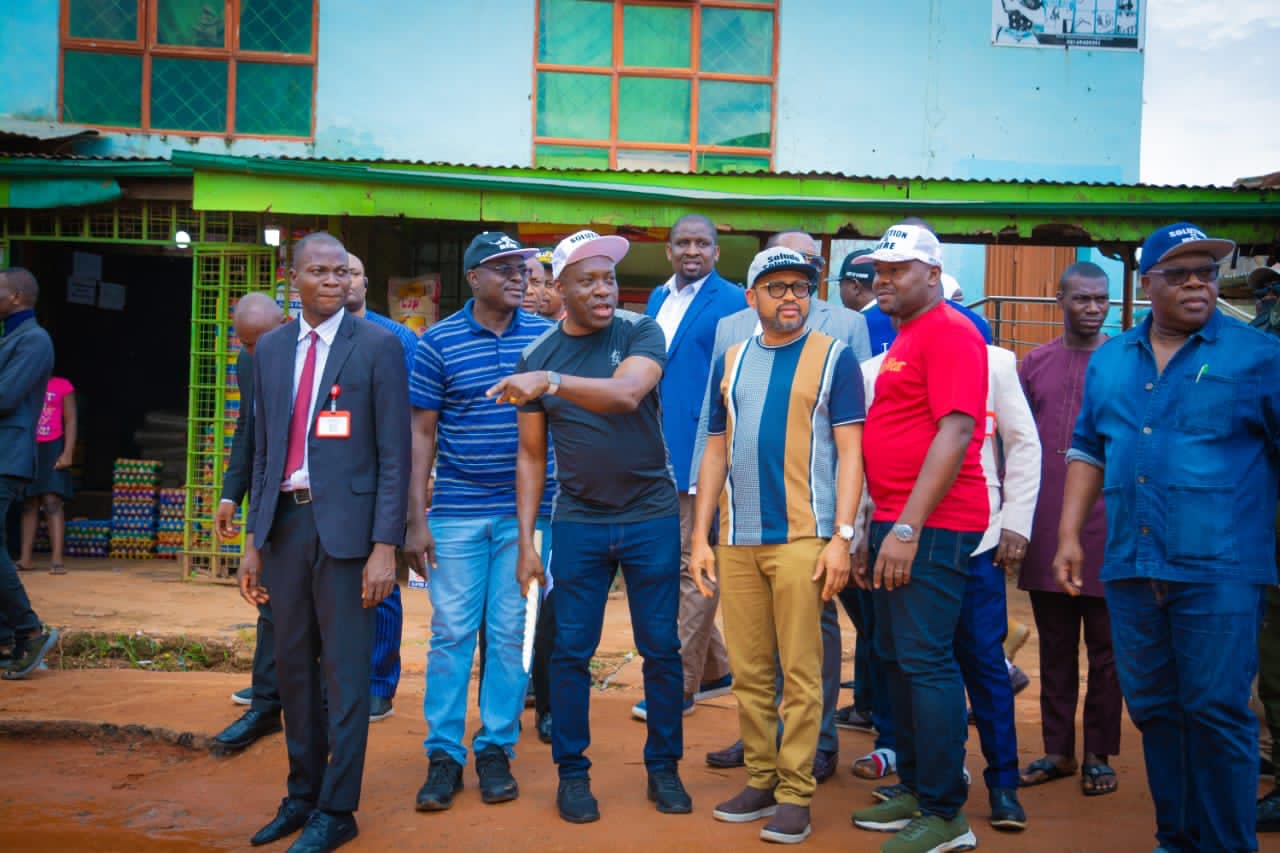
I have delayed writing this piece so that I could study reactive opinions and observations, particularly as it concerns the nascent developmental steps Mr Governor is taking. Yes, there’s something remarkable going on in Anambra recently, and ndi-Anambra and all its residents are currently applauding Governor Chukwuma Soludo’s wisdom, ensuring in distribution of road infrastructure projects evenly across the state.

From Amansea to Onitsha, to Awka capital territory to Nanka, from Ekwuluobia to Awa, to Nimo to Okpoko, and to others, the many road projects Governor Soludo have awarded has turned the state into a huge construction site. The era of cars breaking down and littering Anambra state roads, as well as broken roads is over. This is expected to make traveling within Anambra communities a pleasurable experience.

Yes! Governor Soludo is preparing Anambra for the future that everywhere you turn to in the state, you will find a contractor. For this reason, today, ndi-Anambra do wonder why God delayed making him Governor as early as 1999. Yet no one can question God who knows when and how best to use Soludo.

There are evidence that abound, and they have alot to do with his accomplishments at financial sector, that included a regime of consolidation of 89 banks to 25 with a stronger capital base. He also institutionalised Nigeria Security Printing and Minting Company Ltd PLC -MINT. In addition to the consolidation of the banks, he helped grow the external reserve from $10 billion to an all-time high of $62 billion and inflationary pressure was low, at a time single digit for 24 consecutive months. He was a key figure in the macro-economic high scores attained by the Obasanjo administration.

During the gubernatorial campaigns, Soludo acknowledged that all the major economic roads within the state has collpased and must be rehabilitated, whether abandoned or half-executed by his predecessors. He made them his administration’s priority. Accordingly, he is now bringing relief to communities and it’s already impacting positively on the residents.

Meanwhile, the following roads have been awarded by Governor Soludo for construction. They are:
AWKA:
1. Club (Abakaliki) Road (2.078km).
2. Regina Caeli to Y-Junction (1.173km).
3. Millenium Industry – INEC – Ekwueme Square (1.762km).
4. Unizik Temp Site – Okpuno – Isuaniocha Junction (6.847km).
5. Chukwudifu Street (0.297km).
6. PPSSC – NECO office Road (0.473km).
OKPOKO:
1. Obodoukwu road Obodo-Owerri Rd 5.77km.
2. Oguagu- Ik Onuorah-Anumudu-Mgbuka- Amazu-Owerri Rd -2.97km.
3.Edeh Road-School rd-Awalite – Ojoto-Owerri rd 1.48km.
4. School rd- umuobom Street-Ojoto Street Junction -0.58km.
5. Umuobom st (Ojoto st Junction-Adazi ani street- Owerri Rd- 0.77km.
6. Umenweke st (Obodoukwu Junction)-Umeojiakor st ( School Rd Junction)-0.58km.
7. Ojoto Junction-Anumudu (Mgbuka Amazu Junction)0.99km.
8. Uzii st- Mission st (Awaited Junction) 0.54km.
9. Anumudu street (Ik Onuorah Junction )- Gmi Rd- 0.38km.
EKWULOBIA AND ENVIRONS:
1. Flyover At Ekwulobia Roundabout.
2. Nanka –Ekwulobia – Aguata local government headquarters road (2.0km).
3. Ekwulobia – Oko road (0.825km).
4. Ekwulobia – Isuofia road (1.125km).
5. Isuofia to Nanka Road with spur to Nanka/Obi Adimorah Road (2.2km and 10.3m wide).
6. Isu-Igbo River that is Isuofia – Ekwulobia Section of Ekwulobia – Nnobi Road – 600m stretch including 1.2km drainage.
(Ancillary structures and facilities to be built around the Ekwulobia hub are, a bus terminal building, fuel station, security office building, fire station and other external works such as sewage treatment facilities, drainage, landscaping, etc).
Others are:
1. Mmiata-Anam- Nzam Road (Second Phase) (with bridges, culverts, etc) – 11km.
2. Akpaka-Basilica Road, Onitsha – 7.79km.
3. Amansea-Ndukwuenu-Awa-Ufuma Road – 26. 4km.
4. Amansea-Awba-Ofemili – 26km.
5. Dredging of 500m of Mmili John River, culvert desilting and widening of water flow.
6. Flood Control Work at Ogbunike/Ogidi section of Enugu-Onitsha Old Road.
7. The construction of Oye Agu Abagana to Nimo Road with spur at Nimo road (5.12km and 10.3m wide).
REHABILITATION (ONGOING /COMPLETED):
1. Chisco Park Section of Onitsha – Enugu Federal Highway at Onitsha.
2. Major interventions on two sections of Amansea axis of the Enugu – Onitsha Old road.
3. Intervention on Inland Doors axis of Nkpor-Umuoji road.

Chukwunonso Ikenna

By Izuchukwu Adichie

 

When girls are supported and empowered, they grow into women that contribute to a more resilient, democratic societies.

Viktoria Semenenko is an author from Kropyvnytskyi in Kirovohrad, Ukraine. Over the past two years, Viktoria has published four books about women’s leadership. Her work has become a source of inspiration for many women in Ukraine: “My personal story is that of a strong girl from a small provincial town. So are the women in my books; they are strong, purposeful, confident, busy, caring, sensitive, and inspired.”
Viktoria’s journey to become a voice for Ukraine’s women started early in life. She always dreamed of becoming a journalist. She became one, and then succeeded in becoming editor-in-chief of “Zoria,” a prominent newspaper in Kirovohrad. At the age of 25, she decided to devote her time to helping people living with chronic diseases.

She joined 100% Life, a USAID partner organization that helps Ukrainians access life-saving medicines and treatments. She has spent the past five years telling the stories of persons living with HIV, raising awareness about their challenges and advocating for their needs. She tells stories that bring hope and support to people in need. Viktoria is currently working on her fifth book, devoted to changing perceptions about persons with disabilities.

“Working in the charity sector, almost every day I encounter different women. I write about them so that they can motivate others who might get discouraged, so that these women feel their strength and understand how important it is to be themselves.”

“I faced many obstacles in my life that could have stopped me. But I always believed in myself, was purposeful, and followed my dream. I have taught myself to look for opportunities in life and not for reasons. Because if you do not believe in yourself, why should others believe in you?” – Victoria says.


This World Food Day, the world faces a global food security crisis of historic proportions. The effects of the COVID-19 pandemic, the deepening climate crisis, spiking prices for energy, food and fertilizer, and armed conflicts, including Vladimir Putin’s invasion of Ukraine, have plunged millions into unprecedented levels of hunger and malnutrition. Nowhere is the severity of this crisis more pronounced than in the Horn of Africa, where four consecutive failed rainy seasons have decimated livelihoods and pushed approximately 21 million people to the brink of starvation. Just last month, the Famine Review Committee projected that without a significant expansion of humanitarian assistance, parts of Somalia will soon be plunged into Famine. If the seasonal rains fail for a fifth consecutive time this fall, as experts expect, and if humanitarian assistance levels remain inadequate, Ethiopia could soon follow.

USAID has been at the forefront of efforts to fight the food crisis in the Horn and elsewhere, beginning with expanding humanitarian aid. In the last year, USAID has provided emergency food and other complementary humanitarian assistance to people in need across 55 countries – an effort that includes a historic commitment of $200 million to scale up access to treatment for severe wasting in children, including procurement of Ready-to-Use Therapeutic Food.

This commitment built on our existing financial commitments to fight hunger around the world, which since the start of Putin’s war in Ukraine has amounted to more than $10 billion in humanitarian assistance. That includes more than $68 million to support the procurement, transport, and storage of up to 150,000 metric tons of Ukrainian wheat, which is being transported through Black Sea ports thanks to diplomacy that opened up the ports after months-long blockade by Putin. And just last month, at the United Nations General Assembly, President Biden announced over $2.9 billion in new assistance from the U.S. government, including $2 billion in emergency assistance that will help save lives in countries facing crisis levels of food insecurity.

Because hunger cannot be fought with emergency food assistance alone, we are also making substantial investments in agricultural productivity and resilience in food systems. President Biden’s announcement last month included $140 million in new development funding to accelerate last-mile delivery of agricultural tools, technologies, and production methods that will help smallholder farmers to boost their productivity, efficiency, and incomes. The new funding supplements USAID’s existing work creating and distributing new seeds that resist drought, heat, and disease, investing in the research and development of climate-smart agricultural innovations, and protecting and promoting women farmers’ right to own their own land.

These investments build and expand on our previous efforts and demonstrate our commitment to act with urgency and at a scale critical for responding to the growing food security and nutrition needs of hundreds of millions of people around the world. And they depend on the strength of our partnerships – with governments, private sector companies, non-governmental organizations, and local communities and individuals, particularly women and marginalized populations. At the 27th United Nations Climate Change conference in Egypt next month, USAID will continue to leverage our partnerships to better build climate resilience in food systems and farming communities.

On this World Food Day, I’m grateful to all of the members of the USAID family – whether here at the Agency or through our external partnerships – that are helping fight global hunger. The collective action we take today means a better tomorrow for millions of people. Our efforts help build a more peaceful, prosperous world where no one is hungry, and no one is left behind.

USAID


SLVA Cybersecurity, in collaboration with ContraForce are bringing enterprise-scale cyber security to small and medium enterprises with 24/7 threat detection, actionable response plans, time-saving automation processes and more.


SMEs today face the challenge of navigating a complex threat landscape complete with technical jargon and the minefield of choosing a vendor with a comprehensive solution to meet their needs.


These factors have been a crucial driver in the development of ContraForce, which strives to make security accessible and affordable through partners like SLVA CyberSecurity.


“By partnering with SLVA, we’re able to expand our offerings to both South Africa and the broader African continent,” says Stanislav Golubchik, CEO and Co-Founder of ContraForce. “Cybersecurity from SMBs to small and mid-sized enterprises isn’t just a problem in the United States— it’s a global issue that needs to be addressed. ContraForce and SLVA CyberSecurity share this vision and together, we can make major strides to ensure businesses of all sizes have access to cybersecurity.”


Patrick Evans, CEO of SLVA CyberSecurity, indicates that because a majority of SMEs utilize a Microsoft ecosystem, ContraForce has integrated deeply with native Microsoft technologies— especially Microsoft Sentinel, Defender and Microsoft 365.


“ContraForce’s availability in the Microsoft ecosystem extends SLVA’s reach to a broader customer base, making cybersecurity more attainable for businesses that need it most.‍ Further, its availability in the Azure Marketplace enables customers to simply and efficiently procure ContraForce through their existing contracts with Microsoft.”


“Believe it or not, if you’re unsure how to start (but are reading this article), you are actually way ahead of most organisations. The key to getting started is to find tools that are built for simplicity with your specific needs in mind,” Evans adds.

“ContraForce delivers a radically simple security operations tool. It’s designed specifically for SMEs to be used by IT generalists, not experienced cybersecurity professionals. The platform provides around-the-clock threat detection and response, then verifies each threat so IT teams aren’t sifting through insignificant alerts. It walks users through guided remediation steps so there’s no learning curve on how to respond to threats. With incident report playbooks, users can resolve threats with a single click.” 


Until now, managing security operations required a highly-skilled, expensive SecOps team, available 24/7 who relied on manual or semi-automated processes to respond to events.


“By way of contrast, ContraForce is a highly automated solution for SMEs which works in an organization of five people equally as well as it works in an organization of 5,000 people.” Evans adds that the financial implications of a ransomware attack are staggering. “SMEs are often under-resourced and understandably cannot direct sufficient time and attention to security. However, 50% of SMEs will experience a breach in the coming year and 60% of SMEs that do experience a ransomware attack can expect to be out of business within six months.”


ContraForce implementation is seamless as installation and deployment takes place online within minutes. In addition, the platform connects to existing security investments, making it easy to set up. And because it is AI/ML-based, it immediately adapts to each business’s unique environment to categorize threats accordingly and respond automatically to incidents as and when then they occur.


“This is no-code security automation that considers SMEs’ IT environments, whether on-prem or in the cloud, and ticks all compliance and analytics boxes within a single easy-to-use dashboard. Ultimately, 90% of attacks can be remediated, many of which can be done automatically, provided a business has the right technology in place,” says Evans.

Patrick Evans.png


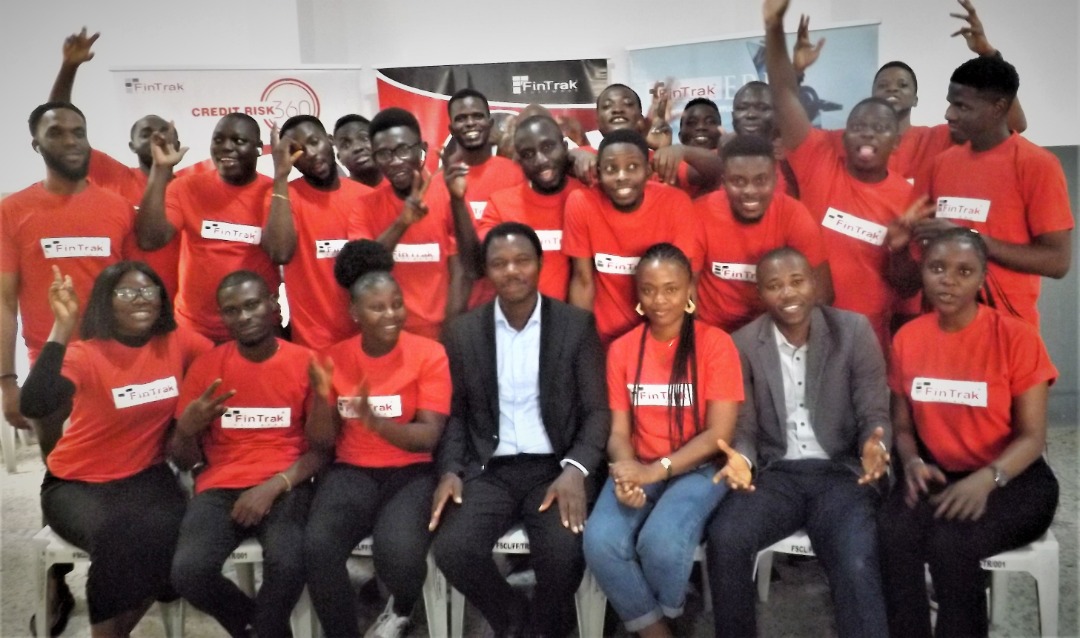
Nigeria’s foremost financial technology (Fintech) firm, FINTRAK recently graduated trainees from their academy. This is in line with the organization’s policy of building capacity in the information technology (IT) ecosystem with emphasis on fintech solution. The organization designed this program as a way of giving back to the society and also deepening the widening capacity gap now that the country is having skill flight to other nations.

Having seen numerous talents and potential in these kids, FINTRAK Software has decided to build and train army of youths that will power the country’s IT ecosystem in future.

Speaking about the event, the founder of FINTRAK and Group Managing Director, Bimbo Abioye said “FinTrak Academy is designed to train highly qualified and motivated young graduates to become tech guru in the field of Software Development, Software Implementation, Software Support and Software Quality Assurance. Its main goal is to give successful candidates the opportunity to improve their analytical and technical skills in an international environment.”

“The Fintrak Academy Programme is open on an on-going basis. Young graduates are enrolled at a fully accredited degree programme (Bachelor, HND, M.eng, Master, ) during the entire duration of their internship can apply online. Selected interns are on-boarded for full employment upon graduation”, he added.

On a final note, the Fintrak boss opined that “The Fintrak Academy provides young graduates the skills and foundational experience they need to begin building a career in their chosen field. Our development programs offer a variety of professional experiences within a structure that provides opportunities to learn, grow, and ultimately succeed.”

Apart from these trainings, Fintrak absorbed many of these graduands into their organisation . These graduands will man their various locations across the world. FinTrak Software is an indigenous  global company based in Nigeria,over the years have deployed solutions in many parts of Africa . Armed with and army of software engineers and professionals with competencies across banking, finance, audit, consulting and software development, FinTrak Software can be described to be on a  mission to support organizations and states with technologies and intellectual strength required to enable them surpass their stakeholders’ expectations.

ANTHONY EMEKA NWOSU


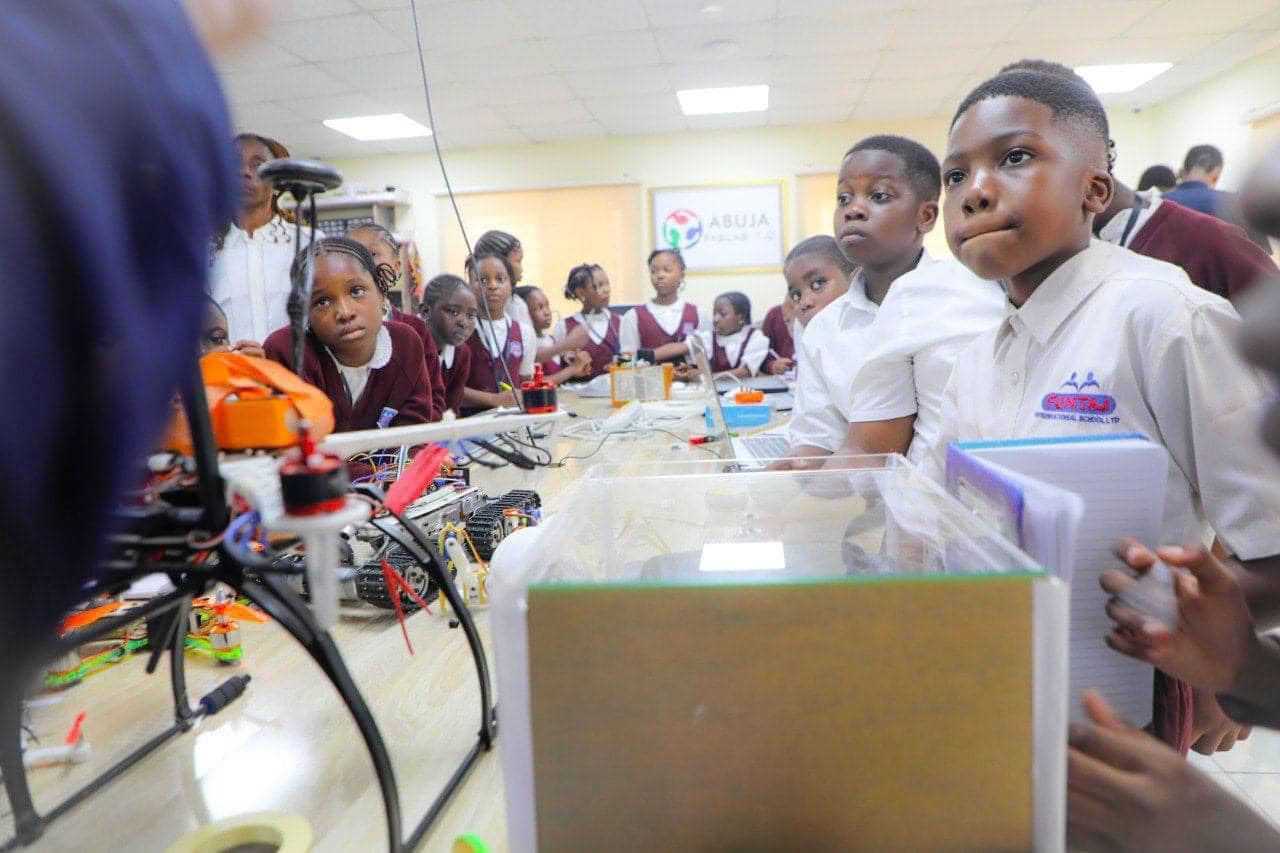
Information Technology is the future as it is in any country today. The need to invest in capacity building and skills that will drive Nigeria into this ecosystem in near future is imperative. In this line, the National Information Technology Development Agency(NITDA) recently hosted Nigerian kids to expose them to the nuances and nitty gritty of artificial intelligence (AI) this was done in collaboration of their subsidiary, The National Center for Artificial Intelligence and Robotics (NCAIR). This way the agencies are preparing the children for the future.

Speaking about the event, NITDA posted that “Catch-Them-Young,The National Center for Artificial Intelligence and Robotics (NCAIR), a subsidiary of the National Information Technology Development Agency (NITDA), today received students on an educational tour from Funtaj International School.The tour served as an opportunity for the students to get first-hand knowledge and experience, on practical visualization of 3D Printers, ShopBot, and demonstrations of Drones, Rovers, and Robots.”

The National Centre for Artificial Intelligence and Robotics (NCAIR) is one of NITDA’s special purpose vehicles created to promote research and development on emerging technologies and their practical application in areas of Nigerian national interest. The centre, a state-of-the-art facility, along with its modern digital fabrication laboratory (FabLab), is co-located in the same building complex with the Office for Nigerian Digital Innovation (ONDI), at No. 790 Cadastral Zone, Wuye District, Abuja.

NCAIR as a digital innovation and research facility is focused on Artificial Intelligence (AI), Robotics and Drones, Internet of Things (IoT), and other emerging technologies, aimed at transforming the Nigerian digital economy, in line with the National Digital Economy Policy and Strategy (NDEPS). NCAIR is also focused on creating a thriving ecosystem for innovation-driven entrepreneurship (IDE), job creation and national development.

ANTHONY EMEKA NWOSU


MTN Nigeria, Nigeria’s biggest telecom company by size, was given the approval by the Nigerian government to deploy 202 billion of their capital to reconstruct the deplorable Enugu-Onitsha road.

This is what it means:
Enugu- Onitsha road has been a death trap since some of us can remember, but the woes of motorists and road users are about to come to an end as MTN Nigeria has finally come to justice.

This is how it will work. MTN will take 202 billion, 800 million naira from their working capital to hire a contractor in the mold of Julius Berger to go back and fix the road.MTN Nigeria will finance cost of reconstructing and rebuilding the road with the supervision of engineers from the federal ministry of work.

One may ask, how will MTN recover their money since they don’t run a charity organization?MTN pays what is known as Companies Income Tax (CIT) to the Nigerian government through the guys at FIRS every year.

Company Income Tax (CIT) is a tax imposed on profit of a company from all sources. The rate of tax is 30% of total profit of a company. Some profits are exempted from CIT provided they are not derived from trade or business activities carried out by the company e.g. Cooperative society.Last year, MTN paid 99 billion naira as Companies Income Tax (CIT) tax to the Nigerian government which was then shared as monthly allocation by the 36 federating states and Federal governments.What it means is that MTN would not pay this year’s Companies Income Tax (CIT) to FIRS and hopefully next year till they have recovered the last kobo they spent fixing the 110-kilometre Enugu-Onitsha expressway.

This template that MTN adopted and deployed is known as the road infrastructure tax credit (RITC).Nigerian government is broke and cash strapped so Fashola came up with this masterstroke to solve our infrastructure deficit which I think is working.The good people at Dangote Group adopted this same model, this template to fix the Apapa—Oshodi- Oworonshiki road in Lagos against their future Companies Income Tax.That Apapa-Oworoshinki road is wearing a new look today because of this ingenious initiative.

I travel on Onitsha-Enugu road often, often especially when I want to go and see my boss and benefactor, the chairman of Peace mass transit, Dr Sam Maduka in Enugu and it is always dreadful, atrocious to travel on the road.I’m glad that the atrocious experience will be a thing of the past very soon, as it is right to say:Better days are here for the road users of Enugu-Onitsha express way.

Chukwudi Iwachukwu


Why your car might not last more than few years! It is basically intentional and profit driven by the manufacturer not your carelessness but you have to understand this for your engine to last you… Today’s cars are more of plastics than metals. It is all about commercials especially these Asian cars. But KIA is given 7yrs warranty.

Cars these days aren’t built to last, it is called Obsolescence. It is common in car manufacturing, fashion and smartphones and computer manufacturing. These companies make sure that their goods don’t last long so that they can introduce new models so that you can dump your old models.

Have you driven a car before and people will ask you, why don’t you change your car it is old but the car is driving perfectly. I used to drive a C Class, that car is solid, super solid but people perceived it as an old car! But funny enough it has features that today’s some modern car do not have. I mean this is a car that comes with 8 airbags, super charger turbo engine with solid tiptronic gear! But people took it as an old car! Obsolescence made us dispose such a car! Hat far was like a faithful wife! It should have been kept Benz made a mistake in that car by making it last long! W163, W164 and M211 are such other solid cars that obsolescence madness didn’t touch! Just like Lexus LS 450 and Toyota Land cruiser 2000 model! Solid cars any day! No wonder UN still uses them in their missions
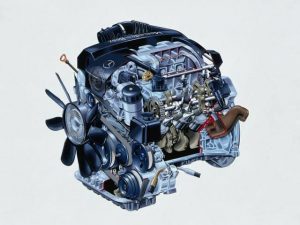
Another place that manufacturers brings Obsolescence is in parts. Many engine parts comes with rubber add-ons instead of metal! They do this for a reason! To make you dump that ride after getting tired of broken parts and that was what I exactly did with my first Nissan I drove!Love the design but hated the worries.

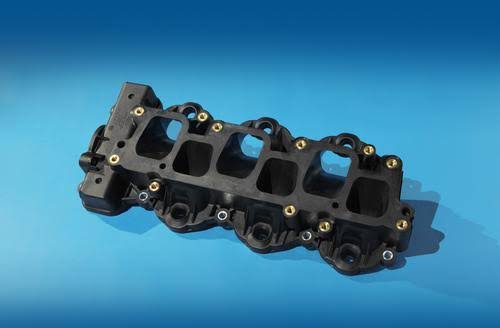
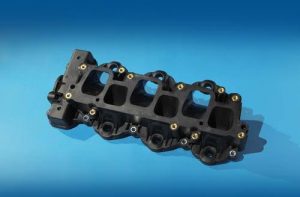
How can engine come with plastic valve covers, manifolds and thermostat housing and intake. I mean a plastic taking hot water to thermostats will break easily why don’t you make them on allow as Germans or European cars do. These parts will fail easily due to heat. They do this to cut cost and make profit.

I grew up driving 504 GL (dad’s) and drove 505 SR and I have come to understand what engine is all about but Nissan didn’t give me that feeling,personally. It was just a trashy ride I got there and mechanic was the undertaker.I noticed that European cars are more stronger! Cars like Volvo, BENZ, BMW, VW, Porsche. Today’s manufacturers especially Asians churn cars every six months. One model will have yearly versions but same engine but different plastic trimmings

How can one put a timing belt in an engine. The belt will not stand heat and will snap up at a certain time. Unlike Benz that uses a tuning chain. We all know that chains are stronger than rubber. Today’s cars don’t need to be more durable as the ones in the 90s or early 2000s.

Nissan came again with the CVT gear. A gear that has rubber connecting the gears internally and we know the problem of CVT gears ask those driving em and know that their greatest fear is gear! Ask those in mechs… Reviews have been done on that CVT though it claims that it saves fuel but the challenges are enormous!

So as we many cars will always come with terrible engines. I will stick to European cars for now. How can a manufacturer make a plastic intake manifold with a molded in non removable inter-cooler! You can imagine of the plastic manifold cracks due to the heavy usage or engine heat, you the owner of the car will be throwing away a perfectly hood inter-cooler. If the inter cooler leaks, you will be throwing away a perfectly good intake manifold. This is one trick that these car manufacturer use to make you dump your cars by adding plastics in the engine… Why don’t they use a simple metal or even allow to make it. Why plastic

One of the greatest car I drove was C Class… Thy car was driven over 10yrs! Solid car! Engine solid, never overheated for one day? Never acted up for one day and tiny Mercedes issues like harness wires etc! Car was built like a tank! The automatic gear box solid! The power steering pump or the alternator never failed for one day after 10yrs plus usage! That car is solid! Served its purpose! Speed is awesome… Trust the turbo in that Kompressor… I wonder if they can make a car solid that way again. Another solid car is Lexus LS 400 six cylinders and BMW 350i solid rides that can do over 500,000 on the odometer! Not all these new cars that only 100,000 Km the oil will start shortening and the engine will start smoking. They make these days cars with cheap parts so that you can drive it few years and dump it or cannibalize it and buy a new one. It is all about profits! The car manufacturers aren’t stupid! In the 90s they were but today they are smarter?

Anthony Emeka Nwosu

According to #Statista, 97% of respondents to a digital transformation survey stated that the pandemic sped up digital transformation processes in their respective organisations.
Global spending on digital transformation is projected to reach $1.78 trillion in 2022. But in what ways will this transformation manifest?

The answer lies in trends that will shape the businesses of tomorrow.
The case is no different for the Government: The current, incremental pace of economic and social advancement shows too many of Africa’s expanding youth population will be denied the opportunity to live up to their potential.

Therefore, Africa should think big on digital development.

#AfriTECH2022 will delve into the nitty-gritty of Sustainability and The Company Of The Future.

REGISTER NOW!
https://bit.ly/3y9NF32 See less

Confirmed: Nigerian Communications Commission | Galaxy Backbone | ESET | Emmanuel Amos (Innovationbed.Africa) | Medallion Datacentre |

In celebration of International Day of the Girl, AstraZeneca’s (www.AstraZeneca.com) Africa team has joined the global #GirlsBelongHere campaign, a Plan International initiative, to promote inclusion and draw attention to the obstacles faced by young women in Africa.

Processed with Lensa with Auto Adjustments


As a science-led company, AstraZeneca is passionate about inspiring and advancing the next generation of women and girls in STEM (Science, Technology, Engineering and Mathematics). To commemorate the day, AstraZeneca’s senior leaders stepped aside from their roles for the day to give 15 girls from Johannesburg, Nairobi, Addis Ababa, Accra and Lagos a unique opportunity to take charge. The participants attended meetings and workshops and shadowed the multinational company’s regional leaders including, amongst others, Barbara Nel, Country President African Cluster, Arpit Bansal, Country Director for Sub Saharan Africa and Taryn Purdon Business Unit Director of Oncology for African Cluster. The Africa Boardroom takeover event also connected girls from across the region to discuss how to overcome biases and obstacles to gender empowerment and inspire them to take the lead.

We are strongly committed to supporting and empowering women in leadership positions across our AstraZeneca African Cluster

Colleen Ratseane, a young female Entrepreneur who participated in the Orange Corners Programme in South Africa,  shared her career journey with the participants. The day also included visits with key AstraZeneca stakeholders, networking with AstraZeneca team members and participation in team brainstorming workshops.

Barbara Nel, Country President for African Cluster (South Africa, Sub-Sahara and French Speaking Africa) says: “We are strongly committed to supporting and empowering women in leadership positions across our AstraZeneca African Cluster. The Girls Belong Here initiative is part of this commitment, promoting girls’ visibility, driving new opportunities and investing in girls from across Africa to step into the shoes of various leaders in a mass takeover. Connecting across geographical borders the girls have an opportunity to share their perspective on why female representation is important in business and healthcare and what we as business leaders should know about the challenges young leaders face so that we can empower them to overcome these.”

Gender is a key determinant of health, and gender inequality leads to health risks for women and girls. The influence of society, culture or tradition can influence and impact health choices, health-seeking behaviours and health outcomes for women and girls. COVID-19 has exacerbated existing barriers; measures to curb the spread of COVID-19 have forced young women out of school, many of whom may never return to the classroom. Creating education and employment opportunities, like the #GirlsBelongHere takeovers, can lead to positive health outcomes for girls and young women.

Barbara Nel added, “It starts with inspiring young girls to have confidence in themselves, dream big and speak up and in showing them that Girls Belong Here. A big thank you to our partners for joining forces with us across African Cluster to ensure we bring about positive change. Together we can make a difference.”