The current global energy transition is both an opportunity for the preservation of the earth and a vehicle for unlocking the development potential and livelihoods of millions of people, especially those in developing countries.

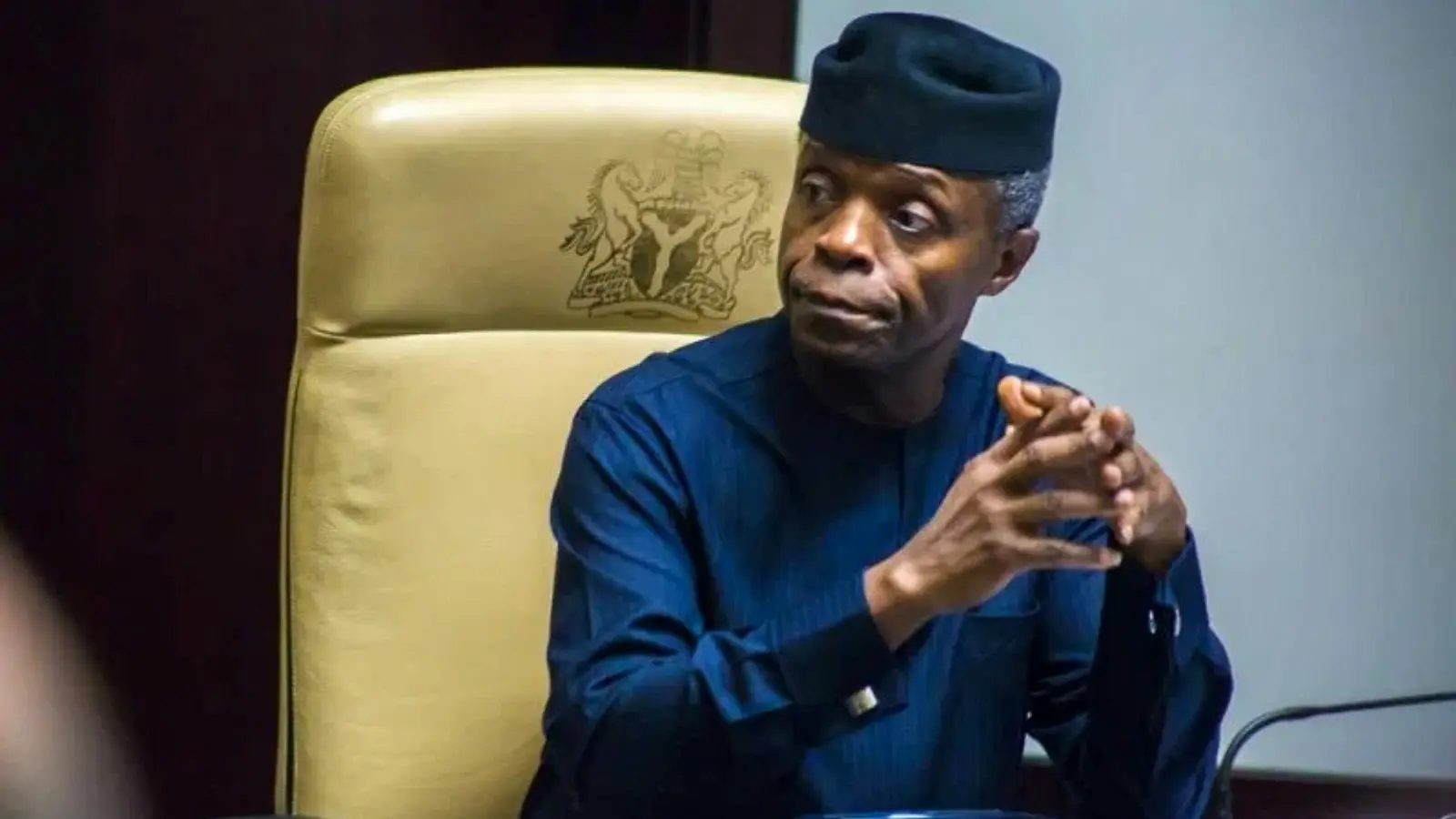
However, the transition must also be fair and sensitive to Africa’s peculiarities and priorities, according to Vice President Yemi Osinbajo, SAN, when he spoke virtually at the 2022 Standard Bank Climate Summit themed, “Africa’s Path to Carbon Neutrality.”

Prof. Osinbajo focused on “how to manage the energy transition to net-zero in the context of Africa’s unique challenges, such as energy poverty.”

“The current energy transition is an opportunity like none other for the preservation of the planet, but it can also be a vehicle for unlocking the development potential and livelihoods of millions of people. There is no reason why we cannot have both,” the VP stated.

He said the global community must account for diverse realities and accommodate various pathways to net-zero, “particularly for African nations which need financial and technical support as well as the flexibility to develop as swiftly as possible. This will ensure a fair and balanced energy transition that leaves no one behind.

“How we manage the global energy transition must be sensitive to Africa’s priorities. The global energy transition must place energy access for both consumptive and productive uses at the heart of climate action,” he added.

The Vice President however noted that “to ensure a global energy transition that is favourable to us, African nations need to engage more critically and vocally on this matter.”

Making reference to Nigeria’s Energy Transition Plan as a leading light, Prof. Osinbajo said “the value of having a nation-specific, data-driven plan as the basis of our activities and engagements cannot be overemphasized,” adding that “the plan provides a clear financial estimate for the achievement of Nigeria’s energy access and transition goals.”

“Nigeria’s Energy Transition Plan finds that an additional $10 billion over business as usual is required annually till 2060 to shift the entire economy to a net-zero pathway. We hope to see more of such plans on the continent,” the VP noted.

Citing another example of efforts to have a pan-African position on energy transition, Prof. Osinbajo said “this is underway with certain countries including Nigeria developing and signing on to the Kigali Communiqué which came out of the Sustainable Energy for All Forum in June, and outlines principles for a just and equitable energy transition.”

According to him, “we must take ownership of our transition pathways and design climate-sensitive strategies that address our growth objectives. We must clearly and thoroughly articulate our priorities, strategies and needs.”

Justifying Africa’s stand for a just and balanced energy transition, the Vice President noted that “though Africa’s current unmet energy needs are huge, future demand will be even greater as populations expand, people move into the middle class and rapid urbanization continues.”

Specifically, the VP observed that in 2020, “Sub-Saharan Africa had 568 million people without access to electricity. This represents more than three-quarters of the world’s total unelectrified population. On the other hand, most developed nations have 100% energy access. Surely, the race to net-zero must not leave people in the dark.

“Also, Sub-Saharan Africa remains the only region in which the number of people without access to clean cooking fuels and technologies is rising. 19 of the 20 countries with lowest clean cooking access rates are in Africa.”

Prof. Osinbajo argued that “limiting the development of gas projects, as a critical energy transition pathway for Africa, violates enshrined principles of equity and justice, and poses dire challenges for African nations while making an insignificant dent in global emissions.”

He said “Africa has contributed the least of any global region to greenhouse gas emissions and currently emits under 4% of global emissions. Under no plausible scenario are Africa’s emissions a threat to global climate targets. Unfounded predictions should not serve as excuses to limit our energy technology options.

“Limiting financing of gas projects for domestic use in Africa would pose a severe challenge to the pace of economic development, delivery of electricity access and clean cooking solutions, and the scaleup and integration of renewable energy into the energy mix.”

On financing energy transition, Prof. Osinbajo said “a balanced and just approach to the energy transition recognizes that finance is key. Lack of access to finance remains the biggest challenge for accelerating action on energy access and climate goals in Africa.”

The VP restated the call on developed countries to bridge the disparity in energy investments, noting that “of the $2.8 trillion invested in renewable energy from 2000 to 2020, only about 2%, $60 billion, came to Africa.”

“It has been estimated by the International Energy Agency that Africa will need around $133 billion annually in clean energy investment to meet our energy and climate goals between 2026 and 2030.

The Standard Bank Group which hosted the event on Tuesday, has itself committed to achieving net zero carbon emissions from its own operations for newly built facilities by 2030, for existing facilities by 2040, and from its portfolio of financed emissions by 2050.

Laolu Akande
 

The Nigerian Communications Commission (NCC) has put up another two slots of spectrum in the 3.5GHz Spectrum band for auction before end of 2022, to boost deployment of Fifth Generation (5G) services in Nigeria.

The process, which was made public on 21st October 2022 with the publication of the Draft Information Memorandum (IM) for the auction on the Commission’s website, invited stakeholders to study the Memorandum for purposes of making submissions ahead of a review of the IM on 16th November 2022.

The final IM is slated for publication on 18th December 2022, while applications will be received by the Commission from 21st November 2022. The closing date for the submission of application, the deadline for payment of mandatory Intention-To-Bid Deposit (IBD), and the Pre-Qualification Stage is set for 5th December 2022.

Qualified bidders would be notified on 5th December 2022 while notification and publication of the Mock Auction and Auction date will occur on the same day. The Mock Action is billed for 16th December 2022 just as the Auction proper takes place three days later, on 19th December 2022.

The process is anticipated to enter its grant stage on 21st December 2022 with the publication of provisional bid winners and the notification of provisional award of licence.

The year 2023 will open with the payment for Spectrum Licence and Operational Licence, where applicable, on 20th January 2023 and on the 23rd of January 2023, the auction process will be concluded with the publication of the result.

Meanwhile, according to the Information Memorandum, pursuant to the issuance of the IM, the Commission reserves the right to make available additional information through the publication of further documentation. Therefore, interested parties are advised to stay abreast with developments in the licensing process by checking regularly for updates on the Commission’s website.


The Federal Government has assured that Nigeria’s security forces are doing everything possible to secure and protect Nigerians and foreigners living in
the country.

The Minister of Information and Culture, Alhaji Lai Mohammed, who gave the assurance in Abuja on Tuesday at a Ministerial Session at the ongoing UNESCO Global Media and Information Literacy Week, said the military and other security forces have been very proactive in tackling security issues.

“I can assure all that our military and other security agencies have continued to do everything possible to secure and protect Nigerians and foreigners living in
Nigeria. Terrorists have been hard hit and put on the run. Bandits have been decimated and scattered. Our country is safer today than at any time in recent times, thanks to the sacrifice of our men and women in uniform,” he said.

Alhaji Mohammed said while the government did not discountenance the fact that terrorists, bandits and their kind would always want to do whatever it takes to disrupt the nation’s peace, security and stability, Nigeria’s security forces are up to the task of protecting citizens and non-citizens alike.

“Nigerians too should continue to be alert but must not panic. Like I said in a recent statement, as far as insecurity is concerned, the worst is over for Nigeria,” he said.
While speaking on the topic “National Media and Information Literacy Frameworks, Sustaining Beyond Disinformation,” the Minister said the threat of disinformation to national and global peace and stability is glaring, as it undermines the trust by citizens in the system.

He said some media outlets and social media personalities are usually caught spreading unverified information on their platforms just for clickbait and the attendant monetary gain.

“Talking of clickbait, this may be what informed the spread of the supposed security alert issued recently by some foreign embassies in Nigeria. One would imagine that if indeed this kind of security alert was issued, it was for the attention of citizens of the issuing countries in Nigeria. Suddenly, this alert found its way into the media, both new and traditional, thus creating panic in the polity.

“Schools were shut. Businesses were closed. Travel plans were altered. Lives were disrupted. No one cared to find out about the authenticity of these alerts. They just published, got the benefit of massive clickbait and damned the consequences,” Alhaji Mohammed said.

He said the deliberate spread of fake news has become more prevalent with the ease in access to connectivity over the digital space since there is available and affordable technology/software that can be used to distort digital content (audio, visual and images) such as photoshop, deep fake and voiceover software, which are readily available as open source/free or paid apps on the Internet.

The Minister, however, said there is a ray of hope as the tech companies are increasingly involved in the development and deployment of technology to checkmate the spread of disinformation over their platforms, in addition to the availability of technology through text and reverse image search engines to decipher and verify such contents.

The session, which was moderated by the Assistant Director General, Communication and Information of UNESCO, Dr. Tawfik Jelassi, had the Minister of Communication and Digital Economy Dr. Ali Ibrahim Pantami, and the Minister of State for Education, Mr. Goodluck Opiah, as panelists.

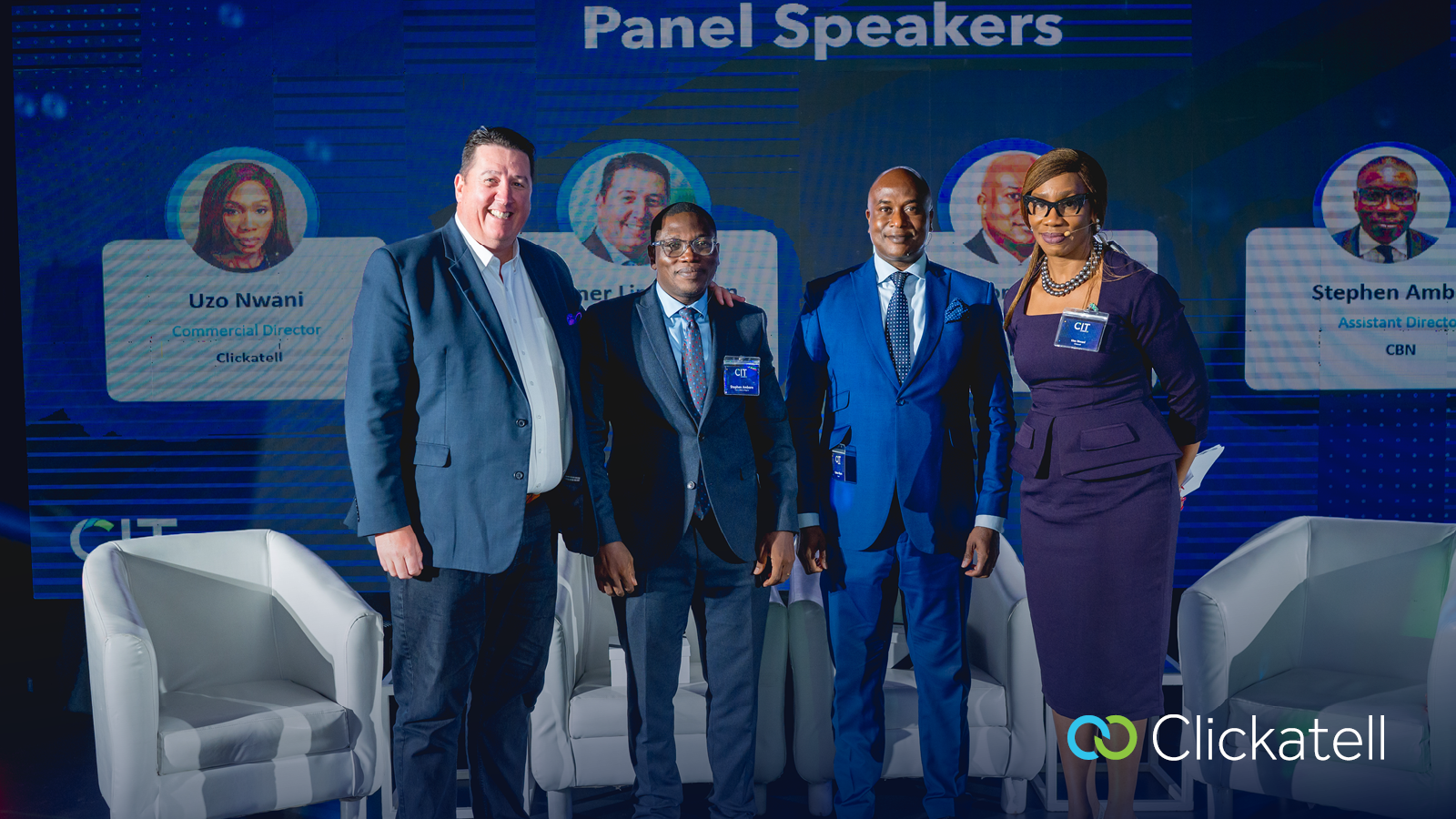
Clickatell (www.Clickatell.com), the Chat Commerce and business messaging leader, discussed with attendees at Clickatell’s Connect Interact and Transact (CIT) annual event earlier this month how they could drive financial inclusion and reach their revenue goals by adopting Chat Commerce. The event took place at the Radisson Blu, Anchorage in Lagos with industry experts from Clickatell, Ecobank and Central Bank of Nigeria (CBN) sharing insight and tips with an audience of business and technology leaders.


Werner Lindemann, Clickatell’s Senior Vice President of Enterprise Sales, Growth Markets, kicked off by pointing out how global brands, like Amazon and Uber, have built their entire business model on convenience commerce – where businesses find ways to deliver services and products to their customers wherever they are and at a time that works for them.

Lindemann went on to share that the best way to reach customers where they are is on their phone. However, he said apps have a very limited shelf life, saying the average customer regularly uses just five apps on their phone. He advised instead of focusing on building apps, brands should be looking to leverage the power of chat, especially since WhatsApp is the most used (https://bit.ly/3Nab6Q1) social media platform in Nigeria. What’s more, when combined with USSD, companies will be able to reach almost every person in the country.

The power of Chat Commerce is especially relevant for the Nigerian banking industry and Lindemann shared that banks can now onboard new clients and conduct Know Your Customer (KYC) standards using chat, meaning banks can serve customers anywhere in the country, in real time.

Lindemann shared other use cases where Clickatell had radically changed how Southern African businesses engaged with their customers, these included:

  • How a national retailer was able to cut their broadsheet print production and distribution from 5 Dollars to just 3 cents
  • How that retailer now has a 40% to 70% engagement rate on their product specials using WhatsApp, compared to 3% on SMS
  • How a national retailer now uses WhatsApp to enable self-service for their loyalty programme and has eliminated more than 20 000 call centre calls per month to block or replace loyalty cards
  • How a national healthcare chain now allows customers to order and arrange collection of their chronic medication at their nearest outlet, no matter where they are in the country
  • How a Southern African low-cost airline allows travellers to check in and receive their boarding pass on the WhatsApp channel


People are already on these chat platforms, and we aim to serve them with payments where they are

An engaging panel discussion followed the keynote, introduced by Clickatell’s West Africa Managing Director, Samson Isa and facilitated by Uzo Nwani, Commercial Director of Clickatell.

Opening the discussion, panelists highlighted how their organization had used technology to boost inclusivity. For CBN, this was achieved by its introduction of the eNaira digital currency. For Ecobank, its move to offer a WhatsApp channel allowed them to reach their customers more easily. And for Clickatell, it has been the company’s drive to help banks in Africa improve their reach by moving to the more ubiquitous chat channel.

“One out of three Nigerians are financially excluded. Therefore the work we have done with Clickatell on the eNaira USSD channel is so exciting. We are also looking to the eNaira to lower the costs of remittances as well as bring down the high costs of cash management. We believe the eNaira will drive inclusive growth and make the Central Bank, as an institution, much more effective in carrying out its mandate,” said Stephen Ambore, Assistant Director, CBN.

Osahon Akpata, Group Head of Consumer Payments at Ecobank shared the power of mobile with the audience.

“Across 33 countries, Ecobank Group processed $5.1 billion through our mobile app in 2021 and we built an agency banking network of 110,000 agents, leveraging the ubiquity of mobile devices. While Chat Commerce is still in its infancy for us, we are scaling up the platform for better customer service. We have integrated artificial intelligence into our chatbot, Rafiki, to help solve customer queries quicker and seamlessly. We also have customers using the chat channel for transactions and we plan on expanding its use to product information as well. People are already on these chat platforms, and we aim to serve them with payments where they are,” he said.

Akpata went on to share that being able to generate QR codes on the WhatsApp channel, make transfers and buy airtime have all been met with great enthusiasm by Ecobank customers, adding that chat will be a key part of the bank’s drive to reach its target of 100 million customers.

CBN will also be looking to chat to connect with people in Nigeria further in the future.

“We are looking at chat to help us deliver financial literacy and boost inclusion. When it comes to innovation, chat, including USSD, can help us reach new customers and I am excited about the future opportunities, especially at the base of the pyramid,” said Ambore.

Lindemann wrapped up the proceedings by saying: “We’ve just kicked off a project with a major bank with around 15 million active customers, and we will be building them a chat banking wallet in just six weeks. In my opinion, chat is allowing us to fast-forward innovation for enterprises. I believe every enterprise has a responsibility to deploy products that have a real impact on their customer and society, and to see this happen in six weeks is testament to the power of chat.”

For the first time in two decades, the US dollar and the Euro hit parity in July 2022. The currency, shared by 19 European countries, has slumped more than 11 per cent since the beginning of this year.


But the weakened Euro holds great economic significance for businesses as well as individuals, especially those earning and spending in US dollars, or in currencies pegged to the dollar. In terms of real estate too, while certain property values have gone up, the cost in plenty of areas has come down from what it was two years ago.


“June 2022 alone recorded the highest figures with over €78 million investments in the Portugal Golden Visa program, a first since 2020.”


Rise in numbers:


  1. More than €78 million investments in Portugal Golden Visa in June.
  1. Real estate in Lisbon growing at a rate of 2.5% annually since 2016.
  1. Santa Maria da Feira experienced an annual growth of 12%.
  1. Demand for properties has grown by 20% in Porto and Sintra.
  1. 83% of investors in Portugal foresee a rise in demand from tenants for sustainable properties.


This certainly also makes it the best time to invest in a long-term residence permit in Europe. June 2022 alone recorded the highest figures with over €78 million investments in the Portugal Golden Visa program, a first since 2020.


Jeremy Savory, founder and CEO of Savory & Partners – a leading global residency and citizenship by investment (RCBI) company headquartered in Dubai, says, “If I can talk about the impact in the context of the RCBI industry, it’s an excellent opportunity for those earning in dollar-pegged currencies. Right now, many investors see everything turning red in terms of stock, crypto, and real estate. Now is the time for people to invest in something that is already discounted, diversifies their currency, and with interest rates that don’t directly affect their investment.”


June 2022 alone recorded the highest figures with over €78 million investments in the Portugal Golden Visa program, a first since 2020

Real estate boom


Savory points out that the Portuguese Golden Visa program is one of the best ways for investors to access this market. Adding, however, that time is of essence here. Cyprus has closed down its citizenship program and the Montenegro citizenship program is expected to close by the end of the year, Turkey has increased its investment threshold and Greece is expected to follow suit.


“I think we have some months before it comes into effect. Portugal only changed their legislation nine months ago, so I can’t see them changing it again so soon. Increased threshold does not mean higher fees. It means you just end up buying more real estate and there’s nothing wrong with buying more property.”


Best places to invest in real estate in Portugal


As a long-term resident of Portugal himself, Savory says Portugal’s golden visa gives the investor the opportunity to be part of one of the most progressive real estate destinations in the world.


Three popular neighbourhoods across Portugal that according to him are the best for families to choose to buy a home in are Melides, the Municipality of Oeiras and Belem. “Melides, right next to Comporta, is fast becoming one of the most expensive price per sqm attracting ultra HNW Europeans and Americans”, he says, adding that you can invest in an office space in Oeiras, get a Golden Visa, and you would get very high-quality tenants too.


A personal favourite of Savory, Belem, with its beautiful parks, beach-front restaurants and cultural landmarks is a preferred real estate investment.


Jeremy alongside his wife, Helena Savory, expanded the family business with the RCBI company, and with just the two of them in the beginning, Savory and Partners has now grown to become a global corporation with over 60 industry experts worldwide.


Helena Savory, Managing Director of the company and a mother of two young boys says access to exceptional education, high quality healthcare, low cost of living, safety and its amazing climate made Portugal a preferred option for her to gain residency in as a family and businesswoman.


“As an example, a coffee and the much-loved pastry, Pastel de Nata, would cost you not more than €1 (equivalent to $0.96 cents), which shows you the unbelievably low cost of living in Portugal.” – Helena Savory


Helena adds that Portugal’s education sector is impressively expansive. Its higher education system is ranked as the 35th best in the world. Public education is free and compulsory until the age of 18. She notes that the country occupies the sixth position in the ranking of countries with the highest percentage of women entrepreneurs, ahead of countries such as Spain, Italy or Ireland. “Women are making their way to the top of the business ladder, and investment migration can help them take their success to a global stage.”


Portugal is witnessing an increased interest in investors looking for property and recently, the Green Visa scheme was introduced through which investors can obtain the Portuguese passport with an investment in environmental projects.


Savory and Partners has a strong bilingual team in Lisbon and offices across the world to help investors find the best residency option for themselves. Find out more by visiting www.SavoryandPartners.com.

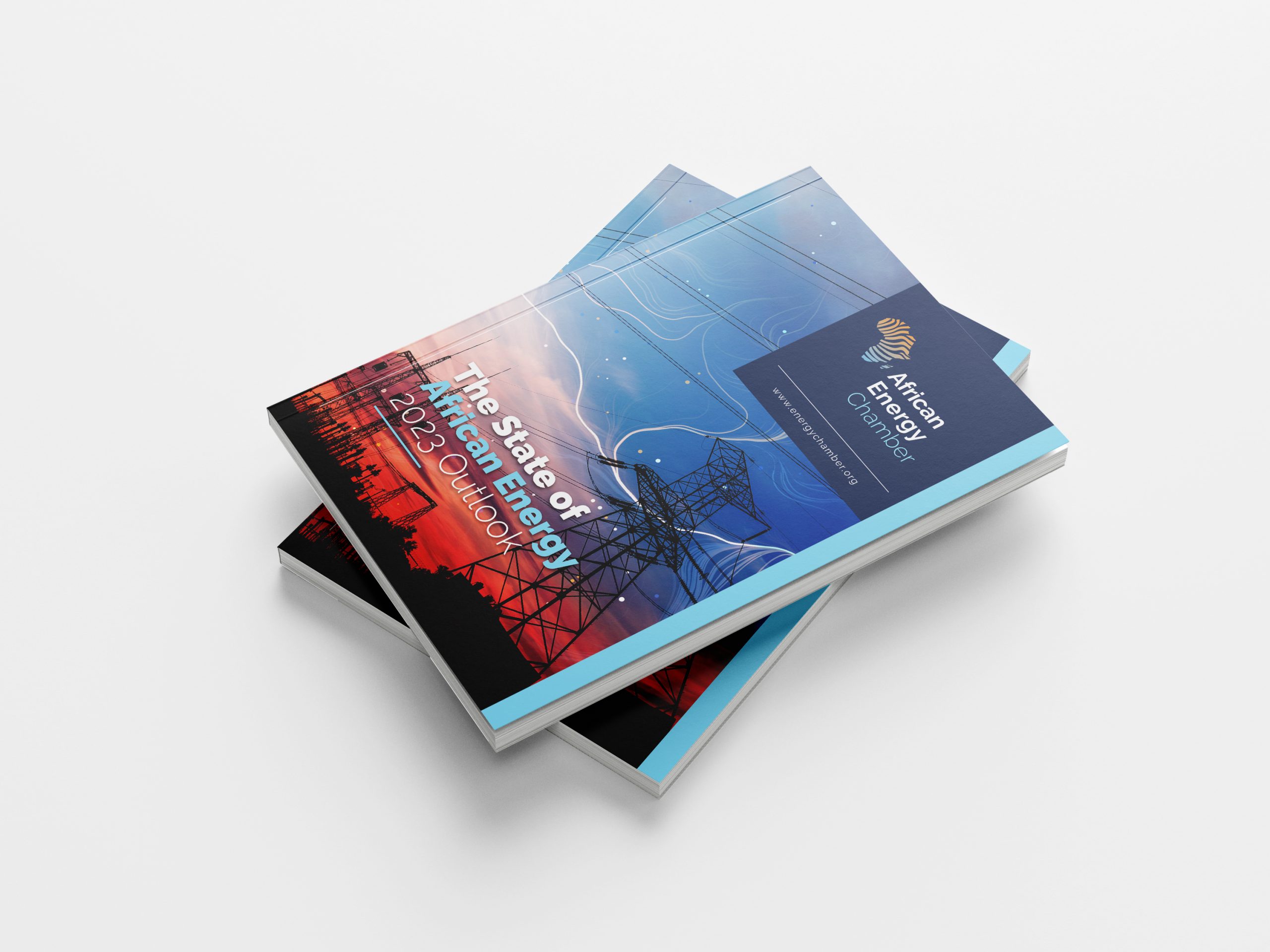
The African Energy Chamber (AEC) (https://EnergyChamber.org/) – the voice of the African energy sector – is proud to announce the launch of its newest publication, ‘The State of African Energy: 2023 Outlook,” (https://bit.ly/3NbQLtD) a detailed report analyzing current, emerging and future oil and gas market trends as well as geopolitical procedures shaping both the global and African oil and gas sector.


With the global oil market suffering combined impacts from the COVID-19 pandemic and the Russian-Ukraine war, the report provides a detailed analysis of how production and monetization will look like in 2023 for both African-producing countries such as Libya, Angola and Nigeria and global energy companies. As the global oil market volatility continues, the AEC report investigates what this means for African producers and the global market.

With the AEC projecting Nigeria to increase oil production from 1.65 million barrels per day (bpd) in 2022 to about 1.75 million bpd in 2023 and Libya from 1.12 million bpd in 2020 to 1.3 million bpd in 2023, while Angola will record a decline from 1.13 million bpd in 2022 to about 1.1 million bpd in 2023, the report highlights the role of African energy in ensuring global energy security while exploring the challenges and opportunities faced across the continent.

Meanwhile on the gas front, as western operators exit the Russian market due to the invasion of Ukraine, a significant decline in global production and increase in prices is expected. As such, the report analyses the impact on global trade and supply as well as on exploration, production and infrastructure development across the African market.

With the demand for gas in Europe anticipated to rapidly increase over the next three years, and Europe seeking to replace the majority of piped gas which the bloc secures from Russia leveraging liquefied natural gas (LNG) from other regions, Africa, as the bloc’s second gas supplier in 2021 and on the back of massive untapped gas resources across the continent, is well positioned to become Europe’s main supplier.

Africa needs to stand on its own feet to maximize the investments required to boost oil, gas and renewable energy developments to modernize its energy network

According to the AEC report, As COVID-19 subsides, the Russia-Ukraine conflict has and will continue to lead to Brent increasing, with Africa being in a prime position to increase its natural gas output and benefit from an under supplied LNG market and demand from Europe. Owing to the proximity of leading African producers to Europe and existing good trade relations between the two continents, despite total production across the continent declining from 2022 through 2025, Africa is expected to play a key role in meeting global demand.

Meanwhile, Nigeria, Algeria and Egypt lead African gas production and LNG flows in the short-term, with the report providing a detailed outlook regarding production, monetization and LNG developments across Africa’s emerging and already established markets such as Equatorial Guinea, Senegal/Mauritania and Mozambique.

With Africa seeking to attract investments to optimize the development, exploitation and monetization of hydrocarbon resources, including the estimated 125.3 billion barrels of crude oil resources and 620 trillion cubic feet of gas reserves for energy security and economic expansion, and as spending is set to be taken out of Russia and directed to other regions, the report details investment trends across Africa and how trends in Russia and across the globe can shape capital allocation for projects rollout and energy trading across the continent.

What’s more, with Africa eyeing to accelerate exploration investments and activities to boost its oil and gas reserves for a sustainable energy future, the AEC report provides insights on drilling campaigns across the continent and how recent sizeable discoveries, such as TotalEnergies and Shell’s in Namibia, will drive upstream activities in countries such as Mauritania, Senegal, Uganda, Congo, Mozambique, Ghana, Angola and Ivory Coast. The study states that drilling activity across Africa will increase marginally from about 895 wells in 2022 to 915 wells in 2023 and further to just over 1,000 wells in 2025.

In addition to providing country-specific impacts of new oil and gas economies across Africa, with the continent focusing more on how to lift the 600 million of its people out of energy poverty, the AEC outlook provides a detailed analysis of energy access rates whilst exploring various electrification initiatives – including gas-to-power and renewable energy developments – underway to boost Africa’s access to electricity.

“The Chamber is proud to release its newest report, ‘The State of the African Energy: 2023 Outlook.’ With current trends such as the Russian-Ukraine war and global energy transition policies exposing Africa’s fragile energy systems and deepened prevailing energy poverty on the continent, we believe Africa needs to stand on its own feet to maximize the investments required to boost oil, gas and renewable energy developments to modernize its energy network for security and reliability. We believe the report provides regional and global investors with the insights they require to tap into Africa’s vast energy potential,” states NJ Ayuk, the Executive Chairman of the AEC.

Download The State of African Energy: 2023 Outlook (https://bit.ly/3NbQLtD)

New research from Vodafone Group, Vodacom Group (https://www.Vodacom.com/), Safaricom, and the United Nations Development Programme (UNDP) indicates that the successful deployment and adoption of mobile financial services is associated with a positive impact on GDP growth in developing markets as it helps businesses to reduce cost, access credit to invest, and to connect with consumers that were previously excluded from financial services.


The econometric modelling research[1] – which examined 49 countries in Africa, Asia, and Latin America – found that countries with successful mobile money services had an annual GDP per capita growth rate up to 1 percentage point higher than countries where mobile money platforms had not been successful or not introduced.


Based on previous World Bank research on the relationship between economic growth and reductions in the number of people living in poverty[2], this GDP per capita growth implies that countries with successful mobile money adoption could reduce poverty by around 2.6%.


The analysis was conducted as part of the companies’ Africa.Connected (https://bit.ly/3SGqW6l) campaign, an initiative to drive sustainable development through collaboration and help close the divides that prevent progress in Africa’s key economic sectors. The findings are part of a new research paper, Digital Finance Platforms to Empower All, the fourth research paper developed and released under the Africa.Connected umbrella.


Sitoyo Lopokoiyit, CEO of M-Pesa Africa and Chief Financial Services Officer at Safaricom, said:


Mobile financial services platforms like M-Pesa are vital drivers of financial inclusion in society which can improve individual life chances

“Mobile financial services platforms like M-Pesa are vital drivers of financial inclusion in society which can improve individual life chances and enable enterprises to launch and expand, bringing wealth and jobs into developing economies. There remains though barriers both to accessing platforms – including digital literacy and smartphone accessibility – and to developing them – with an un-level regulatory playing field for non-traditional financial services providers in many countries.”


As part of the Africa.Connected research, consumer surveys were conducted focusing on users of M-Pesa in Kenya and Tanzania, and results were extrapolated to Ghana and Mozambique. A business survey was also conducted in Kenya. The resulting research underpinned the continuing importance of the world’s first mobile money service 15 years after it launched in 2007. The researchers estimated that:


  • 17.6 million current users in the four countries did not have access to any formal financial services before using M-Pesa;
  • 98% of businesses surveyed said that M-Pesa helps them to do business, with the main benefits of M-Pesa being its facilitation of faster and safer payments and enabling the sale of goods and services online; and
  • 95% of businesses surveyed indicated that they use M-Pesa for at least half of their business transactions.


Ulrika Modeer, UN Assistant Secretary-General and Director of the Bureau of External Relations and Advocacy at UNDP, said:


“Financial inclusion is both a pre-condition and a key enabler for meeting many of the UN’s Sustainable Development Goals, including reducing poverty, boosting economic growth, promoting market access and championing investment in key sectors like education, agriculture, and healthcare. But more importantly, it is about putting people at the center, empowering them with more agency over their money and increasing their resilience. Eliminating financial exclusion in Africa, and across the globe, must be a priority if we are to deliver on inclusive, sustainable prosperity for all on a healthy planet.”


Click here to read the full Africa.connected financial inclusion paper:https://bit.ly/3U4QAmp


[1]The econometric model made use of data covering the period 2003 – 2019. More recent data was not included in the modelling due to the effects of the pandemic.

[2] Adams, 2003, Economic Growth, Inequality, and Poverty: Findings from a New Data Set. World Bank. Available online:  https://bit.ly/3TQWoQi


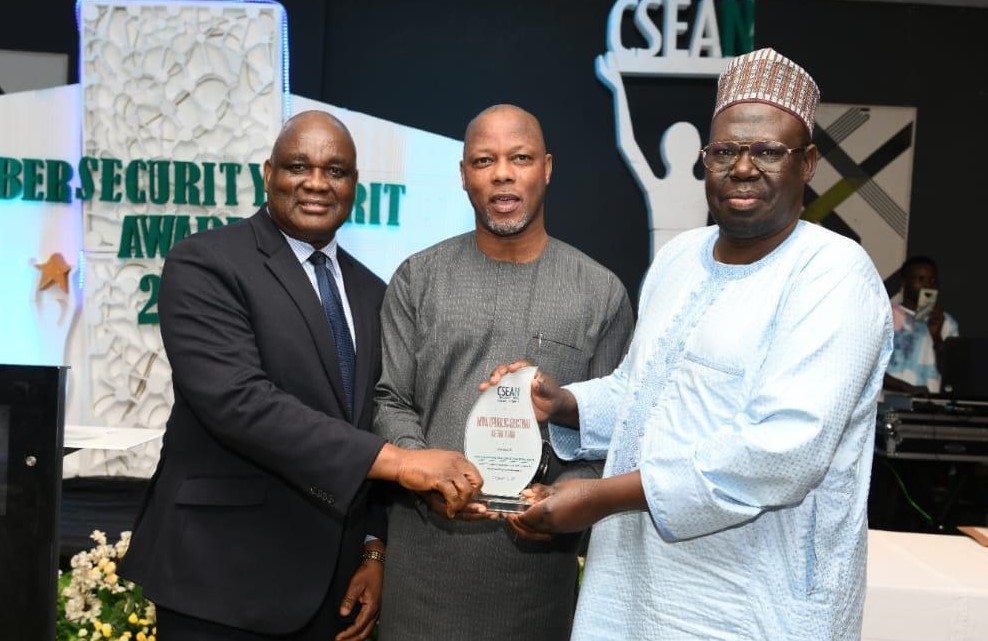
The Nigerian Communications Commission (NCC) at the weekend in Lagos, received a cybersecurity promotion award at the maiden edition of Cybersecurity Merit Awards hosted by the Cybersecurity Experts Association of Nigerian (CSEAN) which enumerated several steps taken by it to promote a safer Internet.


The award, which was conferred on the Commission, ahead of other contending organizations, listed its sterling contributions to the protection of telecom consumers from all forms of cybercrimes.


Director of New Media and Information Security of the NCC, Dr. Haru Alhassan, who received the award on behalf of the Executive Vice Chairman of NCC, Prof. Umar Danbatta, said such a credible award from professionals is encouraging for the efforts which the Commission has made in cybersecurity.


He told the audience that tackling the menace of cybercrime in the country has become even more imperative as the success of the implementation of digital economy policy and strategy depends on a strong foundation of cybersecurity architecture in Nigeria.


Director of Public Affairs of the Commission, Mr. Reuben Muoka, who gave a goodwill speech on behalf of the CEO of the Commission, traced the efforts of the Commission in relation to its networking activities at the international level, including the global Internet Governance Forum and other initiatives like the Child Online Protection.


He adverted the minds of the experts to the provisions of the National Digital Economy Policy and Strategy (NDEPS) 2020-2030, which one of the 8-Pillars focuses on Soft Infrastructure, is premised on harnessing policy and regulatory initiatives to create an enabling environment that targets increased protection for users of digital products and services in the country.


“The Commission is committed to ensuring that the Nigerian cyberspace is protected against the nefarious activities of cybercriminals that endanger unsuspecting Internet users in the country,” the EVC said. He also stated that it is in recognition of the strategic role the cyberspace plays in the advancement of digital economy that the Commission created NMIS Department to take charge of several activities, initiatives and programmes pivoted on collaboration to enhance cyber and information security in the Nigerian cyberspace.


“We have continued to be part of the Internet Governance Forum (IGF), promote Child Online Protection as well as create awareness on cyber threats through the NCC’s Computer Security Incidence Response Team (CSIRT), which constantly monitors the cyberspace and publishes advisories on identified cyber threats,” the EVC said.


The CMA 2020 was organized to recognise individuals, startups, private businesses, Ministries, Departments and Agencies (MDAs) of government, as well as state governments, for excellence, innovation, and effective leadership in promoting cybersecurity ecosystem in Nigeria.


As Nigerian Communications Commission (NCC) recently won double awards at the 2022 Tech Innovation Awards (TIA), the telecom regulator has promised to ensure it brings full benefits of the digital economy to Nigerians for the overall development of the country.


At the 6th edition of the annual awards, which took place in Lagos, the Commission was named The Innovative Telecom Regulator of the Year Award while its Executive Vice Chairman, Prof. Umar Danbatta, was honoured with the Telecom Industry Leader Award.


Speaking after receiving the awards on behalf of the Commission and the EVC, NCC’s Director, Public Affairs, Reuben Muoka, said, the Prof. Danbatta’s leadership has committed to the implementation of progressive policies, plans, strategies, and regulatory initiatives to ensure continuous development of the Nigerian digital economy for the benefits of Nigerians.


He said among several government policies and strategies on the digital economy which the NCC has continued to vigorously drive, include the implementation of the Nigerian National Broadband Plan (NNBP), 2020-2025, through which Broadband penetration has hit 44.5 per cent; and the National Digital Economy Policy and Strategy (NDEPS), 2020-2030, both of which have been streamlined in the NCC’s Strategic Management Plan (SMP) 2020-2024, and the Strategic Vision Plan 2021-2025.


He dedicated the awards to the staff of the Commission who are working tirelessly to ensure that the internal processes for effective regulation run smoothly. He promised even deeper commitment to advancing the frontier of digital connectivity in all nooks and crannies of the country.


“Great leadership usually starts with a willing team, a positive attitude, and a desire to make a difference, and our team at NCC has been relentless to see that the Commission’s strategic objectives, as enshrined in the SMP 2020-2024, and other extant policies bring the benefits of a digitised economy to the citizens of Nigeria.


“These wonderful staff, who are my foot soldiers, are tirelessly working to improve stakeholder collaboration, promote innovative regulatory services, and improve communication’s resource and project management. These awards prove that our efforts are visible and appreciated,” he said.


Earlier, Chief Executive Officer of InstinctWave, organisers of the annual awards, Akin Naphtal, said the two awards went the way of the Commission owing to the recognition of its leadership finesse which has helped in innovatively fulfilling its brand promise to promote a connected environment of endless opportunities.


He said the annual awards, the Nigerian tech ecosystem’s equivalent of Oscar, sets the highest industry standard for honouring organizations and individuals in the telecom and Information and Communication Technology (ICT) sector in Africa; and recognises innovative individuals and organisations at the forefront of digitisation that is taking place in Nigeria’s ICT ecosystem and beyond.


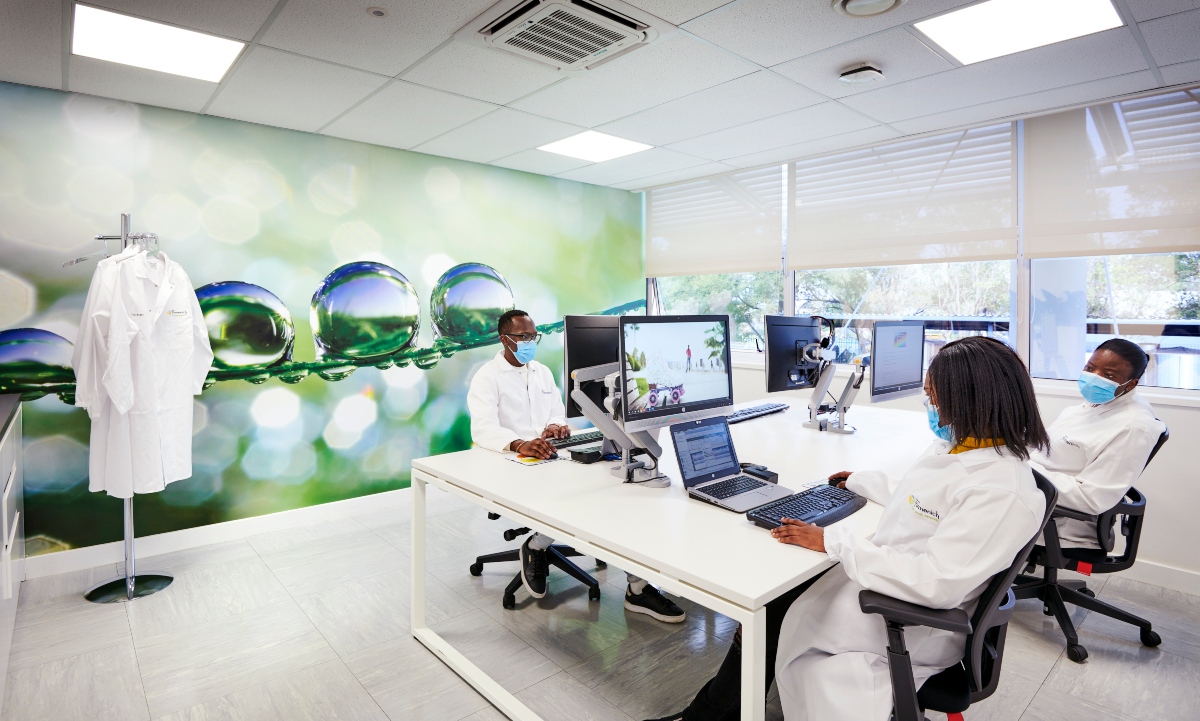
Refurbishing a building provides opportunities for companies to make their buildings more efficient, increase sustainable measures and improve the work experience for staff. Firmenich, in line with its global commitment to three strategic streams; acting on climate change, embracing nature and caring about people, have taken bold and considered steps in delivering an exceptional facility which has received a Green Building Council South Africa (GBCSA) 6 Star Green Star Interiors rating.


Firmenich worked with the Tétris Design and Build team to deliver a holistic solution that considered the entire eco-system of a workspace. The final solution places the employee experience and wellbeing at the centre of an upgraded building that includes improved energy efficiency, rainwater harvesting, quality air supply, access to natural light, and views of landscaped gardens.  A 6 Star Green Star rating is a notable achievement, underscoring an organisation’s commitment to future proofing its business where climate change and resource availability are key considerations for long-term success.


An initial workplace strategy, assessment of technical laboratory requirements and a light study resulted in 85% of employees seated within 7m of natural light. Laboratory technicians have views outdoors, meeting rooms are filled with daylight, and an extended glass and steel atrium provides a much-needed staff informal meeting, connecting and eating area.


A 75% reduction in municipal power use through the installation of 110kw photovoltaic roof panels with battery storage ensures continuous productivity despite power outages. This saving is combined with a 67% reduction in reliance on municipal water achieved through collecting and processing rainwater from the roof and parking. Water collected is stored in a 100,000-litre underground tank before being pumped into a 5,000-litre tank above the ground and then through reverse osmosis treatment to generate potable water for staff.


Air quality in the work environment is core to Firmenich achieving a healthy workspace and is essential in a space dedicated to producing tastes and fragrances. Positive and negative air flows are engineered to ensure that smells stay inside laboratories and don’t extend beyond these areas. The HVAC system distributes fresh air throughout the space, and CO2 monitors continually measure air quality. Awareness of power and water usage levels and air quality are all tracked through smart meters and communicated internally to create awareness about the use and conservation of natural resources.


Aesthetic comfort is added to the efficiency of the refurbished building through open-plan workspaces with informal seating and collaboration areas marked with bold wallpapers and patterns that identify different divisions’ workspaces. While aligning with the company’s global brand guidelines, there is also a strong use of pattern and geometry informed by local African shweshwe fabrics to anchor the project in its regional context. The connection to nature and clean air is continued through the addition of large planter boxes that provide screening in open areas and custom-made plant features that fill the hallways and the double-volume reception area. Staff can also access an outdoor deck under the shade of large trees in the landscaped gardens for work breaks.


The final result is a revitalised office for the Firmenich business that sets a benchmark for a rigorous approach that considers every detail towards improving the overall performance of a building and the comfort and wellbeing of the teams working within them – a truly sustainable solution.


“The refurbished offices and manufacturing laboratories in Midrand demonstrates Firmenich’s excellent support for their employees’ health and well-being and their businesses’ performance. The Tétris goal of creating environments where innovation, connection and community thrive was paramount in every detail of the project. We are thrilled that our collective efforts resulted in a 6 Star Green Star rating,” says Ryan O Donavan, Tétris Project Manager.


View the full project on https://www.tetris-db.com/en/projects/a-refurbishment-focused-on-employee-wellbeing/


Ends.