The Intellectual Property Rights and Innovation Project in Africa (AfrIPI) has organised the Consultative Roundtable on Counterfeiting in Nigeria on 1‑2 November 2022. The hybrid event will be held at the Eko Hotel and Suites, Victoria Island, Lagos.


Online participation in this groundbreaking discussion is open to the public, who can register via the following link: https://bit.ly/3DKNb5N

Previous studies by international organisations such as the Organisation for Economic Co-operation and Development have revealed that African countries are targeted destinations for counterfeit goods such as pharmaceuticals, foods, and beverages. Key economies in Africa, such as Nigeria, must assume a leading role in raising awareness and acting against the counterfeiting of intellectual property rights (IPR).

The event will cover counterfeiting and piracy in various industries, that include the film industry (Nollywood), pharmaceuticals, alcohol trade, and agriculture

Counterfeit products can threaten consumers’ health and, in some cases, lives. Serious dangers have been linked to counterfeit products ingested by consumers (food, drink, medicines) or put directly on the skin (cosmetics, fragrances). Other examples of dangerous counterfeit goods include counterfeit pesticides, which can be harmful to the environment as well as pose serious health risks to people, or fake car batteries, which can again cause serious health, safety and environmental damage. Some of the most frequent consequences of using fakes are biological, chemical and physical injuries, strangulation, choking, burns, electric shock, fire or damage to hearing, just to mention a few. It is therefore important to combat the distribution of counterfeit goods in Nigeria as it is essential to protect society, the economy and the environment from the threats they pose.

As a result, the Consultative Roundtable on Counterfeiting in Nigeria will be devoted to exchanging knowledge, ideas and experience on the socio-economic implications of counterfeiting and IPR infringement. It will also focus on IPR enforcement and seek solutions to the problems raised. The event will cover counterfeiting and piracy in various industries, that include the film industry (Nollywood), pharmaceuticals, alcohol trade, and agriculture.

The objectives of the Consultative Roundtable will be:

  • to raise awareness of the dangers of counterfeiting and piracy and increase respect for intellectual property rights;
  • to provide a platform for international experts to discuss trends, challenges, and best practice in IPR enforcement to curb counterfeiting;
  • to provide a platform for IPR enforcement stakeholders to share their experience and best practice in IPR enforcement matters;
  • to establish networks among participants to support, facilitate and coordinate IPR enforcement and strengthen their efforts and systems to detect, deter and punish the trafficking of counterfeit goods.


Some of the key stakeholders who will attend the round table include the Delegation of the European Union to the Federal Republic of Nigeria, the Economic Community of West African States, the Nigerian Federal Ministry of Industry, Trade and Investment, the World Intellectual Property Organization (Nigeria Office), the Pharmaceutical Society of Nigeria, the National Agency for Food, Drug Administration and Control (NAFDAC), the Standards Organisation of Nigeria, INTERPOL and Africa International Trade and Commerce Research.

Canon (www.Canon-cna.com) today announces the EOS R6 Mark II, its fastest advanced full-frame mirrorless camera to date, expanding the pioneering EOS R System – offering 40fps, stunning low-light AF and 6K RAW / 4K UHD movies, all built on the RF Mount. As the newest model in the range for hybrid creators, the EOS R6 Mark II utilises the powerful foundations of the RF Mount and redefines standards set by the EOS R6. For both stills and movie, it raises the bar with its unique blend of class-leading performance, breath-taking speed, stability and professional filmmaking features.


Unrivalled sharpness

Using the same DIGIC X processor technology – which was at the core of the EOS R5, EOS R6 and coveted EOS-1D X Mark III – alongside the camera’s new 24.2 megapixel CMOS sensor, the EOS R6 Mark II supports renowned next generation Dual Pixel CMOS AF II pushing speed and reliability to unmatched levels.


The EOS R6 Mark II can track subjects keeping them sharp as they move through a scene. Using improved deep-learning artificial intelligence, it recognises people, vehicles [1] – which now includes aircraft and trains – and animals which has been updated to recognise horses/ zebras [2]. The type of subject to be detected can be chosen in the menu, or using the new Auto option depending on the range of scenarios the photographer is shooting in. With advance eye tracking, users can specify which eye (left or right) should be given focus priority, and when the eyes can’t be detected, the EOS R6 Mark II focuses on the face in shot instead. Even if a person turns away for a moment, their head continues to be tracked, and if the head isn’t visible the camera will go on to track the body.


The EOS R6 Mark II boasts the world’s most effective IS performance, with its up to 8-stop [3] Image Stabilizer. Using the combined IS, optical and in-body – it can shoot long exposures, handheld with extreme clarity and sharpness. Photographers can also capture the ambience, whatever the conditions – focusing shake-free in light levels as low as -6.5EV [4], and the ability to shoot up to ISO 102,400.


Next generation speed for the EOS R System

Setting new speed records, the EOS R6 Mark II is Canon’s fastest EOS to date [5]. It can shoot continuously at up to 40fps [6] – with 20fps and 5fps options with electronic shutter – and up to 12fps mechanically, capturing fleeting moments that are barely perceptible to the human eye. Compared to the EOS R6, the new sensor reduces rolling shutter, allowing the camera’s electronic shutter to be used to freeze fast-moving objects.


Additionally, the EOS R6 Mark II keeps pace with photographers’ needs, recording action before shooting starts, with ½ a second pre-shooting in RAW Burst mode – a great advantage when shooting unpredictable subjects, from tennis players to toddlers. The RAW Burst mode shoots continuously at 30fps for up to 191 frames, recording every image in a single CR3 file; all with AF tracking. Individual images can be extracted from this roll using Canon’s Digital Photo Professional software, or in camera, and saved as individual JPEG, HEIF or RAW files.


Meeting demand with evolved video capabilities

Using the full width of the sensor, the EOS R6 Mark II is the only camera in its class [7] that can shoot 4K 60p UHD, with simultaneous Dual Pixel CMOS AF II focusing. All 4k footage is created by oversampling the sensor’s 6K output, resulting in superb image quality. For independent filmmakers wanting even higher performance, the EOS R6 Mark II outputs 6K RAW via its HDMI output, which can be recorded on an Atomos Ninja V+ recorder in ProRes RAW. This provides more detail, as well as the ability to adjust parameters such as white balance in post-production.


Creators can activate movie pre-recording mode of 3 or 5 seconds – when on, video is continuously streamed through the camera in standby enabling the capture of action even before you press record. Ideal for unmissable moments, or unpredictable scenes.


The EOS R6 Mark II features an improved circuit design allowing longer recording times, over 40 minutes of oversampled 4K 60p recording or up to 6 hours at 4k 30p [8], – with the previous 29.59 maximum recording time removed – depending on ambient temperature, memory card space and battery life.

The EOS R6 Mark II can track subjects keeping them sharp as they move through a scene


Enabling content creators and filmmakers to meet the increasing demand to produce both stunning still and moving image, the innovative EOS R6 Mark II can output incredible slow-motion footage with AF support using Full HD at up to 179.82fps. During movie shooting, False colour can be used as a guide to exposure adjustment, particularly useful in conditions that typically result in overexposed highlights. With HDR support via PQ, as well as Canon’s popular Canon Log 3, creators can capture breath-taking, true-to-life video and realise greater expressive possibilities – immersing the viewer in the content. When used with supported lenses [9], the EOS R6 Mark II also uses focus-breathing correction to compensate for the effects of focus breathing, providing a cinematic effect.


Intelligent connection for content delivery

With updated Bluetooth v.5 and Wi-Fi (5GHz), the EOS R6 Mark II can be easily connected to a smartphone and networks allowing high-speed file sharing and FTP/FTPS/SFTP transfer – making it easy to edit and share, even when on the move. The camera can also be remotely controlled using the Camera Connect and EOS Utility apps, tethered to a PC, Mac or smartphone via Wi-Fi or high-speed USB-C. For semi-professional photographers and content creators, content delivery is just as important as image and video capture – the EOS R6 Mark II supports automatic transfer of image files from the device to the image.canon cloud platform to easily share and print images.


The EOS R6 Mark II can be used as a webcam on PC and Mac computers running video-call apps such as Skype, Zoom and Teams, without having to install additional software. This plug-and-play capability is powered by industry-standard USB Video Class (UVC) and USB Audio Class (UAC) drivers that are built into Windows and MacOS operating systems. The camera provides improved image quality compared with standard computer webcams, perfect for making a great impression when on video-calls online.


An extension of the creators’ creativity

Allowing seamless navigation with trusted ergonomics, existing EOS and EOS R System series users will be comfortable handling the EOS R6 Mark II. Featuring a multi-function shoe with a next-generation interface, the EOS R6 Mark II enables a new series of accessories to be used including the newly launched SPEEDLITE EL-5. These accessories can be used without the need for cables, and in some cases batteries.


Its body offers the durability expected from Canon, withstanding adverse weather conditions. The high-resolution 3.69M dot EVF offers a crystal clear view when taking photos or video, as it refreshes at 120fps – alongside this, EOS R6 Mark II has inherited the Optical View Finder view assist feature from the EOS R3, providing a natural-looking display retaining detail in shadows and highlights, with good visibility in dark areas and gradation. The EOS R6 Mark II is also compatible with the same LP-E6 batteries and battery grip as the EOS R6, but with the benefit of battery life being increased by approx. 50% using the LCD screen.


Canon Camera Connect App

Alongside the EOS R6 Mark II, Canon is announcing an update to its Camera Connect App which delivers a fresh new look and feel, as well as enhanced connectivity and a simple user experience. The v.3 update makes the app a central portal, enabling users to easily access other Canon software and services, such as the print app or image.canon cloud service. From the app, Canon users can connect their camera to a smartphone or tablet to act as a remote control, or fine tune images, download or share them while on the move and even download firmware updates for their camera [10].


Also launching today is the RF 135mm F1.8L IS USM, a telephoto prime lens ideal for shooting portraits in low-light and the SPEEDLITE EL-5, a high-performance Speedlite for capturing weddings and events.

Further details about EOS R6 Mark II are available here: (https://bit.ly/3zwzt4P)

EOS R6 Mark II key features:

  • Dual Pixel CMOS AF II
  • 40fps electronic shutter and 12fps mechanical shutter
  • 30 fps pre-shooting RAW burst mode
  • 8 stops In Body IS
  • 24.2 megapixel sensor


1. Vehicles include cars, motorbikes, trains and aircraft.
2. Animals include dogs, cats, birds and horses.
3 .Yaw/Pitch direction, based on the CIPA standard, 8.0 stops with RF 24-105mm F4 L IS USM at a focal distance of 105mm.
4 .With an f/1.2 lens, centre AF point, and One-Shot AF, at 23°C / 73°F and ISO 100. This excludes RF lenses with a Defocus Smoothing (DS) coating.
5. Correct as of 2nd November 2022.
6. Continuous shooting speed may be slower depending on subject/shooting conditions or the camera setup or the lens used, etc. Refer to Advanced User Guide for details. For information on lenses that support the maximum continuous shooting speed with servo AF, refer to Supplemental Information of EOS R6 Mark II on the website “cam.start.canon”. Depending on the nature of subject or shooting conditions, rolling shutter image distortion may occur.
7. As per Canon research 1st November 2022.
8. Battery and memory card allowing.
9. Lenses currently supported, after firmware updates, are:

  • RF 14-35mm F4 L IS USM
  • RF 15-35mm F2.8 L IS USM
  • RF 24-70mm F2.8 L IS USM
  • RF 24-105mm F4 L IS USM
  • RF 70-200mm F2.8 L IS USM
  • RF 70-200mm F4 L IS USM
  • The RF24mm F1.8 Macro IS STM supports this feature from the beginning and does not require a firmware update.

10. his feature is only possible with selected cameras. Please visit the Camera Connect App page for more information.


 

The Executive Vice Chairman (EVC) of the Nigerian Communications Commission (NCC), Prof. Umar Danbatta, has stated that NCC will not relent in the promotion of latest and emerging technologies to energize business and the sector in Nigeria for the benefit of the country and its citizens.

Speaking to a cross section of stakeholders at the just-concluded Cyberchain Abuja 2022, Danbatta said the telecom sector has been a key booster of the Nigerian economic activities, transforming the way people live and work as well as increasing efficiency in other sectors of the economy.

Danbatta said the Commission is committed to driving the deployment and adoption of emerging technologies such as Internet of Things (IoT), utilisation of value of Big Data, Blockchain, Robotics and Virtual Reality, FINTECH, Artificial Intelligence (AI), and Telemedicine, among others, to stimulate greater contribution of the sector to the economy.

He said it is also gladdening that telecoms has been an enabler of Nigeria’s economic growth and development as it contributes substantially to the Gross Domestic Product (GDP).

“From $500 million investments in the sector as at 2001, the telecommunications industry has recorded over $70 billion investment till date, while the growth in the sector has been phenomenal, from some 400,000 functional phone lines in 2001 to over 209 million active mobile subscriptions, achieving a teledensity of 110 per cent, as at August 2022.

“The sector has provided over 500,000 formal and informal jobs for Nigerians. From an insignificant contribution to GDP in 2001, telecoms sector, as at the last quarter of 2021, contributed 12.61 per cent to GDP, while the Information and Communications Technology (ICT) sector as a group, has also contributed 18.44 per cent to GDP as at the second quarter of 2022”, he said.

“For us as a country to reap the full benefits of all these emerging technologies in ways that further spur growth in our national economy, NCC prioritises the need to improve and expand broadband infrastructure and the deployment of new technology such as the Fifth Generation of Mobile Communication (5G). Our efforts in diligently driving this will facilitate the actualization of the set targets in the Federal Government’s digital economy policy,” he said.

Danbatta noted that with the rapid digital transformation happening through telecommunication sector, the country will be in a better position to create alternate economy for diversification, innovation and creativity in e-commerce and digital entrepreneurship, thus empowering a significant number of the populace to become self-reliant and self-employed.


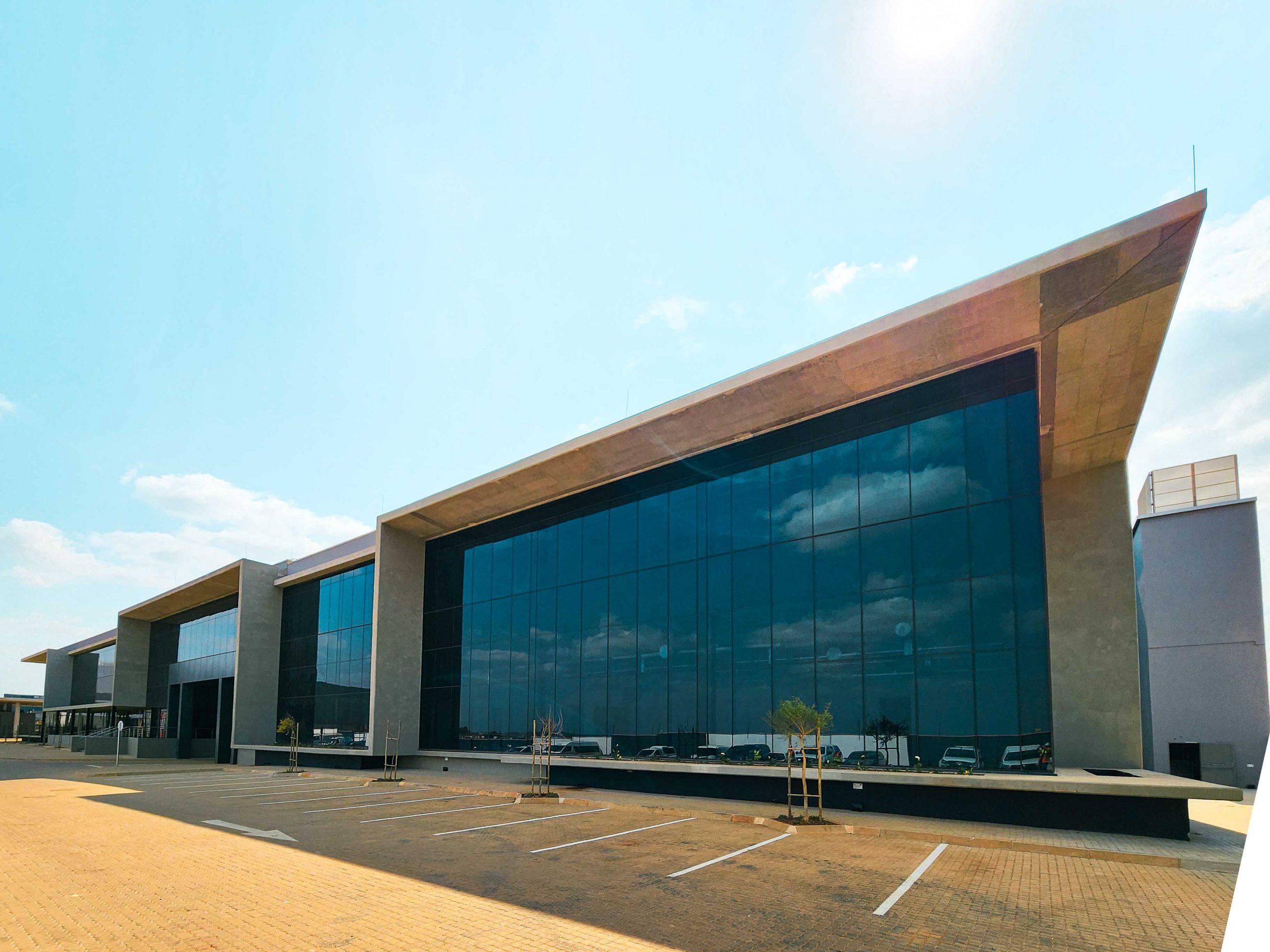
Teraco: A Digital Realty Company, Africa’s largest vendor-neutral data centre and interconnection platform provider, has announced the completion of the first phase of JB4, its new hyperscale data centre addition to the Bredell Campus, Ekurhuleni, east of Johannesburg, South Africa.


The new facility supports the growing demand by enterprises and cloud providers for data centre capacity. JB4 offers highly resilient and secure colocation facilities in line with Teraco’s long-term vision of enabling digital transformation across Africa.


As one of Africa’s economic powerhouses, Gauteng (the greater Johannesburg Metropol) is a logical destination for Teraco’s continued investment in data centre infrastructure on the continent. Home to digitally connected enterprises, including telecommunications, financial services, e-commerce, logistics, and retail, the Johannesburg Metropol benefits from its enviable location in the heart of southern Africa, which has led to it becoming the hub for connectivity and peering.


JB4 represents a strategic addition to Platform Teraco, offering enterprises and cloud providers a scalable platform for IT infrastructure deployment while sustaining performance, reliability, security, and the most comprehensive network choice. The first phase of JB4 comprises 30 000sqm of building structure, 8 000sqm of data hall space, and 19 megawatts (MW) of critical power load. Teraco has secured adjacent land and power for Phase 2 expansion, bringing the total critical power load in the facility to 50MW at the end state.


The JB4 addition to Teraco’s growing data centre platform takes critical power load capacity at Teraco facilities to 126MW, which includes the Isando Campus JB1/JB3 (40MW), Bredell Campus JB2/JB4 (64MW), Cape Town Campus CT1/CT2 (21MW) and Durban (1MW).


This data centre facility dramatically extends Platform Teraco’s capacity in South Africa, according to Jan Hnizdo, CEO, of Teraco: “Forming a vital part of the African IT landscape, Platform Teraco is an essential part of the modern enterprise’s digital transformation strategy with its diverse industry ecosystems and open interconnection marketplace.” JB4 is connected to all the other Teraco data centres through the diverse ecosystem of network operators in the facility, making it ideal for the distributed interconnection-defined architecture of the modern enterprise.


Hnizdo says that the majority of enterprise organisations are accelerating their digital transformation strategies and placing a greater focus on cloud adoption strategies: “Enterprises are looking for the ability to scale as network strategies evolve, and in a world where fast and secure interconnection with strategic business partners is a priority, this is a source of competitive advantage.”


Organisations working to accelerate their digital transformation utilise Teraco to dynamically scale their IT infrastructure, adopt hybrid multi-cloud architectures and interconnect with strategic business partners within the Platform Teraco ecosystem of global and local clients.


Hnizdo said that the company continues to see significant growth as hyperscale requirements expand due to increased demand for cloud services in Africa. “The continued increase of cloud adoption in Africa is also being enabled by investments in critical infrastructure, including hyperscale data centre facilities such as JB4. This will enable global cloud clients to service the South African market and the rest of the sub-Saharan African region.”


Key Facts at JB4

  • JB4 is one of the largest single-site data centres on the African continent; at the end-state, it will comprise 60 000sqm of building structure serviced by 80MW of utility power supply servicing 50MW of critical power load.
  • Located in Ekurhuleni, East of Johannesburg, alongside the R21 business corridor.
  • The facility has multiple fibre paths to the Teraco Isando Campus connectivity hub (JB1/JB3), some 20 kilometres away.
  • Phase I includes 8x 1000sqm halls with 19MW of critical power load.
  • JB4 is a significant addition to South and sub-Saharan Africa’s data centre footprint.
  • JB4 is built in line with global hyperscale requirements and international compliance standards and will augment the existing portfolio of ISO9001, ISO27001, ISO50001, ISO140001, PCI-DSS and ISAE3402-certified data centre facilities.


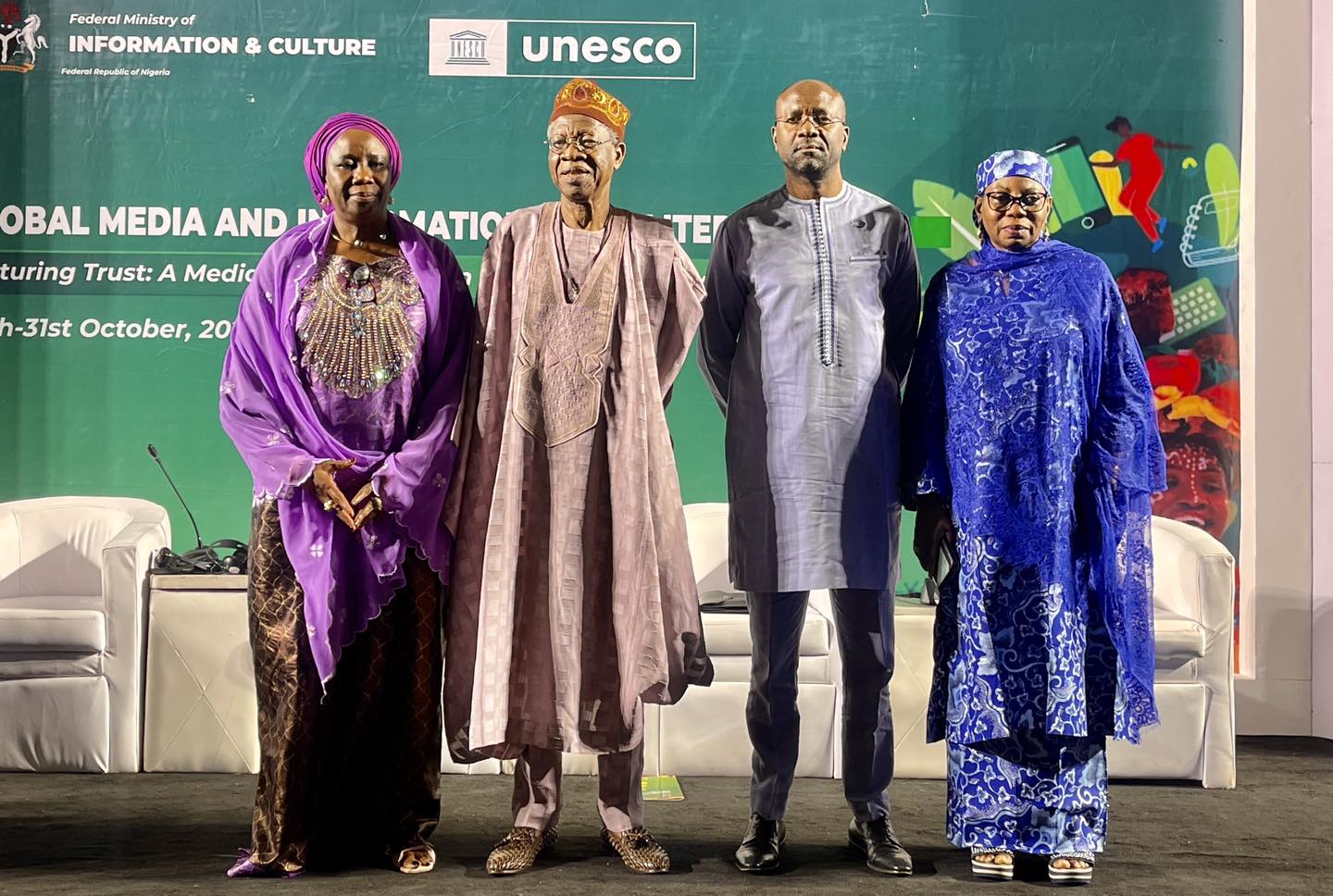
The Minister of Information and Culture, Alhaji Lai Mohammed, has said the successful hosting of the UNESCO Global Media and Information Literacy Week 2022 in Nigeria is a testament to the great efforts of the nation’s security forces in keeping residents of the capital city, and indeed Nigeria, safe.

The Minister stated this in Abuja on Friday at the closing session of the UNESCO Global Media and Information Literacy Week 2022 and the adoption of the Abuja Declaration on Global Financing for Media and Information Literacy.

“The huge success of the 2022 Global MIL Week in Abuja, coupled with the first hand experience of our guests from all over the world, is a clear testimony to the organizational ability and warmth of our people. The successful hosting of an international event, in a week marked by petrifying terror alerts, is also a testament to the great efforts of our security forces in keeping residents of our capital city, and indeed our country, safe, despite the antics of terrorists who are continually plotting to destabilise our nation’s peace and
security.

“Thanks to the sacrifice of our men and women in uniform, our country will be progressively safe and secure, for citizens and non-citizens alike,” he said.
Alhaji Mohammed re-echoed the collective conviction of speakers and contributors at the various sessions of the MIL week, which is that the development of Media and Information Literacy (MIL) is a panacea for

the fight against all forms of disinformation and the building of trust.

“It is also very clear that the trust question, which this year’s Global MIL Week dealt with, is indeed of global concern. Given the frightening dimension of the impact of the surge of disinformation across the globe on the relationships between the government and the governed, institutions, communities, religious organizations, etc., there is the need to forge a common front to confront this menace by advancing a global funding to deal with the issue of disinformation,” he said.

The Minister said Nigeria is committed to pursuing, supporting and promoting the right Media and Information Literacy policies and programmes that will enhance the development of the capacities of citizens, particularly the youth, in the effective use of Media and Information Literacy.

He also stated the commitment of Nigeria to work with UNESCO to establish a UNESCO International MIL institute in Nigeria, adding that NIgeria is looking forward to receiving the necessary assistance in this regard.

Alhaji Mohammed urged development partners, multilateral organizations and all countries to commit to supporting and funding the initiative, which will ultimately make the world a safer and more peaceful place to live.

He congratulated participants for a successful conference and wished everyone a successful journey back to their destinations.

“To all our guests, I hope you have truly enjoyed yourselves in Abuja and that you are going away with sweet memories of the hospitality and the friendliness of our people. I was at the gala night a few metres from here yesterday, and I was delighted and enthralled by the sheer joy and the impressive dance steps of our guests, as our National Troupe put up a superlative performance. It was a fitting climax to a great and successful MIL Week, and I wish to commend everyone who has contributed immensely to this successful Week,” the Minister said


Consistent with its recognition as an ethically-compliant public institution by the Independent Corrupt Practices and Other Related Offences Commission (ICPC), the Nigerian Communications Commission (NCC) has reaffirmed its commitment to collaborating with other government agencies towards supporting Federal Government’s anti-corruption campaigns.


This was stated by the Director, Human Capital and Administration, Mr. Usman Malah, who represented the Executive Vice Chairman and Chief Executive Officer (EVC/CEO) of NCC, Prof. Umar Danbatta, to host a delegation from the Public Complaints Commission (PCC), which paid a courtesy visit to commend NCC for its role in enabling embrace of digital culture in the country.


According to Malah, the NCC earned a score of 81.15 percent in the year 2020, putting it in the top 10 Ministries, Departments and Agencies (MDAs) of government among 352 MDAs assessed on Ethics Compliance and Integrity Scorecard (ECIS) by the ICPC.


Malah told the PCC delegation that “with this performance, the Commission also emerged as the most ethically compliant government regulatory agency for the year 2020 under the Ministry of Communications and Digital Economy.”


According to Malah, it was natural for NCC to support efforts geared towards tackling corruption in the country. Therefore, he said NCC was willing to collaborate with the PCC to boost anti-corruption campaign of the Federal Government aimed at curbing corruption and negative tendencies among the Nigerian youth.


The Commission acknowledged PCC’s enlightenment programme on anti-corruption targeted at the Nigerian public, the youths and students, who, he said, can be great stakeholders for the sustainability of the anti-corruption campaign, and support for telecom sector initiatives to boost the national economy.


Malah said the “NCC also strongly associates with the central objective of PCC, which is to redress all forms of administrative injustice in Nigeria, and the noble goal of promoting social justice, especially in a world that is increasingly complex and sophisticated for the average individual, given the rapid advancements in technology and diversity of practices.”


Earlier, the PCC Secretary, Philip Enyali, who represented the Chief Commissioner (Ombudsman of the Federal Republic), Abimbola Ayo-Yusuf, commended Danbatta for maintaining zero tolerance for corruption and for the noble achievements of the Commission under his leadership. Ayo-Yusuf said NCC strides have seen the telecommunications sector contributing immensely to the Gross Domestic Product (GDP), and overall economic growth of the nation.


Enyali stated that the PCC’s purpose of visiting the NCC was to intimate the telecom regulator on the scheduled Anti-Corruption Marathon at the Eagle Square, Abuja, as well as the National Youth and Students Summit which will take place later in December 2022.


“We are here to request the support and partnership of the NCC in hosting the two events targeted at curbing anti-corruption tendencies among the Nigerian youth as well as create opportunity to discourage young people from indulging in corrupt practices,” Ayo-Yusuf said.


It’s the world’s number one social media platform, which also means it’s the biggest target for scammers, hackers and shady characters. 

Carey van Vlaanderen, CEO of ESET South Africa shares a few tips and insights on what to avoid to stay safe.


Launched in 2016, TikTok has 6.44 million active users currently in South Africa above the age of 18, which is no small feat in comparison to Facebook which has been running since 2006 with 24.20 million users in the country. With such a broad reach, scammers are never far behind. Cybercriminals are exceptionally creative with their tactics and always follow trends closely, often predicting change ahead of the masses in order to increase the likelihood of their scams being successful. However, scams are not the only dangers lurking on the popular video-sharing application, and users would do well to know how to stay safe while enjoying themselves. Given that it’s so easy to lose track of time scrolling the app, it’s not hard for scams to catch people off guard, which can cause them to lose money, their account, or even their reputation.

Top TikTok scams to be aware of and avoid


1.    Don’t be fooled by get-rich-quick and crypto scams

Is Elon Musk really going to give random web strangers a million dollars? Is a worldwide brand really going to give away a luxury vehicle just for following a new account? Unlikely. If it sounds too good to be true, it usually is. Con artists are known for luring people into their web of deceit with offers of huge reward for little effort. Cryptocurrencies have skyrocketed (and hit rock bottom) recently, so they remain a favourite topic for scammers when attempting to part unsuspecting people from their cash. Competitions and giveaways must be carefully scrutinised. Even if they’re not looking to scam you out of money, your personal information could be just as useful to a scammer looking to commit identity theft.


2.    Don’t click those TikTok phishing messages

A TikTok scam email or text is a message that goes out at random, like a typical phishing message, but with the intention of landing in a TikToker’s inbox. Such a message might purport to offer a verified badge, more followers, or even a brand sponsorship. Once the target clicks the link in the message, they will be redirected to a site requesting TikTok login credentials. If the user does not have two-factor authentication (2FA) enabled (which TikTok accounts do not, by default), the hackers can take complete control over the account and lock the owner out completely, using their login details.

3.    Don’t engage with bot accounts

Despite their best efforts, TikTok is still unfortunately rife with bot accounts that cleverly interact with users in a way that make the targeted users think they are chatting with a real person. These bots may ultimately ask victims for sensitive information or even suggest the victims be redirected to a site that is in fact a scam site attempting to phish information from them or install malware on their phones.

4.    Don’t get caught by TikTok scam apps

Fake accounts on TikTok often promote apps that are available to download. The problem is that these apps are also in fact fake. Some accounts will claim that specific paid-for apps can be downloaded free from certain third-party app stores. However, in an attempt to steal your information, these apps will actually install malware or adware onto your device. Avoid downloading any additional apps that do not come from an official app store.

5.    Don’t fall for fake celebrities

Some accounts attempt to impersonate real celebrities. They usually do this by duplicating the content of a celebrity’s account. This tactic is used to get as many followers as possible. Before the scammer is caught out and reported, they may use this account to promote further scams such as cryptocurrency investment scams. Alternatively, scammers use this account to gather as many followers as quickly as possible, and then switch to a personal account, so that they can exploit their now-high follower account by monetising or promoting other scams.

Staying safe on TikTok

While hacking into someone’s TikTok is challenging without being near the target’s phone and carrying out a spot of shoulder surfing, it is a good reminder to make sure that 2FA is turned on. This makes it harder for cybercriminals as they might be able to see the reset code sent to your mobile number (using spyware) but it’s unlikely they’ll have access to your second authenticating medium (email) as well.


Other important safety tips

  • Never share your login details with anyone: Like other platforms, TikTok will never contact you asking for your account details, password, one time passcode, or any other verification methods.
  • Make your account private: This means that the content you post on the account is not visible to anyone you do not know.
  • Only allow friends to send messages: Don’t accept messages from strangers. If you only accept messages from friends, you don’t have to worry about the intent behind their message.
  • Don’t suggest your account to others: Turning off “Suggest Your Account to Others” will keep your account from attracting random users you don’t know.  It will also stop your TikTok account from coming up in search engine results.
  • Don’t allow people to download your videos: There’s a feature that lets other users download the videos you share on your channel. Turning this off helps ensure that no one uses your content, image, or identity in a way you wouldn’t want it to be used.
  • Limit comments: Cyberbullying is a huge safety issue these days, and it can happen to anyone. By disabling comments, you can ensure that no one uses your platform to say unkind or hurtful things to you or anyone else.


Finally, if you ever see videos on TikTok that you think could be spam or phishing attempts, or you see any harmful content, report it to TikTok straight away and avoid the associated links or accounts.


The 12-year-old Nigerian child prodigy Kanyeyachukwu Tagbo – Okeke recently held his first exhibition at Vancouver Canada at the prestigious Vancouver Convention Centre. Kanye has over time exhibited in many countries of the world and recently, Canada.

Art Vancouver is one of the biggest art shows in Canada and Kanyeyachukwu made history by being the youngest at the exhibition and one of the few from Africa to showcase his works.

Kanye has over the years put Nigerian in the art world, especially in abstract painting. Kanye art works has been a part of his project in contributing and bringing spotlight to autism and plight of children with autistic challenge.

According to the organisers of Art Vancouver “We were so thrilled to showcase Kanyeyachuku Tagbo-Okeke’s works at Art Vancouver 2022. The young creative artist defies the odds daily as a kid living with Autism, and as a contemporary Abstract Artist Extraordinaire, Kanye defines Autism; it doesn’t define him”.

Founded in 2015 by non-profit Vancouver Visual Art Foundation (VVAF) Art Vancouver was established by an accomplished artist and curator, Lisa Wolfin with a group of dedicated volunteers. They have the vision of being the premier destination and event that bring global awareness to visual arts. Art Vancouver is an international art fair held annually in a world-class location at the Vancouver Convention Centre West, where Kanye Exhibited at Hall A.

On discovering the creativity of Kanye at a young age, the parents Mr and Mrs Tagbo Okeke said ” we noticed Kanye scribble a lot when he was attending Cradle to Crayon in 2011 but it started manifesting well when he was in pre K at the American International School Abuja and then attended Oakland International School around 2016 before he was moved to Aduvie Primary school in 2019. It was in these institutions that various interventions were given to him to help him to focus. He graduated from Aduvie primary school in July 2022 and started Aduvie secondary school just this September. These schools have made a great impact in his life. This with Zeebah Foundation and OLG Autism Foundation. They help in his therapy and very instrumental to his creativity.

With his solo booth dedicated to his works, there was a spotlight on one of his paintings known as expression of harmony which highlighted his works and contribution to autism. Kanye has over the years shown how kids with autism can make impact in life and contribute to artwork. With this milestone, Kanye work was used as a cover-page for the Art Vancouver catalogue. This has made Kanye’s work to be a feat being the youngest to have been featured.

Apart from Canada, Kanye over the years has been able to showcase and exhibit his works in various part of the word such as Vienna, Austria, New York, United States, Morocco, and now Canada, with so many awards and recognition from various organisations such as United Nations (UN) and others. Kanye has successfully brought awareness to the challenges of autism in Nigeria. Many of the proceeds that come from these art works are being donated to Kanyeyachukwu Autism Foundation, a foundation that solely cater for autistic children from care to education and social support.

The partnership will enable customers to pay globally with a Mastercard virtual payment solution linked to the Cellulant (www.Cellulant.io) wallet, Tingg (https://Tingg.africa/); Mastercard’s technology will enable consumers to shop online with or without a bank account, through a simple and secure payment experience.


Mastercard and Cellulant have partnered to allow millions of Cellulant customers across Africa to shop and pay online with global merchants wherever Mastercard is accepted.


The Mastercard virtual payment solution, linked to Cellulant’s payment gateway – Tingg, can unlock a host of opportunities for consumers, whether they have a bank account or not. Consumers will be able to shop from well-known global digital commerce brands, paying quickly and securely for leisure shopping, travel, accommodation, entertainment, streaming services and more, while in their home countries or travelling abroad.


The announcement comes as digital commerce and online shopping is thriving across Africa and the need for safer means of shopping online increases. According to the Economy 2021 Outlook conducted by the Mastercard Economics Institute, 20-30% of the COVID-19-related surge in digital commerce will remain a permanent feature of overall retail spending, and shopping through mobile is largely how consumers access these opportunities.


Across Sub-Saharan Africa, mobile devices are the primary channel used to connect to the internet. According to GSMA, smartphone connections are expected to reach 678 million in 2025, with a penetration of 65%. As a result, alternative payment methods driven by mobile payments have increasingly begun to dominate the digital payments landscape. Consequently, consumers increasingly expect access to a broader range of online offers and digital financial services.

We believe seamless payment experiences are the backbone for accelerating economic growth across Africa


The majority of these consumers obtain goods and services from micro, small and medium-sized businesses.  Africa today has about a 100 million MSMEs but less than 5% of their transactions are digitized. For these businesses, virtual cards offer a compelling path to digitization with added benefits such as tracking, reconciliation and quick settlement of day-to-day payments, better management of customer and supplier relationships and minimized fraud risk all without sacrificing operational speed. Taking advantage of these opens up paths for growth through value chain financing and ease in raising working capital.


Mastercard is collaborating with partners to build a strong digital economy that can unlock a world beyond cash where everyone thrives. The partnership with Cellulant plays a role in advancing Mastercard’s worldwide commitment to financial inclusion to bring a total of 1 billion people, and 50 million micro and small businesses into the digital economy by 2025.


“Mastercard’s technology enables our digital partners to redefine their consumer’s digital commerce interactions and experiences. By focusing on the provision of multi-use, omnichannel digital payment solutions, Mastercard is enabling its partners, such as Cellulant, to improve their operational efficiency, diversify their revenue, and transition seamlessly into digital commerce. We see the increasing proliferation of fintechs as a strategic opportunity to add value by creating more connections, better user experiences and greater choice for consumers,” said Amnah Ajmal, Executive Vice President, Market Development, Eastern Europe, Middle East and Africa, Mastercard.


“We believe seamless payment experiences are the backbone for accelerating economic growth across Africa. MSMEs are the driving force for Africa’s economy and our work in digitising payments for businesses and their consumers enables the requisite foundation for innovation, economic development and financial inclusion. By partnering with Mastercard, we are looking to further open up pathways that effectively position our customers for the growth they need,” said David Waithaka, Chief Revenue Officer, Cellulant Group.


Over the last 18 years, Cellulant has built an extensive and unparalleled payments platform that provides local, regional and global businesses with a one-stop-shop payment solution offering a frictionless payment experience for their needs across the continent. Covering 35 countries across Africa with about 300 payment integrations, Cellulant helps stitch together the fabric of Africa’s commercial landscape making interoperability possible.

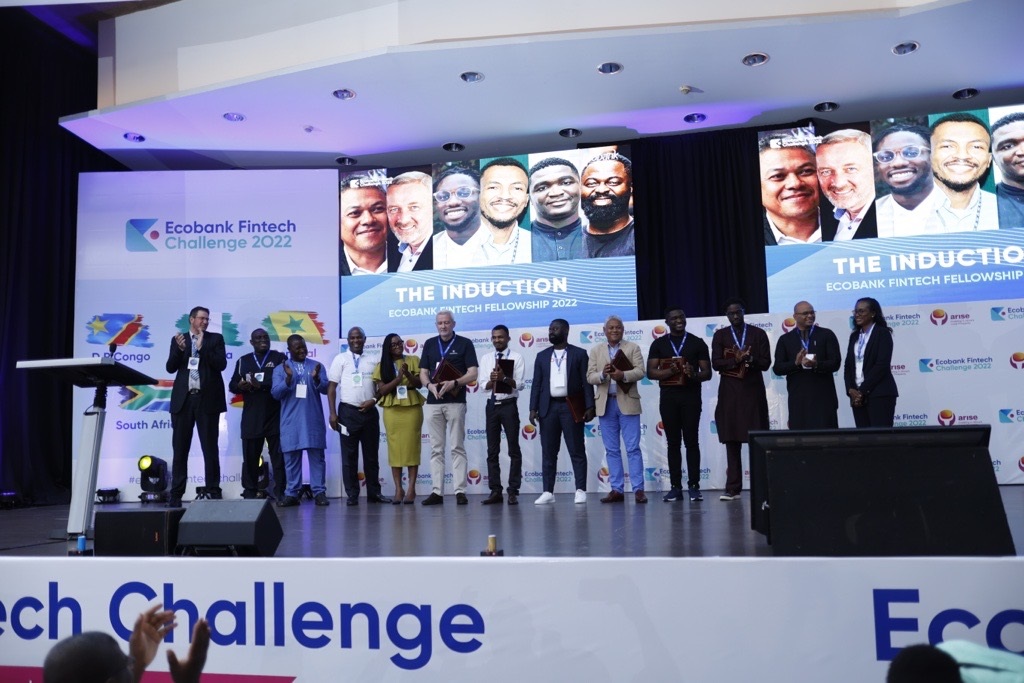
Ecobank Group (www.Ecobank.com) is proud to announce that Touch and Pay a Nigeria-based fintech has won the 2022 edition of the Ecobank Fintech Challenge. This announcement was made at the Grand Finale, today at Ecobank’s headquarters in Lomé,  presided by H.E. Cina Lawson, Minister of  Digital Economy and Transformation, Republic of Togo. Touch and Pay took home a $50,000 cash prize, the largest no-strings attached fintech cash prize in Africa.


Touch and Pay processes microtransactions across Africa, such as paying for bus journeys. Today, Touch and Pay has over 2 million users who help 500,000 people make payments every day.


The winner and the other five finalists were also inducted into the Ecobank Fintech Fellowship – a unique programme that gives the Fintech Fellows the opportunity to explore potential commercial partnerships with the Bank, such as integrating with Ecobank’s pan-African banking platforms and scaling their fintech businesses across Ecobank’s 33 African markets.


The five other finalists for the 2022 edition are:


This year’s six finalists have set the bar high at this Grand Finale

  • Cauri Money, Senegal
  • DizzitUp, Togo
  • MaishaPay, Democratic Republic of Congo
  • Moni Africa, Nigeria
  • Paycode, South Africa
  • Touch and Pay, Nigeria


Ade Ayeyemi, Chief Executive Officer, Ecobank Group, congratulating the finalists, said:This year’s six finalists have set the bar high at this Grand Finale. Their innovations are revolutionising the financial payments landscape in Africa and advancing financial inclusion. It is an honour for the Ecobank Group to partner with them and jointly transform the financial landscape of our continent.” Mr Ayeyemi also expressed Ecobank’sprofound appreciation to all our partners especially Arise, the gold sponsor of the 2022 Challenge, as well as to the Jury who worked tirelessly to evaluate the finalists and select the winner.


Gavin Tipper, the CEO of Arise, a gold partner and co-sponsor of the challenge, said: “Arise extends its congratulations to the finalists and the winner for the creativity and innovation they displayed. The Ecobank Fintech Challenge has become an important platform for supporting fintech innovators and encouraging bold solutions to advancing financial inclusion in Africa. The talent on offer in this year’s pool of finalists once again exceeded expectations, and we look forward to seeing how the different products transform financial services on the continent.”


Oluwole Michael, CEO of Touch and Pay expressing deep satisfaction at winning the Fintech Challenge, commented: We at Touch and pay (TAP) are excited about the opportunity given to us to work with Ecobank, a pan-African bank operating across Africa.  This plugs into our vision of helping 250m Africans process cash-based transactions digitally making them truly cashless and providing true credit facilities for merchants, retailers, and customers.”


In addition to the pitch  by each of the six finalists and a keynote address by H.E. Cina Lawson, highlights at the Grand Finale included panel discussions on ‘Sustaining and deepening investor interest in African Fintech in the face of global economic crisis: what should investors, Fintech companies and governments do?’ and ‘Ensuring Fintech-friendly regulations that accelerate start-up growth and maturity: what is the best way forward for Africa.’

Almost 4,000 start-ups have participated in the five editions of Ecobank Fintech Challenge since it was launched in 2017. Since then, 52 Fintechs have been inducted into the Ecobank Fintech Fellowship. The 2022 Challenge was supported by partners including Arise, Konfidants, Tech Cabal, Africa Fintech Network and ALX Ventures.