
President Muhammadu Buhari Thursday in Seoul, South Korea, reaffirmed Nigeria’s commitment to stabilizing the country’s democratic system.

Speaking during his meeting with the Speaker of the National Assembly of the Republic of Korea, Mr. Kim Jin-Pyo, on the sidelines of the World Bio Summit 2022, the President declared that the successes achieved in the recent off-season elections in Anambra, Ekiti and Osun States, confirmed that the people of Nigeria have approved the democratic form of government.

According to him, “We are proud that our patriotic people are given the right to choose who will govern and represent them in the various legislative houses at state and federal levels.”

Recalling his political journey dotted with several attempts and court cases to clinch the Presidency, the Nigerian leader praised the introduction of technology, especially the use of Permanent Voter’s Cards (PVCs) for his eventual success at the polls, while noting that the diversities introduced by the colonial history of Nigeria unlike in Korea, have not made governance easy.

Describing the signing of Memorandum of Understanding (MoU) between the NNPC Ltd and Daewoo Group for the rehabilitation of the Kaduna Refinery which took place shortly before the President’s visit to the Parliament, as “very significant,” the Nigerian President, who noted that “technology transfer is not easy,” expressed appreciation to the Korean government for its generosity in the rehabilitation of both Kaduna and Warri refineries.

He also commended the resourcefulness of the Korean shipping industry, and thanked the host government’s assistance towards the rehabilitation of Nigeria’s infrastructure, describing it as “crucial.”

Declaring that Nigeria was trying to be self-sufficient in many areas due to her huge population so that she can be of help to other countries in the sub-region as well, President Buhari affirmed that good education and health are “very critical and fundamental to our state of development.”

In his words, “We are doing our best to see what government can provide and hope the people appreciate our efforts.”

Earlier in his welcome remarks, the Speaker thanked President Buhari for his first visit to the Korean Parliament and commiserated with Nigeria over the havoc caused by floods.

Describing Nigeria as a “cultural power house” rich in population, natural resources and high GDP, Mr. Jin-Pyo, said the Korean Parliament valued its relationship with Nigeria and loved to see increased “people-to-people” interactions.

He noted that under President Buhari’s leadership, the Republic of Korea was able to grow bilateral trade with Nigeria by 30 per cent last year, and looked forward to expanded trade under the African Continental Free Trade Agreement (AfCFTA) regime.

The Speaker expressed his government’s readiness to assist Nigeria in human capacity building, while requesting for support as Korea planned to host EXPO 2030 in Busam, adding that he believed many Nigerian companies would attend.
He thanked the Nigerian President for addressing the World Bio Summit and commended Nigeria’s choice as a manufacturing hub for vaccines with Korea ready to provide requisite staff training.

According to Mr. Jin-Pyo, “Your visit will serve as a momentum to build on existing bilateral relations and expand to other areas like healthcare while finding ways to fund and provide better life for our peoples and engendering stronger Parliaments.”
Other ranking Parliamentarians in their remarks, praised President Buhari’s personal integrity and firm commitment to the entrenchment of democracy in Nigeria.


 

Following the unprecedented achievement recorded in the Digital Economy Sector, under the leadership of Professor Isa Ali Ibrahim (Pantami), Opay Digital Services Limited, led by its President & Co-CEO, Olu Akanmu paid a working visit today to the Communications and Digital Economy Complex, Abuja.

The main aim of the visit was to formally commend and appreciate Minister Pantami for his selfless services to humanity.

Mr. Akanmu also praised the active role Pantami played in championing the Nigeria Startup Act 2022, the rapid accelerated increase in digital identity enrollment under his supervision, and the solid foundation he has laid to drive financial inclusion in Nigeria.

OPay is a Digital Services Limited committed to deepening financial inclusion with footprints in emerging markets across Asia, Africa, and Latin America.

The National Information Technology Development Agency (NITDA) in collaboration with Ascend Studios Foundation is announcing the launch of Creative Technology Program (CTP), 2022. The programme is aimed at developing and retaining of Creative Technology Talents in Nigeria for promoting career skills and providing job opportunities among the beneficiaries.
“The goal of the programme is to enable, nurture and upskill creative technology talents in persons into viable career options; and create an ecosystem that will boost the economic potential of all participants.”
According to him, the COVID-19 pandemic has exacerbated the existing digital skills gap and resulted to millions of job losses – disrupting the global landscape and leaving many with speculations on the world’s recovery mechanism, therefore this level of training is crucial, according to Kashifu Inuwa CCIE,” the Director General/CEO of NITDA”.
Similarly, the President of Ascend Studios Foundation, Dr Inya Lawal, said “We are delighted that NITDA has partnered with us as our goal is to bridge the creative technology skill gap Nigeria has and produce top professionals in Gaming, Animation and Augmented Reality whose work can compete globally”.
The National Information Technology Development Agency (NITDA) has embarked on several initiatives to upskill and reskill Nigerians across all walks of life in line with the national agenda for a digital economy – the National Digital Economy Policy and Strategy (NDEPS). The development of NITDA Strategic Roadmap and Action Plan (SRAP) is a strategic plan towards achieving the NDEPS.
In continuance to provide massive employment opportunities through digital skills, NITDA have kick started an ambitious project to train one million software developers in the country. Therefore, the NITDA- Ascend Studios Foundation, CTP will enable the participants gain new skills that will help them take their ventures to the next level, at the same time formulating a strong network for sharing ideas and each other’s experiences.
As the creative economy rapidly transforms the global economic landscape and the technology skills gap between Africa and other continents widen, technology literacy is fast-becoming a fundamental right and a springboard for Africans to engage and participate in today’s world. The need and demand for creative and digital technology skills is more pressing than ever before. The program will find talents in Animation, Games and AR who will contribute positively to the Nigerian economy and its relation to career/business opportunities within creative technology. CTP is supported by the HOW Foundation, Africa Creative Market, Paramount Africa, Global Wissen Consult, Entertainment IP Germany and the Animation Excellence Cluster in Germany.
Application link: https://bit.ly/2022ctp
Application opens: 3rd November
Application closes: 11th November
The programme runs from 21st of November – 7th December 2022
Signed
Mrs Hadiza Umar, fnipr; m.apra; mcipr
Head Corporate Affairs and External Relations, NITDA


As the country is doing everything possible to diversify from crude oil, The government is lately focusing on mining and other forms of solid minerals. In an event held lately in Abuja. The Vice President, Yemi Osibanjo made the industry stakeholders understand the efforts that the government is doing to ensure that the mining space is profitable.

In his words, the Vice President said,”The mining sector is one area in which our administration has experienced tremendous growth and success since its inception in 2015. This is because we have committed more resources to the development of the mining sector than any other government in the history of our country. I stated this on behalf President, Muhammadu Buhari while declaring open the ceremony of the 6th edition of the Nigerian Mining week earlier today, and further reiterated our commitment to prioritizing the development of Nigeria’s mineral resources as one of the frontiers for economic growth.”

He added that “Currently, we have a world-class gold mine running in Osun State, the Eko Gold Coin which has been refined to full 24-karat purity, mining industries that supply coal to some of our biggest cement factories, and a steel plant in the process of producing liquid steel, and more, all from natural resources sourced within Nigeria. ”

In conclusion , the VP said “It is my belief that this sector, when fully developed, will outstrip other sectors of the economy in export earnings, and the creation of good-paying jobs and opportunities.”

ANTHONY EMEKA NWOSU


Plans to introduce new age fintech solutions around digital lending in the country; Will help banks to launch new and innovative products for new-to-credit segment like Buy Now Pay Later, Personal Loans, Payday loans, MSME loans etc


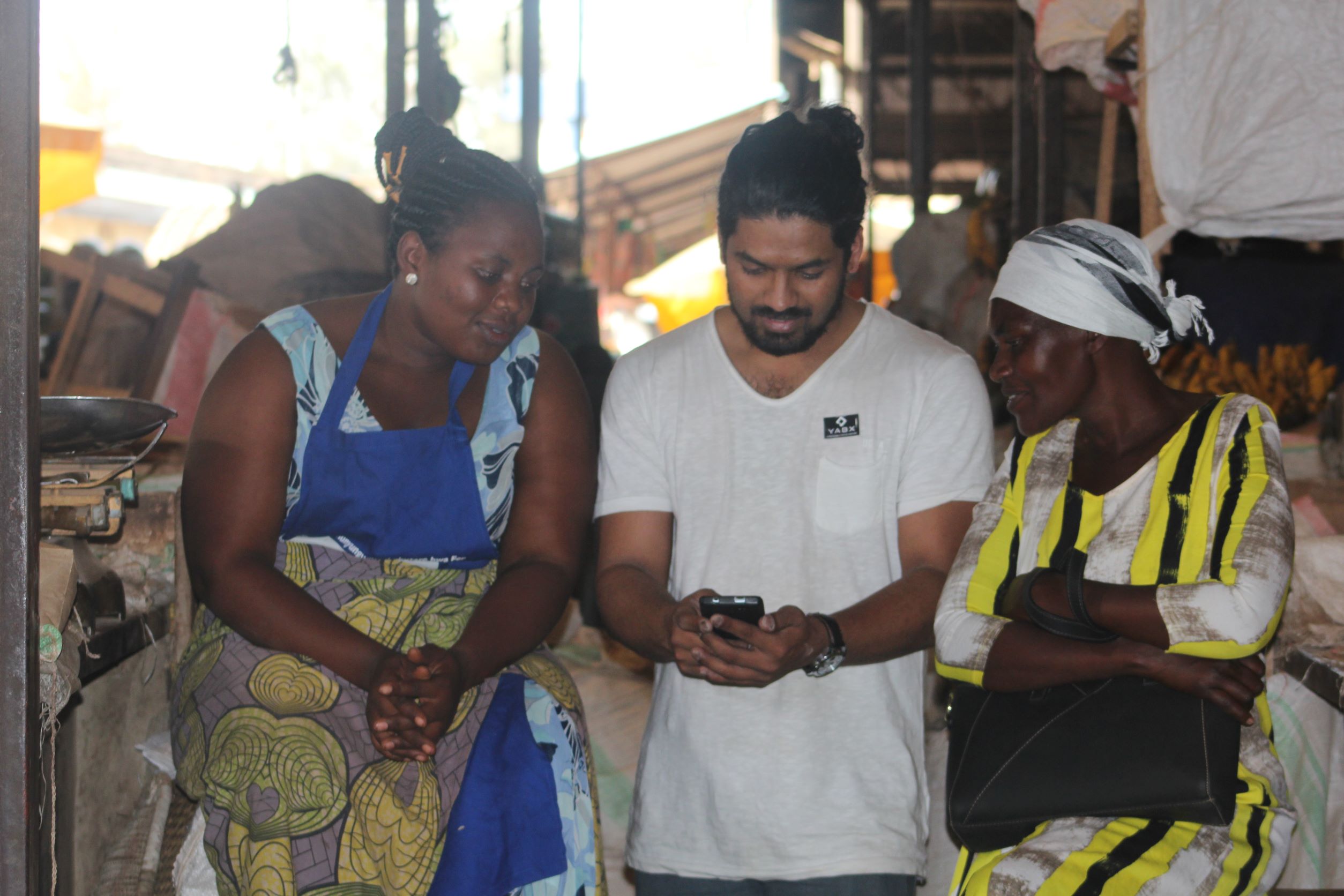
Yabx, a FinTech venture headquartered at Netherlands, today announced its foray into Nigerian markets with a mission to democratize credit across the country with its digital lending offerings.

According to a World Bank Report (https://bit.ly/3sUNA0h), the private credit bureau coverage in Nigeria was 13.9% in 2019. The numbers must have improved post pandemic but there is still a long way to go. Yabx aims to bridge the gap between the new-to-credit segments and the banks in Nigeria at scale and introduce new age fintech products and solutions in the high demand markets of the country.

The company will further amplify its local operations in Nigeria to capitalise on the investments being made in the digital lending space of the country.

Today, banks and financial institutions in Nigeria are more than keen to partner with us and launch new and innovative products for new-to-credit segment

Yabx has partnered with several African banks to create large, scalable and profitable digital lending portfolios by leveraging its fintech platform. Nigeria, where banks generally have faced challenges in underwriting its own captive base optimally, Yabx will not only help banks to widen the horizon of services they offer to their captive base but also allow them to launch new and innovative products like Buy Now Pay Later, Personal Loans, Payday loans, MSME loans etc.

Commenting on the expansion, Rajat Dayal, CEO & Founder of Yabx said, “While digital financial services have catalysed financial inclusion, access to financial services and credit remains an obstacle in countries like Nigeria. Without available credit services, smalls farmers, SME owners, and the new to credit segments face difficulty in obtaining loans to make profitable investments or pay off debts”.

“Today, banks and financial institutions in Nigeria are more than keen to partner with us and launch new and innovative products for new-to-credit segment. Our platform doesn’t only increase the reach of such banks but also helps them play a major role in creating a global credit score which will eventually help the new to credit segments in the country build a life without any external aid”, further added Rajat.

Yabx uses Big Data Analytics and AI/ML algorithms on large volumes of alternate data to create a detailed financial identity of customers and help banks underwrite them over Yabx Loan origination and Lifecycle Management System. This customer origination and servicing can be done on various channels like the bank’s own digital banking app, USSD channel, website or even as embedded options in third-party apps.


Yabx’s growth and innovation has also been validated at the most reputed global platforms ranging from the United Nations Capital Development Fund (UNCDF) to being recognised as the “LendTech of the Year” at the Asia Fintech Awards 2022. The Fintech start-up also won the “Best BNPL Solutions Award” at the recently concluded Global Fintech Fest 2022. With such global recognition and presence already in place, Yabx is set to accelerate its mission in the Nigerian market to open up corners of opportunities that didn’t exist earlier.

Cellulant (https://www.Cellulant.io), a Pan African financial technology company that provides locally relevant and alternative payment methods for global, regional and local merchants, has created a contiguous cloud experience that enables it to meet data and cloud sovereignty requirements across its regions. Working with Pure Infrastructure, a VMware Cloud Provider, Cellulant can now offer its services across borders and deliver a ubiquitous user experience, in addition to hosting specific applications in a public cloud while ensuring its transactional data is hosted on its VMware Cloud in the country of origin.

No regulator across Africa is the same. To deliver a Pan-African service, companies must meet each country’s regulations relating to data residency, compliance, and data sovereignty. This is especially relevant to financial services organisations that deal with the most sensitive data, and for whom the public cloud is not an option, especially since few of these companies offer in-country data centres and are unable to fulfil data sovereignty requirements.

“Our vision is to make payments frictionless and seamless, no matter where they are being made. If we can’t meet this core fundamental requirement, we don’t have a business, nor do the merchants and banks we work with. We are on a journey to solve the fragmented payment ecosystem in Africa, providing solutions that address the challenges that merchants and banks face when it comes to collecting payments. By doing so, we believe that create opportunities that accelerate economic empowerment for all Africans,” says John Mburu, Head of Platform Engineering at Cellulant.

The financial technology company, with offices in 18 countries serving 33 other African regions, initially planned to migrate its platform onto a public cloud for all its countries of operation, but due to varying data regulations across some markets, this was not feasible – as some regulatory bodies require that payment data be hosted in-country and meet local data sovereignty requirements.

To navigate this challenge, Cellulant partnered with VMware Cloud Provider Pure Infrastructure, leveraging its VMware Cloud infrastructure to create a private cloud to host payment data and applications in. This repeatable, autonomous, vendor-agnostic cloud model allows it to scale across borders without building a physical data centre in each country and provides a consistent developer experience.

“We can scale and roll out services much faster, making it easier for us to get services up and running without waiting for annual budget cycles. The first benefit we saw was how quickly the products became available. Within a couple of weeks of closing discussions with Pure Infrastructure, we got our licenses and could select the services we wanted to start with and which ones to add later,” says Mburu.

“To make our technology align with the way the business works, we needed to embrace a utility model so we could grow and shrink infrastructure as needed. It’s been invaluable for us to move to an OPEX model, allowing us to model our business and revenue models down to a transaction and per use,” says Mburu.

“Building a repeatable cloud model that it can lift and replicate in any country is ingenious. This innovation highlights exactly how Cellulant is reshaping the African payment space. They have not only proved the flexibility of the cloud, but with their partner, Pure Infrastructure, they have proven the cost efficiencies a company can gain from their cloud when they get the recipe right,” says Sumeeth Singh, Cloud Provider business head, Sub-Saharan Africa, VMware.

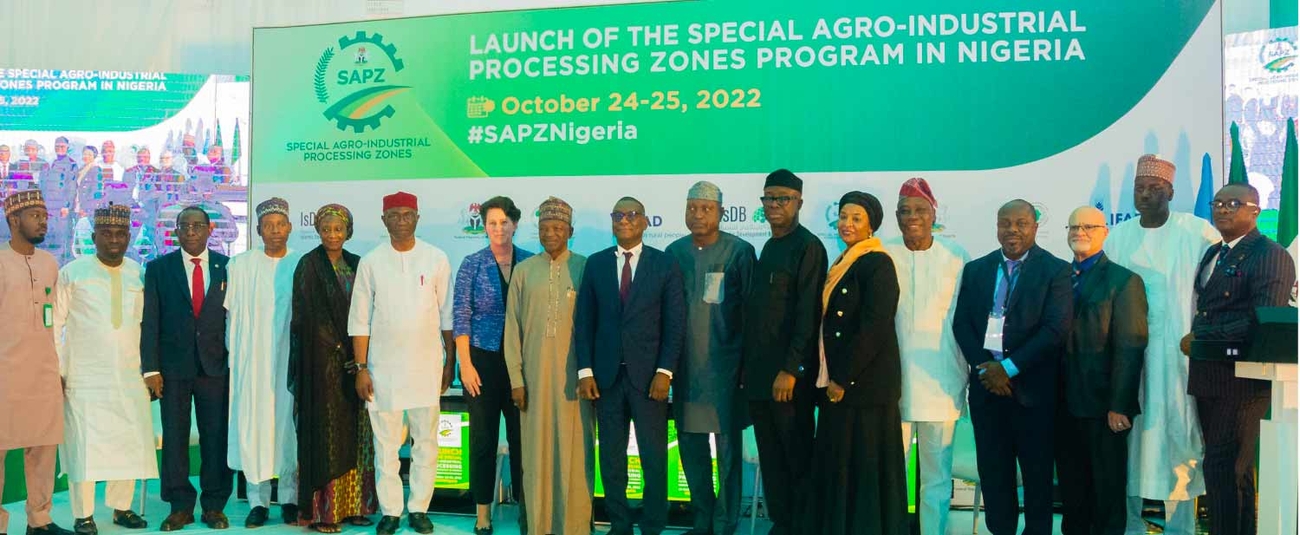
Local and international private sector businesses have expressed strong interest in the $538 million Special Agro-Industrial Processing Zone program (SAPZ) launched in Nigeria on Monday 24 October. Conceived by the African Development Bank, the program is expected to stimulate agriculture transformation in Nigeria.

The program launch was followed by a special forum on Tuesday, during which participants discussed the benefits and implementation of the special agro-industrial zones. The forum brought together a wide range of attendees, including Nigerian Vice President Yemi Osinbajo, several state governors, investors, representatives of logistics companies, and development partners.

The African Development Bank and partners are funding the first phase of the program, which covers seven states and the Abuja federal capital territory. The bank is providing $210 million, while the Islamic Development Bank and the International Fund for Agricultural Development (IFAD) are jointly contributing $310 million. The Nigerian government is investing $18.05 million in the program. Strong support comes from state governments, the private sector and other development partners. Up to 19 more states have expressed interest in joining the second phase of the program.

The director general of the Manufacturers’ Association of Nigeria, Segun Ajayi Kadir, praised the special agro-industrial zone concept. He said conditions must be right for the program to succeed. “States should also insulate investors from land politics and take adequate care to ensure that the environment is right,” Kadir emphasised. “The major attraction for us in special agro-industrial processing zone is the opportunity to be competitive.”

The vice president of ARISE Integrated Industrial Platforms, Suren Abeywickrema, took participants through his company’s experience running processing zones in West Africa, explaining how Nigeria’s special agro-industrial processing zones could be modeled.

ARISE IIP is operating the $1 billion forestry-based Nkok special economic zone in Gabon. That zone has more than 100 international investors who have made an additional investment of more than $1.7 billion.

The general manager of Corporate Finance at the Bank of Industry, Leonard Kanje, described the special agro-industrial processing zone as “business unusual.” He said his bank would provide financing for private sector players to locate in the zones.

Kanje said: “We will bring affordable and long-term financing. There is no way any country can survive on double-digit financing. That is why we are involved and making access to finance easier. The Bank of Industry will also support capacity building for small and medium-scale enterprises located in the zones,” He told the meeting: “We also expect to see hundreds more SAPZs springing up because it is a tested and trusted model.”

The director general of the African Development Bank in Nigeria, Lamin Barrow, said the implementation of the special agro-industrial processing zones would be done through a public-private partnership framework where the public sector provides an enabling environment while the private sector drives the program.

The managing director of Psaltry International, Oluyemisi Iranloye, stressed the need for potential investors in the zones to engage progressively with farmers and the local community. “This program must engage the people around it,” she said. “If we follow the SAPZ plan, our currency should be stronger in a few years to come.”

Iranloye also called for mechanization opportunities to enable youths to do business in the zones.

Oluyemisi, a large cassava processor based in southwest Nigeria, has built her success on an inclusive business model that places smallholder farmers at the center of operations.

The chief investment officer at the Nigeria Sovereign Investment Authority, Kola Owodunni, said his agency was strongly supporting the program. “We see it as catalytic for Nigeria. It aligns closely with our infrastructure fund. The SAPZ success means success for the Nigerian economy.”

Agriculture and Rural Development Minister Mohammad Abubakar said the zones would unlock more private-sector investment in the country’s agriculture sector.

Abubakar said: “The SAPZs will significantly drive the modernization of the agricultural sector, reduce food imports, drive value addition in staple food crops and create new economic zones of wealth and jobs creation in rural areas.”

Similarly, the minister for industry, trade, and investment, Dr. Otunba Adebayo, described the program as a good illustration of how public and private sector-led organizations can collaborate to bring about impactful change in the agricultural sector.

The associate vice president of the International Fund for Agricultural Development (IFAD), Katherine Meighan, highlighted the importance of the private sector as a key growth engine for rural economies, particularly under the Special Agro-Industrial Processing Zone program.

“Together, we will maximize the SAPZ benefits for small-scale producers and the private sector in line with national priorities,” Meighan said.

The senior special adviser to the African Development Bank Group president, Professor Oyebanji Oyelaran-Oyeyinka, highlighted the investment ecosystem of the special agro-industrial processing zones and opportunities for the private sector.

Eight geographical areas in Nigeria will implement the program’s first phase. They are the seven states of Cross River, Imo, Kaduna, Kano, Kwara, Ogun, and Oyo, and the Abuja Federal Capital Territory. Meanwhile, nineteen more state governments have indicated an interest in also establishing special agro-industrial processing zones under the program’s next phase.

One major lesson for Africa from the Covid-19 pandemic is that it had an outsize negative impact on workers in jobs that cannot be performed remotely.  Such jobs are typically in the informal sectors that dominate Africa’s economies. Services and other sectors more amenable to remote work were far less affected, which reduced the need for government social safety net interventions.

The pandemic also accelerated the digital transformation known as the Fourth Industrial Revolution (4IR), which was already underway across the globe.  As 4IR advances, Africa cannot afford to be left behind. ICT technologies can overcome gaps in a number of key sectors including agribusiness, communications and financial growth, unlocking better jobs, more effective tracking logistics for supply chains and even improved healthcare outcomes.

Fortunately, the continent presents an immense opportunity across a range of areas including mobile services, broadband infrastructure, and data storage. The continent’s young and fast-growing population, which has come of age in the digital era, is hungry for tools and technologies to meet their strong creative and entrepreneurial needs. And the absence of legacy infrastructure in many countries offers an opening to adopt the latest standards and innovations.

Strong coordination between business, governments and other actors such as civil society and regional agencies will be needed.

Days ahead of the opening of its Market Days 2022 event, the Africa Investment Forum is well placed to play an integral role in channeling investment into information and communication infrastructure.

Africa Investment Forum founding institutions, the African Development Bank and the European Investment Bank, supported the West Indian Ocean Cable Company(link is external) to deliver high-capacity connectivity of over 550 locations in 30 African countries with key financial and commercial centers around the world.

Demand for mobile services—particularly smartphones — is forecast to continue growing rapidly across Africa. The GSMA, an association of the world’s largest number of mobile operators, projects that about 600 million Africans will subscribe to mobile services by 2025, up from 456 million in 2018. Mobile broadband will spur demand not only for creative industries(link is external), but for services in fintech and telehealth, creating a knock-on effect.

There is also surging demand for so-called backbone ICT infrastructure, which comprises many different sorts of equipment. This includes root servers, fiber broadband lines, networking switches and routers and cellular towers, to name a few.  Building out of all of these elements represent opportunities for investors to meet rampant demand but also significant job creation potential in construction, installation and services.

The IFC and Google report, eConomy Africa 2020(link is external), projects an African Internet economy that could reach $180 billion by 2025, accounting for 5.2% of the continent’s GDP. By 2050, the potential contribution could reach $712 billion, or 8.5% of the continent’s GDP.

Another challenge that the Africa Investment Forum is working to overcome is the perception that investing in Africa is risky. Working with partners like United States Trade and Development Agency, The Africa Investment Forum prepares projects in its pipeline, getting them ready for investment.

Given the theme of the 2022 Market Days—building economic resilience through sustainable investments—transactions involving smart and resilient infrastructure are likely to enjoy the spotlight.

The event, which takes place from 2-4 November, will showcase billions of dollars of ICT energy, agribusiness and healthcare deals to investors. It will also promote sectors where Africa has a comparative advantage, such as creative industries, music, film, textiles, and sports.

Since its inception in 2018, the Africa Investment Forum platform has mobilized investment interests in excess of $100 billion.

The platform is an initiative of the African Development Bank and seven other development institutions: Africa 50; the Africa Finance Corporation; the African Export-Import Bank; the Development Bank of Southern Africa; the Trade and Development Bank; the European Investment Bank; and the Islamic Development Bank.

©Ecofin/AfDB

The Africa Investment Forum(link is external) has a strong track record of supporting the success of women business owners and entrepreneurs. Less well-known is that the Africa Investment Forum, an initiative of the African Development Bank and seven partners, also works to channel investment to sectors offering women better access to higher skilled and better paying employment.

As African countries mount robust climate action responses by ramping up adaptation and tapping sustainable energy resources,  a surge of green jobs is expected.  A significant proportion of these will be in the energy, transport, construction, and agriculture sectors, all priority areas of the Africa Investment Forum’s 2022 Market Days, which will open from 2-4 November in Abidjan, Cote d’Ivoire.

Expanding opportunities for women to fill these jobs is a win-win situation. First, it has the potential to reduce persistent gender gaps in the African labor market. Green jobs are also projected to promote sustainable economic growth that can lift women and their families out of poverty.

There are additional reasons why women and green jobs are a natural complement.  According to ILO, “women, with their unique knowledge and capabilities of natural resource management and use of energy sources are strong change agents and key contributors to climate change mitigation and adaptation programmes at local, regional and international levels.”

Echoing this, Vanessa Ushie, Acting Director of the African Development Bank’s African Natural Resources Centre said, “Women play a vital role in managing Africa’s natural capital assets and building climate resilience in our local communities.”

Ushie was speaking following the launch of the Green Jobs for Women in Africa report in 2021.  That report acknowledged obstacles to overcome to position women for higher-paying and more secure green jobs. Too often African women are shut out of formal sector employment owing to social norms and limited educational opportunities.

The report urges countries to adopt strong enabling policies and programmes to  increase women’s access. The Africa Investment Forum has a role to play in this sphere as well. In addition to channeling investment to the transformational sectors mentioned above, the platform works with governments to put in place regulatory reforms and to build institutions that provide oversight and set incentives on labor and other relevant issues.

Market Days 2022 is themed Building Economic Resilience Through Sustainable Investments, acknowledgement of the need for transformative projects to reduce Africa’s vulnerability to shocks like the Covid-19 pandemic, the war in Ukraine and of course climate change.

The event will showcase billions of dollars of deals to investors and promote sectors where Africa has a comparative advantage, such as creative industries, music, film, textiles, and sports.

Since its inception in 2018, the Africa Investment Forum platform has mobilized investment interests in excess of $100 billion.

The platform is an initiative of the African Development Bank and seven other development institutions: Africa 50; the Africa Finance Corporation; the African Export-Import Bank; the Development Bank of Southern Africa; the Trade and Development Bank; the European Investment Bank; and the Islamic Development Bank.


At the start of the pandemic, anything that could facilitate remote work for scattered business teams, flourished overnight. Microsoft saw two years’ worth of digital transformation in two months. Video calling company Zoom’s sales went up 370%. And communication platform Discord’s value more than doubled.


And cloud is no different. In 2020, 87% of global IT decision-makers concurred that the pandemic would accelerate the shift to cloud.


And it has, says Benjamin Coetzer, Director of Routed, a local VMware Cloud Verified and VMware Principal Partner. “This digital transformation was and still is a global phenomenon, South Africa included. We’re still seeing more spending on all kinds of IT avenues that revolve around facilitating remote work. People are moving into the cloud, getting rid of their on-premises data centres, getting remote VPN software and end-user device protection software – generally mobilising the workforce to work from anywhere.”


Different clouds, different companies

During the pandemic, many companies started doing more research on cloud migration and deepened their understanding of the cloud environment. “Before, the market had a superficial understanding of cloud – they’d only ever heard of cloud hyperscalers like Google and Azure and thought the cloud was only meant for developers. Now, businesses are learning about the different types of cloud, each with its own ideal use case. They’re doing more research because they were pressed to do so during the shift to remote work. They’re making smarter decisions when planning their shift to cloud,” says Coetzer.


Hyperscalers are more suited to development, while VMware cloud providers are ideal for business use cases. And moving to the right type of cloud not only means a better cloud environment, but also an easier migration, he explains. “Moving to a hyperscaler is a slow and error-prone process for a company running VMware or Hyper V on premises. But moving to VMware cloud is extremely easy. It truly becomes a lift and shift operation, taking their workloads that are running on-premises and migrating it to a cloud provider like Routed. There’s no re-platforming needed, there’s no retooling needed, there’s no retraining of IT staff or a change in IT or business processes. It’s basically like outsourcing the entire hosting function from a physical data centre to cloud.”


Previously, many people made the mistake of moving to hyperscalers when they didn’t need to. “Again, hyperscalers like AWS, Azure, Google or Alibaba Cloud are focused on development, so they use a different underlying platform. “There’s a lot of pain involved in migrating virtual workloads from a traditional hosting platform to a hyperscale provider.  It’s like trying to modify a petrol engine to run on diesel.”


Cloud migration timeframes

When choosing the right type of cloud, migration timeframes can be drastically shortened, says Coetzer. Now that people understand the different cloud environments better, they’re making better decisions and fewer mistakes, leading to shorter migration timeframes. “One of our clients decided to let go of their physical offices and data centre in its entirety when all their employees started working from home. And they moved over to the cloud platform in a weekend. They were running Hyper V on-premises and simply shifted everything to us. It drastically reduced their spending in terms of rent, power, facilities, and more.”


For some companies, this was the main driver to move to cloud during the pandemic, he says. “Yes, cloud, is more agile, efficient, and secure, but for many it became a straight-forward budget decision. The alternative would have been to rent space for their servers at a colocation facility, but that becomes extremely costly as well. So, they skipped this step that many others are taking in their digital transformation journey – going from on-premises to colocation to cloud – and went straight to cloud, sparing time, effort, and money in the process.”


But that’s the exception to the rule, he says. For most companies moving to VMware cloud, this journey, from the first meeting to being moved in on router hosting, takes up to six months.


“Moving traditional workloads to a hyperscaler is a much lengthier process – and prone to lead to workload repatriation. A 2019 report done by 451 Research, which interviewed 12,500 companies, found that on average, 30% of workloads migrated had been repatriated within a year of moving. The main reasons for repatriating workloads included performance, cost, and data sovereignty.”


But one thing is sure – whatever cloud environment they choose, the pandemic has caused a ripple effect that’s seeing most people at least seriously considering a move to cloud. And lighter, more agile, and more efficient resource usage will be the long-term result.