Radisson Hotel Group (https://www.RadissonHotels.com), one of the fastest-growing hotel companies in Africa, plans to strengthen its robust African presence in 2023 further with the opening of eight new hotel already confirmed to date. The Group aims to reach 150 hotels within the next five years across the continent, reinforcing Africa as a key growth market. 


With close to 100 hotels and 16,000 rooms in operation and under development in Africa, Radisson Hotel Group has opened 14 hotels in the region and signed over 25 new hotels, adding more than 4,800 additional rooms to its portfolio in the last two years alone. This equates to 90 percent of its African pipeline and translates to a commendable 15 percent growth to its African operating portfolio, year-on-year, placing the Group well on track to reach its ambitious expansion goals.


Ramsay Rankoussi, Vice President, Development, Africa & Turkey, Radisson Hotel Group comments: “Over the last two years, we have accelerated our growth timeline locally and reached new record milestones across Africa, thanks to our balanced development strategy, our tailored approach, and our swift response to changing market conditions. As a Group, we have prioritized consolidating our market share in key focus markets and expanding our presence in new territories to cement our leading position as the most geographically diverse hotel company across Africa. Our rate of materialization and openings are testament to the quality of our pipeline and our conversion strategy to reposition existing hotels under one of our Radisson Hotel Group brands. What sets us apart, is our owner-centric approach with dedicated teams and relevant brands that balance the lowest development cost with access to development solutions. Our adaptive solutions are created to meet local needs, resulting in compact, midscale, and luxury hotel offerings as well as serviced apartments with a lean operational model and efficiencies as a result of hotel clusters.”


The Group has successfully reduced the period between its hotel signings and openings from between five and seven years to two to three years, a new record across the region

Key focus markets for the Group’s Africa expansion in 2023 remain Morocco, Nigeria, South Africa, and Egypt, in addition to new markets of interest which include Gambia, Cameroon, Ghana, Tanzania. and the Seychelles – demonstrating a balanced prioritization of Francophone and Anglophone countries. Within these markets, a key priority for Radisson Hotel Group’s development strategy is quick conversions. The Group has successfully reduced the period between its hotel signings and openings from between five and seven years to two to three years, a new record across the region. The newly opened Radisson Blu Livingstone Mosi-oa-Tunya Resort in Zambia (https://apo-opa.info/3lrFkoo), located close to the renowned Victoria Falls, for example, opened in less than 24 months, while Radisson Blu Hotel & Conference Center Niamey (https://apo-opa.info/40mqfDd) in Niger opened in 12 months, both reflecting the Group’s ability to deliver  a fast turnaround and collaboration with the right partners.


Additional hotel openings in 2023 in Africa include the Group’s first hotel in Reunion Island and Ghana and new hotels in Casablanca, Taghazout, and Saidia in Morocco as well as in Hoedspruit (South Africa), Lusaka (Zambia) and Tunis (Tunisia).


Highlights from 2022 included entry into several key new African markets, including three new hotels in Madagascar, making Radisson Hotel Group the largest international operator on the island. The Group signed its  first Radisson-branded hotel in East Africa, Radisson Hotel Addis Ababa Bole Airport and the Radisson Individuals brand was introduced to the continent with the opening of Marina Resort Port Ghalib, a member of Radisson Individuals (https://apo-opa.info/406OJB2), in Marsa Allam, Egypt.


The opening of Radisson Blu Hotel, Juba (https://apo-opa.info/40kWAdS), South Sudan marked the country’s first internationally branded 5-star hotel, while the signing of Radisson Resort Dakar Saly (https://apo-opa.info/42rZzTu) in Senegal continued the brand’s growth strategy locally. In South Africa, Radisson Hotel Group expanded its portfolio to more than 14 properties with the opening of its latest addition, Radisson Blu Hotel Durban Umhlanga (https://apo-opa.info/42qfhyp) and upcoming opening of Radisson Safari Hotel, Hoedspruit later this year, the Group’s first Safari resort in the country. Additionally, the opening of Radisson Hotel Sfax (https://apo-opa.info/42CzEJ9) in Tunisia and the rebranding of La Maison Blanche Tunis as a Radisson Individuals property reinforced the Group’s presence in the region. The Group also signed Radisson Collection Marsa Alam, Egypt with 294 rooms and Radisson Hotel Yaounde, Cameroon with 220 rooms – both opening in 2024.


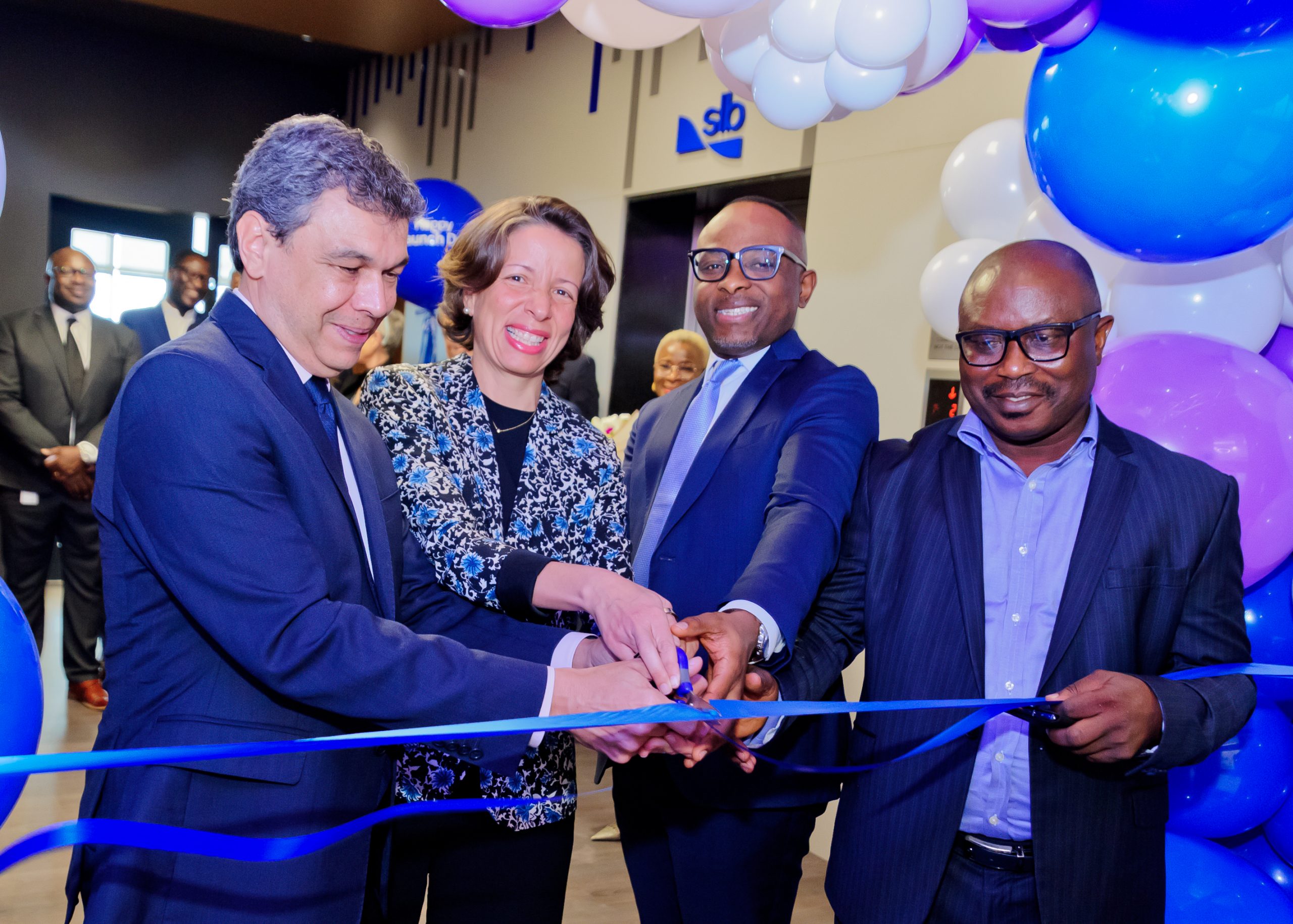
Global technology company, SLB (formerly known as Schlumberger) (www.SLB.com), officially opened its new West Africa regional office in Lagos, Nigeria. In October 2022, the company launched a new identity focusing on energy innovation and decarbonization to address the world’s energy needs today and to forge the road ahead for the energy transition. The new West Africa office reflects this new identity and will optimize employee experience and create a sustainable business environment for all stakeholders.


Its modern design embodies the company’s bold sustainability roadmap through daylight harvesting, interactive and collaborative hotspots for employees, disability access and other exciting features that bring forward the company’s evolved identity and culture.


Delivering his speech at the office opening in Lagos, Sopiribo Ideriah, managing director for SLB in West Africa countries, said,” As a technology leader, our unmatched market breadth, differentiated performance, and unique portfolio of products and service, has always positioned us for growth and advancement in the energy industry. All of this is owed to our people, who are the backbone of our organization. I would like to thank all SLB staff – past and present – for their commitment and passion in delivering high quality services to our customers.”

The ceremony coincided with the celebration of the 70th Anniversary of SLB’s presence in Nigeria


The ceremony coincided with the celebration of the 70th Anniversary of SLB’s presence in Nigeria. “For seven decades, SLB has worked in Nigeria as a local company.  In 1952, SLB logged Nigeria’s first commercial oil well in Oloibiri, Bayelsa State, and has since logged several other historic wells in the country.  Our ability to continuously drive technology innovation has led to the development of new oilfield technologies that enhance our customers’ operational performance, while maintaining the highest standards in HSE, ultimately delivering value to all our stakeholders. Investing in local socio-economic projects and developing local talent through our borderless career culture, we have significantly contributed to the capacity development of Nigeria and are confident that we will continue to do business in ways that benefit our people, society, and the country.” Ideriah added.


Also speaking at the event, Wallace Pescarini, president of the Offshore Atlantic Basin at SLB, said “I would like to take this opportunity to express my gratitude to our various stakeholders for their support over the years, including our clients, suppliers, contractors, and other business partners. We are thrilled to live our purpose of creating amazing technology to unlock access to energy for the benefit of all and could not have achieved this without your trust. As we look to the future and its evolving energy landscape, we remain committed to creating value for our customers and key stakeholders in Nigeria.”


Following the opening of its regional head office, SLB hosted key stakeholders at a dinner ceremony where the company’s historic past and innovative present were recognized and celebrated.

Liquid Intelligent Technologies (https://www.Liquid.Tech) today announces that it has acquired  Cysiv MEA, a technology company that was  formerly SecureMisr, headquartered in Cairo. The business specialises in providing enterprise cloud and cyber security services to some of Egypt’s leading companies, particularly in the financial services sector.


The acquisition allows the London-based group with operations in Africa, UK, the US and Latin America, to bring some of the best global cloud and cyber security products to the Egyptian market. Liquid is a recognised integrator on behalf of some of the biggest technology companies in the world.

Our main task as a group is to support them in bringing more cyber security tools for our customers as they face an increasingly hostile global threat environment

The organisation will rebrand Cysiv MEA to ‘Liquid C2’ to align it with its global cloud and cybersecurity identity. Liquid plans to significantly grow the Egyptian business by tapping into the wealth of local tech talent, making Egypt a key hub for the Middle East and North Africa (MENA) region.

“Since our founding in 2008 as SecureMisr, our mission has been to empower customers with world-class cloud & cyber security services and solutions that pre-emptively protect against attacks and loss of digital assets caused by an ever-evolving threat landscape, before it affects the business,” said Sherif Shaltout, VP of Operations, Cysiv MEA.

“We are thrilled to be joining the Liquid family and to be part of an industry-leading brand like Liquid C2. We are now in an even stronger position to enable our enterprise customers in Egypt and the MENA region to accelerate their digital transformation whilst at the same time acquiring more sophisticated tools to deal with ever-increasing threats through our expanded cloud and cyber security services portfolio,’’ he added.

“Liquid recognises the critical role Cysiv MEA has been playing in the cloud and cyber security industry in Egypt and the region. Our main task as a group is to support them in bringing more cyber security tools for our customers as they face an increasingly hostile global threat environment from cybercriminals and nation-state sponsored attackers. This will ensure that their business is protected whilst also meeting the demands for global compliance requirements. We will build on the strong market position, experienced leadership, in-depth industry knowledge, world-class team, and customer-centric philosophy that has been  synonymous with the Liquid C2 brand,” concluded David  Behr, CEO of Liquid C2.


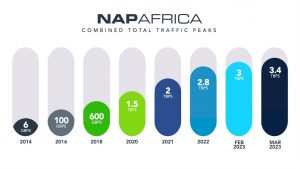
On the evening of 15 February, NAPAfrica, the African continent’s largest Internet exchange point (IXP), reached the 3Tbps traffic threshold. This peak in Internet traffic was experienced globally on the back of some significant new gaming releases and software updates.


This increase in  NAPAfrica’s average traffic throughput has continued and peaked at 3.44Tbps on 19 March. The continued surge in data traffic is largely thanks to a dynamic African Internet community who have embraced the value of peering, the increasing use of data-intensive applications, enterprises continuing to move into the cloud, and ever-increasing demand for video, content, and gaming delivery services. These trends have driven greater traffic levels between cloud and service providers, enterprises, and end users. Internet traffic has surged 70% over the last 19 months since NAPAfrica reached 2Tbps in July 2021.


“Reaching the milestone of 3Tbps throughput reflects the rapid growth and a new reality of an escalating demand by enterprises for content and cloud services via NAPAfrica,” says Michele McCann, Head of Platforms at Teraco. “What started as an idea to assist global content investment to African shores, while also improving latency, has emerged as a leading interconnection hub, increasing and shaping access to the Internet across the continent.”

The arrival of new substantial undersea cable systems over the last few years, including 2Africa, Equiano, METISS, and ACE, provides Internet access to over one billion people. These subsea cables connect Africa to Europe and have landed at various sites in South Africa. The substantial increase in Internet capacity will become a major catalyst driving the African digital economy.


Enterprises looking to expand into Africa can accelerate their expansion plans by partnering with the right infrastructure providers as businesses commit to moving more of their functions to the cloud. Increased investment by global cloud providers is driving wider availability of Internet-based digital services across Africa.


Most businesses operating in larger African economies prefer a hybrid cloud approach to their IT infrastructure, allowing them to select the most suitable workload solution, avoid large capital expenditure by moving from capex to opex, and better control their data. This includes the adoption of Everything as a Service (XaaS), which allows businesses to increase operational agility by deploying IT infrastructure without waiting for physical hardware to be deployed.


NAPAfrica has become an organisation’s cornerstone, supporting their Internet and communication needs and cloud adoption strategies. The continued investment into critical telecommunications infrastructure in Africa has contributed enormously to the growth of NAPAfrica, as has the continent’s demand for content and cloud services, like Microsoft Azure and AWS.


Enterprises are leveraging the benefits of peering by connecting with cloud deployments, networks, security providers, and content providers within the NAPAfrica ecosystem as part of their move to a digital economy. Increased demand on networks to service remote users has driven the adoption of key cloud and security applications. These include Akamai, Amazon, Cloudflare, Microsoft, and Zscaler.


Established in 2012, NAPAfrica today has over 550 members actively peering and has grown to become Africa’s biggest Internet exchange and the seventh largest globally by the number of members and plays a pivotal role in transforming Africa’s Internet access and interconnection.


The Honourable Minister of Communications and Digital Economy, Professor Isa Ali Ibrahim (Pantami), FCIIS, FBCS, FNCS, wishes to bring to the attention of the digital economy stakeholders and the general public the Ministry’s activities before, during, and after the 2023 Gubernatorial and State Assembly elections.


It may be recalled that on the 14th March, 2023, the Office of the Honourable Minister of Communications and Digital Economy released a Press Statement regarding the activities of the Ministry and its parastatals before, during and after the Presidential and National Assembly elections. As a follow up to that and in line with the Ministry’s mandate as well as in our efforts aimed at supporting the initiatives of securing the Nigerian cyberspace, the Honourable Minister directed the Ministerial Standing Committee on Advisory Role for the Protection of Nigerian Cyberspace and ICT Infrastructure to further enhance the cyberspace surveillance activities of the three cybersecurity Centres of the National Information Technology Development Agency (NITDA), Nigerian Communications Commission (NCC) and Galaxy Backbone Limited (GBB).


It may also be recalled that the Committee, inaugurated by the Honourable Minister on the eve of the Presidential and National Assembly elections, was charged with the following responsibilities, among others:


Monitoring of Telecommunication Infrastructure for the successful conduct of the 2023 General Elections:


  1. Developing and implementing plans to enhance the resilience of critical digital infrastructure against cyber threats;
  2. Designing procedures and using technologies to prevent, detect, and respond to cyber-attacks, as well as developing the ability to quickly recover from any damage that is done;
  3. Developing a comprehensive risk assessment, analysing the nation’s current cybersecurity capabilities, and identifying gaps that need to be addressed; and
  4. Providing professional advice to the Government on the effective utilisation of digital technologies in the conduct of the 2023 General Elections.


Based on Honourable Minister’s directives, the Committee provided close oversight on the activities of the cybersecurity Centres, from Friday 17th March, 2023 to Monday 20th March, 2023. During this period and as previously reported, a series of hacking attempts were recorded, including Distributed Denial of Service (DDoS), email and Internet Protocol Spoofing (IPS) attacks, SSH Login Attempts, Brute force Injection attempts, Path Traversal, Detection Evasion, and Forceful Browsing. A total of 3,834,244 attacks were recorded, originating from both within and outside Nigeria. Daily breakdown of these attacks are:


  1. Friday 17th March, 2023:  1,046,896
  2. Saturday 18th March, 2023:  1,481,847
  3. Sunday 19th March, 2023:    327,718
  4. Monday 20th March, 2023:    977,783


It is interesting to note that the activities of cyberthreat actors on the Nigerian cyberspace during the Gubernatorial and State Assembly elections are much lower than those during the Presidential and National Assembly elections. This is neither surprising nor unexpected as, Nigeria being Africa’s largest democracy, the Presidential and National Assembly elections are bound to attract much attention of everyone, including cyberthreat actors, than during the Gubernatorial and State Assembly elections.


Furthermore, the Honourable Minister is confident that the implementation of some recommendations as well as measures taken to fortify our cyber defence mechanisms might have helped in this.


The Honourable Minister reiterates that these attainments would not have been possible without the continued support of President Muhammadu Buhari, GCFR in particular, and the administration in general, towards ensuring Nigeria’s successful transition into the digital economy.


The digital economy sector has enjoyed Mr President’s unprecedented support and it is highly appreciated.


Amidst the tumultuous nature of the world today, filled with trials and tribulations, being a minister in God’s vineyard is far from an easy task. Pastor Grace Wisdom recognizes this and wishes to express his gratitude and appreciation for his 8 years of service in the ministry. To mark this occasion, De Grace Wisdom, also known as the Prophetic Eagle and presiding pastor of Majestic Grace Embassy Int’l, is organizing a celebration to rejoice in the Lord and honor the challenges overcome in spreading the gospel of Christ in his Ministry

The divine mandate to bring the gospel to all corners of the earth has been Wisdom’s driving force, and the town of Sango Ota in Ogun state will witness a supernatural manifestation like never before during the 8th year anniversary of his ministerial exploits. The celebration, dubbed “Father’s Blessings” with the theme “Invasion Of The Almighty,” will run from March 27th to April 2nd, 2023, with various events throughout the week at the Church auditorium located at 7 Ajola street off Temidare street, Sango Ota, Ogun Street.

Evang De Grace Wisdom, a reputable and renowned man of God, will be the guest of honor. He embodies humility and simplicity despite his philanthropic zeal and miraculous works. Additionally, there will be other notable guests in attendance.

He has assured everyone that all arrangements have been made. Wise describes Agochukwu as a prophet of God with an eagle eye, who sees the world through the same lens as God and provides instant solutions to problems. Lives have been saved, revived, and transformed through his ministerial work, with mind-blowing testimonies coming in from around the world.

Lastly, sumptuous meals will be provided for all participants to enjoy.


The divine mandate to bring the gospel to all corners of the earth has been Agochulwu’s driving force, and the town of Sango Ota in Ogun state will witness a supernatural manifestation like never before during the 8th year anniversary of his ministerial exploits. The celebration, dubbed “Father’s Blessings” with the theme “Invasion Of The Almighty,” will run from March 27th to April 2nd, 2023, with various events throughout the week at the Church auditorium located at 7 Ajola street off Temidare street, Sango Ota, Ogun Street.


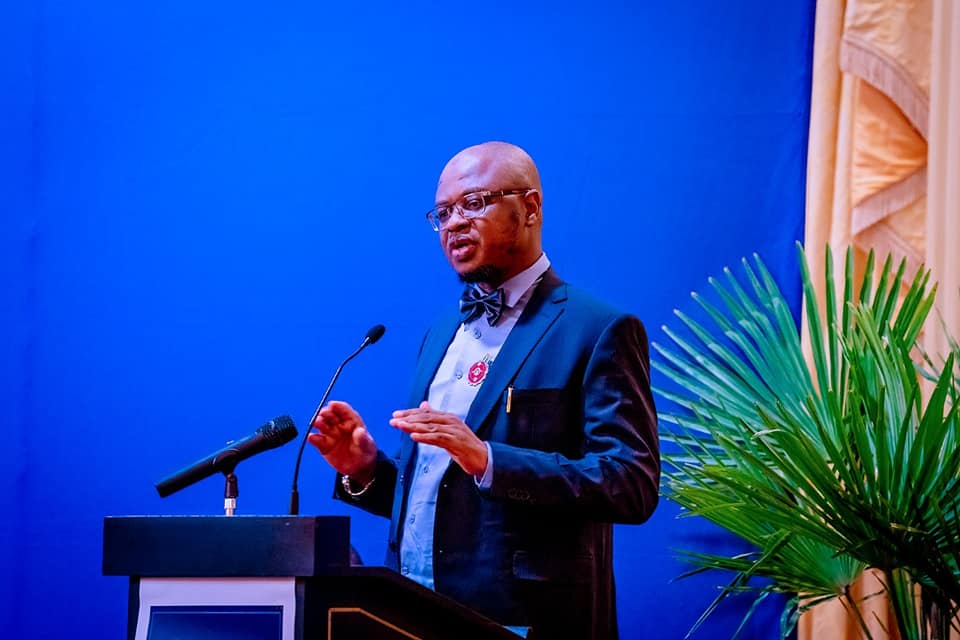
With consideration to the immense natural and human resources inherent in Africa which can be leveraged to enhance technological advancement in the continent, the Director General of the National Information Technology Development Agency (NITDA), Kashifu Inuwa CCIE believes that effective collaborations among the nations in the continent would build a formidable and greater Information Technology (IT) ecosystem.

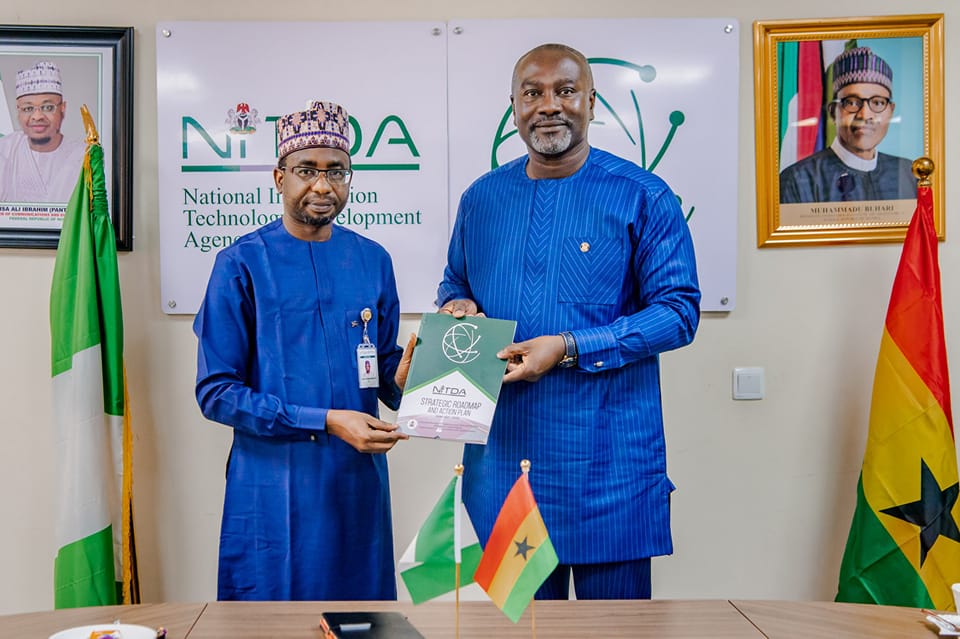
The NITDA Director General made this declaration at the corporate headquarters of the Agency in Abuja during the day one of the 3 day working visit of the Ghanian National Information Technology Agency (NITA) delegation led by its Director General, Mr. Richard Okyere Fosu to understudy Nigeria’s IT regulatory instruments, policy documents and seek possible areas of collaboration.

Describing the visit of the delegation from Ghana as a step in the right direction towards the development of Africa’s IT ecosystem, Inuwa stated that it was an imperative collaboration needed to achieve a common goal.

Stating that no one can succeed in isolation, he asserted that “if we really want to succeed as a continent, we need to collaborate, we need to work together. We need to learn from our experiences and share expertise so that we can work and grow together”.

He noted further that the Nigerian government has transcended from enforcing regulations on the ecosystem but has rather identified collaboration as critical, in creating an enabling environment for the ecosystem to thrive and flourish.
Stating that IT is borderless, the NITDA boss said that the agency had developed various regulatory instruments, policy documents and initiatives to create an enviable IT ecosystem in the country

which has been making huge impacts within the continent and globally.
While confidently stating that Africa has a competitive advantage of talent and population in the fourth industrial revolution, Inuwa opined that a symbiotic relationship between the two countries would engender disruptive innovations that will solve many challenges pervading the continent.

“This kind of visit will strengthen the relationship between our two agencies and build a stronger IT ecosystem in Africa. We are doing well in Nigeria but we want everybody to do well when it comes to technology”, he noted.

The NITDA Director General then proceeded to make a presentation on an overview of the Agency, its guiding strategies and strategic initiatives which have been instrumental in driving economic growth and prosperity with a focus on creating a knowledge-based economy that can compete with the best in the world.

In his presentation on the regulatory environment and various regulatory instruments, the Agency’s Head, Legal Unit, Barrister Emmanuel Edet made reference to the Startup Act and Code of Practice in which the agency uses intelligent frameworks to develop regulations towards a sustainable digital economy.

In his remark, Mr. Fosu appreciated the efforts being made by NITDA in fortifying and fostering the nation’s IT ecosystem toward a sustainable digital economy.

He disclosed that NITA’s supervising ministry has similarly expanded its mandate to include digitalization and is now known as the Ministry of Communications and Digitalisation which in his opinion has brought out the importance of digitalisation.
While giving assurances of keying into NITDA’s regulatory instruments and implementation of policy documents, Fosu expressed his agency’s commitment to work closely with NITDA in bridging the gaps identified in Ghana and Africa as a whole.

“This is not a one-time visit but we will definitely come back. We have come to learn and hope that we can make the needed impact in Ghana”, he stated.
The NITDA DG then took the Ghanian delegates on a tour of the agency’s Computer emergency Readiness and Response Team (CERRT) unit.


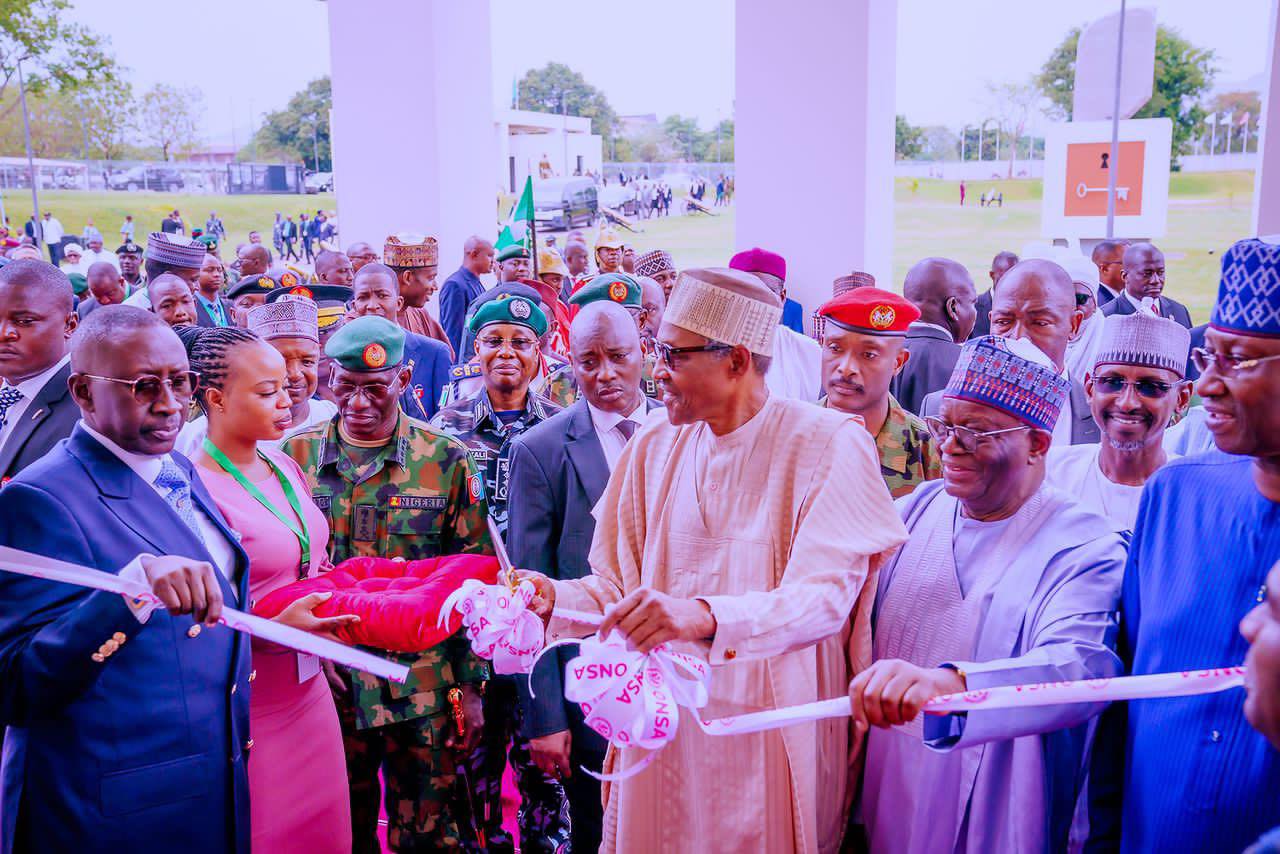
President Muhammadu Buhari on Tuesday in Abuja inaugurated the new Office of the National Security Adviser (ONSA) and National Counterterrorism Centre (NCTC), two state-of-the-art facilities to optimize efforts at addressing evolving security challenges in the country, especially terrorism and violent extremism.

Speaking at the inauguration of the two world-class facilities, the President said it would serve as a major legacy to provide the incoming administration with
infrastructure to effectively coordinate national security and counterterrorism efforts.

The President also used the occasion to outline significant milestones achieved by his administration on National Security, including gains in combating terrorism, armed banditry, kidnapping, separatist tendencies, crude oil theft, piracy as well as militancy in the South-South and cyber-security.

On the threat of terrorism, which was labelled as a major security challenge facing the country when he assumed office in 2015, the President said:

”I can confidently state here today that we have achieved significant milestones in degrading the major threat and restoring normalcy to most of the hitherto securitized areas in the North East.May be an image of 5 people and people standing

”These areas previously occupied by terrorists have been freed and Internally Displaced Persons are voluntarily returning to their homes.

”This was largely achieved through the valiant efforts of our Armed Forces and other security agencies, in collaboration with our regional and international partners but above all, the support and cooperation of the Nigerian citizens.”

Apart from the degraded threat of terrorism in the North East, President Buhari also expressed delight that government has curbed the series of armed banditry and kidnapping cases in the North West and North Central zones.

He noted that these criminal acts had emerged as a result of the scattering of Boko Haram in the North East and the implosion of Libya in the Maghreb.

On separatist agitations, the President noted that agitators in the South East and to a much lesser extent the South West, who have been experiencing concerns of separatist tendencies, are being checkmated.

”Meanwhile, issues of crude oil theft, sea robbery, piracy and militancy in the South-South are equally being addressed.

”Most of these threats have transnational linkages thereby reinforcing the need for regional and international cooperation as critical enablers to enhance our national security,” he said.

On maritime security, President Buhari expressed delight that some key threats within Nigeria’s Maritime Environment such as piracy, sea robbery, crude oil theft as well as illegal unregulated and unreported fishing are being effectively tackled.

He said between August 2018 and March 2023, over 220 vessels involved in maritime criminality within Nigeria’s Exclusive Economic Zone, up to the Republic of Togo, had been prosecuted.

He commended the Falcon Eye maritime domain awareness project, domiciled with the Nigerian Navy and coordinated by ONSA, for providing high-quality real-time intelligence, leading to the arrest and prosecution of economic saboteurs.

He added that over 87 oil tankers involved in various crude oil and product theft have been arrested, the theft of over 3 million barrels of crude oil was prevented and 15 million litres of petrol and diesel recovered.May be an image of 8 people, people standing, people sitting and indoor

”Recent commendations from the International Maritime Organization, European Union and United Nations Office on Drugs and Crime to Nigeria on our efforts in reducing maritime criminality in the Gulf of Guinea and successful prosecution of pirates in the region are worth mentioning,” he said.

On cyber threats, the President underscored the importance of protecting Nigeria’s cyberspace from all forms of intrusion.

To this end, he said in addition to receiving regular briefing from the Cybercrime Advisory Council, the government had established the Nigeria Computer Emergency Response Team and revised the National Cyber Security Policy and Strategy in February 2021.

”To further complement these efforts, I will soon be endorsing the Presidential Order for the Designation and Protection of Critical National Information Infrastructure. This is bearing in mind that cyberspace creates a nexus for synchronizing efforts of our security and law enforcement agencies towards addressing numerous security challenges,” he said.

On the newly inaugurated top grade facilities, President Buhari described the secure and hi-tech offices as a demonstration of his administration’s firm commitment to ensure national security capabilities are kept abreast with the highest global standards.
He said the offices are designed to enhance strategic response to a broad range of current and emerging security concerns, noting that Nigeria exists in an interconnected world and therefore must be able to face and respond to both domestic and global security challenges.

Congratulating the National Security Adviser, Major General Babagana Monguno (retired) and his team for this noble achievement, the President expressed confidence that the new facilities would in no small measure enhance the desired peaceful and secure environment for our country.

He also commended some of the key security policy documents either produced or revised by this administration and supervised by ONSA including the National Counterterrorism Strategy 2016, National Security Strategy 2019, National Cyber Security Policy and Strategy 2021 and the National Crisis Management Doctrine 2022.
”In broad terms, these policy documents emphasize a Whole-of-Government involving all the ministries, departments and agencies in combination with a Whole-of-Society involving civil society organizations and the citizenry.

”Thereby we can achieve a Whole-of-Nation, and ultimately a Whole-of-Region approach involving our contiguous neighbours, ECOWAS and AU partners in order to address various dimensions of security concerns.”

In his address of welcome, Monguno said the dynamic nature of global and domestic security environment necessitated the modification and expansion of some of the functions of ONSA.

He said while ONSA’s core mandate is to assess the security concerns of the country and advise the president on all matters bordering on national security, the changing nature of the security landscape over the last three decades in the country and across the world led to the broadening of ONSA’s mandate to accommodate the needs of emerging security threats.

”The new office for the NCTC is designed to accommodate the additional workforce and improved technological capabilities of the Centre, particularly the Exclusive Devices Analysis Office (EDAO) , increasing activities of countering violent extremism department and joint terrorism analysis branch.

”The new ONSA and NCTC complex boasts of office spaces, a world-class hall, conference rooms, team rooms, laboratories, an auditorium and an operations/crisis centre,” he said.

According to the NSA, the facilities would further enhance Nigeria’s already recognized contribution to global counterterrorism policy and practice efforts and give impetus to the country’s internal, bilateral, and multilateral cooperation and collaboration in tackling the menace of terrorism and violent extremism.

He commended President Buhari for his administration’s investment strategy in legacy infrastructure projects and also acknowledged the support of the National Assembly.

In his goodwill message, the UN Resident Coordinator for Nigeria, Matthias Schmale, commended President Buhari and his government for championing the NCTC, saying ”this is no doubt part of your legacy that will enable Nigeria continue to address domestic and regional security challenges”.

Schmale, who was represented by Kimaris Toogood, Peace and Advisor, Office of the Resident Coordinator (UN Nigeria), also commended the progress made by the Nigerian military to degrade the operational capacity of Islamic State West Africa Province and Boko Haram and to improve intelligence gathering on suspected terrorists.

The top UN official in Nigeria praised ONSA for the development of threat assessments and watchlists, active cooperation with Interpol, establishment of multiagency screening processes, the trials of multiple terrorist suspects, and the development of Federal and State rehabilitation and reintegration programmes.

”We all know that it takes both kinetic and non-kinetic responses to end terrorism. The fact that almost 80,000 persons have surrendered to authorities in the north-east since May 2021 represents a real opportunity to shift the dynamic.

”Challenges remain in terms of screening and identification of those individuals and ensuring appropriate responses in line with their needs and profiles. Some persons are no doubt deserving of and desperate for humanitarian assistance.

”And likewise, individuals will need to be accountable for their crimes and justice will need to be served.

”The UN stands willing and ready to support the Government of Nigeria on this effort, and commends Governor Babagana Zulum for developing the Borno Model and engaging with the UN on this matter, ” he said.

Schmale pledged that UN would continue to be a strong partner and supporter of Nigeria’s efforts to address the issues of insecurity and terrorism.

He recalled that since 2001, the Security Council has adopted more than 40 counter-terrorism resolutions.

”As outlined in these resolutions, Member States are obliged to implement significant measures at the national level while also enhancing bilateral and multilateral cooperation to counter and eradicate terrorism.

”As part of a whole of government effort these include criminalizing terrorist acts and prosecuting offenders, countering the financing of terrorism, enhancing border security, countering incitement to terrorism and addressing the root causes.

”The visit of the Members of the UN Security Council to Nigeria and the passage of Resolution 2349 of 31st March 2017 are the strongest demonstrations yet of the United Nations commitment to supporting Nigeria’s counter terrorism efforts,” the UN official said.

He stressed that the newly commissioned NCTC would effectively contribute to advancing implementation of these various Security Council resolutions and is thus a positive step towards Nigeria fulfilling its obligations under international law.


 

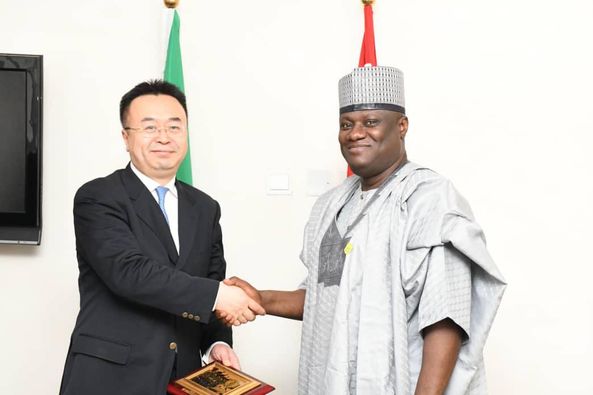
The Permanent Secretary, Ministry of Defence, Dr Ibrahim Abubakar Kana, mni has said that Nigeria would strengthen its bilateral relation with China.

The Permanent Secretary stated this during the meeting with the SASTIND delegation from China on 20th March 2023 in his office at Ship House, Abuja.

He said that the partnership between the two countries would aid the Ministry in achieving its vision of Nigeria becoming one of China’s hubs around the world in the nearest future.

According to Dr Kana, “Nigeria wants to be a strategic associate with China, such that while producing in China, Nigeria which is rich in human, natural resources as well as finances can also be used as a second home of production.”

He said it was an opportunity to further consolidate Nigeria’s relationship with China, adding that in the areas of Defence, the Armed Forces of Nigeria spends over fifty per cent in China, beyond Defence, the two countries also relate bilaterally in the sales of oil.

The Permanent Secretary assured the delegation that the insecurity ravaging the Nation was gradually fading off and a return on their investment was guaranteed and called on Chinese Defence Corporations to collaborate with Defence Industries Corporation of Nigeria to improve local production of ammunition, helmets as well as armoured cars.

Earlier in his remarks, the leader of the SASTIND delegation, Lin Yunteng said that the cooperation between the two countries was necessary as both countries are forces to reckon with in their continents in terms of size, skills and manpower.

Speaking further, Mr Yunteng said that the areas of the corporation would include the implementation of projects with an emphasis on the delivery and as well as after-sales services of those products.

He said that both countries should stand on the existing Memorandum of Understanding (MoU) to establish a Government to a Government cooperation agreement.

From the foreign side, the SASTIND delegation from China has CETC International, NORINCO, Poly Technology and CATIC in attendance at the meeting. While at Nigeria’s side, EPAIL, DIR LTD and IMPERIUM industry Nigeria Limited were represented at the meeting by their Chief Executive Officers.

In his response, the CEO of CETC, Tian Yadbin said that the CETC, a China Electronics Technology Group Corporation is a state enterprise and the only defence electronics group in China. He said the company was a dominant supplier of Electric Systems and equipment for the Chinese Armed Forces and Armed Police Force.

Continuing, he said that CETC provides various systems and equipment for the Air force, Army and Navy which can be used for National Defence Security, homeland security and anti-terrorism operations.

According to Yadbin, in addition to the provision of equipment, the company would provide relevant operation and maintenance training, technical support and logistics service.

Attari M. Hope


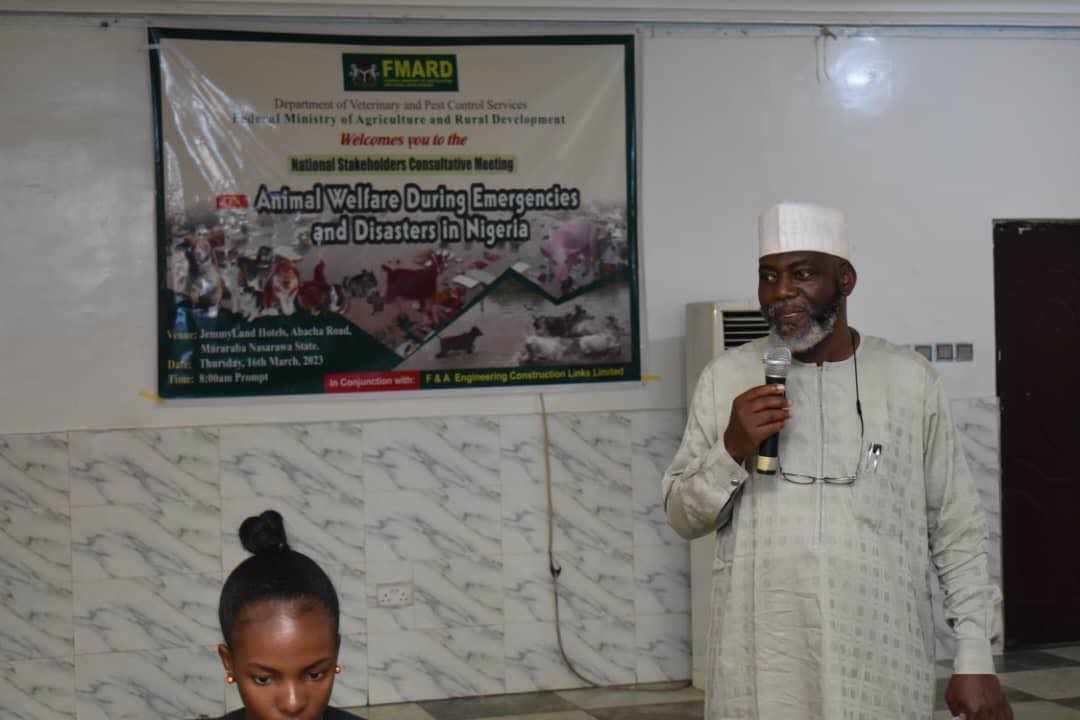
In a bid to boost National Food Security and wealth creation, the Federal Ministry of Agriculture and Rural Development in collaboration with F & A Engineering Construction Links Limited organized a National Stakeholders Consultative meeting to stimulate the interest of stakeholders on the need to embrace Animal Welfare during emergencies and disasters in Nigeria, to prevent losses.

Speaking during the event that took place in Nasarawa State recently, the Director Veterinary and Pests Control Services/ Chief Veterinary Officer of Nigeria (CVON) Dr. Musa Inuwa said that the essence was to provide a platform for effective engagement and interaction among relevant stakeholders on the implementing policies on matters concerning the general care of animals during emergencies and disaster situations.
He added that the meeting would also serve as a medium for awareness creation on good animal welfare practices.

Dr. Inuwa pointed out that the Ministry had stepped up efforts towards introducing global best practices in the Nigeria’s Animal welfare strategy in line with guidelines and standards provided by World Organization for Animal Health (WOAH).

He, therefore, tasked the stakeholders to share their experiences and in turn serve as credible animal welfare Ambassadors within the spheres of their activities.

Earlier, the Head of Quality Assurance and Standards Division (QAS) of the Department of Veterinary & Pest Control Services, Dr. Abdulkareem Durosinlorun said that the department identified the need to develop a response strategy for animals during emergencies and disasters.

In her remarks, the National President of the Nigerian Veterinary Association, Dr. Oluwatoyin Adetuberu revealed that meeting was of great importance, noting that when there are disasters, only humans are rescued without taking cognizance of the animals.

She pointed out that the meeting was about rescuing and rehabilitating animals during disasters and emergencies, setting ways to include the animals into the National Emergency Management Agency and having Veterinaries that are trained on ‘rescue’.

The National President called on the Federal Government to set up committees that would involve Veterinarians and Animal Health components in the rescue and emergencies.

Highlight of the event was the interactive session by participants.

In attendance were the representatives of the Para-Military, Standard Organisation of Nigeria, SON, Members of the Academia, States Ministry of Agriculture, Veterinary Council of Nigeria among others.

EREMAH ANTHONIA