by Paul Selibas, Division President at Ukheshe


If there’s one thing almost no one leaves home without, it’s their mobile phone. How many times have you forgotten your keys or worse still, your wallet, and been left stranded at the shops? Now you don’t need your purse or your wallet, or even a bank card to go to the store. All you need is your cell phone.

The world of payments has come a long way since cheque books. From manual credit card imprinters to early credit and debit card terminals, we now have contactless, safe and secure payments via a scanning process between the customer’s mobile device or smartphone and a QR code at the vendor’s point of sale.

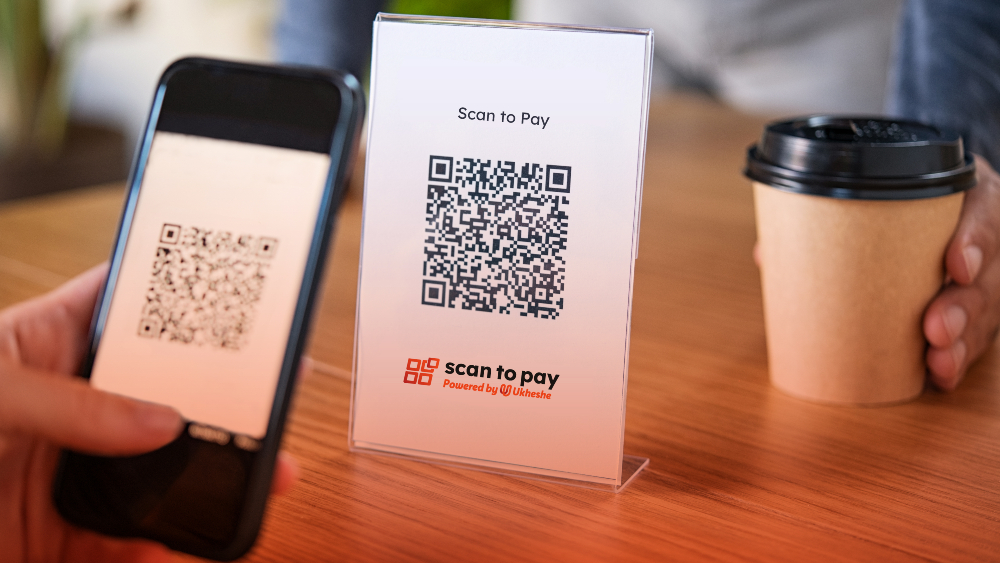
Scan to Pay powered by Ukheshe is the largest QR ecosystem in South Africa and as such is tried and tested by millions of merchants and consumers. In fact, it is the QR payment platform of choice of more than 500 000 vendors, 14 banks and fintech companies and 94 payment service providers as well as six acquirers. A completely cashless, seamless transaction between you, the customer and the vendor happens by simply directing your phone screen at the displayed QR or Quick Response code, which acts in a similar way to a barcode, and technology does the rest!

With Scan to Pay, once a customer has loaded their payment details into the Scan to Pay app, all payments are securely protected using their bank card PIN or 3D Secure – depending on the chosen card. The QR code has all the necessary information for the transaction to take place and at the point of payment, your payment details are never shared with the merchant, making it even more secure.

The rapid adoption of digitised payment methods has led to a surge in the use of QR codes, amongst the many other options including tapping and inserting cards into card readers. Retailers, restaurants and other vendors can create their own codes and display the QR code at the point of sale. In addition, dynamic information can also be programmed into the code, for example, an entire restaurant menu can be accessed by scanning a QR code which links to a URL, and when the bill arrives, scan another QR code to pay.

Online e-commerce stores are also using QR codes to enable ease of payment at the online checkout. Resistance to online shopping in South Africa has generally come from uncertainties around the security of entering banking details onto third-party platforms, but QR codes alleviate this concern as payment happens directly between the QR code on the site and your device. We are also seeing the inclusion of QR codes into standard invoices for good and services, which speeds up and facilitates payment. They are also useful for deliveries and for taking payment after a home service has been provided as it does not require the person who carried out the work to have any kind of device.

So, QR codes are good for customers and businesses alike. They are accurate – the price is preprogrammed into the QR code – they are fast, secure and contactless. They deliver a superior check-out service to the customer and immediate payment to the vendor without the need for any point-of-sale device.

Scan to Pay QR payment is available in all major banking apps in South Africa, additionally the Scan to Pay app can be downloaded onto your mobile device. Wherever you see the Scan to Pay sign, know that Ukheshe is powering the technology which is transforming the payments landscape.
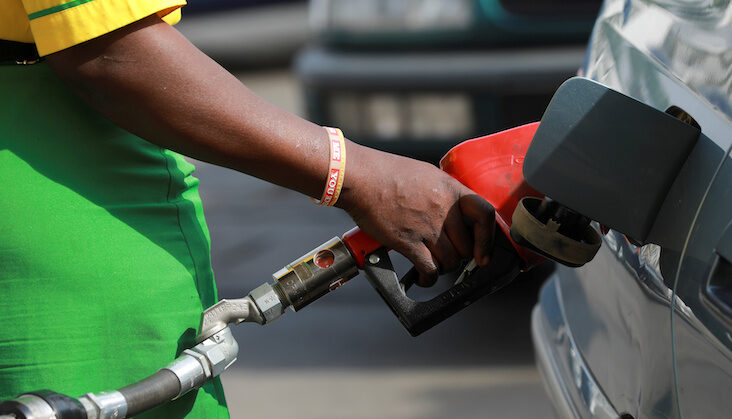
The economy of the Central African Republic is projected to return to growth this year after stalling in 2022. Heavy flooding and severe shortages of fuel took a heavy toll last year on the economy and people, who experienced high levels of acute food insecurity, says the latest edition of the World Bank’s Central African Republic (CAR) Economic Update.


Released today, the report notes that floods inflicted significant physical damage last year to homes, transport infrastructure and crops, and displaced over 6,000 people. The floods, together with high energy prices due to fuel shortages provoked by domestic tensions, armed groups activities and continuing fallout from the war in Ukraine, resulted in a zero-growth economy in 2022.

Economic activity in CAR may see a modest rebound over the medium term, with growth projected at 3.6% in 2024 and 2025, provided that fuel supply in the domestic market improves and the security gains continue. This outlook is driven by anticipated higher international prices of timber, CAR’s main export, owing to a rebound of global demand, particularly from China.

CAR’s economic outlook remains fragile as domestic challenges are exacerbated by a challenging external environment of slowing global growth, high inflation

With nearly half of the population unable to meet their daily minimum food needs, the report underscores the need for policy actions to improve the security situation, bolster public finances, attract private investment and improve human capital.

“CAR’s economic outlook remains fragile as domestic challenges are exacerbated by a challenging external environment of slowing global growth, high inflation and tighter financing conditions. CAR would do well to implement bold reforms to boost growth, improve living standards, and reduce extreme poverty,” said Guido Rurangwa, World Bank’s Country Manager for the Central African Republic.

The report focuses on much-needed reforms on fuel subsidies, which have surged globally as international oil prices began rising in late 2020, reaching new heights in 2022 amid the war in Ukraine. In CAR, fuel subsidies represented about 0.5% of GDP and accounted for nearly 6% of domestic revenues and 6.3% of tax revenues in 2022.

It highlights that fuel subsidies benefit mainly and directly the richest segments of the population, while diverting limited fiscal resources from sectors, households, and firms that might need them more. Although heavily subsidized fuels, namely diesel and gasoline, might indirectly benefit the poorest segments of the population through lower transport and imported food prices, these fuels are largely consumed by wealthier, urban dwellers. The poorest households predominantly rely on kerosene, which receives comparatively fewer subsidies. This disparity exacerbates income inequality and perpetuates social inequities.

“A well-designed fuel subsidy reform should include a robust mitigation package that offers targeted support to the most vulnerable segments of society,” explains Pierre Mandon, co-author of the report.

Drawing lessons from the experiences of countries that have successfully implemented fuel price adjustments, the report outlines four best practices for a fuel subsidy reform strategy. These include:

  • Temporarily excluding socioeconomically strategic fuels, such as kerosene, from the subsidy reform.
  • Adopting a price smoothing mechanism that strikes a balance between excessive price volatility for households and fiscal risks.
  • Implementing a phased reform approach to allow households to adjust and ensure effective rollout of mitigation measures.
  • Engaging in comprehensive stakeholder consultations and conducting targeted communication campaigns to address the concerns of various population groups.


Nigeria’s President, Bola Ahmed Tinubu, recently embarked on a state visit to France, aiming to bolster Nigeria’s visibility within the European Union and foster bilateral trade relations. This strategic move holds the potential for creating a significant economic partnership between the two nations.

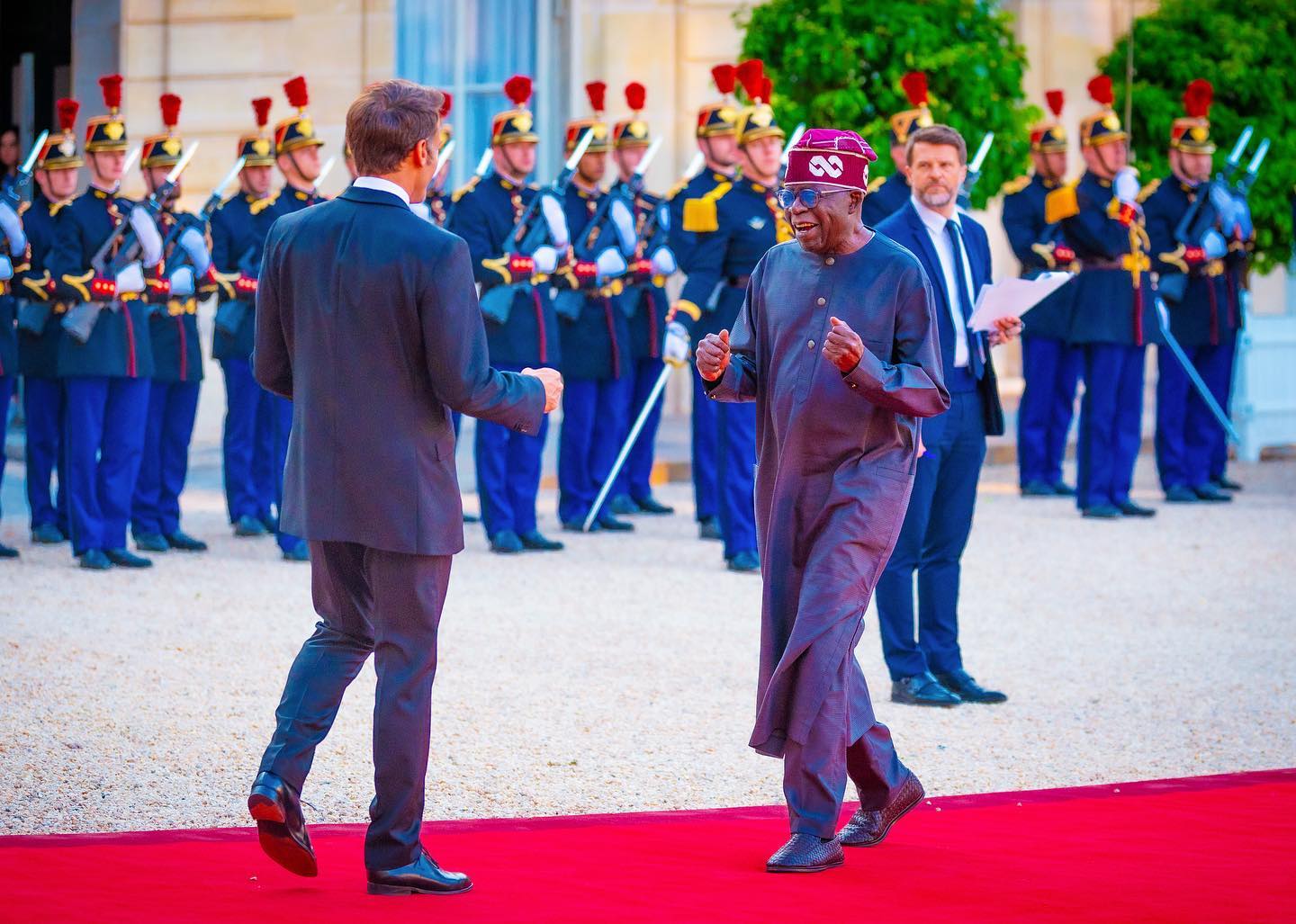
President Tinubu’s visit included a range of activities focused on advancing Nigeria’s economic interests and forging stronger ties with France. A key highlight of the visit was the State Banquet held in Paris, hosted by President Emmanuel Macron. The banquet provided an ideal setting for President Tinubu to engage with prominent Heads of State and influential dignitaries, ultimately facilitating diplomatic relations and showcasing Nigeria’s commitment to international collaboration.

Reflecting on the visit, President Tinubu expressed his satisfaction, stating, “I had a great time with other Heads of State and important dignitaries at the State Banquet hosted by President Emmanuel Macron in Paris, France, this evening. President Macron and his wife, First Lady Brigitte Macron were both gracious and warm, making the event a very pleasant experience.” The President’s positive remarks highlight the amicable atmosphere and the fruitful interactions among attendees.May be an image of 6 people

Undoubtedly, the state visit serves as a crucial step towards strengthening bilateral trade relations between Nigeria and the European Union. President Tinubu’s active participation in international events, such as the State Banquet, demonstrates Nigeria’s determination to position itself as an attractive investment destination and encourages European businesses to explore mutually beneficial opportunities within Nigeria.

By fostering dialogue on trade and economic cooperation, the visit has set the stage for potential collaborations and partnerships. President Tinubu’s presence alongside global leaders at the State Banquet further emphasized Nigeria’s commitment to nurturing favorable relationships with member states of the European Union.May be an image of 5 people

President Bola Ahmed Tinubu’s visit to France marks a significant milestone in Nigeria’s endeavors to strengthen bilateral trade relations with the European Union. The President’s engagement with international leaders, combined with the warm reception received at the State Banquet, showcases Nigeria’s potential as an investment destination and its dedication to fostering economic cooperation.

As Nigeria moves forward, it is crucial to sustain the momentum generated during this visit. Continued active participation in international events and engagement with key stakeholders will be vital in enhancing Nigeria’s position within the European Union, fostering favorable conditions for bilateral trade, and driving economic growth.

By Anthony Nwosu


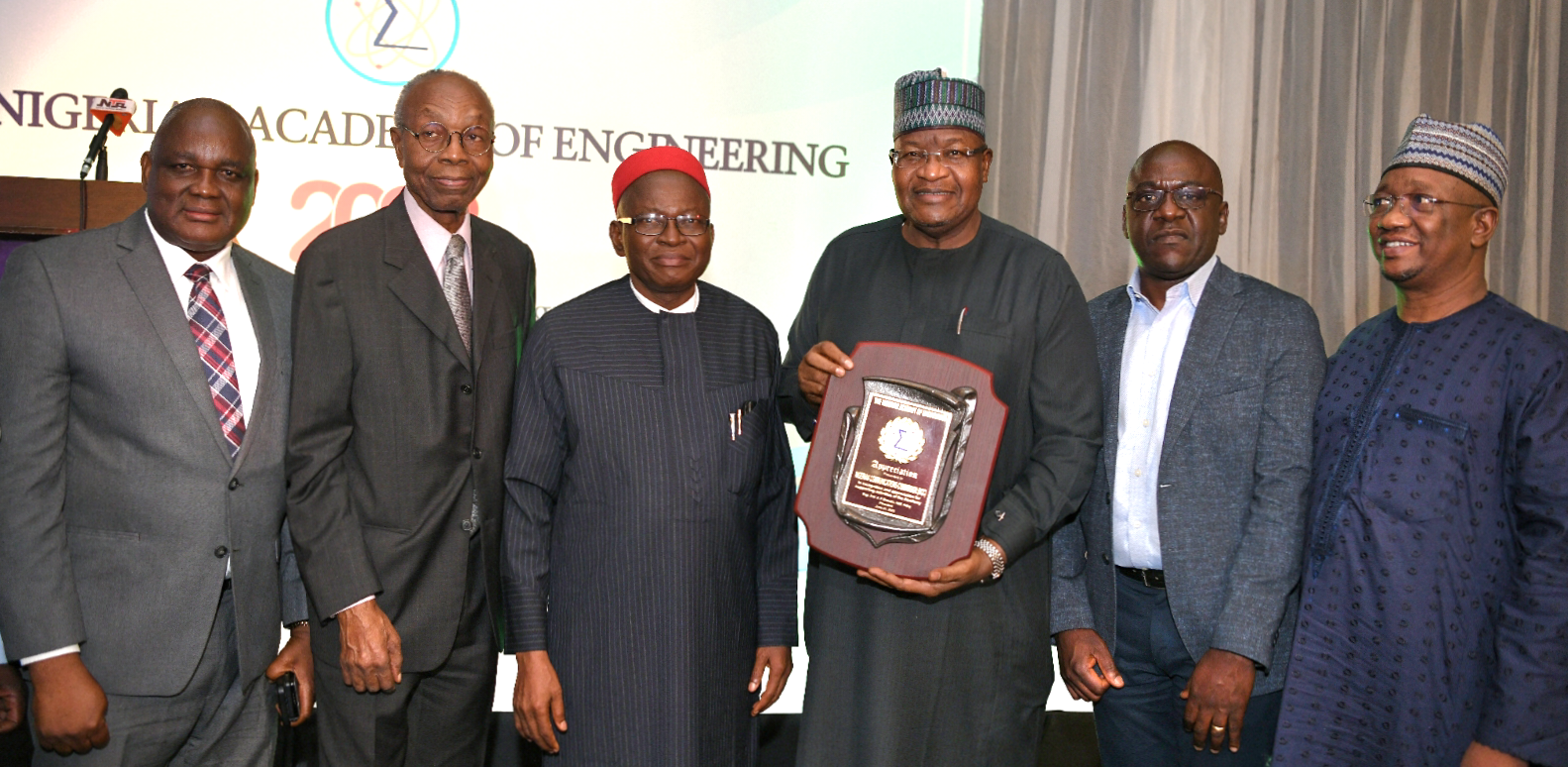
Executive Vice Chairman of the Nigerian Communications Commission, NCC,  at the weekend in Lagos, lifted the Platinum Award of the Nigeria Academy of Engineering (NAEng.) being a reward for his leadership of the nation’s telecom regulator for its contributions to the development and growth of engineering profession in the technological and economic development of the country.


President of the Academy, Prof. Azikiwe Onwualu, said during the award presented by doyen of engineering and Former Director General of the Nigerian Television Authority, Vincent Maduka,  that the Commission deserved the award as it has done the profession proud in its telecom regulatory process and promotion of engineering as shown in its strong support for the NAEng.


While handing over the award at the 2023 Annual Technology Dinner of the Academy, Maduka said, “Prof. Danbatta has contributed immensely to the sustainability of all initiatives of the professional body, just as his role to the development of engineering profession in general is being felt in Nigeria, through his effective regulation of the telecommunications sector.”


Danbatta, a professor of electrical and electronics engineering, who is a member of Council, and a fellow of NAEng, while receiving the award, expressed appreciation to the illustrious institute for considering the Commission worthy of the award.


Danbatta dedicated the award to the ‘hardworking and diligent staff of the Nigerian Communications Commission’, who, he said, have continued to demonstrate commitment to supporting his vision to promote regulatory excellence toward sustaining growth of Nigeria’s digital economy.


“I could not have done the good work you credited me with, without the support and cooperation of NCC staff and we are delighted that the public is watching, listening and observing what we are doing and a testimony to this fact is the platinum category award we have just been given by the apex engineering body in the country,” the EVC stated.


Danbatta further said: “I want to assure the public that the NCC will do whatever it can, within its mandates, to bring out impactful initiatives that will drive the digital transformation process that will ultimately make telecom services pervasive and affordable to all parts of the country.”


He used the opportunity to speak about some of the initiatives of the Commission that have struck a rhythm in the socio-economic development of the nation.


These, he said, include the one targeted at the Nigerian youths across the country where the Commission trains the youth, provides them with laptops,  and other equipment that can make them access the internet with a view to equipping them to develop their skill and earn a living.


Danbatta assured of the Commission’s commitment to driving digital connectivity aimed at bridging extant clusters of access gaps in Nigeria. “We have a target of 70 per cent broadband penetration by 2025, as contained in the Nigerian National Broadband Plan (NNBP). We are around 50 per cent currently and I can assure you that we are hopeful that we will achieve and surpass that target,” he said.


The Nigerian Academy of Engineering was established to pursue excellence in science, technology and engineering as well as provide a national platform for experts to harness their experiences and insights and make input into public and private technical policy.


When it comes to running a business, keeping track of your finances is essential. Understanding the fiscal year and its impact on your software is crucial for South African businesses, says Marilyn Moodley, Country Leader for South Africa and West, East, and Central Africa (WECA) at SoftwareOne.


A fiscal year is the accounting period used by a company to track its financial performance. It is typically 12 months long, but it can be any length of time that is convenient for the company. The fiscal year is important for software companies because it allows them to track their sales and expenses over a specific period of time. This information can be used by customers to make decisions linked to pricing, marketing, and product development for their own businesses.


Fiscal vs calendar: which year to choose?

A company might choose a different fiscal year than the calendar year for a few reasons. One reason is to align the fiscal year with the company’s natural business cycle. Another reason is to take advantage of tax breaks or a company might choose a different fiscal year to make it easier to compare its performance to other companies in the same industry.


The fiscal year for businesses in South Africa

The South African government’s fiscal year runs from 1 of March to the end of February, while some publicly traded companies in align with the calendar year from January 1 to December 31. This adherence to the calendar year is mandated by the South African Companies Act, which requires companies to prepare their financial statements annually within that period. Although companies have the option to change their fiscal year-end, it can only be done once every five years, and the new fiscal year must not exceed 15 months. While exact statistics are unavailable, anecdotal evidence suggests that only a limited number of companies in South Africa opt for a fiscal year-end that deviates from the calendar year.


Software customers and the fiscal year

As a customer, it is important to be aware of software companies’ fiscal year. This is because the company may, for example, be more willing to negotiate discounts or other terms at the end of its fiscal year. What else can you do with this knowledge?


Negotiate better pricing and contract renewals. According to Gartner’s research on Strategising vendor negotiations to combat inflation, one of the most opportune times to negotiate a contract is during the software vendor’s quarter and/or fiscal year-end date. Software Manufacturers often review their pricing strategies, offer discounts, or adjust contract terms closer to the end of their fiscal year. Being aware of the company’s fiscal year enables you to align your negotiations, contract renewals, and budgeting discussions accordingly, potentially resulting in more favourable pricing or terms.


Assess the company’s financial stability and viability. Understanding the company’s fiscal year can provide insights into its financial stability and viability. Reviewing financial reports and statements based on the fiscal year can help you assess the company’s financial health, growth trajectory, and overall business performance. This knowledge is crucial for making informed decisions about investing in the software, relying on it for critical processes, or assessing its long-term sustainability.


Planning and roadmap alignment. If your organisation relies on certain software for strategic initiatives or long-term planning, knowing the company’s fiscal year allows you to align your plans with the software’s development roadmap. It helps you understand when new features or enhancements may become available, enabling better synchronisation between your organisational goals and the software’s capabilities.


Increase in audit activity generally takes place closer to end of fiscal years. A software audit, or maybe the threat of its outcome, is often used at the end of a fiscal year to force customers into deals. Those deals are beneficial for the vendor, but not always for you as a customer. You might be forced into buying software that you don’t need.


Knowledge is power

Ultimately, understanding the implications of the fiscal year for software customers in South Africa is crucial for effective planning, budgeting, and aligning with software providers. Knowledge of a software company’s fiscal year also influences customer support availability, contract renewals, and pricing structures. It’s also advisable to keep up to date on major vendors’ annual report information. Keeping in mind the publisher’s fiscal year helps software customers in South Africa make informed decisions, maximise the value of their software investment, and stay afloat in an ever-evolving software landscape.


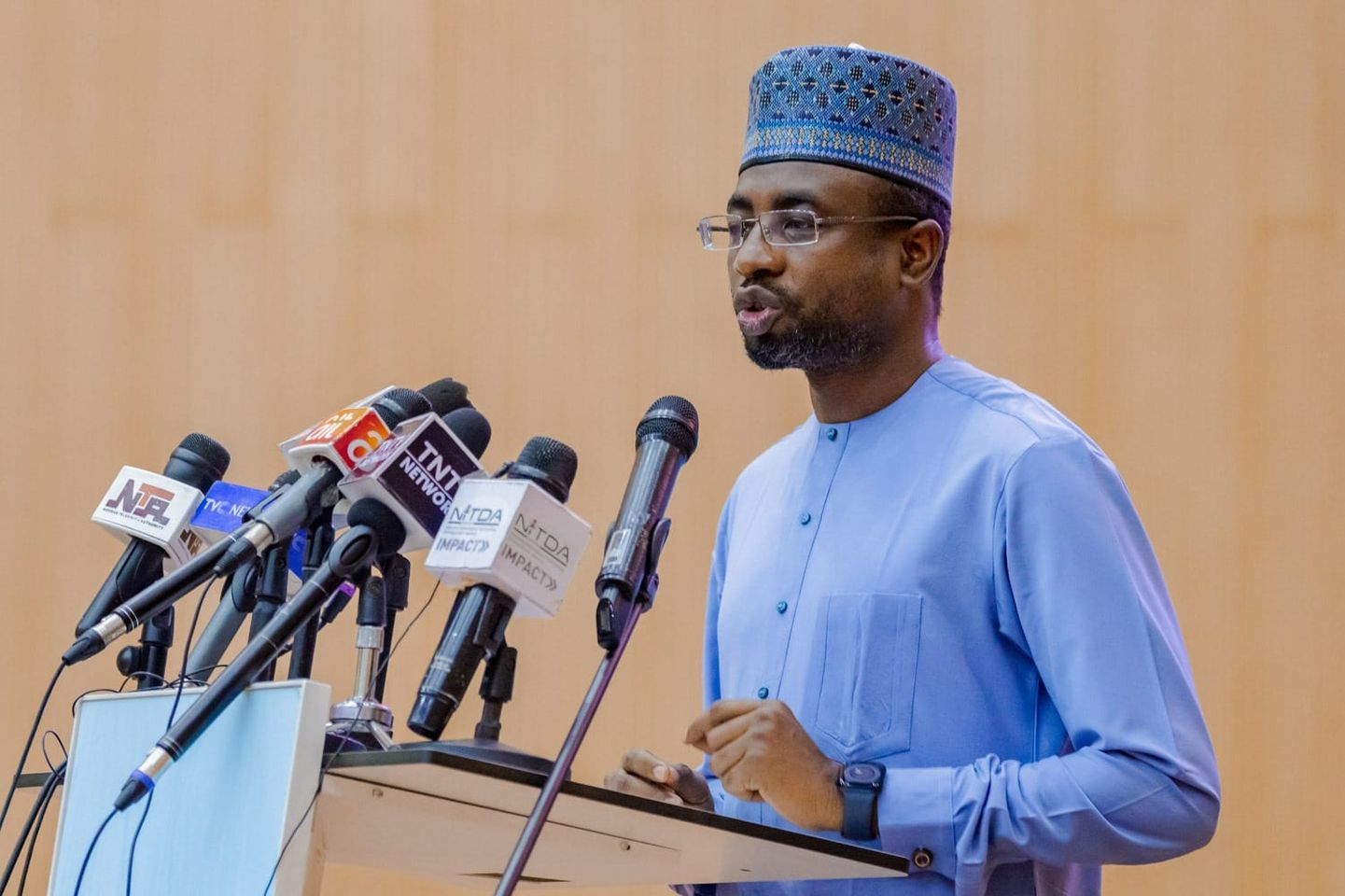
In a landmark speech at the International Hybrid Symposium on Smart Agriculture 2023, Kashifu Inuwa, the Director General, National Information Technology Development Agency (NITDA), has reiterated the transformative potential of emerging technologies in revolutionising the agricultural sector in Nigeria.
The Symposium, organised by Federal University Dutsinma (FUDMA), in collaboration with Islamic World Educational, Science and Cultural Organisation, Morocco, themed “The Future of Smart Agriculture and the Role of Emerging Technologies in Achieving the SDGs,” brought together experts to discuss ways that will hitherto encourage smart agriculture, and showcased beneficiaries of the National Adopted Village for Smart Agriculture (NAVSA) from Federal University Dutse.

Inuwa, who was represented by Dr Aminu Lawal, SA on Digital Transformation, highlighted the significant strides made in the field of smart farming, which combines the power of data and computing technologies to enhance the efficiency and predictability of farming operations.

The DG said, every sector and industry has been impacted by digital revolution, and agriculture is not an exception. According to him, agriculture has witnessed shifts from primitive farming to mechanised farming and now in the digital or smart farming era.

He said in smart farming, the focus is on capturing data and interpreting them using computing technologies to make farm operations more predictable and efficient.
Inuwa stated that Digital technologies have been recognised as one of the critical enablers of agriculture transformation for increased food production to meet the global challenge of feeding this population and accelerate the achievement of goal number two, zero hunger, in the Sustainable Development Goals (SDGs).

He said, “there is a need to increase the production and profitability of farmers, increase the impact of agriculture intervention, attract youths and talents into agribusinesses, and use agriculture to diversify the economy. Digital technologies have the ability to change this narrative.

“Agriculture, if properly harnessed and technologies and innovations effectively introduced, the sector remains the number one sector for taking 100 million Nigerians out of poverty in 10 years and creating large well-paying jobs for Nigerian youths.
“Digital technologies can significantly reduce information access inequalities, improve the management and sustainability of natural resources used in farming, reduce the costs of linking sellers and buyers, and improve knowledge sharing and access to markets.

“With digital technologies farmers make more precise decisions on resource management, and farm processes, and better engagement between consumers and producers through increased and faster information analysis and the resulting insights; thereby leading to smart farms and making small-scale producers more competitive.” The DG said.

Inuwa further said that NITDA in its effort to facilitate digitisation of the agriculture sector developed the Nigeria Digital Agriculture Strategy (NDAS) in collaboration with the Federal Ministry of Agriculture and Rural Development and key stakeholders. The vision of the strategy is to make Nigeria the top three (3) most food-secure countries in Africa and the top 20 largest exporters of standard agricultural produce by 2030 through the use and application of digital technologies and innovations.

In an attempt to further digitise the agriculture sector, address those obvious challenges, exploit the opportunities and accelerate economic growth, the Agency came up with National Adopted Village for Smart Agriculture (NAVSA).

NAVSA is a technology and innovation-driven agricultural initiative aimed at addressing low agriculture productivity, inappropriate financing strategy, and repayment difficulties through the introduction of closed and open wallet systems on mobile payment platforms.

The initiative has been designed to accelerate the achievement of the Federal Government’s objectives on massive job creation, economic diversification, and growth. It builds and connects agriculture ecosystem players across the agriculture value chain to position agriculture as a business, attracts a youthful population into agriculture enterprises, ensures funds can be recouped through digital wallets, and values every farm produce for improved contribution to GDP and economic development.

He added that since its launch, its implementation and sustainability models, NAVSA continued to attract the attention of key players in the Agricultural ecosystem in line with global best practices.

Inuwa also noted that the Agency partnered with universities for the implementation of NAVSA to shape and model new generation of agriculturists to become smart farmers, thereby preparing them for the future of agriculture.

Earlier, in his welcome address, the Vice Chancellor of the University, Prof. Armaya’u Hamisu-Bichi, said that the theme resonated deeply in their quest for innovation, efficiency and sustainability within the agricultural sector.

He said “In an era where our world is confronted with numerous challenges ranging from population growth to climate change, it is imperative to harness the potential of emerging technologies.

According to him, smart agriculture, which integrates cutting-edge technologies such as Internet of Things, Artificial Intelligence and data analytics has the power to revolutionise farming practices, increase productivity, optimize resource management and enhance overall efficiency.

“It is through collective efforts and comprehensive strategies that we can attain this delicate equilibrium, fostering harmonious coexistence between agricultural production and environmental preservation,” he added.


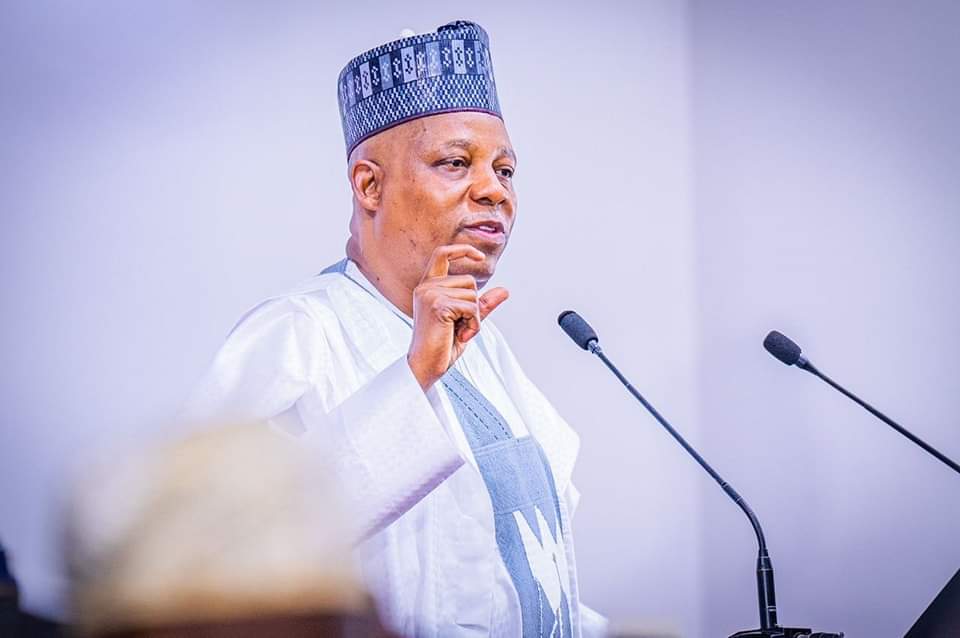
Vice President Sen. Kashim Shettima has called for stronger relations between Nigeria and the United Kingdom (UK) given the long standing historical antecedents, business activities and shared interests between the two countries.
Vice President Shettima made the call today during a courtesy visit to his office by the British High Commissioner to Nigeria, Mr. Richard Montgomery at the Presidential Villa, Abuja.

In his brief remarks, the Vice President commended the long standing assistance and support of the UK government to Nigeria and expressed hope for a more robust business relations.

According to him “I will urge you to facilitate the setting up of the Nigeria-UK Binational Commission; that Bi-national Commission can be the driver for accelerating enhance business relationship between our two countries.”

“We need to ramp up the trade between our two nations taking into cognizance our proximity. There is no nation that we are close to than the UK and our trade represent less than five per cent of the volume of our import and export.”

Speaking on the issue of the economy, the Vice President said “most definitely, we are going to create an enabling environment for businesses to flourish in this country.”
Sen. Shettima underscored the need for economic reforms in order to position the country’s economy for growth especially the removal of fuel subsidy, “this is just the beginning because it was fait accompli to withdraw the fuel subsidy. We either get rid of the fuel subsidy or the fuel subsidy get rid of the Nigerian nation.”

The Vice President observed that “in 2012, we spent $10bn on fuel subsidy alone. Last month, we were purportedly consuming 67 million litres per day, but after the removal of the subsidy it drops to 41 million bpd, nearly 40% off. So the whole subsidy regime was opaque, ridden with a lot of inconsistency.

Still on economic reforms, the Vice President noted that the previous multiple exchange rate regime with a lot of corruption brought about the proliferation of so many schemes. “So obviously we have no option but to collapse the exchange rate regimes into one. In the coming weeks and months, we are going to make more pronouncements on how to reposition the Nigerian economy and make it vibrant for business.”

Emphasizing the role of the private sector in driving economic growth, the Vice President citing the example of Lagos said “Lagos is booming fundamentally because of the private sector but not because of government; the government just created the avenue for businesses to thrive.”

On efforts to find a lasting solution to the security challenges in the country, Sen. Shettima stated that there is need for both kinetic and non-kinetic approaches towards addressing the problems.

“Unless we want to engage in an endless war of attrition, you have to find a kinetic and non-kinetic solutions to our problems. Yes, we have to strengthen our security architecture, so that we can be a stronger bargaining position with the insurrectionist; Boko Haram terrorists and kidnappers.”

He added that as part of the efforts of the Tinubu administration towards addressing on-going security problems, the Vice President disclosed that government will soon roll out different socio-economic intervention programmes and initiatives in the North East and North West that will facilitate empowerment and social inclusion of the vulnerable groups in the regions.

“So, I can assure you that we will pursue both kinetic and non-kinetic solutions to our challenges,” he added.

In his remarks, the British High Commissioner, Mr. Richard Montgomery, commended the new administration’s proactive economic policies especially the reforms. He lauded the long standing relationship and cooperation with Nigeria especially in areas of trade and investment, security and defence, digital technology, education. He expressed the readiness of the UK government to partner closely with the Federal Government to achieve overall development of the country.
In the delegation of the British High Commissioner were the Deputy Development Director, Susan Mshana; Counsellor Lake Chad Basin, Alex Maclean; Political Counsellor, Jonathan Bacon and Senior Political Advisor, Damilola Oyedele.

Olusola Abiola


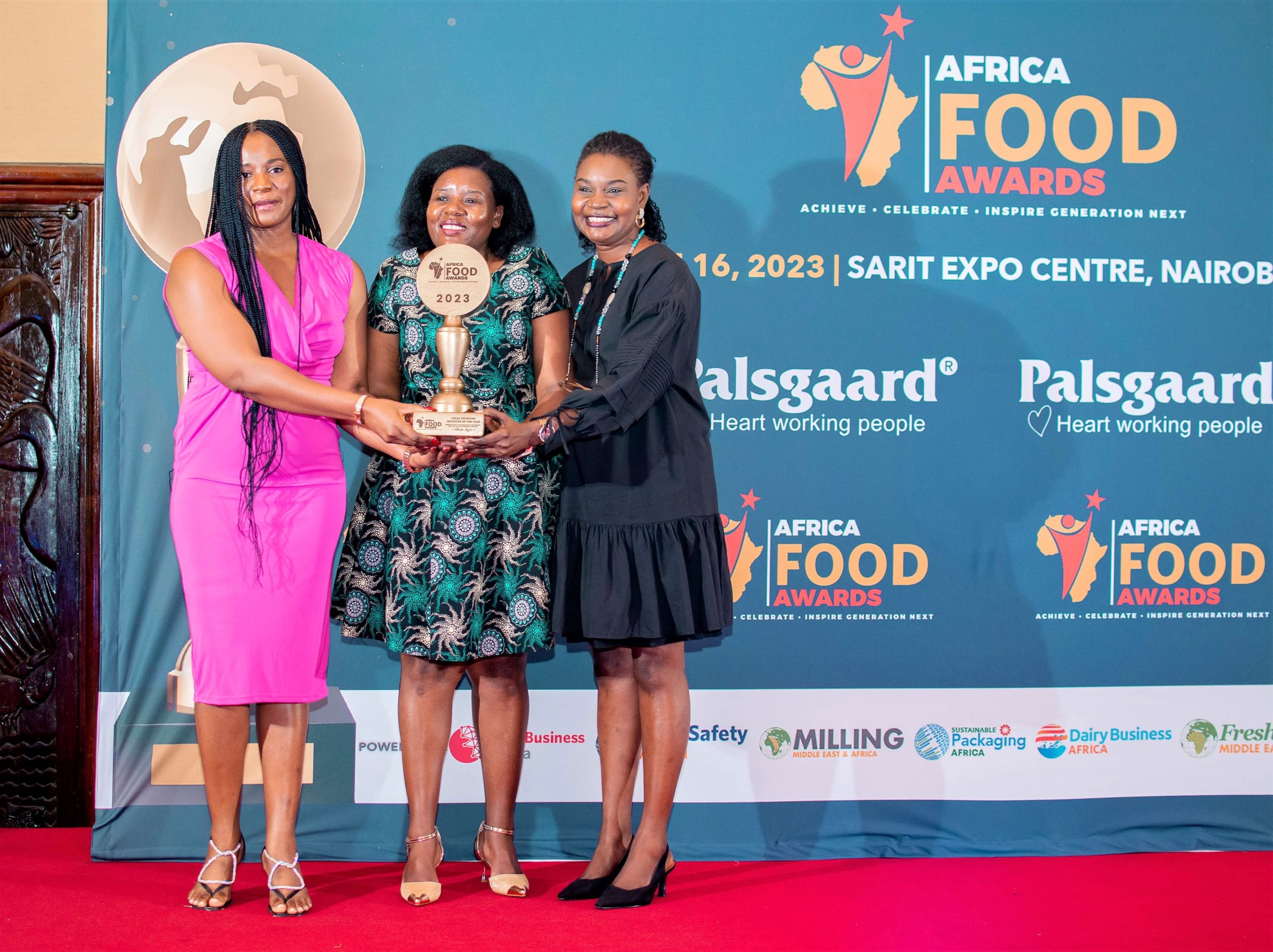
Olam Agri (https://www.OlamAgri.com/) in Nigeria, a leading agribusiness in food, feed and fibre, has been recognised for its impactful sustainability investment. The agribusiness’ Seeds for the Future (SFTF) initiative emerged as a Sustainability Initiative of the Year at the African Food Awards 2023, held on June 16 in Nairobi, Kenya.


The Africa Food Awards recognises and celebrates the best companies and individuals in Africa’s rising food manufacturing, retail, academia, and food service sector. The awards celebrate excellence and encourage adopting world-class practices and technologies in Africa’s food manufacturing, retail, and service sectors.


As one of the winners of the Sustainability Initiative of the Year Award, the Olam Agri Seeds for the Future Initiative was launched as Olam Agri in Nigeria’s wheat value-chain social sustainability investment vehicle in 2021 and is driven by five key levers, which are supporting farmers and farming communities, enabling broader education & skill development for young people, empowering women (farmers & bakers), promoting health & nutrition, and reducing carbon emissions in business operations.


In 2022, the initiative announced an impressive first-year result of its multi-year research, seed trial and multiplication effort. It generated optimism that Nigeria is making strides toward increasing local wheat production levels. Now a full-fledged foundation, the initiative is extending its impact to other segments.


Francis Juma, the Founder and Chief Executive Officer of FW Africa, the organiser of the awards, said “After evaluation by our judging committee, Olam Agri’s sustainability investment through the Seeds for the Future Foundation met all criteria of reach, depth, and impact, and towers above the competition in the sustainability investment category and deserves to receive one of the Sustainability Initiative Award for the year 2023.”

The Seed for the Future Foundation is a major vehicle for driving our wider investment actions


He congratulated the business for its exceptional leadership and focused investment, which aim to drive impactful economic growth across operating markets.


Speaking on the award recognition, Ashish Pande, the Country Head of Olam Agri in Nigeria, explained, “We will keep scaling up investment in projects that positively impact farming communities, consumer health, the environment, and government’s economic growth agenda. The Seed for the Future Foundation is a major vehicle for driving our wider investment actions. The Sustainability Initiative of the Year Award recognition underscores our impact level.”


He thanked the award organiser for the recognition reiterating that the business would not rest on its oars. He maintained that it would keep investing in strengthening the Nigerian food production and processing segments.


Winners in the same category at the awards include Bio Food Products, Ngorongo Tea, Farmers Choice, EARBL, the Marindi Healthy Woman, and Broadway Bakery.


The Africa Food Awards took place during the Africa Food Industry Week, which consists of high-level events such as the Africa Sustainability Symposium, AFMASS Food Expo and the Africa Food Safety Summit, all held in Nairobi, Kenya.


In a remarkable achievement, young Nigerian prodigy Kanyeyachukwu Tagbo-Okeke has once again brought honor to his homeland, this time in the bustling heart of Times Square, New York.

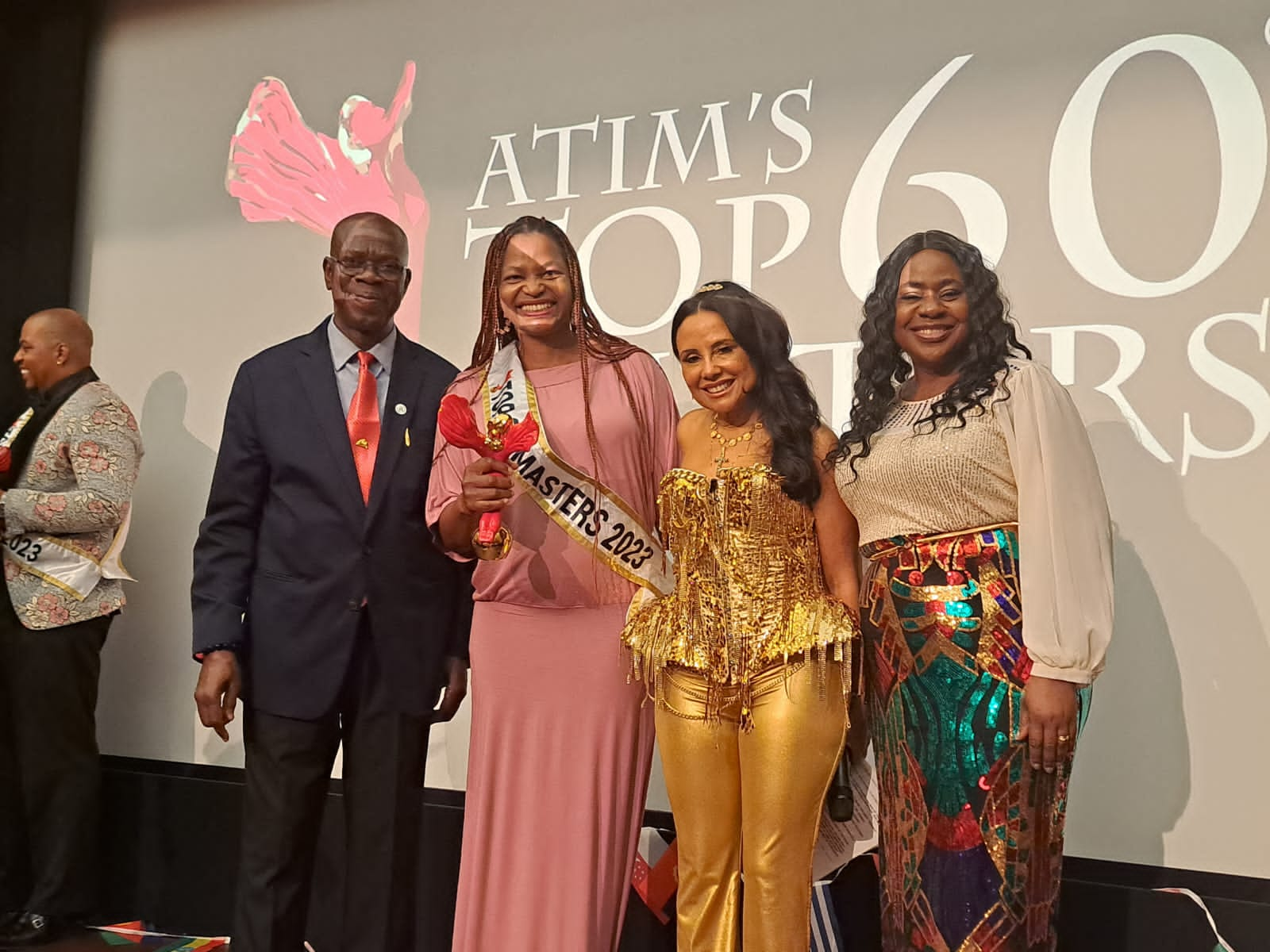
At the tender age of 13, Kanyeyachukwu has become the youngest recipient of the esteemed Atims top 60 art masters award, a recognition that firmly establishes Nigeria’s presence in the global art scene.

Among the captivating artworks showcased in the center, Kanyeyachukwu’s distinctive talent in abstract painting has garnered him the nickname “the young Picasso of Nigeria,” a testament to his exceptional finesse and expertise.

What makes Kanye’s journey even more extraordinary is his triumph over adversity. Despite living with autism, he has earned widespread acclaim for his exceptional artistic creations, which can be found in galleries worldwide, ranging from Canada and the United States to airports and even his home country of Nigeria.

Kanye’s creative attributes started manifesting when he was much younger. He attends Aduvie International School and gets extra therapy from Zeebah Foundation autism center and Olg autism center.

Kanye hails from the town of Amichi in Nnewi South, Anambra, and is the beloved son of Silvia and Tagbo Okeke. His inspiring story serves as a beacon of hope and inspiration for aspiring artists and individuals facing similar challenges.


The Honourable Minister of Communications and Digital Economy, Prof. Isa Ali Ibrahim (Pantami) unveiled and commissioned 4,366 projects, programmes and initiatives implemented under his supervision as Minister. This took place at the Communications and Digital Economy Complex, Mbora, Abuja and virtually at the remote locations of the commissioned projects.

The commissioning ceremony was graced by several dignitaries. These included the immediate-past Governor of Bayelsa State, Senator Henry Seriake Dickson, the Chief Executive Officer of the Nigerian Finacial Intelligence Unit (NFIU), Mr. Modibbo R. Hamman Tukur and the Chairman of the Board of the Nigeria Postal Services (NIPOST), Barrister Maimuna Yaya Abubakar, among others. The Chief Executive Officers of the parastatals under the Ministry were also in attendance.

The dignitaries poured encomiums on Professor Pantami for his visionary and inspirational leadership. They extolled his passion for the digital economy sector and for the development of Nigeria. They congratulated him for how he has shown that the Nigerian youth can excel at the top levels of leadership in the country, having himself performed extremely well as Minister.

The commissioned projects were spread across all the States of the Federation and were executed by the Ministry and all the parastatals under the Ministry. Some of the projects commissioned included the Community IT Training Centre, Ogbomosho, Oyo State; the Digital Nigeria Centre, Udi Abia Secondary School, Enugu State; IT Hub, Gashua, Yobe State; Mini-ICT Square Project, Minna, Niger State; Digital Awareness Programme Cardoso High School, Apapa, Lagos State; Digital Nigeria Centre, Gen. Hassan Usman Katsina Unity College, Bauchi State, among several others.

The Nigerian Postal Service (NIPOST) also unveiled ten 3-ton trucks to enhance their postal services. The trucks were purchased from internally generated revenue and were commissioned by the Honourable Minister at the Communications and Digital Economy Complex, Mbora, Abuja.

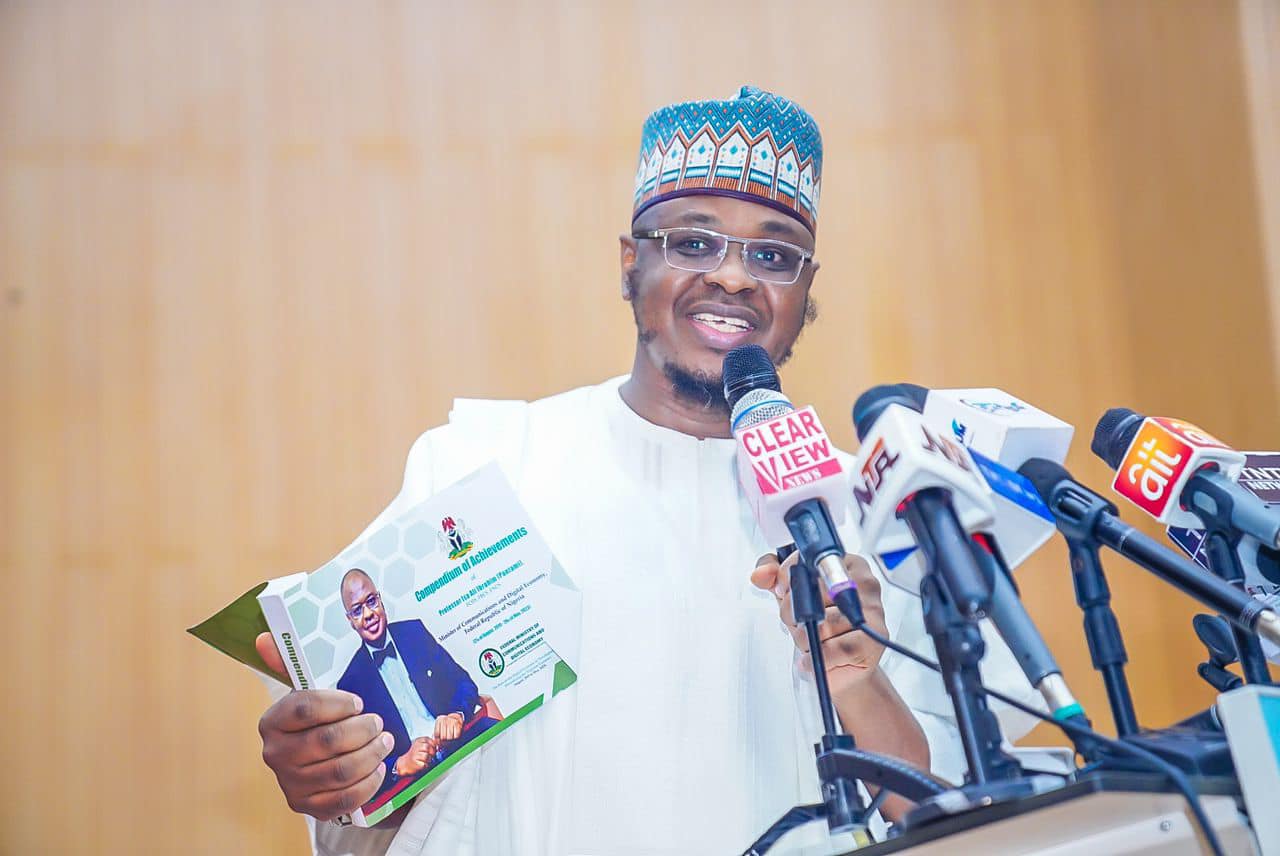
A 443-page Compendium of Achievements was also unveiled to provide a concise summary of the unprecedented achievements that were recorded under the leadership of Prof. Pantami since he became a Minister on the 21st of August 2019.

The participants applauded the Honourable Minister for starting strong and also ending strong. They also noted that the digital economy sector had become integral to all aspects of the Nigerian economy because of the landmark achievements and efforts of Prof. Pantami.

Uwa Suleiman