ALDAPCON lauds President Tinubu, says Data Protection Act will accelerate economic development

The Association of Licensed Data Protection Compliance Organisations of Nigeria (ALDAPCON) has lauded President Bola Tinubu for signing the Nigeria Data Protection Bill, 2023 into law. The Nigeria Data Protection Act, 2023 provides a legal framework for the protection of personal information, and the practice of data protection in Nigeria which ALDAPCON has aggressively championed.

The new law establishes the Nigeria Data Protection Commission and replaces the Nigeria Data Protection Bureau (NDPB) established by President Buhari in February 2022. Led by the National Commissioner, Dr, Vincent Olatunji, the Commission is charged with the responsibility for regulating the practice of data protection amongst others.

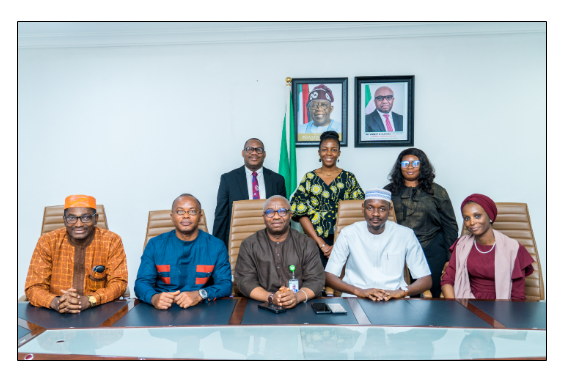
“We want to commend Mr. President for this progressive Act. We congratulate Nigerians and particularly note the great works put in by your agency to ensure this bill is passed,” said Chairman of ALDAPCON, Ivan Anya who recently led other members of the association including its Secretary, Aliyu Abdulaziz, and Amb. Olusegun Olugbile to the newly created Nigeria Data Protection Commission where the association met with the National Commissioner, Dr. Vincent Olatunji and other members of the Commission.

According to Anya, the Data Protection Act will help enhance the data privacy and confidentiality of Nigerians, enable effective dataflow, boost Nigeria’s steadily growing data protection industry necessitating new levels of skillsets and jobs that will impact significantly on the economy and protect the country’s data sovereignty as well as enhance GDP.

The new law will ensure better clarity in the roles of data processors and data controllers, the association stated even as it urged the Commission to increase its level of engagement with ALDAPCON with respective to the Commission’s various activities.

“We are here as stakeholders to grow the industry and as a partner of the Commission to ensure continuous engagement with you as a regulator for the overall health of the industry,” the association stated.

Data Protection Compliance Organisations (DPCOs) are licensed by the Commission and their roles include monitoring compliance with the extant data regulations and ensuring that data controllers do not breach the provisions of the Act.

Among others DPCOs offer data protection regulations compliance and breach services for data controllers and data administrators; data protection and privacy advisory services; data protection training and awareness services; data regulations contracts drafting and advisory; data protection and privacy breach remediation planning and support services; information privacy audit; data privacy breach impact assessment; data protection and privacy due diligence investigation; and outsourced data protection officer among others within the framework of the Act.

Anya also requested the Commission to readily make the signed copy of the bill available as this will be useful to ALDAPCON members who would be carrying out comparative analysis as well as development of white papers.
“Now that, there is a statute to guide all activities around data privacy and data protection in Nigeria”, ALDAPCON urged for a more robust collaboration between the regulator and operators in a way that will better benefit the country in areas that include awareness creation and training which the law empowers DPCOs to do.

The National Commissioner in response applauded ALDAPCON for its steady growth as an association and its increasing relevance in the industry. He encouraged the DPCOs to take the Code of Practice serious and render quality service to their clients.

He agreed with the association on the need for strong awareness around issues of data protection and urged DPCOs to leverage the media to build a strong industry voice even as he assured that the Commission will to provide a copy of the signed Bill after necessary gazette is complete.

Also, Dr. Olatunji while assuring the DPCOs of the Commission’s support urged them to employ quality staff to enhance the growth of their respective companies and be strategic in building strong network amongst themselve


Between 2020 and 2021, the number of tech start-ups in Africa tripled to around 5,200 companies. Just under half of them were fintechs, making it the fastest-growing start-up industry in Africa. Their success is due to several trends such as the digital boom during the pandemic and increasing smartphone ownership and internet coverage, as well as fewer of the regulatory requirements applied to banks and other financial institutions.


But regulators have jumped in to change this – and with good reason. One Deloitte review found that about half of the regulatory infractions committed by fintechs involve consumer mistreatment, while one in five related to privacy violations. The FBI has also investigated potential terrorist financing carried out through a leading fintech company.


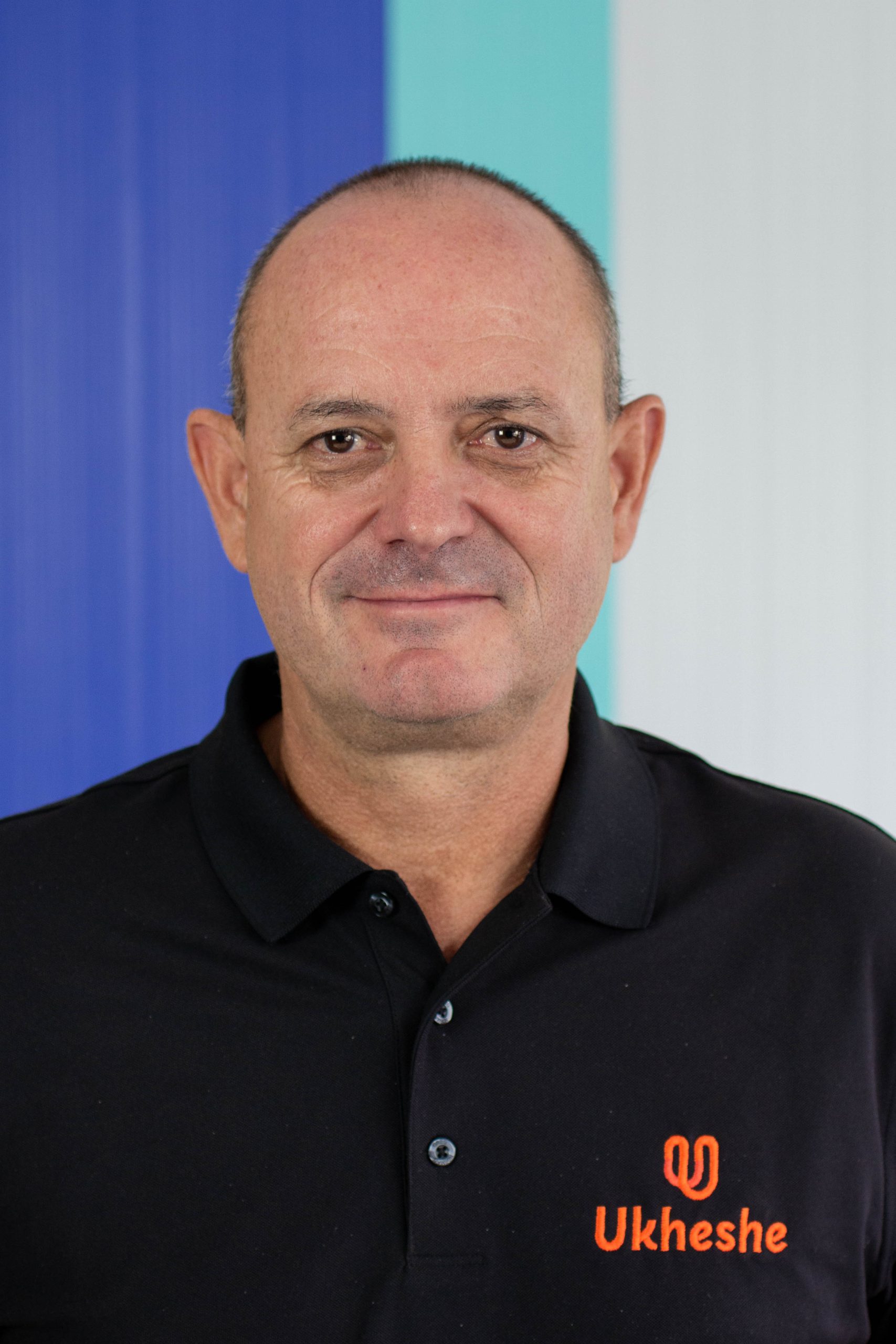
Clearly, regulation is necessary, says Mark Dankworth, President of Business Development Africa at leading banking-as-a-service and embedded finance enablement partner, Ukheshe. “Regulators have started taking more notice for good reason. In some African markets, fintechs were left to grow almost unchecked, creating gaps for mobile money crimes, fraud, and money laundering.”


Now, the shoe is on the other foot in many instances. “In addition to uneven infrastructure across markets, fintechs in Africa now also have to contend with a fragmented financial regulatory framework. While regulatory bodies in some countries support an enabling environment, for example by creating fintech sandboxes, others have over-corrected, hampering the digital growth and financial inclusion that is so desperately needed in many economies. To operate in Ethiopia, for example, fintechs now need to obtain an extremely expensive licence that’s just not feasible for anyone except the biggest players. In other markets, it can take up to two years before similar licences are issued. This can make it difficult for fintechs to ensure business continuity and compliance across markets. Regulation is the biggest challenge facing almost every fintech.”


Regulators and the financial industry now need to strike a balance between fostering innovation and ensuring consumer protection and financial stability. One way of doing so is to create partnerships between fast-moving fintechs and existing regulated entities such as banks, to leverage innovative models like Banking as a Service, Card as a Service, and Fintech as a Service. “For Ukheshe, this has proven to be an extremely successful strategy. Banks are already well-regulated entities, but that red tape often makes them slow in adopting new trends and strategies – which fintechs are really good at. So, some forward-thinking banks and fintechs have started partnering, structuring the fintech strategies and technologies under banking processes. The funds sit with the bank, without the fintech having access to it, and the bank reports to the regulator. Customers essentially become bank customers, but benefit from the new technologies created by the fintechs.”


This weeds out fraudsters and even fly-by-night fintechs that don’t have solid business models, protecting consumers. “These players not only hurt consumers, but the entire industry. Fintechs need to build trust with consumers, and one bad apple can give everyone a bad name. It is a space that needs to be regulated, no question about it, but at the same time, legitimate companies shouldn’t be hamstrung by slow-moving processes.”


The next hurdle will be to create wider-reaching regulations in Africa, says Dankworth. “Broadly speaking, the East African Community (EAC) and Economic Community of West African States (ECOWAS) regions and the Southern African Development Community (SADC) regions all have different rules and processes on how money can move. If regulators got together and created encompassing processes to drive remittances across Africa, it could be of huge value for the entire continent. Not only would it drive innovation and development, but it would reduce the costs and hassles of remittances for millions of Africans that need to transfer these funds in order to survive. It’s time to give the broader population comfort in the fact that digital payments are the way to go – it’s quicker, safer, and cheaper than cash. It’s the way of the future.”


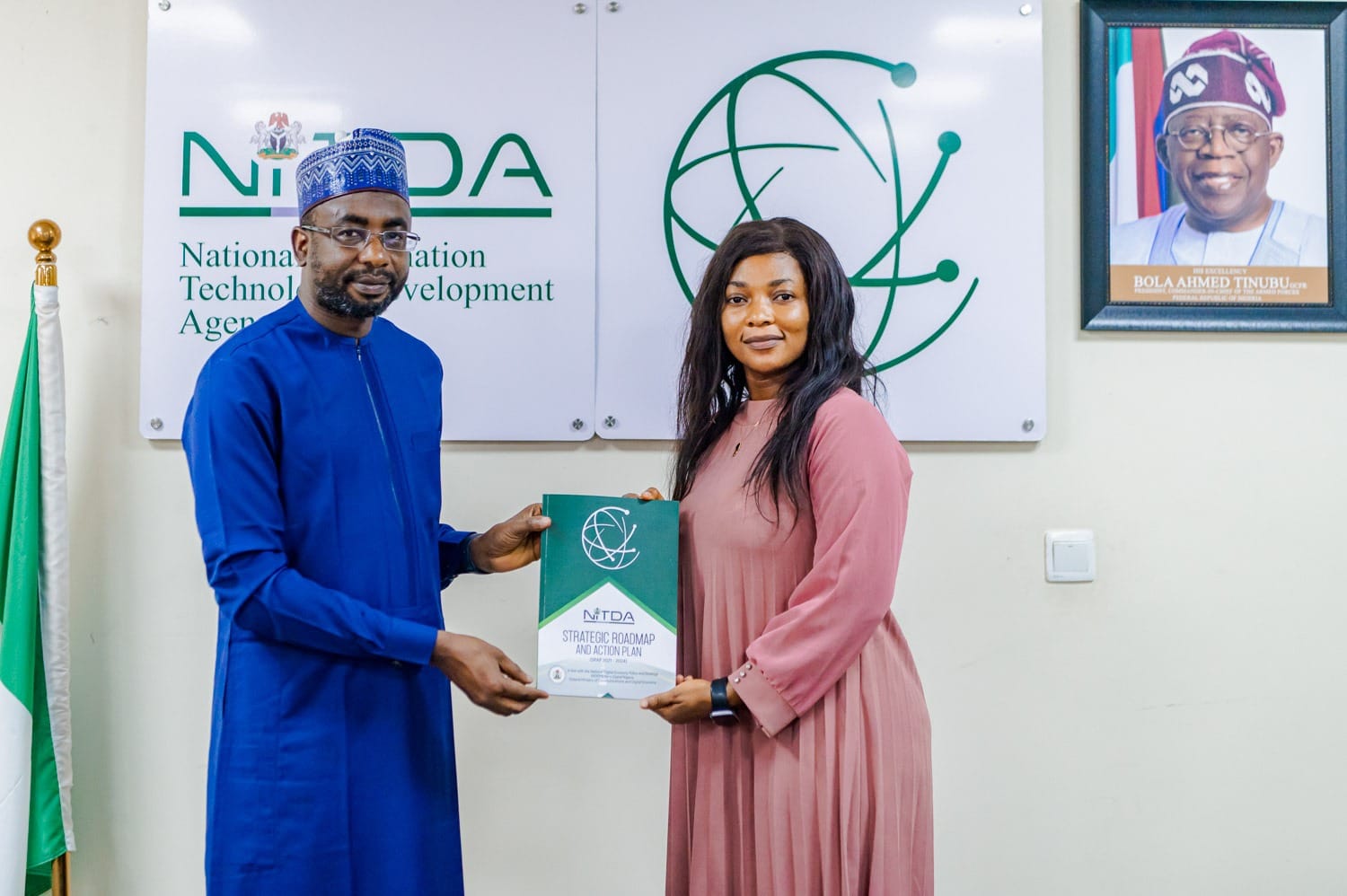
While leaving no stone unturned, the National Information Technology Development Agency, NITDA, is expanding its collaboration tentacles to strengthen digital inclusiveness through a partnership with the Pan African Female Youth Initiative (PANFYL) focused on upscaling digital literacy among women.

This pact was reached during the visit of the founder of PANFYL and some of her executive members to the NITDA corporate head office in Abuja.

PANAFYL is a coalition of young female progressives across the African continent, aiming to end the digital gender gap by championing the advancement of transformative technology and digital education among girls and women.

The Director General of NITDA could not agree less with the vision of the PANFYL, he clearly affirms that the agency is constantly ensuring the inclusiveness of all genders, including persons with special abilities, in its implementation processes of the mandates enshrined in the National Digital Economy Policy and Strategy (NDEPS) and the NITDA Strategic Road Map and Action Plan (SRAP, 2021-2024).

Inuwa emphasised that NITDA has several educational programmes at all levels/demography, irrespective of gender or physical abilities, leveraging both physical and online platforms. He mentioned the NITDA Academy and the ongoing partnership with Coursera, CISCO, and a host of others, which are open to all and sundry online.

He elaborated on the need for continued collaborations with industry stakeholders in providing diverse platforms to enable digital capabilities to aid the attainment of the 95% digital literacy goal by 2030.
The NITDA Boss acknowledges that the IT development and regulatory government agency is assiduously working towards enabling opportunities for collaboration with international, local, private, and non-governmental organisations such as the World Bank and some indigenous NGOs, Nat View, the Gina Mata Initiative, and a few others.

“Digital literacy is essential in finding, evaluating, creating, and communication through cognitive technical skills through the application of Information Communication Technology,” Inuwa explained the necessity to equip the Nigerian populace with the benefits of technology especially with the potential embedded in Artificial Intelligence (AI).

Although the NITDA boss revealed that there have been challenges in getting a good number of women to attend these programmes, he hopes that the collaboration with PANFYL will improve the sensitization campaign for more women to become digitally literate.

Inferring from the Rockefeller Foundation, he said that, “there are issues of socio-cultural norms and income disparities; based on statistics, we have also seen that 42 percent of women are earning way less compared to men in terms of what they are supposed to earn because of their limited abilities within the digital space”.

He further disclosed, “with the aim to close the gap that exists between men and women in terms of use and access to digital technologies, we have come up with a national gender digital inclusion strategy in a draft format for now.”
He added that the vision of the strategy is to enhance women’s participation, positioning them among the drivers of economic growth and development.

The strategy should also address issues like a safe online experience, protection against online harassment or threats, and equal opportunities for men and women.
“We believe that leadership is about inclusivity. That’s why at NITDA, we delegate, empower people, and encourage them to make decisions,” he added.

Mr Inuwa proceeded to discuss game theory, stating that there are two types of games, finite and infinite games. A finite game has known rules and known players, while in an infinite game, there are no established rules. He said to succeed in an infinite game, there are five principles; first, a just cause, second, a trusting team that would support the leadership. Third, a worthy rival, fourth, the need to have existential flexibility, and lastly, the courage to lead.

He assured the team that the training proposal would be reviewed to capture where both organisations’ objectives align for collaboration, and hopefully, looks forward to jointly hosting the summit before the end of the year to have the summit and training.

“I believe that with this kind of initiative, we can be able to bring our women to parity with their male counterparts, and we look forward to having a productive partnership with you,” said Inuwa.


President Bola Tinubu on Tuesday in Abuja pledged that his administration would commit more resources to the education sector to ensure that every Nigerian child, regardless of their background, has access to quality education.

Speaking in his office at State House when he received the leadership of the National Association of Nigerian Students (NANS), the President declared that poverty should not be a barrier to education, emphasizing the transformative power of education in combating poverty.

”If we all believe that education is the greatest weapon against poverty then we have to invest in it.

”Poverty should not prevent anybody, any child, including the daughter or son of a wood seller, ‘Bole’ (plantain) seller or yam seller from attaining their highest standard of education, to eliminate poverty.
”If you eliminate poverty from one family, you can carry the rest of the weight. ”

President Tinubu, who promised to consider the requests of the NANS leaders, urged the students’ body to ensure unity among its members across the country to achieve more.
”You have to promote unity and stability among each other. You have to employ democratic means in your programmes and elections. I have to say anyone who is unable to accept and celebrate a free and fair election, does not deserve the joy of victory,” he admonished.

The President expressed his appreciation for the students’ support of the removal of subsidy on petrol, explaining the reasons behind the decision and the need to curb smuggling.

”I’m glad you understand the reason for the subsidy removal. We were at a point where Nigeria tried to draw water from a dry well and that is no longer acceptable and we equally must not continue to service the smugglers because they used to take our tankers and Premium Motor Spirit (PMS) across the borders. We will put our money where our mouth is,” he said.

Earlier, leader of the delegation, Umar Barambu, said the NANS leaders had come to thank the President over the signing into law of the Student Loan Bill, which will provide loans to indigent students such that no Nigerian student in tertiary institution will drop out of school over inability to pay school fees.

The Bill, sponsored by former House of Representatives Speaker Femi Gbajabiamila, was signed into law by President Tinubu on Monday, June 12, which is Democracy Day.

“We are here to congratulate you and to thank you for what you have been doing to the country since you assumed responsibility as the President. We want to equally thank you for the Students Loan Bill,” Barambu said.

Declaring the students’ support on the removal of fuel subsidy, the NANS president said:
”It takes a great person to take that bold step of removing the subsidy on petrol. Some people contacted us to protest against that decision, but we said no!
”The well is dry and ‘Baba’ cannot give what we don’t have now. We have to accept reality and face that challenge squarely so that together we can rescue the country. Today we are saying ‘yes’ to fuel subsidy removal and we will stand with that decision.”

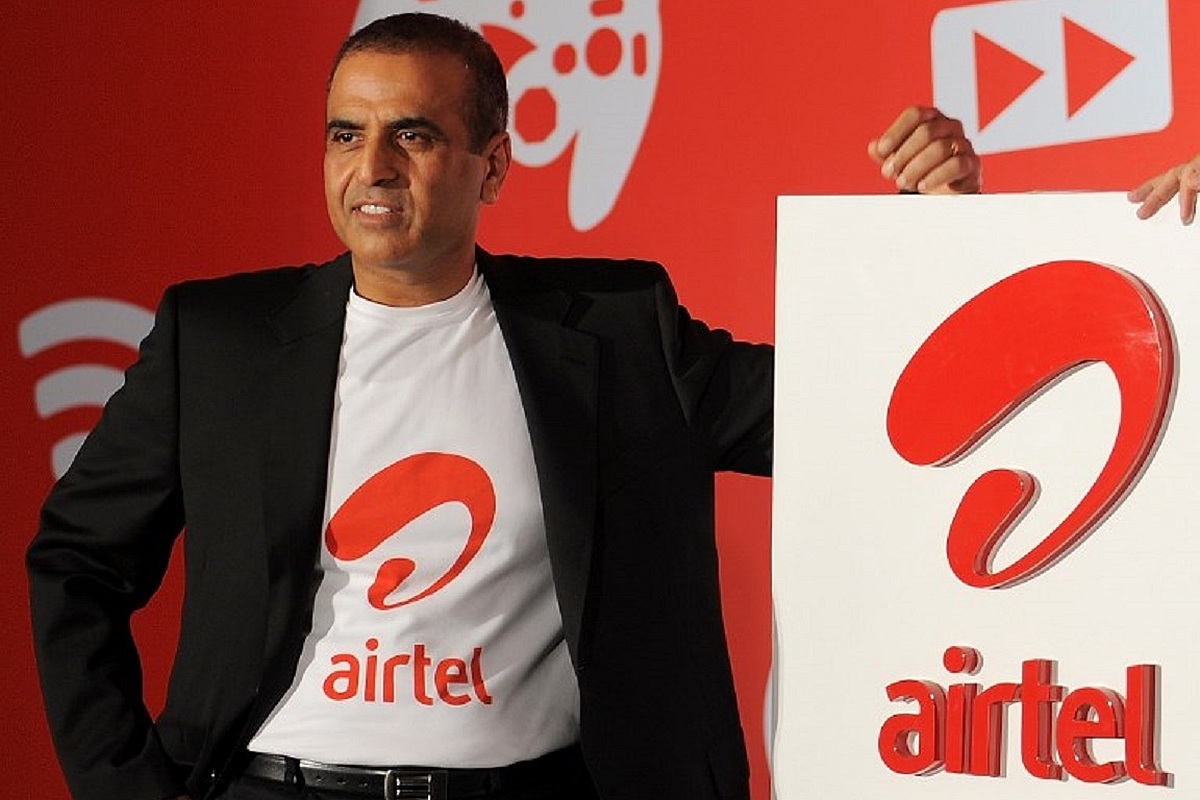
AT MEETING WITH AIRTEL FOUNDER, PRESIDENT TINUBU ASSURES INVESTORS OF BETTER BUSINESS ENVIRONMENT


President Tinubu made the commitment on Monday during an audience with the Founder and Global Chairman of BHARTI AIRTEL, Mr. Sunil Bharti Mittal, Africa Group Chief Executive, Mr. Segun Ogunsanya, and their team at the State House, Abuja.

While receiving the Airtel delegation, President Tinubu recalled his historic connection with the telecommunication company when it started as Econet Wireless while he was Governor of Lagos State, stating that he facilitated and supported the entry of the company into Nigeria to liberalise the telecommunication industry.

The Nigerian leader praised the growth of the company and welcomed the offer of partnership to further deepen economic growth and eradicate poverty among Nigerians.
He also commended the economic strength of India in Asia, noting how technology had helped the largest democracy in the world to pull millions out of extreme poverty.
“I have a connection with Airtel. We brought Econet to Nigeria when I was governor of Lagos State. I was a main promoter then because we needed to liberalise the telecom industry. The economy of Asia headed by India is very phenomenal because of reforms. We are ready to copy India.

“Digital economy is very crucial. We are not ashamed to copy any model that works. I congratulate Airtel for the growth of your business in Nigeria. We are looking forward to the growth and expansion of your 5G network in Nigeria. Airtel should continue to promote Nigeria.

“I assure you that your investment is very safe and will continue to grow. We are working to improve business environment for all investors,” the President said.
In his presentation, the Global Chairman of Bharti Airtel, Mr. Mitall, congratulated President Tinubu and offered him the goodwill of his company and that of his country, India, noting that besides being a businessman and investor in Nigeria he is a member of Business Advisory Council of Prime Minister Narendra Modi.

Mr. Mitall showered encomiums on President Tinubu for the key decisions he has taken within just three weeks in office, which have put Nigeria back on global business reckoning.
“I came here to make a request, but I have to say thank you first. We are grateful for what you have done with the removal of fuel subsidy and fixing the foreign exchange. This will open a floodgate of foreign investments. You have taken these bold steps. It is important to stand firm. Airtel is a robust telecom company and we are ready to serve Nigeria,’’ Mitall added.
The Special Adviser to the President on Monetary Policy, Mr. Wale Edun, in his remarks, said President Tinubu had always recognised the transformational power of technology and telecommunication for economic growth since his time as governor of Lagos State.

On the challenge of vandalism of telecom infrastructure, the Ogunsanya pleaded with the President to prioritise it as national security issue that should be addressed:
“It is in our interest to provide better service but we are always faced with the destruction of our infrastructure, especially our fibre optic cables. Telecom infrastructure should be taken as critical national assets that must be protected.

“We believe in digital transformation of Nigeria. I am committed to this country because I am a Nigerian and this market is the biggest under my portfolio. We can take millions of our people out of poverty with digital transformation of our economy.”

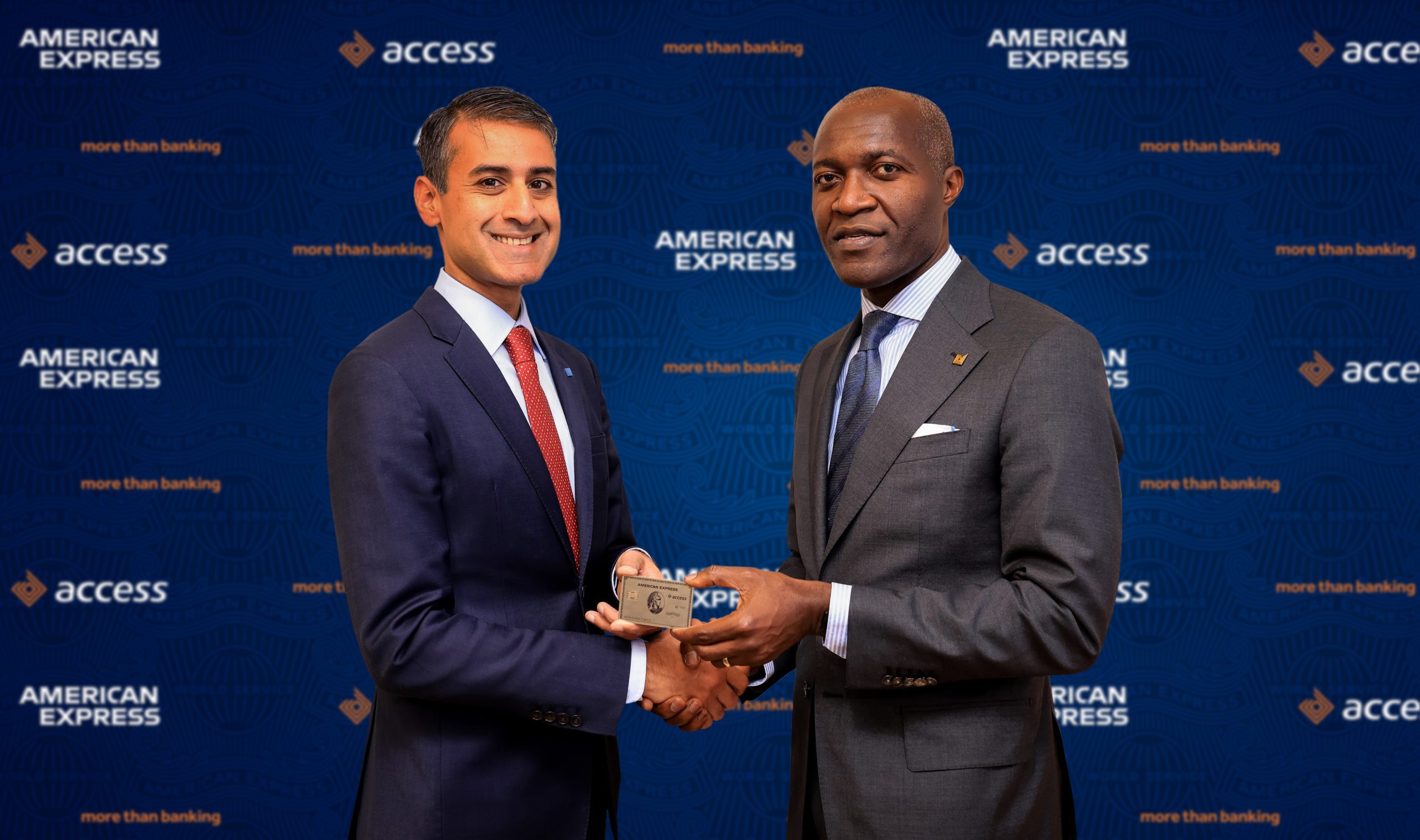
In maintaining its leadership status as Nigeria’s most innovative bank, Access Bank (https://www.AccessBankPlc.com/) has unveiled two new consumer credit cards: the Access Bank American Express Gold Card and the Metal Platinum Card.


These are the first American Express cards to be issued in Nigeria and West Africa.

By launching these cards, Access Bank has improved its overall offering to its retail and private bank customers, who can now enjoy the Membership Rewards loyalty programme and a wide range of travel and lifestyle benefits.

In 2019, Access Bank signed an agreement with American Express to start acquiring merchants, enabling businesses across the country to accept payments from international American Express Cards. The bank is now ready to issue the first American Express credit cards in West Africa.

The Gold and Platinum Cards showcase the international American Express card design, featuring the distinctive ‘Centurion’ icon.

Similar products are also issued outside of Nigeria by American Express or third parties licensed by American Express and provide cardmembers with extensive rewards and benefits.

Through Access Bank, this credit card experience is now available in Nigeria.

Herbert Wigwe, Group Managing Director, Access Holdings, said the cards will be available by request and invitation and customers who have signified interest will begin to enjoy the usage from Tuesday, June 13, 2023.

He said, “We are a bank of many firsts. We do have a wide network and with this partnership, AMEX will have 60 million customers supporting this partnership. It is a massive endorsement for us to work with AMEX in this partnership.

Roosevelt Ogbonna, Managing Director and CEO of Access Bank said: “The launch of American Express Cards in Nigeria is another milestone in the continued development of a vibrant and fast-growing payments industry. Customers want more than transactions – they want real value.

“With American Express, we can provide valuable card benefits, strong loyalty rewards, and a real reason to use electronic payments instead of cash. By diversifying our services to facilitate payments, we can connect more consumers to the SMEs and retail businesses across the country who we know are the engine of economic growth.”

Chizoma Okoli, Deputy Managing Director, Retail South, Access Bank, said the unveiling of the credit cards is a testament to the bank’s leadership role in the country.

We are a globally integrated payments company and one of the world’s largest card issuers

Her words, “We are always at the forefront in the banking sector here in Nigeria and this is our newest innovation as we lead others. You can see these AMEX cards anywhere in Nigeria except here at Access. I know our customers who are going to reap the benefits will be proud of us”.

Victor Etiokwu, Deputy Managing Director, Retail North, said the partnership with American Express is not the first and won’t be the last.

He said, “In the payment world, it is important to have varieties and as a financial sector supermarket, we have varieties of lovely items for the benefit of our customers. AMEX is a unique brand and we have always wanted to have them on our portfolio and we are glad this has become a reality. We will continue to collaborate with AMEX.

Mohammed Badi, President, Global Network Services at American Express, said, “By granting Access Bank a license to launch the first-ever American Express Cards in Nigeria, American Express’ presence in Africa is becoming even more vibrant. The Access Bank American Express Gold Card and the metal Platinum Card enhance the credit card experience in Nigeria with special benefits, access, and service – for Cardmembers both in Nigeria and when travelling overseas.”

Alongside dual-currency functionality (NGN/USD) and international acceptance, the American Express cards include airport lounge access, car rental perks, membership rewards, loyalty points, as well as insurance and protections.

On top of these features, the Platinum Card also offers expanded airport lounge benefits, with complimentary access to more than 1,400 lounges through the American Express Global Lounge Collection.

There are also Hotel perks and upgrades through The Hotel Collection and Fine Hotels + Resorts, special status access in the Hilton Honours, Radisson Rewards, and Marriott Bonvoy rewards programmes.

Other benefits include complimentary access to hotel membership programmes, with Tablet Plus membership and Mr & Mrs. Smith Gold status, 24/7 travel and lifestyle concierge services.

At the launch, Briana Wisley, Vice President and General Manager, Network Partnerships EMEA, American Express, while commenting on the partnership between Access Bank and AMEX said it was only Access Bank that ticked all the boxes they were looking for and AMEX is happy to be doing this with Access Bank.

She said, “Across Nigeria and in West Africa, Access Bank has a great record of expertise and innovations in the payment space. And this is why we are excited to have them as the issuing partner for this product in Nigeria and West Africa. So it is very exciting for both of us.

“We are a globally integrated payments company and one of the world’s largest card issuers. We are happy with Access Bank and we give customers access to products, insights and experiences that make life better and help grow business value. Today, we have more than 135 million cards globally. You can use them in over eight million locations in 198 countries and territories.

“So you can see that we are a global brand and we are glad that Access Bank customers are now going to enjoy all the benefits of having AMEX cards. One of our key objectives is to continue expanding that scale and relevance globally. And we do this in many ways by investing to modernize the AMEX network by launching innovative products and granting licenses to financial institutions like Access Bank, which can issue cards and grant access to our cards to millions of merchants.

“In fact, since 2017, the number of places you can use your AMEX cards globally has more than tripled. And that is a great part, thanks to our wonderful partners like Access Bank”.

For more information on the cards, customers can visit the Access Bank website or contact the Access Bank account officer or relationship manager.

International Trade is conducted in the currencies of major economic powers, largely the US dollar, European Union Euro, Japanese Yen, Chinese Yuan, and UK Pound Sterling. Thus, these currencies clearly have a major impact on how trade is conducted across borders globally, including on the African continent. By the same token, it is important to note that a foreign currency shortage occurs when the demand for the currency exceeds the available supply at the prevailing exchange rate.


Download document: https://apo-opa.info/42JJdVr

“Soberingly enough, over the last year, most countries in sub-Saharan Africa (SSA) have experienced shortages of US dollars. Every African country has felt the impact – however the problem seems to be more severe in economies such as Kenya, Tanzania, Egypt, Zimbabwe, Nigeria, Ghana, and Zambia that rely on the US currency to pay off their foreign debts and fund critical imports of goods and services” says Gerald Ndosi.

What are the key factors contributing to the US dollar shortage?

Against this backdrop, the shortage of the US dollar in key economies in SSA has meant liquidity challenges that can impact trade finance and affect the overall pace of economic activities in the region, catalysed by a few key factors.

Firstly, commodity dependence can affect the volume of dollars available in African markets, as many countries in SSA heavily rely on commodity exports, such as crude oil, minerals, and agricultural products. Fluctuations in commodity prices, which are often denominated in US dollars, can lead to revenue volatility, and affect the availability of US dollars in the local markets.

Secondly, limited export diversification means that the concentration of exports in a few commodities or markets can limit foreign exchange earnings in US dollars. The lack of export diversification makes economies vulnerable to external shocks and reduces the inflow of US dollars, affecting liquidity in the local markets.

Limited access to international capital markets restricts their ability to address dollar liquidity shortages through external borrowing

Thirdly, high import dependence, which implies that sub-Saharan African countries often rely on imports for various goods and services – including essentials like food and fuel, can translate to a shortage of dollars as well. The need to pay for imports in US dollars puts pressure on their demand, especially when local currencies depreciate, or foreign exchange reserves are insufficient. Economic sanctions imposed by Western countries on Russia, including restrictions on its energy sector has contributed for the bulk of global oil price hikes over the last year, thus fuelling pressure on oil importing countries to source more dollars for import bill settlement.

Fourthly, capital outflows and debt servicing burdens can translate into a dollar drain, with SSA having experienced an exodus of capital due to factors like global economic conditions, changes in investor sentiment, and policy uncertainties, the servicing external debt obligations in US dollars can further strain dollar liquidity in the region.

Finally, limited access to international financial markets can compound the problem, as it means that some countries in SSA face challenges in accessing international financial markets and raising funds in US dollars. Limited access to international capital markets restricts their ability to address dollar liquidity shortages through external borrowing.

How can African economies overcome these challenges and promote trade finance?

Addressing these pressing challenges arising from the prevailing US dollar shortage and ensuring sustainable trade finance requires a mixed approach, putting into play multiple strategies such as:

  1. Economic Diversification, Export Promotion and Value Addition: Encouraging diversification of economies beyond commodities can reduce reliance on volatile export markets and enhance foreign exchange earnings, including US dollars. Likewise, promoting value addition in exports and expanding export markets can increase foreign exchange earnings in US dollars and reduce import dependence.
  2. Strengthening Local Currency Liquidity and Financial Institutions: Enhancing local currency liquidity through effective monetary policies, exchange rate stability, and deepening the local financial markets can reduce dependence on the US dollar for domestic transactions. On a related note, strengthening local financial institutions in Africa is essential for sustainable trade finance. By enhancing their capabilities and expanding their reach, these institutions can better support trade activities, provide liquidity, and facilitate financing options denominated in local currencies.
  3. Promoting Regional Integration and Local/Regional Currencies: Promoting regional economic integration and intra-regional trade can facilitate trade settlements in local currencies, reducing reliance on the US dollar for regional transactions. Here, African countries may explore using local currencies or regional currencies, such as the African Continental Free Trade Area (AfCFTA) digital currency, to facilitate intra-African trade. This would reduce reliance on the US dollar and mitigate the impact of US dollar liquidity challenges.
  4. Enhancing Financial Sector Resilience: Strengthening domestic financial institutions, improving risk management frameworks, and encouraging innovation in financial services can enhance the resilience of the financial sector and promote trade finance. African countries can work towards strengthening regional financial infrastructure, including payment systems, clearing mechanisms, and settlement platforms. Enhanced regional integration would foster efficient trade finance processes within Africa, reducing the need for US dollar-based transactions and minimising associated liquidity challenges.
  5. Collaborative Partnerships: Collaborating with international partners, including multilateral development banks and foreign investors is critical, as they can provide support through technical assistance, investment, and capacity building to address US dollar liquidity challenges in SSA. Further, Development Finance Institutions (DFIs) such as the African Development Bank and regional development banks, can play a crucial role in providing trade finance facilities to bridge the liquidity gap. These institutions can offer financial products tailored to African businesses, mitigating risks associated with US dollar liquidity challenges and supporting trade activities.
  6. Settlement in Alternative Currencies: India and China are the biggest trading partners with most of the sub-Saharan African countries and recently, the Indian Central Bank (RBI) has allowed 18 countries, including 6 countries in SSA (Kenya, Tanzania, Seychelles, Mauritius, Botswana, and Uganda) to settle their international trade transactions in rupees. This initiative will help in reducing demand pressure on the US dollar by providing an alternative currency for settlement of international trade transactions.
  7. Harnessing technological innovations: On an overarching note, technology-driven innovations, such as blockchain and digital currencies can offer alternative solutions for trade finance in Africa. Blockchain-based platforms can facilitate secure and transparent trade finance transactions, while digital currencies can streamline cross-border payments and reduce dependence on US dollar liquidity.


By adopting these measures and pursuing a comprehensive strategy, sub-Saharan African countries can work towards overcoming US dollar liquidity challenges, promoting trade finance, and fostering sustainable economic growth in the region.

Trade finance in Africa to overcome challenges for a bright, sustainable future

Thus, despite the challenges posed by US dollar liquidity constraints, there are promising avenues auguring well for the future of trade finance in Africa.

Indeed, through currency diversification, regional integration, and collaborative efforts, suitably synergised by technological innovations, African countries can navigate the challenges and seize opportunities to promote trade, economic growth, and financial stability within the continent.

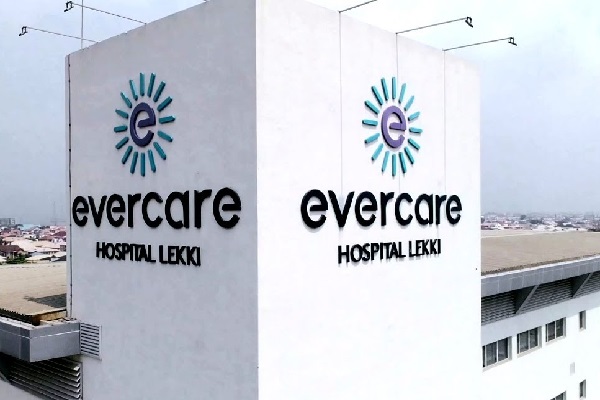
Making a choice of which healthcare service provider to utilize and remain consistent with is oftentimes a challenging one. Besides aesthetics and a fancy outlook, there are several determinants in choosing a healthcare facility. When making decisions like this, you have to consider the quality of care provided, experienced talents, resources, expertise, and the facility’s infrastructure and technology. This simple and important decision begs the question, “Why Evercare Hospital Lekki? (https://www.Evercare.ng/)


Evercare Hospital Lekki is a 165-bed multi-specialty tertiary care hospital that provides care for a variety of specialized medical and surgical services while focusing on patient safety and excellent clinical outcomes. Evercare Hospital Lekki provides quality and accessible healthcare with its team of qualified, well trained, and experienced doctors and consultants. Innovation is at the heart of Evercare Hospital Lekki’s operating model to simplify processes in order to improve the patient experience, and we make the best use of resources, provide better value, improve health outcomes and expand our patient’s access to care.


With our core specialties in Mother and Child services comprising Neonatal Intensive Care (NICU) and Pediatric Intensive Care (PICU), Cardiac Sciences including Interventional Cardiology and Cardiothoracic Surgeries, Oncology (Surgical and Chemotherapy), Minimal Access Surgeries (Neurosurgery, Orthopaedics, General Surgery, Paediatric Surgery, and Gynaecological Surgery).


We also offer 24/7 emergency services with 2 Advanced life support ambulances, cutting-edge infrastructure and technology; patient-centered care while making the best use of technological developments in order to provide accessible, affordable and effective services to enhance life expectancy, quality of life, diagnostic and treatment options.


Specialized Care


A hospital with specialized healthcare professionals offering tertiary care is often indicated as the most preferred and in some cases, the best option in cases of difficult or critical medical conditions, and Evercare offers multi disciplinary specialized care and globally qualified clinical talents who have expert proficiency in treating specialized medical conditions such as cancer related diagnosis, heart diseases, neurological cases, urological procedures, pediatric care and over 10 other specialtie. In the past two years of formal operations, Evercare Hospital Lekki has performed over 2,000 surgeries, including open heart surgeries and laparoscopic pediatric surgeries, advanced and complex general surgeries and orthopedic surgeries, and more than 50 successful interventional cardiology procedures with zero complications and zero mortality.


The following interventional cardiology procedures successfully conducted in our cath lab includes:

  • Coronary Angiography
  • Coronary angioplasty [stenting]
  • Permanent pacemaker
  • Temporary pacemaker
  • Implantable cardioverter defibrillator [ICD]
  • IVC Filters
  • Pericardiocentesis


The following complex surgeries have also been conducted at our facility


Evercare Hospital Lekki has performed over 2,000 surgeries, including open heart surgeries and laparoscopic pediatric surgeries

– Pacemaker Implantation Surgery

– Bilateral Knee Replacement Surgery

– Thyroidectomy Surgery

– Knee Replacement Surgery

– Repair of Type A Aortic Dissection

– Laparoscopic Ureteral Reimplantation & Endoscopic Ablation of PUV In Newborn


Access to Advanced Technology

Evercare Hospital Lekki is equipped with advanced medical technology and equipment, such as a 1.5 Tesla MRI machine, a Spect CT-scan, a 64-slice CT scan. Digital mammography, a 22-bed state-of-the-art Adult Intensive Care Unit, 3-bed Coronary Care Unit, 9-bed state-of-the-art Neonatal Intensive Care Unit, 5-bed Pediatric Intensive Care Unit, an Endoscopy Suite with Gastroscopy, Colonoscopy & ERCP, Catheterization Laboratory (Cath Lab) and a host of other advanced infrastructure For advanced healthcare needs and services.

Emergency Services

We prioritize patient care by providing advanced life support ambulances. We also operate a 24/7 state-of-the art emergency unit which is fully equipped to manage emergency and trauma with a qualified and experienced medical team. For more information on our emergency services call us at 01 700 CARE OR 01 700 2273


Physiotherapy Services

Evercare provides quality physiotherapy services, which include monitoring, medication management, and rehabilitation services, to help patients recover from injuries, surgeries, or illnesses. These treatments include physical therapy and speech therapy. Our physiotherapy rehabilitation center and treatment rooms are adequately equipped with equipment like ultrasound, microwave therapy, electric therapy with waves, laser therapy, and cervical and lumbar tractions.

Quality Healthcare

Quality is at the core of Evercare Hospital Lekki’s healthcare mission to provide the best care and a robust clinical governance process has been implemented to ensure continuous quality improvement and the adherence to international standards for ethics and compliance.


At Evercare Hospital Lekki, we have been strategic in attracting the best talent locally and complementing their skill set with international experts to ensure a highly skilled, well-rounded team. We have a unique combination of best-in-class facilities put to use by an expert team of professionals to deliver quality care to all patients.


The number of identified areas of clusters across Nigeria without access to the telecommunications services has been reduced by 53.1 per cent as at the end of 2022.


The Executive Vice Chairman and Chief Executive Officer of the Commission, Prof. Umar Garba Danbatta, disclosed this at a recent telecoms industry stakeholders forum in Yenagoa, Bayelsa state.


Danbatta, who was represented at the forum by the Head, Pre-Licensing at the Commission, Usman Mamman, said from 207 clusters of access gaps in 2013, the industry has witnessed a reduction to 97 as of end 2022 by bridging 110 clusters of access gaps, representing a 53.1 per cent reduction.


He said by implication, the number of Nigerians who fell within the access gap which were estimated at 37 million in 2013 has been reduced to 27 million, following increased access to telecoms services by those hitherto not digitally included.


Access gaps refer to the cluster of communities or grouped areas in different parts of the country that are bereft of access to telecom services and till date, the NCC has reduced clusters of access gap by more than half.


Danbatta said, “We have worked tirelessly to ensure we bring telecom services to people living in rural, unserved, and underserved areas of this country, totalling 37 million people courtesy of the consultancy that was conducted in 2013.


“By 2019, we had succeeded in reducing the clusters of access gaps to 114 through the deployment of the necessary infrastructure needed to bring services to people living in rural, unserved and underserved areas of the country. The deployment of infrastructure is in terms of base transceiver stations, which resulted in the reduction of Nigerians in those clusters from 37 million to 31 million in 2019.


“By 2022, we have reduced the clusters of access gaps to 97 from 207 in 2013. The number of Nigerians again have come down from 37 million in 2013 to 27 million as we speak. We achieved this by deploying, from 2009 to 2011, a total of 79 new base transceiver stations,” he said


Danbatta stated that in 2013 to 2018, the telecom sector also witnessed the deployment of additional 124 base transceiver stations while from 2019 to 2022, a total of 364 base transceiver stations were deployed.


“So far, the total number of base transceiver stations we have deployed to date between the time the access gaps were identified till the end of 2022 are 567,” he said.


While describing the reduction in access gap so far as a landmark, Danbatta, however, said the Commission will not rest on its oars as it thrives to ensure that the remaining 27 million Nigerians, who currently lack access to telecoms services, are provided with services.


Meanwhile, the EVC said part the regulatory interventions of the Commission to bridge the remaining 97 access across the country to provide ubiquitous connectivity in all the nooks and crannies of Nigeria are the issuance of the Mobile Virtual Network Operator (MVNO) Licences and the deployment of Fifth Generation (5G) networks, among others.


The Nigerian Communications Commission (NCC) has directed Mobile Network Operators (MNOs) and Internet Service Providers (ISP) in the country to comply with regulatory frameworks emplaced by the Commission towards ensuring security and safety of their networks for telecom consumers.

The Executive Vice Chairman and Chief Executive Officer (EVC/CEO) of the Commission, Prof. Umar Danbatta, gave the charge at the 2023 annual Nigeria DigitalSense Forum, focused on Internet Governance for Development, which took place in Lagos recently.

Addressing stakeholders at the event, Danbatta said one of the regulatory framework put in place by the Commission is the Internet Code of Practice (ICP for telecom industry, which is essentially to protect the right of Internet users to an open Internet and provide clear guidelines to Internet Access Service Providers on the use of traffic management practices.

He said the Internet Code also outlines the obligations of Internet Access Service Providers in relation to the protection of consumers’ personal data as well as lists the obligations of Internet Access Service Providers in the handling of offensive and potentially-harmful content, and the protection of minors and vulnerable audiences online; among others.

Through upholding the tenets of Internet Governance Code, Danbatta said the Commission, in collaboration with other stakeholders can make networks safe and get telecom consumers protected online.

Speaking to the theme of the event: “5G: Data Governance, Safety and Security in Nigeria”, Danbatta said building robust legal and regulatory frameworks is a crucial requirement for effective data governance in Nigeria and that the ICP provides the framework in this regard.

The EVC, however, underscored the need for telecom licensees, especially the MNOs and ISPs, to adhere strictly to industry frameworks that seek to enthrone effective governance in Internet delivery services.

Represented by the NCC’s Head, New Media and Information Security, Dr. Chidi Diugwu, the EVC said with the emergence of new technologies such as the Fifth Generation (5G), currently being deployed in Nigeria, the need has come to pay greater attention to the issue privacy, data integrity and online trust across telecom networks.

“As we embrace the transformative potential of newer technologies such as 5G, we must prioritize safety concerns because the amount and speed of data generated using 5G technology is unprecedented. As such, we need to always prioritise consumer privacy, transparency, and ethical data use; and this can be achieved by cultivating trust and handling data responsibly, and by doing so, we can unlock the full potential of 5G technology and promote innovation in Nigeria,” he said.

While emphasizing that the Nigerian Communications Act (NCA) 2003 requests NCC’s licensees to prevent their network facilities or services from being used in for the commission of any offence under any law in operation in Nigeria, Danbatta said “In this regard, licensees are required to collaborate with the Commission by complying with their legal and regulatory obligations towards ensuring effective Internet governance in Nigeria.”