








Every year, malaria continues to claim hundreds of thousands of lives globally, with sub-Saharan Africa accounting for the overwhelming majority of cases and deaths. In Nigeria, where millions of people still seek treatment from neighbourhood pharmacies and patent medicine vendors rather than hospitals, one of the biggest challenges facing health authorities is the lack of timely and reliable community-level data.
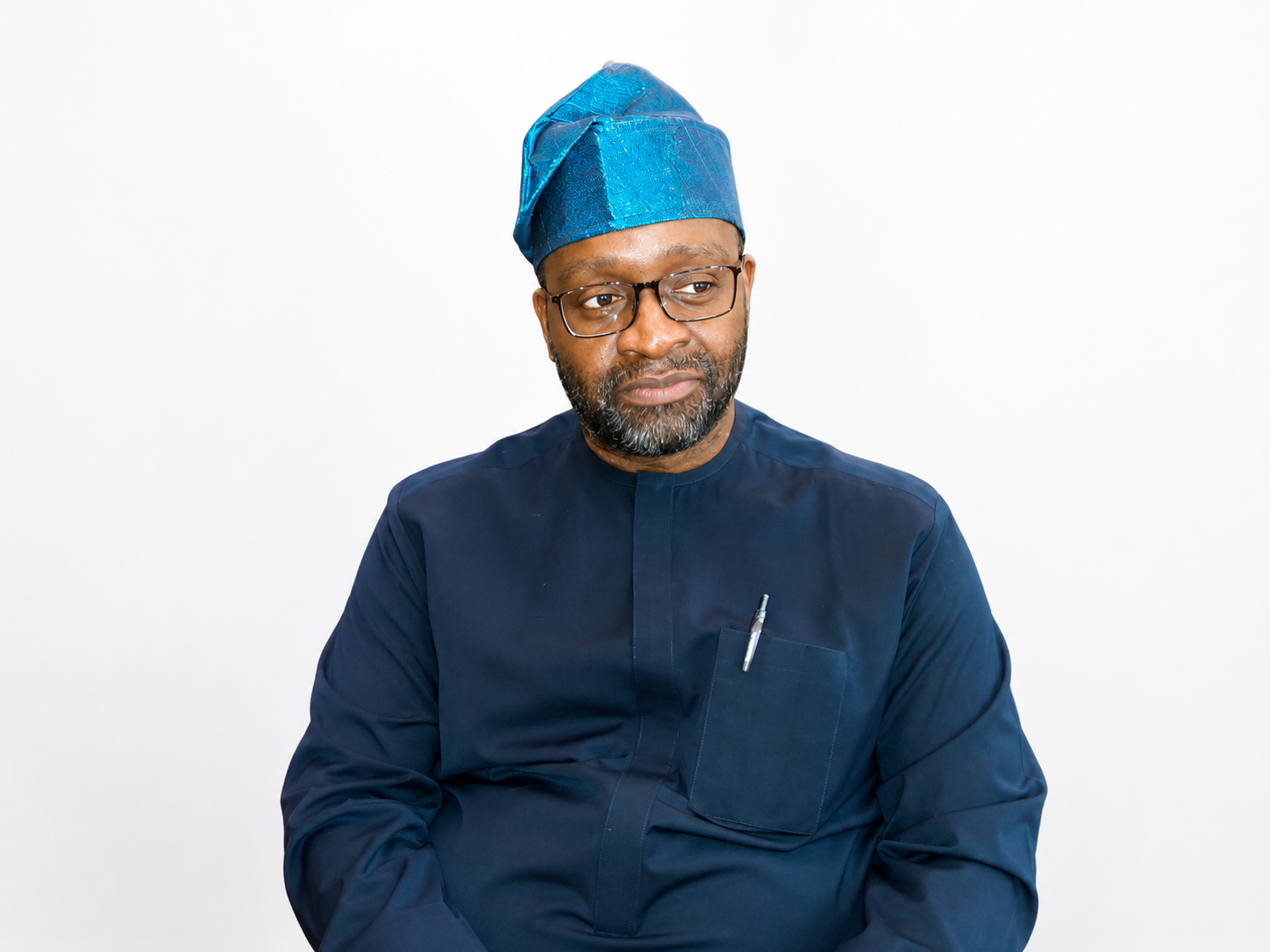
Dr. Ashifi Gogo, Founder and Chief Executive Officer of Sproxil, believes that gap can be closed with technology.
A technology entrepreneur and engineer, Dr. Gogo founded Sproxil to combat counterfeit medicines through its widely adopted mobile medicine verification platform. Today, the company is taking that mission a step further—using Artificial Intelligence (AI) and real-time consumer data to help governments understand how malaria spreads, where treatment is being sought, and where interventions are needed most.
Speaking on the sidelines of a strategic workshop on Artificial Intelligence and malaria elimination in Lagos, Dr. Gogo shared how Sproxil is partnering with governments, researchers and global health organisations to transform everyday medicine purchases into actionable public health intelligence.
Q: What role do you see Artificial Intelligence playing in Nigeria’s fight against malaria?
Dr. Ashifi Gogo: This workshop has brought together the public and private sectors to discuss one important question: how can Artificial Intelligence help solve real healthcare problems?
For us, AI is not about replacing people; it is about helping them make better decisions. Governments collect enormous amounts of health data, but much of it is still processed manually. By the time reports are compiled, analysed and shared, the information may already be outdated.
Artificial Intelligence changes that. It enables us to clean, analyse and interpret data in real time, giving health authorities faster insights into what is happening on the ground. Ultimately, AI helps governments respond more quickly and allocate resources more effectively. If we combine innovation with strong public health systems, we can accelerate Nigeria’s journey towards becoming malaria-free.This is captured By Anthony Emeka Nwosu
Q: What would you consider the biggest success coming out of this workshop?
Dr. Ashifi Gogo: Success, for me, is achieving genuine collaboration between government and the private sector.
Traditionally, malaria surveillance has relied heavily on information collected from public hospitals and healthcare facilities. But millions of Nigerians never visit those facilities. They buy medicines directly from community pharmacies or Patent and Proprietary Medicine Vendors (PPMVs).
Those interactions generate valuable information, yet they are largely invisible to the National Malaria Elimination Programme.
If we can combine government data with insights from the private healthcare ecosystem, policymakers will have a much clearer picture of where malaria is occurring and where interventions are most urgently needed. Better information leads to better decisions.
Artificial Intelligence changes that. It enables us to clean, analyse and interpret data in real time, giving health authorities faster insights into what is happening on the ground. Ultimately, AI helps governments respond more quickly and allocate resources more effectively. If we combine innovation with strong public health systems, we can accelerate Nigeria’s journey towards becoming malaria-free.

Q: How can this data-driven approach help reduce child deaths and ease the burden malaria places on families?
Dr. Ashifi Gogo: Malaria is a disease that moves very quickly, especially in young children.
Parents need to recognise the symptoms early and seek proper treatment immediately because delays can be fatal. The challenge is that awareness is not evenly distributed. Some communities have access to health information while others do not.
Because Sproxil captures anonymous information from people purchasing medicines in their local communities, we can identify where awareness is low and where malaria cases appear to be increasing.
Instead of running nationwide campaigns that may not reach the people who need them most, governments can target specific Local Government Areas with education, testing and prevention programmes. That makes every naira invested far more effective and ultimately saves more lives.
Q: Sproxil collects information from consumers. How do you ensure privacy and comply with Nigeria’s data protection laws?
Dr. Ashifi Gogo: Trust has always been the foundation of our business.
Every piece of information we collect is entirely voluntary. Consumers first use Sproxil to verify that the medicine they have purchased is genuine.
After that process is complete, they are invited—not required—to participate in a short survey if they wish to contribute to malaria research.
If they decide not to participate, nothing happens. They simply close the application or end the session.Our approach is built on consent, transparency and respect for users’ privacy. Protecting personal data is fundamental to maintaining public confidence.
Q: Many Nigerians still do not verify their medicines before taking them. How is Sproxil encouraging greater public participation?
Dr. Ashifi Gogo: Awareness alone is often not enough…People may see a billboard or television commercial, but when they are standing inside a pharmacy feeling sick, they may not remember to verify their medicine.
So we are creating incentives that encourage verification at the exact moment people purchase medicines.
For example, consumers who complete voluntary surveys may receive small airtime rewards as appreciation for their participation.
We also encourage pharmacists and medicine vendors to promote medicine verification and provide referral opportunities that allow satisfied users to invite friends and family through platforms like WhatsApp.The goal is to make medicine verification a simple habit rather than an occasional activity.
Traditionally, malaria surveillance has relied heavily on information collected from public hospitals and healthcare facilities. But millions of Nigerians never visit those facilities. They buy medicines directly from community pharmacies or Patent and Proprietary Medicine Vendors (PPMVs).
Q: The World Health Organization participated in this engagement. How important is that partnership?
Dr. Ashifi Gogo: The WHO brings decades of expertise in public health research, surveillance and data standards.
Working together helps ensure that the methods we use to collect and analyse information meet internationally accepted scientific standards.
That is important because if Nigeria develops a successful, cost-effective model for gathering community health intelligence, the same approach can be adapted and deployed in other countries facing similar malaria challenges.
This is about creating solutions that are not only effective in Nigeria but scalable across Africa and other parts of the world.
Q: Looking ahead, where do you see Sproxil over the next five years?
Dr. Ashifi Gogo: Our journey can be described in three words: Trust. Intelligence. Impact.
For the past fifteen years, we have built trust by helping millions of consumers verify that their medicines are genuine.
Now we are transforming that trusted relationship into intelligence—using data and Artificial Intelligence to support better public health decisions.
The final step is impact.
Every year, between one and two million people use Sproxil to verify medicines. Behind every verification is a person making a safer healthcare decision.
We are expanding our operations across Nigeria, recruiting talented professionals and strengthening our presence in every state because we believe technology should deliver measurable improvements in people’s lives.
Our ambition is simple: to use trusted technology, intelligent data and strong partnerships to help build healthier communities—not only in Nigeria but wherever these solutions can make a difference.
Editor’s Note: Sproxil was founded by Dr. Ashifi Gogo in 2009 as an anti-counterfeiting and brand protection technology company. Today, the company works with governments, pharmaceutical manufacturers and development partners across Africa and Asia, using mobile verification technologies, digital health solutions and artificial intelligence to strengthen medicine safety and public health surveillance.