






Leading voices from Nigeria’s financial, technology, energy, and public sectors convened in Lagos for the Doing Business in Nigeria Conference 2026, where stakeholders called for stronger collaboration, inclusive innovation, and practical leadership strategies to accelerate economic growth across Africa.
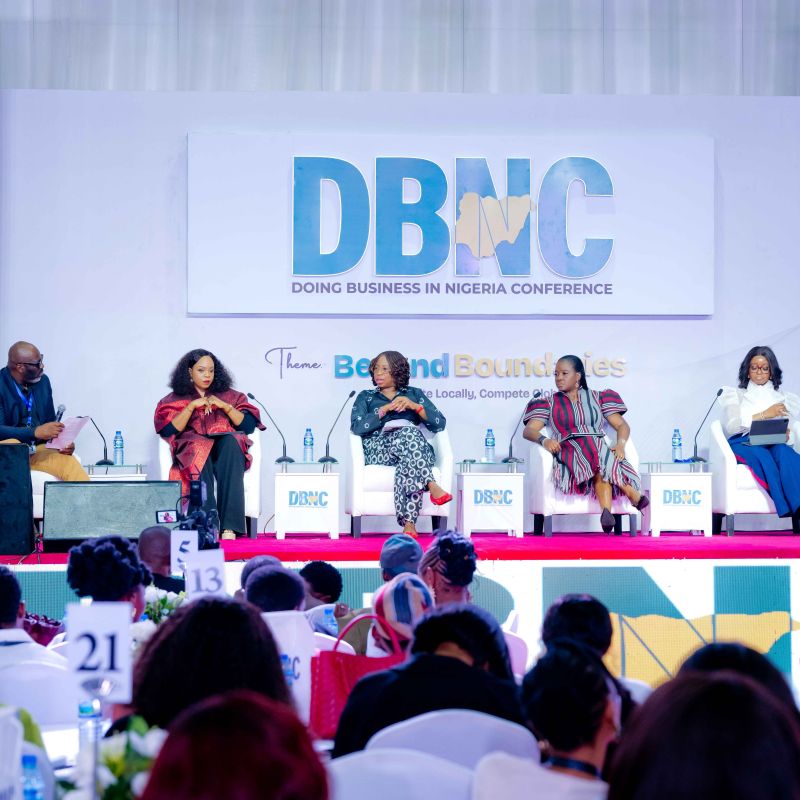
The high-level conference featured an executive roundtable themed “Leadership without Precedent,” bringing together senior executives, policymakers, and industry experts to discuss the future of leadership in a rapidly evolving digital and economic landscape.
Among the notable speakers at the event was Dr. Folasade Femi-Lawal, a respected fintech and digital transformation leader recognized for her contributions to financial technology and innovation across the EEMEA region. Speaking after the session, Femi-Lawal described the gathering as a significant step toward transforming ideas into meaningful action.
The event was convened by Linda Uneze, who was commended for assembling influential leaders committed to driving impactful conversations around Nigeria’s economic and business environment.
Femi-Lawal joined a distinguished panel that included Yetunde Oni, Managing Director of Union Bank of Nigeria; Folake Soetan, Chief Executive Officer of Ikeja Electric; as well as Dr Jumoke Oduwole, Nigeria’s Honourable Minister of Trade, alongside other business and policy leaders.
Discussions during the roundtable centered on how African economies can harness innovation to deliver tangible benefits for businesses, entrepreneurs, and underserved communities. Participants highlighted the importance of building sustainable systems that extend beyond access to technology and focus instead on meaningful participation within the digital economy.
According to Femi-Lawal, Africa’s next phase of growth will depend on the ability of leaders and institutions to create scalable ecosystems rooted in real market needs.
“One idea stayed with me,” she noted. “Africa’s opportunity lies in how we turn innovation into impact that reaches real people, real businesses, and real communities.”
She further emphasized that sustainable economic transformation would require stronger collaboration between governments, private sector institutions, and innovation-driven enterprises to create opportunities that are both inclusive and scalable.
Industry observers at the conference noted that the conversations reflected growing momentum around digital transformation in Nigeria and across Africa, particularly in sectors such as fintech, energy, banking, and trade.
The event also underscored the increasing role of women in leadership positions across critical industries, with several prominent female executives and policymakers contributing to discussions on economic development, innovation, and institutional transformation.
Beyond the formal sessions, participants continued networking and exchanging ideas, reinforcing the conference’s broader goal of encouraging partnerships capable of translating strategic dialogue into measurable economic impact.
Organisers said the conference aimed to strengthen collaboration among business leaders, investors, policymakers, and innovators working to improve Nigeria’s business environment and position the country as a leading destination for investment and digital innovation in Africa.