


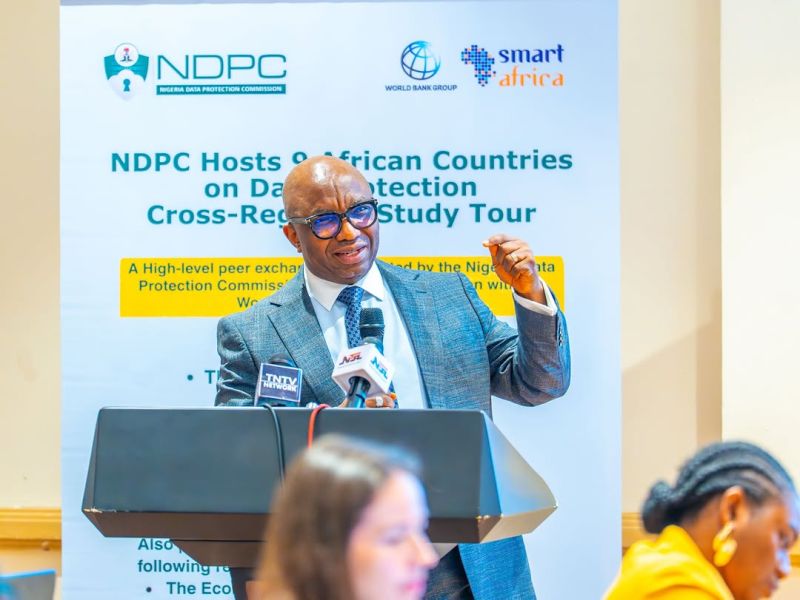






The Nigeria Data Protection Commission (NDPC) has hosted a cross-regional peer exchange programme involving nine African countries, in collaboration with the World Bank and Smart Africa, as part of efforts to strengthen data governance and privacy frameworks across the continent.
The initiative, led by the National Commissioner/CEO of the NDPC, Vincent Olatunji, brought together Data Protection Authorities (DPAs) from Burundi, Ethiopia, The Gambia, Kenya, Liberia, Malawi, Sierra Leone, Somalia, and Zambia.
The programme also included participation from regional bodies such as the Economic Community of West African States (ECOWAS), the Economic and Monetary Community of Central Africa (CEMAC), and the Intergovernmental Authority on Development (IGAD).
Speaking at the event, Olatunji commended the World Bank and Smart Africa for their continued support in advancing data protection and privacy initiatives across Africa. He noted that the peer exchange comes at a critical time, offering participating regulators an opportunity to share experiences and strengthen institutional capacity.
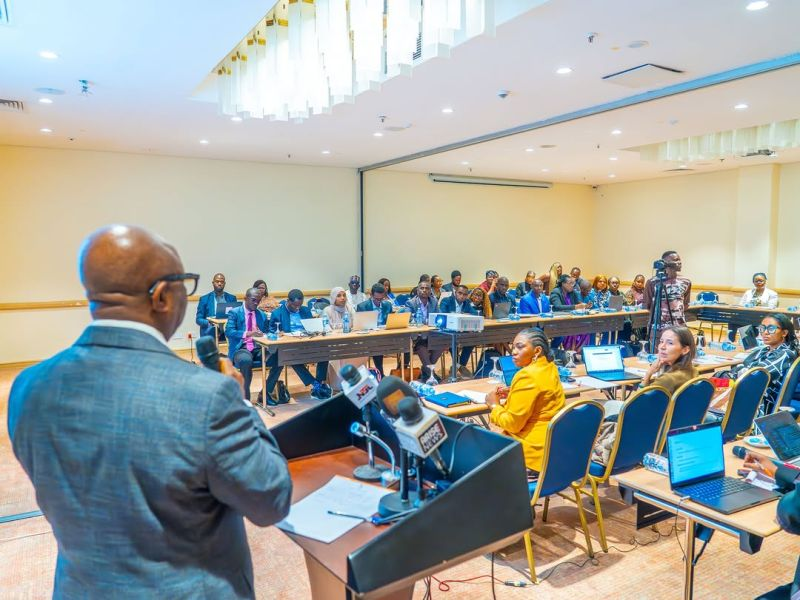
He further highlighted the importance of harmonising data protection laws across African countries, drawing comparisons with regulatory frameworks in Europe. According to him, coordinated policies would help ensure that data controllers and processors comply with obligations while also improving public awareness of data subject rights.
Olatunji also urged participating countries to deepen collaboration with government institutions and the private sector to develop practical and enforceable data protection regulations.
The NDPC stated that the initiative builds on earlier engagements in 2025, when it hosted several African DPAs in partnership with the African Union and the European Union on a data governance study visit.
The commission said the programme reflects ongoing efforts to strengthen cross-border cooperation in digital governance and aligns with Nigeria’s broader vision for improved international collaboration in the digital economy.