







The Federal Government has advanced discussions with the World Bank on additional financing for an expanded phase of its social intervention programme, NG-CARES 2.0, aimed at strengthening economic resilience and supporting vulnerable households across Nigeria.
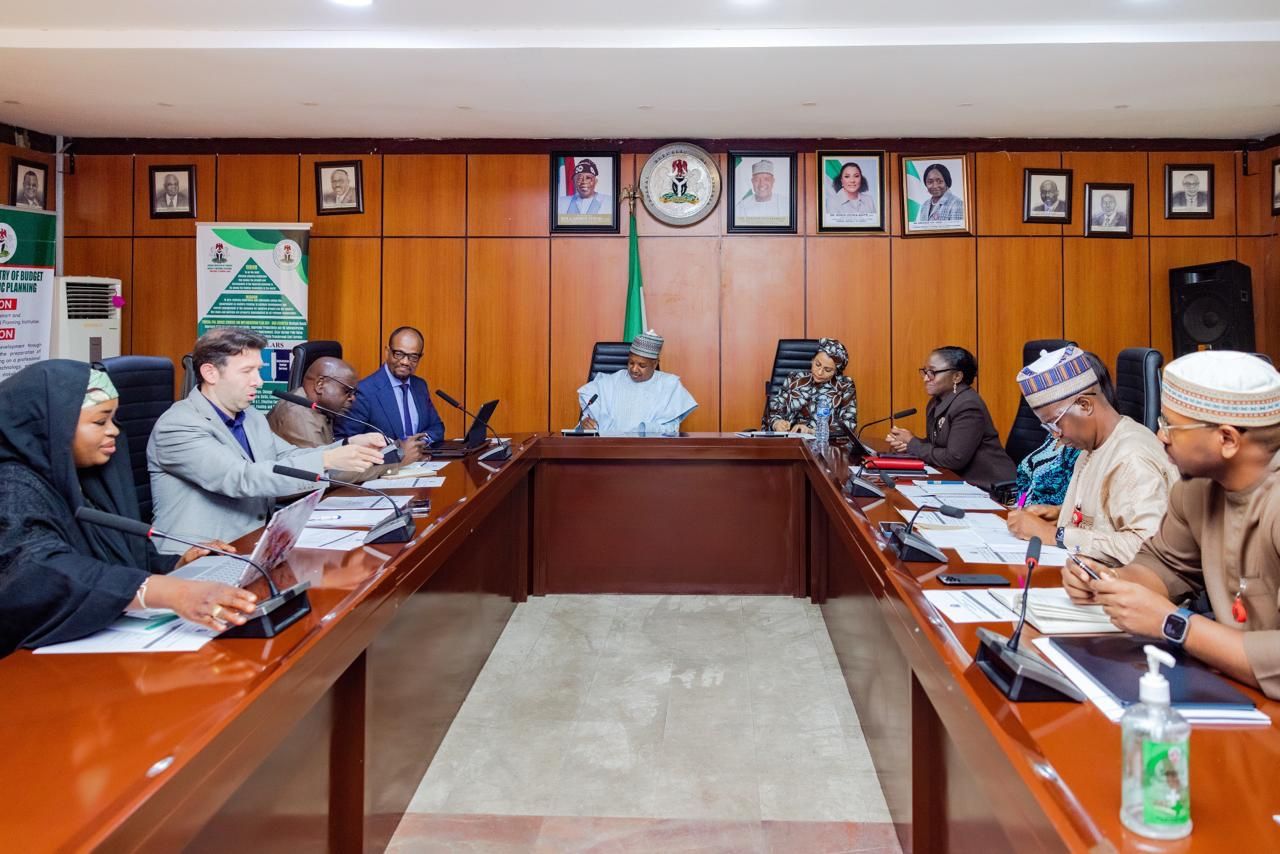
Minister of State for Budget and Economic Planning, Doris Uzoka-Anite, disclosed that she and the Minister of Budget and Economic Planning, Senator Abubakar Atiku Bagudu, recently held a technical meeting with World Bank officials to review funding arrangements and implementation frameworks for the next phase of the programme.
NG-CARES, formally known as the Nigeria COVID-19 Action Recovery and Economic Stimulus programme, is a major social protection initiative designed to help states cushion the impact of economic shocks, support small businesses, and provide relief to low-income households. The proposed NG-CARES 2.0 is expected to expand the scale and efficiency of these interventions.
According to Uzoka-Anite, discussions focused on strengthening the technical and financial structures needed to ensure more effective delivery in the next phase of the programme. Key areas of attention included improving coordination mechanisms, enhancing transparency in fund utilisation, and ensuring that support reaches intended beneficiaries more efficiently.
The meeting also explored how catalytic funding from development partners such as the World Bank could be leveraged to boost the programme’s reach and sustainability. Officials emphasized the importance of aligning international support with Nigeria’s broader economic strategy, particularly efforts aimed at inclusive and investment-driven growth.
Government representatives noted that strengthening social safety nets remains central to protecting human capital and reducing vulnerability among households affected by inflation, unemployment, and other economic pressures.
The Federal Government reiterated its commitment to ensuring that NG-CARES 2.0 delivers broader impact through improved implementation structures and stronger partnerships with multilateral institutions.
The expanded programme is expected to play a key role in Nigeria’s ongoing efforts to build economic resilience while supporting long-term development objectives.