Concerns are mounting over the rapid growth of illicit alcohol trade in South Africa, as industry leaders warn of its far-reaching economic and social consequences.
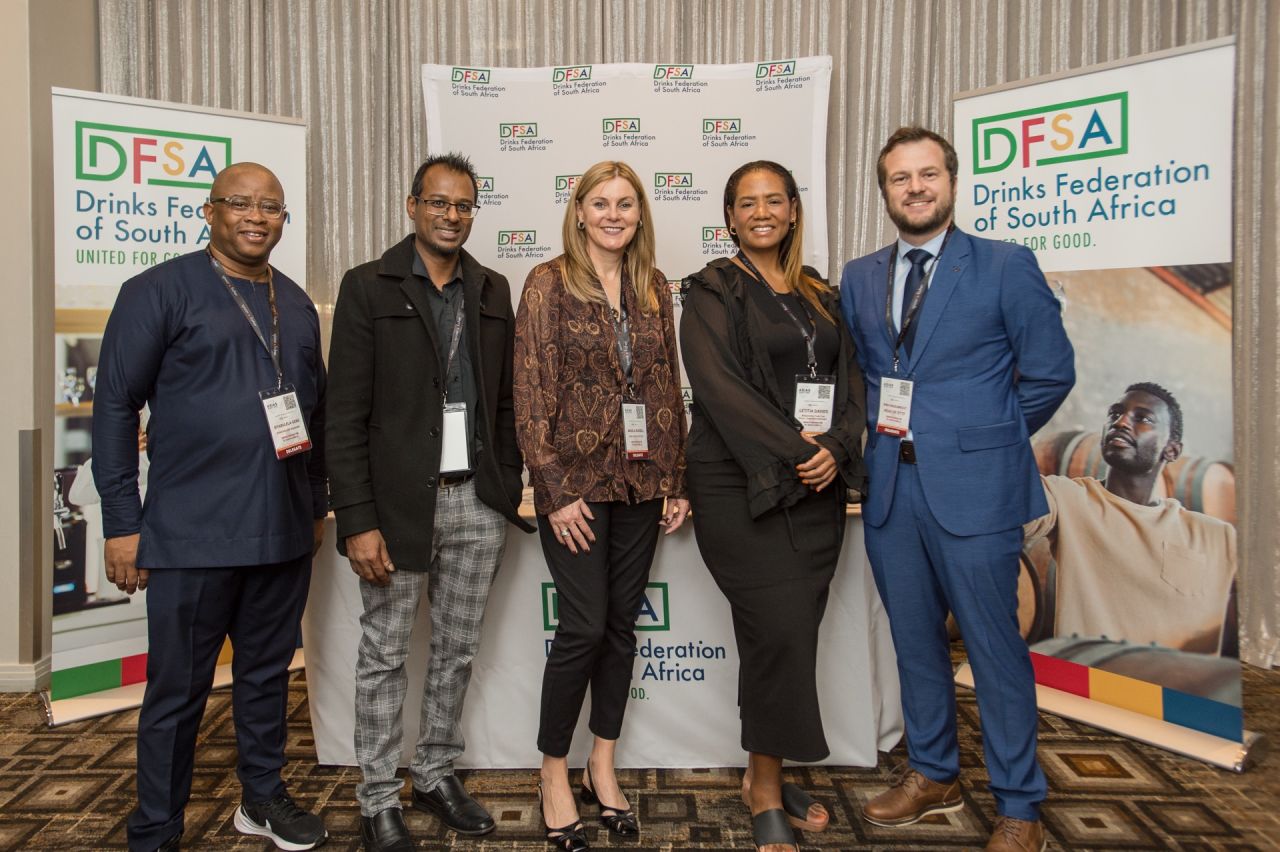
Speaking at the EMEASec 2026, Sola Oke, Managing Director at Pernod Ricard, highlighted the scale and urgency of the issue while representing the Drinks Federation South Africa (DF-SA).
The event brought together stakeholders from industry, law enforcement, and technology sectors to address the growing threat of counterfeiting and illegal trade across the region.
Rising Threat to Consumers and Economy
According to industry estimates, illicit alcohol in South Africa has seen a sharp increase, with illegal operators exploiting price gaps ranging between 37 and 70 percent. These lower prices often attract unsuspecting consumers, many of whom are unaware of the potential health and safety risks associated with unregulated products.
Experts warn that beyond lost revenue, the proliferation of counterfeit alcohol poses serious public health dangers, as such products may bypass safety standards and quality controls.
“This is not just an economic issue,” Oke noted. “It is a societal issue driven by organised criminal networks.”
Organised Crime and Systemic Risks
Authorities and industry observers link the rise in illicit trade to increasingly sophisticated criminal networks that exploit regulatory gaps and enforcement challenges. These groups benefit from fragmented industry responses and limited coordination among stakeholders.
The impact extends beyond consumers, affecting legitimate businesses, reducing government tax revenues, and undermining confidence in regulated markets.
A Unified Industry Response
In response, the Drinks Federation South Africa has launched the Responsible Trade Task Force, an initiative aimed at strengthening collaboration across public and private sectors.
The task force is designed to shift from isolated interventions to a more coordinated, intelligence-driven approach. It brings together key stakeholders—including manufacturers, regulators, and law enforcement agencies—to share data, align strategies, and improve enforcement outcomes.
Industry leaders say the initiative marks a critical step toward addressing illicit trade more effectively.
Prioritising Safety Over Competition
A central message from the conference was the need to treat illicit trade as a shared threat rather than a competitive issue among companies.
“Our aim is not about market share,” Oke emphasized. “It is about consumer safety, trust, and the integrity of our economy.”
This collaborative stance reflects a broader shift in industry thinking, with companies increasingly recognising that tackling illegal trade requires collective action.
Strengthening Market Integrity
Participants at EMEASec 2026 stressed that sustained collaboration will be essential to curbing illicit trade. This includes leveraging technology for tracking and authentication, enhancing regulatory enforcement, and raising consumer awareness.
As illicit trade continues to evolve, stakeholders agree that protecting legal markets and safeguarding consumers will depend on coordinated, long-term efforts.
The launch of the Responsible Trade Task Force signals a renewed commitment to that goal, as industry and public sector leaders work together to restore trust and stability in the marketplace.