









Dr. Yinka Opeke, a prominent global business strategist and China–Africa trade consultant, has reiterated the importance of deepening economic and industrial ties between Africa and China following a recent visit to Xuzhou.
During his visit, Opeke toured a large-scale manufacturing facility, where he observed firsthand the operational efficiency that continues to position China as a global leader in industrial production. He described the experience as a powerful reminder of why he remains actively engaged in the Chinese market, citing not only the size of the operations but also the precision, structure, and discipline embedded in every stage of production.
According to Opeke, China’s strength lies in its ability to transform innovative ideas into well-organized systems that can be scaled for global impact. He emphasized that this level of intentionality in industrial processes offers valuable lessons for African economies seeking to expand their manufacturing capacity and improve productivity.
The business strategist also underscored the growing importance of collaboration between Africa and China, noting that both regions stand to benefit significantly from stronger partnerships. He pointed to opportunities in trade, technology transfer, and knowledge exchange as key drivers for mutual growth and sustainable development.
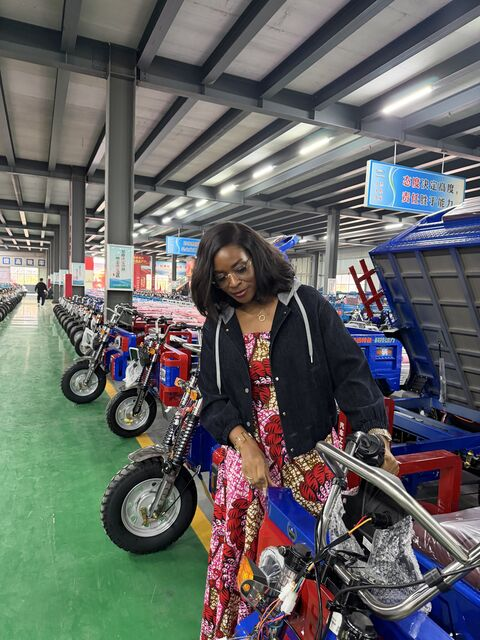
Opeke added that his continued visits to China are not merely exploratory but strategic, aimed at positioning himself and his ventures for long-term impact. He explained that each engagement—whether through factory tours or business discussions—helps refine his vision and broaden his understanding of global market dynamics.
As Africa continues to pursue industrialization and economic diversification, voices like Opeke’s highlight the potential of cross-continental cooperation in shaping a more interconnected and economically resilient future.
China’s strength lies in its ability to transform innovative ideas into well-organized systems that can be scaled for global impact. He emphasized that this level of intentionality in industrial processes offers valuable lessons for African economies seeking to expand their manufacturing capacity and improve productivity.