






By ANTHONY EMEKA NWOSU
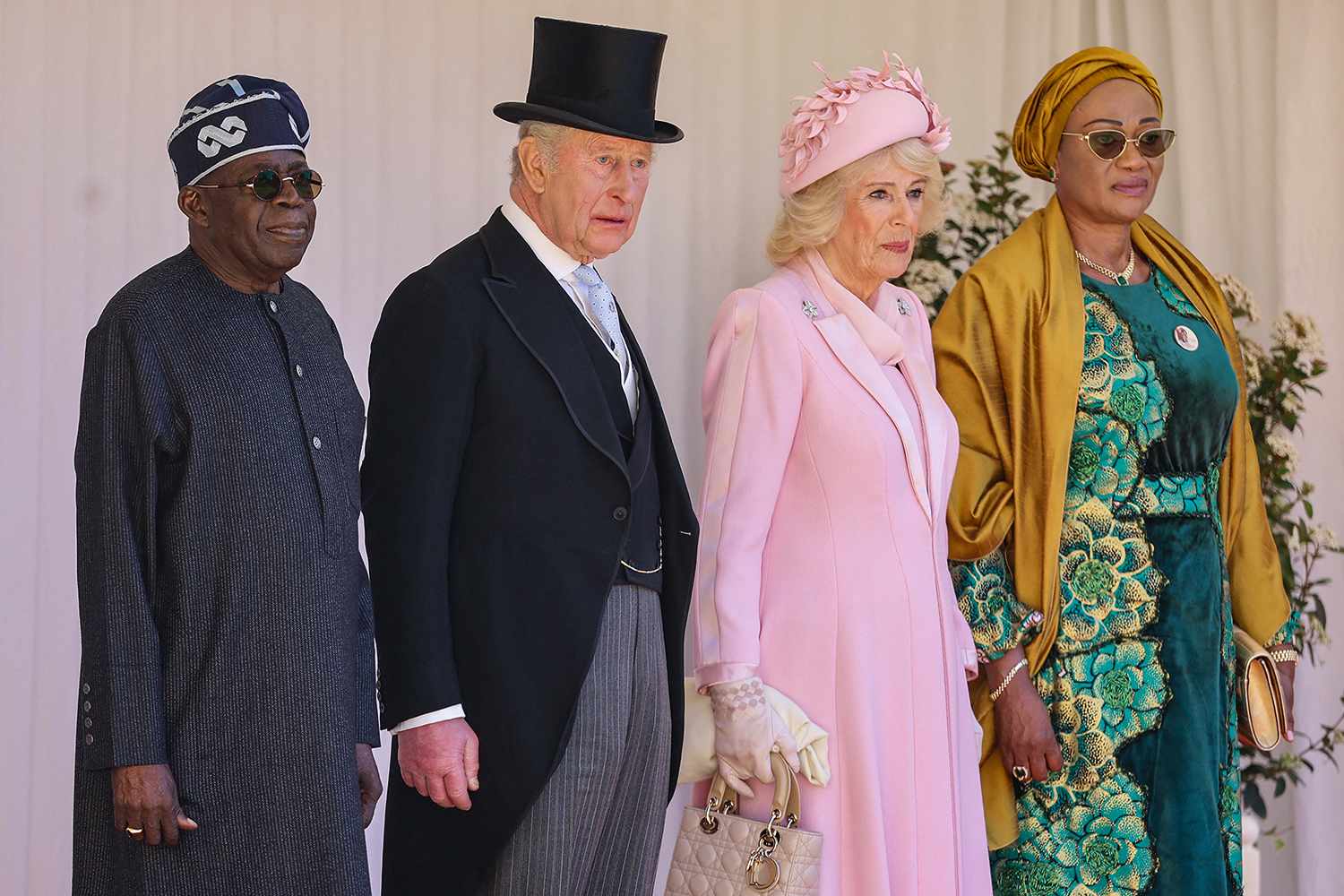
A recent commentary by public affairs analyst and CSR advocate, Eche Munonye, has ignited fresh conversations around leadership, political strategy, and Nigeria’s evolving role on the global stage, following President Bola Ahmed Tinubu’s state visit to the United Kingdom.
Munonye described the visit as a defining moment that calls for “honesty—even when uncomfortable,” urging Nigerians to rise above partisan divides in evaluating national leadership.
While acknowledging that he did not support Tinubu in the last election and remains undecided about future backing, Munonye stressed the importance of objective analysis. He noted that the president has demonstrated political resilience, strategic calculation, and an ability to navigate complex governance structures.
According to him, the UK visit is not merely ceremonial but reflects Nigeria’s renewed effort to reposition itself within global diplomatic and economic conversations.
However, he cautioned that the visit does not erase Nigeria’s pressing domestic realities, including economic hardship, governance gaps, declining public trust, and widening inequality.
Social Implications
Beyond political analysis, Munonye’s remarks have drawn attention to the broader social implications of leadership perception and international engagement.
Analysts note that high-profile foreign visits such as this often shape public sentiment at home, influencing how citizens perceive legitimacy, competence, and national direction. For many Nigerians, international recognition can reinforce a sense of national pride and global relevance, particularly at a time when economic pressures continue to weigh heavily on households.
At the same time, there is a growing disconnect between elite political signaling and everyday lived realities. While diplomatic engagements project strength abroad, citizens facing inflation, unemployment, and cost-of-living challenges may view such trips with skepticism, questioning their direct impact on grassroots development.
Munonye’s commentary also highlights a critical issue in Nigeria’s civic space — the weakening of constructive opposition and informed public discourse. The lack of a clearly defined and compelling alternative political vision, observers say, risks deepening voter apathy, especially among young people who already feel disillusioned with governance outcomes.
Furthermore, his emphasis on “organisation, visibility, and strategic engagement” underscores a social reality in Nigeria’s democracy: political success is increasingly tied to structure and narrative control, rather than ideology alone. This trend may shape how future political actors mobilize support, communicate policies, and build trust with the electorate.
There are also implications for civic responsibility. Munonye’s call for uncomfortable but necessary conversations suggests a need for more critical engagement from citizens, civil society groups, and the media in holding leaders accountable while avoiding purely emotional or polarized reactions.
Looking Ahead
Munonye reiterated his earlier projection that President Tinubu may have a strong path toward the 2027 elections, citing the apparent coordination and visibility of the ruling party compared to a less organized opposition.
He maintained that his position is not an endorsement but an observation rooted in current political realities.
As debates continue, the intersection of leadership performance, public perception, and social impact remains central to Nigeria’s democratic journey—raising important questions about governance, accountability, and the role of citizens in shaping the nation’s future.