


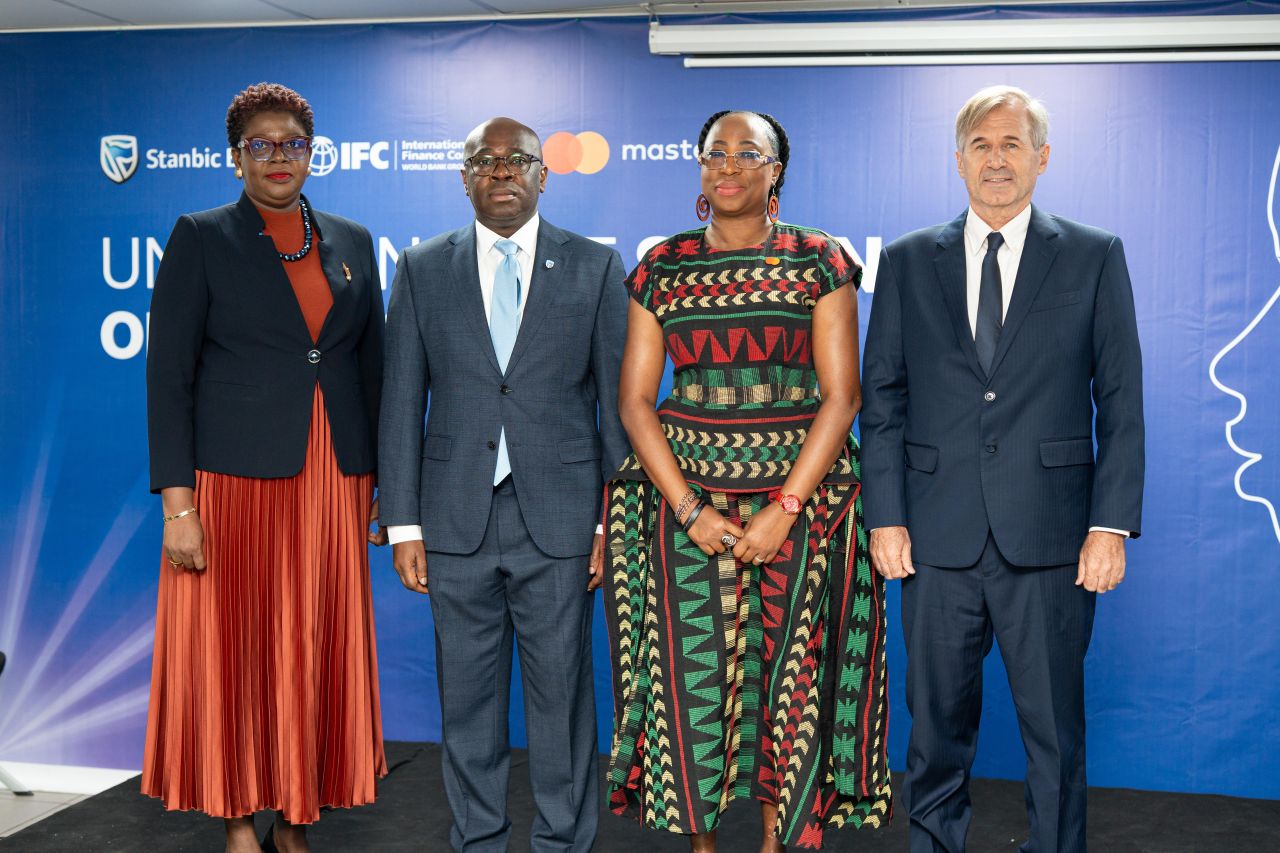
In a major boost for financial inclusion and digital entrepreneurship in Africa, global payments technology company Mastercard has partnered with Stanbic Bank Ghana and the International Finance Corporation (IFC) to expand support for women-led small and medium-sized enterprises (SMEs) in Ghana.
The initiative, highlighted during the global commemoration of Women’s History Month, underscores the growing role of fintech partnerships in unlocking opportunities for female entrepreneurs who continue to face barriers in accessing finance, digital tools and market opportunities across Africa.
According to fintech leader Folasade Femi-Lawal, strengthening the financial and digital infrastructure that supports women entrepreneurs is critical to driving inclusive economic growth on the continent.
Across Africa, women-owned businesses play a significant role in economic development by creating jobs, strengthening local supply chains and supporting community livelihoods. However, many female entrepreneurs still struggle with limited access to financing, digital payment systems and broader markets.
Industry experts say fintech solutions are increasingly becoming a powerful tool to bridge these gaps.
Through the collaboration, Mastercard, Stanbic Bank Ghana and IFC aim to expand access to digital financial services while enabling women-led SMEs to integrate into modern payment ecosystems. The initiative will also support improved access to digital infrastructure, secure payment acceptance systems and networks that connect businesses to regional and global markets.
By leveraging fintech platforms and trusted digital payment systems, the partnership is expected to help women entrepreneurs formalize their businesses, expand their customer base and scale their operations in a rapidly evolving digital economy.
Femi-Lawal noted that financial inclusion alone is not enough to unlock the potential of female entrepreneurs.
“Closing the gap requires more than access to financial services. It requires secure digital infrastructure, trusted transaction systems and strong collaboration across the ecosystem,” she said.
Mastercard’s broader strategy in Africa focuses on strengthening payment acceptance networks, improving trust in digital transactions and enabling small businesses to participate more actively in the digital economy.
Development finance experts say initiatives like this are essential for building resilient African economies. When women-led SMEs thrive, the benefits extend beyond individual businesses to families, communities and national economies.
Empowering female entrepreneurs through fintech innovation and strategic partnerships is increasingly seen as a key driver of sustainable development across Africa’s rapidly expanding digital economy.
As digital payments and fintech adoption continue to grow across the continent, collaborations between global technology firms, financial institutions and development partners are expected to play a pivotal role in shaping a more inclusive and prosperous future for Africa’s entrepreneurs.
ANTHONY EMEKA NWOSU