







New health financing analysis has revealed widening disparities in healthcare funding across Nigeria, raising renewed concerns about equitable access to essential medical services nationwide.
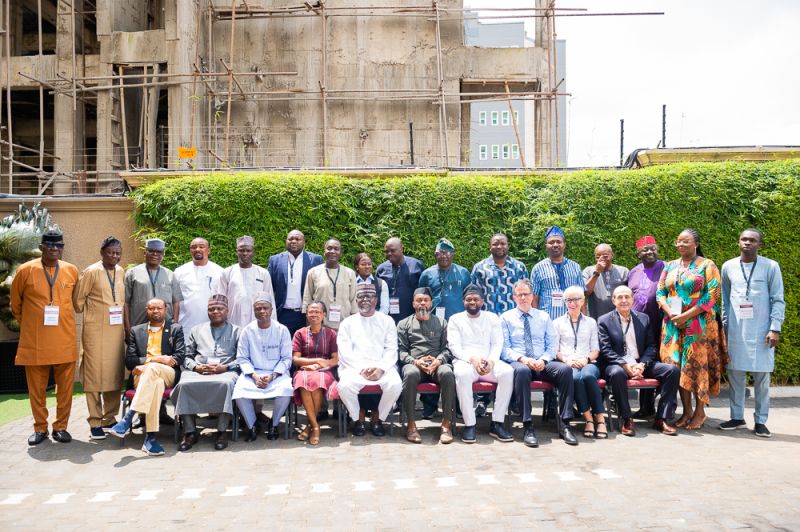
The findings were shared by Oyebanji Filani, Commissioner for Health and Human Services in Ekiti State, following participation in a leadership capacity program under the Transformative Health Financing (THF) Course organized for the Nigeria Health Commissioners’ Forum in collaboration with the TEKANO Group.
The course was designed to strengthen leadership capacity among health policymakers and accelerate Nigeria’s progress toward achieving Universal Health Coverage (UHC).
States Now Fund Majority of Primary and Secondary Healthcare
According to the new analysis, Nigeria’s sub-national governments are increasingly becoming the primary financiers of healthcare delivery.
The report shows that state governments now fund approximately four out of every ten naira spent on government health expenditure, effectively positioning states as the principal financial backbone for primary and secondary healthcare services that serve millions of Nigerians.
Health policy experts say this shift reflects the growing fiscal responsibilities placed on state governments in managing frontline healthcare delivery systems.
Stark Inequalities Across States
However, the report highlights severe inequalities in healthcare financing across Nigeria’s 36 states.
Per capita health spending varies dramatically, ranging from $0.4 to $5.9 per person, representing more than a tenfold difference between high-performing and low-performing states.
Two primary factors were identified as drivers of this disparity:
- Overall state revenue and spending capacity, which varies by nearly nine times across regions
- Budget prioritization levels for health, with allocations ranging from 0.6% to 13.1% of total state budgets
Public health analysts warn that such funding gaps have direct consequences for citizens, affecting access to maternal care, childhood immunization programs, and salaries for community health workers.
Impact on Healthcare Outcomes
Experts emphasize that these financing gaps translate into real-life outcomes for Nigerian communities.
Insufficient healthcare funding can limit access to preventive care, reduce availability of essential medicines, and weaken primary healthcare infrastructure, particularly in rural and low-income communities.
Policy leaders argue that strengthening health financing systems is critical for improving life expectancy, reducing preventable diseases, and achieving long-term economic productivity.
Proposed Solutions to Bridge Financing Gaps
The report recommends a two-pronged strategy to address inequities in health funding:
1. Strengthening Federal Support Mechanisms
Programs such as the Basic Health Care Provision Fund and projects supported by the World Bank under its HOPE Health Project should be optimized to provide stronger financial support to states with lower fiscal capacity while rewarding measurable performance outcomes.
2. Increasing State-Level Health Budget Priorities
State governments are encouraged to allocate a larger share of their annual budgets to healthcare rather than relying solely on overall revenue growth.
Toward Universal Health Coverage
Health policy stakeholders say closing these gaps is essential for Nigeria to achieve Universal Health Coverage, ensuring that citizens can access affordable and quality healthcare services regardless of their geographic or economic status.
The findings are expected to inform future national and sub-national health financing reforms as Nigeria continues efforts to strengthen its healthcare system and improve health outcomes for its growing population.