


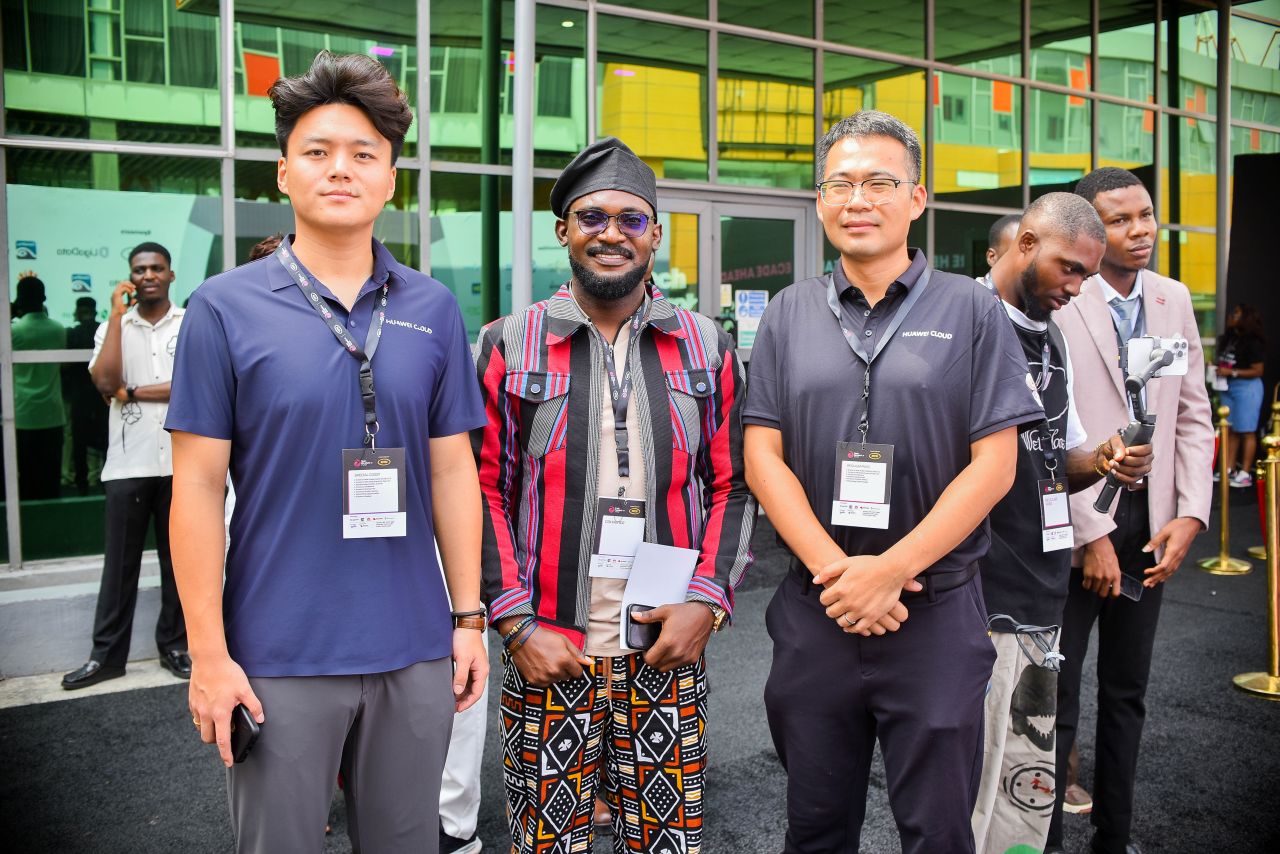
Lagos, Nigeria — Africa’s digital transformation drive gained renewed momentum at the Huawei Technologies-supported Tech Revolution Africa 2.0, where industry leaders, policymakers, and entrepreneurs gathered to discuss the future of cloud computing, artificial intelligence, and digital infrastructure development across the continent.
Technology experts say Africa’s competitiveness in the global digital economy will depend heavily on building reliable local technology infrastructure that supports businesses, startups, and public sector digital services.
Global Technology Meets Local Business Realities
During the conference, Jimoh Okoh, CTO of Huawei Cloud, delivered a keynote presentation titled “Huawei Cloud: A Better Local Cloud for Nigeria.”
He emphasized the importance of adapting global technology solutions to African business realities, highlighting critical issues such as data residency, network latency, affordability, and regulatory compliance.
According to technology analysts, localized cloud infrastructure is becoming increasingly important for African businesses seeking secure and scalable digital platforms.
AI, Fintech, and Data Economy Growth Opportunities
The conference also featured panel discussions exploring how cloud technology is powering Africa’s emerging digital economy.
Industry stakeholders, including representatives from PiggyVest, discussed how cloud infrastructure is enabling:
- Digital financial inclusion across underserved communities
- Real-time digital payment processing
- Secure customer data management
- Expansion of fintech and digital service platforms
Participants noted that Africa’s technology future will depend on building locally relevant solutions rather than relying solely on imported digital models.
Government and Policy Engagement Increases
The event also attracted government technology officials and innovation policymakers, including representatives from Lagos State’s technology and innovation sector.
Their presence signals growing government interest in supporting digital transformation policies, technology entrepreneurship, and youth-driven innovation initiatives.
Experts believe public-private partnerships will play a major role in strengthening Africa’s technology ecosystem.
Startup Ecosystem and Enterprise Technology Adoption
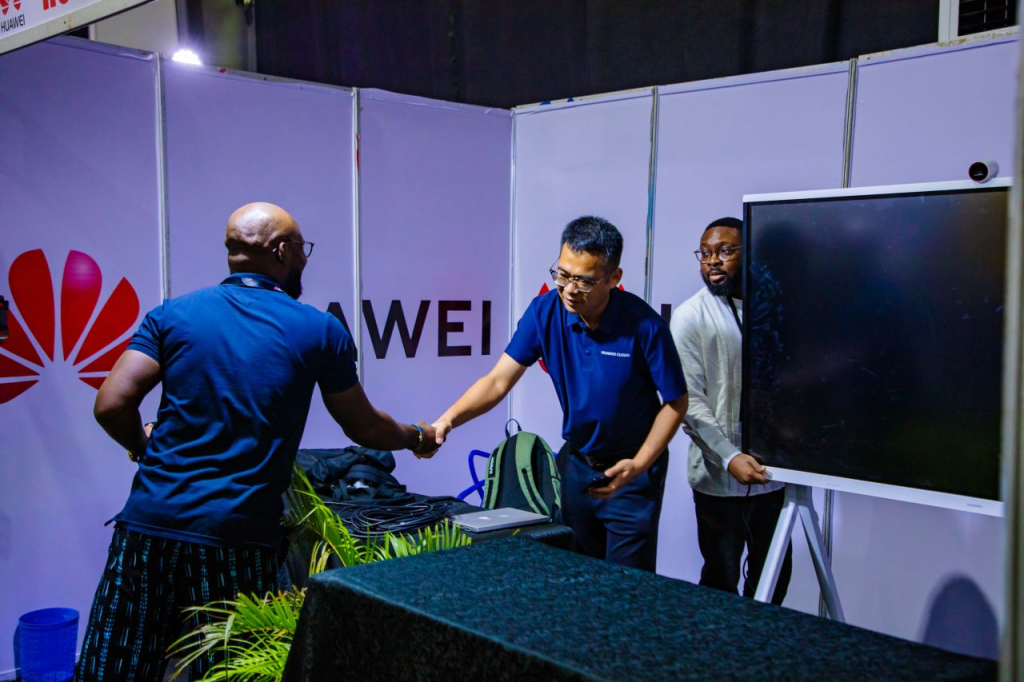
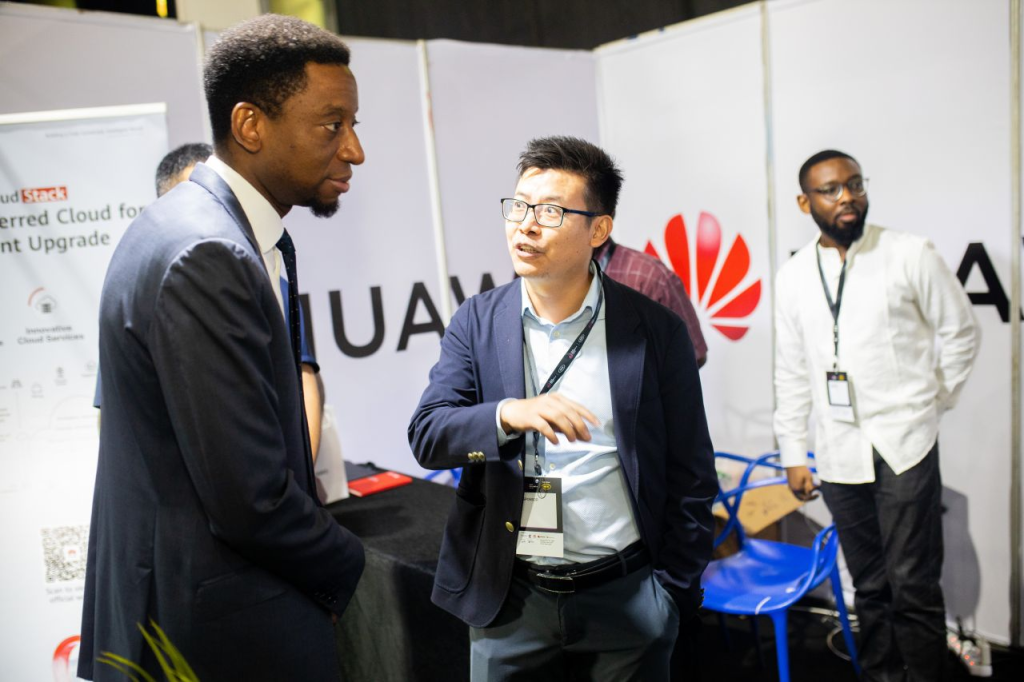
Exhibition stands at the conference recorded high levels of engagement from startup founders, enterprise technology teams, and government representatives.
Live technology demonstrations focused on:
- Cloud migration strategies for businesses
- AI-powered business intelligence solutions
- Enterprise digital security systems
Business leaders attending the event expressed optimism that improved access to global technology infrastructure will help African companies scale internationally.
Social Impact and Economic Inclusion
Beyond commercial technology advancement, experts emphasized the social impact of digital transformation.
Improved cloud and AI infrastructure is expected to support:
- Expansion of digital education platforms
- Improved access to healthcare technology services
- Growth of small and medium business digital commerce
- Increased youth employment in technology careers
Future of Africa’s Technology Landscape
Technology stakeholders concluded that Africa is entering a new phase of innovation driven by collaboration between global technology firms, local entrepreneurs, academic institutions, and government agencies.
Organizers of Tech Revolution Africa 2.0 said the conference demonstrated a clear shift from theoretical technology discussions to practical implementation across business and social sectors.