


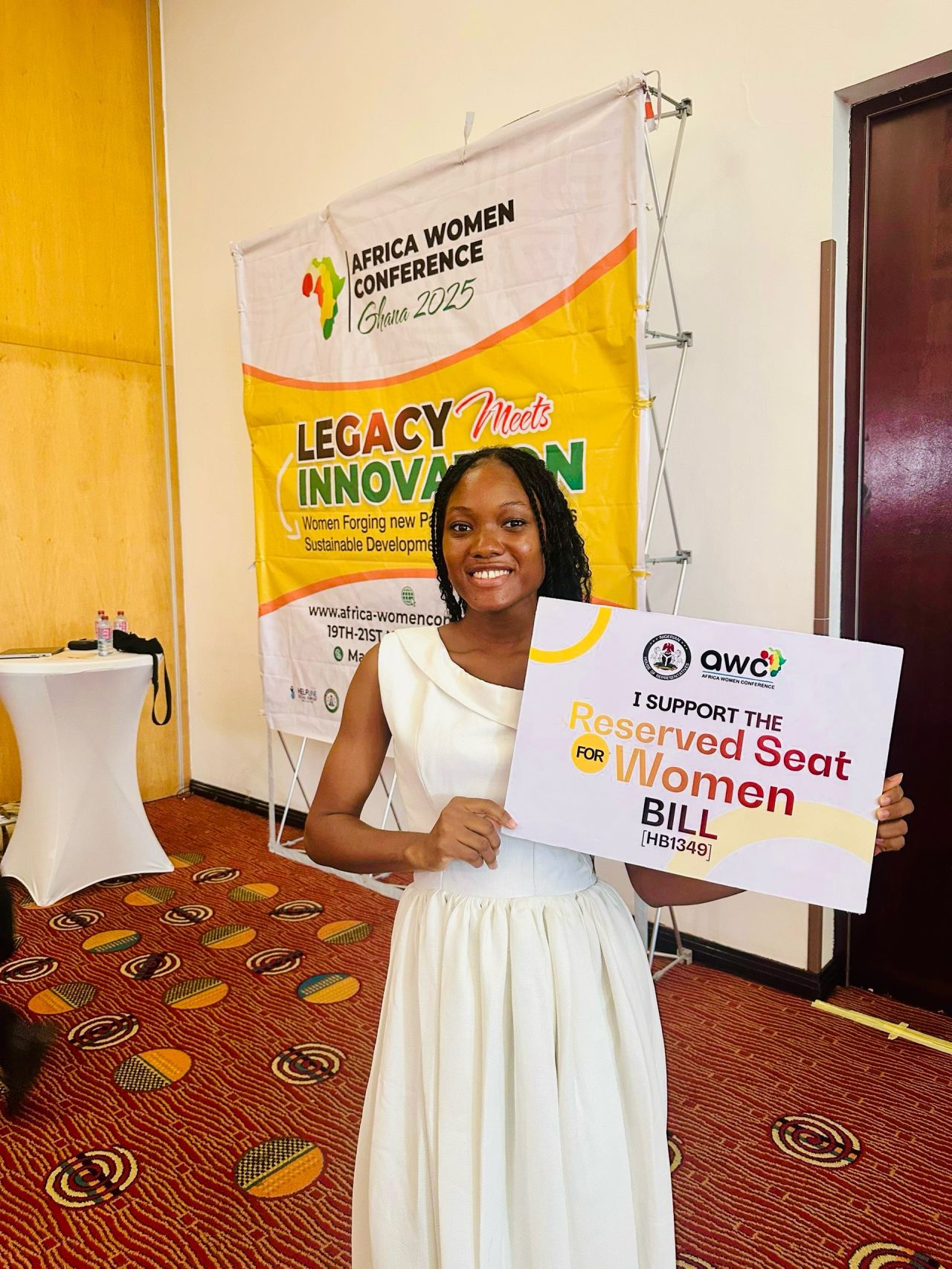
A growing movement is emerging in Nigeria’s National Assembly to ensure greater female representation in governance, with advocates emphasizing that equal opportunities require more than good intentions—they require legislation. Central to this push is the Reserved Seats for Women Bill, championed by Chief Mrs. Osasu Igbinedion Ogwuche.
Speaking recently at the Africa Women Conference in Ghana 2025, legal practitioner and UNESCO YOD Programs Lead, Inikpi Amodu, highlighted the urgent need for intentional advocacy to amplify women’s voices in decision-making spaces. “Women deserve to be seen, heard, and present at the decision-making table steering the future of this nation. Governance is stronger when women lead too,” Amodu said.
Currently, women occupy only a small fraction of seats in Nigeria’s National Assembly and Senate, a disparity advocates say undermines inclusive policy-making. The Reserved Seats for Women Bill seeks to correct this imbalance by guaranteeing legislative representation for women across the country.
According to Amodu, the bill is more than a political initiative—it is a democratic necessity. “Representation is not a privilege, it is a democratic necessity,” she said. “The progress we seek will not happen without deliberate commitment and voices amplified in unity.”
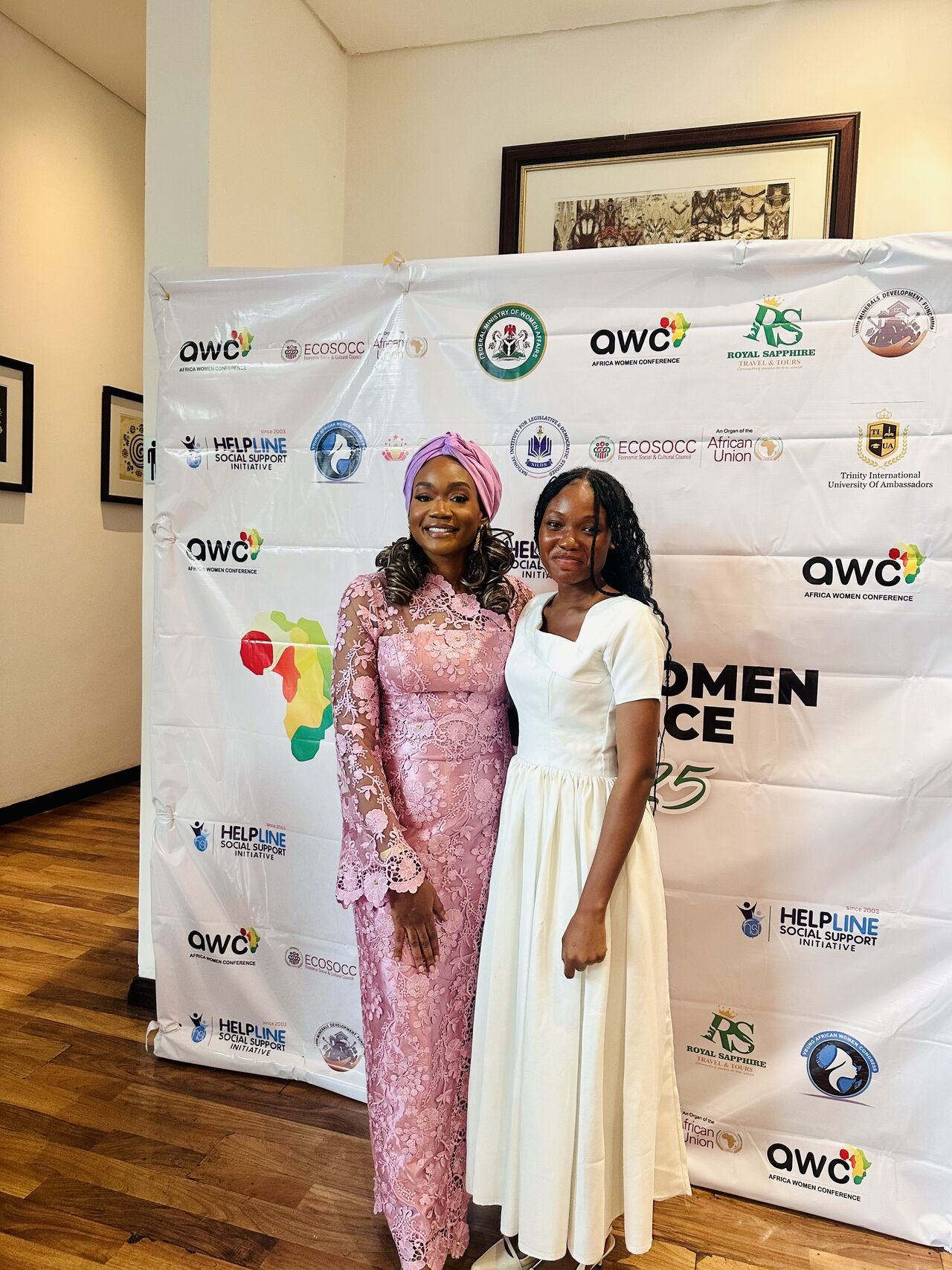
Supporters argue that increasing the number of women in governance will have a transformative impact on national policy, driving social development, gender equality, and sustainable governance aligned with the United Nations Sustainable Development Goals.
Amodu called on citizens to lend their voices in support of the bill through advocacy, engagement, and awareness campaigns, emphasizing that more women at the table means a better Nigeria for all.
The Reserved Seats for Women Bill represents a pivotal step in Nigeria’s ongoing effort to create a more inclusive political landscape, ensuring that women’s perspectives shape the policies that affect the nation’s future.
In