








Nigeria’s Federal Government has intensified efforts to address mounting pressure in the aviation sector as rising fuel prices continue to strain airline operations and threaten industry sustainability.
The Honourable Minister of Aviation and Aerospace Development, Festus Keyamo, held a strategic working visit with the Honourable Minister of Finance and Coordinating Minister of the Economy, Taiwo Oyedele, in Abuja to deliberate on urgent reforms aimed at stabilizing the sector.
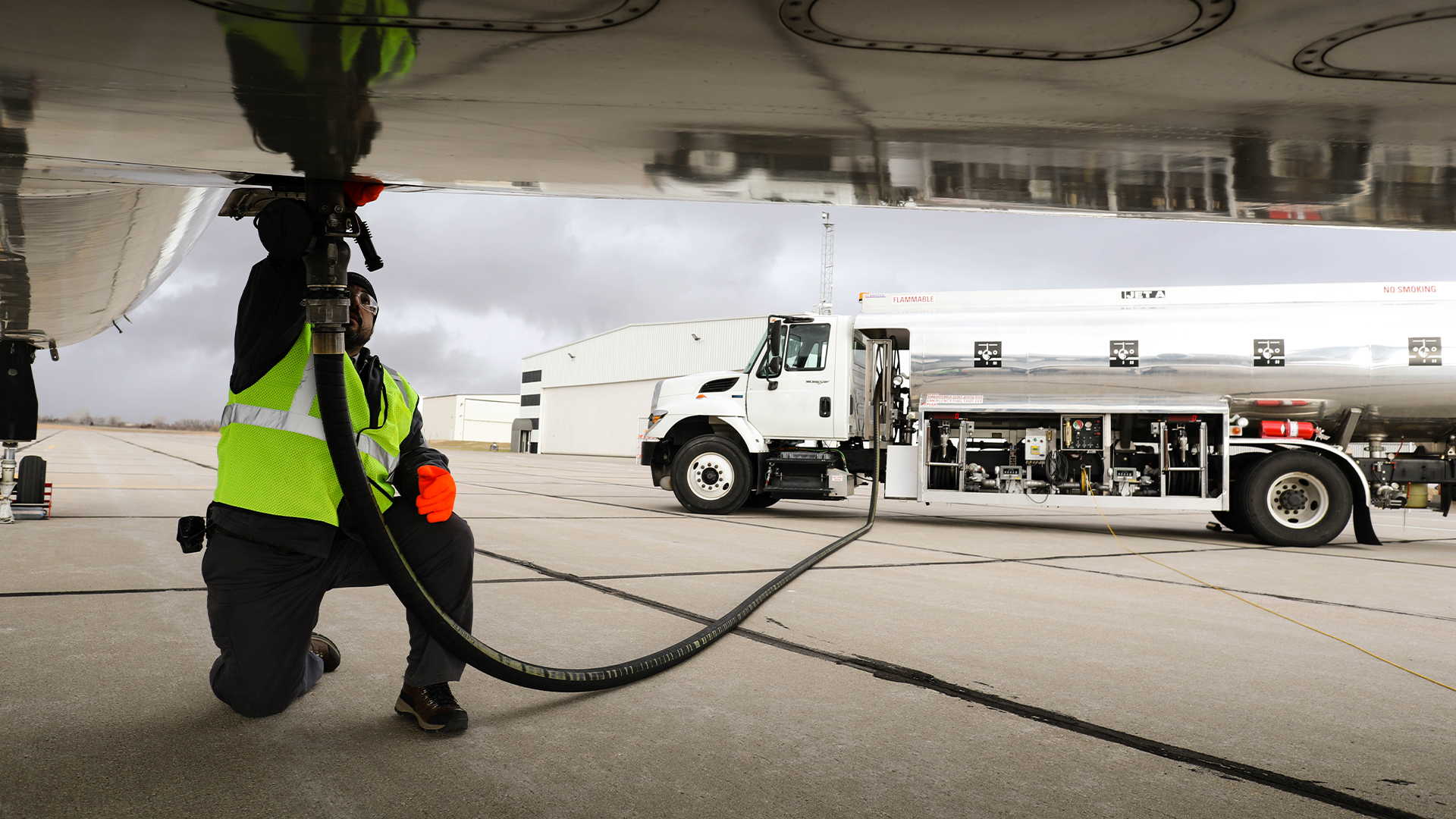
The high-level meeting focused on the escalating cost of aviation fuel (Jet A1), which has significantly increased operational expenses for domestic airlines. The ripple effects include higher ticket prices, reduced flight affordability, and mounting pressure on airline profitability.
Both ministers acknowledged that the volatility in fuel pricing poses a serious risk not only to airlines but also to broader economic activities dependent on air transport, including trade, tourism, and regional connectivity.
Discussions centered on coordinated policy responses, fiscal interventions, and innovative financing models that could help cushion operators from market shocks while encouraging long-term investment in the aviation ecosystem.
The ministers emphasized that aviation remains a critical driver of economic growth and national integration. Strengthening the sector, they noted, is essential for improving connectivity across Nigeria and enhancing the country’s competitiveness in global markets.
They also reaffirmed the need for sustained collaboration between government institutions and private sector stakeholders to ensure that ongoing reforms translate into measurable improvements for airlines, passengers, and investors.
The engagement forms part of broader efforts under the administration of President Bola Ahmed Tinubu to stabilize key sectors of the economy through targeted reforms and policy coordination.
Officials say further stakeholder consultations will continue in the coming weeks as the government seeks durable solutions to rising operational costs and sector inefficiencies, with the aim of building a more resilient and sustainable aviation industry in Nigeria.