

Nigeria’s economic potential is widely acknowledged, yet the pathway to fully unlocking it remains a work in progress. A central obstacle continues to be energy access. Without reliable electricity, growth is constrained, businesses struggle, and millions remain excluded from economic opportunities. The real question is no longer whether Nigeria has potential, but how effectively that potential can be activated.
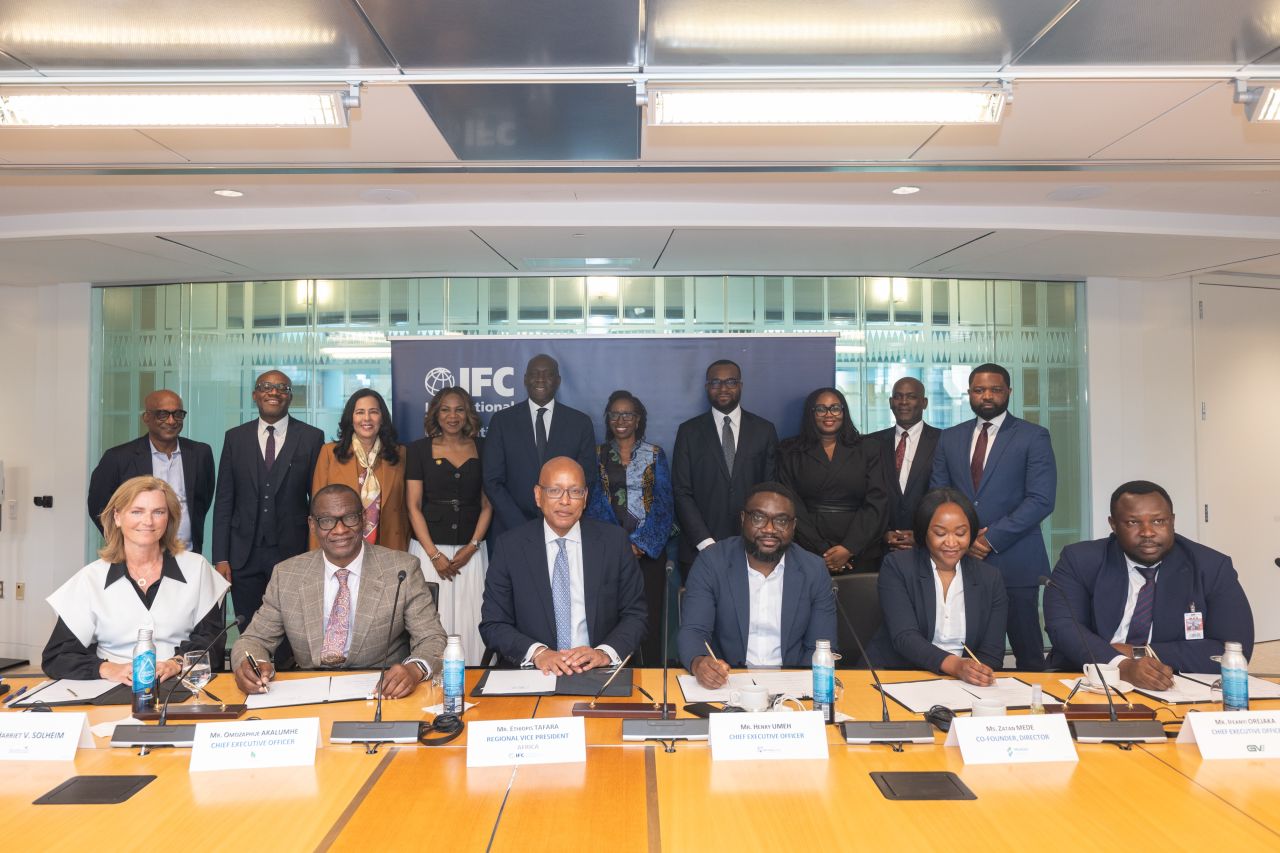
Recent developments suggest a step in the right direction. A combined financing package of up to $83.2 million, announced by International Finance Corporation and Norfund under the World Bank Group’s DARES Platform, signals a growing commitment to addressing Nigeria’s energy gap through targeted private-sector investment.
This initiative reflects an important shift in approach. Historically, infrastructure challenges have often relied heavily on public funding. However, with over 85 million Nigerians still lacking access to electricity, the scale of the problem demands more than government intervention alone. Mobilizing private capital—when structured effectively—offers a pathway to scalable and sustainable solutions.
The project’s execution, led by companies such as Darway Coast Ltd, GVE Projects Ltd, Prado Power, PriVida Power Limited, and StarTimes Energy, is expected to deliver nearly half a million new electricity connections alongside hundreds of solar hybrid mini-grid sites. Beyond the numbers, the broader implication lies in economic activation: small businesses can operate more efficiently, new enterprises can emerge, and underserved communities can participate more fully in the economy. Notably, the inclusion of women-led businesses highlights the potential for more inclusive growth.
Leadership and alignment across sectors also play a critical role. The involvement of key figures such as Makhtar Diop, Sanyade Okoli, Bosun Tijani, and Damilola Ogunbiyi signals a coordinated commitment across policy, finance, and implementation. Such alignment is often the difference between ambitious announcements and tangible outcomes.
Still, while this initiative is promising, it should be viewed as a starting point rather than a solution in itself. Nigeria’s electricity deficit is vast, and bridging it will require sustained investment, policy consistency, and continued collaboration between public and private stakeholders.
Ultimately, progress in Nigeria’s energy sector will depend on the ability to move from isolated projects to a broader, replicable model of development—one that prioritizes long-term impact over short-term wins. Strategic partnerships like this demonstrate what is possible when capital, policy, and execution align. The challenge now is maintaining momentum and ensuring that such efforts translate into lasting transformation for millions of Nigerians.