
In 2021, nine countries in the WHO African Region (Cameroon, Chad, Central African Republic (CAR), Côte d’Ivoire, the Democratic Republic of Congo (DRC), Ghana, Niger, Nigeria, and Republic of Congo,) reported human laboratory confirmed cases of yellow fever (YF) in areas that are at high risk for the disease and have a history of YF transmission and outbreaks. These outbreaks are growing in case numbers, necessitating an urgent response.

Since the beginning of 2021 and as of 20 December, there have been 300 probable and 88 laboratory confirmed cases of YF. Among the probable cases there have been 66 deaths reported from six countries (Ghana = 42; Cameroon = 8; Chad = 8; Nigeria = 4; Congo = 2; DRC = 2), the overall case fatality ratio (CFR) among the probable cases is 22%, with a very wide variation among countries e.g Ghana (40%) and Cameroon (21%).

In October and November 2021, confirmed active YF outbreaks were reported in Ghana and Chad respectively and required support from the International Coordinating Group (ICG) for vaccine provision from the emergency global stockpile of YF vaccine. 

Among the affected countries some are classified as having a fragile, conflict-affected or vulnerable (FCV) setting, in addition to low YF population immunity. Gaps or delays in investigations of suspected YF cases due to insecurity (Chad, Cameroon, CAR) or under-served (nomadic) communities (Ghana) have implications for harm to human health and risk of onward amplification and spread.

The situation is also concerning where cases have been confirmed in inaccessible health districts with weak YF surveillance, preparedness, and response systems, and significant population displacements into neighbouring countries (e.g., Cameroon, Chad, CAR). In addition, there are major urban areas such as Abidjan, Cote d’Ivoire that have reported YF cases and are a high concern as they pose a significant risk of amplification mediated by Aedes aegypti person-mosquito-person transmission (without sylvatic intermediary). Urban YF outbreaks can rapidly amplify with onward spread internationally, as seen in Angola and DRC in 2016. The case count of confirmed and probable cases is rapidly evolving and has challenges to track due to the complexity of interpretation in the context of available epidemiological and clinical data, including vaccination history of the cases.

The overall YF vaccination coverage in these regions is not sufficient to provide herd immunity and prevent outbreaks. Estimates from WHO and UNICEF in 2020 on routine YF vaccination coverage was 44% in the African region, much lower than the 80% threshold required to confer herd immunity against YF. The national coverage in the countries of concern were all under 80% with the exception of Ghana (88%): Congo (69%), Cote D’Ivoire (69%), Niger (67%), Cameroon (57%), DRC (56%), Nigeria (54%), CAR (41%), and Chad (35%). These low YF vaccination coverages indicate the presence of an underlying susceptible population at risk of YF and a risk of continued transmission.

These outbreaks are occurring in a large geographic area in the West and Central regions of Africa. These reports signal a resurgence and intensified transmission of the YF virus. The outbreaks have included areas that have previously conducted large-scale mass vaccination campaigns but with persistent and growing gaps in immunity due to lack of sustained population immunity through routine immunization and/or secondary to population movements (newcomers without history of vaccination). For example, outbreaks were identified in late 2020 in countries with a history of nationwide preventive mass vaccination campaigns (PMVCs) including an outbreak in Guinea notified in November 2020 (history of PMVCs 2005, 2010) and Senegal notified in November 2020, (history of PMVCs 2007 plus reactive campaigns in 2011, 2005, 2002). In 2021, the recently confirmed outbreak in Ghana is marked by an impact on nomadic communities, despite the country having completed the final phase of PMVC in November 2020. Outbreaks and case reports of suspected, probable and/or confirmed cases are also occurring in other settings in the region where nationwide phased PMVCs are ongoing and yet to be completed (DRC, Nigeria), or yet to be initiated (Chad, Niger), further compounding the risk of spread.

Another potential factor contributing to the enhanced risk is a delay in the investigation of probable cases. The investigation of probable cases has faced challenges in many of the reporting countries made complicated due to stretched resources, capacity, and logistical challenges. The health systems in the nine countries with confirmed YF, in addition to the COVID-19 pandemic and COVID-19 vaccine rollout, have been strained with many other competing acute public health outbreaks which has diverted attention from YF preparedness and response activities.

The numerous YF cases and outbreaks in a broad geographic scope, with upward trend of confirmed cases and outbreaks, is indication of ongoing intense YF virus transmission in an extended area in the region and represent a persistent and growing risk to all unvaccinated people living or visiting YF high-risk countries.

Countries reporting probable but no confirmed YF case in 2021

Probable YF cases have also been reported from Benin, Burkina Faso, Gabon, Mali, Togo, and Uganda. The most recent, with samples collected during September/October, were two cases in Port-Gentil district (Ogooué-Maritime province), Gabon and two cases in Haho (Notse city) and Ogou (Atakpame city) health districts, Plateaux region, Togo. These samples are currently being shipped to the regional reference laboratories for confirmation.

WHO risk assessment

WHO encourages its Member States to take all actions necessary to keep travellers well informed of risks and preventive measures including vaccination

Yellow fever (YF) is an acute viral disease transmitted by infected mosquitoes (including Aedes sp. and Haemogogus sp). Transmission can be amplified in circumstances where the Aedes mosquitos (day feeder) are present in urban settings and densely populated areas causing a rapid spread of the disease. While many people who become infected do not experience severe symptoms, a subset will develop severe disease. Following a 3-6-day incubation period, cases develop an “acute” phase illness characterized by fever, muscle pain with a prominent backache, headache, shivers, loss of appetite, nausea and/or vomiting, which resolves within 3-4 days. Approximately 15% of cases enter a second “toxic” phase within 24 hours of initial remission, which may include high fever, jaundice with or without abdominal pain and vomiting, haemorrhage, and kidney failure, 50% of these cases die within 10 to 14 days. Vaccination is the most important means of preventing the infection.

The risk at regional level is assessed as high due to;

  • the active YF virus circulation in these nine high-risk countries (countries or areas where “ YF has been reported currently or in the past, plus vectors and animal reservoirs currently exist”).
  • increased population movement, including a vulnerable nomadic population that is not covered by routine immunization and undocumented border crossings with risk of spread regionally and beyond the AFRO region;
  • potential risk of outbreaks in urban settings, such as Abidjan, Cote D’Ivoire or Lagos, Nigeria which are a real threat to regional and international spread;
  • YF clusters located in mixed, urban and agriculture / forest territories (e.g. central Abidjan, Cote d Ivoire) highlighting the persistent risk of YF spill over into an urban area with marked cross reactivity with other circulating flaviviruses which complicates the final interpretation of laboratory results;
  • the affected countries are part of the savannah region with similar ecosystems (forest and shrub land) and a variety of animals including non-human primates (monkeys), that are the primary wild hosts of the YF virus. The ecosystem is also conducive for the Aedes mosquito, which is the vector for YF, and has been involved in the savannah transmission cycle that connects the sylvatic and urban cycles of both humans and primates;
  • suboptimal YF surveillance within the affected countries due to weak health systems and conflicts which delay investigation of probable cases of YF, leading to a likely underestimation of the actual number of cases and the severity of the outbreaks;
  • decreased routine immunization coverages in countries with history of previous YF vaccination campaigns; with a downward trend in coverages over the last decade (72% average in 2010- 65% in 2020);
  • YF preventive vaccination campaigns delayed in countries such as Nigeria, DRC or yet to be planned (Ethiopia, Chad and Niger);
  • concurrent outbreaks (cholera, meningitis, malaria, circulating vaccine-derived poliovirus type 2 (cVDPV2), chikungunya, leishmaniasis, plague, Lassa fever etc) and the COVID-19 pandemic that might hamper surveillance and the response.

The overall risk at the global level is considered low, as no cases related to this current outbreak have been reported outside of the African region, at this stage. However, there are favourable ecosystems for YF outside the African region and there might be challenges in the surveillance and immunization capacities due to potential onward transmission, if not timely detected.

More than 2 billion individuals in Asia live in areas where the competent vectors A. aegypti and A. albopictus are present. The expansion of global air travel and the rapid ecological and demographic changes increase the risk of YF introductions into Asia. Based on the interconnectivity with endemic countries, studies have suggested China, India, the United Arab Emirates and Saudi Arabia are at the greatest risk of YF introduction; however, the risk of autochthonous transmission is unknown. There is a risk of outbreaks in urban settings, introduced by viraemic travellers to largely unprotected urban populations such as Lagos (Nigeria), N’Djamena (Chad) or Bangui (CAR), with continued risk of rapid amplification internationally. 

The impact on public health will persist until the ongoing outbreaks are controlled, YF vaccination coverage is high and immunity gaps in the population are closed. The importation of cases to countries with suboptimal coverage and persisting population immunity gaps poses a high risk to the Region and may jeopardize the tremendous efforts invested to achieve elimination.

WHO advice

The countries reporting YF cases and outbreaks are all high priority countries for the Eliminate Yellow Fever Epidemic (EYE) strategy. These countries have introduced yellow fever vaccination into their routine immunization schedule for those aged 9 months, and also requirements of proof of vaccination against YF for all incoming travellers ≥9 months, except Chad and Nigeria, who request proof of vaccination only for travellers coming from countries with a risk of yellow fever transmission. Vaccination is the primary means for prevention and control of yellow fever. In urban centres, targeted vector control measures are also helpful to interrupt transmission. WHO and partners will continue to support local authorities to implement these interventions to control the current outbreaks.

WHO recommends vaccination against yellow fever for all international travellers 9 months of age or older going to yellow fever high risk countries. The affected countries also require a yellow fever vaccination certificate for travellers aged 9 months or over.

Yellow fever vaccines recommended by WHO are safe, highly effective and provide life-long protection against infection. In accordance with the IHR (2005), the validity of the international certificate of vaccination against yellow fever extends to the life of the person vaccinated with a WHO approved vaccine. A booster dose of approved yellow fever vaccine cannot be required of international travellers as a condition of entry.

WHO has published guiding principles for immunization activities during the COVID-19 pandemic and is currently developing specific operational guidance for conducting mass vaccination campaigns in the COVID-19 context. When conditions permit, the EYE Strategy will support rapid resumption of preventive YF activities according to WHO guidance.

WHO encourages its Member States to take all actions necessary to keep travellers well informed of risks and preventive measures including vaccination. Travellers should also be made aware of yellow fever symptoms and signs and instructed to seek rapidly medical advice when presenting signs. Viraemic returning travellers may pose a risk for the establishment of local cycles of yellow fever transmission in areas where the competent vector is present.

The updated areas at-risk for yellow fever transmission and the related recommendations for vaccination of international travellers were updated by WHO on 1 July 2020; the map of revised areas at risk and yellow fever vaccination recommendations is available on the WHO International Travel and Health website.

WHO does not recommend any restrictions on travel and trade to the region on the basis of the information available on these outbreaks.
Our purpose at GE Healthcare is to improve lives in moments that matter, and we do so by partnering to help deliver more sustainable and accessible precision healthcare.

It has been a year to the day since I started my new role leading the GE Healthcare business in sub-Saharan Africa (SSA). The year has continued to experience heightened anxieties, further lockdowns and personal losses. The effect on economies, education and healthcare systems in Sub-Saharan Africa continue to be felt and are exacerbated by what can be described as discriminatory vaccine policies and travel restrictions on many African countries during the emergence of Omicron variant in recent weeks.”

As a result, countries, businesses, and individuals have been forced to adapt.

The pandemic illuminated gaps in healthcare infrastructure across the continent. With grounded flights and closed borders. It impacted people’s ability to travel for quality care, which brought a focus on filling those gaps closer to home. Plans were developed to bolster healthcare infrastructure in every Sub-Saharan African country so that communities would have access without needing to travel.

Now, we have an unparalleled opportunity to have the biggest impact on healthcare infrastructure in generations. We have political and economic focus, a faster decision-making culture, and the opportunity to implement digital and artificial intelligence-enabled solutions that can bring better healthcare to more people. Funding is also being made available by local and global financial institutions that have invested millions of dollars in the healthcare sector this year to create opportunities and arrive at the right solutions to save lives.

Accessibility is one of the main issues in SSA. What changed this year was the speed in which key projects were delivered in both the public and private sectors. As part of our ongoing commitment to provide quality healthcare, GE Healthcare contributed to a number of major projects this year.

We inaugurated a first-of-its-kind comprehensive Cancer Center with Kenyatta University Teaching, Referral & Research Hospital (KUTRRH). The Center will provide lifesaving equipment along the cancer care pathway – from screening and diagnosis to staging to determining treatment. The Duchess International Hospital also opened in Lagos, as a multi-specialty privately-owned hospital. GE Healthcare completed the delivery and installation of equipment with a full range of solutions for improved healthcare across Nigeria. In Uganda, the first Afri-Egypt Health diagnostic center opened through a partnership between GE Healthcare and AFRIPHARMA. The center includes potentially life-saving equipment to better serve the surrounding communities. Finally, we continued to deliver on our services contracts across SSA.

The effect on economies, education and healthcare systems in Sub-Saharan Africa continue to be felt
To accomplish all of this, and continue our success into next year, we have been focused on our local workforce. Localization is the best strategy for long-term success because local teams are invested in their own communities. Our employees have the resilience, drive, and ability to overcome tremendous obstacles. In the past year, traditional business models were largely torn up and thrown out the window. Instead, we found creative thinking, flexibility, and the ability to figure things out in record time were implemented to adapt to the new environment – and this approach continues to be met with success.

The pressure of quick decision making made a difference for and motivated individuals within the organization as nothing else had in the past. Decisions that historically took months had to be done within days and being in crisis management mode actually made us perform better. If I look back over the last year, I would say there were very few bad decisions made. Instead, we reduced bureaucracy and focused on what matters. Since COVID, we have learned to look at things in a lean way, cutting out the waste. I think it challenged how a business operates, and the healthcare infrastructure across SSA benefitted.

Improving lives in moments that matter

SSA has seen incredible growth and serves as a market where healthcare can ‘break new ground’ in terms of innovative models and solutions. Across the continent, GE works as part of an ecosystem to deliver tailor-made services that look beyond just technology to offer solutions and make a positive impact. The focus is always on partnerships and the patient. They are at the center of everything we do as we work to help clinicians make more accurate diagnoses, reduce incidents of disease, and improve outcomes.

To me, in 2020, we were laying the groundwork – monitoring and doing our research on how to adapt to change and new challenges. 2021 was a year of action, speed, and innovation. Looking ahead, we must all work together to rise to challenge and I can see that all the stars are aligned.

In the coming years I expect to see the biggest ever improvement in healthcare infrastructure to date. This will be accelerated further by the actualisation of the African Continental Free Trade area, which will have a significant impact on accelerating trade across the continent. This is expected to be a game-changer for development ambitions, especially for the healthcare sector over the medium term. It provides a unique opportunity to promote inclusive growth and accelerate the post-pandemic recovery.

We have done solid work this year, and we are poised for success as we look to 2022. We are improving lives in moments that matter for communities that matter, and that is truly a reason to be proud.

By: Eyong Ebai – General Manager Sub-Saharan Africa, GE Healthcare

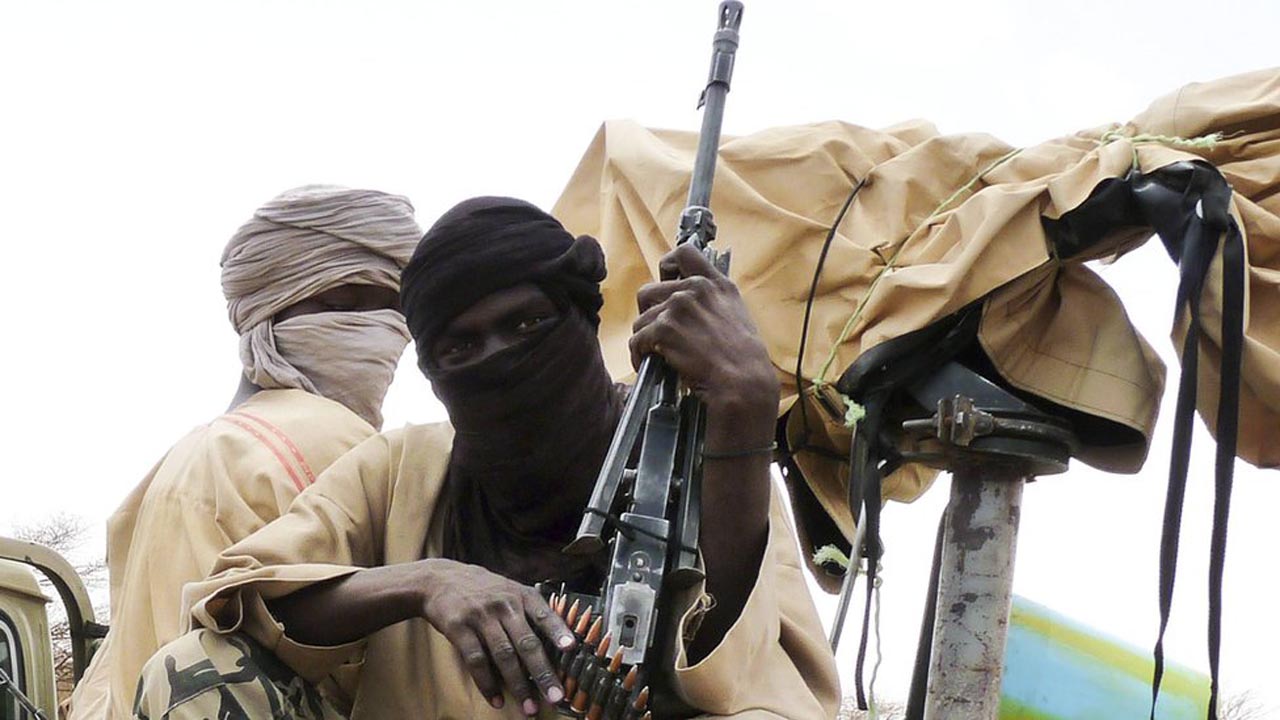
The Federal Government of Nigeria has officially declared bandit groups operating in any parts of the country as Terrorists.

The declaration is contained in the Federal Government’s Gazette proscribing their existence and restraining any person or group of persons from participating in activities of any of the groups.

The Official Gazette which was signed by the Honourable Attorney General of the Federation and Minister of Justice, Abubakar Malami, SAN was released today, Wednesday 5th January, 2022.

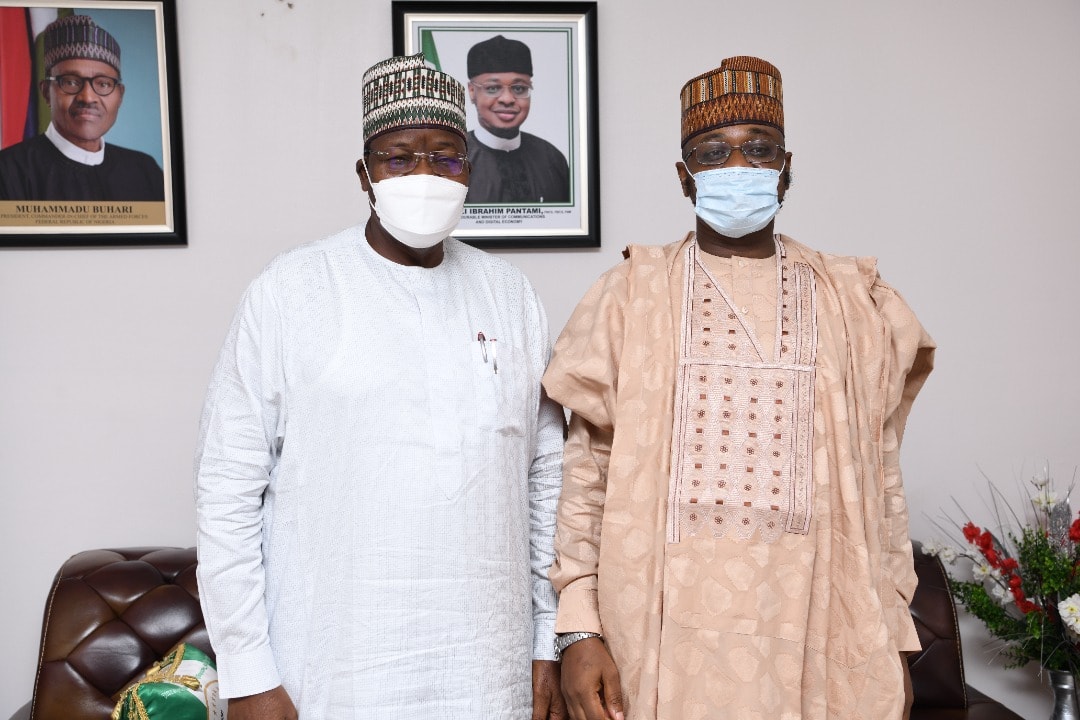
The Honourable Minister of Communications and Digital Economy, Prof. Isa Ali Ibrahim (Pantami) FBCS, FNCS, FIIM, wishes to convey the approval of the Federal Government to further extend the deadline for the National Identification Number (NIN)-Subscriber Identity Module (SIM) data verification to the 31st of March, 2022.

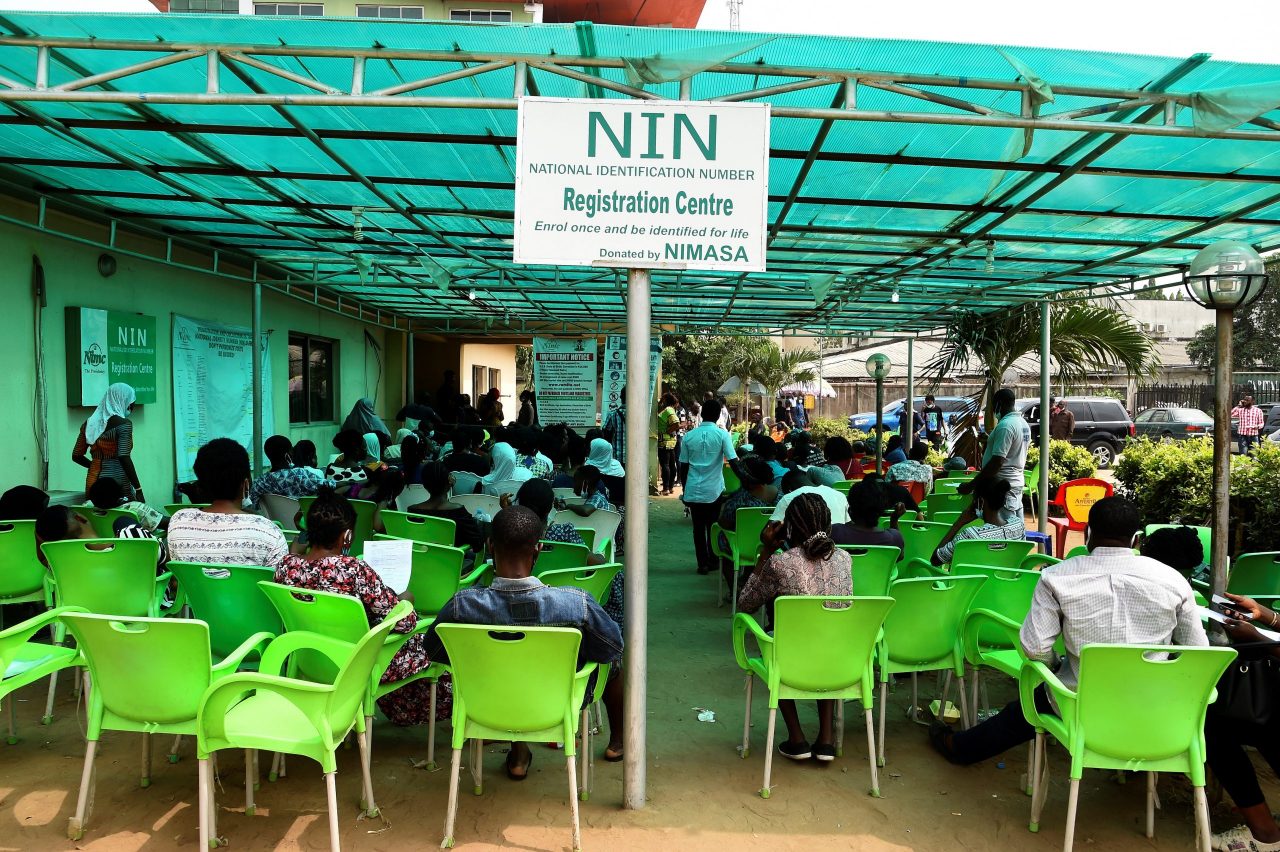
The stakeholders have applauded the Federal Government on the significant growth in the number of NIN enrolments and the increased drive to enlighten Nigerians and legal residents across the country. As of 30th December 2021, the National Identity Management Commission (NIMC) has issued over seventy-one million (71m) NINs with over fourteen thousand (14,000) enrolment centres set up across the country.

Furthermore, the National Identity Management Commission (NIMC) has also set up enrolment centres in over thirty-one (31) countries to cater for Nigerians in the Diaspora. The unprecedented growth in the National Identity Database to over 71 million unique NINs in such a short period, with about 3 to 4 SIMs linked to a NIN, reflects the concerted effort of the Federal Government, the Nigerian populace and legal residents and this is truly commendable.

Following the request by stakeholders, including citizens, legal residents and Nigerians in the diaspora, the Federal Government has extended the deadline of the exercise to the 31st of March, 2022. This extension would enable the Federal Government to consolidate the gains of the process and accelerate the enrolment of Nigerians in key areas like the remote areas, diaspora, schools, hospitals, worship centres, and the registration of legal residents.

The Honourable Minister has however implored Nigerians and legal residents to enrol for their NINs and link with their SIMs during this period of extension as more services will be requiring the NIN for identification. He also reiterated the commitment of the Federal Government to support the Nigerian Communications Commission (NCC) and the National Identity Management Commission (NIMC) in ensuring that the objectives of the exercise are achieved.

The Honourable Minister, the Executive Vice Chairman/CEO of NCC, Prof. Umar Garba Danbatta, and the Director-General/CEO of NIMC, Engr. Aliyu A. Aziz, on behalf of the Federal Government of Nigeria, wish to thank all Nigerians and stakeholders for their commitment and support towards the success of the project. They also applaud the efforts of the respective staff in ensuring a seamless NIN-SIM linkage and urge citizens and legal residents to complete the process of enrolment, verification, and SIM linkage on or before 31st March 2022.

…As NCC shares regulatory experience

Faith in the operational excellence and regulatory efficiency that have become the marks of Africa’s foremost regulator, the Nigerian Communications Commission (NCC), was demonstrated recently when a delegation from the Congo-Brazzaville Telecommunications Regulations Authority (CTRA) visited the NCC on a benchmarking tour.

The delegation from the central African nation purposively paid a scheduled visit to NCC, essentially to understudy the latter’s policies, practices and programmes that have made it a model telecommunications regulatory authority on the Continent and beyond.

The Congolese team led by CTRA’s Network Director, Benjamin Mouandza, spent three days at the NCC Head Office in Abuja, where it was exposed to key result-oriented regulatory activities, frameworks, programmes and policies of NCC, with the objective to explore how such operational frameworks could be adapted by the African nation noted for its huge rainforest reserves.

In the letter written to the Executive Vice Chairman (EVC) of NCC, Prof. Umar Danbatta, the Congloese regulator had indicated interest to gain more insights into three areas of NCC’s regulatory activities, namely, management of issues associated with Quality of Service (QoS), SIM Boxing and Call Masking, as well as telecom equipment type-approval process.

In response to the request, Danbatta had graciously accepted to host the team and further directed relevant departments of NCC, including Special Duties (SD); Technical Standards and Network Integrity (TSNI); and the Compliance Monitoring and Enforcement (CME) directorates to interact with the team to provide necessary information sharing that may be useful to the Congolese counterpart.

Addressing the CTRA team, the NCC’s Director, TSNI, Bako Wakil, spoke extensively on the Key Performance Indicators (KPIs) institued by NCC on QoS and how these KPIs are measured and monitored by the Commission toward ensuring improved service delivery to the Nigeria’s ever-growing telecoms consumers. He said this also helped to improve Quality of Experience (QoE) of the consumers.

On type-approval process, Wakil stated that the Commission had developed a rigorous type-approval process to ensure that telecoms equipment, including terminal devices, manufactured in line with international standards and specifications are brought into the country. The “NCC is serious about type-approval process like other processes, because non-type approved devices and equipment which are also not manufactured to international standards and specifications have negative implications for quality of service delivery on the networks,” he said.

Wakil also spoke extensively, to the admiration of the Congolese team, on call masking and highlighted measures the NCC had put in place to address the menace. He described call masking as “the practice of sending international calls to an operator but disguising the calls as if they were local by sending the calls on the local interconnect route with a local number in the national numbering plan instead of the original international calling number.”

In a related presentation to the visiting team on SIM boxing fraud and efforts being taken by the NCC to combat the menace, NCC’s Director, CME, Ephraim Nwokonneya, spoke on the problems created by fraudulent practice of SIM Boxing, including threat to national security, loss of revenue to service providers and the government. Additionally, he asserted the anti-competitive practices associated with such acts among licensees as well as the general economic implications so evident in revenue loss.

However, Nwokonneya itemised solutions to SIM Boxing fraud from a regulatory perspective. He declared that regulators can deploy anti-SIM boxing and call masking solutions, be proactive and effective in monitoring and enforcement, collaboration with the industry and law enforcement agencies, capacity building through training and skill acquisition programmes, as well as the review of the Enforcement Regulations and enabling laws.

More importantly, Nwokonneya told the Congolese telecoms regulator team that collaboration between the regulator and the industry is required to effectively combat the menace of SIMBox Fraud, Call Masking and Call Refiling in conjunction with deployment of technological solution and well trained staff.

From the presentations, it was made clear that the scale of call masking and SIMBoxing has been on the downward decline in Nigeria while the number of complaints from subscribers on incorrectly displayed calling numbers has also reduced substantially. To prove that NCC processes emplaced to combat the menace are succeeding, Nwokonneya stated that there has been a significant and noticeable improvement in the display of correct international calling numbers into Nigeria networks.

The NCC Directors also reiterated that the Commission is also taking strategic actions on SIM Registration, the National Identification Number (NIN) and the Subscriber Identity Module (SIM) linkage policy. The NCC team informed the visitors that a maximum of four SIM numbers are permissible to be registered per subscriber per network requirement. This is another measure deployed by the NCC to tackle SIMBoxing which usually requires multiple SIMs to flourish.

The NCC team emphasised that the combination of regulatory action and deployment of technology solutions have helped to put the menace of call masking and SIMBoxing in the Nigeria’s telecoms sector under check.

Commenting on the benefits of the visit, CTRA’s Mouandza, said the choice made by the Congolese regulator to visit NCC on a benchmarking tour has been worthwhile. “We have come to understand how the regulator in Nigeria has been handling some salient regulatory issues and matters in the country as it relates to telecoms. In the course of this visit, I can say that our objective has been achieved. The experience has been very rich, we have learnt many things. We thank the EVC and his team for accepting to host us. We are more positioned now to replicate some of the things we have learnt in our telecoms market back home,” he said.

The Congolese officials had practical demonstrations of the issues earlier discussed, especially the nature of technologies that have been deployed by the NCC to independently and remotely monitor, measure and validate QoS on the networks of mobile operators in the country.

It will be recalled that the visit by the Congolese team came barely a month after the NCC hosted officials from Sierra Leone’s National Telecommunications Commission (NATCOM), who equally visited NCC to benchmark the Nigeria’s telecom regulator’s policies, programmes and regulatory activities.

Over the years, the NCC has constantly received delegations from telecoms regulators in Africa and this trend has remained a major boost for Nigeria’s global ranking as a model in telecommunications regulation. Suffice it to say, that, these benchmarking visits have eloquently reinforced NCC’s leadership status in operational efficiency, collaborative partnership, and commitment to intra-African solidarity in the telecommunications sphere.

Businessman and socialite, Olakunle Churchill has praised his actress wife, Rosy Meurer for making his home the “happiest place” for the years they have been married.

As they celebrate their wedding anniversary on Thursday, they shared loving messages about each other on their respective social media pages.
Sharing loved-up photos of them, Olakunle said, “There’s a reason why they say “home is where the heart is”. That reason transcends luxury furnishings, exotic and vintage ambiences. That reason is the positive energy, peace and comfort that home gives away from all the energies outside. When you are married, that reason is down to “who you make home with” and everything else you create together. Today, I celebrate the one who makes my home the happiest place for the few years of marital bliss. I just want to keep saying “yes I do”. Love you Queen Rosy. @official_rosymeurer Happy Anniversary 🥂❤️

On her page, the actress said, “I’m a complete woman with you. Knowing and marrying you have brought nothing but joy, peace and satisfaction to me. There are so many beautiful things to say to you but most of all I want to say thank you for loving me. Happy anniversary baby ❤️ CHEERS TO MANY MORE YEARS TOGETHER 🥂 I LOVE YOU 😘❤️.”

Credit: Instagram | olakunlechurchill | official_rosymeurer

Ongoing policy directions and regulatory measures being put in place by the Nigerian Government towards bridging identified broadband infrastructure gaps shall be sustained in order to facilitate increased access to the Internet by citizens across the country.

The Minister of Communications and Digital Economy, Prof. Isa Ali Ibrahim Pantami, and the Executive Vice Chairman of the Nigerian Communications Commission (NCC), Prof. Umar Garba Danbatta, gave the assurance in their presentations during the recently-concluded virtual African Internet Governance Forum 2021 (vAFIGF2021).

The three-day annual forum which held in-person and virtually, was organised with the theme: “Advancing Digital Transformation in Africa in the Face of Crisis”, and hosted by the Nigerian government. The forum was attended by many stakeholders within the African Information and Communication Technology (ICT) ecosystem.

Pantami, who was represented at the forum by a Director at NCC, who doubles as Adviser to the Honourable Minister on Technical Matters, Prof. Sahalu Balarabe Junaidu, said the objective of the forum was to harness digital technology and innovation, transform societies and economies, and eradicate poverty for social and economic development in the Continent.

The Minister said, with the challenges thrown up by the outbreak of COVID-19 pandemic, the demand for Internet services has increased dramatically. He called on African citizens to access the broadband/internet services to carry out their personal and official task more effectively and effectively.

“The COVID-19 pandemic has accelerated the increased need to embrace the digital culture. So, as Africans, one of the ways by which we can respond to the challenge thrown by the pandemic is to accelerate our digital transformation,” he said.

Pantami explained that the digital transformation strategy for Africa should be established on key foundational pillars which include an enabling environment, policy regulation, digital infrastructure, digital skills and human capacity, as well as digital innovation, and entrepreneurship.

He said critical sectors such as digital trade and financial services, digital government, digital education, digital health, and digital agriculture, are also underlining pillars of the transformation. Additionally, he said the drivers of digital transformation include digital content and applications, digital identification, emerging technology, cyber security, privacy and personal data protection, as well as research and development.

Pantami recalled that Internet usage in sub-Saharan Africa is still not encouraging, according to report by the International Finance Corporation ( IFC ) and World Bank. However, the Minister asserted that Nigeria, with its current over 140 million Internet users, has one of the largest subscriptions in the sub-region.

The Minister said the various policies, including the National Digital Economy Policy and Strategy (2020-2030), and the Nigerian National Broadband Plan (NNBP) 2020-2025, emplaced to address infrastructure challenges and enhance the country’s migration to a more robust digital economy, will also ensure that more citizens are able to have access to the Internet in the coming years.

He mentioned the recent successful auction of 3.5 gigahertz (GHz) spectrum band for the scheduled deployment of Fifth Generation (5G) networks as another important policy and strategic step taken by the Nigerian government to boost broadband penetration in the country.

Pantami also listed the enforcement and implementation of the National Cyber Security Policy and Strategy 2021, and the review of the Cybercrimes Act of 2015 to build an inclusive Internet governance ecosystem and boost digital cooperation, as well as the ongoing linking of citizens National identification Number (NINs) with the Subscriber Identification Module (SIM) as worthy state actions that will yield great benefits. Other initiatives cited by the Minister include the ongoing effort to address high Right of Way (RoW) charges, tackling multiple taxation in the ecosystem, and increasing stakeholder collaboration.

Meanwhile, the Director, New Media and Information Security, NCC, Dr. Al-Hassan Haru, who represented Danbatta at the forum, reiterated the Commission’s commitment to ensuring broadband penetration through stimulating continuous roll-out of broadband infrastructure. He said the Commission is well positioned to drive government policy direction to tackle digital infrastructure deficit in the telecoms sector, as well as to explore necessary options to improve the nation’s digital ecosystem.  

“The future is digital, and we should be committed to supporting and collaborating with African countries to maximise opportunities inherent in digital technologies. We should also be ready to avoid the pitfalls by instituting appropriate regulations as we are doing in NCC,” he added.

Other stakeholders at the event included eminent policy experts, leading technology managers from the private sector, representatives of governmental organisations, civil society organisations, non-governmental organisations, the academia, and Internet end-users, who actively participated in the discourses during the three-day forum.

Every year I get to read or hear some i things and they do get me excited and make me laugh. It shows how people are yet to come to terms with the economic realities of such an exodus at this time of the year. Though, the stress might be high but is it worth it? Let’s look at the reasons and They are:

1.Why is it that transport cost to East and Southern South of Nigeria is expensive why is the transport cost of Lagos to Abuja cheaper while that of Lagos to Onitsha more expensive:

The emotional people would go on emotional rant saying : Igbo do not love themselves, they hijack everything, they love money blablabla…

The logical minded ones would say : it is basically economics. The laws of demand and supply and equilibrium. These are the intelligent ones they will explain to you that when demand outstrips supply the price of services and goods go high and now that the people are travelling to east with few buses available and air ticket available, things would be expensive. It is like going to Oshodi from Mile 2 in Lagos and we have few buses, the normal price is about 200 but when there is no buses the prices can hit 500… Its simple demand and supply…

  1. People would say that the igbo would be travelling every year and then come back to hutsle January and spend it in village and the cycle continues.

These people might not understand the concept of group economics or capital raperation in economics. During this period the capital that is coming to igbo lend is massive and it spurs the economy. Let’s break this down in a nutshell for those that do not understand the basics of economics. Now let’s take about 20 million igbo hit igbo land during Christmas and New year. They spend about 10,000 in buying food through out the whole period.

The Multiplier effects and dominion effects in South East region would be 20,000,000 x 10,000 = 200, 000, 000, 000 (Two hundred Billion) this is when 20 million people spend only 10k and we know they spend more.

Now imagine what 200 billion would do to a local economy, they demand created would be massive. The real estate sector would be busy, the hospitality sector would be revamped and a lot of sector. Those in events and decor industry in SOUTH East would be in business and the economy would be buoyant. That is when people spend only 10k.

For those that are not conversant with multiplier effect in economics is simply The multiplier effect is an economic term, referring to the proportional amount of increase, or decrease, in final income that results from an injection, or withdrawal, of capital.

While The domino effect refers to how one action can have a knock-on effect to related subjects. … In economics, the domino theory is often used to explain how an economic problem in one country can spread like a contagion or domino effect to similar countries and firms.

So, you can see the economic impact of the igbo travelling to Eastern part of the nation is massive to the economy of the region and should be encouraged not discouraged.

On a social and cultural scale, the end of the year avails the igbo the opportunity to engage, mingle and know the culture of their motherland. In an ever increasing and modernising world, the need to keep the young ones in tune with the cultural realities becomes more imperatives and that is why the igbo go home.

Finally, the period avail the igbo opportunity to network and do so we business connections with relatives, school mates and get new business partnership.

Anthony Emeka Nwosu

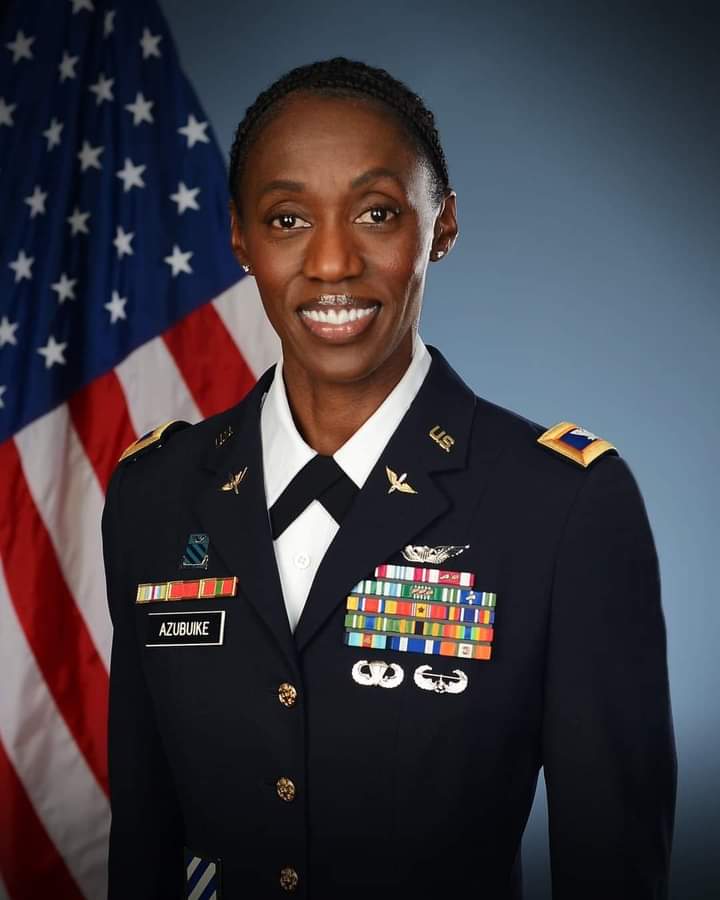
Col Amanda, currently the Chief, Public Affairs and Spokesman for the U.S. Southern Command is rewarded for her exceptional traits of brilliance and strength in the discharge of her duties.

She has served as a Public affairs professional with more than 15 years of experience leading strategic communications planning and execution, media relations, crisis communication, internal and external stakeholder relations, and international affairs.

Currently, the Communications Director and principal public affairs advisor for an organization that oversees military operations in twenty-eight countries throughout Central America, South America and the Caribbean, PushNews writes.

She Supports the Commander’s communications objectives and public outreach efforts through traditional and social media as she prepares and conducts media engagements, communications strategy for the command’s current and future operations. Responsible for planning, developing, monitoring and executing public affairs outreach and communication programs to build and maintain public trust and support for U.S. Southern Command.

With Amanda’s exalted position she is also responsible for collaborating and synchronizing with communicators at all levels of DoD, the interagency and U.S. embassies in the region. Provide guidance to subordinate commands and maintain oversight of public affairs manning, training and logistics.

We say thumbs up to her on her elevation as a senior officer.

– Pegs ITR floor price at $0.045

· New rate takes effect from January

The Nigerian Communications Commission (NCC) has determined the new International Termination Rate (ITR) for voice services paid by overseas telecom carriers for terminating international calls on local networks in Nigeria at $0.045.

The new rate is contained in the ‘Determination of Mobile International Termination Rate’ issued by the Commission on November 25, 2021. The $0.045 rate is the floor price for ITR services and shall take effect from January 1, 2022. The rate is to be paid in US Dollar to enable Nigerian operators to receive an increasing rate in Naira terms to accommodate devaluation.

No licensee shall charge and/or receive effective rate per minute below determined ITR floor rate. As such, payment discounts, volume discounts and any other concession that has the effect of bringing the effective ITR lower than the rate determined shall be deemed a contravention of the new determination and will attract sanctions in line with the Nigerian Communications (Enforcement process, etc.) Regulations, 2019.

The ITR Floor is the minimum that can be charged. Operators will be free to negotiate a rate above the floor and this will be entirely left to commercial negotiation between the operators and international carriers/partners.

However, while the ITR only pertains to the cost of bringing traffic into Nigeria, Nigerian operators will continue to pay the regulated Mobile Termination Rate (MTR), the local termination rate among themselves.

The MTR of N3.90 for generic 2G/3G/4G operators and N4.70 for new entrant Long Term Evolution (LTE) operators determined in 2018, will continue to apply for local call terminations until a new rate is determined by the Commission pursuant to its powers as enshrined in the Nigerian Communications Act (NCA), 2003.

The subsisting regime of interconnection rates was sustained by the Commission’s Mobile (voice) termination rate issued on June 1, 2018. In the determination, it was stated that the ITR of N24.40 determined in 2016 will continue to apply until a new determination is made.

The ITR, being denominated in Naira had multiple negative impacts on local operators which was further exacerbated by episodes of devaluation of naira which ultimately left Nigeria from being a net receiver with respect to international minutes to a net payer.

The Commission also observed that operators continue to face series of challenges occasioned by the denomination of ITR in Naira, necessitating a need for a cost-based study on ITR. In view of the foregoing and in fulfillment of its statutory mandate of periodic review of regulatory policies, the Commission engaged Messrs’ Payday Advance and Support Services Limited to undertake a cost-based study of voice MTR that is most suitable for the Nigerian telecommunications industry.

Commenting, the Executive Vice Chairman (EVC) of NCC, Prof. Umar Garba Danbatta, said in arriving at the new MTR of $0.045, “the Commission has carefully considered the information provided by stakeholders and taken a view on parameters and regulatory measures in the light of relevant information such as international experience, cost model results, the state of competition in the sector and the Nigerian macro-economic environment.”

He added that the process of arriving at the ITR had been conducted transparently with a view to providing maximum clarity to all parties without compromising the confidentiality of commercially-sensitive information. “We are confident that the result the review will make a significant contribution to the development of the telecoms sector in Nigeria and be beneficial to subscribers, operators and the country at large,” he said.

The EVC, on behalf of the Board and Management of the NCC, extended the Commission’s gratitude to all operators and industry stakeholders, who submitted information relating to the regulation of interconnection rates and the costing models as well as the consultant, for their participation in the process leading to the Determination.