…Tasks practitioners on next phase of growth

…As NCC receives Best Agency Award for development

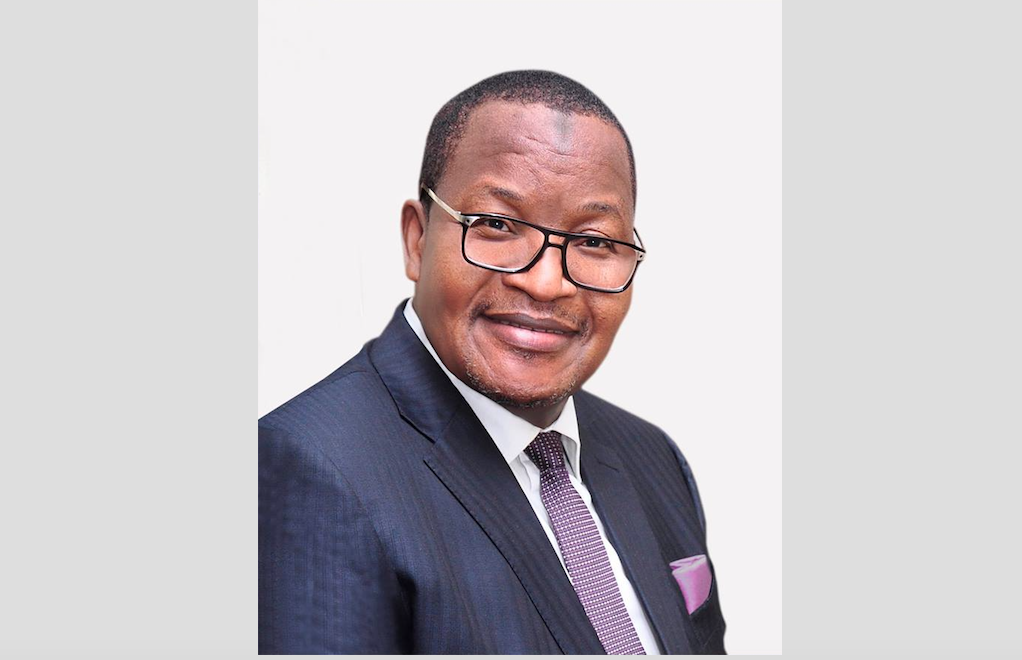
The current efforts of the Nigerian Communications Commission (NCC) to facilitate deployment of the Fifth Generation (5G) technology will further catalyse the innovativeness and creativity of the entertainment industry in Nigeria and raise its productivity and contribution to the gross domestic product (GDP) to new levels. The Executive Vice Chairman and Chief Executive Officer of NCC, Prof. Umar Danbatta, has said.

Danbatta, stated this in a keynote address delivered at the Nollywood Economic Outlook (NEO 2022) organised in Lagos recently, and well-attended by Nollywood personalities and other critical stakeholders in the creative industry.

The organisers of the NEO 2022 forum also presented the Award of “Best Agency in Government Sustainable and Development Agenda” to the Commission for its role in facilitating digital connectivity to fast-track Nigeria’s economic growth as well as accelerate attainment of the Millennium Development Goals (MDGs) in Nigeria.

Speaking on the theme: “Leveraging 5G Technology for the Advancement of Creative Industry,” Danbatta, who was represented by the NCC’s Head of Media and Public Relations, Grace Ojougboh, said 5G technology will disrupt the media business models in the creative industry just as he emphasised that need for practitioners in the creative industry to leverage the power of 5G technology to expand the frontiers of the industry for the next phase of its growth.

“The 5G will revolutionize how content is produced, distributed, and consumed, unlocking existing technologies for wider audiences and enabling a new wave of applications. It will also enable broadcasters to transmit footage back to their base within a short period of time, thus creating more coverage opportunities,” Danbatta said.

He explained that 5G technology networks will transform businesses leading to higher productivity improvements via real-time flow of information. “Consequently, this will permit the optimization of business functions and creation of new value chains for customers through advances in Internet-based web technology and search engines. This is expected to lead to the development and pervasiveness of Over-the-top (OTT) services,” he said.  

Danbatta further stated that running 5G network, over-the-top (OTT) platforms and applications will also offer video content over the internet as against the traditional cable or satellite television. This, he said, was because technologies enabled by 5G will utilize novel and innovative channels to enhance the experience of viewers.

“So, for the creative industry, 5G will also enable delivery of high-quality content direct to consumers by the broadcast industry at the touch of a button. Accordingly, it will offer users seamless experience when they stream videos on mobile devices (Smartphones and tablets) and web televisions that use solutions such as Chromecast, Apple TV and Amazon Fire TV, as well as Smart TVs,” the EVC said.

Danbatta told the audience that as demands for high-quality content and streaming increase, 5G connectivity presents the perfect opportunity to push the OTT viewer experience to the next level. He said with super-fast 5G download speeds up to 10 times faster than the current networks and therefore, lower latency that will improve viewers experience of video on demand and make them to enjoy highly reliable services.

The 5G technology will allow the creative industry to better understand future requirements, explore new creative formats, build new mobile video capabilities, pursue strategic partnerships, and assess their data collection practices and database requirements.  

“Information and Communications Technology has already made the world a global village due to its ubiquitous connection to remote locations across the globe. The 5G technology capabilities will make the world even smaller, thus enabling easy distribution of content across the globe in real time,” he stated.

Danbatta concluded by stating that 5G technology is set to redefine the way people live and work and will usher the much-talked-about Fourth Industrial Revolution (4IR) with its promise of a rapid social and economic development of the country.

Danbatta used the opportunity of the event to intimate the audience of the policy and regulatory efforts of the government, through the Federal Ministry of Communications and Digital Economy as well as the NCC, which have culminated in the licensing of spectrum resources for the deployment of 5G network in the country.

He asserted that disruptive innovations shaping the future of the world, such as; Mobile Broadband, Internet of Things, Cloud Computing, Autonomous and Near-Autonomous Vehicles, Artificial Intelligence, Augmented Reality, Block-Chain Technology, Robotics and Quantum Computing and more, are pivoted on telecommunications, especially the 5G technology.

Earlier, the Host of the programme and Executive Secretary, Board of Trustees of Actors Guild of Nigeria (AGN), Sunny McDon , said there had been all sorts of predictions about the introduction of 5G technology and the sheer number of devices that will become connected through its introduction in Nigeria. He therefore advocated a focus on the impact on the creative industry, businesses and Nigeria’s socio-economic development.

The Lagos State Commissioner for Tourism, Arts and Culture, Mrs. Uzamat Akinbile-Yussuf, who was represented at the event by Mr. Idowu Johnson, spoke on “Imperatives for Building Lasting Structures for the Sustenance of the Creative Industry.”

…Pivot future of work, business growth, content development on digital connectivity

As the weeklong 2022 edition of AfricaNXT opened today at the Landmark Event Centre, Lagos, discussants at panel sessions and other participants have acknowledged the positive impact of Federal Government’s policy and regulatory efforts, through the Nigerian Communications Commission (NCC), in fostering increased connectivity.

Thre was a groundswell of opinion that improved connectivity has enhanced individual and corporate activities that are bolstering socio-economic development in Nigeria.

The discussants particularly identified the critical role which digital connectivity is playing and will continue to play in shaping the future of work and the development of commercial activities in the country.

At a panel discussion, titled: “Bridging the African Digital Economy Gap,” discussants examined, in great depth and perspectives, how digital economy gap can be addressed in Nigeria and across Africa towards supporting business owners to sustainably grow global brands emerging from the African continent.

Also, at a panel discussion on “Future of Work: Exploring Pathways to Careers in the Digital Age”, panelists emphasised the transformational role digital connectivity is playing in bringing about efficient work environment, virtual collaboration at the work place, mobile work as well as remote work, thus replacing the hitherto brick and mortar business model, especially in the wake of the COVID-19 pandemic.

Formerly known as Social Media Week Lagos, now rebranded AfricaNXT, the conference and festival is
one of the largest technology events in Africa, with a gathering of business owners, innovators, technology enthusiasts and regulators, to discuss and network on how Africa can take its befitting place in the emerging global digital economy.

Already, the NCC delegation has arrived the venue of the event in high spirit ready to participate in the various panel sessions ahead of the main NCC panel session on Fifth Generation Deployment scheduled to take place on Thursday, March 3, 2022.

The panel session to be constituted by senior staff of NCC, on various regulatory aspects of 5G being driven by the NCC to deepen digital connectivity, will be a forum to educate hundreds of participants expected at the NCC panel session.

There are indications of enthusiasm about the NCC discourse and participants seem ready to use the opportunity to deepen their understanding of the new technology.

Over the years, NCC has put in place an effective regulatory regime that has continued to make the country witness increase in its Internet penetration and usage of digital media.

As at December 2021, active mobile Internet subscriptions reached over 141 million; active mobile (voice) subscriptions stood at 195.4 million, broadband penetration has reached 40.88 per cent while digital economy access gaps identified by the Commission are being drastically reduced to ensure saturated Internet connectivity across the country.

Besides, the Commission has facilitated deployment of emerging  technologies from the a First Generation (1G), to 2G, 3G and 4G-LTE, and is vigorously driving deployment of 5G network in the country with the recent auction of 3.5 gigahertz (Ghz) spectrum licences to operators that will deploy 5G technology in the country.

Also, NCC is driving effective implementation of the National Digital Economy Policy & Strategy (NDEPS), 2020-2030, and the Nigerian National Broadband Plan (NNBP) 2020-2025 to actualize the laudable targets of deepening broadband penetration, reducing cost of broadband services, and improving digital literacy and skills. These, participants reckoned, have transformed businesses with multiplier effect on Nigeria’s GDP in which the telecom sector contributes more than 12 percent.

Earlier, at the first business session hosted by The Guardian newspaper, held after the opening plenary, discussants and participants visualised how African stories will be told in the next 10 years. There is a convergence of opinions that great developments in Africa could propel emergence of great brands that can shape the nature of content as well as their narrations to the benefit of Africa.

Furthermore, the extant NDEPS, the NNBP and the New Policy on 5G networks for Digital Nigeria, are expected to combine to shape the nature of and significance of content generation, processing and dissemination in Africa.

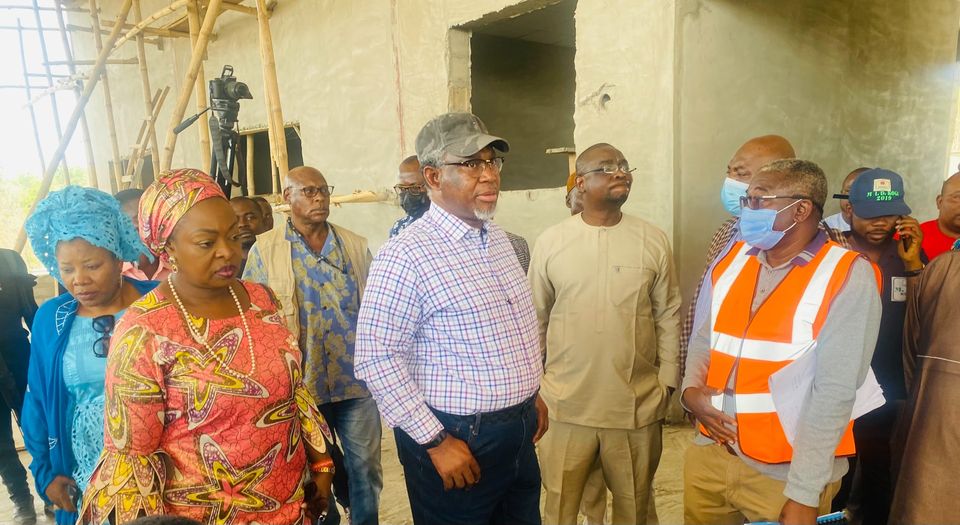
The Federal Government has called on investors and would-be investors to replicate the construction of Gold Smelting Plant sited in Mopa, Mopa Moro Local Government Area of Kogi State.

The Hon. Minister of Mines and Steel Development (MMSD), Arc Olamilekan Adegbite gave this charge Thursday during an inspection tour of the Gold Smelting Plant in Mopa Moro.

He said the smelting plant is a pilot project located in Mopa Moro Local Government due to gold deposits in the vicinity and meant to provide services to catchment areas within its location.

“This processing plant project here in Mopa Moro Local Government Area of Kogi State is for the North Central and it is because we found gold in this neighborhood” he stressed.

The Minister advised the Artisanal and Small Scale Miners (ASM) in the area to take advantage of the gold smelting plant by taking their gold to the facility for proper processing.

He also encouraged investors to take advantage of the opportunities available in other States with gold deposits and build smelting plant which he said, would be of great benefit to them, the host communities and Nigeria at large.

Adegbite charged investors to borrow a leaf from what the Federal Government has done in Mopa and build processing plant in other gold bearing communities, adding that the processing plant in the clusters spread across the country, are demonstration plants for investors to replicate.

He said the Gold Smelting plant in Mopa is also government’s demonstration of safer method of gold smelting that is environmentally friendly as it complies with global standard.

He advised against the water used in processing being released directly into the water body in the neighborhood as it is done by illegal miners.

The Minister said the country is moving away from being a mineral exporting country. “We want to process locally, we want to create industries around our minerals and avoid the mistake Nigeria made in crude oil where we export raw crude and import refined product” he emphasized.

The Minister assured Nigerians that gold mined in the Country would be processed in Nigeria. In his words, “our Gold will be processed here, we want to utilize our own gold locally for the benefit of Nigeria so that we do not export jobs and at the end of the day, the value stays here, the job stays here and the money stays here”

The Permanent Secretary, MMSD, Dr Oluwatoyin Akinlade earlier in her remarks noted that the post Covid six (6) regional projects established in the geopolitical zones would stimulate the activities in the sector, create wealth for Nigerians and at the same time generate revenue for the government.

She opined that siting of the processing plant in Mopa would come with a lot of opportunities for not only the North Central but for Nigeria at large.

The Federal Government has reiterated the need for mining companies operating in different communities in the country to keep to the terms made in the signed Community Development Agreement (CDA).

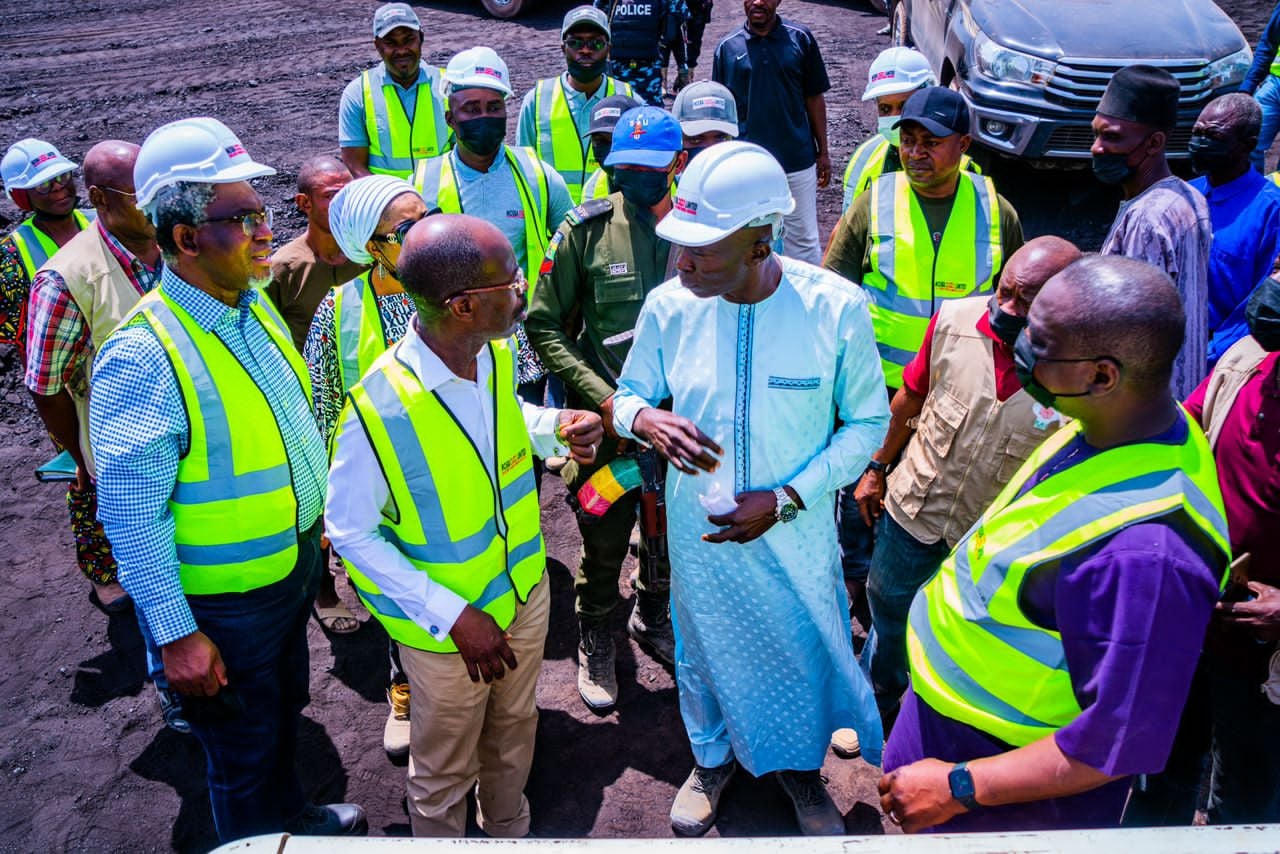
The Honourable Minister of Mines and Steel Development, Arc Olamilekan Adegbite gave this charge over the weekend at the Opening Ceremony of Tunde Ramos Coal Mines and Commissioning of Mining Equipment by Mosra Enerji in Odele, Ankpa Local Government Area of Kogi State.

He said that the Federal Government takes Mining Company relationship with host community serious.

Explaining part of the content of the CDA, he said, “ it is an agreement with the host community wherein a set of project is agreed upon and everyone is bound to follow it for a period of 5 years”.”

He called on Mining Companies to be more responsive to their host communities for peaceful coexistence. The Minister added that apart from projects contained in the CDA, the community should prosper as the mining companies prosper.

Adegbite appreciated the host communities for the cooperation accorded to Mosra Enerji so far as he noted that mining cannot take place without peace and community’s acquiescence. He noted that the mining sector has learnt a lot of lessons from the mistakes of oil and gas sub-sector where the host communities were neglected. He advised Mosra Enerji to “keep on cooperating, keep on working with your host communities”

The Minister implored Mosra Enerji host communities to continue to cooperate with the company as they can only bring good things to them. “It is important to cooperate with them so that the the community prospers as the mining companies prosper and that is the reason for CDA,” he added.

He noted that so many communities are endowed with one or more minerals, but there is need for Mining Companies or investors to bring out the minerals and turn them into wealth. Beyond adherence to CDA, the Minister was of the view that the presence of the mining companies would further expose the communities.

In his words, “ there is what is called ‘know your source’, whatever coming out of here would be stamped as coming from Ankpa and then the whole world knows and put your communities on the world map, that in itself, is a recognition aside from your people that will be employed and engaged in businesses.”

Earlier in his opening remarks, the Managing Director and Chief Executive Officer of Mosra Enerji, Mr Olukayode Ramos said the event marked a remarkable milestone for his organization in their bid to contribute effectively to the Federal Government’s “Coal to Power Program”

Ramos disclosed that the coal mine at full operation would create over 10,000 direct employment and 30,000 indirect employment as he also pledged his company’s commitment to maintaining the best practices in responsible mining.


“We believe that the key to bringing the Nigerian economy into the 21st Century level is the diversification of the economy through development of a sustainable, responsible and law-abiding mining industry”, he further explained.

He said that Mosra Enerji is committed to service and partnership with their host communities through open, inclusive and continuing dialogue and that not only has the company ensured adherence to CDA, but has surpassed the promises made therein including social infrastructure.

Ramos said the company has plan to bring massive development to the host communities; Ankpa and Omala LGA with a proposed construction of a Coal-Fired Power Plant as he appealed for their continuous understanding and cooperation.


He said all hands must be on decks to ensure that Nigeria regain its status as an exporter of coal. This, he believes will increase the mining sector’s contribution to the national GDP, foreign exchange reserves.

The Chairman of Ankpa Local Government, Ibrahim Abagwu in his closing remarks, assured the mining companies operating in the area of adequate security while appealing to them to keep to the promises made in the CDA signed with their host communities.

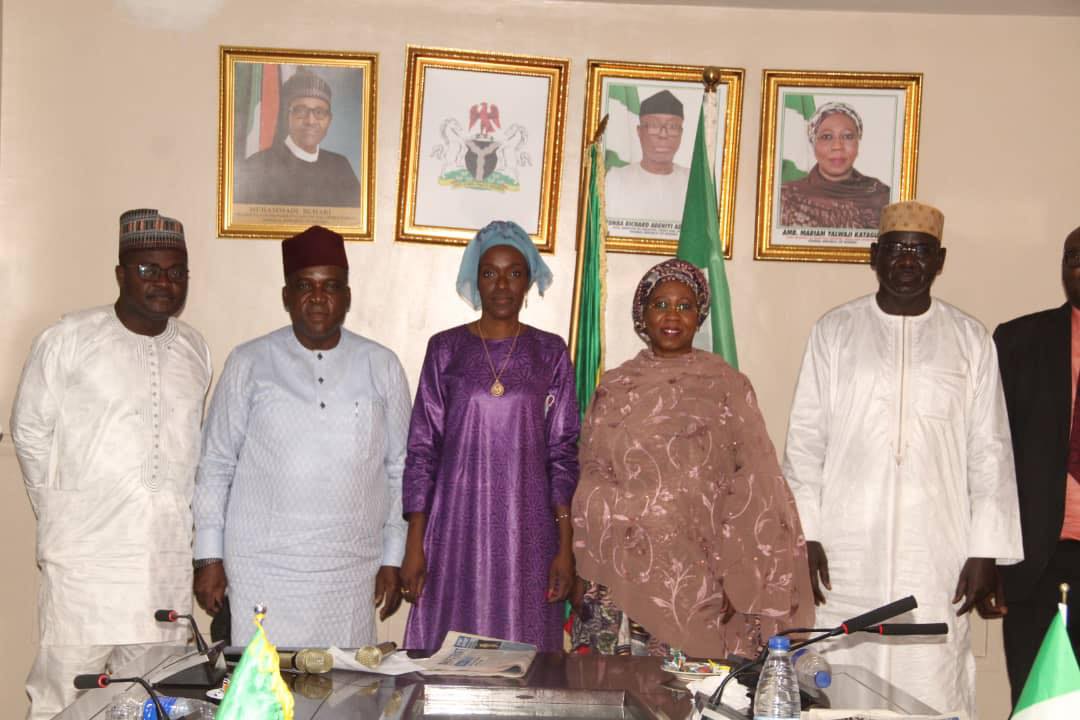
The Honourable Minister of State for Industry, Trade and Investment, Amb. Mariam Yalwaji Katagum has said Nigerian government is committed to the progress and optimal operation of Onigbolo Cement and Save Sugar Companies for economic development between Nigeria and the Republic of Benin.

The Minister made this known during the Ministerial Session and Signing of Resolutions and Communique of the 26th Ordinary Session of the Joint Supervisory Authority (JSA) on Onigbolo Cement and Save Sugar Companies between the Federal Republic of Nigeria and Republic of Benin held in Abuja.

Amb. Katagum reiterated the commitment and friendship of the Nigerian Government to not only the Government of Benin and her people, but to also the progress and optimal operation of the two enterprises.

Amb. Katagum revealed that the enterprises have experienced mixed fortunes over the years, leading to the full privatisation of the two Government stakes in Onigbolo Cement Company.

She also said the lease agreement governing the management and operations of Save Sugar Company will expire in May 2023, stating that, it is expedient on the part of both governments to proactively design and develop concrete steps and actions that will enhance the fortunes of the enterprise post 2023.

The Minister said, overtime both governments have embarked on preliminary assessment of the assets with a view to determining its future and the assessment exercise has revealed the need for detailed technical and financial evaluation of the enterprise.

Amb. Katagum said that Nigeria and Republic of Benin should be seen to promote and deepen economic diplomacy and political integration between the two countries, especially among the people.

“In that regard, the Federal Ministry of Industry, Trade and Investment has been directed by His Excellency, President Muhammad Buhari, GCFR to ensure that the Nigerian Government maintains interest in Save Sugar Company while at the same time encourage private investments into the enterprise. This is to guarantee infusion of financial resources and repositioning of the enterprise for better performance” the Minister stated.

She also emphasized that the representatives of Governments should re-double efforts to guarantee delivery of the objectives and desires of their respective Governments ,stating that, this would further magnify and sustain the aspiration of the founding fathers.

Amb. Katagum thanked the Honourable Minister of Industry and Commerce, Republic of Benin, H.E. Alimatou Shadiya Assouman who led the delegation, for making out time to attend the 26th session of the JSA on Onigbolo Cement and Save Sugar Companies in Abuja.

She also appreciated the Nigerian Ambassador to Republic of Benin, General Tukur Buratai for his commitment to the progress of the enterprise.

The Honourable Minister of Industry and Commerce, Republic of Benin, H.E. Alimatou Shadiya Assouman in her closing remarks acknowledged the good will of President Mohammadu Buhari in strengthening the bilateral relationship between Nigeria and Republic of Benin and also the work well done by the Honourable Minister of State for Industry, Trade and Investment, Amb. Katagum and her technical team.

She also expressed gratitude to the Honourable Minister of State for Industry, Trade and Investment, Amb. Katagum and the Nigerian Ambassador to Republic of Benin, Lt Gen. Amb. Tukur Buratai for the warm reception given to her and her team

Oluwakemi Ogunmakinwa Mrs

In no particular order, I acknowledge the presence of highly distinguished individuals who have been penciled down to participate in this session of this great event. I will stand on existing protocol but taking a cue from the personalities listed for participation in this session, permit me to specially recognize the presence of the following:

Protocols, Distinguished:

  • His Excellency, President Muhammadu Buhari, GCFR, President Federal Republic of Nigeria
  • Alhaji Mohammed Musa Bello, Honourable Minister, Ministry of Federal Capital Territory
  • Major General Baba Gana Monguno (Rtd), National Security Adviser
  • His Excellency Ogbeni Rauf Aregbesola, Honourable Minister of Interior
  • Rt. Hon. Femi Gbajabiamila, Hon, Speaker, House of Representatives
  • Abubakar Malami SAN, Attorney General of the Federation and Honourable Minister of Justice
  • His Excellency Senator Bala Mohammed, Executive Governor of Bauchi State
  • Her Excellency Ms Catriona Laing, British High Commissioner to Nigeria
  • Mele Mele Kyari, Group Managing Director, NNPC
  • Engr. Simbi Kesiye Waribote, Executive Secretary, Nigerian Content Development and Monitoring Board
  • Prof Umar Garba Danbatta, Executive Vice Chairman, Nigerian Communications Commission
  • Engr. Sanusi Garba, Chairman, National Electricity Regulatory Commission
  • Prof. Mahmood Yakubu, Chairman, Independent National Electoral Commission
  • Mr. Rick Kennedy, Chairman, Oil Producers Trade Section and Managing Director/CEO Chevron Nigeria Limited
  • Dr. Hamid Boboyi, Executive Secretary, Universal Basic Education Commission
  • His Majesty King Dr Edmund M Daukoru FIC, CON, Mingi XII, Amanyanabo of Nembe Kingdom and Chairman, South –South Monarchs Forum
  • His Excellency (Dr) Senator George Akume CON – Hon Minister of Special Duties and Intergovernmental Affairs
  • Captains and Key Stakeholders in the Private and Public sectors of the Nigerian economy
  • Distinguished speakers
  • Members of the Press
  • Ladies and Gentlemen

ATCON is the premier telecommunications and ICT association in Nigeria. ATCON members cuts across 9 business segments of the telecom and ICT sector in Nigeria namely Telephone Operators (PNL/Fixed Line Operators, MNOs/IDAs Operators), Infrastructure Providers (Interconnect, Data Centre Operators, Towers/Base Stations Providers); Internet Services Providers (ISP) (Wholesale Segment, Retail Segment), Value Added Services Providers (VAS), Over The Top (OTT) Players, FINTECH/e-Commerce Operators, Telecom/ICT Equipment Manufacturers, Telecom/ICT Consulting firms, and Telecom/ICT Equipment Dealers. The services offered by ATCON members are critical to the running of the economy and have significantly contributed to the growth of the GDP of Nigeria as well as enhancement of the quality of lives of Nigerians. The subject matter of this keynote address is therefore one that ATCON is very familiar with as it represents the core of our daily activities.

To fully appreciate the importance of the subject matter it will be good to establish the components of the Nigerian state that comprises Nigeria’s Critical Infrastructure, Monuments, and Business Assets and the role they play in the daily lives of Nigerians.

Critical National Assets and Infrastructure (CNAI)

Critical National Assets and Infrastructure (CNAI) has been defined as assets, services and systems that support the economic, political and social life of a nation. They cut across every sector necessary to maintain normalcy in daily life. The sectors include: ICT, Energy, Financial, Commercial Facilities, Critical Manufacturing, Dams, Emergency Services, Food and Agriculture, Chemicals Supply, Government Facilities, Healthcare, Transportation, Water Supply, Waste Management, and Education Facilities, amongst others.

These assets are both physical and intangible but the efficient running of these infrastructure ensure that the citizens continue to maintain a good quality of life

National Monuments and Cultural Heritage

A National monument is a historic site or geographical area, owned and maintained in the public interest by the federal government. To appreciate the concept of national monuments preservation in Nigeria, we must expand our discussion beyond the physical monuments to also include the cultural heritage of Nigeria.

According to UNESCO the term cultural heritage encompasses several main categories of heritage including cultural and natural heritages. Cultural heritage are cherished characteristic features consisting of physical artefacts and intangible attributes of such societies that are inherited from past generations, maintained in the present and bestowed for the benefit of future generations. They evolve from the ingenious activities of humans, preserved and transmitted through oral traditions or in written concrete forms across generations of human societies.

Tangible cultural heritages include products that can be touched and seen (e.g., architecture/buildings, defensive walls and tools, cowries, paintings, textiles, pestles, mortars, religious temples, dresses, pottery & potsherd pavements, monuments, books, works of art). Intangible cultural heritages on the other hand include invisible aspects of a peoples’ ways of life such as folklore, kinship, norms, values, worldviews, philosophies of life, religious beliefs and practices, music, dance, festivals, traditions, language, and knowledge among others.

Across Nigeria, the National Commission for Museums and Monuments (NCMM) manages over 51 museums and 65 national monuments and sites. Over 100 proposed sites and monuments are waiting for designation.

Business Assets:

Business assets are items of value that your business owns, creates or benefits from. Assets can range from cash, raw materials and stock, to office equipment, buildings and intellectual property. Although these may be seen as private assets, the crucial role they play in the sustenance of the Nigerian economy and way of life of the citizens makes it important that they are adequately identified and protected. Under the context of the subject matter, protecting business assets will be seen not from a financial and legal maneuver traditionally employed to protect assets from potential financial loss, but rather from the tangible assets perspectives where the physical structures are at risk of vandalism and destruction. Just a few days ago we read of the unfortunate situation where armed robbers attacked several banks in a state in Nigeria and not only destroyed assets of the bank but also made away with money and there was also loss of human life.

State of Nigeria’s Critical Infrastructure, Monuments, and Business Assets

The state of the Nigerian Critical Infrastructure, Monuments, and Business Assets unfortunately is not the ideal situation that will result in the maximum benefits to the citizens. Despite the key benefits that accrue to the Nigerian state from these objects, a lot still needs to be done to ensure maximum benefits to the country. In this Address I will examine the current state of affairs and suggest ways to remedy any challenges observed.

The key challenges being faced in the area of Nigeria’s Critical Infrastructure includes:

  • Uneven spread of critical infrastructure across the country
  • Vandalism and theft
  • Lack of cooperation by many states and local governments with private sector to enable implementation of much needed infrastructure
  • Destruction of infrastructure as a result of security unrest in parts of the country
  • Lack of human capital
  • Lack of adequate funding

The key challenges being faced in the area of Monuments and Artifacts

  • Lack of maintenance culture
  • Lack of proper inventory and identification
  • Theft and vandalism
  • Need for creations of new monuments and artifacts

Challenges with Business Assets

  • Lack of timely protection from security organs during crises
  • Lack of public utility and infrastructure leading to high cost of business
  • Lack of ideal long-term financing options

Positive Outlook and Current Steps

Despite the challenges highlighted above, I am gladdened by the efforts being made to address these issues. The conveyance of this Summit is a testament that these challenges have been identified and the will exists to address them.

The efforts by the office of the National Security Adviser (NSA) in developing policies and guidelines to protect the critical infrastructure is very commendable. The latest edition of Nigeria’s National Security Strategy (NNSS) 2019, captured and emphasised the urgent need for safeguarding these assets. Key components of the strategy document include the objectives of identifying, classifying and prioritizing Critical National Assets and Infrastructure (CNAI) and to determine appropriate levels of protection required for each CNAI or groups of CNAI; enhance the resilience of CNAI to hazards; and minimize the effect of attacks or disasters on CNAI.”

Additionally, the NNSS captured the propensity of the government for the development of a geographical information system (GIS)-based decision support tool which the networks of all stakeholders with contingencies and emergency responses to CNAI protection can contact.

It will also involve the development and activation of response protocols at the National Crisis Management Centre (NCMC) for national security breaches that imperil CNAI. It will conduct periodic inspections and certification of the security preparedness of CNAI.

Furthermore, the document categorically stated that institutional arrangements shall be put in place to coordinate the activities of the federal government with those of states and local governments. The NCMC, established in ONSA, will coordinate CNAI protection, policy development and ensure implementation and liaison across all levels of government and industry. State and local governments are to set up corresponding structures to liaise with the NCMC at the national level to coordinate activities and request assistance where necessary.

Also worthy of note is the digitization of economy being lead by the Honorable Minister of Communication and Digital Economy through the agencies within the Ministry – Nigerian Communications Commission (NCC), National Information Technology Development Agency (NITDA), etc which has put the country in the right path towards ensuring these Critical National Infrastructure is not only developed but also well protected.

The activities of The National Commission for Museums and Monuments (NCMM) in not only identifying the national monuments and artifacts but also carrying out activities that will ensure that factors mitigating the protection of these crucial cultural assets is addressed in due course is well noted and commended.

The efforts of all arms of the security agencies not limited to the military and police force but also the Nigeria Security and Civil Defence Corps which has continued to make tremendous efforts to fulfill its obligation as the lead agency in the protection of critical national assets and Infrastructure through effective synergy with sister agencies and other critical stakeholders within available resources at its disposal is well commended.

Recommended Steps to ensure the protection of Critical National Infrastructure, Monuments, and Business Assets in Nigeria

Nigeria has to take full advantage of modern technology in addressing the challenges confronting its Critical Infrastructure, Monuments and Business Assets. Technology exists today to fully monitor the entire critical infrastructure in the country. Internet of Things presents a great opportunity to have real-time visibility on the critical assets and also provides opportunity to predict when a national asset is about to be vandalized and appropriate steps taken to address the source before it is too late. For instance, a technology exists today to identify when a road construction work is getting close to fiber optics installation and efforts can be made to address the threat before it is too late.

Blockchain technology offers a great opportunity to digitally tag all monuments and artifacts and give them a universal identity against future theft. This is currently be used in protecting endangered species and track assets such as diamonds and precious metals.

However, technology alone cannot solve the problem. Technology without the human will and capital resources will only result in suboptimal progress. The interoperability between the various entities that ensures smooth running of the economy must be appreciated and addressed. Federal, State, and Local Governments must see the critical role that the infrastructure providers play in governance and see the providers of these critical services not only from the prism of revenue generation but as partners in progress whose activities if fully developed will led to better governance and quality of life of the citizens. Eventually more revenue will accrue to the Federal, State, and Local Governments when these infrastructures are fully deployed and operate optimally.

There cannot be adequate security when youths are not gainfully employed. ICT provides a great avenue to train the youths and enable the exports of technology to other countries of the world. Nigeria is blessed with a great youth population that is extremely intelligent and hard working. What is needed is an enabling environment for ICT training with application in various industries and the youths in Nigeria will be gainfully employed and crime will reduce.

As Nigeria’s economy goes full digital and more critical services are managed online, cyber security becomes a major challenge to be tackled from entities both within and outside the country. A strong cyber security workforce must be developed to protect the critical assets of the country.

As the saying goes, the bad actors need to be lucky only once to cause maximum damage. It is also unreasonable to expect systems and processes to work perfectly well 100% of the time. It is therefore imperative that adequate plans are put in place to not only address challenges to critical infrastructure when they occur but also to bring the culprits to book post event.

Redundant systems must be implemented so that when a critical infrastructure fails in operations, the backup system is able to sustain operations unnoticed or if there is a downtime the restoration process is such that there is minimal downtime.

The security agencies must be adequately funded and trained to confront national security challenges. The judicial system must be strengthened so that those found culpable in damaging critical national infrastructure will be adequately punished as a deterrent to others.

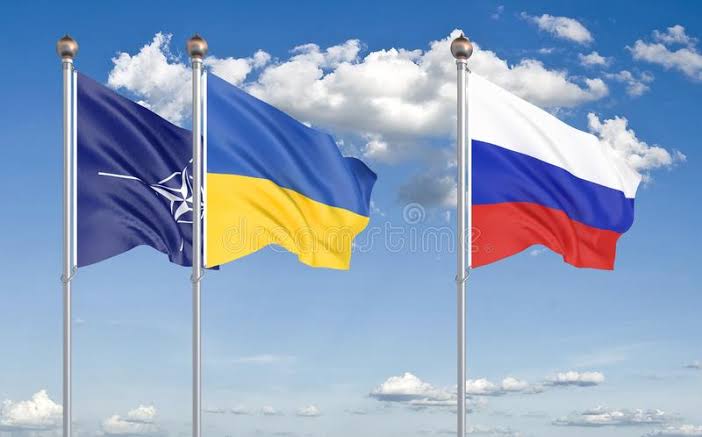
Two events in recent times has pointed out that Nigeria cannot afford to not improve our internal processes to ensure protection of our critical infrastructure and monuments. The Covid-19 Pandemic and the current crisis involving Russia and Ukraine has pointed out that fact that no matter the goodwill and sympathy expressed by foreign nations in the moment of crises, the citizens of each country must address their own challenges using internal resources. Nigerians must be educated and enlightened to see all national assets as not belong to the Government but actually belonging to the citizens and all assets must be protected by all.

Conclusion

Nigerian cannot therefore afford not to put in place all the building blocks to address the current challenges facing the country in the area of critical national infrastructure, monuments, and business assets. The time has come to sign and give effects to all pending bills and policies necessary to secure the assets of Nigeria.

Conclusion

As the country is gearing towards a new election, a lot of politicians are positioning themselves for various electoral position. This have seen a lot them heading back to the grassroots that many of them have forgotten years ago. The founder of MykMary Fashion show has cautioned the youths to be careful on whom they vote this period.

Michael Oyemah, the founder of MykMary Fashion Show has said that there is need for Nigerians to have a cursory look at the present crop of politicians that are positioning themselves for elective position. In his words he said “We have to be careful on what we do this period. This is the time to get it right, we strongly believe that Nigeria must be great. As a stakeholder in fashion space and lifestyle industry, I have come to meet the youths and I have felt their pulse and I know majority of the impediments are political”

“I will not be happy when Nigerian youths start looking at those old politicians and start voting them, they are old and they should be enjoying their old age. We are in a fast-paced world and the need to keep up with the fast development of today’s world is imperative. Therefor, we need an energetic, digital savvy and focused leadership. Gone are the days that they give you rice and bean that will make you mortgage your future and vote inept and senile politicians.”

“We shouldn’t be looking at tribe, religion or political affiliation, the Nigerian youth must participate and ensure their votes count. Thank lord for the electoral reforms, I strongly believe that Nigeria is trying to get it right, and the youths must be part of this electoral processes. This will be a thing that will be securing us.”

Speaking about the restiveness of youths in the Sout Eastern Nigeria, Oyemah Mike said that” We want the peaceful resolution of all the conflicts in the East, we believe that these youths are agitated, angered and annoyed over the way things have turned out, we implore and beg them to sheath their sword and give peace a chance. If it means dialogue, we can open it up. Being into fashion ecosystem I know the billions of Naira industry that Aba fashion ecosystem is. We know how the space was but with the level of things today, that industry is becoming weak. We hope that the Eastern leadership find a last solution to this quagmire in the Igbo land.”

Oyemah Mike as he is fondly called is the CEO of Mykmary Fashion Show & Awards which is powered by Mykmary Fashion House Limited. A contemporary fashion brand that is aimed to bridge the gap between Nigerian fashion brands and the international market.MYKMARY Fashion Show and Awards 2022 is bringing worldwide visibility. In addition to making your experience worthwhile, high end Fashion retailers, fashion designers and entrepreneurs will grace the event

EMMA CLEMS

The socio-political and religious information Africa consumes comes mainly from the West- America and its allies. And that is why Africans always echo western political views. We don‘t think for ourselves. We never ask- what is the other side of the story? We are neck-deep in Stockholm Syndrome, and we always believe the narrative of those who brutalized and enslaved us and plundered our resources for 400 years; and continue to do so.

So, for those of you who are interested in the other side of the story, here is my little contribution.

A couple of years before the dissolution of the Soviet Union, The Reagan administration asked Soviet leader Gorbachev to facilitate the reunification of Germany by tearing down the Berlin Wall. Gorbachev was assured by James Baker, Reagan‘s chief of staff and secretary of state under George Bush Snr., that NATO will not move an inch towards Russia if he took down the Berlin Wall. Gorbachev agreed and the Berlin Wall came tumbling down and East and West Germany were re-united. (This information can be found in the US National Defense Archives- declassified minutes of the Baker-Gorbachev discussion)

NATO honoured this agreement for 12 years- 8 years under George Bush Snr and 4 years under Bill Clinton. But in his second term, Bill Clinton and other NATO leaders threw the agreement into the dust bin. In 1996, a decision was taken to enlarge NATO and Poland, Czech Republic and Hungary were admitted into the alliance. This act signaled the inching towards Russia and marked the beginning of the second phase of hostilities between Russia and the West; and the kick-off of the new arms race. Before this time, Russia, after the dissolution of the Soviet Union, did not do anything in international politics to anger the US and its NATO allies. After the admission of the former Soviet states into NATO, an angry Boris Yeltsin made a speech where he told the US that Russia was not Haiti, and they cannot treat Russia like they have treated Haiti. He assured the West that Russia will come back.

The enlargement of NATO was followed a few years after by the bombardment of Russian allies without consulting Russia. NATO reigned supreme without any challenge from Russia.

Fast forward to year 2000. Vladimir Putin is elected Russian president. One of the first things he did was apply for Russia to join NATO. His reason was that NATO was created to counter the threat of the Warsaw Pact. But since the Warsaw Pact no longer existed, why not join the rest of Europe to work for a peaceful and more prosperous Europe. He asked for some sort of military partnership with NATO and the EU, but they basically told him no. They said Russia was too big to be part of the EU. But the real reason basically was that America did not want a major power challenging its authority in NATO.

In February 2007 at the G20 meeting, after NATO had announced plans to enlarge the alliance further towards Russia, Vladimir Putin made a speech and this is what he said-

“I think it is obvious that NATO expansion does not have any relation with the modernization of the alliance itself, or with ensuring security in Europe. On the contrary, it represents a serious provocation that reduces the level of mutual trust. And we have the right to ask- against whom is this expansion intended? And what happened to the assurance our western partners made after the dissolution of the Warsaw Pact? Where are those declarations today? No one remembers them. But I will allow myself to remind the audience what was said by NATO General Secretary Mr. Manfred Wörner in 1990-
“The fact that we are not ready to place a NATO army outside of German territory gives the Soviet Union a firm security guarantee”. Where are these guarantees, Putin asked the G20.

The NATO response was yes, you are right, but that was guarantees given to the Soviet Union, not Russia. That was a very dishonest and ingenious answer, and every right-thinking person knew it. It was like saying- yes, we made a promise to your father not to threaten his household but since he is dead, we are no longer bound by that promise.
In a later speech, Putin said that his suspicions about whether the US still pursues the secret policies of the Wolfowitz Strategy has been confirmed. (Wolfowitz Strategy, New York Times, 1992)

The Wolfowitz Strategy, which was developed by Paul Wolfowitz, Under Secretary of Defence, was a secret strategy by the US after the Cold War to make sure that no nation on earth attains enough power, either economic or military, to challenge US hegemony. It states that the US must remain the only superpower. It even goes further to insist that US allies must not develop their own nuclear capabilities but must leave that to the US to do it for them. The strategy also specifically mentioned Russia and insisted that the US must do everything in its power to make sure Russia does not become strong enough to challenge it.

When this report was leaked by the New York Times in 1992, there was outcry around the world. Many leaders decried it an as imperialist doctrine and the Bush (Snr)administration said that it had withdrawn that strategy. But US foreign policy since 1992 shows clearly that the Wolfowitz Strategy is still very much US foreign policy. Any country that is not a US ally that attempts to pull itself up militarily is invaded and destroyed.

That was what Putin meant when he said that his suspicions about the Wolfowitz Strategy has been confirmed. And since Putin made that speech, NATO and the US have inched closer and closer to Russia’s borders. And now they want Ukraine so that they can be 5 minutes away from striking at Russia.

In 1962, the Soviet Union and Cuba, in a joint military exercise, agreed to station missiles in Cuba. When the US found out, it threatened to sink the Soviet war ships and start World War 3 if the Soviet Union went ahead to station missiles in Cuba. Why? Because it was a threat to US security. You can’t have your enemy leaning over the wall of your neighbor’s house to aim a gun at your head. The US was right in saying no. But ironically, that is the same thing they want to do with Ukraine.

Since year 2000, NATO has inched closer and closer and now they are at Russia’s doorstep- Ukraine.

So, if you were the Russian president, what would you do?

Tyrone Biglion

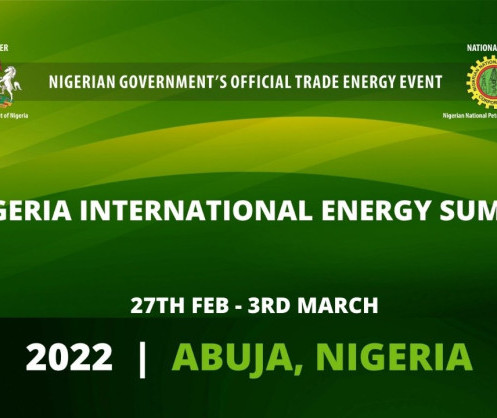
The African Energy Chamber (AEC) (EnergyChamber.org), led by Executive Chairman NJ Ayuk, will be attending the highly anticipated Nigerian International Energy Summit on the 27th of February  – 3rd March  2022. Taking place in Abuja, Nigeria, the Summit represents the government’s official event for the energy industry, uniting regional energy leaders and international investors for a week of dialogue, deals, and decision-making regarding Nigeria’s energy sector.

The Nigerian International Energy Summit is considered a must-attend event in both the country and the region. The Summit comes at time when the country is pursuing aggressive industry reforms and sectoral improvements to position itself as both a competitive and highly attractive destination for international investment. The most noteworthy of these include the Petroleum Industry Bill (PIB) – a consolidated legal framework that ensures both a transparent and strengthened energy sector – passed into law in 2021 by the Nigerian senate. The PIB has been instrumental in strengthening the country’s energy landscape while making Nigeria a top hydrocarbon investment destination.

We will be going to Nigeria in March to have a real discussion on Nigeria and the role the country has and continues to play in Africa’s energy transformation

With over 37 billion barrels of crude oil reserves, Nigeria has managed to position itself as one of the top producers in Africa. Now, as production begins to decline from ageing oilfields and international oil majors divest from African assets, the country is focused on accelerating exploration. By introducing attractive fiscal incentives for explorers, introducing a marginal field bid round, and making a strong play for foreign investment, Nigeria has set its eyes on becoming an even more formidable oil player. 

Meanwhile, the country has been making significant strides regarding its Decade of Gas initiative, having launched a number of large-scale projects to enhance the share of gas in the country’s energy mix while positioning the country as a competitive gas producer and exporter. Projects such as the $2.8 billion, 614Km Ajaokuta-Kaduna-Kano (AKK) pipeline connecting the eastern, western, and northern regions of the country, as well as the construction of $10 billion Nigeria LNG Train 7 reaffirm the country’s commitment to gas.

“We will be going to Nigeria in March to have a real discussion on Nigeria and the role the country has and continues to play in Africa’s energy transformation. Nigeria represents one of Africa’s oil and gas heavyweights. With sizeable reserves, a strong regulatory framework, and the right political will in place, the country is set to usher in an industry revolution. At the Summit in March, we will be having conversations centered around oil, gas, and the future of African hydrocarbon basins. By coming to the Summit and engaging with key Nigerian stakeholders, regional and international investors can be introduced to some of Africa’s most attractive and lucrative opportunities,” stated Ayuk.

Ayuk will be leading an AEC delegation to Nigeria to engage with key stakeholders across Nigeria’s energy sector. Promoting the role of oil and gas, the position of Africa in global hydrocarbon supply chains, and how Africa can attract investment in a reduced capital expenditure, COVID-19 environment, the AEC is committed to both Nigeria’s and Africa’s energy futures.

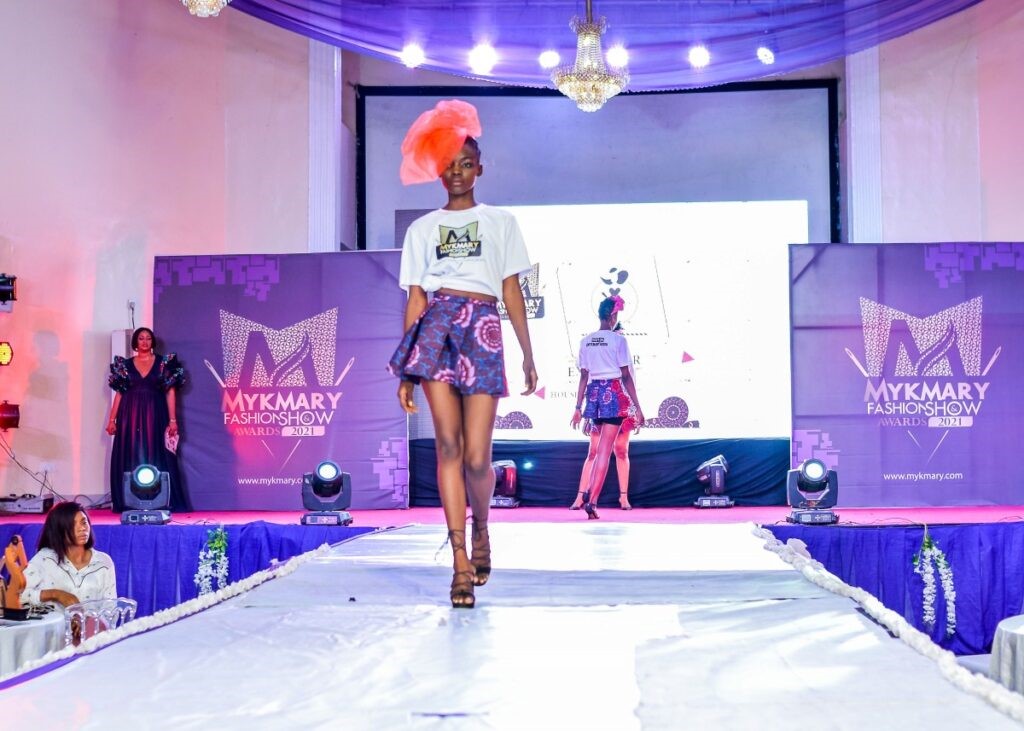
The Nigerian fashion industry is worth billions of dollars, touted as one of the largest in Africa. Globally, Nigerians are known to be fashionable, this has brought the Nigerian fashion scene to the global limelight. One of the foremost fashion shows in the country known as Mykmary Fashion Show & Awards has consistently put the Nigerian fashion show in the map. Bringing start-ups , investors and corporate brands in one fashion ecosystem.

Mykmary Fashion Show & Awards has over the years showcased the indigenous fashion industry like never before. There has been calls for stakeholders in the industry to be part of this 2022 fashion show, speaking to the media, the founder and CEO of Mykmary Fashion Show & Awards has enumerated the advantages of been part of this year’s fashion expo. Mykmary fashion show & awards attract several visitors from within and outside Lagos including investors, sales agents, manufacturers, business representatives, potential customers and those seeking joint-venture partnerships in the fashion industry.

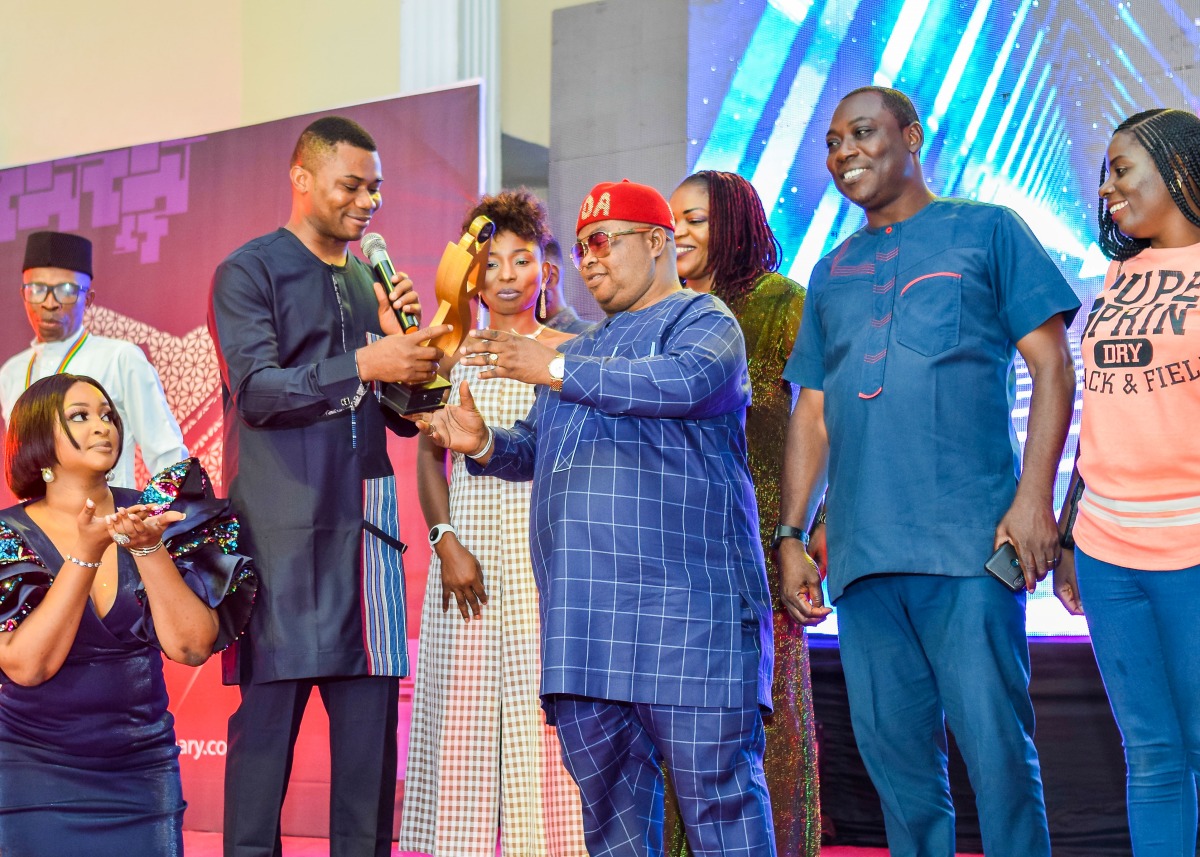
With over forty Designers & Exhibitors, over 50 Awardees, over eight hundred, Physical Attendees and about 28,500 Virtual Attendees. Industry watchers and stakeholders has described the show as the “Holy Grail” of the Nigerian fashion show where who is who in the industry are always attending. This has placed the event as one of the top most fashion event and also a platform for corporate brand to show case their products and launch their new product.

Home 3

Over seventy percent of the attendees are youths, this has made the show to be one of the greatest places that most brand target this select market for their product penetration.

Participating in the show as a Sponsor/Exhibitor will increase your brand visibility & connect with African and International stakeholders. You have the opportunity to Network and Connect with new channels of industry networks, leading Government Officials & Corporate clients. You can generate Business Lead, launch new Products or services & increase your business opportunities. The event has availed many corporate players to close Business Deals, Forge new links with leaders in the business through deal-making at our events.

Sponsorships provide an ideal platform to promote your Company Services & connect with Government Officials, Corporate Organization, and the Media. Form new business partnerships, increase contacts, networking & deal-flow both locally and internationally. Our packages offer high impact & value for money for companies looking to reach a senior level audience.

Mykmary Fashion Show & Awards is powered by Mykmary Fashion House. A contemporary fashion brand that is aimed to bridge the gap between Nigerian fashion brands and the international market.

EMMA CLEMS

Over seventy percent of the attendees are youths, this has made the show to be one of the greatest places that most brand target this select market for their product penetration.