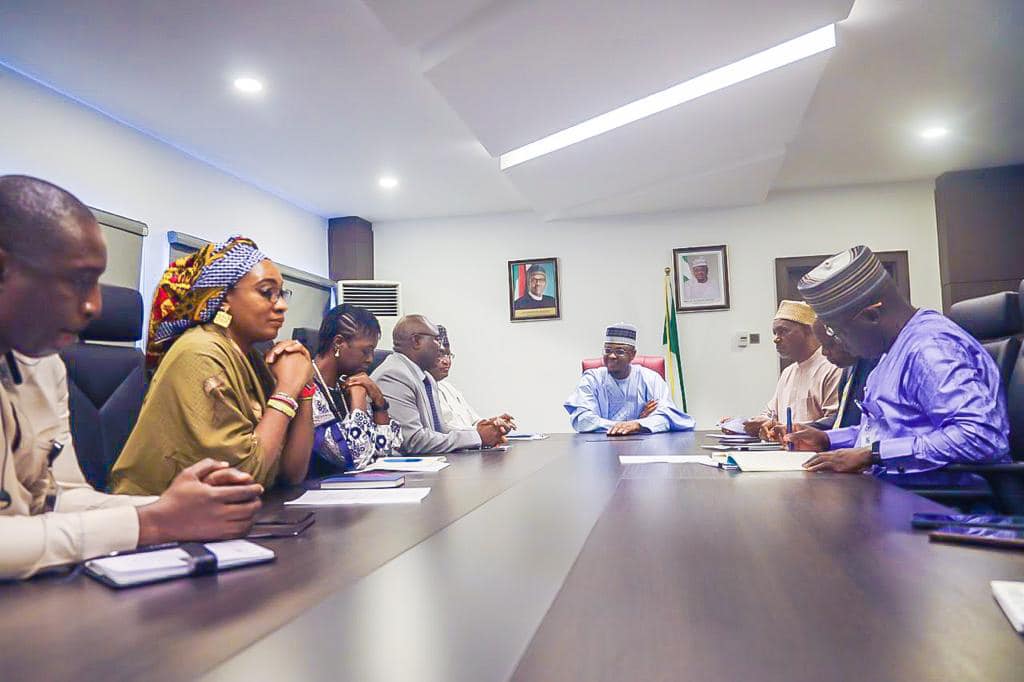
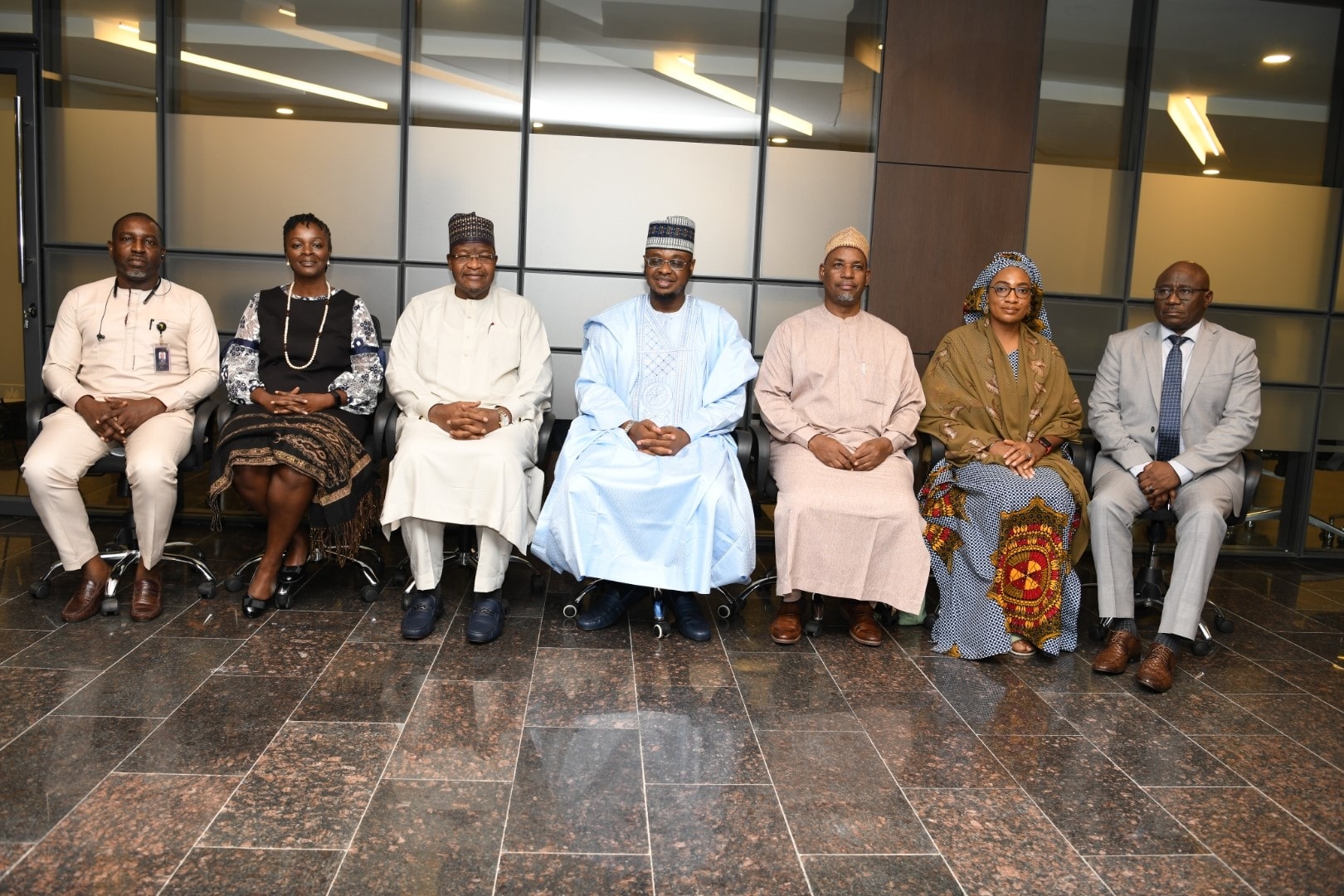
On behalf of His Excellency, President Muhammadu Buhari, Minister of Communications and Digital Economy, Professor Isa Ali Ibrahim (Pantami) today announced the suspension of Excise Duty for the Digital Economy sector which was championed by him and approved by His Excellency, President Buhari.

Similarly, Mr President approved the Presidential Committee on the review of excise duty for the sector, the committee was inaugurated by Pantami on behalf of Mr President.

The Presidential Committee is to be chaired by Minister of Communications and Digital Economy, Prof. Pantami, other members include;
2. Minister of Finance Budget and National Planning;
3. Chairman, FIRS;
4. Executive Vice Chairman, NCC; and
5. Representatives of Mobile Network Operators.


The African Continental Free Trade Area (AfCFTA) was signed on 21st March 2018 in Kigali, Rwanda, by 44 out of the 55 African countries, and brokered by the African Union (AU). This agreement was born of the realisation that total trade exports from Africa to the rest of the world are estimated at USD 760 billion; however, this is mostly in the form of raw materials and thus prevents Africa from deriving the true value of such exports. Considering that African exports to the world make up only 3% of the total world trade value, there exists much scope for improvement.

No wonder then, in a 2020 report, the World Bank estimated that by 2035, real income gains from full implementation of the agreement could be 7%, or nearly USD 450 billion, while predicting that the agreement could contribute to lifting an additional 30m people from extreme poverty and 68m people from moderate poverty. Against this backdrop, it is clear that the AfCFTA has the potential to make a significant impact on improving the livelihoods of the African people, by boosting intra-African trade and generating new employment opportunities on an integrated African labour market.

In a follow-up report (https://bit.ly/3wZhqmM) published in June 2022, the World Bank listed other potential benefits of the AfCFTA on labour including higher-paid, better-quality jobs, especially for women; as well as wage rises of 11.2% for women and 9.8% for men by 2035. Policymakers say that the free movement of labour will be a key contributor to the successful functioning of the free trade area and realising the above benefits for workers.

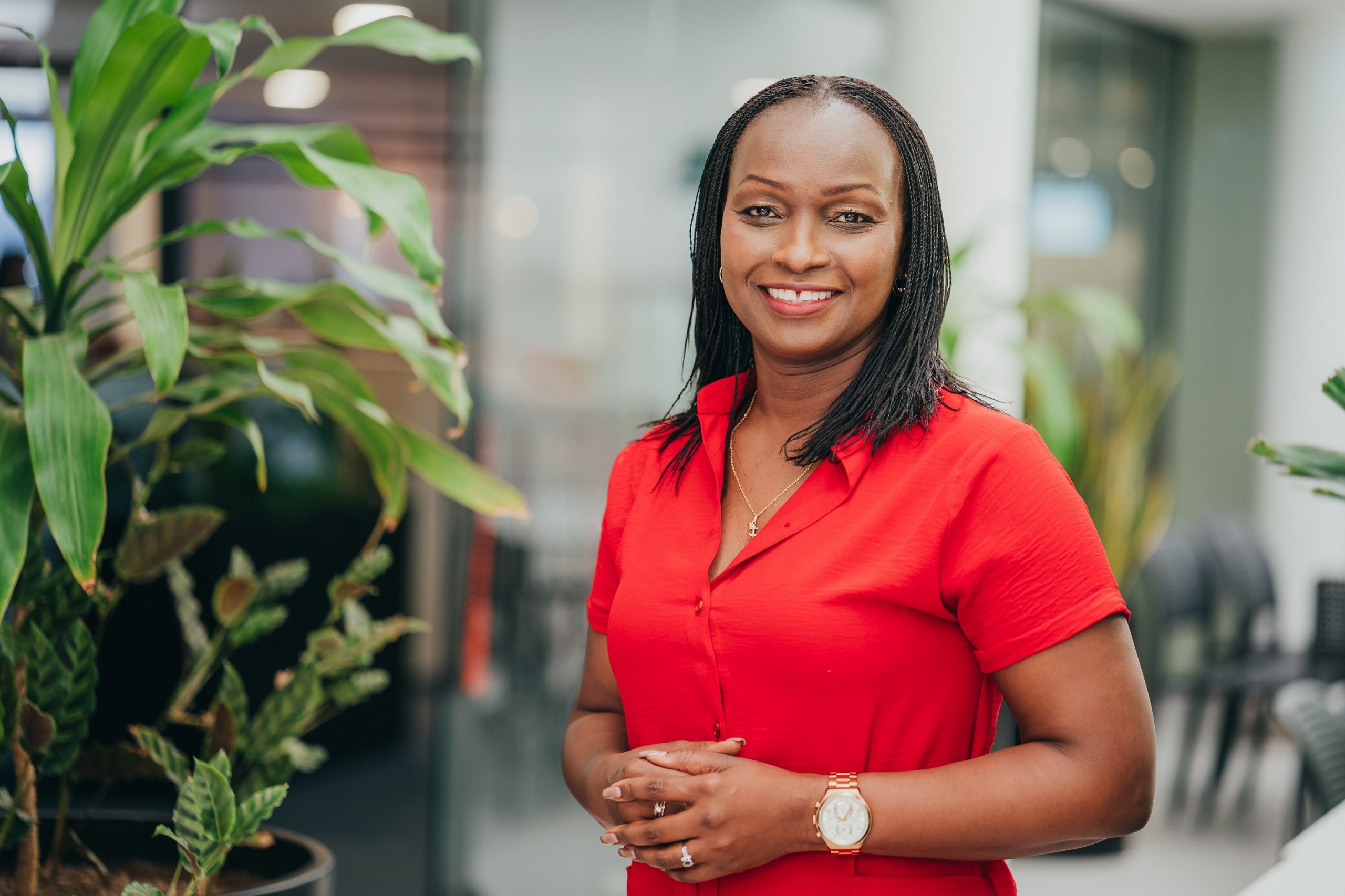
“Let us now dig deeper into why the labour mobility promised under the AfCFTA is important for Africa’s development and how it can be achieved towards bettering local livelihoods and ensuring sustainable wealth creation in Africa” says Margaret Soi, Head of Cross Border Banking at Bank One.

Why labour mobility stands to benefit Africa – across host and native countries

There is no denying that labour migration is good for trade and economic development, especially in developing countries, with free movement of people benefitting both the host country and the country of origin.

Financial institutions like Bank One can support the growth and needs of such skilled professionals by extending to them best-in-class cross-border banking solutions

The benefits of free movement of people within Africa can be grouped under the following five distinct categories:

  1. Boosting trade and tourism: Free movement of people can boost both trade and tourism. For instance, Rwanda saw cross-border trade with Kenya and Uganda increase by 50% on the back of easing travel requirements to just identification cards for neighbouring countries in 2013. Also, tourism in the Seychelles increased by a significant 7% per year between 2009 and 2014, when it abolished visas for African nationals.
  2. Bridging skill and labour gaps: There could be situations where certain countries have particular skills in excess while others lack the same skillset. Allowing free movement of labour will enable host countries to find such scarce skills at potentially lower rates than attracting talent from developed countries, while easing demographic pressure in the countries of origin. Further, the productivity enhancements that accrue from such skilled workers will boost economic growth and per-capita income. For instance, while immigrants only make up 10% of Côte d’Ivoire’s population, which hosts the second-highest number of immigrants in Africa, they make up 19% of GDP.
  3. Spurring local employment: While it may appear counterintuitive as migrant workers compete for jobs with nationals, their presence actually stimulates local employment too. For instance, in South Africa, it was seen that recently arrived migrants positively impacted native employment rates and wages, and their presence resulted in lower unemployment. Taking a wider example, the creation of the EU and free movement within has lowered the average unemployment rate in Europe by 6%.
  4. Boosting government revenues: The employment of migrant workers in the formal economy of host countries can have a significant positive effect on the public finances via taxes. For instance, migrant workers pay on average three times more tax than the citizens of Rwanda. In Ghana, local workers only cover 70-80% of expenditures made in their favour, while migrant workers pay up to 159% of government expenditure on them.
  5. Rise in remittances and knowledge transfer to countries of origin: Finally, labour mobility benefits the native country of the migrant worker through its impact on remittances and knowledge transfer. When migrant workers start working across borders, there is a corresponding rise in remittances to their home countries; to illustrate, African migrant workers sent about USD 85 Billion to their families in 2019. Crucially, intra-African remittances tend to reduce poverty even more, because regional migrants tend to have poorer families than those who leave to work on other continents. Closing the circle, when such migrant workers return home finally, they often use their deepened skills and wealth creation to support their economies and spur employment by establishing startups or investing in enterprises – and engaging in a much-needed transfer of knowledge in the process.


Effects of intracontinental labour mobility on labour standards and wealth creation

“As a natural corollary to the AfCFTA’s beneficial effect on access to scarce skillsets in destination countries, the ease of movement of labour facilitated by the AfCFTA has also seen some host countries losing out on talent if their needs are not met. This is likely to result in a rise in labour standards across the region as countries compete with each other to retain the most skilled workers” explains Margaret Soi.

Significantly, the much-needed labour mobility in an African context has seen the growth of a new class of individuals who have an appetite to grow, maintain and preserve their wealth through sustainable investment solutions both locally and across borders. At a pan-African level, this has spurred an increased demand for cross-border banking through digital channels by these highly skilled professionals who now enjoy the added advantage of mobility to transform their livelihoods. Indeed, such professionals are well poised to join a rising class of mass affluent customers living and working in Africa – a segment that Bank One is ideally placed to serve through the combined footprint of our two shareholders, Mauritian conglomerate CIEL Ltd and Kenya-based I&M Group PLC.

Margaret adds “Financial institutions like Bank One can support the growth and needs of such skilled professionals by extending to them best-in-class cross-border banking solutions such as the recent award-winning, innovative cross-border banking value proposition under our Offshore Elite Banking Unit. At Bank One, we have a slew of best-in-class banking solutions enabling us to offer services targeted to such mass affluent customers across sub-Saharan Africa, such as:

  1. Cross-border transactions: Secured offshore transactional capabilities for Foreign Currency banking across multiple currencies and geographies.
  2. Advisory: Trusted advice on structuring investments, managing wealth, and accessing secured financing facilities.
  3. Wealth Management: Dedicated and experienced offshore banking Relationship Managers covering both Francophone and Anglophone clients.
  4. Digital banking: Efficient digital banking services for accounts and investments including an award-winning custody platform and best in class FX services.


Future forward: Committing to labour mobility for a brighter future for all

Soberingly enough despite the plethora of benefits that can be derived from intracontinental labour mobility, not all African countries are committed to the concept. Alongside the signing of the AfCFTA agreement and supporting the Kigali Declaration, while 32 African nations had signed the Protocol on Free Movement of Persons (which seeks to establish a visa-free zone within the AfCFTA countries) by January 2022, only four countries–Rwanda, Niger, Mali and São Tomé and Principe – have ratified it. Most crucially, Nigeria and South Africa, the two largest economies of Africa, have not signed or ratified the agreement.

Thus, more than one year on since the launch of the AfCFTA, it is becoming increasingly clear that its full potential will not be unlocked if we do not improve the continent’s labour mobility to ensure that the right skills are available at the right place and the right time. Indeed, it is only by ensuring free movement of people and labour across the continent that we can enhance economic growth, allow firms to find much needed skills faster, boost productivity, and enable wealth creation by allowing Africans to trade more with fellow Africans.


By Margaret Soi, Head of Cross Border Banking at Bank One Limited (www.BankOne.mu)

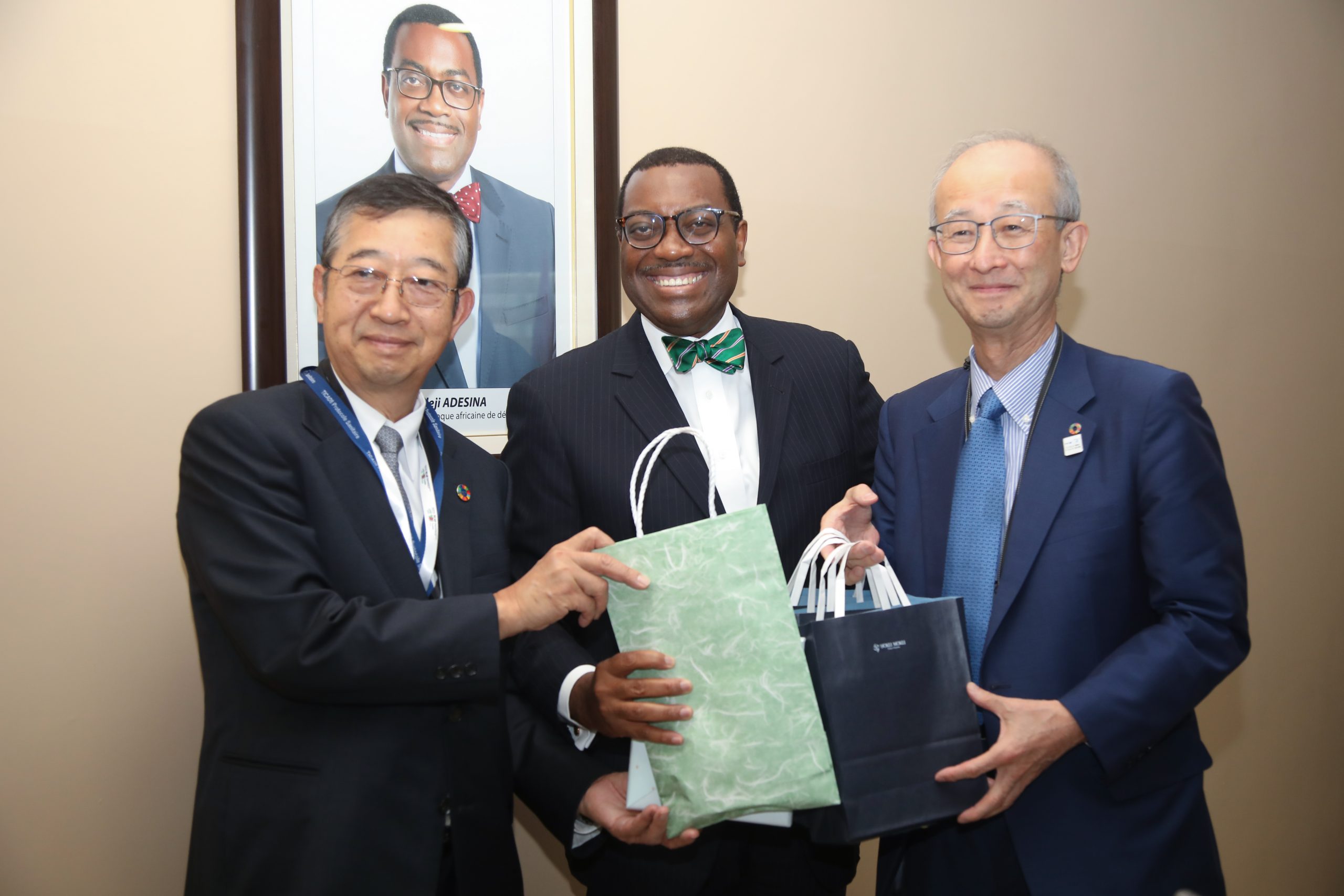
Following the announcement of an additional $5 billion to the African Development Bank’s (https://www.AfDB.org/) Enhanced Private Sector Assistance (EPSA) (https://bit.ly/3QoLwa2) program from the government of Japan, the Bank’s Central Africa Regional Development and Business Delivery Office is seeking to engage with private sector organizations from the region with economically viable projects for investment.


Serge N’Guessan, African Development Bank Director General for the region, said: “The Bank is very keen to support private promoters’ investments in Central Africa since they are critical for the economic growth and job creation in this important region of the continent. The EPSA Program financing will contribute tremendously to achieving this noble development objective.”

The Bank is very keen to support private promoters’ investments in Central Africa since they are critical for the economic growth and job creation

The announcement, made in Tunis during the Eighth Tokyo International Conference on African Development (TICAD8), comprises $4 billion under EPSA 5 (2023-2025), and is complemented by $1 billion for a new special window to support African countries that undertake reforms to foster debt transparency and sustainability. EPSA 5 aims to address four key priorities: power, connectivity, health and agriculture, and nutrition.

The EPSA non-sovereign operations component helps finance the Bank’s private sector operations through a line of credit from the Japan International Cooperation Agency (JICA) to the Bank on concessional terms. To date, seven non-sovereign loans have been signed with JICA for a total of $1.5 billion. Examples of private investment financed include infrastructure: Bujagali Hydropower Plant (Uganda), RASCOM (the first Pan-African communication satellite), the East Africa Submarine Cable System, Lekki Toll road (Nigeria), and the Kigali Bulk Water Supply (Rwanda), etc.

Credit lines for regional development financial institutions went to the West African Development Bank, Africa Trade Insurance Agency, Africa Finance Corporation, East African Development Bank, and several commercial banks. EPSA loans also financed small and medium business assistance programs in Tanzania and Zambia, as well as sector-specific equity funds such as Africa Agriculture Fund, Emerging Market Fund, and equity investment in the creation of the TCX currency hedge facility. Industries also benefited from funding, as exemplified by Lake Harvest (aquaculture project in Zimbabwe), OLAM (major agriculture company investing in Africa), and Moulin Moderne du Mali (food products).


The Special Task Force, Operation SAFE HAVEN (OPSH) in collaboration with Beautiful Gate Handicaps Peoples Centre Jos, has distributed 220 tricycles and bags of rice to handicaps within Plateau and Bauchi states.

Making the distribution, the General Officer Commanding (GOC) 3 Division Nigerian Army (NA) and Commander Operation SAFE HAVEN (OPSH), Major General Ibrahim Ali said the event was part of the operation’s Civil-military activities aimed at promoting peace and bringing succor to the physically challenged to upgrade their living conditions.

The Commander pointed out that the gesture was to support vulnerable members of the society, especially the handicaps with mobility and increase their participation to peaceful coexistence. He noted that the event was significant to peace building effort towards bringing everybody onboard in ensuring lasting peace is achieved across Operation SAFE HAVEN Joint Operations Area.

While imploring leaders at all levels and civil society organizations to prioritize the wellbeing of persons living with disabilities, General Ali assured that OPSH will continually collaborate with relevant stakeholders towards ensuring that any security challenge threatening the successes recorded recently is tackled headlong.
General Ali thanked the Chief Executive Officer, Beautiful Gate Handicaps Peoples Centre for the overwhelming support to activities of Operation SAFE HAVEN. He urged the beneficiaries of the exercise to make good use of the items donated to improve their living conditions.

In his remarks, the Chief Executive Officer, Beautiful Gate Handicaps Peoples Centre Jos, Barrister Ayuba Burki Gufwan said, the centre was privileged to partner with Operation SAFE HAVEN to reach out to beneficiaries living in the hinterland. He charged the beneficiaries not to be discouraged by their disabilities but to remain determined to conquer disabilities. He further revealed his organisation’s determination to collaborate with the military to reach out to more states.

In their separate remarks, the Director Plateau Peace Building Agency, represented by Alhaji Salis Bashir, the Chairman 26-Man Peace committee, Justice Longi Daniel (Rtd) and representative of Gbong Gwom Jos, thanked Operation SAFE HAVEN for the laudable projec of associating with the physically challenged to benefit from the monumental gesture. They further commended the leadership of Operation SAFE HAVEN for initiating numerous activities and projects aimed at promoting unity among the people.

Speaking on behalf of the beneficiaries, Pastor Gu Gwong Gu, appreciated the uncommon gesture of the Commander that remembered the physically challenged in society. It would be recalled that Major General Ali had earlier distributed 30 tricycles to physically challenged persons selected from 5 Local Government Areas of Southern Kaduna state under Operation SAFE HAVEN Area of Responsibility.
Highlight of the event were presentation of tricycles and food items to the beneficiaries.


The Federal Government yesterday (Monday, September 5, 2022) announced the suspension of the proposed 5 per cent Excise Duty on telecommunications services, and inaugurated a committee chaired by the Minister of Communications and Digital Economy, Prof. Isa Ali Ibrahim Pantami, to review the policy, immediately.

Pantami, who inaugurated the Committee, which he chairs on the directive of President Muhammadu Buhari, with the Minister of Finance, Budget and National Planning, Dr. Zainab Ahmed as member, said the decision on the suspended policy will be made after the committee completes its report.

He recalled that the suspension directed by Mr. President, followed his petition as the Chairman of the Presidential Council on Digital Economy and eGovernment, as the policy has the potentials to impact very negatively on the digital economy sector, and particularly, telecommunications, which is already overburdened with a plethora of taxes totalling about 41 categories. He said some of these are multiple taxations because other tiers or levels of government were imposing same levies that MNOs had already paid to the Federal Government.

“Excessive taxation has been a central challenge of the Information and Communications Technology sector”, he said, arguing that it is unfair to overburden such a sector that is so central to the nation’s growth and development and especially because the sector rarely receives subsidy which other sectors have enjoyed.
“Despite the spiralling inflation, and cost of production, particularly the energy factor, the network service providers have not increased prices of services. I challenge the Gentlemen of the press here to name one sector that has not witnessed price increases in services in the last three years. It is only in telecoms that prices have been stable”, he said.

Other members of the committee inaugurated by Pantami, include the Executive Vice Chairman and Chief Executive Officer (EVC/CEO) of Nigerian Communications Commission (NCC), Prof. Umar Danbatta; the Executive Chairman of Federal Inland Revenue Service (FIRS), Mr. Muhammad Nami; and the representatives of Mobile Network Operators (MNOs).

Pantami recalled several positive developments in the sector that needs to be sustained through support of the government.

“Three unprecedented positive developments have occurred in the digital economy sector in the last three years. In the last quarter of 2020, ICT alone, without including digital services, contributed 14.70 per cent to the GDP. In the second quarter of 2021, we saw another record where the sector contributed 17.90 per cent to the GDP. The last record was in the second quarter of 2022 where ICT contributed 18.44 per cent to GDP. By implication, this sector has been contributing a lot to the economy,”, he said.
The Minister also reminded that “the 5G Spectrum Auction conducted by the NCC in December 2021, contributed $547 million. This is in addition to billions of naira in spectrum and other fees remitted to the Federal Government’s coffers by the Commission.”

Executive Vice Chairman of the NCC, Prof Danbatta, in his remarks, commended the Minister for the leadership and direction for the industry.
“The Minister has been leading from the front, including this effort to ensure this meeting takes place. Accordingly, we will do our best to get the best out of this assignment to the benefit of Nigerian citizens.”


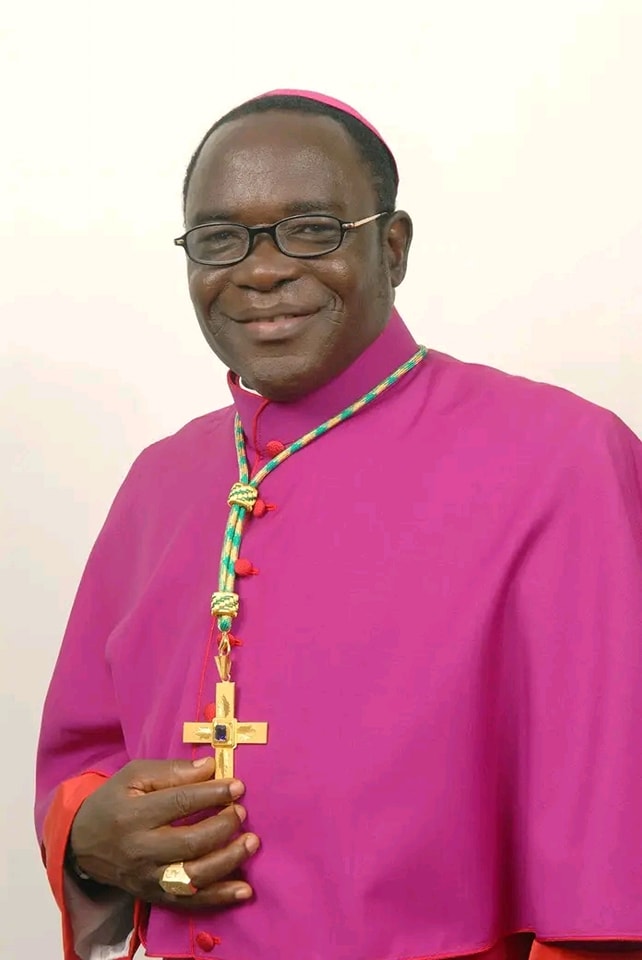
Benue State Governor, Samuel Ortom has described Catholic Bishop of Sokoto diocese, Dr Hassan Mathew Kukah as a rare servant of God who works selflessly to salvage mankind.

Governor Ortom in a goodwill message to mark Bishop Kukah’s 70th birthday, praised his indomitable spirit over the years noting that “he stands firm and speaks truth to power all times no matter whose ox is gored.

“Bishop Kukah is a rare gift to humanity. He identifies with the oppressed and the marginalized. He carries the burden of the poor and defends them even at the risk of his life”.

The Governor recalled the many exploits, travails and triumphs of Bishop Kukah in his commitment to serve God and humanity, saying that in spite of all the challenges, he remained undaunted and rather spurred to do more for the common man.
Ortom noted that Bishop Kukah is a symbol of peace, unity and justices who has been in the forefront of religious tolerance and harmony in the country.
According to Ortom “Bishop Kukah deserves to be celebrated. He has given all to the society. His selfless service is unparalleled,” the Governor stated.

He prayed that God in His infinite mercy strengthens Bishop Kukah with good health, peace, wisdom and courage in the service to God and humanity in the years to come.

Nathaniel Ikyur


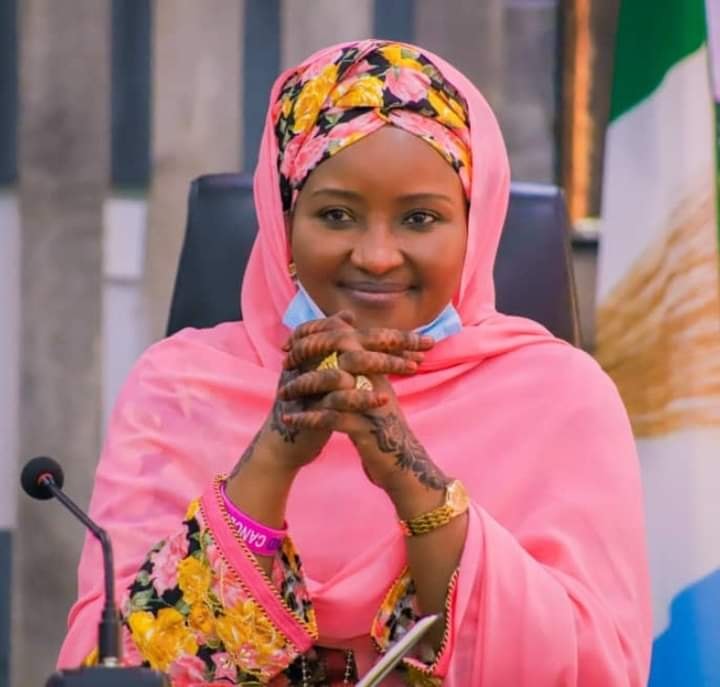
President Muhammadu Buhari has declared strong support for the aspiration of Dr. Zainab Shinkafi-Bagudu, wife of Kebbi State Governor, who is now on a three-person shortlist for the presidency of the Union for International Cancer Control (UICC).
In a letter to the candidate, the President pledged that the Federal Government of Nigeria through the Ministries of Health and Foreign Affairs will ensure her success in the forthcoming election of the Union.

The President congratulated the First Lady of Kebbi State, who is also the Chief Executive Officer of Medicaid Cancer Foundation, for being shortlisted as a candidate for UICC President-elect, describing it as well deserved.

‘‘I am proud of your passion and commitment in various capacities towards improving the cancer care landscape in Nigeria.

‘‘Of note are your activities as Founder of Medicaid Cancer Foundation, Chairperson of the Frist Ladies against Cancer Initiative (FLAC), member of the national cancer control steering committee and Cancer Health Fund, publication and implementation of the Kebbi State Strategic Plan for Cancer Control, and a two term board member of the UICC. Most of all, I applaud your role in championing cancer awareness and advocacy.’’

President Buhari highlighted that his administration through the Federal Ministry of Health has put in-place mechanisms to improve cancer care such as the Cancer Health Fund (CHF), Chemotherapy Access Treatment Program (CAP), and inclusion of cancer into the National Health Insurance Authority (NHIA) scheme.

‘‘I have also signed into law the bill on the creation of the Nigerian National Cancer Institute and remain committed to seeing it start off as a legacy of this administration.

‘‘This will further improve cancer research, and the quality of care available to Nigerians.’’

Fintech Challenge offers early stage and mature start-ups the potential to partner with Ecobank (www.Ecobank.com) across 33 African countries; Applications open until 16 September.


Pan-African banking group, Ecobank Group, has launched the fifth edition of the Ecobank Fintech Challenge and encourages African Fintech entrepreneurs to enter the competition.

Fintechs that are aligned with the Bank’s strategic objectives stand a chance to win an overall cash prize of US$50,000 for the top winner and the opportunity to partner and scale their solutions across Ecobank’s 33 African markets.

Fintech companies and developers originating from any of Africa’s 54 countries, as well as global Africa-centered Fintechs, are eligible to enter the Fintech Challenge by visiting: https://bit.ly/3KnrDz2. Applications can be made until the 16 September 2022.

Ecobank believes that the only way to transform financial services in Africa is for Pan-African banks like Ecobank to continually support and collaborate with innovative Fintechs

Ten finalists will be inducted into the Ecobank Fintech Fellowship after the finals and awards ceremony which will take place in October 2022.

In addition, all Fellows will qualify to explore the following opportunities with the Bank and its partners:

  • Multinational products roll out: an opportunity to pursue integration with Ecobank and potentially launch products in all or part of Ecobank’s pan-African 33-country ecosystem.
  • Service provider partnerships:  Ecobank may select some Fintechs as pan-African service partners within the Bank’s ecosystem.
  • Access to Ecobank’s Pan-African Banking Sandbox: Fellows will be given access to Ecobank’s APIs to test and improve their products for the pan-African market.
  • Priority Access to Ecobank’s Venture Capital partners for funding exploration.

Ade Ayeyemi, Chief Executive Officer, Ecobank Group, said “Ecobank believes that the only way to transform financial services in Africa is for Pan-African banks like Ecobank to continually support and collaborate with innovative Fintechs and start-ups. We invite and welcome Africa’s best Fintechs to work with us through the 2022 Challenge.”

Dr. Tomisin Fashina, Operations and Technology Executive, Ecobank Group said, “The uniqueness of the Challenge is that it welcomes both early stage and mature start-up Fintechs alike and seeks to align them with different kinds of partnership opportunities within Ecobank that match their differing levels of maturity.”

The Ecobank Fintech Challenge was designed in partnership with international advisory firm, Konfidants and is supported by partners across Africa and globally. So far 46 Fellows have been admitted into the Ecobank Fintech Fellowship programme since it was launched in 2017.

For more information about the competition, its benefits and how to apply, please visit https://bit.ly/3AMixIM


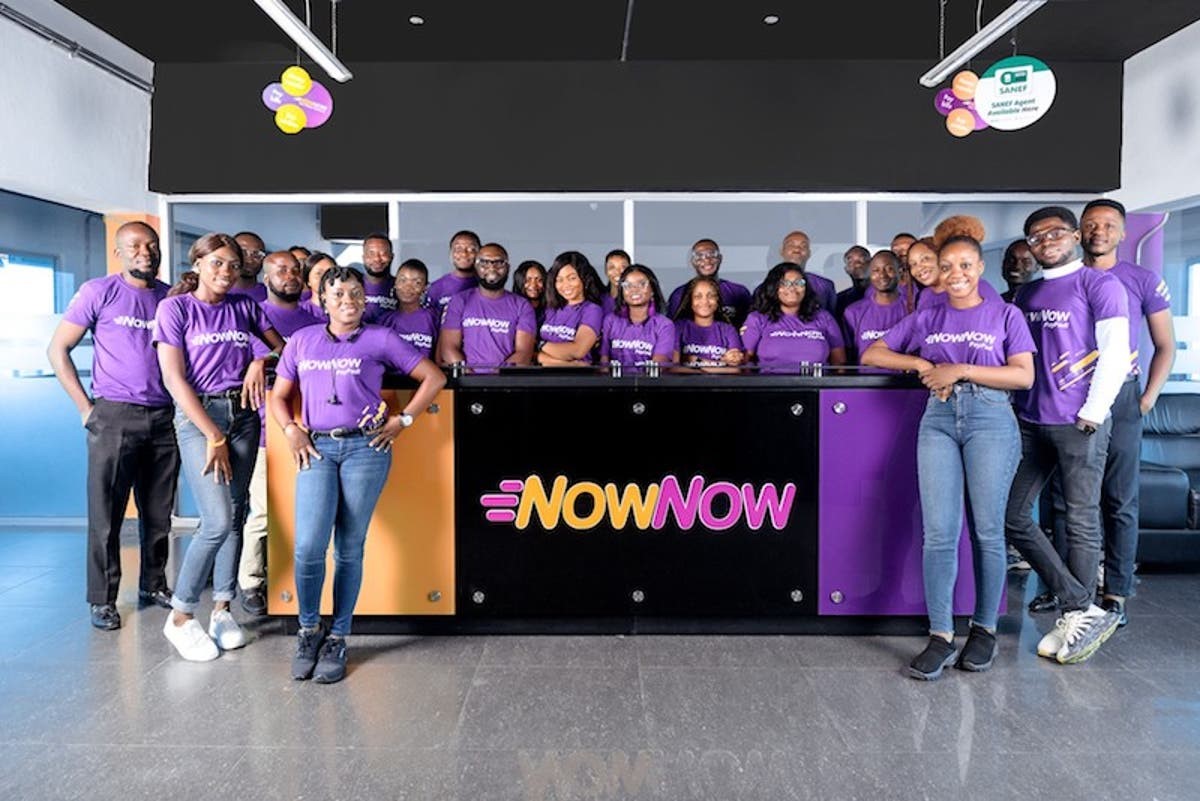
In Africa, the Nigerian financial technology (Fintech) ecosystem is one of the busiest and biggest in the continent. Handling transaction worth billions of Naira on daily basis. The need to be innovative, adaptive and secured platform are core factors that makes the industry players relevant. In this market, an indigenous fintech firm, NOWNOW Limited has taken the industry by the storm with their arrays of robust services and innovative solutions that have come to awe the tech savvy customers.

Speaking to the media on these solutions, Oyenike Owomoyela who is the Head of Growth at NowNow said that “Our mission as a leading African B2B and B2C FinTech company is to deliver best in class financial services to SMEs, Agents and Consumers alike. We have a passion to deepen financial inclusion and provide job opportunities to the unemployed youths in Nigeria. We are a mobile bank that gives you control over how you spend your money. Be the Boss when you send money, receive money and pay bills for everyday essentials such as recharge card and data, insurance, electricity, shop online and instore-all in one place.”

On why they choose the name NOWNOW, she added that” We wanted to resonate first with one of the country’s local languages; Nigerian Pidgin English, what NowNow means in pidgin is to make haste or get something done instantly. The name also connotes that we are a fast-paced technology company that offers efficient services with speed! Our mission is to be a leading African B2B and B2C FinTech company whose mission is to deliver best in class financial services to SMEs, Agents and Consumers alike. We are building the world’s best technology that digitizes cash payments and provides financial empowerment for a better life for everyone. We wanted to play on the double words ‘NowNow’ hence the slogan. Also, we realized there were a lot of negative sentiments with brick-and-mortar banks which included crowded banking halls, non-presence of bank branches at remote locations, slow response to customer complaints and resolution of issues.”

With the dearth of capacity in the industry, this has seen a lot of software developers and engineers leave the country and has resulted to downtime in some of the financial players platforms. NOWNOW has reassured their customers of 99% uptime and has made sure that they have the required manpower to power the industry. Oyenike opined that “One thing we have done right in NowNow is to gather experienced professionals from across the world in the FinTech and Financial Services space hence we have a global view of what we need to do to achieve our goals as an organization. We are also focused on agile and adaptive technology and have a presence not only in the urban centres but rural communities also. We offer financial literacy tools as well as business solutions to all our consumers and merchants as a whole and have empowered a lot of youths and the unemployed through our agency banking model. “

On the as of doing business and opening account, this has been one of their major achievements; fast and seamless onboarding. What NOWNOW has done is to leverage API integrations with NIBSS and other 3rd party providers to ensure that we are opening quality wallets and profiling customers in line with the CBN 3-tiered KYC policy. Oyenike said that “Our Compliance team is also doing a lot at the backend to ensure transaction monitoring takes effect and processes related to KYC upgrades are done as at when due digitally. We also carry our EDD on transactions when the need arises.”

During this last quarter, the company has a lot of things for the Small and Medium Enterprises (SMs) and they have said that thy are desirous of moving their business offline to online where businesses and transactions will be seamlessly. Noting that the SMEs are the power house of the economy and shouldn’t be overlooked. They said that this last quarter will be focused on them. “Our card campaign, which is aimed at our B2C customer segment – a project that we have been working on extensively for quite some time. We also have a new product launch to tackle the SME segment in Nigeria, which has one of the largest footprints of SMEs in Africa. We want to empower this segment by creating a digital platform that moves them from offline to online, provides access to market channels as well as financial capabilities, and ERP solutions. All these and many more are in the pipeline to really propel business owners to the next level of exposure and success. We will begin to roll out these products as we progress”, Oyenike concludes.


ANTHONY EMEKA NWOSU


“One thing we have done right in NowNow is to gather experienced professionals from across the world in the FinTech and Financial Services space hence we have a global view of what we need to do to achieve our goals as an organization. We are also focused on agile and adaptive technology and have a presence not only in the urban centres but rural communities also. We offer financial literacy tools as well as business solutions to all our consumers and merchants as a whole and have empowered a lot of youths and the unemployed through our agency banking model.”


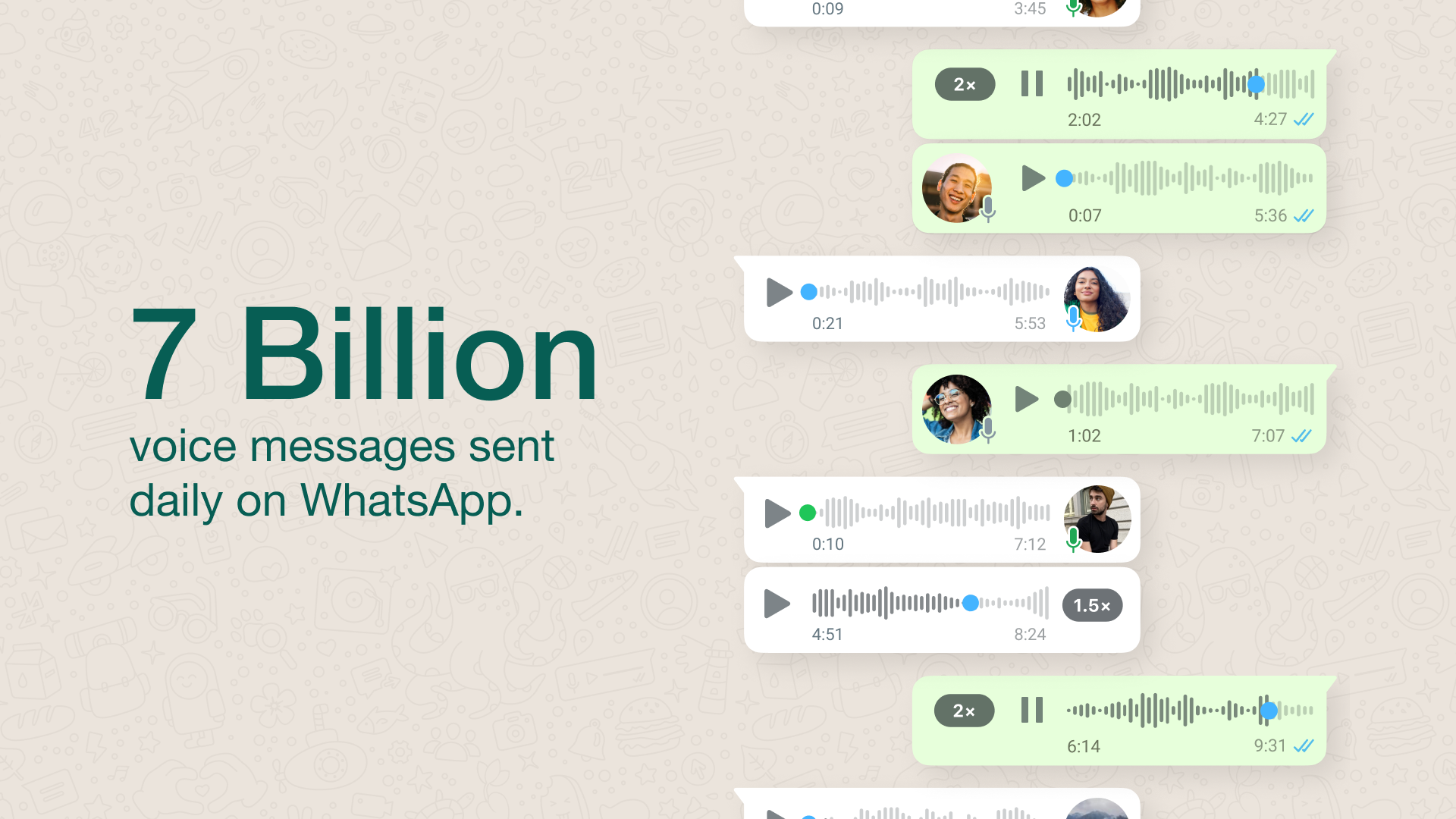
Easy to send and fun to listen to, voice messages have become a go-to for many when sharing funny anecdotes or heartfelt messages with friends and family. With 7 billion voice messages sent on WhatsApp every day, they are a popular way of sharing in-the-moment updates, with the added expressiveness that comes with speech. Voice messages are protected by end-to-end encryption, to keep your personal messages secure at all times.


But as quick as it is to swipe and send a voice message, they should be shared with thought. Receiving long rambles that could take ten minutes to listen to, or playing a message from a parent out loud on public transport is neither fun nor convenient. And what about the politics of replying? Must you respond to a voice message with one of your own?

To help navigate voice message etiquette, WhatsApp has shared tops tips on how to voice message like a pro:


  1. Don’t record a podcast: While everyone has a different opinion on the ideal length of a voice message, try keeping them to 1 or 2 minutes. If it’s too long to type but too short for a call, you’ve found the voice message sweet spot. And if you receive a voice message that is unbearably long, you can play it at 1.5x or 2x speeds to listen to it faster.


  1. Break it up: If you really can’t shorten your message, consider breaking it up into shorter ones and sending them separately. Your recipient can choose to binge-listen in one sitting or squeeze them in around their schedule.


  1. Respect others: Be aware of your surroundings when listening to a voice message. Loud playback can be annoying for those around you, but the message may also contain private information. Keep the volume down or use headphones in quiet, crowded places like train carriages.


  1. Cut the questions: Be mindful of how many questions you ask in a single voice note so your recipient doesn’t forget half of them when trying to reply.


  1. Return the favour: If you receive a voice message, try sending one back. A two-way voice conversation is much better than a one-sided rant.


  1. Be timely: Remember to reply to voice messages in a timely manner. If you’re really tight for time, you can send a voice message hands-free while multi-tasking. Simply hold down the microphone icon and swipe up to lock your recording in place. When finished, tap to send.