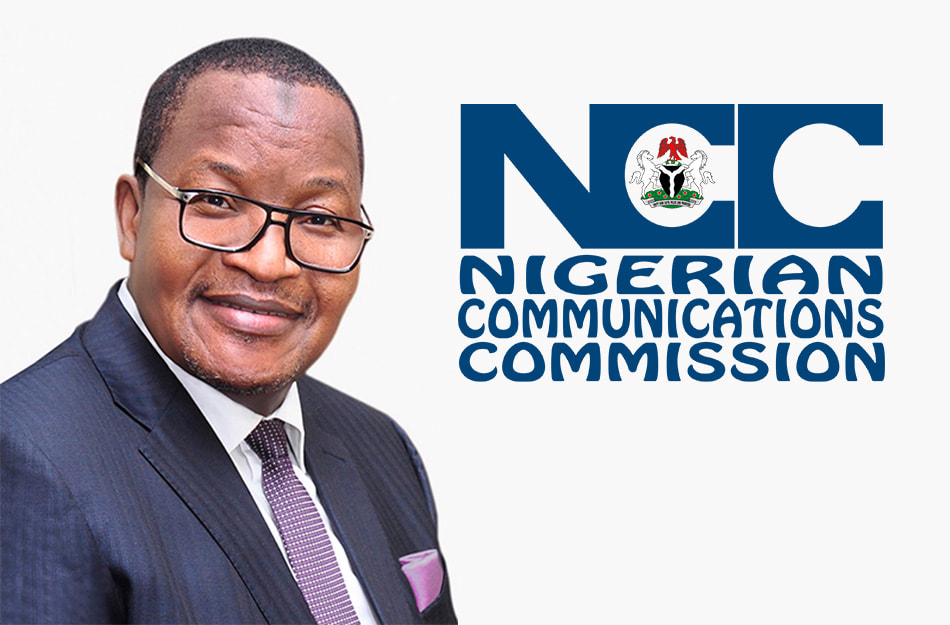
The Executive Vice Chairman and Chief Executive Officer (EVC/CEO) of the Nigerian Communications Commission (NCC), Prof. Umar Danbatta, has reiterated the Commission’s commitment to continually drive initiatives that accelerate broadband deployment to increase penetration and make internet connection readily available to telecom consumers.

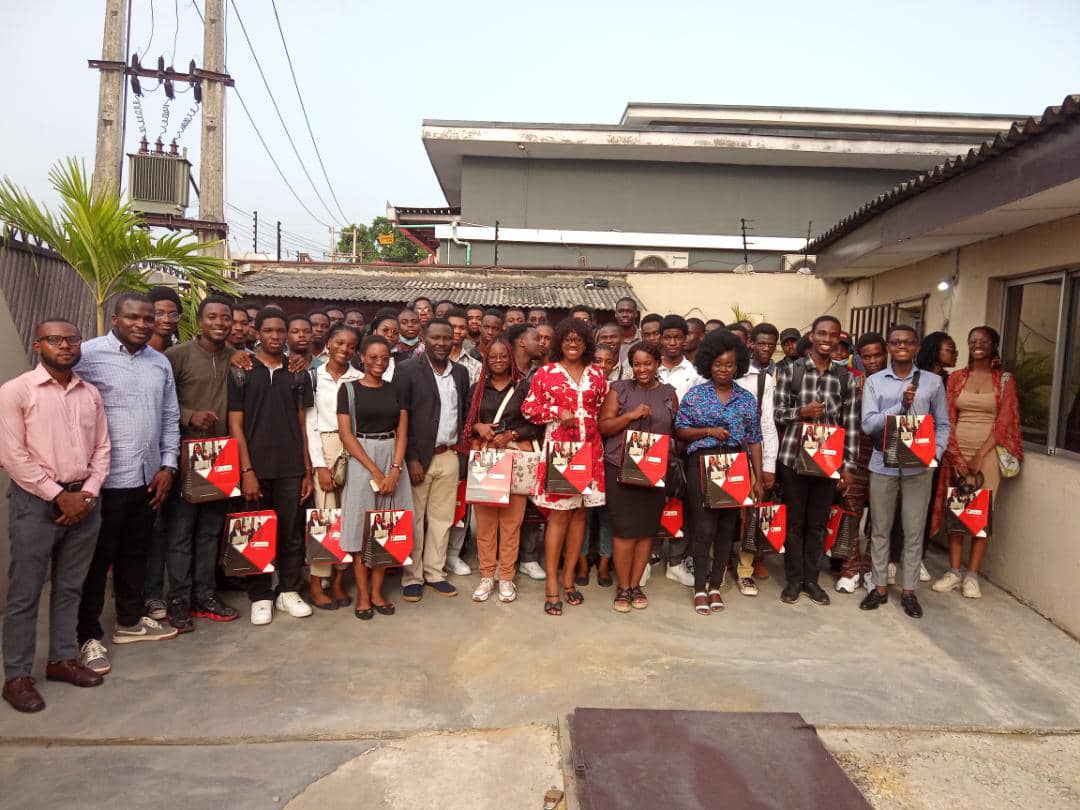
The EVC stated this at the 10th edition of Business 360 Clinics organised by Abuja Enterprises Agency (AEA) in Abuja.

Speaking on the theme of the event, “Technology Utilization and Innovation: Effects on SME Profitability and Productivity” in the context of the regulatory activities of the Commission, the EVC, who was represented by Assistant Director, Digital Economy, NCC Paul Okeke, noted that NCC has been at the heart of providing the digital drive for transforming businesses and sustaining socio-economic activities in Nigeria.
During the panel session titled “Technology Adoption: A must for MSMEs Sustainability and Competitiveness (Challenges and Ease of Use),” Okeke highlighted the Commission’s commitment towards technological and digital transformation in a manner that makes entrepreneurship seamless.

While addressing the issue of challenges on digital literacy, Okeke informed the audience that the Commission has strategic partnerships with various organizations including Small and Medium Enterprises Development Agency of Nigeria (SMEDAN) which birthed initiatives such as Digital Economy Academy where business owners learn about security risks and online threats in a 12-course programme for 3 months.
Okeke charged entrepreneurs to leverage technology to harness the benefits of these initiatives to sustain their businesses.

“As a regulator of Telecommunication, the Commission is in active collaboration with other agencies in the Ministry of Communications and Digital Economy, as well as with other public sector institutions such as the Economic and Financial Crimes Commission (EFCC), Office of the National Security Adviser (ONSA) to ensure that policies become effective in curtailing cyber-attacks and threats on businesses,” Okeke stated.

The participants and business owners also seized the opportunity of the platform to make complaints and resolve their business-related challenges while adopting technology for their various businesses during the interactive session. Representatives of relevant agencies at the event also seized the opportunity to attend to enquiries from participants who are running businesses and those who are aspiring entrepreneurs.


The Executive Vice Chairman and Chief Executive Officer (EVC/CEO) of the Nigerian Communications Commission (NCC), Prof. Umar Danbatta, has reiterated the Commission’s commitment to continually drive initiatives that accelerate broadband deployment to increase penetration and make internet connection readily available to telecom consumers.


The EVC stated this at the 10th edition of Business 360 Clinics organised by Abuja Enterprises Agency (AEA) in Abuja.


Speaking on the theme of the event, “Technology Utilization and Innovation: Effects on SME Profitability and Productivity” in the context of the regulatory activities of the Commission, the EVC, who was represented by Assistant Director, Digital Economy, NCC Paul Okeke, noted that NCC has been at the heart of providing the digital drive for transforming businesses and sustaining socio-economic activities in Nigeria.


During the panel session titled “Technology Adoption: A must for MSMEs Sustainability and Competitiveness (Challenges and Ease of Use),” Okeke highlighted the Commission’s commitment towards technological and digital transformation in a manner that makes entrepreneurship seamless.


While addressing the issue of challenges on digital literacy, Okeke informed the audience that the Commission has strategic partnerships with various organizations including Small and Medium Enterprises Development Agency of Nigeria (SMEDAN) which birthed initiatives such as Digital Economy Academy where business owners learn about security risks and online threats in a 12-course programme for 3 months.


Okeke charged entrepreneurs to leverage technology to harness the benefits of these initiatives to sustain their businesses.


“As a regulator of Telecommunication, the Commission is in active collaboration with other agencies in the Ministry of Communications and Digital Economy,  as well as with other public sector institutions such as the Economic and Financial Crimes Commission (EFCC), Office of the National Security Adviser (ONSA) to ensure that policies become effective in curtailing cyber-attacks and threats on businesses,” Okeke stated.


The participants and business owners also seized the opportunity of the platform to make complaints and resolve their business-related challenges while adopting technology for their various businesses during the interactive session. Representatives of relevant agencies at the event also seized the opportunity to attend to enquiries from participants who are running businesses and those who are aspiring entrepreneurs.


SoftwareOne, a leading global software and cloud solutions provider, recently unveiled the findings of CIO Pulse: 2023 budgets & priorities.


The study, which recently surveyed 600 C-suite and IT decision-makers in the UK and USA examines how the current global economy is impacting IT priorities, revealing that despite 93% of CIOs expecting IT budgets to increase in 2023, 83% say they are under pressure to make their budgets stretch further than ever before – with a key focus on improved cloud cost management and tackling the reduction of mounting technical debt.


The survey found that 72% of CIOs admit they are behind in their digital transformation because of this technical debt, which is of particular concern as 92% of CIOs are expected to deliver digital transformation initiatives that act as revenue generators this year.


38% said the accumulation of this debt is largely because of rushed cloud migrations during the pandemic, with 31% failing to optimise their workloads before commencing the migration process. A further 38% revealed that their organisation miscalculated the cloud budget when provisioning, which resulted in significant cloud overspend. Many organisations also still have multiple on-premises IT legacy systems and 51% of CIOs state that the complexity of legacy IT is one of the top three challenges they currently face.


Marilyn Moodley, Country Leader for South Africa and WECA (West, East, Central Africa): “Businesses are dealing with an uncertain economic environment, which makes planning big IT transformations a challenge. Yet organisations need to move to the cloud and modernise legacy applications to remain competitive. We’re seeing a real need for a combination of innovation with optimisation. Our clients are looking for pragmatic step-by-step transformation initiatives, rather than wholesale megalithic projects that can be hard to get approved when budgets are under pressure.”


The survey findings reflect this. 45% of CIOs surveyed believe having improved transparency and control of cloud costs would help them extract greater value from their cloud investments and therefore improve company buy-in. 80% plan to increase their investment in FinOps to achieve this and 39% say they will use cloud native tools to reduce licensing costs. Despite budget pressures, 82% will increase their investment in application modernisation. Security remains a priority, with 92% increasing investment in this space.


According to Moodley, the next year is going to be a challenging one for businesses worldwide. “The increased agility that comes with cloud computing will allow companies to better respond to these unexpected market changes. Adopting FinOps practices will help them optimise not just their spend but the processes, accountability and transparency required to get maximum value from their cloud investment. Once legacy IT is migrated and modernised, and cloud is optimised, any savings can be reinvested into innovative projects that help the IT team to achieve more with less.”


To see the full findings from the SoftwareOne CIO Pulse: 2023 budget & priorities, go to http://swo.co/CIOPulse.

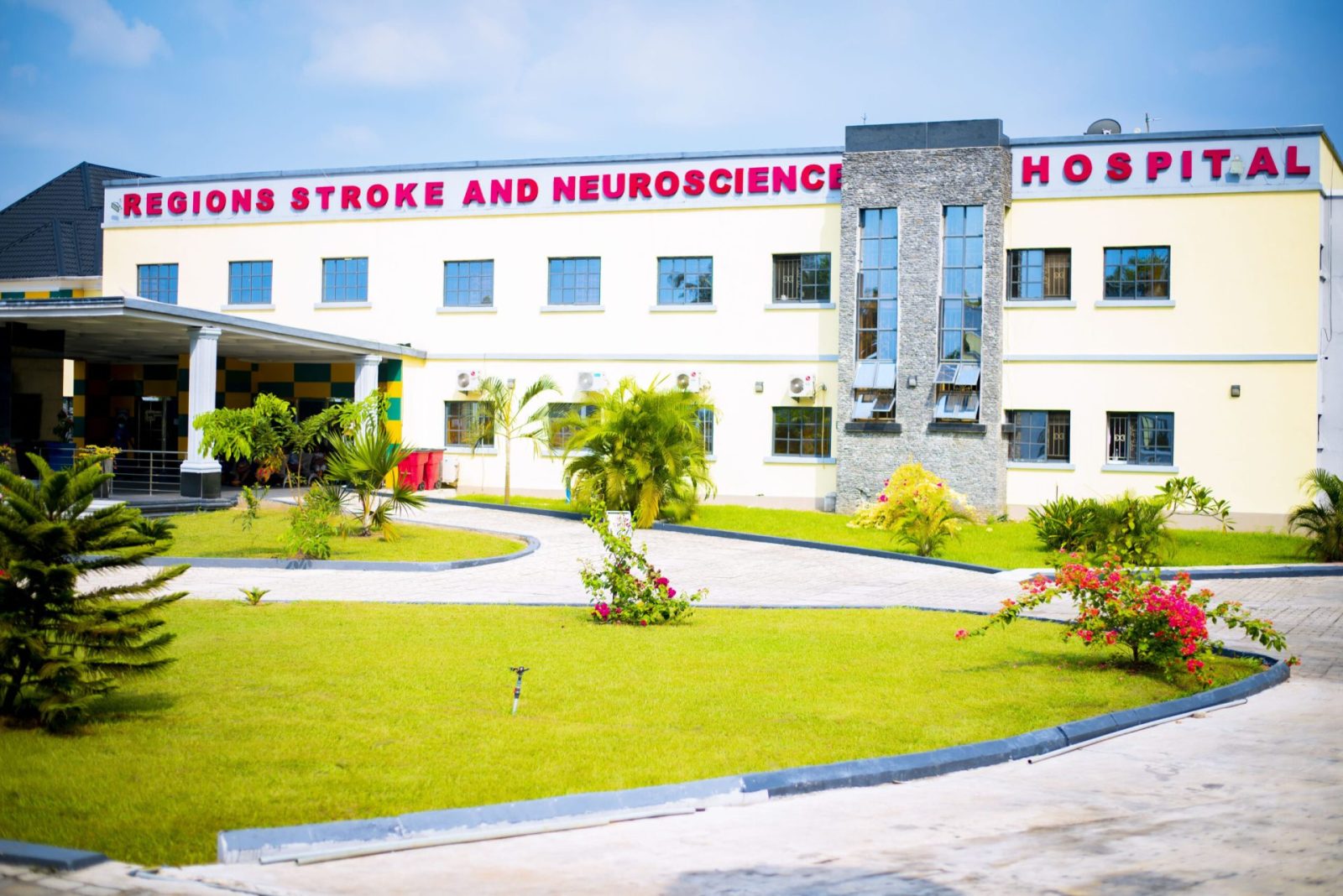
As part of phase one of the free medical mission ongoing for weeks in Imo State, the Imo State Medical Mission today carried out open heart surgery for indigent children at the Regions Neuroscience Hospital Mgbirichi, in Ohaji-Egbema local government area.
According to the Director Heart Surgery Program, Dr O.C. Nzewi, who is a consultant cardiac surgeon from England, the children suffer from congenital heart diseases with multiple holes in their hearts.
Dr Nzewi stated that one of the patients is a 6-month-old baby born with complex congenital heart disease having 2 holes in the heart and abnormal Vessels connecting wrongly and a 12-year-old boy with 4 defects in his heart.
He commended the Governor that “this is the first time in Nigeria a State Government looked into the medical plight of its indigent patients in their state and decided to sponsor the patients”.
He therefore, challenged other Governors to emulate the kind-heartedness of His Excellency, Distinguished Senator Hope Uzodimma and expressed his desire of seeing more indigent Imo citizens saved on regular bases.
Amidst appreciation from the mothers, Dr Prosper-Ohayagha Success, the Hon Commissioner for Health, Imo State, says that Governor Hope Uzodimma is desirous of giving children the best possible beginning in life, because the earlier the children undergo heart surgery, the higher the chances of them living a better and improved life.
The Health Commissioner assured that the open heart surgery program for children will be a continuous exercise, ” this is just the beginning of better things to happen in Imo State” he declared.
A member of the medical team, Dr Vijay Agarwal who is a consultant paediatric cardiac surgeon from Charak Hospital, India, thanked the Imo State government for allowing children to live, “Children are neglected, they cannot speak for themselves, and I thank the government of Imo State for allowing me to be part of this surgery team” he stated.
It will be recalled that from 30th January to the 4th of February 2023, the Regions Neuroscience Hospital partnered with the Imo State Medical Mission in providing medical services to indigent citizens of Imo State. In appreciation to them, they also took up to do the follow-up of the children after surgery.


The Nigerian fashion space is worth billions and very creative, churning out lots of designs to other countries. The Nigerian fashion space has been known to be ebullient and always adapting to the global realities, but the snag is that most of the fashion creatives and seamstresses are barely educated and do know know the rudimentary management of fashion business. In this light, Micheal Onyemah, the Founder of MykMary Fashion Show is desirous in exposing the unlettered players to the modern fashion business.


Speaking on this, Oyemah pointed out that”We have seen a lot of ripp off in the fashion industry with lots of Nigerians not knowing what it takes to manage a simple fashion business, this has affected their scalability and also profitability. At MykMary Fashion School, we are poised to bring these sets of stakeholders to speed and show them a path to profitability.”


“We do not only teach them the basics of fashion business but we take it a step further by bringing internships to them and all that they need to know,I am desirous to see the Nigerian youths in the fashion industry grow and be profitable. That has always been my passion and that is why MYKMARY FASHION SCHOOL is there as a plug to fix all these. It is an interventionist project to us.”Mykmary Fashion House | Fashion Show | Fashion Awards | Business School


The MYKMARY Fashion School’s training programs are open to anyone interested in fashion design, regardless of their level of experience. The school offers both short-term and long-term courses, including a 6-month intensive fashion design program, which provides students with hands-on experience in all aspects of fashion design and garment construction.


Students who complete the MYKMARY Fashion School’s training programs have gone on to successful careers in the fashion industry, with many starting their own fashion businesses and brands. The school’s commitment to nurturing the next generation of fashion designers and entrepreneurs has made it a leading institution in the Nigerian fashion industry.

Overall, the MYKMARY Fashion School is an excellent choice for anyone looking to pursue a career in fashion design or start their own fashion business. With its experienced faculty, state-of-the-art facilities, and comprehensive curriculum, the school provides students with the tools and skills needed to succeed in the dynamic and exciting world of fashion.


Emmanuel Clamments

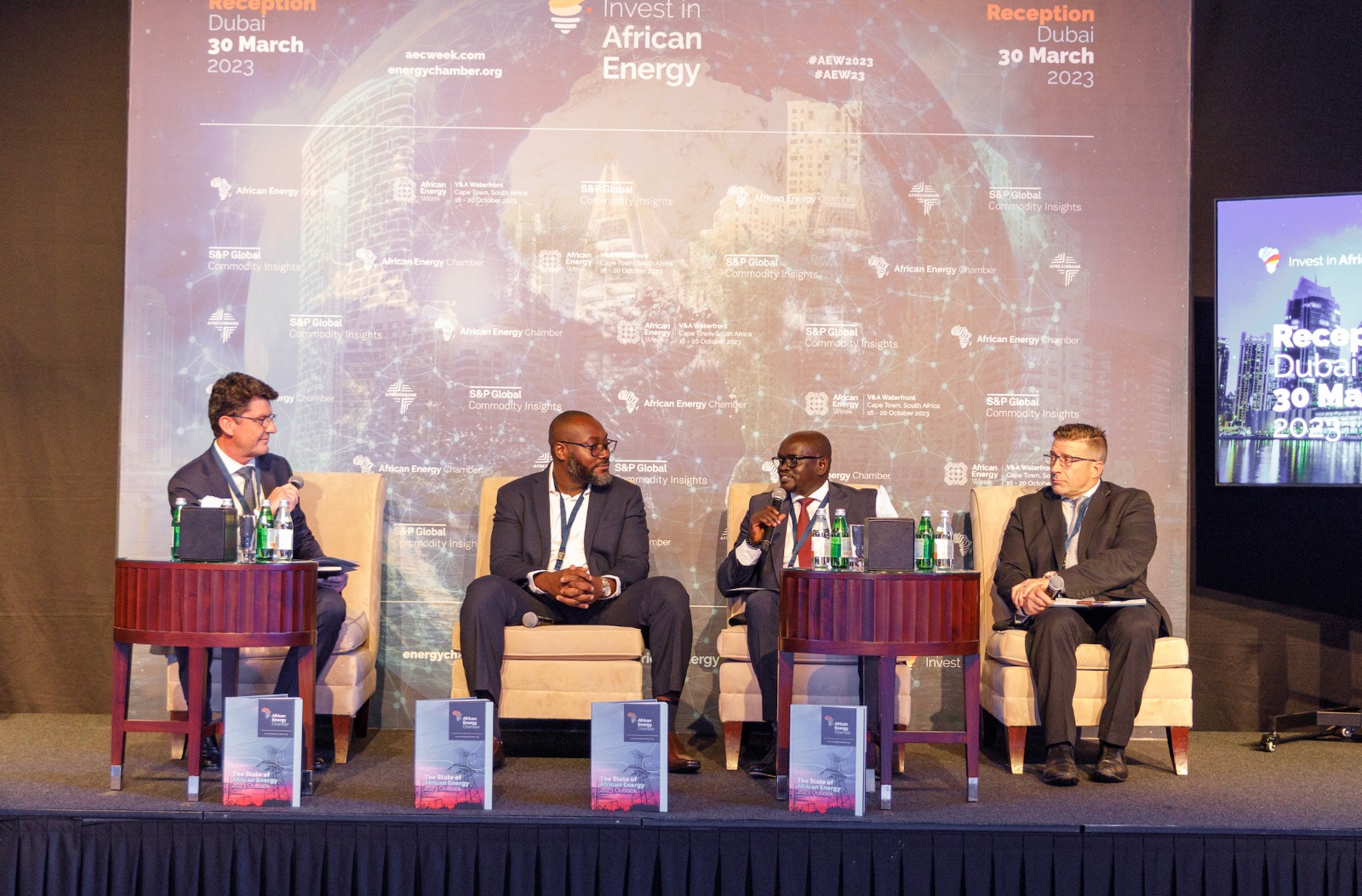
As part of the African Energy Chamber’s (http://www.EnergyChamber.orgInvest in African Energy reception in Dubai on Thursday – representing the fourth stop on the Chamber’s global investment tour – a panel discussion was held to unpack the latest developments, trends and opportunities within Africa’s shifting exploration and production (E&P) landscape. Under the theme, “Africa’s Advantage: Taking Advantage of Africa’s Upstream Opportunities,” panelists included O. A. Danquah, CEO of Ghana National Petroleum Corporation, Eng. Bernard Amuor Makeny, CEO of NilePet, and Matthew Rawlings, Vice President of Upstream Consulting for S&P Global Commodity Insights, with Geoffrey Warr, Consulting Sales Director responsible for Europe, Middle East and Africa for S&P Global Commodity Insights, serving as moderator.


Africa continues to hold resource-rich basins with billions of untapped proven oil and gas reserves, with exploration hotspots cropping up across southern, eastern and western regions. Sizable hydrocarbon discoveries offshore Angola, Ivory Coast and Namibia in 2022 alone – coupled with proactive regulatory reforms – provide the continent with unparalleled opportunities for upstream growth and development.


“Two-thirds of oil resources are exported out of Africa. As governments, we need to be able to come together and ensure that our resources are being used for African development. Our strategic advantage is that we have a lot of supply and a lot of potential demand, so our resources can never be locked,” commented O. A. Danquah, CEO of Ghana National Petroleum Corporation.


At least 26 drilling campaigns and rigs are expected in Africa in 2023, cementing the continent’s upstream revival. Southern Africa alone will see additional exploration activities in Zimbabwe’s Muzarabani prospect from Invictus Energy, drilling in offshore Block 2B in South Africa by Eco (Atlantic) Oil & Gas, and frontier exploration in Namibia’s Kavango Basin led by ReconAfrica.

We need investment, yet external investment is slowing down to ESG requirements and the energy transition


Meanwhile, mature producers like Angola, Nigeria and South Sudan are expected to dominate Africa’s offshore drilling market, while prioritizing shorter-cycle development projects that utilize existing infrastructure and create synergies with regional markets. Shorter-cycle projects can bring a discovery into production in as little as one to three years, as well as offer lower risk, higher potential for commercial production and heightened flexibility within exploration portfolios.


“South Sudan is almost the third-largest oil producer in Africa. The advantage we are trying to take now, given the current crisis in Ukraine, is to maximize African participation in the upstream business. Our daily production is around 160,000-170,000 barrels per day (bpd). Kenya is not producing yet. Uganda is not producing yet. The question then becomes: how do I engage my neighbors to benefit from the products that come out of South Sudan?” stated Bernard Makeny, CEO of NilePet.


One key to attracting exploration capital will be re-evaluating the terms and conditions of E&P contracts and other fiscal and regulatory amendments. According to the panel, African governments must play their part in creating attractive programs for exploration and production and establishing mechanisms for raising capital.


“Most of the funds that come into Africa are from the Global North and Asia,” said O. A. Danqua. “At least 85% of funds invested in oil and gas come from outside of Africa. So, there is a clear perception that African governments are not putting their money into Africa. We need investment, yet external investment is slowing down to ESG requirements and the energy transition.”

Electric motorcycles are set to be a dominant force in sub-Saharan Africa’s sustainable mobility transformation, but continued investment in start-ups tackling barriers across the value chain will be critical to maximise the full potential, says a report recently released by the Powering Renewable Energy Opportunities (PREO) (https://www.PREO.org) programme.


Two-wheelers are quicker and more easily manoeuvrable than four-wheeled vehicles, especially across sub-Saharan Africa, where countries often have poor-quality roads. Motorcycles also provide stable income opportunities. The Charging Ahead – Accelerating e-mobility in Africa (https://apo-opa.info/40Es1zQ) report from PREO outlines the market opportunity for e-motorcycles to become a driving force in the African e-mobility sector as, according to analysis by Mordor Intelligence, the market for motorcycles in Africa was worth US$3.65bn in 2021, and is projected to grow to US$5.07bn by 2027.

However, to accelerate progress in the e-mobility sector and meet the demands of a rapidly expanding customer base for two-wheelers, there are a number of challenges that need to be addressed. These include improving the availability of durable hardware, reliable charging infrastructure and access to high-quality battery solutions.

According to industry estimates, more than 90% of electric motorcycles sold in sub-Saharan Africa are imported from China and India and are not built for African conditions. Poor grid infrastructure means baseline electricity access is not reliable enough to support renewable battery recharge networks, and the electricity supply is weak. In addition, high-quality battery suppliers prioritise global buyers able to order at volume, which leaves small start-ups out of the picture.

The report examines how three PREO-supported companies – Roam (previously Opibus), Mobile Power and Zembo – are successfully addressing each of these barriers, and together are providing the solutions needed to support an enabling ecosystem to accelerate progress across the entire e-mobility sector.

Durable hardware – Roam is a Swedish-Kenyan company that manufactures robust electric motorcycles in Kenya. The company is demonstrating that with the support of local manufacturing and assembly, the final price of electric motorcycles can be lowered to compete with ICE (internal combustion engine) vehicles while also customising the product to local conditions. Roam has now acquired the capacity to fully design the vehicles and manufacture 35% of them in-house with a goal to reach 70% in the next three to five years.

The company plans to expand beyond Kenya to other African markets through strategic partnerships, raise US$17.5 million in equity and debt for working capital and hopes to supply Uber with 3,000 electric motorcycles for its delivery services across sub-Saharan Africa.

Reliable charging infrastructure – Ugandan company Zembo has developed a solution to enable the roll-out of e-motorcycles in areas with weak and unreliable access to electricity by using solar energy to charge the batteries.

Investing in e-motorcycles provides a path to more sustainable and equitable growth across African communities and addresses the urgent issue of climate change

In Uganda, Zembo operates 27 battery-swap stations for electric motorcycles, considered one of the largest networks in the region. It sells motorcycles to taxi operators on a pay-as-you-go basis and provides batteries-as-a-service through its battery-swap network. 73% (personnel cost – 55%, rent – 18%) of the monthly cost of operating a swap station is fixed cost in nature, delaying profitability and slowing down expansion.

Zembo’s scale-up strategy involves expanding its network using risk-sharing mechanisms such as franchisee models, and reducing personnel costs by deploying automatic swap cabinets. The company is also installing solar power solutions for off-grid areas and hybrid power for on-grid areas with weak or unreliable grids. This will enable batteries to be charged even in areas that are not on the grid and during grid blackouts. Zembo plans to expand its fleet to more than 2 000 motorcycles and 60 swap stations by 2025.

High-quality battery solutions – Mobile Power operates in Sierra Leone, Liberia, the Democratic Republic of Congo and Nigeria and is tackling the scarcity of high-quality battery technologies for small-scale businesses. The company has developed clean energy storage products (lithium-ion batteries) that it offers to businesses and individuals through a rental model. Since 2017, Mobile Power has grown its rental business to 500,000 rentals every month and is gaining 2,000 new customers every week at its peak growth periods.

Mobile Power is now replicating its rental model in the mobility sector and generator replacement sector by leveraging the same technology components: batteries, battery management systems and battery charging hubs. The company has now reached a stage whereby it can manufacture robust batteries tailored to African conditions at scale for its in-house use and satisfy the demand of its electric mobility peers. Mobile Power’s pay-per-use battery-swap model enables customers to access the service based on their needs.

Jon Lane, PREO Programme Director, comments: “Investing in e-motorcycles provides a path to more sustainable and equitable growth across African communities and addresses the urgent issue of climate change. Through our work with several start-ups, we have identified opportunities for a full ecosystem of solutions that address challenges across the value chain. We hope this report demonstrates the impressive progress being made by companies in the e-mobility sector and will act as a call for investors, policymakers and partners to engage and collaborate to help meet the scale of the challenge.”

PREO (https://www.PREO.org) is funded by the IKEA Foundation (https://IKEAFoundation.org) and UK aid (https://TEA.CarbonTrust.com) (via the Transforming Energy Access platform), and is delivered by the Carbon Trust (https://www.CarbonTrust.com) and Energy 4 Impact (https://Energy4Impact.org). To date, it has supported 27 productive-use-of-energy enterprises across 11 countries in sub-Saharan Africa, four of which are in the e-mobility sector.

Click here to download PREO’s Charging Ahead – Accelerating e-mobility in Africa report: https://apo-opa.info/40Es1zQ

Jono West, co-founder and Chair of Mobile Power: “PREO’s support has been incredibly valuable to us for de-risking our battery technology and business model. It has enabled us to grow and increase the rate of scale for the e-mobility business and capture learnings that now form the basis of future technology solutions we have in the pipeline, even beyond e-mobility. As a result of this PREO project, we are now in discussions with several new partners across the value chain, which will be announced in due course.”

Étienne Saint-Sernin, co-founder of Zembo: “We’ve already proved that our business model is profitable in urban on-grid areas. Now, this PREO-co-funded project will give us the opportunity to prove that our solar-powered solution is viable and replicable in off-grid areas as well. We’ll then be in a strong position to unlock private investments to expand to other African countries.”

Filip Lövström, co-founder and Chief Executive Officer of Roam: “With the support from PREO we were able to accelerate and validate our product-market fit, refine our business models and design our next-generation electric motorcycle that is now ready to scale. PREO’s grant subsidised our early-stage production costs for pilots, and ultimately helped us reach commercialisation of a product that puts more earnings into end-users’ pockets and creates a positive environmental impact.”

 

A CIO’s guide for doing business in South Africa


Freshly out of a global pandemic, CIOs have had to think on their feet as loadshedding wrought new havoc on their teams and departments.


As a software-on-demand company with software that needs to be available to customers 24/7, e4 understands the current business challenges better than most, says the company’s CIO, Fikile Sibiya. “But by being proactive, you can ensure that you’ll stay afloat when challenging circumstances threaten your business – whether now or in the future.”


Here are her five top tips to navigate the biggest challenges CIOs are currently facing:


  1. Diversify. “As loadshedding increased, companies had to diversify their electricity supply, either using backup power, renewables, or generators. This is a good principle to apply in other business areas – diversifying service providers creates resilience. Instead of relying on one input, have two or even three options. It comes at a cost, of course, but you need to weigh the benefits this will bring to your business against the risk of long-term interruptions. With fibre providers also now alluding to cable theft and infrastructure damage, consider bringing additional suppliers on board before interruptions threaten your business.”


  1. Build resilience. “Business challenges are a matter of ‘when’, not ‘if’. You can’t avoid problems, but you can build resilience. In the IT space, having reliable, tested backups is top of mind when it comes to resilience. Disaster recovery is almost like insurance – you don’t get value out of that expense until you need to call on it. But when trouble comes knocking, it will save you from complete ruin.


“If you use a third party such as a cloud provider for this, you also have to double check that they can deliver on their promises. Don’t abdicate all responsibility and simply trust that your provider will save you should your security be compromised – ensure that they really can.”


  1. Customise. “Cloud is not a silver bullet for everyone. For some, it is indeed the cost saver it’s touted to be. Other organisations have gone the cloud route and repatriated back to on-premise, and saved millions in the process. For others, a hybrid solution is best. You need to be very clear on your strategy and realistic about costs and find a configuration that works for your business.


“The same goes for security solutions. SMEs in South Africa, in particular, don’t have the resources of large companies to employ in-house security teams. But sadly, the same crimes still affect them. Even a basic antivirus programme could at least save them from complete collapse should they have a serious malware infection. You don’t have to do everything, but start somewhere, and ensure the basics are covered.”


  1. Be flexible. “South Africa is, unfortunately, facing a skills drain – especially in the tech space. Don’t expect employment structures to look the way they did years ago. Explore new options such as a mix of permanent, contract, and gig workers to diversify your skills base. Consider partnering with others to use their expertise when needed. And provide flexitime or remote working opportunities to those who prefer it, but ensure you also get the facetime you need in the office. Speak to staff and management continuously and don’t get fixated on set requirements – change them as needed.”


  1. Practice. “Reassess all these areas regularly. Your priorities might change every year or even every six months, and your plans need to change with it. But that’s not enough. Often, businesses have wonderful disaster management plans filed away in a cabinet, but no-one knows their role and responsibilities should these plans need to go into action. Be sure to test your disaster recovery regularly, and make sure your teams know what to do when a crisis hits.”


The Paris Graduate School of Digital Innovation (French: École pour l’informatique et les nouvelles technologies, or EPITECH),recently visited FINTRAK Software Limited Nigeria.s foremost financial technology (Fintech) firm with emphasis on building and developing robust software for banks across Africa. A tour that the educational institution made to FINTRAK to cement their relationship in the area of capacity building and transfer of knowledge.


Speaking to the international students, Edwin Aigbogun, the  Brand Communication Manager of Fintrak Software said, “We are elated to have you here, this shows that our works and projects is getting noticed across various African countries, our solutions are designed to meet various peculiarities of financial institutions in various countries. Our solution do come in both English and French and we are desirous to partner with the institution.”


“We appreciate this visit and we will have a program that will accommodate your students in te area of internship, this will expose them to the realities of software development, deployment and support system. It will be a clear departure of what is taught to them in the walls of school, we will bring reality to them and we will not fail in this regard”


Edwin also opined that ” Here at FINTRAK SOFTWARE we believe in capacity building, we see it as our way of giving back to the society, we have trained a lot of Nigerians in this area and you will be the first set that is coming from outside the country and we hope that this will be the beginning of wonderful relationship between us and EPITECH.”


The visit is in line with the vision of the software giant to build capacity in the ECOWAS region. Fintrak is a global Financial Technology organization providing innovative technology and business solutions to financial institutions in the financial services sector and enterprises across continents.FinTrak Software is on a mission to support organizations and states with the technologies and intellectual strength required to enable them to surpass their stakeholders’ expectations.


Epitech is a school of higher studies and short training courses that offers various courses around IT. A school unlike any other, carrying emblematic values ​​and federated around a national and international network of 20 campuses.


Anthony Nwosu.E


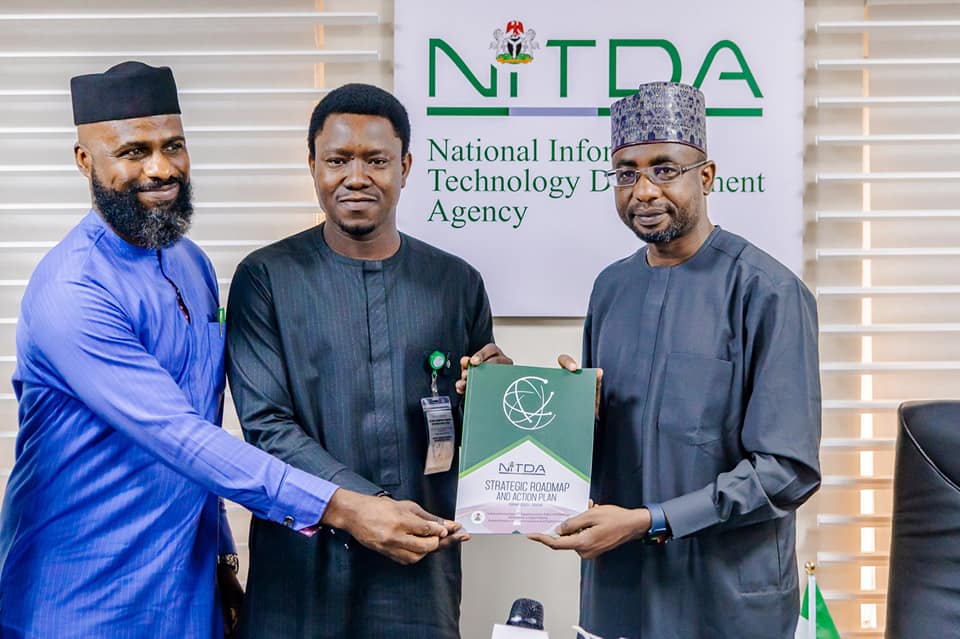
Given its position as the apex regulatory body for Information Technology (IT) in the country, the Director-General of the National Information Technology Development Agency (NITDA), Kashifu Inuwa, CCIE, has given a nod to the invitation by the Nigerian Economic Summit Group (NESG) for the Agency to be a part of the Digital Economy Community of Practice where pathways that would drive collaboration towards achieving a sustainable and inclusive digital transformation would be created.
The DG who gave the confirmation of interest during a courtesy call on him by the representatives of the group in his office described the visit as timely and the subject matter viable, adding that it aligns with NITDA’s renewed approach towards redefining regulation and how best to offer it to Nigerians.

“We just finished developing what we call Regulatory Intelligence Framework which will help us decipher the whole idea and impact of regulation. We do not want to sit in our offices, use armchair theories to come up with regulation that would never work.”

“We are looking at regulation that would promote market creation, enable innovation, customer protection and the delivery of efficient and effective services”, the DG noted.
Inuwa emphasised that the Agency believes in collaboration in order to succeed in executing its mandate, affirming that the Agency would review the details of their requests and revert accordingly.

Earlier, the Senior Policy Specialist and leader of the team from the Policy Innovation Centre (PIC) of the Nigerian Economy Summit Group (NESG), Mayokun Adediran, while briefing the NITDA management on the essence of the visit said, the PIC is planning a national dialogue to advance conversations about the operationalisation of the National Digital Economy Policy and Strategy (NDEPS) and a policy analysis to understand the digital economy policy context in Nigeria and the critical role the institution played alongside other stakeholders in the development of the policy framework.

“The PIC is a dedicated not-for-profit centre within the NESG sponsored by Rockefeller Philanthropy Advisors, with the support of the Bill and Melinda Gates Foundation. It is the first national body of its kind in Nigeria and Sub-Saharan Africa, tasked with applying behavioural theory and other innovative policy tools to inform programme/policy design and implementation in Africa”, Mayokun explained.
While noting that the main aim of the Global Digital Access Project (DAP) which is a U.K. Government flagship initiative led by the Foreign Commonwealth and Development Office (FCDO) and the Department for Digital, Culture, Media & Sport (OCMS), is to foster collaboration between public and private sector stakeholders in the Digital Ecosystem.

He went further to explain that the partnership which necessitated the need to have a platform to garner the efforts from all parties informed the plan to inaugurate the Digital Economy Community of Practice that would house collaboration between the private & private sector stakeholders.

“From time to time we would need to discuss and analyse policies to ensure that there is inclusion and digital transformation in Nigeria”.

“Nigeria is a recipient of DAP’s support aimed at responsible, sustainable digital inclusion and transformation. The Policy Innovation Centre (PIC) of the Nigerian Economic Summit Group (NESG) is supporting the implementation af the DAP project”, he said.

Mayokun who highlighted other facts also added that “on behalf of the FCDO, the PIC conducted multi-stakeholder consultative dialogues at the national and sub-national levels to understand the context of the digital economy in Nigeria and a multi-phased co-creation workshop (CCW) at the national level”.