The Executive Vice Chairman (EVC) of the Nigerian Communications Commission (NCC), Prof. Umar Danbatta, has invited international telecom companies and potential investors to take advantage of the opportunities presented by Nigeria’s population of over 200 million people to invest in its telecom sector, especially in infrastructure provisioning for broadband.


Danbatta, who spoke at the inaugural edition of the Gulf Information Technology Exhibition (GITEX) 2023, which ended in Marrakesh, Morocco recently, said Nigeria presents a stable political and economic conditions.


Governor of Lagos State, Babajide Sanwo-Olu and Nigeria’s Ambassador to Morocco, Mansur Bamalli, also spoke in the same direction and commended the Commission for its regulatory prowess which has made Nigeria the next investment destination in Africa.


Danbatta, who was represented at the conference by the Team Lead, Nigeria Office for Developing the Indigenous Telecom Sector (NODITS), Babagana Digima, said the Commission has a mandate to facilitate the development of the telecom industry in Nigeria, adding that one way through which this can be done is by attracting foreign investors that will further enhance the growth of the economy.


He informed the global stakeholders at the event that the Nigerian government has been very supportive of the telecom industry which has achieved an upward growth with over 220 million active mobile voice subscriptions in Nigeria, over 150 million Internet subscriptions and broadband penetration of 48 per cent, the country is yet to be fully connected.


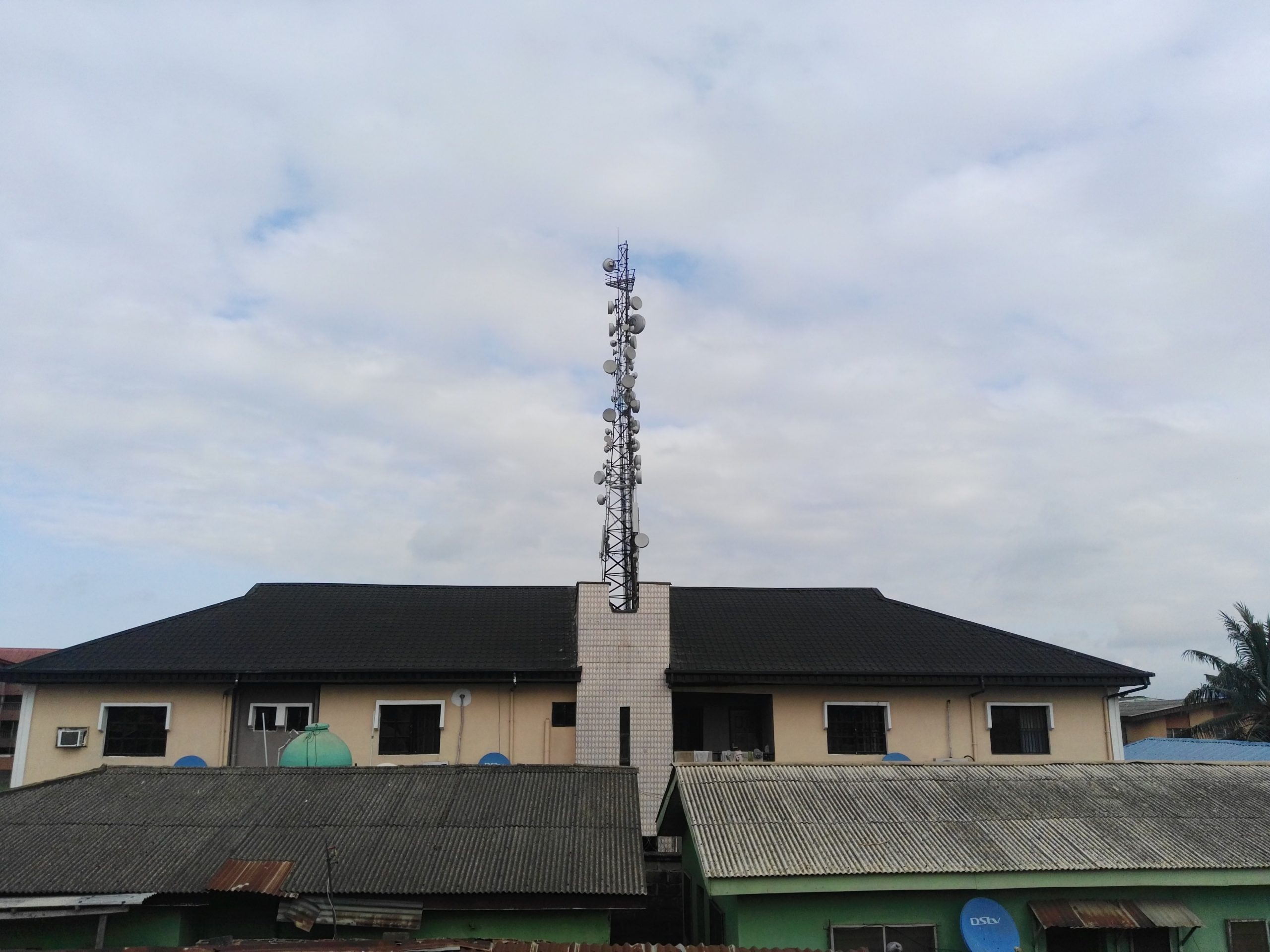
“Our national plan is to achieve 70 per cent broadband penetration by 2025. We still have less than 50 per cent penetration. This means there is huge investment potential for investors. Nigeria’s telecom sector needs more investment in the area of infrastructure deployment,” the EVC stated.


He stated that the telecom sector in Nigeria has become a major contributor to the country’s Gross Domestic Product (GDP), quarter-on-quarter, driving the growth of the digital economy in the country.


“The importance of this event for us as a Commission is to showcase the NCC as a Nigerian brand, a foremost telecom regulator in Africa and beyond and to bring about the much-needed investment that will enhance development of the Nigerian telecom industry,” Danbatta said.


The EVC stated that there is abundant talents in Nigeria that can be tapped by investors to support their business operations. “There is abundant human resources waiting to be harnessed by potential investors for ground-breaking global technological innovations and advancement in providing digital solutions.


“This event provides us with the platform to showcase some of the talents that we have discovered in Nigeria. The Commission has sponsored three indigenous start-ups that are at this event to display their solutions for prospective investors and partnerships,” he said.


The GITEX Africa 2023 was the maiden edition of the GITEX Global Summit held in Africa. It is poised to be Africa’s most influential forum to accentuate the vast potential of the tech-driven digital economy. It aims to be an international platform for cutting-edge technology for all players from both public and private sectors.


While implementing internal controls to protect organisations from fraud and cybercrime takes time, it is imperative that strict controls are in place to mitigate opportunistic as well as organised fraudulent activities, says Ryan Mer, CEO of eftsure Africa, a Know Your Payee™ (KYP) platform provider.


In recent years, cybercrime has transformed from a solitary activity to an increasingly organised, network-driven operation. Cybercriminals have adapted their recruitment tactics, leveraging the internet to target professionals with specialised skills in finance, accounting, law, and IT. They offer attractive employment terms, bonuses, and promotions, making their job adverts appear legitimate. Because cybercrime is financially motivated, accounts payable and finance teams tend to be on the frontlines.


As cyber threats continue to evolve and grow, finance leaders should have an understanding of how cybercriminals might go about recruiting employees in specific roles and take steps to protect their organisations. Some of the most common types of roles that cybercriminals look for include account or money mules, who are responsible for transferring funds and laundering money and account managers, who handle the finances and operations of the cybercrime organisation.


Cybercriminals use various recruitment methods, including dark web advertisements, social media, personal connections, hacking contests, online forums, chat rooms, and even legitimate job boards. By understanding these tactics, businesses can better prepare themselves against potential recruitment attempts, cyber-attacks and attempts at payment fraud.


To counteract cybercriminal recruitment efforts, businesses should consider the following strategies:

  1. Increase awareness: Educate employees about the risks associated with working for cybercriminals and encourage reporting of any suspicious recruitment attempts. Cybercriminals rely on grooming targets who they believe are able to assist them, either wittingly or unwittingly, in achieving their aims. One obvious, but often overlooked method of doing so is through online romantic relationships. Cybercriminals trawl sites like LinkedIn for individuals in finance departments and accounts payable and begin making the process of making a personal connection. Once the target is emotionally invested in what they believe is an authentic relationship, they are more likely to comply with strange requests to transfer funds from one account to another or open an attachment to their company email address that contains malware.
  2. Strengthen security measures: Implement robust cybersecurity protocols to deter attacks and minimise data exposure to cybercriminals. Creating a fraud prevention ecosystem is the most effective way to mitigate risk and stop payment scams in their tracks. Even the best ERP systems cannot protect you from a malicious actor while a platform like eftsure can help limit the risks of internal fraud and attacks like Business Email Compromise (BEC) by quickly and easily cross-referencing the payments an organisation makes with verified bank account details, before every payment is released.
  3. Foster an open and positive work culture: Create an environment that values open communication from employees as well as opportunities for growth and development.


By prioritising cybersecurity and investing in talent retention and acquisition, finance leaders can mitigate some of the risks inherent in an ever-evolving cybercrime landscape that includes social engineering, malicious software, phishing, ransomware, and BEC. As cybercriminals become more sophisticated in their recruitment tactics, businesses must remain vigilant and proactive in protecting themselves from potential payment fraud and other cyber-attacks.


Radisson Hotel Group (https://www.RadissonHotels.com), one of the fastest growing international hotel companies and one of the largest hotel operators in Nigeria, continues its ambitious growth in the country with the signing of three new hotels. These new hotels include the highly anticipated debut of the bold and cutting-edge upscale lifestyle Radisson RED brand to the country and cemented the Group’s introduction in Abuja with two brands.


The hotels add over 400 rooms to Radisson Hotel Group’s Nigerian portfolio comprising of 11 hotels in operation and under development, placing the group firmly on track to reach their objective of 15 hotels in Nigeria by 2025.


Erwan Garnier, Senior Director, Development, Africa at Radisson Hotel Group says: “We are proud of our accelerated expansion in Nigeria, which mirrors our focus territories of Lagos and Abuja and the expansion of our diverse brands, from our premium luxury lifestyle brand with the Radisson Collection Hotel & Conference Center, Abuja to our renowned upper upscale brand with the Radisson Blu Hotel, Abuja CBD and finally the debut of our upscale lifestyle brand with Radisson RED Lagos VI – the first Radisson RED hotel in West Africa and third in Africa. These three signings have to date this year, increased our Nigerian pipeline by 50% with a rise from nearly 850 rooms to almost 1300 rooms. They are all under active construction as well, aligned with our African accelerated pipeline strategy which has kept us in the steady lead in terms of pipeline materialization.”


Radisson Hotel Group’s new hotel signings in Nigeria include:


Radisson Collection Hotel & Conference Center, Abuja

The new-build, 249 room hotel will be Abuja’s first luxury hotel and will further expand the Group’s Radisson Collection portfolio in Nigeria as the country’s third Radisson Collection hotel and the premium lifestyle brands debut in Abuja. The hotel will have an expansive range of rooms, from standard rooms and apartments to lofts and presidential suites. Spanning across almost 3000 square meters, the meeting spaces will consist of a dividable conference hall, five meeting rooms, a board room, as well as a pre-function area.

These three signings have to date this year, increased our Nigerian pipeline by 50% with a rise from nearly 850 rooms to almost 1300 rooms


Located next to the Presidential Palace in Maitama District, one of the most sought after and exclusive areas in Abuja, the hotel will be a 45-minute drive from the Nnamdi Azikiwe International Airport, the country’s second busiest airport after Lagos. In proximity to the hotel is the city’s most popular market, Wuse market, Jabai Boat Club, a water based recreational facility and family entertainment center, and Abuja National Mosque, also known as the Nigerian National Mosque, built in 1984.


Radisson Blu Hotel, Abuja CBD

Debuting the renowned upper upscale Radisson Blu brand in Nigeria’s capital city is the Group’s 3rd Radisson Blu hotel in Nigeria. The 104-room hotel, scheduled to open in Q1 2025, will be in Abuja’s Central Business District (CBD), 45 minutes from the Nnamdi Azikiwe International Airport.


The hotel will have a stylish piano bar and an all-day dining restaurant along with fitness and wellness facilities and 245 square meters of meetings and events space.


Radisson RED Lagos VI

Further expanding the Group’s presence as its 7th hotel in operation and under development in Lagos, is the highly anticipated debut of the bold and cutting-edge upscale Radisson RED brand in Nigeria. The new-build, 62 room hotel scheduled to open in Q4 2025 will introduce the country to the renowned Radisson RED brand and its unique food and beverage concepts through its lobby bar, all day dining restaurant and rooftop bar and terrace which in true Radisson RED style will become the most coveted rooftop venue in the country.


Additional facilities will include a gym and pool along with 249 square meters of flexible meetings and events space, consisting of a conference room, a board room and two meeting rooms. The hotel will be located just over 30 minutes’ drive from Lagos Murtala Muhammed Airport, in Victoria Island, the main business and financial center and one of the most sought-after residential areas in Lagos, which has the highest hotel performance in West Africa due to its financial hub status and size of its economy.


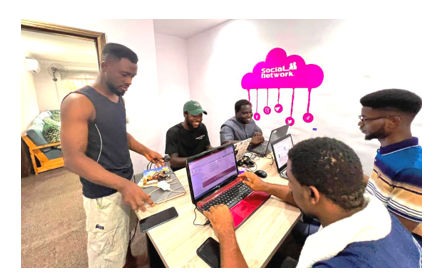
Tezza Academy is taking strategic steps to broaden its industry partnerships and enhance its IT training model. The software training academy aims to foster collaborations with key economic players across various sectors such as oil and gas, IT and telecoms, banking and insurance, healthcare and education, manufacturing, and construction. These partnerships are intended to facilitate discussions on incorporating trained IT skill sets and creating more opportunities for talented Nigerian youths with advanced IT skills.

Under the leadership of its founder, Roland Omoresemi, Tezza Academy commenced operations in November 2020, building upon the foundations of Tezza Boot Camp. Initially admitting 20 young Nigerians, the academy provides a comprehensive curriculum that encompasses cutting-edge technologies, industry best practices, and soft skills training.

“Our agenda is to equip these young Nigerians with the necessary tools to excel in the global market and transform them into IT consultants while nurturing their roots in their homeland,” stated Omoresemi.

“It is important that we focus on building essential collaborations to attract and retain these highly skilled professionals, whether it is at Dangote Refinery, Zenith Bank, MTN or other prominent organizations within Nigeria and beyond,” emphasized Omoresemi.

He said the sustainability of Tezza Academy relies on the partnerships it forges, and the absorption of trained skill sets across sectors, both locally and globally. As the academy prepares to welcome a new cohort of trainees, it aims to effectively address the challenges of unemployment and employability by placing graduates at client sites.

Originally established as Tezza Boot Camp in November 2020, Lagos based Tezza Academy has rapidly evolved into a premier institution for transforming young talents into highly skilled IT consultants. Based in Lagos, the academy offers a tuition-free residency training program that guarantees job placements upon the completion of an intensive three-month training course.

Tezza Academy’s focus on imparting IT skills aligns with its broader objective of strengthening Nigeria’s high-end Global Value Chains (GVCs) and positioning the country as a major exporter of human capital, potentially rivalling populous nations like China and India.

“Our immersive program structure enables our trainees to cross-develop and establish firm bonds and alliances to ensure our team of professionals reflect the best versions of themselves always,” said Tezza’s Managing Partner, Jide Modele. Adding: As part of our core ethos, the principles governing the consulting practice as a trusted advisor are taught, learned, and owned by all our trainees.”

A PWC report titled “Nigerian Brain Exports: The Optimal Path to Growing the Nigerian Economy” emphasizes the importance of exporting brain capital and active participation in GVCs as the country’s pathway to development. The report paints an encouraging scenario in which Nigeria captures 17% of global programming and software development jobs, generating an estimated $50 billion in earnings for Nigerians.

Tezza Academy’s training approach involves introducing trainees to software testing and subsequently placing them in a Mentoring Program, where they can shadow experts for a period of two to three months. Afterward, they can embark on their own careers as software testers.

“In addition to acquiring technical skills, the core objectives of our curriculum are to develop Thought Leaders and Subject Matter Experts in our areas of specialization for our clients globally,” stated Modele.

Modele proudly shares the success stories of the academy’s first cohort, stating, “Every single one who went through that first class has actually been placed at a client site. All of them have been fully engaged, and all of them were engaged even before they graduated from the academy. So, by way of success stories, all 20 participants of the first cohort were 100% placed at client sites, and their placements were secured even before they completed their training at the academy.”

Additionally, Modele highlighted the significant benefits of Tezza Academy, including the provision of accommodation and a conducive learning environment. “One of the significant benefits and value propositions of the academy is to ensure that all trainees can live, breathe, eat, learn, and develop within the same facility under one roof,” he added.

Tezza Academy goes beyond merely addressing the skills gap; its vision encompasses connecting all stakeholders to strengthen the entire value chain of a robust digital economy. This includes building the capacity of young people and preparing them for local and global opportunities, fostering industry collaborations, and expanding job placement opportunities across sectors such as oil and gas, healthcare, education, fintech, telecommunications and more.


Lagos, Nigeria – In a significant development for the software industry in Nigeria, Bimbo Abioye, the Group Managing Director of FINTRAK, has been elected as the President of the Institute of Software Practitioners of Nigeria (ISPON). Abioye’s election took place during the association’s Annual General Meeting held in Lagos, where he succeeded Mr. Chinenye Mba-Uzoukwu, the immediate past president. ISPON serves as the leading professional body for indigenous software developers and practitioners in the country.

Abioye’s election as the President of ISPON signifies a new chapter for the organization, as he brings over 30 years of audit, banking, finance, and information technology experience to his role. Alongside Abioye, other notable members were elected to key positions within ISPON, including Fatumata Soukouna-Coker as the 1st Vice President, Efe Emore as the General Secretary, Raymond Osumah as the Treasurer, and Uche Mbanaso as the Chair of the Policy & Strategy Committee.

In his acceptance speech, Abioye highlighted the importance of growth and value creation for ISPON members, emphasizing the need for the association to attain a chartered status. The chartered designation, he explained, would bring prestige and credibility to ISPON’s name. Abioye announced plans to present a bill to the National Assembly, seeking to establish ISPON as a statutory body through an Act of Parliament. This move would solidify the organization’s position and grant it the necessary authority to represent the interests of indigenous software developers in Nigeria.

Recognizing the vital role of small and medium-sized enterprises (SMEs) and startups in driving innovation, Abioye expressed his intention to collaborate with prominent organizations such as the National Information Technology Development Agency (NITDA), the National Office for Technology Acquisition and Promotion (NOTAP), the National Cybersecurity Agency, the National Agency for Science and Engineering Infrastructure (NASENI), and the National Content Board. Through these collaborations, Abioye aims to establish programs that encourage software entrepreneurship, providing startups with access to funding, mentoring, and creating an ecosystem that nurtures collaboration and innovation.

Moreover, Abioye stressed the significance of government collaboration and investment in education and training programs. He expressed his commitment to working closely with the National Information Technology Development Agency (NITDA) to ensure the government allocates resources to develop a skilled workforce for the software industry. Abioye proposed the creation of specialized programs at universities and vocational schools, along with the establishment of National Software Engineering Institutes in each of the six regions of Nigeria. These initiatives would play a crucial role in equipping aspiring software developers with the necessary knowledge and certifications to excel in their field.

Bimbo Abioye’s extensive expertise and practical subject matter knowledge in financial processes position him well to lead ISPON into an era of growth and success. His vision for ISPON’s future, focused on attaining a chartered status, supporting startups, and advocating for increased government investment in education and training programs, sets the stage for a more robust and dynamic software industry in Nigeria. The software development community eagerly anticipates the impact of Abioye’s leadership and looks forward to the positive changes he will bring to the industry.

The telecommunications and Information Services sector in Nigeria has, in the first quarter 2023, delivered a handsome N2.508 trillion in terms of financial value contribution to the nation’s gross domestic product (GDP), representing 14.13 per cent.

Figures released by the National Bureau of Statistics (NBS) showed that the sector recorded a 4.3 per cent increase from its performance in the last quarter of 2022 when it recorded 13.55 per cent.

When compared on a year-on-year basis, the growth showed a positive progression from 12.94 per cent in the first quarter of 2022 , to the 2023 figure of 14.13, which is an approximate growth of 9.19 per cent.

The percentage of telecom contribution to GDP was calculated from 46 distinct sectors of the economy, which constitute telecom and information services baskets.

The Nigerian telecom industry has continued its show of positive outlook, which is credited to the innovative and predictable telecom regulatory environment promoted, and implemented by the Nigerian Communications Commission (NCC).

One of the key highlights of the telecom industry performance within the period was the generation of $820.8 million for the federal government from 5G spectrum licences fees paid by three eventual winning operators, MTN, MAFAB and Airtel.

Following the issuance of the licences in December 2021 to MTN and MAFAB, both companies have launched 5G services. Airtel, which received its licence in December 2022, is set to launch services this month, June 2023.

Another major development in the sector was the launch of Starlinks broadband services, a satellite-based wireless broadband services with potential nationwide coverage. This followed the issuance of licence to Elon Musk-owned SpaceX by the Commission. The services are now available in different parts of the country.

Meanwhile, the growth statistics of the telecom industry are showing an impressive record of contributions to the economy. The number of phone subscribers as at April 2023, stood at 223.6 million subscribers, scoring a teledensity of 117 per cent. Internet subscribers for the same period were 157 million while Broadband subscriptions stood at 92 Million, translating to 48 per cent. broadband penetration in the country.


On the evening of 15 February, NAPAfrica, the African continent’s largest Internet exchange point (IXP), reached the 3Tbps traffic threshold. This peak in Internet traffic was experienced globally on the back of some significant new gaming releases and software updates.


This increase in  NAPAfrica’s average traffic throughput has continued and peaked at 3.44Tbps on 19 March. The continued surge in data traffic is largely thanks to a dynamic African Internet community who have embraced the value of peering, the increasing use of data-intensive applications, enterprises continuing to move into the cloud, and ever-increasing demand for video, content, and gaming delivery services. These trends have driven greater traffic levels between cloud and service providers, enterprises, and end users. Internet traffic has surged 70% over the last 19 months since NAPAfrica reached 2Tbps in July 2021.


“Reaching the milestone of 3Tbps throughput reflects the rapid growth and a new reality of an escalating demand by enterprises for content and cloud services via NAPAfrica,” says Michele McCann, Head of Platforms at Teraco. “What started as an idea to assist global content investment to African shores, while also improving latency, has emerged as a leading interconnection hub, increasing and shaping access to the Internet across the continent.”


The arrival of new substantial undersea cable systems over the last few years, including 2Africa, Equiano, METISS, and ACE, provides Internet access to over one billion people. These subsea cables connect Africa to Europe and have landed at various sites in South Africa. The substantial increase in Internet capacity will become a major catalyst driving the African digital economy.


Enterprises looking to expand into Africa can accelerate their expansion plans by partnering with the right infrastructure providers as businesses commit to moving more of their functions to the cloud. Increased investment by global cloud providers is driving wider availability of Internet-based digital services across Africa.


Most businesses operating in larger African economies prefer a hybrid cloud approach to their IT infrastructure, allowing them to select the most suitable workload solution, avoid large capital expenditure by moving from capex to opex, and better control their data. This includes the adoption of Everything as a Service (XaaS), which allows businesses to increase operational agility by deploying IT infrastructure without waiting for physical hardware to be deployed.


NAPAfrica has become an organisation’s cornerstone, supporting their Internet and communication needs and cloud adoption strategies. The continued investment into critical telecommunications infrastructure in Africa has contributed enormously to the growth of NAPAfrica, as has the continent’s demand for content and cloud services, like Microsoft Azure and AWS.


Enterprises are leveraging the benefits of peering by connecting with cloud deployments, networks, security providers, and content providers within the NAPAfrica ecosystem as part of their move to a digital economy. Increased demand on networks to service remote users has driven the adoption of key cloud and security applications. These include Akamai, Amazon, Cloudflare, Microsoft, and Zscaler.


Established in 2012, NAPAfrica today has over 550 members actively peering and has grown to become Africa’s biggest Internet exchange and the seventh largest globally by the number of members and plays a pivotal role in transforming Africa’s Internet access and interconnection.


Bimbo Abioye is the Group Managing Director, Founder and Co-Owner of FinTrak Software Co. Ltd. – an indigenous software solution provider in Nigeria and many African countries was recently recognized by Institute of Software Practitioners of Nigeria (ISPON) for his contribution to the software development and deployment in the Nigerian and African financial sector.

Bimbo Abioye during his engagement withhe media said that “I appreciate this award and recognition, this is a testimony that we at FINTRAK is contributing posotively to wellbeing of Nigerian and other African Fintech space. We are grateful that an organisation like FINTRAK and my humble self is been recognized . We thank you all.”

He added that “Over the years , FINTRAK has been developing bespoke software to enable banks in the continent have a seamless banking experience and operation. We have developed and built various software that has earned is accolades in many countries and this recognition is in line with that.”

With an eye to the Institute of Software Practitioners of Nigeria (ISPON) president, Bimbo Abioye will be bringing to the fore his wealth of experience from erations in the banking ecosystem to his experience as one of the biggest financial software company in the country. He has promised to give ISPON the needed directions in this era of artificial intelligence (AI) and work with public sector in the areas of policy formulation and execution .

Making his intentions known during the manifestations, Bimbo also added that “I will work with NITDA and the Bureau of Public Procurement to make membership in ISPON a key requirement for contract awards in major software procurement in Ministries, Departments, and Agencies “

“I will work and ensure ISPON is chartered. The chartered designation of ISPON will bring prestige and credibility. A bill will be sent to the National assembly to make ISPON a statutory body established by an Act of Parliament.”

On his engagement with SMEs and startups ,Bimbo opined that “I will engage with the National Information Technology Development Agency (NITDA), NOTAP, National Cybersecurity Agency, NASENI, and National Content Board to create programs encouraging software entrepreneurship. This could include providing access to funding and mentoring for startups, as well as creating an ecosystem that fosters collaboration and innovation.”

In conclusion FINTRAK boss said that ”
I will closely work with the National Information Technology Development Agency (NITDA) to ensure the government invests in education and training programs that will help develop a skilled workforce for the software industry. This could include creating specialized programs at universities and vocational schools, establishing National Software Engineering Institutes in the six regions, as well as providing training and certifications for software developers.”

Bimbo Abioye has over 30 years of audit, banking, finance and information Technology experience, with deep practical subject matter expertise in financial processes,


As Nigeria joins the rest of Africa to commemorate the Day of the African Child, UNICEF calls on government and other stakeholders to exploit the opportunities offered by digitalization for learning and development of Nigerian children. The theme for this year’s Day of the African Child; The rights of the child in the digital environment offers us to opportunity to advocate for digital inclusiveness for all children – the right of every child to participate in the digital space. In realizing this right, we are equally offered the opportunity of exploiting the digital space for learning and development.


The education sector in Nigeria faces many challenges. One of these challenges is access to quality learning which is inhibited by low domestic spending on education resulting in limited school infrastructure and qualified teachers, high levels of poverty and social norms not supportive of education especially for girls. These challenges are exacerbated by attacks on schools and abduction of learners. Both have made parents fearful of sending their children to school.

The disruption to education by school attacks has meant millions of children have significantly missed out on learning they would have acquired if they had been in the classroom.  More than 10 million children are not in school at the primary level. For those in school, the quality of learning is poor; 75 per cent of primary school age pupils are unable to read with understanding or solve a simple math problem.

To bridge the access to quality learning opportunities, UNICEF and the Federal Ministry of Education launched the Nigeria Learning Passport (NLP) last year, an online, mobile, and offline digital learning platform powered by Microsoft that enables continuous access to 15,000 curriculum aligned learning and training materials in local languages for learners, teachers, and parents.

The NLP is inclusive enough to bridge the digital divide because of the availability of an offline module that allows for deployment in rural and hard-to-reach environments

It is highly flexible and adaptable, allowing states, schools, teachers, parents, and other users to adapt it easily and quickly as their learning management system in school, for homework support and to ensure continuity of learning when schools are closed in emergency contexts

The NLP is inclusive enough to bridge the digital divide because of the availability of an offline module that allows for deployment in rural and hard-to-reach environments where there is no access to the internet. To this end, UNICEF has provided 780 schools in hard-to-areas and rural schools with 13,500 tablets, 1,000 smart rechargeable projectors and 780 Airtel internet routers. Connectivity has been enabled for 186 schools through a partnership with IHS towers and data costs removed through the whitelisting of the NLP on an Airtel SIM card.

So far, since its inception, the Nigeria Learning Passport has provided access to quality teaching and learning resources to 280,000 learners, teachers, parents and young people.

Result of a user satisfaction survey that was conducted involving 5,002 respondents, 92 per cent of them mentioned that they are using the platform more than once, 51 per cent mentioned that they used it daily and 63 per cent mentioned that they access the platform from home. Additionally, 95 per cent of these respondents mentioned that the content meets their needs, 76 per cent said that they learnt new things and 91 per cent (9 in 10 persons) said that the NLP supported their education.

A student testifying from the survey said that “NLP helped me to gain a lot about the topics I don’t understand in school” while a parent said, “I can prepare my kids ahead of their lesson and also follow up on what they are being taught” and a teacher testify that “NLP improves my knowledge, it improves my teaching skills”.

“Digital technology provides us with a platform to innovate and seeks ways for inclusive quality education for all children”, said Cristian Munduate, UNICEF Representative in Nigeria. “I urge all stakeholders in the education sector to adopt and take the Nigeria Learning Passport to scale to reduce the number of children not receiving any education in Nigeria. It will also improve foundational literacy and numeracy”, she noted.

For too many years, African hospitality leaders have worked incredibly hard to maintain operational standards when critical products are unavailable to be sourced on time due to a myriad of reasons, from changing trade restrictions, poor transport infrastructure, currency fluctuations, and supply chain breakages.


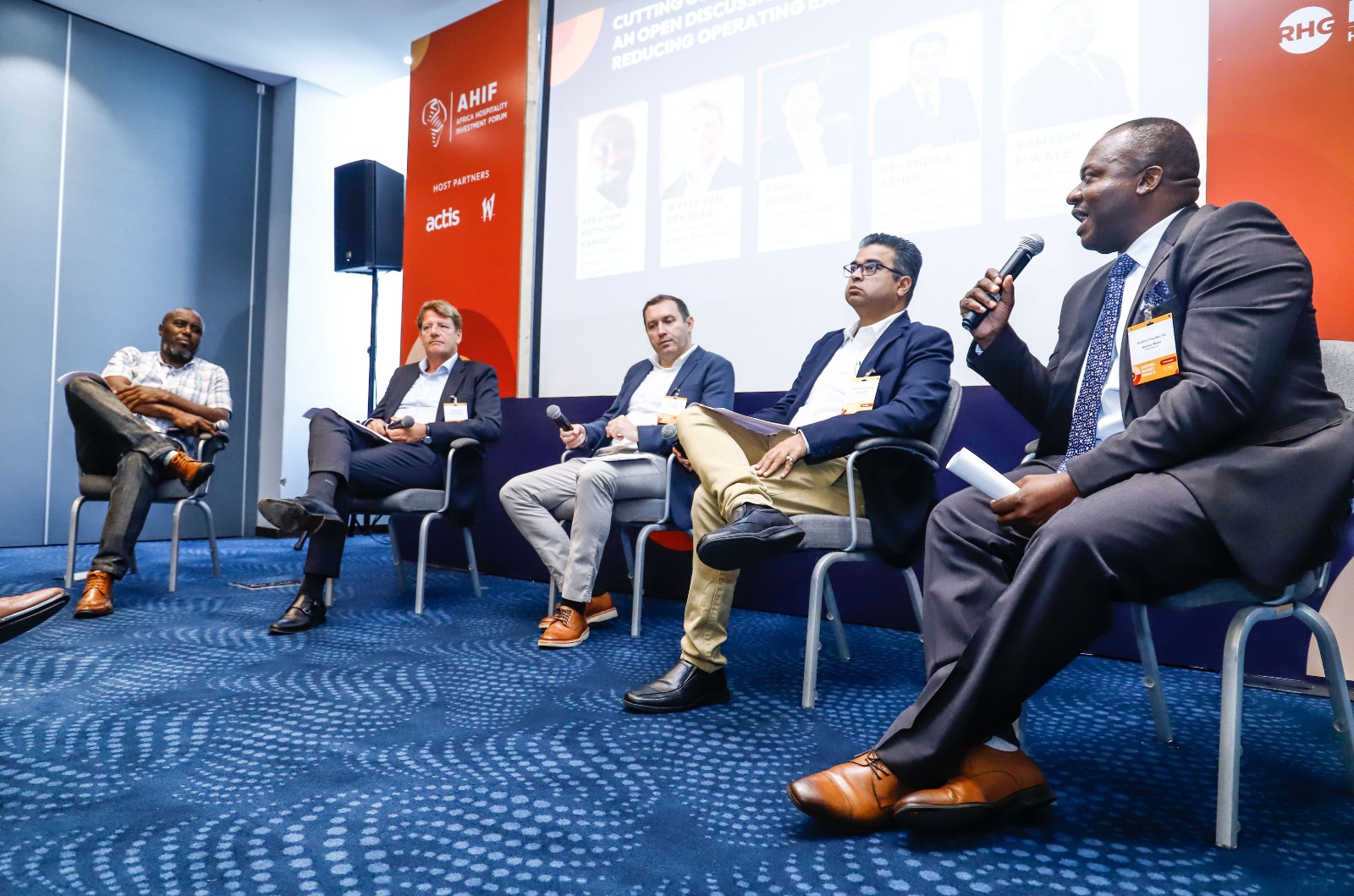
This week leaders across the hospitality sector have descended into Nairobi city, the vibrant capital of Kenya and hub of East Africa, to join the annual African Hospitality Investment Forum (AHIF) (www.AHIF.com) to discuss growth opportunities in the region, and to share their learnings from the last year including developments across the trade and operational landscape. Attending is Toggle Market’s CEO, Fuad Sajdi, and VP of Africa, Abraham Muthogo Kamau, where they have been leading discussions on leveraging local and regional sourcing, and the innovative ways the sector is reducing operational costs.


Supply chain challenges in Africa have been one of the primary obstacles for economic growth and diversification, with businesses continuing to pay inflated prices for nearly every consumable and operational product that is not locally grown or manufactured – where even then it is more profitable to export outside the continent than to cater to the regional market due to weak intra-trade regulations.


Today there are promising signs that this status quo is changing fast.


The African hospitality industry is in the throes of a massive transformation. The catalysts? Ground-breaking trade measures, rapidly evolving technology, and a fresh generation of visionary leaders. These forces are challenging the traditional “business as usual” mindset and reshaping the African hospitality landscape.


The African Continental Free Trade Area (AfCFTA), the largest free trade area globally since the formation of the World Trade Organization, is set to significantly bolster intra-African trade. By reducing trade barriers, it allows a more fluid movement of goods, services, and people across borders. The ripple effect will be profound, with the hospitality sector one of the many industries reaping the benefits of this regional integration.


Breaking with the Past


The lessons of the Covid-19 pandemic have been harshest on the world’s largest continent which has for so long relied on suppliers in far flung countries, most heavily on goods from China, European Union (EU) countries, United States and India.


Take for instance South Africa which remains the largest importing country in Africa at 17% of all imports in the region. Its largest import partners in 2023 were China at 21.9%, followed by United States at 8.8%, Germany at 7.3%, India 5.8% and the UAE 3.6%.[1] The next largest importing countries are Nigeria, Egypt, Morocco, Kenya and Ghana.

The elephant in the room is that Intra-African trade still stands at only 15.2%, a poor showing when compared with intra-continental trade figures for America, Asia, and Europe, which stand at 47%, 61%, and 67%, respectively, and which should be at the head of the pan regional efforts to support trade and business. Much of this is due to multiple trade restrictions that exist in the region and between neighbouring countries for instance.


The recent World Bank 2022 AfCFTA report[2] shows that the borders between African countries rank among the most restrictive in the world and is the main reason there is relatively little intra-African trade and investment.


The impact of this in real terms is putting the break on the growth of regional businesses while limiting the flow of the international supply chain which in turn heavily relies on intra-African trade routes (where goods are transported across several borders by land routes) due to poor infrastructure and lack of trade and custom harmonisation.


For locally grown African hospitality investors and operators, the supply chain challenges remain acute, and ramifications have meant consistent delays in the growing pipeline of projects, along with sometimes turbulent price fluctuations on shipping and logistics services, as well as effects of weakened domestic currencies.


Our research across Toggle Hospitality clients in Africa has shown examples of multiple duties paid in this way to receive goods crossing several borders resulting in highly inflated pricing for essential products and equipment.


Trade Cooperation and Collaboration


The good news is that there are signs across all industry sectors of more joined up thinking and increased regional cooperation. For instance, amongst East African nations there has been a noticeable increase in activities across both government backed and private sector efforts through the multiple alliances that exist such as the East Africa Business Council, the East African Chamber of Commerce and Trade, and the East African Association.


In addition, the highly lauded and anticipated rollout of the African Continental Free Trade Area (AfCFTA) agreement is geared to be the largest free trade region in the world based on the number of countries – at once connecting 1.3 billion people across 55 countries with a combined gross domestic product (GDP) valued at US$3.4 trillion and with a major potential as well to lift over 30 million people out of the poverty line.


For this to succeed there will need to be mutual and significant policy reforms and trade facilitation measures to reduce red tape, simplify customs procedures, and make it easier for African businesses to integrate into global supply chains. The upside is a boost of income gains around $300 billion.


The role of technology and the importance of a knowledge-based economy will increasingly be a driving force for transforming economic prosperity. The latest report from UNCTAD has warned that neglecting the high knowledge-intensive services, such as information and communications technology services and financial services, will be a key reason holding back export diversification in Africa.[3]


A new generation of hospitality leaders in Africa making waves


One of the most exciting outcomes of more regional integration is the rise of home-grown hotel chains that are now expanding beyond their respective national borders. In 2022, intra-African travel accounted for 40% of the total number of hotel guests in the continent, up from 34% in 2019, according to the African Development Bank. This increase is partly attributable to the easing of travel restrictions and the growth of African hotel chains.

The United Nations World Tourism Organisation (UNWTO), forecasts 134 million visitors by 2035. These figures make it the second fastest growing region in tourism after Asia Pacific.

We are delighted to be participating this year at AHIF 2023 which continues year on year to help shape the African hospitality industry and spotlight investment opportunities


This new wave of hospitality brands is being led by a dynamic generation of African leaders who understand the local markets and are at the forefront of developing more viable value-based networks and forging stronger regional partnerships. These individuals are harnessing the benefits of the AfCFTA, using innovative practices to enhance the hospitality experience with a unique African flavour that can cater better to the African consumer needs while at the same time offering global standards of service. For example, today over 80 percent of safari lodges in South Africa are managed by indigenous brands and a part of the tourism sector that generates around 70 percent of hospitality revenue. This segment is growing rapidly across the region.

“There is a major paradigm shift taking place with progressive trade policies and cutting-edge technology. This new generation of leaders are poised to redefine the essence of hospitality in Africa. We are delighted to be participating this year at AHIF 2023 which continues year on year to help shape the African hospitality industry and spotlight investment opportunities,” said Abraham Muthogo Kamau, VP of Africa at Toggle Market.


Technology is a driving force behind this transformation. Digitization is permeating every facet of the hospitality experience from reservation systems to room service, with growing numbers of hotels now using a form of smart-room technology or employing AI-driven services such as chatbots for customer service and offering mobile apps for reservations and in-stay services.


The integration of technology has also enhanced efficiency and sustainability within the sector. African hotels can see up to 30% increase in energy efficiency and 25% reduction in water usage, thanks to the adoption of smart technologies.


Although Africa only receives 5% of the regional share of worldwide tourism[4] this number is rising after the Covid slump with 2022 seeing 47 million tourists returning to the continent after the high of 69 million in 2019.  UNWTO forecasts 134 million visitors by 2035 making it the second fastest growing region in tourism after Asia Pacific. There is also robust and growing domestic tourism within Africa as increasingly middle-class families and younger travellers opt for more local and regional travel.


The supply chain, too, has been revolutionized by both trade facilitations and technology.

A recent survey revealed that the average lead time for supply delivery dropped by 15% in 2022. This improvement is due to more streamlined cross-border processes and the implementation of digital supply chain management systems. Moreover, the increased use of this technology has led to more resilient and responsive systems. More hotel chains can now track their supply deliveries in real-time, forecast demand more accurately, and react swiftly to changes in the market.


The wave of change isn’t confined to the large chains alone. It’s being felt in every corner of the industry, from boutique hotels in Accra that blend modern design with traditional Ghanian culture, to eco-friendly lodges in the Maasai Mara that champion sustainable tourism.

As intra-African trade continues to flourish and the technological landscape evolves, the African hospitality sector is preparing for an exhilarating future. This new era is being ushered in by ambitious, tech-savvy leaders who are ready to shake off the old and bring forth the new.