In its drive to partner and collaborate with stakeholders, create awareness and visibility of the programmes of the National Information Technology Development Agency (NITDA) as well as provide opportunity for states to take advantage of the provision of the Agency’s Strategic Roadmap and Action Plan (SRAP 2021-2024), the Director-General of NITDA, Kashifu Inuwa Abdullahi CCIE has emphasised the need for an inclusive approach to achieve the desired results.

The DG who was represented by the Agency’s Director, Zonal Offices Directorate, Ajayi Babajide Ayodimej made this known during a one-day stakeholders’ workshop programme in Uyo, the Akwa Ibom State Capital, organised by the Agency in collaboration with the state’s Ministry of Science and Technology
Inuwa said, as Nigeria navigates digitalisation and entrepreneurial evolution, NITDA stands as a beacon of guidance and is committed to providing an enabling environment, a framework of support, and a platform for collaboration that empowers all stakeholders to be catalysts of change.

The DG added that whereas available resources are at the disposal of industry players, the Agency’s doors are open to partnerships that would pave the way for a digitally empowered future.

“Digitalisation is when digital technology becomes a part of every aspect of society. It is not just a fancy word but it is what causes big changes in industries because it changes the way we do business, take care of our health, educate ourselves, and even govern.

“In fact, Dldigitalisation changes things for the better, eliminates obstacles, and creates new chances that we couldn’t even think of before; our responsibility is therefore to take hold of these possibilities and use them to transform society”, Inuwa stressed.
Inuwa who described the theme of the event: ‘Creating Opportunities, Breaking Boundaries: Towards Digitalisation and Entrepreneurial Evolution’ as apt for the engagement, noted that the gathering was not only to discuss concepts, but to chart a course that will redefine industries, empower individuals, and shape the future of the nation.

“Modern digital technologies have changed how uncertainty in business processes and results work and how we can effectively handle these uncertainties.
“This brings up important questions about where digital technologies and entrepreneurship intersect, especially in digital business. We think about two main results: more flexible business processes and results, and less fixed places where business decisions are made”, the DG said.

According to the DG, to encourage innovation and entrepreneurship, NITDA established the Office for Nigerian Digital Innovation (ONDI) and the National Centre for Artificial Intelligence and Robotics (NCAIR), stressing that these Special Purpose Vehicles (SPVs) have supported startups, including technology incubation, acceleration programmes, and training for students.

The innovation ecosystem in Nigeria, he affirmed, has attracted significant investments and produced multiple successful startups, including unicorns.
“Today, as we focus on entrepreneurial evolution, we underscore the need to nurture a culture that not only welcomes innovation but also celebrates resilience in the face of adversity”, Inuwa avowed.

The NITDA Boss informed participants that creating opportunities demands a multi-stakeholder approach and therefore there is need to continue to foster an environment where creativity flourishes, risk is cushioned by support, and innovation is rewarded.

“Our digital landscape is bursting with ideas waiting to be transformed into impactful solutions; as we engage in conversations and partnerships today, let us remember that each connection forged, each idea shared, and each resource pooled is a step towards unlocking these opportunities”, the Director-General urged.

He added that NITDA is currently drafting the National Digital Equality Strategy for Women (NDESW), which seeks to ensure equitable access and opportunities in the digital environment, empowering women to fully participate in the digital economy, adding that the National Digital Skills Strategy (NDSS) is a strategic roadmap that will aid digital literacy and talent development in Nigeria.

Inuwa further reiterated the fact that the meeting was viewed as a veritable platform to pool knowledge, experience, and expertise, and to co-create solutions, articulate strategies, and extend NITDA’s services to all stakeholders, especially at the grassroots.
“The true measure of our success lies not just in the strides made by some, but in the progress achieved by all; so, bridging the digital divide, enhancing digital literacy, and ensuring equitable access to technology are vital components of our journey, because only then can we proudly declare that we are on the path of complete transformation”, Inuwa maintained.

The Honourable Commissioner for Science and Technology, Akwa Ibom State, Imoh Moffat represented by the Director of Information and Communication Technology (ICT), Lawson David enumerated five critical focus areas for the Ministry which included embracing the digital revolution, nurturing a culture of innovation, empowering the digital workforce, bridging the digital divide and cyber security.
“As stakeholders of NITDA, we have a unique opportunity to drive innovation, foster a culture of creativity and bridge the digital divide and by empowering our workforce, protecting our digital future and embracing the digital revolution, we can position Nigeria as a global leader in the digital era”, Moffat assured.

The event which brought brilliant minds together also served as a testament to mutually shared commitment to dismantle barriers that hinder progress, thereby shifting efforts towards promoting knowledge exchange, facilitating access to resources, and fostering mentorship that will enable a wave of innovation that transcends traditional limits.

The meeting also featured panel discussions, topical presentations by NITDA, keynote addresses, interactive sessions, and goodwill messages from participants and adoption of a communique.

Furthermore, the stakeholder’s engagement underscored NITDA’s aspirations to bring the organisation closer to its stakeholders especially at the subnational levels, through increasingly becoming a process-driven, data-dependent, and results-oriented organisation in tandem with its core values of “People First, Innovation and Professionalism.

The event was also organised to enable the Agency to begin to pool knowledge, experience, and expertise, articulate Digital Economy development strategies, and co-create solutions, in collaboration with stakeholders.

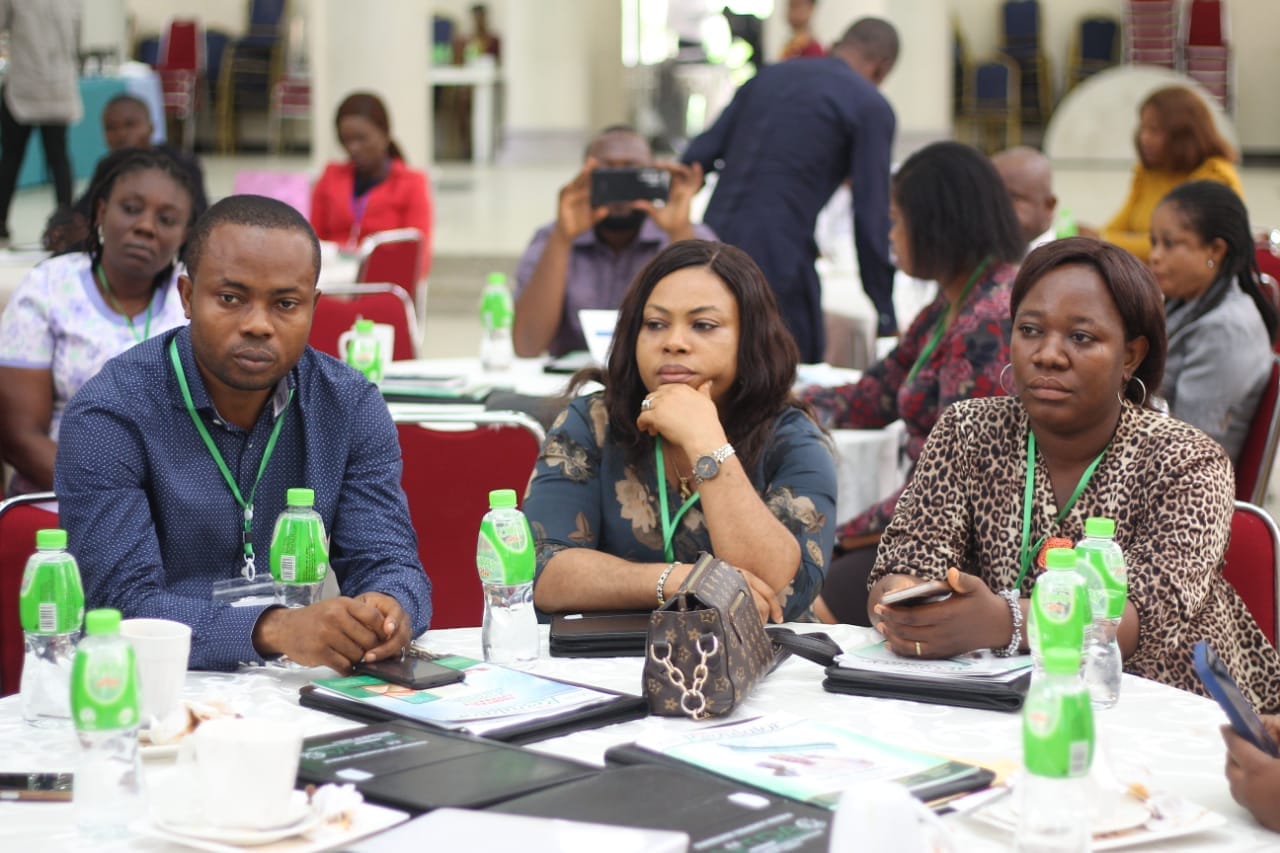
The programme was attended by 81 participants drawn from the state as participants ranged from various stakeholder groups from ICT experts, government representatives, academia, start-ups, ICT associations, technology solution providers, non-governmental organisations (NGOs), and individual stakeholders in the Digital Economy Sector.


In a recent public forum, Minister of Communications, Innovations, and Digital Economy, Bosun Tijani, expressed his deep appreciation for the outstanding leadership of Dr. Vincent Olatunji, the Head of the National Data Protection Agency (NDPC). Minister Tijani highlighted the critical role that the NDPC plays in safeguarding Nigerians’ personal data in an era marked by extensive data generation within the country.

Addressing the audience, Minister Tijani stated, “I commend the work of Dr. Olatunji, and I recognize the paramount importance of establishing a robust regulatory framework for data protection in our nation. Data privacy is not merely a matter of convenience; it is a fundamental human right. As we embrace the digital age, it is imperative that we uphold the confidentiality of our citizens’ personal and sensitive information. We are unwavering in our commitment to ensuring that every Nigerian can trust the digital platforms they use, knowing that their personal data will not be misused. To achieve this, we are taking proactive steps to fortify our data protection efforts.”

In the context of data protection, Minister Tijani emphasized, “We are actively collaborating with stakeholders, including the National Assembly, to draft comprehensive data protection legislation aligned with international standards. This legislation will hold organizations accountable for their data collection and processing practices. We will also promote a culture of transparency among our citizens, ensuring that everyone is fully informed about how their data is utilized. Collaboration with all stakeholders is pivotal in raising awareness of citizens’ rights and educating them on how to safeguard their digital identities.”

Recognizing the collective responsibility in an era of data consumption, Minister Tijani added, “Data protection is not the sole responsibility of the government. Each one of us must ensure that those around us comprehends the value of their data and how to protect themselves. Data protection officers and government agencies must lead by example, as they are the primary interfaces with citizens. Nurturing the digital economy requires a simultaneous focus on innovation and robust data security and protection.”

In closing, Minister Tijani emphasized, “The conversation on data privacy and protection should transcend technicalities; these principles should become core values that we all uphold steadfastly. As we forge ahead into an inclusive and prosperous digital future, fostering a collective culture of responsible data handling will ensure that our citizens’ personal information is managed responsibly and securely.”

Concluding his remarks, Minister Tijani stated, “I am personally committed to this cause, and I invite all stakeholders to join us on the journey to protect and secure the data of every Nigerian. In an era where technology becomes more ubiquitous, not everyone in our society possesses the knowledge to manage their data. As social media usage continues to rise, indiscriminate sharing of information should not prevail. We will persist in our efforts to enlighten and empower our citizens to safeguard their data, and we urge you to join us in this noble endeavor.”


While it may seem noble to forge your own path, in the business world, statistics show that two heads are indeed better than one. Strategic partnerships are a catalyst for growth, and the tech world is no different: 95% of Microsoft’s commercial revenue comes through its partner ecosystem, for example, while a report in the Harvard Business Review shows that 94% of tech executives view innovation partnerships as necessary to their strategy.


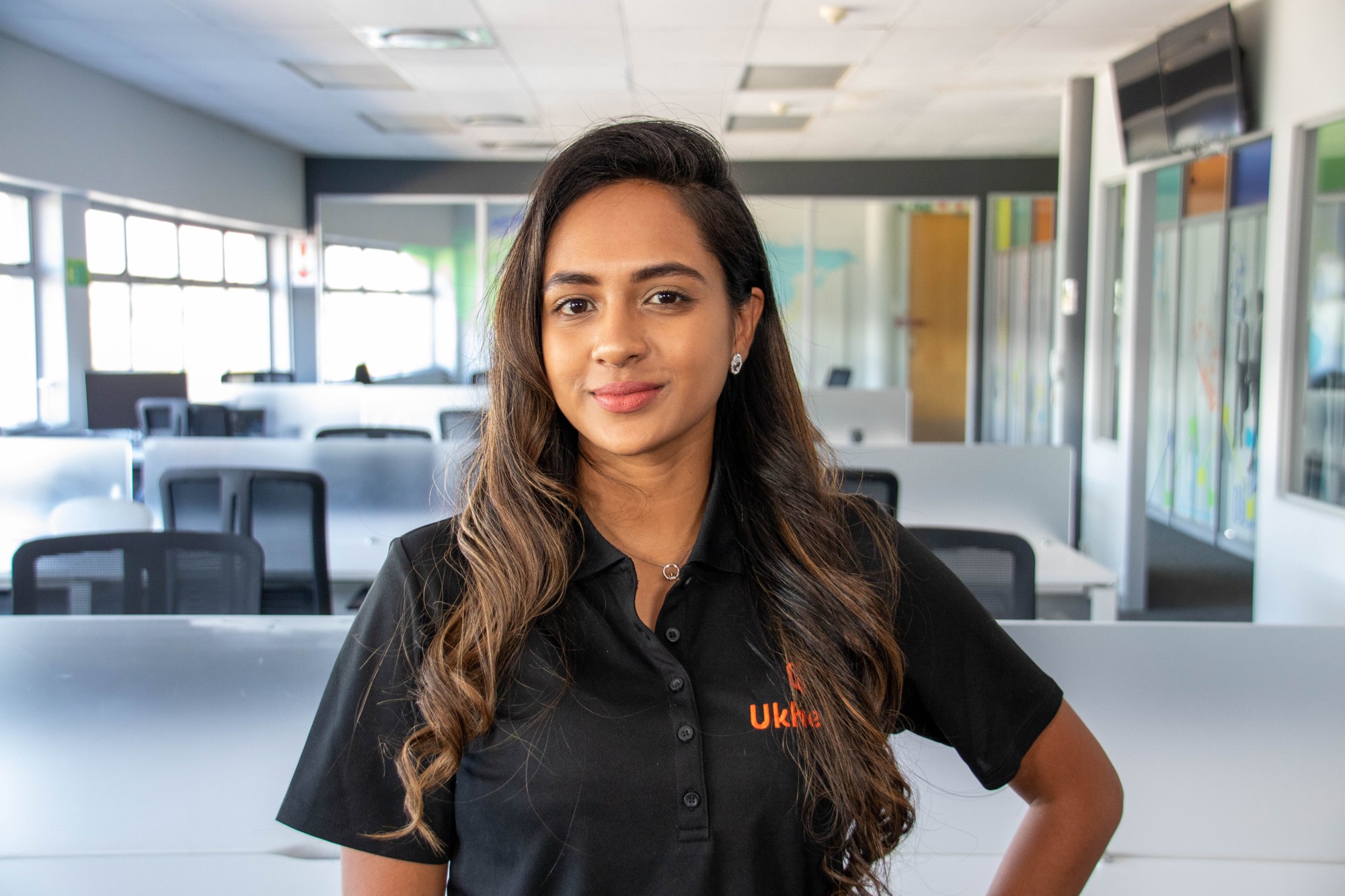
Natasha Archary, Vice President: Strategic Partnerships at Banking as a Service (BaaS) and embedded finance enabler, Ukheshe, says this is certainly the case for the company. “For us, partnerships are a core vertical in attaining our long-term goals. It’s key to our growth journey, so we’re constantly looking to explore possible synergies.”


Successful partnerships, she says, can have a mutually beneficial impact that would not be easy to achieve alone. “Depending on the type of partnership and the terms, there can be a slew of benefits. It can allow both partners to explore new and existing markets and expand in them, tapping into each other’s knowledge and distribution channels along the way. It can open the door, in both directions, to resources such as technology, finance, additional networks and expertise. And it can improve brand awareness and customer trust for both partners. Successful partnerships allow both parties to leverage the other’s knowledge and resources to bolster growth and ultimately meet the customers’ needs and expectations. At Ukheshe, our partnerships have certainly impacted our growth journey in these three major ways.”


Of course, none of these benefits are guaranteed by simply entering into a partnership, and Archary cautions that decision-makers should do their homework before entering into negotiations or projects. “Startups, especially, tend to want to grab every opportunity that comes their way, but it’s important to make sure a partnership will be mutually beneficial and add value to the customer.


Mutual is a keyword to consider, she adds: “At Ukheshe, we also firmly believe that a partnership should be mutually beneficial, otherwise it’s not sustainable in the long term. Make sure both parties bring enough to the table.” She says it’s important to also consider long-term goals. “Short-term partnerships may look attractive, but sustainable partnerships are viewed as long-term and are built on trust, good standing, and clear results.


Benefits don’t necessarily have to be economic though – it could also be in the form of technology, expertise, or networking. Each potential partner will come with its own strengths and as long as the partnership is collaborative and complementary to the overall strategy, you will achieve your desired outcome. Partners should have a compatible strategic vision, a golden thread that ties their long-term visions together.”


For Ukheshe, this has meant a particular focus on creating a financially inclusive ecosystem. “We’re firm believers in the importance of broadening financial inclusivity and keeping this in mind has allowed us to choose the right partners who are working towards the same vision,” says Archary. “Focusing on that single key point, a mutual vision, means that not only both partners benefit from our collaborations, but also the industry at large. In the fintech space we operate in, it means customers and users, who are spoilt for choice but don’t necessarily know who to trust, benefit from better quality products and a trustworthy stamp of approval from both partners. Regulatory bodies are assured of compliant entities with the potential to contribute to the research and development of the fintech space at large. And investors and shareholders can rest assured knowing there is a stronger likelihood of strategic goals being met, as well as the potential for market expansion.”


Such successful partnerships, she says, will have a long-term ripple effect in any organisation, opening doors to additional partnerships and growth. “Make sure you can see the end vision, a long-term outcome, from the onset. Then set a clear framework and terms of engagement to understand everyone’s roles and responsibilities. Start with the end in mind to ensure that each partner will come out better than they went in.”


To partner with Ukheshe, contact natasha.archary@ukheshe.com


The recent developments in Gabon have led to a distressing capitulation to military influence. We unequivocally denounce this coup, echoing our condemnation of similar occurrences across the African continent. The underlying lesson resonates clearly: political leaders must abstain from manipulating electoral processes. Engaging in election rigging is tantamount to orchestrating a coup, albeit one executed through ballots and documents rather than firearms. The repercussions can be equally ruinous.

As reported by the BBC, there are mounting indications that the election held last Saturday, which resulted in the declaration of President Ali Bongo as the victor, may not have adhered to the principles of fairness and transparency.

What emerges as a stark revelation is that citizens, in the midst of these coup-like situations, find cause for celebration. For the majority, whether the prevailing system is democracy or military governance, the fundamental essence revolves around the well-being of individuals. Should the quality of life fail to ameliorate under a democratic regime, the very essence of democracy diminishes. This underscores the imperative for politicians to diligently foster societal progress through effective governance to secure the allegiance of the populace.

In response to these developments, we emphatically reject any attempts at military intervention and call for the prompt return of military personnel to their barracks. The prospect of arranging a fresh election stands as a viable solution. Africa finds itself entangled in a severe crisis, casting an air of uncertainty over its trajectory moving forward.


Ndubuisi Ekekwe


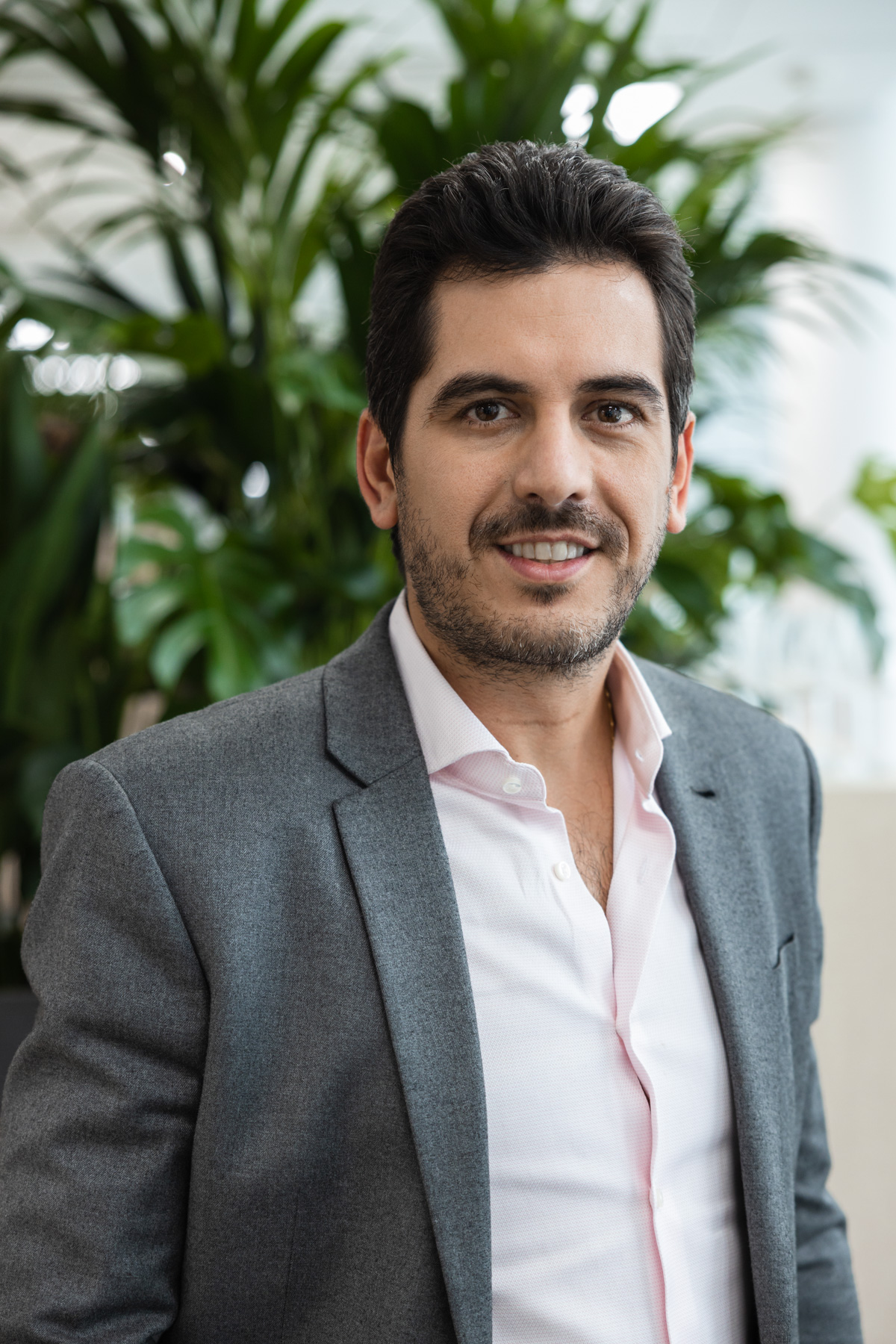
Coca-Cola Africa has welcomed Sergio Vieira as the new Vice President of Franchise Operations, South Africa. Vieira joins the Coca-Cola Africa Operating Unit (AOU) (http://www.Coca-ColaCompany.com/) in Johannesburg.


Vieira replaces Phillipine Mtikitiki, who has taken on the role of Vice President of Franchise Operations, overseeing Italy and Albania.

The business in South Africa supports a strong brand portfolio, has a talented team, and an enviable reputation as a leader in FMCG

Vieira’s mission is to hone the company’s strategic direction, grow and develop the business, strengthen partnerships, and build new relationships across South Africa, Eswatini, and Lesotho.

Luisa Ortega, Africa Operating Unit President at Coca-Cola Africa, said, “Sergio has a critical role in creating a highly dynamic environment that drives high performance and in building the next generation of leaders. His experience and expertise are invaluable as we continue to grow and expand our operations, and we look forward to the contributions he will make to our company.”

Vieira has worked in the Coca-Cola system for over 20 years, joining Brazil’s bottler’s commercial function in 2002. In 2016, he took on the role of Marketing Director at Coca-Cola Hellenic, Nigeria. A key highlight was the awards for the best Growth Project for EMEA and the best Revenue Growth Management project globally.

Vieira said, “I am thrilled with the appointment and with the move to South Africa with my family. The business in South Africa supports a strong brand portfolio, has a talented team, and an enviable reputation as a leader in FMCG. Coca-Cola in South Africa is well-positioned and has achieved significant strides, such as being certified as a top employer in the food and beverage category by the Top Employer Institute, strategically positioning it for far greater success in the future.”

Vieira has a bachelor’s degree in business from Universidade Federal de Pernambuco in Brazil, specialising in finance, marketing, and innovation. He is passionate about football, loves learning about new cultures, is committed to leading the equity and female agenda, and enjoys travelling with his wife and children.

In a matter of seconds, it is possible to hold your phone up to your face and see what you will look like in 40 years. Or you could fuse the image of your face with that of a celebrity. You could even record a birthday song for a friend in the voice of their favourite artist. With deepfake technology, it is simple and possible to edit a person’s facial and vocal likeness with alarming accuracy. For the most part, this can be seen as harmless entertainment. But what if your likeness was used to drain your savings or commit fraud? As the technology to create deepfakes becomes easier and cheaper, the need to guard against these cybercrimes have come to the forefront.


A deepfake is a video, visual, or audio recording that has been distorted, manipulated, or synthetically created using deep learning techniques to present an individual, or a hybrid of several people, saying or doing something that they did not say or do. These deepfakes are often used in digital injection attacks which are sophisticated, highly scalable, and replicable cyberattacks that bypass the camera on a device or are injected into a data stream.


Murray Collyer, Chief Operating Officer of iiDENTIFii (http://www.iiDENTIFii.com/), says, “Digital injection attacks present the highest threat to financial services, as the AI technology behind it is affordable, and the attacks are rapidly scalable. In fact, a recent digital security report by our technology partner, iProov (http://www.iProov.com/), illustrates how, in an indiscriminate attempt to bypass an organisation’s security systems, some 200-300 attacks were launched globally from the same location within a 24-hour period. As more and more South Africans embrace digital banking, deepfake technology is a serious threat.”


Recent research (https://apo-opa.info/3L09o3T) by Discovery Bank and Boston Consulting Group (BCG) into the future of retail banking in South Africa found that most (86%) South Africans are ready to do all their banking digitally, particularly via an app. Much of this trend stems from previously unbanked people. The Covid-19 pandemic naturally accelerated the trend.


As more South Africans set up digital accounts and do their banking online, financial crime and cybercrime have become more inextricably linked than ever before. Interpol states that financial and cybercrimes are the world’s leading crime threats and are projected to increase the most.


Digital injection attacks present the highest threat to financial services, as the AI technology behind it is affordable, and the attacks are rapidly scalable

Collyer adds, “Deepfake technology is one of the most rapidly growing threats within financial services, yet not all verification technologies are resilient to it. Password-based systems, for example, are highly susceptible to fraud. South Africa needs to strengthen their technology to outwit cyber criminals.”


While deepfakes are a severe threat, the technology and processes exist to safeguard financial services companies against this method of fraud.

A growing percentage of face biometric technology incorporates some form of liveness checks – such as wink and blink – to verify and authenticate customers. Liveness detection uses biometric technology to determine whether the individual presenting is a real human being, not a presented artefact. Therefore, this technology can detect a deepfake if it were to be played on a device and presented to the camera.


While many liveness detection technologies can determine if someone is conducting fraud by holding up a physical image (for example, a printed picture or mask of the person transacting) to the screen, many solutions cannot detect digital injection attacks.


Collyer says, “Specialised technology is required to combat deepfakes. Within iiDENTIFii, we have seen success with the use of sophisticated yet accessible 4D liveness technology, which includes a timestamp and is further verified through a three-step process where the user’s selfie and ID document data are checked with relevant government databases. This enables us to accurately authenticate someone’s identity.”


Collyer will be part of the speaker panel that will present to delegates at the 8th instalment of the AML, Financial Crime Southern Africa Conference (https://apo-opa.info/3KYm7Ec), that also includes representatives of companies such as Financial Intelligence Centre South Africa, Investec, Sanlam, Stanlib, Albaraka Bank, Standard Bank Mozambique, iiDENTIFii, Nice Actimize, SABRIC, Rand Merchant Bank, S & P Global Intelligence, FirstRand Namibia, Corruption Watch and many more.

The high-level conference will be hosted on 6 & 7 September at the Indaba Hotel Fourways South Africa and is attended annually by professionals from banks, insurance and investment companies, service providers, government, and MLCO’s from non-designated financial service providers.

“With the right technology, it is not only possible to protect consumers and businesses against deepfake financial crimes but also create a user experience that is simple, accessible and safe for all,” Collyer concludes.


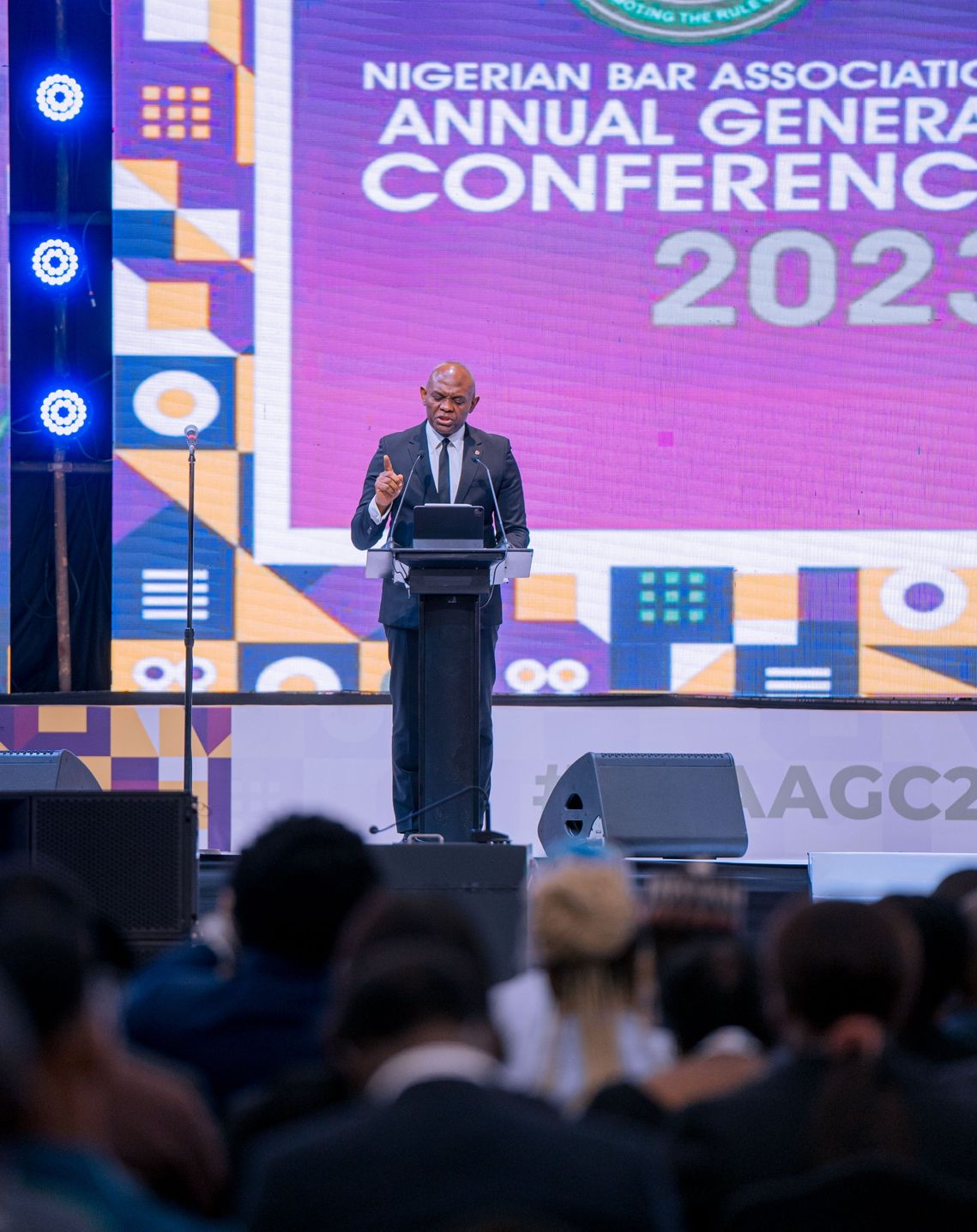
Renowned business magnate and Chairman of Heirs Holdings, Tony O. Elumelu, C.F.R, delivered a compelling keynote address at the 2023 Nigerian Bar Association’s Annual Conference. The conference, held under the theme “Getting it Right, Charting the Course for Nigeria’s Nation Building,” saw Mr. Elumelu share his insights and perspectives on the critical topic of national development.

Mr. Elumelu expressed his gratitude to Yakubu Maikyau (SAN), President of the Nigerian Bar Association, and its leadership for the esteemed opportunity to speak before the legal fraternity and distinguished delegates. He commended the selection of the theme, emphasizing the importance of unity and a shared vision in the pursuit of nation building.

In his address, Mr. Elumelu underscored the united ambition and collective duty to drive Nigeria’s progress. He acknowledged the diverse backgrounds, geographies, religions, and experiences present in the audience but highlighted the common aspiration shared by all – the advancement of the nation. Whether members of the legal community or esteemed leaders, he noted that everyone desires the best for Nigeria.

Recognizing Nigeria’s abundant potential and its vast human and natural resources, Mr. Elumelu celebrated the global achievements of Nigerians across various domains, from international leadership positions to technology, music, business, arts, media, film, and sports. He cited examples of prominent individuals who have risen to significant roles on the international stage, highlighting the country’s capacity for excellence and innovation.

Mr. Elumelu’s address also touched upon the role of the Nigerian private sector in showcasing the nation’s capabilities and ingenuity on a global scale. He spotlighted the achievements of Nigerian-origin global businesses, such as the UBA Group (United Bank for Africa), which operates as a deposit-taking bank in the USA and has expanded its reach to Dubai, Paris, London, and across 20 African countries.

However, Mr. Elumelu also addressed the challenges faced by Nigeria, including energy deficits, youth disillusionment, talent loss due to emigration, oil theft, pipeline destruction, climate change impact, insecurity, and social division. He emphasized that nation building is a critical endeavor that demands collective action and a renewed focus on preserving heritage, fostering unity, and addressing the nation’s pressing issues.

In concluding his address, Mr. Elumelu reiterated the urgency of nation building, describing it as a vital call to action and an essential task for securing a prosperous and united future for Nigeria.

The 2023 Nigerian Bar Association’s Annual Conference provided a platform for thought-provoking discussions on the nation’s trajectory and the imperative of effective nation building. Tony O. Elumelu’s keynote address offered valuable insights and perspectives to guide Nigeria’s journey toward a brighter and more inclusive future.

In the ever-evolving digital landscape, a groundbreaking collaboration is taking shape as four major European telecom giants are collaborating on an advertising ID system called TrustPid; a privacy-led identification solution that promotes the use of mobile numbers as unique identifiers, to support the digital marketing activities of publishers and brands, in light of third party cookies imminent extinction. Interestingly, the idea to launch a “Telco Ad Network” did not just happen. In 2015, at the Mobile World Congress in Barcelona, Africa’s foremost Data and Marketing Technology company, Terragon (https://TerragonGroup.com), unveiled its unique mobile advertising solution, and Africa’s first telco-data monetisation platform, Adrenaline’, (https://apo-opa.info/3EbmA2f) which just like TrustPid used the mobile phone numbers as the unique identifier.


In 2015, when Terragon (https://TerragonGroup.com) launched Adrenaline, the idea was clear – to provide a simple but robust platform that bridges advertising demand (i.e. businesses) and data supply (publishers and telco) to enable targeted messaging to consumers both online and offline.


Adrenaline is a double-sided platform which offers advertisers (businesses) access to run targeted messages to mobile subscribers via offline Telco-native channels (such as “end of call notification, flash message, USSD etc) and online ad exchanges (display ads via browsers and in-app notifications) on one hand; and on the other hand help Telcos monetise their data assets by providing these advertisers with privacy compliant access to segmented subscribers as well as the channels for businesses to reach their target audience. Terragon’s Adrenaline platform is then able to process the data the adrenaline platform is able to access in a privacy compliant environment to enable data monetisation for telcos, accurate reach for publishers and measurement for advertisers. All of this is powered in a strict privacy complaint framework. The AI-powered analytics enables businesses to deliver “personalized” and relevant messaging to targeted audiences. This means that a business using Adrenaline would not waste marketing dollars promoting mobile app usage to a feature phone user, for instance.


Similarly, TrustPid a cross-operator platform for data protection-compliant digital marketing, was born out of the desire to drive privacy-compliant personalised advertising without cookies and diversify the revenue stream of the 4 European telcos — Telefónica, Orange, Vodafone, and Deutsche Telekom.


A daring move at the time, but one driven by foresight according to Terragon’s CEO and Co-founder, Elo Umeh, who had noted in 2015 that the unveiling of Adrenaline at the MWC was a ‘global first’ that shows that innovation can indeed come out of Africa (https://apo-opa.info/3EbmA2f). He would later go on to explain that Adrenaline’s inception was driven by the insight that mobile phone numbers would become unique identifiers for consumers in the near future. Today, the launch of TrustPid and the looming extinction of third-party cookies, which will have a major impact on the $300bn advertising industry, validates Elo’s 2015 comments and the innovative value presented by the launch of Adrenaline.


Both Adrenaline and TrustPid share a common approach to UID (unique identifiers) — utilizing telco networks as a major source of consumer data. According to Terragon’s CTO and Co-founder, Ayodeji Balogun, ‘by leveraging telco-data, Adrenaline empowers advertisers with near real-time customer insights needed to deliver more relevant, targeted, and effective advertising campaigns, and make effective business decisions.

Mobile phone numbers serve as crucial identifiers that connect individuals to their mobile devices


Telcos have emerged as exceptionally dependable data sources in today’s world where customers generate multiple data traces. Telco data serves as a valuable resource that empowers advertisers with precise insights and targeting capabilities, enabling them to optimize their campaigns and achieve higher levels of effectiveness. Telco data can provide insights on customer behaviour, location, demography, channel preference, interests, economic power, etc. armed with these insights in near real-time, businesses can deliver enhanced targeting, multi-channel engagement and personalised experiences at scale.


The proliferation of mobile usage in Africa has experienced substantial expansion over the years. With a mobile penetration rate exceeding 50% and customers dedicating more than 4 hours each day to their mobile phones, the significance of identifying consumers with their mobile phone numbers, and interacting with them through mobile channels becomes apparent. This according to the Terragon CTO is a major feature of Adrenaline.


“Mobile phone numbers serve as crucial identifiers that connect individuals to their mobile devices. As consumers engage in various activities on these devices, our native cloud software possesses the capability to uniquely recognize them through their phone numbers. Our customer data platform which is situated within different businesses, utilizes mobile phone numbers as key identifiers to centralize and manage customer information.


On the supply side, this data exchange can increase customer life-time value and ARPU, deliver superior customer experience, enable hyper-personalised engagements, identification of growth opportunities, identification of “at-risk” subscribers and prevention of churn. On the demand side, businesses can drive intelligent product recommendation, upsell and cross-sell, reduce cost on customer acquisition and retention, deliver personalised experiences at scale, and increase marketing ROI.”


On data privacy, Mr Balogon states “Our data is fully encrypted and anonymised to protect personal identifiable information. We adhere strictly to global and regional data privacy regulations including the GDPR, and the NDPR (in Nigeria). We have been ISO 27001 certified for 5 years running.”


Terragon is Africa’s leading data and marketing technology company that leverages data and technology to help Brands intelligently reach, engage and deliver more meaningful experiences to African consumers on mobile. Terragon is building a unique and robust cloud-based ecosystem which currently boasts of big global tech companies including Microsoft and AWS, Telco partnership like MTN and Orange, over 30 multinational enterprises including Nigerian Breweries, Access Bank, UBA and over 8,000 small and medium sized businesses.

MEST Africa (Meltwater.org), in partnership with Absa Bank, is delighted to announce the opening of applications for the highly anticipated MEST Africa Challenge Startup Pitch Competition. Early-stage technology startups operational in Ghana, Nigeria, Senegal, Kenya, and South Africa are invited to participate in this prestigious competition to showcase their innovative businesses and entrepreneurial prowess. The application period begins today and will close on 9th October 2023.


The MEST Africa Challenge offers exceptional benefits to participating startups. The winner will receive a substantial equity investment of USD 50,000, providing crucial financial support to accelerate their business growth. In addition, the winner and other outstanding participants will gain access to MEST Africa’s global community and networks, unlocking valuable partnerships, mentorship, and investment opportunities. This platform catalyzes startups to unlock the next phase of their business growth and gain global recognition.


Building upon the success of the previous years, the 2022 MEST Africa Challenge crowned Kwely, a B2B e-commerce startup from Senegal, as the winner (https://apo-opa.info/3qLY7gV). Kwely’s groundbreaking solutions stood out among the fierce competition, and their success serves as an inspiration to entrepreneurs across Africa.


With the remarkable advancements in technology innovation and adoption across the continent, this year’s competition is poised to showcase groundbreaking ideas and solutions

“This year’s tagline, ‘Unlock Your Startup Potential’, resonates deeply with the vibrant technology landscape we are witnessing in Africa today. With the remarkable advancements in technology innovation and adoption across the continent, this year’s competition is poised to showcase groundbreaking ideas and solutions. I am confident that the MEST Africa Challenge will uncover exceptional startups that will shape the future and drive positive change in Africa and beyond,” said Ashwin Ravichandran, Portfolio Advisor and MEST Africa Challenge Lead.


Over the years, the MEST Africa Challenge pitch competition has garnered thousands of applications from across the continent, attaining global recognition and forging partnerships, while nurturing a thriving community of African tech founders. It has spotlighted and impacted the growth of winning startups such as Tanzania’s Kilimo Fresh, Ghana’s OZE, South Africa’s Snode Technologies, Kenya’s Waya Waya, Nigeria’s Accounteer, and reigning title holder, Kwely from Senegal.


Eligibility Criteria for MAC 2023:


  • Monthly Recurring Revenue: $5k+
  • Funding raised: Cumulative $1M or less
  • Years of existence: 3 years and below
  • Traction: At least 6 months of recurring revenue
  • Founding team: At least 2 founding team members
  • Registered in Delaware (This is preferred)
  • Demonstrated traction in MAC Markets (Ghana, Kenya, Nigeria, South Africa, Senegal)


Learn more and apply here: https://apo-opa.info/3YSKDwi


Beyond providing essential emergency response services to the Nigerian public, the Emergency Communications Centres (ECC), being implemented by the Nigerian Communications Commission (NCC) now provide employment placements for many Nigerian youth and professionals, as well as offering informal business activities to the citizens across the Country.

The ECC’s, which have been constructed and are now fully operational in a total of 27 State Capitals across the country, are reachable on Toll-Free Number 112, and are operating in similar design like the 911 Emergency Numbers in some developed parts of the world, to provide succor to individuals, who are witnesses or under distress of emergency, arising from fire outbreaks, robbery or violent attacks, domestic and road accidents, health crisis, to instantly reach response agencies through the toll-free three (3) digit numbers, 112. Four more centres are currently undergoing test-runs to commence services in September 2023, to bring the total to 31, while another set of four are expected to come into operations before the end of the year.

The Commission provided technology platforms such as Computer-Aided Dispatch (CAD) systems for the respective response agencies such as police, Nigeria Security and Civil Defence Corps (NSCDC), Fire Service, Federal Road Safety Corp (FRSC), Nigerian Centre for Disease Control (NCDC), Ambulance Service, and State Emergency Management Agencies (SEMA) to facilitate the dispatch of emergency calls through the national emergency toll-free number 112.

The three-digit code was designed to ensure that citizens in emergency situations can easily recall the three-digit code, 112, to report emergency situations.

Agents of the ECCs, have been trained, and equipped with state-of-the-art communications equipment, including digital radio and Internet-protocol (IP) and geo-location technologies to enable responders to easily identify location of incidents for effective and efficient delivery of rescue services to the public.

Emergency Centre services in Nigeria are available, live, 24 hours of the day as the agents run in shifts to ensure that services are delivered at all times of the day.

The response agencies, such as the Police with round-the-clock duties to prevent, stop and arrest crimes, are now being provided with additional mobile communications devices, some installed in their offices, to enable them to instantly receive information from call agents at the centres. This is to also ensure that the top echelon of the force are provided instant information for command and control over emergency situations or incidents across the country.

As the ECCs assume more crucial roles in providing emergency communications services to the citizenry, it is also providing additional socio-economic responsibility of providing job opportunities to the citizens as each of the centres have staffs made up of Call agents, Facility/IT Staff, and Administrators. The basic salaries of the staff of ECCs have been carefully set by the Commission, to ensure that the jobs at the centres are attractive for the Nigerian youths, and other categories of employees.

In effect, more than 1,200 are currently offered employment at the 27 operational centres across the country, while more will be employed as the additional 8 centres under different stages of completion become fully operational by 2024.

The Centres are also managed by indigenous Nigerian consultants who are engaged to provide total facility and operational management of the centres.