
APO Group (https://APO-opa.com/), the leading Pan-African communications consultancy and press release distribution service, is delighted to announce the launch of its unique Communications Curriculum designed to help hundreds of comms professionals across Africa develop their skills in all aspects of Public Relations, media relations, and content strategy.


The pro-bono initiative has been running since May 2023 as part of APO Group’s long-standing partnerships with Rugby Africa (https://apo-opa.info/3qUoP6t), the governing body of African rugby, and the Symposium of Episcopal Conferences of Africa and Madagascar (SECAM) (https://apo-opa.info/3sM6R7l) – the institution that coordinates the Roman Catholic Church’s pastoral work in Africa.

The curriculum will run for a period of 18 months and involves more than 130 trainees from 30 countries. They will receive more than 60 hours of online training, delivered by some of APO Group’s most esteemed and valued personnel, all of whom have experience working with some of the company’s biggest clients, including FIFA, Jack Ma Foundation, Nestle,  Liquid Intelligent Technologies, and many more.

The curriculum has been meticulously crafted. From core topics such as The Fundamentals of Media Types and Content Distribution, to more specialized subjects like Business Writing in a Digital Age and Gen Z Engagement and Communication, participants are set to gain a holistic view of the media landscape.

The APO Group Communications Curriculum also features appearances from seasoned guest speakers working at globally recognized media establishments like CNN, the BBC, Al Jazeera, and Euronews, who will provide firsthand insights on what the media are looking for from communications professionals working in Africa.

João Gaspar Marques, Director of Strategy at APO Group and a mentor for the programme, believes media literacy is a fundamental requirement in today’s corporate reality. “Our training is tailored to equip these institutions with the essential tools they need to thrive amidst the constant influx of information dominating the media landscape,” he commented. “At APO Group we want to enrich the Public Relations and Communications sector by sharing our extensive knowledge, fostering a culture of professionalism, and nurturing talent across the continent.”

APO Group has built deep working relationships with both Rugby Africa and the Roman Catholic Church over several years. It provides support across a broad range of communications services, including the distribution of press releases, and the facilitation of interviews, press conferences, and networking opportunities. The new curriculum will help drive the production of more high-quality content – all of which will be subsequently distributed by APO Group free of charge to ensure stories from the organizations are heard far and wide.

The curriculum will run for a period of 18 months and involves more than 130 trainees from 30 countries

Both Rugby Africa and the Roman Catholic Church have huge potential audiences in Africa. Rugby is one of the most popular sports in the continent, with Africa home to three of the six fastest-developing rugby nations in the world. Similarly, Africa’s 236 million Catholics make up roughly 20% of the global Catholic population, and the continent is also the fastest-growing Catholic region in the world. By 2050, the World Christian Database estimates that African Catholics will make up 32% of the global Catholic population.

APO Group’s Media Relations experts are working closely with Communications teams from Rugby Africa and SECAM, taking them on a transformative journey towards excellence in communication management. By the end of the 18-month programme, it is hoped the teams will have all the skills they need to thrive in the complex African media landscape.

The APO Group Communication Curriculum offers:

  • Extensive Expertise: Training sessions are conducted by APO Group staff with in-depth knowledge and on-the-ground experience working with journalists across Africa
  • Exclusive Insights: APO Group has a vast network of media professionals to draw on, and the programme includes guest speakers from esteemed establishments such as CNN, the BBC, Al Jazeera, Euronews and many more
  • Online Delivery: The curriculum has been designed specifically for busy professionals, with training sessions delivered online to allow trainees across Africa to participate and benefit from the programme
  • Multilingual Support: All sessions are delivered in English, with simultaneous translation into French
  • Comprehensive Curriculum: The curriculum covers a wide range of topics essential for excelling in the field of communications and media relations
  • Wide Reach: The initial programme has over 130 registered participants from Rugby Africa and SECAM, creating a diverse and enriching learning environment. This wide reach also fosters networking opportunities, enabling participants to connect and learn from each other
  • Certification of Completion: Participants who successfully complete all lessons will be awarded a certificate of completion at the end of the programme. This certification serves as a testament to their dedication and newfound expertise, adding value to their professional portfolio and elevating their ability to handle the demands of the media industry


Reaction to the programme since its launch in May has been overwhelmingly positive, with trainees commenting that the sessions have been: “very useful”, “most engaging”, “exceptional”, and “crucial to our professional journey.”

The APO Group team, too, are gaining a lot from being involved in the programme.

“One of my core values is giving back to society in any way I can, and I am lucky to work in an organization that not only understands, but actually practices this principle,” said Rosemary Otalor, an Account Director at APO Group based in Nigeria. “I am grateful to have been given the opportunity to impart some of the knowledge I have gained over time. It’s a win-win for me!”

“I want to express my sincere gratitude to each and every one of the APO Group team who are actively participating in this pro-bono initiative,” said APO Group Founder and Chairman, Nicolas Pompigne-Mognard (www.Pompigne-Mognard.com). “Sharing professional knowledge and expertise is an incredibly rewarding experience, offering us a unique opportunity to truly make a difference in the lives of 130 communications professionals. The curriculum that our colleagues have collectively crafted, along with the wealth of expertise within the team, is truly unparalleled. Our colleagues are not only positively impacting the lives of those taking part, but they are also contributing to a collective achievement that our entire company can be proud of.”

Among the APO Group personnel who have developed and are delivering the curriculum are [in alphabetical order]: Hussain Ali, Head of Design (Pakistan), Yasmina Ndella Bileoma, Account Director (Senegal), Lerato Chiyangwa, Account Director (South Africa), Emeka Enyadike, Account Director (South Africa), Lindsay Farley, Former Vice President: Editorial and Content Strategy (South Africa), Sylvia Gaita, Account Manager (Kenya), Christian Gwandure, Project Lead (South Africa), Lynne Krawchuk, Vice President of Digital, PR and Media Relations (South Africa), João Gaspar Marques, Director of Strategy (Portugal), Abhishek Mukherjee, Digital Marketing Manager (India), Ekene Nwakonobi, Account Manager (Nigeria), Rosemary Ngozi Otalor, Account Director (Nigeria), Bonnie Robinson, Director: Content Strategy and Copy Editing (South Africa), and Beatrice Tonhodzayi, Senior Account Manager (Zimbabwe).

The entire project is spearheaded by Michelle Scott, Senior Executive Assistant to Nicolas Pompigne-Mognard, Founder & Chairman of APO Group (South Africa).

  • 40% of the respondents from eight countries had been scammed online
  • Distraction and multi-tasking made 43% of the victims fall for an online scam
  • Financial scams affected nearly 48% of respondents


Nearly half of the 800 African survey participants have fallen victim to an online scam at least once, losing thousands of dollars in the process and compromising their personal data. This alarming statistic is one of the key findings of the KnowBe4 2023 Online Scams and Victims in Africa Report, which was just released. The report is based on a survey of 800 respondents across eight African countries, including South Africa, Kenya, Ghana, Nigeria, Morocco, Egypt, Mauritius, and Botswana. According to the report, 53% of the respondents who fell victim, were convinced the offer was legitimate because the website looked real, while nearly 48% of the scams were financial.

What is concerning is that 43% of the victims were distracted and multi-tasking when they fell for the scam

“These numbers highlight that online scams have evolved,” says Anna Collard, SVP Content Strategy & Evangelist at KnowBe4 AFRICA. “What is concerning is that 43% of the victims were distracted and multi-tasking when they fell for the scam, which highlights how easy it is for a person to make a mistake when they are not paying attention. Their emotional states can affect a person’s judgment, awareness, and decision-making, causing them to be more vulnerable to online deception,” says Collard.

Financial scams were the most common type of online fraud, affecting nearly half of the respondents (50%). Other prevalent scams involved fake investments (30%), cryptocurrencies and NFTs (29%), brand impersonation (28%), information theft (24%), online shopping (21%), and fake job offers (21%). Less frequent but still significant scams included the classic Nigerian scam (17%), family or friend impersonation (18%), law enforcement impersonation (7%), tax fraud (6%), holiday fraud (9%), romance fraud (13%), and lottery fraud (15%).

An email was the preferred channel for scammers to initiate contact, accounting for 24% of the cases. Social media came in second with 19%, followed by WhatsApp with 10% and other messaging services like Telegram with 8%. In Nigeria, however, social media was the most used platform for scams (32%), while in South Africa, email was the dominant method (28%). The scammers often used social engineering techniques to convince their victims, such as creating rapport or trust by making websites look legitimate, sending messages that appealed to emotions, using social media profiles that seemed authentic, and avoiding spelling or grammar mistakes.

Collard says that the statistics reveal a more evolved and sophisticated network of scammers who use emerging technology to lure people into costly mistakes. 30% lost between US$100 and US$1,000, 40% around US$100, and 9% more than US$1,000.

The report also showed that falling for a scam had a significant psychological impact on many victims. While 23% said it had little or no effect on them, nearly 50% felt a strong or moderate impact. The results highlight how easy it is for victims to blame themselves, when in reality, they were deceived by cunning scam tactics. The survey found that many victims experienced negative emotions, such as embarrassment (39%), anger (40%), naivety (40%), loss of trust (36%), and shame (25%). Some also felt traumatised (20%), vulnerable and helpless (25%), anxious (16%), and guilty and fearful (15%).

The emotional toll of falling for an online scam may be more harmful than the money lost as a result. For most victims, the financial consequences were not severe, with 24% saying it took them several months to recover and 10% saying it took more than a year, but the majority had no repercussions or recovered in a few days to a few weeks. However, when it came to healing from the psychological impact of the scam, the majority said it took them a few months (22%) and 11% said it took more than a year.

“The report shows how vulnerable people are to online scams and the emotional distress they cause,” says Collard. “While respondents were aware of scams and understood the risks, many still said they did not feel prepared, which highlights the need for regular training that gives people continuous awareness of scams and the threat they pose, to themselves and their organisations.”

You can download the full report here. https://apo-opa.info/3LjspOS

In a testament to its commitment to fostering technological advancements and international collaboration, the National Information Technology Development Agency (NITDA) has made significant strides at two crucial events held recently. These occasions shed light on NITDA’s pivotal role in advancing Nigeria’s technological landscape and global partnerships.

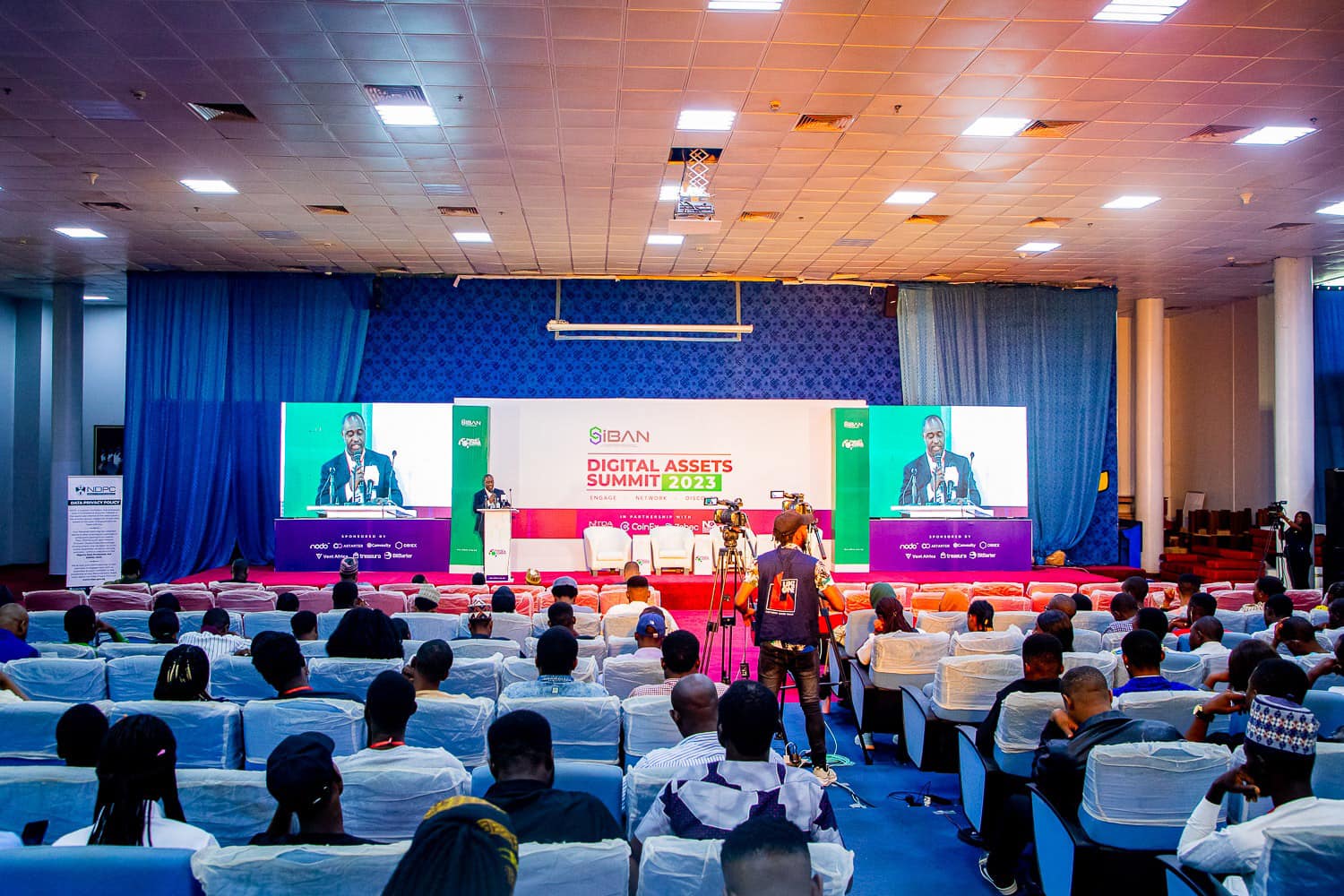
SIBAN Digital Assets Summit 2023: NITDA’s Keynote Speaker Ignites Excitement

On [Date], the Director General of the National Information Technology Development Agency, Kashifu Inuwa CCIE, took center stage as a keynote speaker at the Stakeholders in Blockchain Technology Association of Nigeria (SIBAN) Digital Assets Summit 2023. Held at the prestigious NAF Conference Centre in Abuja, this event brought together a diverse array of industry leaders, experts, policymakers, regulators, operators, investors, and enthusiasts, all keen to explore the dynamic and rapidly evolving world of digital assets.

Despite his absence, Mr. Inuwa’s influence was felt through his representative, Mr. Preye Itonyo, Deputy Director of the Digital Economy Development Department. His enlightening address, which highlighted the transformative potential of blockchain technology and digital assets, resonated with the audience and underscored NITDA’s commitment to driving innovation in the Nigerian tech ecosystem.

The Summit provided an invaluable platform for dialogue, networking, and knowledge-sharing, emphasizing NITDA’s role in promoting technological advancement and facilitating collaboration among key stakeholders in the blockchain and digital assets space.

NCAIR Welcomes Distinguished Visitor from Egypt University of Informatics

In another noteworthy event, the National Coordinator of the National Centre for Artificial Intelligence and Robotics (NCAIR), Engr. Ya’u Garba, played host to a distinguished guest, Prof. Reem Bahgat, President of Egypt University of Informatics. The visit took place at NCAIR’s state-of-the-art facility located in Wuye, Abuja.

During her visit, Prof. Bahgat had the opportunity to tour NCAIR’s cutting-edge facilities, gaining insights into its operational procedures. The primary objective of her visit was to explore potential areas of collaboration and partnership between Egypt University of Informatics and NCAIR, with a focus on harnessing the power of artificial intelligence and robotics for mutual benefit.

The visit symbolizes NITDA’s commitment to fostering international partnerships, knowledge exchange, and technological innovation, reinforcing its position as a leading force in the global technology landscape.

NITDA remains dedicated to its mission of driving the growth of the Nigerian IT sector and enhancing its global competitiveness. These recent engagements further exemplify NITDA’s tireless efforts to foster innovation, collaboration, and technological excellence, not only within Nigeria but on the global stage.

MEST Africa (www.Meltwater.org), in partnership with Absa Bank, is delighted to announce the opening of applications for the highly anticipated MEST Africa Challenge Startup Pitch Competition. Early-stage technology startups operational in Ghana, Nigeria, Senegal, Kenya, and South Africa are invited to participate in this prestigious competition to showcase their innovative businesses and entrepreneurial prowess. The application period begins today and will close on 9th October 2023.


The MEST Africa Challenge offers exceptional benefits to participating startups. The winner will receive a substantial equity investment of USD 50,000, providing crucial financial support to accelerate their business growth. In addition, the winner and other outstanding participants will gain access to MEST Africa’s global community and networks, unlocking valuable partnerships, mentorship, and investment opportunities. This platform catalyzes startups to unlock the next phase of their business growth and gain global recognition.


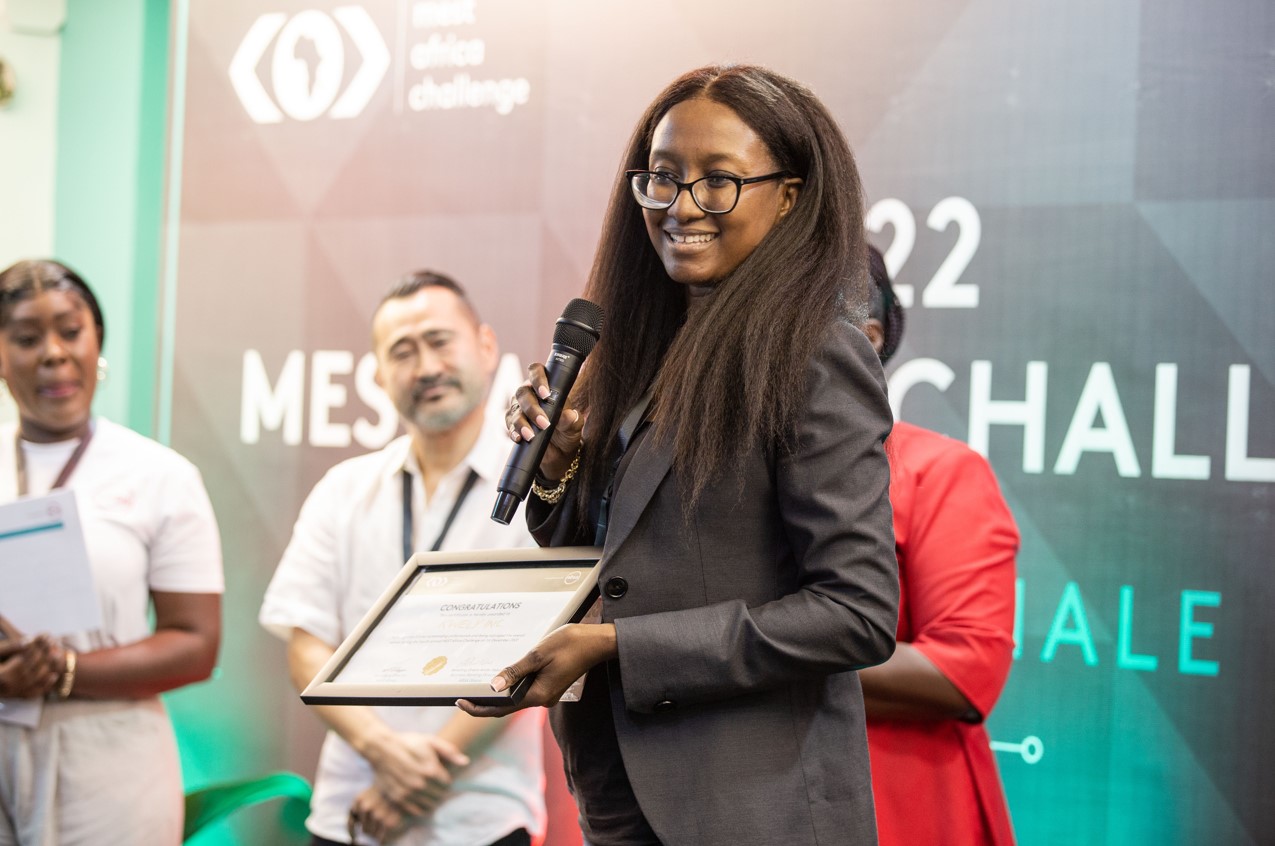
Building upon the success of the previous years, the 2022 MEST Africa Challenge crowned Kwely, a B2B e-commerce startup from Senegal, as the winner (https://apo-opa.info/3qLY7gV). Kwely’s groundbreaking solutions stood out among the fierce competition, and their success serves as an inspiration to entrepreneurs across Africa.


With the remarkable advancements in technology innovation and adoption across the continent, this year’s competition is poised to showcase groundbreaking ideas and solutions

“This year’s tagline, ‘Unlock Your Startup Potential’, resonates deeply with the vibrant technology landscape we are witnessing in Africa today. With the remarkable advancements in technology innovation and adoption across the continent, this year’s competition is poised to showcase groundbreaking ideas and solutions. I am confident that the MEST Africa Challenge will uncover exceptional startups that will shape the future and drive positive change in Africa and beyond,” said Ashwin Ravichandran, Portfolio Advisor and MEST Africa Challenge Lead.


Over the years, the MEST Africa Challenge pitch competition has garnered thousands of applications from across the continent, attaining global recognition and forging partnerships, while nurturing a thriving community of African tech founders. It has spotlighted and impacted the growth of winning startups such as Tanzania’s Kilimo Fresh, Ghana’s OZE, South Africa’s Snode Technologies, Kenya’s Waya Waya, Nigeria’s Accounteer, and reigning title holder, Kwely from Senegal.


Eligibility Criteria for MAC 2023:


  • Monthly Recurring Revenue: $5k+
  • Funding raised: Cumulative $1M or less
  • Years of existence: 3 years and below
  • Traction: At least 6 months of recurring revenue
  • Founding team: At least 2 founding team members
  • Registered in Delaware (This is preferred)
  • Demonstrated traction in MAC Markets (Ghana, Kenya, Nigeria, South Africa, Senegal)


Learn more and apply here: https://apo-opa.info/3YSKDwi  

Commercial and retail ICT and connectivity solutions provider Telcables Nigeria (https://TelCables.co.za/), a subsidiary of Angola Cables, will be participating in the inaugural International Telecoms Week Africa 2023 (ITW) taking place from 12 to 14 September in Nairobi, Kenya.


Telcables Nigeria Regional Director, Fernando Fernandes said that the event plays an important role in bringing together stakeholders, telcos and service providers who are actively engaged in advancing digital infrastructure in East as well as West Africa.

Telcables Nigeria will unveil its suite of telecom services tailored to meet the diverse and growing needs of African-based businesses and enterprises

“As a recently established entity serving Nigeria and its surrounding countries, TelCables Nigeria is in a unique position to offer both wholesale carrier services as well as tailored IP-Transit and connectivity and Cloud solutions to businesses and enterprises in the region,” says Fernandes. “Furthermore, we have a global presence that is able to offer local solutions that are ideally configured for the unique needs and demands of businesses across central Africa.”

Backed by the robust international Angola Cables network and the most interconnected operator in Africa, Telcables Nigeria will unveil its suite of telecom services tailored to meet the diverse and growing needs of African-based businesses and enterprises.

The company also plans promote its newly launched, Clouds2Africa node in Nigeria, which offers a high-performance, cost-effective cloud solution. Fernando says that the node gives businesses anywhere in Africa the option to connect to more than 300 nodes worldwide. Clouds2Africa also offers fixed term or ‘Pay as You Go’ payment options for individuals or established enterprises seeking to host content on a versatile and stable cloud platform.

“Our integrated Cloud solution is ideally suited for SMME’s, startups and other businesses looking to expand their digital footprint,” notes Fernandes. “Whilst medium and large enterprises can leverage bespoke cloud backup and secure virtualisation solutions, companies of all sizes can also access other solutions and services, including direct access to more than 66 data centres across the world; secure IP-Transit and peering; ‘As a Service’ solutions and SD-WAN,” concludes Fernandes.

Amidst the pursuit of sustainable development and energy security, Africa is undergoing transformation, with regional integration playing a pivotal role. Regional power pools, epitomizing collaborative efforts, address the continent’s energy challenges effectively. As new energy supplies are brought on the market, this year’s edition of the African Energy Week (AEW) conference – scheduled for October 16-20 in Cape Town – will explore the role regional power systems play in Africa.


Forging Bonds and Fostering Growth through Regional Power Pools

Under efforts to connect markets, African countries put in place regional power pools, all of which have been instrumental in facilitating energy access and distribution. In southern Africa, the South African Power Pool (SAPP) connects South Africa, Zimbabwe, Namibia, Angola and Mozambique, among others, and has enabled energy-starved nations to tap into resource-rich neighbors. Countries to the likes of South Africa and Zimbabwe rely heavily on Mozambican power to electrify their economies. Meanwhile, Angola has effectively leveraged the SAPP to strengthen its regional influence, with recent bilateral agreements signed with neighbors set to enhance the distribution of Angolan power.

In Central Africa, the Central African Power Pool (PEAC), operating under the Economic Community of Central African States, drives energy policies, infrastructure and electricity trade. Despite holding 57% of Africa’s hydroelectric potential, Central Africa faces under-electrification and frequent load shedding. The PEAC stands as a strategic response to these challenges and interconnects grids among ten nations, aiming for an energy exchange market by 2025 and fostering growth, job creation and energy access.

In the region, Equatorial Guinea’s ambitious Central African Power Pipeline project underscores the transformative potential of gas-to-power technologies. By utilizing its abundant gas reserves to generate electricity for the regional market, Equatorial Guinea can play a pivotal role in facilitating access to cleaner energy alternatives across the Central African region. This initiative not only addresses energy shortages but also demonstrates the power of cross-border collaboration in leveraging energy resources for mutual benefit.

The emergence of innovative energy resources, such as gas-to-power technologies, holds promise for the continent

Meanwhile, West Africa, rich in energy resources, is poised for a substantial energy transformation. Nations like Nigeria, with substantial gas reserves, are well-positioned to enhance the regional power supply. By establishing power plants in Nigeria to harness these resources, countries within the West Africa Power Pool can collaboratively increase energy production, address energy deficits, and facilitate sustainable development across the region.

Similarly, the North African Power Pool (NAPP) promotes energy cooperation and integration among North African countries. Major participants within NAPP include Egypt, Algeria, Tunisia, Libya, and Morocco. These nations collaborate to optimize energy resources, expand electricity access, and support economic growth. NAPP’s initiatives aim to enhance regional energy security, promote sustainable energy practices, and create a more resilient electricity infrastructure.

Finally, established in 2005, the Eastern Africa Power Pool (EAPP) fosters cross-border power trade and grid interconnection. With thirteen member countries and fourteen utilities, including Burundi, Djibouti, the DRC, Rwanda, Egypt, Ethiopia, Kenya, Sudan, Tanzania, Uganda, Libya, South Sudan, and Somalia, EAPP strategically bridges the SAPP and the Middle East. Positioned amidst rich energy resources and strong economic growth, Eastern Africa actively strengthens connectivity among EAPP nations.

Initiatives include the Tanzania-Zambia Interconnector and discussions for links to the Middle East via Ethiopia and Sudan. Presently, EAPP operates four synchronized clusters, like Egypt-Libya and Kenya-Uganda, as per the 2019 Power Balance Statement. Cross-border transmission lines extend electrification to remote border cities, highlighting the potential of shared infrastructure and regional integration.

The Future Role of Regional Power Pools: Navigating New Energy Resources

As Africa evolves, so does its energy portfolio. The emergence of innovative energy resources, such as gas-to-power technologies, holds promise for the continent. These innovative solutions have the potential to revolutionize the energy landscape, providing cleaner and more sustainable alternatives. However, the integration of these resources into the existing infrastructure presents its own set of challenges.

This is where the role of regional power pools becomes even more crucial. Power pools act as streams for the efficient distribution and utilization of these new energy resources. Gas-to-power technologies, for instance, require a robust infrastructure for transportation, distribution, and utilization. By leveraging the existing interconnectivity facilitated by power pools, African nations can streamline the integration of these technologies, ensuring their seamless adoption across borders.

AEW 2023 provides the best platform to address challenges associated with power pool integration. The conference represents the largest gathering of energy stakeholders on the continent, and aims to foster dialogue and the exchange of ideas around this crucial industry.


·     Says broadband penetration to hit 50% by year-end


The telecommunications sector’s contribution to the nation’s Gross Domestic Product (GDP) has increased significantly to 16 per cent in the second quarter of 2023, according to the data reported by the Nigerian Communications Commission (NCC) based on the computation by the Nigeria Bureau of Statistics (NBS).


The Executive Vice Chairman of NCC, Prof. Umar Danbatta, stated this in a keynote address delivered at the annual Telecom Executives and Regulators Forum (TERF) hosted by the Association of Telecom Companies of Nigeria (ATCON) in Lagos on Thursday.


According to Danbatta, from a 14.13 per cent contribution in the first quarter of 2023, and up from the hitherto 15 per cent all-time-high record contributed in the second quarter of 2022, the telecommunications sector added 16 per cent to the national GDP in the second quarter of 2023 to set a new record.


Danbatta, while speaking on the theme: “Success Factors and Barriers to National Broadband and Digital Economy Aspirations”, took the audience, promising executives of telecom companies and other industry stakeholders, through the giant strides being made by the Commission.


From about 8 per cent contribution to GDP in 2015, when Danbatta came on board as the EVC of NCC, he said quarterly GDP has increased significantly to reach its current threshold of 16 per cent and that this has continued to positively impact all aspects of the economy.


“Through sustained regulatory excellence and operational efficiency by the Commission, the industry has grown in leaps and bounds over the past two decades and this has impacted on all other sectors of the economy. The effective regulatory regime emplaced by the NCC and with the support from all stakeholders has been our major success factor as an industry,” Danbatta said.


The EVC stated that while there are barriers to broadband deployment in the country, ranging from the issue of right of way (RoW), fibre cuts, high capital requirement for deployment, multiple taxations and regulations, among other challenges, the NCC is navigating regulatory complexities, digital divide and literacy, security concerns with firmness and increased collaborations with necessary stakeholders such as ATCON to create measures towards tackling the challenges.


On the RoW challenge, the EVC said there are about 46 different taxes directed at the telecom sector at the moment. Such charges and levels, coming in various names, are imposed on telecom operators by some agencies and tiers of government, especially at the state and local levels. Danbatta said the challenge translates into greater economic burdens on telecom subscribers in the country.


Speaking about connectivity, Danbatta said, “Over the years, we have identified some clusters of access gaps all over the country but we have recorded a significant drop in the number of access gaps, as we continue to drive initiatives that boost access to telecommunications services.”


He stated that the Commission does this by enlisting government commitment to a digital economy with robust policy frameworks, promotion of investment and funding, stimulation of infrastructure development, digital inclusion and literacy, promotion of competition and market liberalization, effective allocation of spectrum, as well as driving the e-government ecosystem.


Danbatta said with various ongoing regulatory efforts, “The NCC is confident that we are going to reach 50 per cent broadband penetration threshold by the end of 2023 and by 2025, we would have met and possibly surpassed the 70 per cent broadband penetration target, as contained in the Nigerian National Broadband Plan (NNBP), 2020-2025.”


The EVC particularly commended ATCON and its members for being partners in progress and for constantly engaging the Commission in constructive ways towards finding solutions to the myriad of challenges confronting the industry. The EVC said a national broadband network and a thriving digital economy are not without their challenges.


“However, these challenges can be overcome through determination, innovation, and strategic planning. By focusing on the success factors and addressing the barriers, we can create a future where every Nigerian have access to the opportunities that the digital world offers,” he added.


Danbatta also stated that the success of the nation’s digital aspirations is beyond technological advancements but also about transforming lives, driving economic growth, and ensuring that a nation remains competitive on the global stage.


“As we work together to navigate this path, I enjoin all our stakeholders in the public and private sectors to remain committed to building a brighter and more connected future for our country,” he said.


I Will Support President Tinubu’s Agenda Using STI – New NASENI Boss

    …As He Resumes Office. Addresses Staff

The newly appointed Executive Vice Chairman/Chief Executive Officer (EVC/CEO), National Agency for Science and Engineering Infrastructure (NASENI), Mr. Khalil Suleiman Halilu said he would ensure that President Tinubu’s Renewed Hope Agenda is achieved through the deployment of Science, Technology and innovation (STI) in the economy.

Mr. Halilu made this statement while addressing the management and staff of the Agency shortly after his assumption of office as the EVC/CEO at NASENI Headquarters. On Friday, 1 September 2023.

The new EVC/CEO, a tech-Expert and Entrepreneur was appointed to lead NASENI by President Bola Ahmed Tinubu, replacing Dr. Bashir Gwandu.

While expatiating on his market driven approach to things, he said his administration would leverage on technology transfer and also not forgetting domestic, home-grown technology development which is the core mandate of NASENI. According to him, “the focus is for innovation, science and technology resource to serve Nigerians and to add value to the national economy.”

He added that the Agency would play critical roles in supporting President Bola Ahmed Tinubu’s economic Agenda for the nation anchored on areas like Food Security, Ending Poverty, economic growth and Job Creation, creating Access to Capital through consumer credit, Inclusivity, Improving Security, Rule of Law and Fighting Corruption.

The new EVC/CEO said in the 21st century, there are immense opportunities for Nigeria to leapfrog in the areas of science, technology, engineering and innovation, even as he promised that NASENI during his tenure would play effectively those central roles through technology transfer revolution that is coming.

According to him, “Our duty here at NASENI will be to use our resources, our talents, our capacity, and our energy to drive economic development priority areas of President Bola Ahmed Tinubu Administration, in line with the Act establishing this Agency. “As a preeminent Agency saddled with enormous responsibilities, NASENI with its development institutes and over 4,000 members of staff, is appropriately positioned to deliver on its mandate,” he said.

The new EVC/CEO who pleaded with the staff to put in their best, to work with full commitment and dedication, promised that in return, as EVC/CEO, that the welfare of all NASENI staff will be his priority. While promising an open-door policy for staff, he said he was willing to learn from all staff across the Agency, “I will be open and receptive to your ideas and contributions, and together we will renew NASENI”.

“We will make NASENI an employer of choice in the public sector, a place where people will be proud to contribute their quota to the success of the organization and to the overall development of our country, and where they will be treated with respect and dignity. Change is coming, and you are all going to be a part of it.” He said.

He continued, “We shall adopt, adapt and domesticate cutting-edge technologies, wherever we find it. We will build a pool of well-educated and talented personnel, support world-class research and development (R&Ds), and build partnerships and collaborations across Nigeria, Africa and the world.”

“We shall collaborate with government Ministries, Departments and Agencies (MDAs), at Federal and State levels, with the private sector, the international community, development partners and the media. In consultation with you, our staff, and our various partners, we will put together a detailed vision and plan of implementation that is built on the foundation of President Tinubu’s Renewed Hope Agenda and priorities”, he affirmed.

While answering questions from the journalists, Mr. Halilu said that he was going to make a significant change by putting NASENI on the economic development map and most importantly churn out products that would increase the gross domestic product (GDP) of the country, which is a priority now with the current economic crisis.

Highlighting his agenda as the EVC/CEO of the Agency, he said, “Number one thing we want to look at is the area of technology transfer, everyone is looking at Africa and there is no better chance than now. Other countries are competing to bring and exchange technologies especially with Africa”

“We cannot ignore our talents. We, Nigerians are amongst the best, doing things in different parts of the globe. We have to bring in all these wealth of experiences. We will ensure that we provide the environment and the necessary support to be able to achieve this mandate”, he added.

The new EVC/CEO was received by top management staff of the Agency, led by Mrs. Nonyem Onyechi, Coordinating Director Planning & Business Development, who guided him on tour of the Agency’s facilities. Mr Khalil held a maiden management meeting with the officials, who took turns to pledge their supports for him and also their desires to work for the good of NASENI and to create positive impacts on the economy.  

Mr. Halilu is an entrepreneur and technology expert who had excelled in business development, including managing successfully high-profile concerns both at local and international spheres.  He hails from Kano city, Kano state, Nigeria. He has held several positions in both private and public sectors of the Nigerian economy.

He has a Master of Science (M.sc) degree in International Business and also B.Sc in Business Administration from University of Hertfordshire, Hatfield, United Kingdom respectively.  He honed his skills in Data Science from John Hopkins, USA. He is an expert in Database Administration, Big Data and E-Commerce and Oracle Database Programing 10G.

Prior to this appointment as EVC/CEO of NASENI, Mr. Khalil sits on the Boards and plays advisory roles in many successful companies like Kuming Power China Group, Nuli Foods Company, CGC Construction, Dantata Foods Ltd., Gongoni Company Ltd., Broadbased Connectivity Limited, Fata Tannery and Sudabelt Medical.

He was the Chief Executive Officer (CEO) of ShapShap Technologies Ltd., OyaOya Strategic Services Ltd., Managing Director of KSH Construction & Design Ltd., Co-Founder/Director of KWNNC Paper Recycling as well as Prymo.ng. He was the Chief Operating Officer (COO) Scirrocco International Ltd.; Director/COO of Africa Infotech Consulting; and Director of JIGS Environmental Services & Agro Allied Ltd.  He previously worked at ZCET Global Metering Company and W.J Bush and Co.


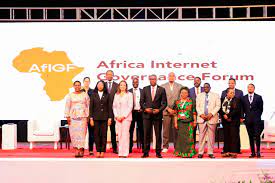
Nigeria is set to play host to 54 African nations and other continental Internet governance stakeholder blocs at the 2023 Africa Internet Governance Forum (AfIGF 2023) in Abuja from 18th to 21 September, 2023.


This year’s event, being the 12th edition of the annual forum, is being hosted by the Nigerian Communications Commission (NCC) on behalf of the Federal Government, and is scheduled to take place at the Transcorp Hilton Hotel, Abuja, with the theme, “Transforming Africa’s Digital Landscape: Empowering Inclusion, Security, and Innovation”.


The Forum will serve as a platform for meaningful dialogue and collaboration on Internet Governance among various sectors and regional initiatives to advance digital connectivity, address Internet Governance challenges, and empower Africa through digital transformation.


The event will be preceded by the African Youth Internet Governance Forum, which will take place from 13-18 September, 2023.


The series of events at this year’s programme will commence with the Parliamentarian Symposium, scheduled to take place from 18-19 September 2023 during which members of the Parliament from all participating countries will take the opportunity to consult and network with one another in a roundtable designed to better understanding of the roles of the legislature, and nudge deeper synergy with parliaments on Internet Governance in Africa.


As a crucial gathering of stakeholders and investors in Africa’s digital future, the AfIGF 2023 promises to be a rare assemblage of key stakeholders from government, civil society, academia, the Information and Communications Technology (ICT) sector, and a broad spectrum of actors in the private sector intentionally rallied to discuss important matters focused on the development, access, and governance of the Internet in Africa.


The Forum, structured in a variety of gatherings, including dialogues, workshops, panel sessions, symposia, and roundtables, is a vibrant and inclusive platform that brings together stakeholders from across the African continent and other international partners, to engage in discussions that will shape the future of Internet Governance.


Other focal sessions at the event will include plenary discussions, interactive workshops, and expert panels focusing on Digital Inclusion and Connectivity; Cyber Security and Data Protection; Digital Rights and Freedom of Expression; Artificial Intelligence (AI) and Emerging Technologies; E-Commence and Digital Economy; and Data Governance and Trust, among others.


Participants are also expected to discuss the 17 Sustainable Development Goals in the context of digital literacy and internet access in a manner that can accelerate development for the continent.


The event will feature high-ranking speakers, policymakers, industry experts, and thought leaders from across Africa and beyond. Through participants’ expertise and insights, the forum will generate actionable recommendations that can inform policymaking, drive investments, and shape the future of Internet Governance in Africa, by reshaping the trajectory of the continent’s digital landscape and paving the way for a more inclusive and prosperous digital future.


In a constantly digitizing world, the need to have a robust information technology (IT) solution for any level of business becomes imperative from website development to daily operations, businesses must incorporate IT to remain relevant. Though, many businesses especially start-ups in Africa, Nigerian inclusive has always had a phobia in deploying IT solutions that will enable them to boost their productivity, citing cost and expertise as a hindering factor. Tanta Innovative Limited, an indigenous software development firm located in Lekki has recently launched an All-in-One Customer relationship management (CRM)Packages specifically designed for small and medium businesses (SMEs) in Nigeria and Africa.

Lauded by many business owners, the Tanta SME Business SUITE has shown that small businesses can be fully digitized and still not have a deep hole in their pocket as it is with oversea software programs and at the same times enjoying some level of bespoke or tweaking to suit each business needs. The Tanta SME Business Suite is an all-in-one software solution designed to meet the diverse needs of Small and Medium Enterprises (SMEs). It integrates CRM, Email Marketing, Business Analytics, SEO, and Web Development into one cohesive package.

Speaking to the media, Abraham Esandayinze Tanta, the Chairman of Tanta Innovative Limited said that “Covering everything from robust CRM solutions to cutting-edge web development, our packages are tailored to empower businesses of all sizes. Cost Efficiencies, We understand that every business is different, especially when it comes to financial planning. That’s why we offer both one-time payment and flexible monthly plans. Choose the one that fits your budget and cash flow needs.”

Tanta Innovative - IT Consulting and Software Company
Abraham Esandayinze Tanta,Chairman,Tanta Innovative Limited

He added that, “On Streamlined Operations, Our suite is an all-in-one package, specifically designed to address the unique hurdles your business faces. Whether you’re in retail, technology, or any other sector, our tools empower you to be more efficient and effective in your operations. Also, our Customer Involvement infrastructure is robust. With Tanta, you’re not just purchasing software; you’re investing in a brighter, more sustainable future for your business.”

With many levels or types of businesses to choose from, Tanta’s SME Business Suite are paid for annually from the Starter pack which gives an SME various benefits such as Basic Static Web Pages, Up to 5 static pages. Ideal for portfolio websites, landing pages, etc. They will have Business Email Accounts,1-Year Hosting with Free Domain, this includes one .com domain free for the first year. Renewable at standard rates. They will also get Basic SEO Services, Meta tags, Google Analytics setup, and basic keyword optimization. Others are Basic Email Marketing, Basic Newsletter Campaigns for up to 1,000 subscribers. Social Media Management, Business Analytics, Google Analytics setup and basic performance reports, Google My Business Listing, Setup, verification, and initial profile optimization.

The other level which is “Professional” has these benefits including Dynamic Website with Up to 15 pages with basic interactive elements like contact forms and customer logins.5 Business Email Accounts, CRM Integration, Streamline customer management with our easy-to-use CRM. Also for paltry N20,000.00 they get Advanced SEO Services, In-depth keyword research, backlinking, and content optimization.

Additionally, there will be automated campaigns, customer segmentation, and analytics for up to 5,000 subscribers, Social Media Management, includes account setup, content calendar, and advertising setup for up to 4 platforms. Then Advanced Business Analytics which includes detailed reporting, traffic analysis, and performance metrics. Google My Business Optimization and Ongoing profile management and customer review management.

Enterprise-level keyword research, backlinking, technical SEO, and ongoing optimization. Personalized email campaigns, A/B testing, and analytics for an unlimited number of subscribers. Full Social Media Management, Comprehensive management of all your social media platforms, including advertising campaigns. Then there is In-Depth Business Analytics, Customized analytics dashboard, advanced reporting, and actionable insights. The business will enjoy the services of a Dedicated Account Manager that will oversee your project and ensure optimal performance.

“The Tanta SME Business Suite is designed to be user-friendly. Our team is always available for support and guidance. On data security, Yes, we prioritize your data security. Our cyber-security protocols are in line with international best practices. We offer round the clock customer support through email, phone, and live chat. Our uptime is 99.9% The Enterprise package also includes a dedicated account manager. We also do not hold businesses down with long term contracts. There is no long-term contract for any of the packages. You can choose to cancel at any time. We want businesses to experience growth,” Abraham Esandayinze concluded.

Anthony Emeka Nwosu