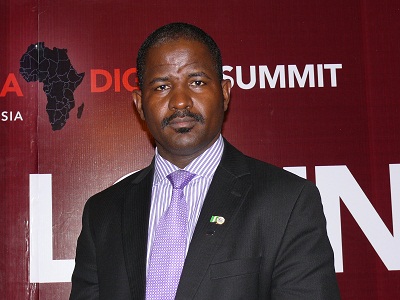
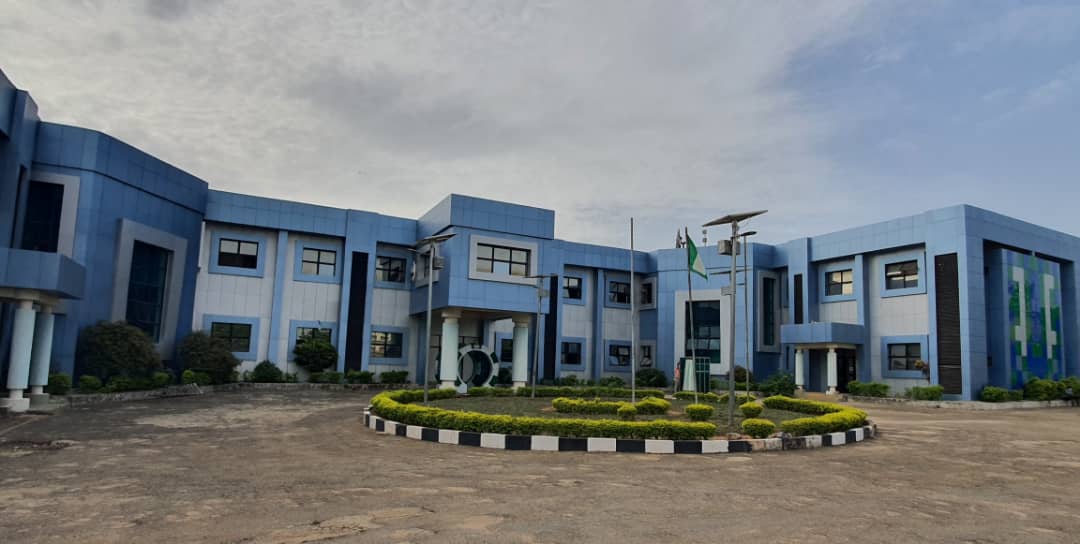
The Executive Vice Chairman of the National Agency for Science and Engineering Infrastructure (NASENI), Dr. Bashir Gwandu has visited the Ambassador of Czech Republic to Nigeria, His Excellency Zdeněk Krejčí for business collaboration and fact-finding on Delta2 Project.


Dr. Gwandu who paid a courtesy call to the Czech ambassador in Nigeria at his office in Abuja on Friday August 18, 2023 said he was on a fact-finding visit to know why the project which was supposed to benefit Nigeria’s technology companies and entrepreneurs and the country’s economic development failed.


The Delta 2 project was supposed to be a bilateral collaboration between the governments of Nigeria (represented by NASENI) and the Czech Republic (represented by Technology Agency of Czech Republic, TA CR) that would ensure take-off of projects that would foster growth and expansion of infrastructure, manufacturing and innovation in Nigeria leading to Made-in-Nigeria technologies and products.


Dr. Gwandu informed the ambassador that the new administration at NASENI is ready to work with the Czech government to drive Nigeria’s industrialization agenda and attract new investments in the country that would ensure domestication of technologies through partnerships.


According to him, the mandate of NASENI is to make sure that Nigeria produces most of the goods and services it currently imports of which Nigeria has the capability to produce locally, thus developing the country’s economy and creating jobs for millions of Nigerians.


“I want us to work on -government-to-government level on new initiatives we embark on. We want a relationship that is beneficial to our country. We have a lot of companies we are reaching out. We want to work with Czech government and companies. We want them to come here and start producing and domesticating technologies. We want to industrialize Nigeria.


“We want Czech companies to come and invest here in Nigeria and have partnership with us,” Gwandu said, adding that NASENI is working on new initiatives that would accelerate Nigeria’s industrialization and would partner companies from Czech Republic and other countries ready to set up factories and industrial base in Nigeria.


On his part, Czech Ambassador commended the EVC of NASENI and his team for making out time to visit him at the embassy to enquire on why Delta2 Project did not take off. He said his country is ready to work with NASENI on scientific cooperations.


“We await your new initiatives. In our country we have a grant agency and a technology agency responsible for scientific cooperations and also the academy of sciences which will be beneficial to you.

 “We have about two or three companies that are ready to work with you and three universities working with tropical agriculture. I think they deserve your cooperation,” he said, adding that they are ready to work with NASENI to make the new initiatives fruitful.


The Nasarawa State government and the National Agency for Science and Engineering Infrastructure (NASENI) are set to partner on a lithium processing policy that would ensure that Lithium mined in the State is processed locally instead of exporting it raw.  

The processing policy is in line with NASENI’s drive to encourage the processing of Strategic Solid Minerals and particularly to ensure that batteries are produced locally for both electric vehicles as well as other energy storage applications.

This was disclosed when the Executive Governor of Nasarawa State, Engr. Abdullahi A. Sule paid a courtesy visit to Dr. Bashir Gwandu, the Executive Vice Chairman and Chief Executive Officer of NASENI at the Agency’s headquarters in Abuja at the weekend. Nasarawa state is one of the states acknowledged to have potentially the largest deposits of lithium in Nigeria.

Recently NASENI has made headlines on its efforts to encourage investors and Nigerian lithium offtakers from around the world to come and partner with it to process various combinations of lithium into batteries locally. This will include lithium processing from mineral crushing and extraction all the way to final products that can be used both locally and also export to other countries.

Some companies from China have already started visiting NASENI as a response to the call. Dr. Gwandu disclosed that NASENI will partner with other government agencies such as Rural Electricity Agency (REA), Nigerian Geological Survey Agency (NGSA) and other investing institutions on this effort.

He said he was pleased that the Nasarawa state governor is coming to collaborate with NASENI in this regard. A number of companies have indicated interested in investing in Nasarawa state to process lithium in various quantities ranging from 1,000-3,000 tonnes per day. So far, almost 6,000 tonnes per day are projected to be processed daily in Nasarawa alone.  

On his part, Governor Sule said the companies have already indicated interest to process the 6,000 tonnes per day in Nasarawa state, adding that other states such as Kebbi, Kwara, etc., might also attract such kind of companies and investments, and there is need for proper coordination, and for all hands to be on deck to ensure that Nigeria takes its place by being recognized as one of the largest lithium producers in the world.

The Governor added that there is something happening that is akin to Gold Rush which he termed ‘Lithium Rush” happening in his state and this is because lithium price in the world market has jumped from $6,000 per metric tonnes to $78,000 per metric tonnes. “Nasarawa state has a large quantum of Lithium and hence the need to have a better working synergy with NASENI for purposeful exploration, extraction and processing.”

According to Engr. Sule, NASENI is him, considering the number of projects that are adding value to the economy of his state, urging that the NASENI Solar in Gora may be used as lithium processing and battery production plant considering its proximity to the raw materials and also the proximity to the NASENI Solid Minerals institute which is also located in Nasarawa town in the same state.

While promising to give the Agency necessary support, he called for more collaborations with the State as it plans a second economic summit that would be tagged “Lithium Rush Summit”.

The EVC stated that during recent visit to Nasarawa he had encouraged the Institute to allow the use of its machines by the local communities and small companies for efficient utilization and capacity building and for economic development.

The governor who stated that he heard that the Agency was planning on building an airport, urged it to utilise the State’s cargo airport for evacuation of its products.

While responding further to His Excellency Governor Sule, Dr. Gwandu disclosed that NASENI does not have any plan to build an airport but is working on establishing an MRO/ARO as part of our efforts to develop capacity for both maintenance and eventual aircrafts parts production to service aerospace industry which is likely to be sited in Abuja in view of its location and electricity supply.

He promised that NASENI will actively participate in any conference by the State with regard to lithium. He said NASENI Institutes have industrial machineries and other equipment and workforce that were readily available to lead Nigeria to industrialize and achieve a diversified economy but doing this requires huge funds outlay to fulfil the Agency’s mandate.

He requested the governor to be one of the ambassadors of NASENI in NGF. He said NGF holds key to the release of NASENI’s held up funds. 


Moreover, he said the governors support is key to enabling the Agency carry out its works in the areas of science, technology and innovation (STI), geared towards the industrial development at the States.


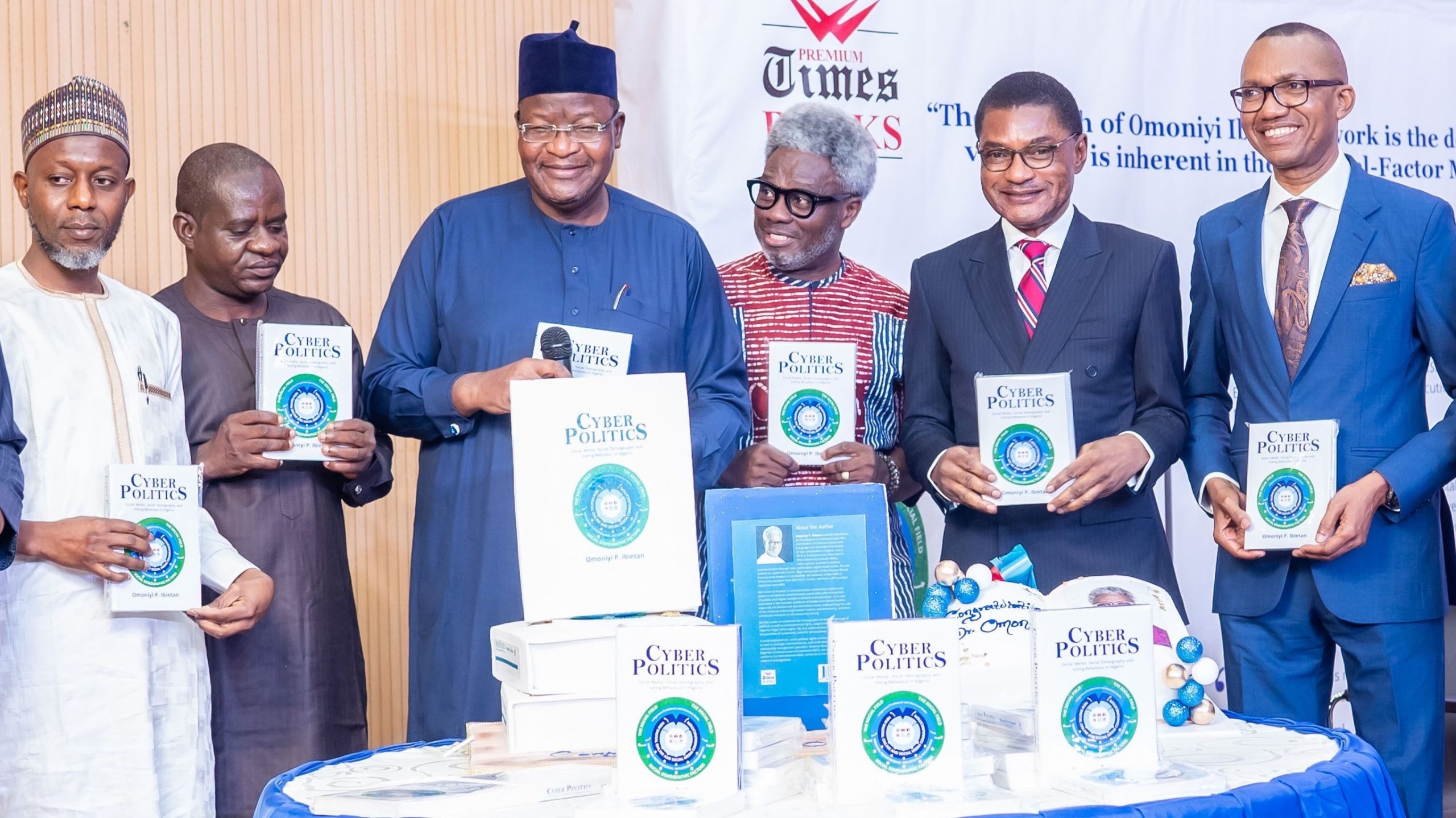
The Executive Vice Chairman of the Nigerian Communications Commission (NCC), Prof. Umar Danbatta, has commended the author of the book on ‘Cyber Politics’, Dr. Omoniyi Ibietan, for its uncommon industry, literary efforts, and activism in trying to make the society better through shared knowledge.


The public presentation of the book: “Cyber Politics: Social Media, Social Demography and Voting Behaviour in Nigeria”, was made by Danbatta in Abuja recently where government officials, journalists, friends, and accomplished professionals converged on Abuja for the event.


Ibietan is the Head, Media Relations Management at NCC and Danbatta, had done him the honour of not only writing the foreword to the book but also playing the role of the presenter of the book to the members of the public.


Danbatta stated, “I’m fascinated by Ibietan’s passion to write a book on cyber politics. Combining his official work at NCC together with his passion to produce this book is commendable. I think Dr. Ibietan committed class suicide by joining the services of the NCC instead of being in the classroom.  That is the difference between Dr. Ibietan and I. He joined the Commission to serve while I was beckoned to come and serve the Commission from the classroom,” he said.


On the herculean task involved in writing, Danbatta said: “People who sit down and put their thoughts together and commit those thoughts into writing to produce impactful books such as this are some of the most intelligent people in our society. Dr. Ibietan’s literary effort is highly recognized, and we are happy to have such a hard worker in the Commission.”


The EVC said that aside from his intellect and excellent public speaking skills, Ibietan is also known as an activist, who strives to make societal conditions better. Prof. Danbatta said that he had had a smooth relationship with Dr. Ibietan over the last eight years of his being at the helm of affairs at NCC.


Continuing, the CEO of NCC said that “The different stages that writing a book entail are not easy; it is difficult, from the time you start putting your thoughts together, to coming up with the manuscript. That is why his efforts in writing this book should be seen as laudable, as I have heard there are more books coming after this one and we look forward to that.”


“It, therefore, gives me great pleasure, to present this book, on behalf of the Management and Staff of the NCC and Premium Times Books (the publisher), to members of the public and I encourage you all to buy and read this book and I am sure you will not regret the time you spend on this literary effort,” Danbatta stated.


Danbatta, a professor of telecommunications engineering, noted in his foreword to the book that: “the author situates the historical context of Nigerian politics and democracy” and more so…the nexus between social media and voting behaviour, and the influence of the social media ecosystem among others in the electoral process.”


The EVC described the book “as a compelling narrative, a scholar’s guide, and companion on the various political communication themes it interprets. It is difficult to put down this work once you are drawn by its alluring and free-flowing prose and incisive analysis.”


Published by Premium Times Books, the 460-page literary work reviews Nigeria’s democracy through its elections, particularly the role of social media.


But Cyber Politics is not just about the last general election and filial squabbles, said Azubuike Ishiekwene, the editor-in-chief of Leadership Newspapers, who reviewed the book in Abuja.


“It’s a deeper phase in the exploratory journey of Omoniyi P. Ibietan whose interest in political communication and its sociology goes back to his early student days.”


At the programme, several dignitaries also praised the author for writing the book, which some described as an “exemplary literary work.”


In 12 chapters, Cyber Politics examines the themes of cyberculture, social demographics, political communication and voting behaviour.


It is also a subject that evokes decades of research, but which nonetheless retains its fascination as scholars continue to explore the fraught question of why voters behave the way they do, especially during elections, Ishiekwene said.


The book explores, among other things, the question of whether political conversations among Nigeria’s estimated 33 million active social media users, especially the influencers, had any significant impact on the outcome of the 2015 elections.


A former Minister of Information and Communication in Nigeria, Frank Nweke Jr, said the “book represents an uncommon body of work by an intellectual visionary”, and he is of the conviction that the “extrapolation of the lessons and recommendations of this book will find perfect expression in other climes beyond the 2015 Nigerian General Elections scenario.”


Nweke, a former boss of the author, who chaired the book presentation, commended “Ibietan for this remarkable work, and recommends this book for practitioners and academics in the fields of strategic communications, new technologies, and social change.”


Over the past two decades, Ibietan has researched deeply the emergent interface between communication studies and psephology, which explains his richly nuanced understanding and far sight into the issues involved.


This point was also made by Premium Times Editor-In-Chief, Musikilu Mojeed, who described Ibietan’s book as “a classic.”


“It uses Nigeria’s 2015 presidential election as the sounding board for analyses that offer great insights into the future of voting behaviour in Africa’s largest democracy. Those who have interacted with the title have described it as both skilful in its rendition and ground-cutting in its intellectual approach,” Mojeed said.


Mojeed said “At Premium Times Books, we look forward to continuing to publish books that will deepen knowledge about important aspects of our lives. We are interested in getting a number of disappearing classics back to libraries and bookshelves across our country and beyond. If you have any suggestions for us, be kind to get in touch.”


In the introduction he wrote for the book, Dapo Olorunyomi, the publisher of Premium Times, said: “The universe of this new book is intriguing” in its exploration of the “digital effect” on elections.


He also pointed out how Ibietan’s work demonstrates “clearly that social media systems do enrich electoral democracy by expanding access to registration, participation, voting and organising at a scale we have never contemplated.”

 

Kaspersky (www.Kaspersky.co.za) has supported INTERPOL with threat intelligence data in its Africa Cyber Surge II operation, which enabled investigators to identify compromised infrastructure and apprehend threat actors suspected of cybercrimes across the African region. The operation resulted in the arrest of 14 perpetrators and the identification of network infrastructure, linked to financial losses of more than $40 million.


The Africa Cyber Surge operation is a continuous multi-stakeholder effort aimed at fighting cybercrime and protecting communities in the region. The first part of the Africa Cyber Surge operation, in which Kaspersky has also taken part, was carried out from July to November 2022, and resulted in a series of operational and investigative activities against the threat actors behind the cybercrimes in the African region.


The Africa Cyber Surge II operation was launched in April 2023 and lasted for four months, spanning across 25 African countries. The action was undertaken by INTERPOL’s Cybercrime Directorate, under the auspices of the INTERPOL Africa Cybercrime Operations desk, and INTERPOL’s Support Programme for the African Union (ISPA) in relation to AFRIPOL. The effort was also supported by the UK Foreign Commonwealth and Development Office, the German Federal Foreign Office, and the Council of Europe.


Together with INTERPOL’s other private sector partners, Kaspersky has shared with the international agency indicators of compromise (IoCs), including malicious command and control servers, phishing links and domains, and scam IPs. As a result, INTERPOL streamlined cooperation between African law enforcement agencies to investigate and disrupt cybercriminals suspected of cyber extortion, phishing, business email compromise and online scams.

Coordinated operations such as Cyber Surge are necessary to disrupt criminal networks and build individual, organisational and society-wide levels of protection


“The Africa Cyber Surge II operation has led to the strengthening of cybercrime departments in member countries as well as the solidification of partnerships with crucial stakeholders, such as computer emergency response teams and Internet Service Providers. This will further contribute to reducing the global impact of cybercrime and protecting communities in the region,” said Jürgen Stock, INTERPOL Secretary General.


“In its mission to build a safer digital world, Kaspersky has been giving due credit to the importance of multilateral cooperation, involving the private sector, international law enforcement and national authorities,” commented Yuliya Shlychkova, Public Affairs Director at Kaspersky. “Only by harnessing the power of effective private-public partnership, can we give an impetus to the further strengthening of the cybersecurity industry in the African region to ensure that African countries can realise their outstanding potential without hindrance and regard for cybercrimes.”


“As digital systems, Information Communication Technologies and Artificial Intelligence grow in prominence, it is urgent that public and private actors work hand in hand to prevent these technologies from being exploited by cybercriminals. Coordinated operations such as Cyber Surge are necessary to disrupt criminal networks and build individual, organisational and society-wide levels of protection,” said AFRIPOL’s Acting Executive Director, Ambassador Jalel Chelba.


The data sharing exchange between Kaspersky and INTERPOL is part of a five-year cooperation agreement, signed by both parties in 2019, which also provides for delivering human resources support and training to the law enforcement agency. Since the document was signed, Kaspersky and INTERPOL have maintained a positive momentum of joint operations (https://apo-opa.info/3E3C34u) aimed at combating cybercrime and awareness-raising projects (https://apo-opa.info/45fGMf6) to help people become more aware of modern-day cyber risks.

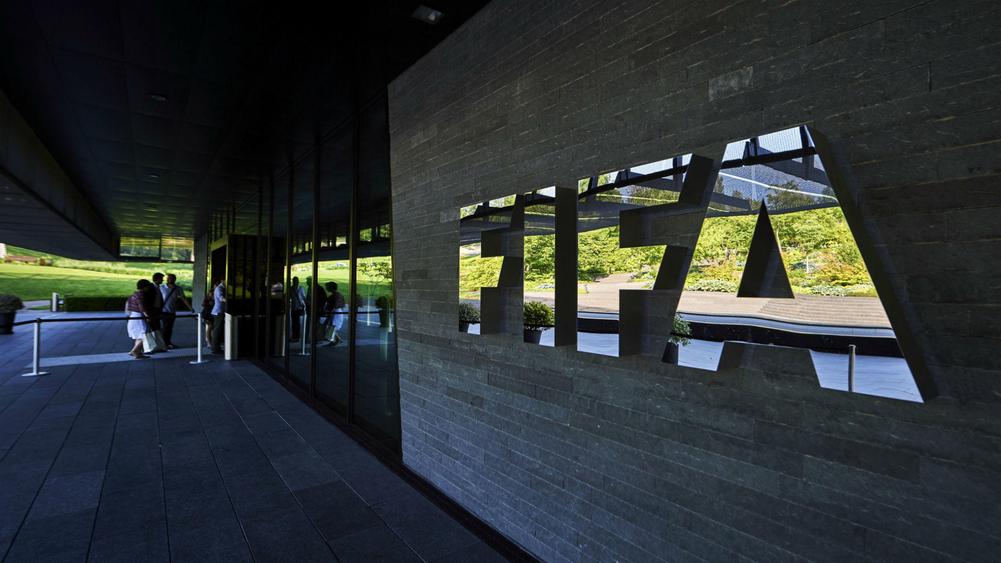
FIFA President (https://www.FIFA.com) was speaking at the Second FIFA Women’s Football Convention in Sydney; Gianni Infantino requests all stakeholders to pledge to pay a fair price and respect women’s football; Australia Minister for Sport said the tournament has changed women’s sport.


Gianni Infantino has said that the FIFA Women’s World Cup 2023™ has transformed the face of women’s football and appealed to governments, member associations, broadcasters and media to help keep the momentum going towards equality once the tournament ends on Sunday.

Speaking at the opening of the Second FIFA Women’s Football Convention in Sydney, the FIFA President thanked Australia and Aotearoa New Zealand for co-hosting “simply the best and greatest and biggest FIFA Women’s World Cup ever”.

“This FIFA Women’s World Cup has been truly transformational, not only in Australia and New Zealand but all over the world,” he said. “In the host countries, we had almost two million spectators in the stadiums — full houses everywhere — and two billion watching all over the world — and not just watching their own country but watching the World Cup, because it’s an event [where] I don’t just watch my team . It’s great sport, it’s entertaining and people love it.”

“We have to thank and congratulate Australia and New Zealand because without them this would not have been as magical.”

Australia’s Minister for Sport Anika Wells echoed the FIFA President’s comment. “While this is almost the end for this [FIFA] Women’s World Cup, it is only the start of a new era for sport in Australia. The sleeping giant has awoken,” she said. “In Australia, this FIFA Women’s World Cup has not just changed women’s football; it has changed women’s sport. Australia is now a football country.

We have to thank and congratulate Australia and New Zealand because without them this would not have been as magical

“I want to thank FIFA for what you have done to accelerate the pursuit of gender equality in our country.”

The FIFA President said there was still much to do and urged FIFA’s partners to contribute. “We need everyone. We need the UN agencies, who have been very helpful to us in this World Cup, participating with us. We need the governments, we need the institutions, to create dedicated spaces for women, and for women’s sport and women’s football in particular, of course. We need the partners, the sponsors to pay a fair price. We need the media,” Mr Infantino said.

He asked broadcasters “to pay a fair price for women’s football, not just for the (FIFA Women’s) World Cup, but for women’s football in general, in all the countries, all the leagues, in all the competitions”.

The FIFA President urged FIFA’s member associations to ensure that they organise women’s leagues, pointing out that some of the players who had starred at the tournament would not have any competitive football to go home to.

“Female players cannot all go to play in a few clubs in Europe or the USA. We need in the next four years to create the conditions for them to be able to play at professional level at home and this is the biggest challenge we have to take on board,” he said.

Mr Infantino added that the tournament’s success had supported the decision to enlarge the tournament from 24 to 32 teams. “FIFA was right,” he said. “By increasing number of teams, we had eight debutants, we had many countries who suddenly realised they had a chance to participate. Now, everyone has a chance to shine on the global stage.”

The tournament had showed that standards were rising while the tournament had generated USD 570 million, allowing it to break even, he said.

In concluding, the FIFA President also appealed to the assembled audience to act at all levels: “We have to start treating women and men in the same way. I say to all the women that you have the power to change. With FIFA, you will find open doors, just push the doors, they are open. And do it at national level in every country, at continental level in every confederation, just keep pushing, keep the momentum going, keep dreaming and let’s really go for a full equality.”


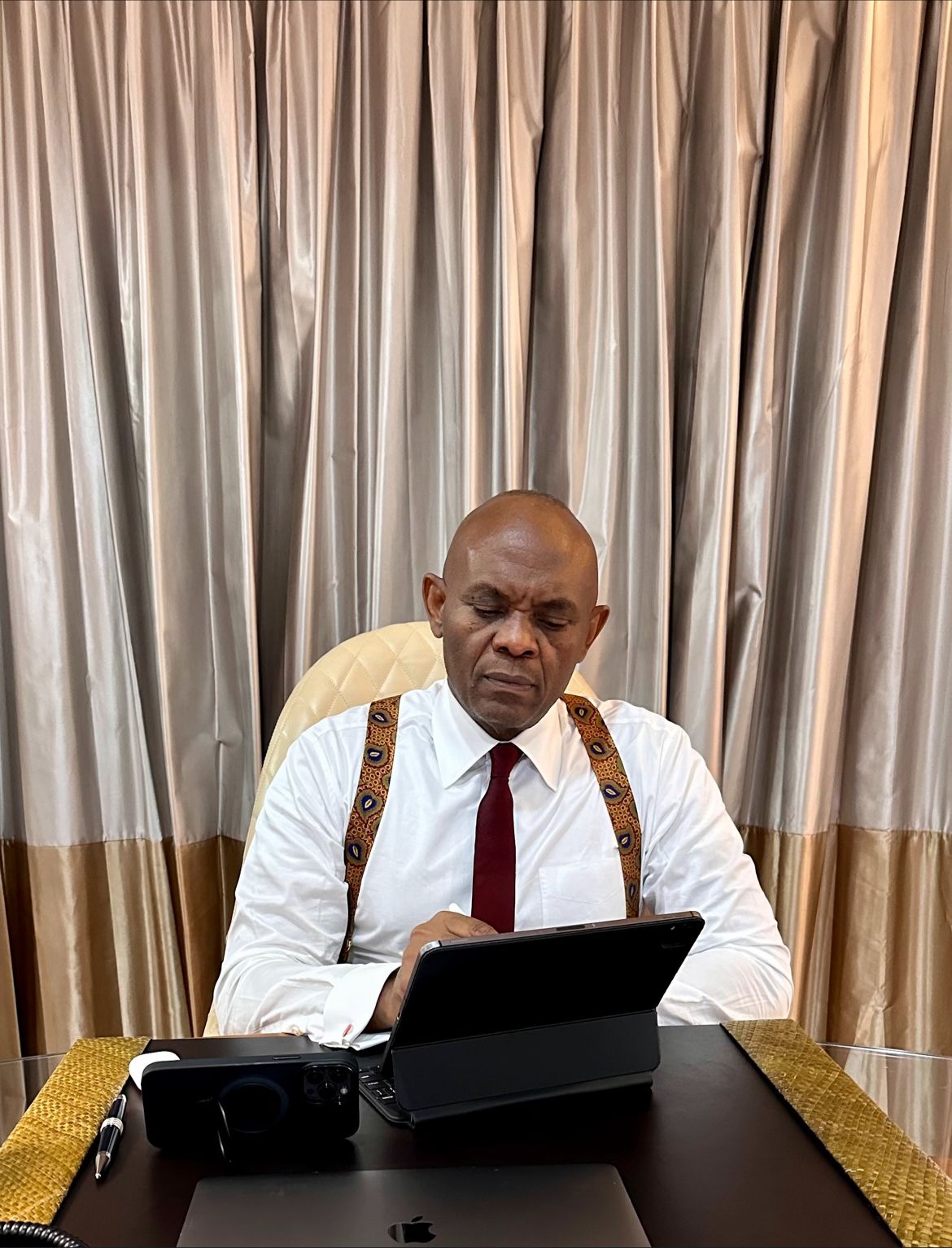
Tony O. Elumelu, Chairman at Heirs Holdings, has emphasized the significance of grit as an essential trait for navigating the challenges of today’s unpredictable world. In a recent statement, Elumelu highlighted the critical role that grit plays in persevering through difficulties and achieving success, particularly in the face of ongoing economic uncertainties such as the removal of fuel subsidies, rising inflation, and increased costs of goods and services.

Elumelu spoke candidly about the importance of maintaining a positive outlook and pushing forward in the midst of adversity. “Today, more than ever, everyone needs Grit, the ability to preserve in the face of difficulties,” he stated. He further elaborated that grit involves adopting the mindset of a champion, fostering an unwavering commitment to persist, adapt quickly to changing circumstances, reinvent oneself, and innovate in ways that ensure survival and eventual success.

Reflecting on his personal and business journey, Elumelu acknowledged the significant role that grit has played in his accomplishments. He shared that even in the face of severe obstacles, he firmly believes that success is not attainable for those who quit. Elumelu underlined the common traits shared by successful individuals, including their strong work ethic, discipline, passion for their goals, and resilience in the face of challenges – all attributes that define grit.

Elumelu’s endorsement of Angela Duckworth’s definition of grit as a blend of passion and perseverance for success resonated deeply with his perspective. He expressed his recommendation of Duckworth’s work, acknowledging its potential to empower individuals striving for excellence by enhancing their staying power.

“The path to success is often not an easy one; it is filled with both triumphs and setbacks,” Elumelu emphasized. His advice resonates particularly with entrepreneurs aiming for business success, career professionals aspiring to ascend the corporate ladder, and students seeking academic excellence. He stressed the transformative power of grit as the driving force to turn dreams into reality.

Elumelu’s sentiments echo the principles of his renowned #TOEWay and #ThursdayNuggets campaigns, which focus on sharing insights and wisdom for personal and professional growth. By championing the values of grit and resilience, he aims to inspire individuals to embrace these qualities as they pursue their goals.


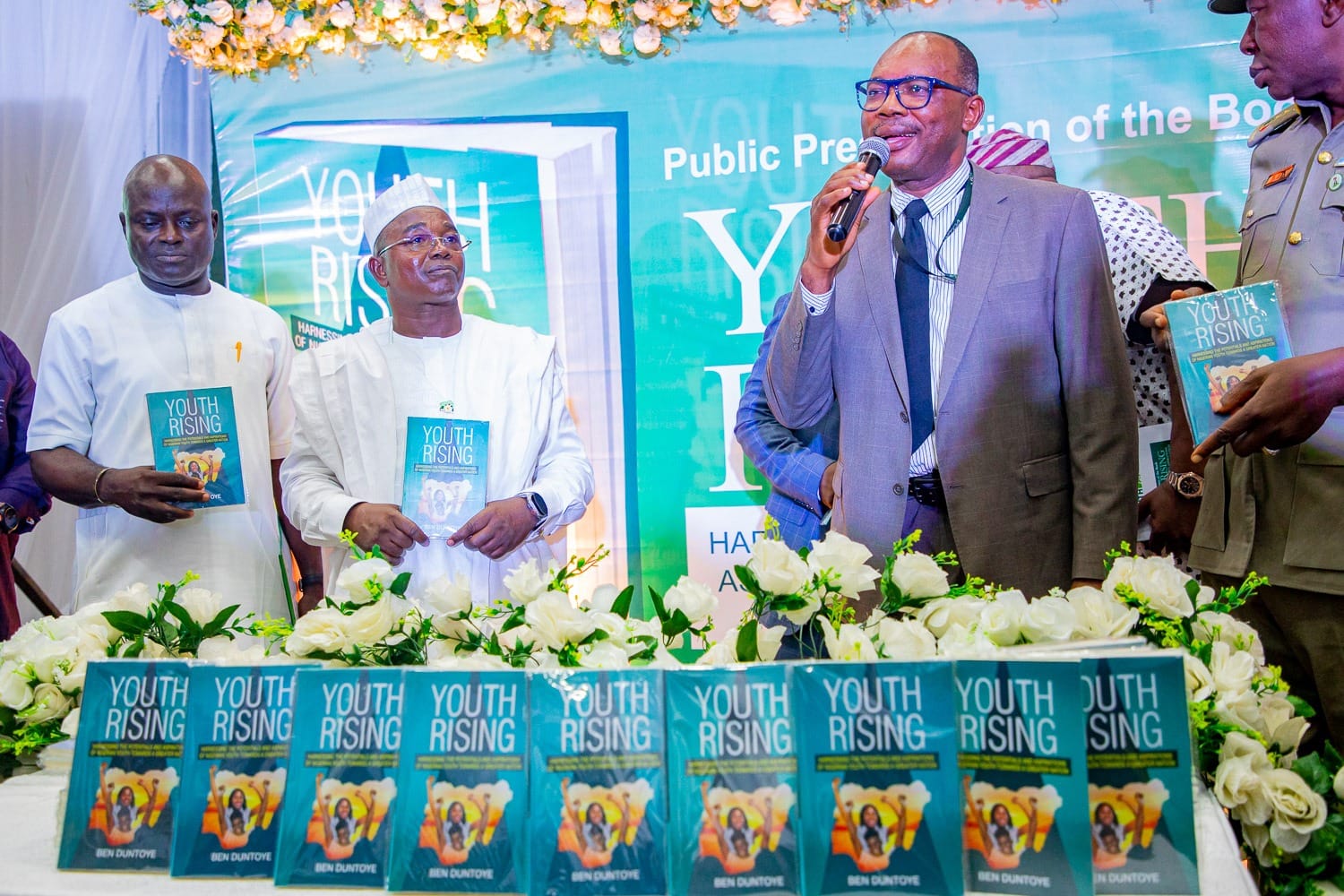
In honor of the United Nations International Youth Day 2023, the National Information Technology Development Agency (NITDA), under the leadership of Director-General Kashifu Inuwa CCIE, reaffirmed its unwavering commitment to the empowerment and advancement of Nigerian youth. This commitment was showcased at the esteemed launch and public unveiling of the transformative book titled “Youth Rising: Unleashing the Potential and Aspirations of Nigerian Youth for a Stronger Nation.”

Authored by the distinguished former president of the Pan African Youth Union, Hon. Ben Duntoye, the book “Youth Rising” resonates with the agency’s core vision of harnessing the innate capabilities of Nigerian youth to contribute significantly towards the nation’s progress and development.

The significance of this event was further underscored by the honorable presence of NITDA’s Director-General, Kashifu Inuwa CCIE, who, although unable to attend personally, ensured his participation through representation. The Ag. Director of the Corporate Planning and Strategy Department, Dr. Aristotle Onumo, eloquently conveyed Mr. Inuwa’s enthusiasm and dedication to the cause at the International Conference Centre, Abuja.

This event exemplifies NITDA’s firm commitment to nurturing the talents, aspirations, and potential of young Nigerians, in alignment with the global celebration of International Youth Day. By collaborating with accomplished figures like Hon. Ben Duntoye, NITDA underscores its dedication to shaping a brighter future for the nation through the empowerment of its youth.

The National Information Technology Development Agency (NITDA) is a pioneering government agency with the mandate to drive the development and regulation of information technology in Nigeria. Guided by innovation, inclusivity, and sustainable growth, NITDA is committed to transforming Nigeria into a digital-driven economy.
About the Book

“Youth Rising: Unleashing the Potential and Aspirations of Nigerian Youth for a Stronger Nation” is a seminal work authored by Hon. Ben Duntoye, former president of the Pan African Youth Union. The book delves into the immense potential of Nigerian youth and their pivotal role in shaping a more prosperous and vibrant nation. Through insightful analysis and visionary thinking, the book provides a roadmap for harnessing this potential and propelling the nation towards greater heights.


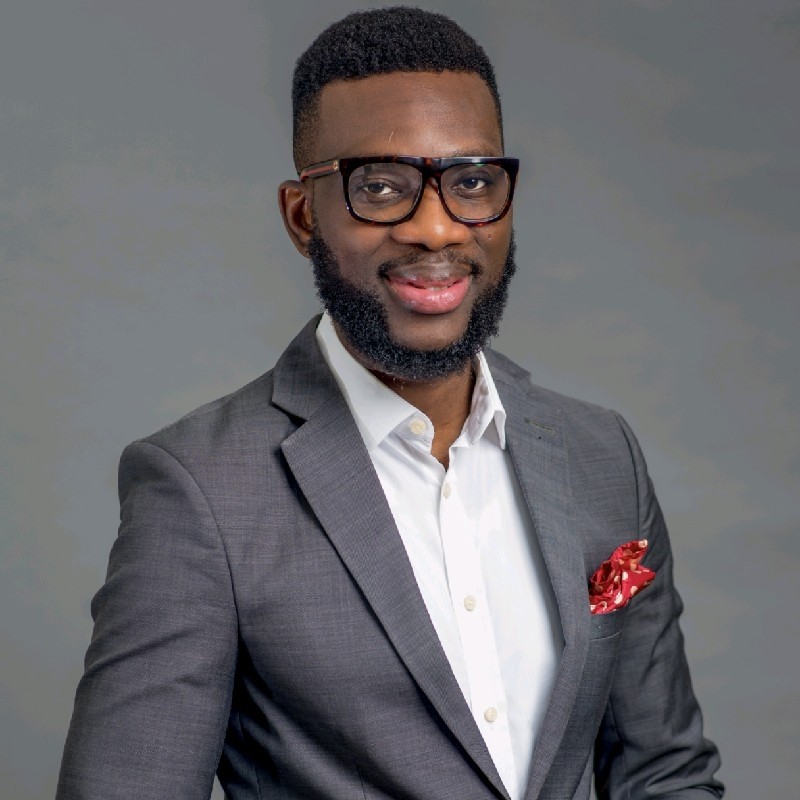
The Google West Africa presented its new Director for the continent, Mr. Olumide Balogun to the Director General, National Information Technology Development Agency (NITDA), Kashifu Inuwa CCIE, as Tech Giant it promised to deepen the collaboration that exists between the two organisations.

Mr. Balogun who led other Google executives to the Agency’s Corporate Headquarters, Abuja, disclosed that the familiarisation visit to NITDA has become imperative because it would restate Google West Africa’s commitments to deepening the partnership.

He said, “I have been at Google for four years, and recently took over the West Africa Director lead role. And our coming here today is to identify the critical steps that we need to take to jointly actualise the Nigerian President’s initiative to drive 1 million digital jobs because Google cannot thrive in isolation.”

Mr. Balogun revealed that Google has been working on Africa Internet for over eight years. According to him, “In 2015, during our premier developer event, we announced that Google has shifted from being a mobile-first company to an AI-first company. So, we were quite amused with all the chat GPT conversations.”

While disclosing that Google is currently working on a document that would detail the impact of Artificial Intelligence in Africa which will be launched in the University of Johannesburg, South Africa in September, the Director is inviting the NITDA’s Director General, Kashifu Inuwa, to deliver keynote address at the event.

In his remarks, the NITDA boss maintained that he believes that they can create a million digital jobs if they work together to craft a strategy on how to achieve the target.

According to Inuwa, NITDA is positioning Nigeria for accelerated job creation in a digital economy. Saying, “We are looking at the Nigeria Startup Act, which identifies some initiatives such as the talent development that can enable job creation. Nigeria can position itself to bridge the gap because we have youthful population,” he said.

He noted that the government’s responsibility in the ecosystem is to intervene in terms of policies, regulations, and infrastructure where needed, the objectives of any regulation are to help create market, democratize access to services, protect consumers, enhance service delivery, and enable innovation.

“Basically, Regulation can be rule-based and non-rule based. Non-rule-based is what we advocated for. To allow the ecosystem players to self-regulate themselves, put the standard in place, and we can help to ensure new entrance comply to that standard because what we are after is to have a responsible and ethical view of platforms around the world,” he said.

Inuwa further disclosed that NITDA is changing people’s mindset about the perspective on government’s approach to regulation and policy, adding that the Agency is co-creating with the ecosystem in anything it does.Olumide Balogun - Director - West Africa - Google | LinkedIn

He maintained that Nigeria could position itself to bridge the gap in digital transformation because it has a youthful population. “In 2018, digitally transformed enterprise contributed 18.5% global GDP. It was projected to reach 53.3% this year, that is over 50% of the global GDP. The generative AI is going to add about 7 trillion US dollars,” he said.

While acknowledging that NITDA’s partnership with Google Developers Group has resulted in the training of 150,000 youths in Nigeria, Inuwa noted that, “Presently we have an initiative running here in Abuja at our National Center for Artificial Intelligence and Robotics (NCAIR), and we want to expand the same program to other states in collaboration with the GDG as well. We are looking at how we can build technology development zones in partnership with universities to promote smart manufacturing.”

“Similarly, we are also looking at how to establish the seed investment fund for all the startups to attract investment. Last year, over 626 billion was invested but only 3.5% came to Africa and if you look at our population, we can do more than that; these are some of the ideas we need stakeholders like you to come to work with us on,” he concluded.


The Nigerian Communications Commission (NCC) is set to showcase achievements so far recorded in the promotion of indigenous content in the telecommunications sector at the second edition of the Nigerian Telecommunications Indigenous Content Expo (NTICE 2023), which holds in Lagos from August 22-24, 2023, at Landmark Centre, Victoria Island, Lagos.

Themed: “Harnessing Indigenous Content for Economic Growth: Networking to Boost Investment”, the Commission said it is mobilizing stakeholders for a remarkable outing, following a very impressive showing at the maiden edition of the event last year.

The NTICE is being coordinated by the Commission’s Nigeria Office for Developing the Indigenous Telecom Sector (NODITS), which superintends over efforts for effective implementation of the National Policy on the Promotion and Implementation of Indigenous Contents in the Telecommunications Sector, (NPPIC).

The Expo is open to multisectoral participants, including indigenous telecom operators, manufacturers, regulators, government agencies, policymakers, innovators, industry leaders, startups, other actors in the telecom ecosystem, academia and global experts to showcase their products and services, innovative solutions and new technologies.

The Nigerian Communications Act (NCA) 2003 empowers the NCC to encourage local and foreign investments in the Nigerian communications industry, introduce innovative services and practices as well as promote the participation of Nigerians in the ownership, control and management of communications companies and development of communications manufacturing and supply sectors.

Therefore, NTICE 2023 is being organised in keeping with the extant provisions of the NCA 2003, and to promote the four focus areas of the NPPIC, which are Manufacturing, Service, People as well as Research and Development for innovation in line with the Federal Government’s drive to diversify the economy.

The event has continued to serve as a rare assemblage of stakeholders where diverse thoughts can be shared in contexts that advance utilization of indigenous contents in the nation’s telecommunications industry.

Participation at the event requires mandatory formal registration ahead of the day of the event and the Commission has created the link: www.ntice.ncc.gov.ng for this purpose, and intending participants are advised to register before August 22, 2023.

In an interaction with the NCC’s in-house media recently, the Executive Vice Chairman and Chief Executive Officer of the Commission, Prof. Umar Danbatta, reiterated that NTICE is Nigeria’s largest annual indigenous telecoms, tech and startups, manufacturing and innovative event that brings to stakeholders the powerful connections and valuable new relationships that highlights the achievements and vast potentials of a tech-driven digital economy.

The 2023 Expo is billed to project the achievements of indigenous content by the government for the sector and afford participants the platform to showcase their products and services, innovative solutions and new technologies.


MC Day, known by his real name as Olumide Samson Olagoke, has emerged as a prominent figure in the Nigerian entertainment landscape. A distinguished influencer and event host, MC Day has successfully carved out a niche for himself in an evolving industry that demands innovation and uniqueness.

In a candid conversation with the media, MC Day provided insights into his life’s journey, the hurdles he has overcome, and the remarkable accomplishments he has achieved over the years. Hailing from Oyo State, MC Day is a talented comedian, master of ceremonies (MC) for events, and a creative content creator.

Reflecting on his early years, MC Day shared, “I had this passion for making people laugh, to make people happy, to make people smile. That started my journey as an entertainer.” His enthusiasm and dedication led him to embrace the title of MC Day, a moniker that embodies his commitment to entertaining and connecting with people.

MC Day recognized the need for a platform to showcase his talent amidst growing competition. Determined to establish his presence, he began organizing events to highlight his skills. This journey led him to fuse karaoke and comedy, resulting in the innovative concept of the “Karaoke and Comedy Party.” This unique blend allowed individuals to showcase their singing prowess while enjoying comedic performances.

A central challenge he faced was the lack of opportunities and funding for emerging artists in the entertainment industry. To overcome this obstacle, MC Day created the Karaoke and Comedy Party as a space for individuals to display their talents, inspiring guests and fellow artists alike. He emphasized that “everyone is a star,” and his platform reflects this ethos by providing an inclusive stage for anyone to shine.

MC Day’s dedication and innovative spirit have garnered him recognition both locally and internationally. His weekly engagements at the Echo Hotel’s Lagos Irish Pub have become a significant attraction. Notably, he received the prestigious Entertainer of the Year award from the University of Lagos, a testament to his exceptional contributions to the entertainment landscape.

Reflecting on his journey, MC Day offered words of inspiration, “It’s not over. God still has something in stock for us.” He encouraged aspiring artists to persevere, no matter their age or circumstances, reminding them that every morning is an opportunity to pursue their dreams.

MC Day’s resilience, creativity, and dedication have propelled him to become a beacon of inspiration in the entertainment industry. His journey serves as a testament to the transformative power of passion and determination.

Olumide Samson Olagoke, popularly known as MC Day, is an accomplished comedian, event MC, and influencer. With a passion for making people laugh and connecting with audiences, MC Day has established himself as a dynamic force in the Nigerian entertainment industry. Through innovative events like the Karaoke and Comedy Party, he aims to provide a platform for individuals to shine and inspire.