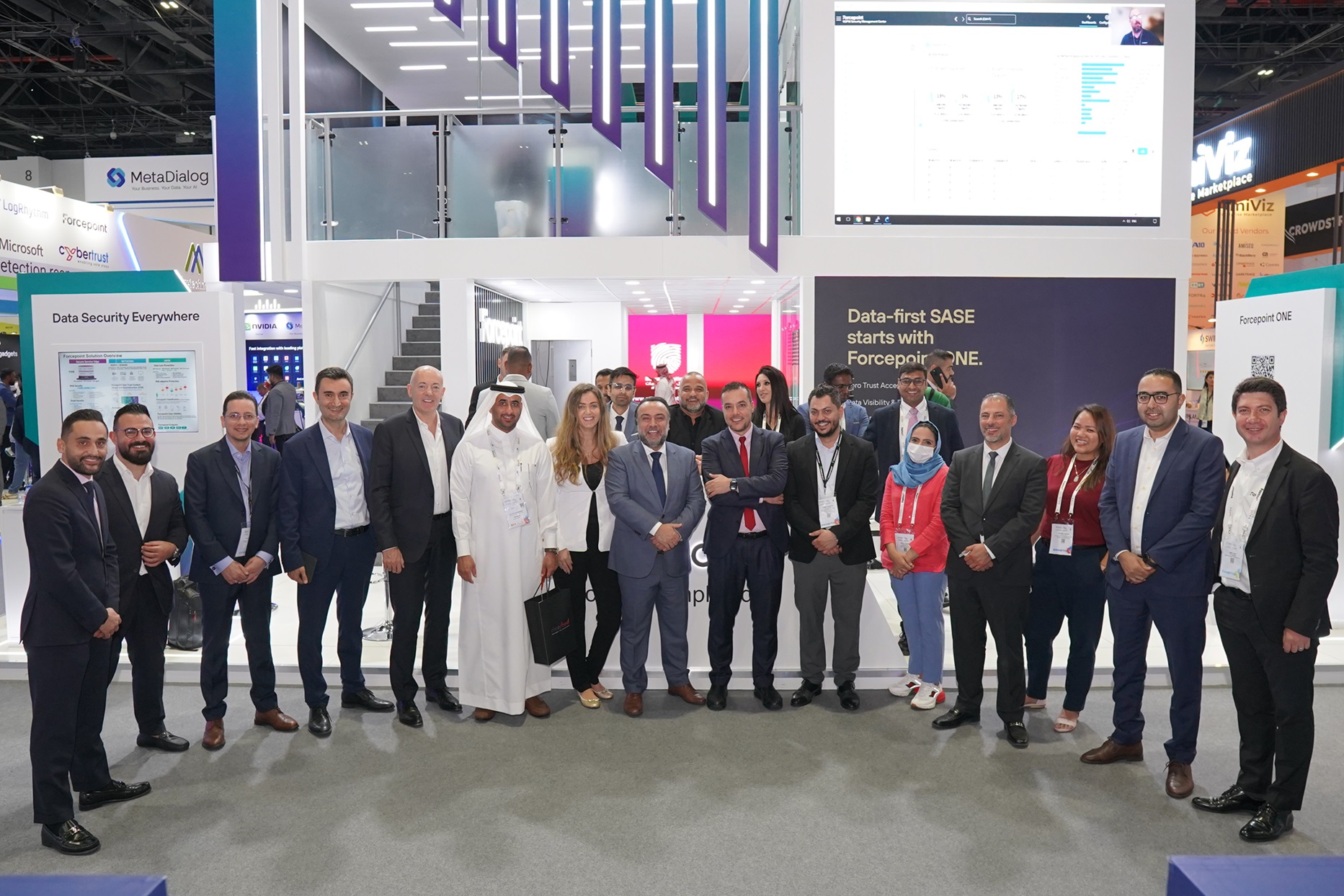
Global security leader Forcepoint (www.Forcepoint.com), the world’s largest privately owned cybersecurity company, secured two prestigious awards in the lead-up to, and during, GITEX Global 2023. The company also leveraged the show’s high profile to also become an award-giver, presenting honors to seven of its partner engineers.


The company, which organizations entrust to safeguard and drive their digital transformation and growth, began its recent award run by securing the ‘Data Protection Service Provider in Hybrid Cloud’ accolade at the ICT Champion Awards, which took place on October 12, 2023. The award recognises Forcepoint’s record of fostering safe and trusting environments via a security solution that understands digital identities and their cyber abilities to protect employees and critical data.

Forcepoint then went on to win the ‘New Product / Service Launch’ category at the MEA Business Awards, which took place last week alongside GITEX Global, in recognition of its expertise and commitment to bringing secure solutions to the market.

This year’s edition of GITEX Global represented a major stride forward in cloud deployment, as well as showcasing future technology ambitions in the UAE and wider region

Later, the company turned the tables from award recipient to award giver when it presented seven of its partner engineers with the ‘Maverick’ honor for successfully completing the Forcepoint ONE four-stage enablement program.

“While all the awards have been a tremendous boost for Forcepoint in the region, the partner engineers’ honor was an outstanding accomplishment as the program empowers our partners to successfully present, demonstrate, conduct Proof of Concepts (POC), and deploy the huge capabilities of the Forcepoint ONE platform here in the region,” commented Thierry Bedos, Senior Vice President of EMEA Sales at Forcepoint.

The program initially empowers partners to be ‘Ready to Present,’ and boosts their confidence in presenting Forcepoint ONE`s value, addressing customer pain points and competitive advantages. In the second stage, partners are equipped to demonstrate the product’s features, functionalities, and benefits effectively. In the third ‘Ready to POC’ stage, partners create a common Forcepoint One customer use case, and the program’s final, ‘Ready to Deploy’ stage covers advanced use cases and troubleshooting.

“This year’s edition of GITEX Global represented a major stride forward in cloud deployment, as well as showcasing future technology ambitions in the UAE and wider region,” commented Samer Diya, Vice President Sales for Forcepoint Emerging Markets. “It uniquely highlighted all the challenges and opportunities facing organizations looking to achieve a more immersive future and Forcepoint’s leadership position in addressing these.”

At GITEX Global 2023, Forcepoint showcased its latest cybersecurity innovations at a dedicated booth, providing attendees with developments and updates of their cutting-edge solutions. The booth served as a focal point, highlighting the company’s commitment to technological excellence and leadership in data-first cybersecurity.
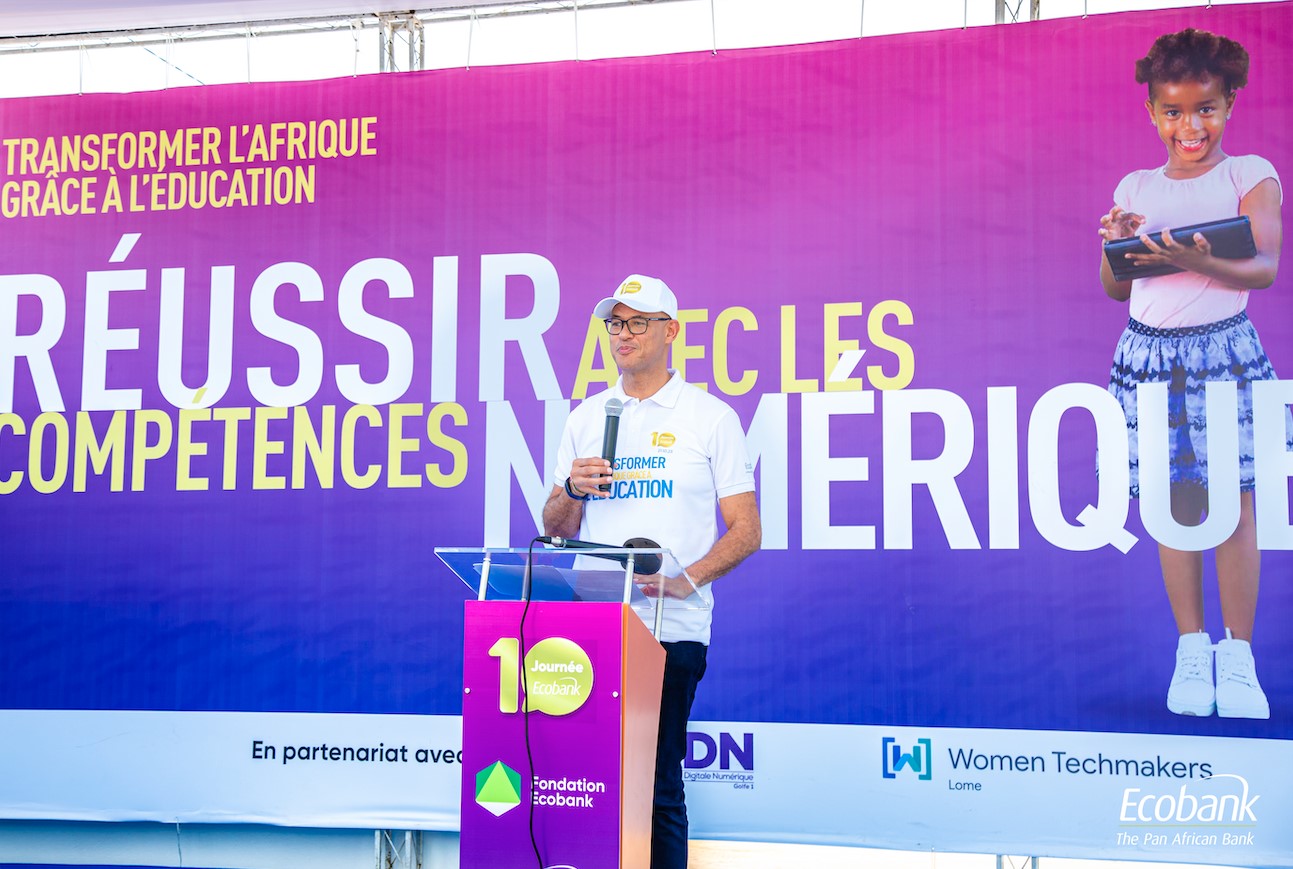

The Ecobank Group (http://www.Ecobank.com), the leading pan-African banking group, celebrated the 10th anniversary of Ecobank Day, its flagship social impact event, last Saturday, October 21, 2023. To mark the occasion, Ecobank launched a three-year ‘Transforming Africa Through Education’ campaign, which it kicked-off with a focus on digital education and equipping children and youth with the digital skills they need for the jobs of tomorrow.


Jeremy Awori, Chief Executive Officer of Ecobank Group, said: “Ecobank Day reflects the giving spirit of all 14,000 Ecobankers across the Group. For 10 years, it has given us an opportunity to manifest our commitment to making a positive impact in the communities we serve. This year, we focus on digital education, which is critical for Africa to leapfrog and accelerate its development. For several years, Ecobank has embarked on a journey of digitalization – consistent with our deep belief in the transformative power of digital technology for a more inclusive future in Africa. It is only natural that on this Ecobank Day, we have supported the launch of a series of training programmes and provided the necessary infrastructure to offer basic digital education to youth across Africa.”

We have supported the launch of a series of training programmes and provided the necessary infrastructure to offer basic digital education to youth across Africa

Ahead of the Ecobank Day celebrations, Ecobank Foundation, in partnership with the Global Partnership for Education and UN Women, organised a webinar entitled ‘Igniting Africa’s Digital Future through the Power of Coding’. The webinar was well-attended with over a thousand participants, and featured experts and the youth, discussing the importance of ensuring that all African children and youth have access to digital skills, mostly coding and programming, that are essential for jobs of the future and a fulfilled life. You can watch the webinar here (https://apo-opa.info/3Q1PjMs).

Ecobank’s affiliates across 33 sub-Saharan African countries continue to hold a range of activities to raise awareness and knowledge of the importance of digital skills for Africa’s children and youth. These activities include creating or equipping IT Labs, refurbishing schools, providing youth digital skills training workshops, partnering with schools to improve digital facilities, mentoring initiatives and more.

Ecobank Day has supported a wide range of causes over the years since 2013. These have included Education for young people in Africa (2013); Malaria prevention and control (2014); Every African child deserves a better future (2015); ICT education in schools and improving maternal health (2016); Safe water management (2017); Orphanages (2018); Cancer (2019); Diabetes (2020); Mental health (2021) and financial literacy and financial inclusion (2022).

The DFC and Africa Data Centres (www.AfricaDataCentres.com) have signed a statement reaffirming their shared commitment to strengthen ICT infrastructure in Africa and Africa Data Centres’ intent to mobilise part of its existing DFC-financing commitment of $300 million to construct a first-of-its-kind data centre in Ghana; The investment is part of the organisation’s plan to strengthen ICT infrastructure in Africa; Opening doors to the new data centre facility reiterates the Ghanaian government’s intention to cultivate the potential of the country’s technology industry.


Africa Data Centres, a business of Cassava Technologies group, is pleased to announce that it has signed a statement reaffirming its ongoing partnership to strengthen ICT infrastructure in Africa with the U.S. International Development Finance Corporation (DFC). The statement marks DFC’s continued interest in supporting Africa Data Centres’ expansion in countries eligible for DFC financing, including Ghana, where Africa Data Centres intends to mobilise funds from its existing DFC financing commitment of $300 million to develop a first-of-its-kind data centre that will provide up to 30MW of IT load.


According to Hardy Pemhiwa, President and Chief Executive Officer of Cassava Technologies, “Over the past decade, Ghana has embarked on a transformative journey, and one area that is seeing significant focus is its burgeoning technology sector. With a youthful and dynamic population, a government that provides support, and a thriving startup ecosystem, Ghana is well-positioned to emerge as a prominent technology hub within the next five years.”


Ghana will benefit enormously from the new data centre, as it will allow for locally generated data not to leave the country’s borders

DFC CEO Scott Nathan said, “DFC’s support for Africa Data Centres is a demonstration of our commitment to 21st century infrastructure, and the United States’ commitment to supporting safe, secure, and trusted ICT infrastructure that connects communities to the opportunities of the global marketplace.  Markets with trusted technology and dependable data storage can become magnets for businesses that create jobs and opportunities in high-growth sectors.  As this planned facility becomes operational, it will help to enable development and economic growth for communities across Ghana.”


Ghana must continue attracting investment in infrastructure to secure its position as an up-and-coming technology hub in the coming five years. This statement is a step towards achieving this objective. Leaders from the DFC, Africa Data Centres, and the government celebrated their ongoing commitment to strengthen ICT infrastructure in Ghana.


With this statement, Africa Data Centres has reiterated its ethos of leaving no African behind. Ghana will benefit enormously from the new data centre, as it will allow for locally generated data not to leave the country’s borders. Additionally, the presence of local data centres will attract even more investment from international digital entities to help the country achieve its digital ambitions.


Public Private Partnerships are integral to all economies’ overall development and expansion. This partnership between Africa Data Centres and DFC highlights the key role that technology will play in ensuring that Ghana continues its upward trajectory of becoming a digital economy. “The Ghanaian government has astutely recognised the potential of the technology industry and has taken proactive measures to ensure its growth,” concluded Pemhiwa.

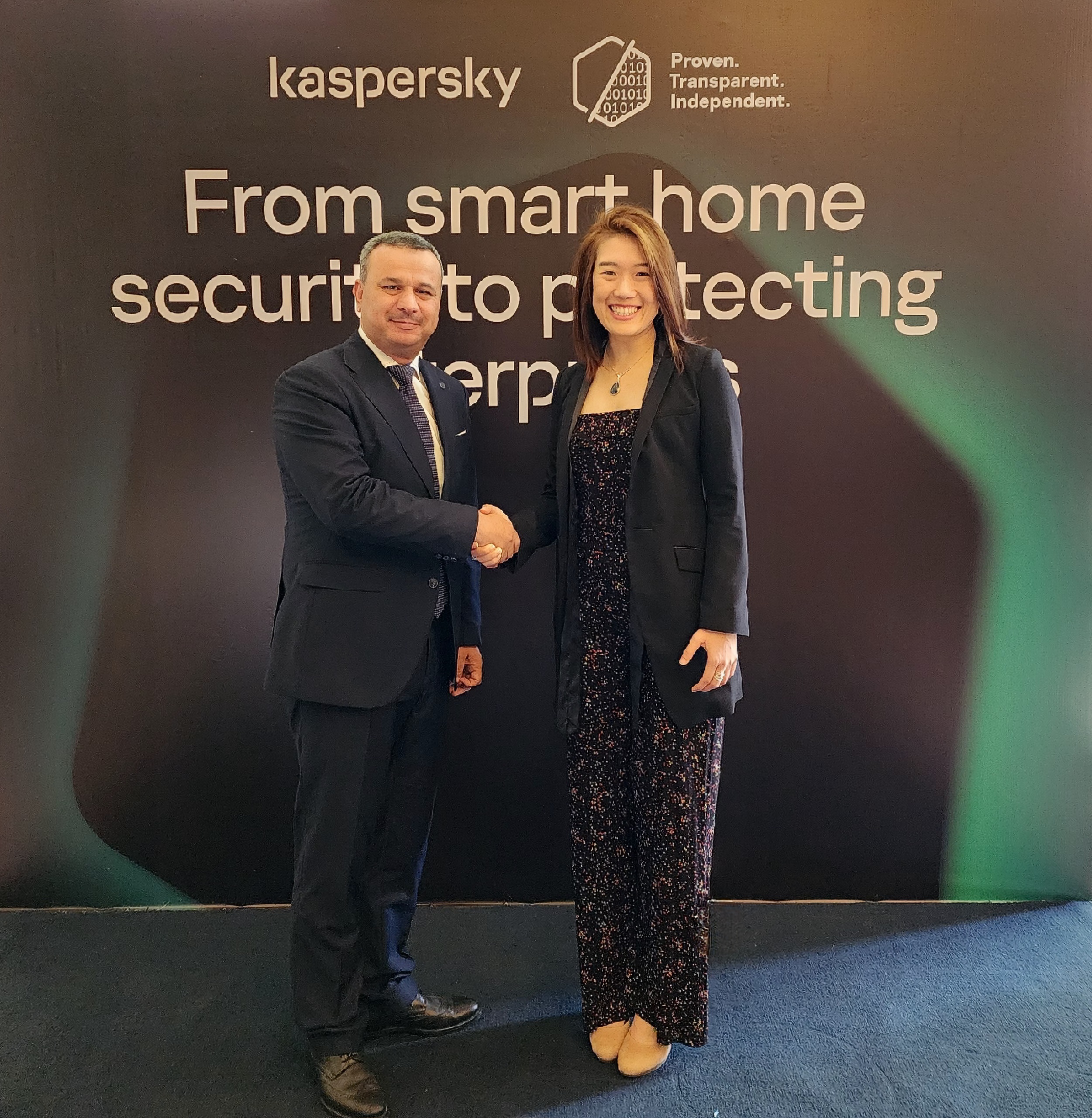
As part of the Africa Cyber Defense Forum (ACDF), Kaspersky (www.Kaspersky.co.za) has today announced the opening of its first Transparency Center in the African region. The new center, located in Kigali, Rwanda, is opening as part of Kaspersky’s Global Transparency Initiative, established to highlight the reliability of the company’s solutions and advocate for greater transparency throughout the cybersecurity industry. The new center offers its visitors a comprehensive overview of Kaspersky’s engineering and data processing practices, and a live demonstration of the source code for its products and services.


Internet penetration in the African region has been steadily increasing over the years: according to the World Bank (https://apo-opa.co/3QYBJuX), broadband Internet access in Africa grew from 26% in 2019 to 36% in 2022. As outlined in the African Union’s Digital Transformation Strategy (https://apo-opa.co/3ucquWR), all  people in Africa should be digitally empowered by 2030, which means that digitalisation will be enhancing, bringing both opportunities and challenges.


The new Transparency Center in Kigali is available for Kaspersky’s partners, customers, and regulators responsible for cybersecurity. It is designed to serve the “blue piste” review option, which has gained significant popularity among Transparency Centers’ visitors since the opening of the first facility in 2018. It offers a general overview of Kaspersky’s engineering and data processing practices: throughout their visit, partners and customers are welcome to ask Kaspersky experts any questions related to the company’s data processing procedures and the functioning of its solutions. Additionally, as part of the “blue piste,” they can improve or acquire skills to assess the security of ICT products that their organisations use, learning the highlights of Kaspersky’s Cyber Capacity Building Program (https://apo-opa.co/3SKSOd5) for government organisations, academia and companies.


Underscoring the strong nexus between transparency and the fight against cybercrime, and Kaspersky’s commitment to both causes, the new Transparency Center opening was welcomed by the African Union Mechanism for Police Cooperation (AFRIPOL):


“The African region is currently undergoing rapid digital transformation, with Internet penetration continually growing year on year. To counter potential security risks stemming from the use of technology, it is imperative to understand what forms an effective framework to mitigate risks. Today, as Kaspersky announces the opening of its first Transparency Center in the African region, we appreciate the company’s openness and welcome its Global Transparency Initiative, which is exemplary for organisations in the region in terms of building digital trust. Kaspersky has a proven track record of collaborating with local, regional and international law enforcement agencies to combat cybercrime, sharing its technical expertise, in the spirit of transparency,” AFRIPOL’s Acting Executive Director, Ambassador Jalel Chelba, commented.

A growing emphasis on cybersecurity within the pan-regional African agenda is piquing the interest of national authorities


With the opening of the facility in the region, Kaspersky will expand its network to encompass a total of 11 Transparency Centers located across Europe, Asia-Pacific, North and Latin America, the Middle East and Africa.


Introducing another milestone in the Global Transparency Initiative, Genie Sugene Gan, Head of Government Affairs and Public Policy for Asia-Pacific, Japan, Middle East, Turkey and Africa regions at Kaspersky, during her keynote speech at the ACDF, noted:


“A growing emphasis on cybersecurity within the pan-regional African agenda is piquing the interest of national authorities. However, there remains a significant gap in cyber-capacity building. By opening the Transparency Center, Kaspersky aims to address the local market needs, offering education in such critical areas as evaluating product security and establishing secure development processes. The Transparency Center opening marks a pivotal advancement and a significant milestone for both our organisation and the region, as we bring essential capacity-building capabilities and best cybersecurity practices to the region.”


Being a dedicated advocate for enhancing transparency in the cybersecurity industry, Kaspersky launched its Global Transparency Initiative in 2017, becoming a pioneer in advancing digital trust. The initiative reaffirms the company’s readiness to disclose how Kaspersky works, what standards it implements, how its solutions perform and why they are trustworthy. Kaspersky actively involves the broader community in validating and verifying the reliability of its products, internal processes, and overall business operations. As a significant aspect of the Global Transparency Initiative, the company leads as the first cybersecurity vendor to disclose its source code for external review.


As Industry Turns Attention to 2024


Vertiv trends forecast sees intense focus on AI enablement and energy management


  Intense, urgent demand for artificial intelligence (AI) capabilities – and the duelling pressure to reduce energy consumption, costs and greenhouse gas emissions – loom large over the data centre industry heading into 2024. The proliferation of AI (as Vertiv predicted two years ago) along with the infrastructure and sustainability challenges inherent in AI-capable computing can be felt across the industry and throughout the 2024 data centre trends forecast from Vertiv (NYSE: VRT), a global provider of critical digital infrastructure and continuity solutions.


“AI and its downstream impact on data centre densities and power demands have become the dominant storylines in our industry,” said Vertiv CEO Giordano (Gio) Albertazzi. “Finding ways to help customers both support the demand for AI and reduce energy consumption and greenhouse gas emissions is a significant challenge requiring new collaborations between data centres, chip and server manufacturers, and infrastructure providers.”


These are the trends Vertiv’s experts expect to dominate the data centre ecosystem in 2024:


  1. AI sets the terms for new builds and retrofits: Surging demand for artificial intelligence across applications is pressuring organisations to make significant changes to their operations. Legacy facilities are ill-equipped to support widespread implementation of the high-density computing required for AI, with many lacking the required infrastructure for liquid cooling. In the coming year, more and more organisations are going to realise half-measures are insufficient and opt instead for new construction – increasingly featuring prefabricated modular solutions that shorten deployment timelines – or large-scale retrofits that fundamentally alter their power and cooling infrastructure. Such significant changes present opportunities to implement more eco-friendly technologies and practices, including liquid cooling for AI servers, applied in concert with air cooled thermal management to support the entire data centre space.


  1. Expanding the search for energy storage alternatives: New energy storage technologies and approaches have shown the ability to intelligently integrate with the grid and deliver on a pressing objective – reducing generator starts. Battery energy storage systems (BESS) support extended runtime demands by shifting the load as necessary and for longer durations and can integrate seamlessly with alternative energy sources, such as solar or fuel cells. This minimises generator use and reduces their environmental impact. BESS installations will be more common in 2024, eventually evolving to fit “bring your own power” (BYOP) models and delivering the capacity, reliability and cost-effectiveness needed to support AI-driven demand.


  1. Enterprises prioritise flexibility: While cloud and colocation providers aggressively pursue new deployments to meet demand, organisations with enterprise data centres are likely to diversify investments and deployment strategies. AI is a factor here as organisations wrestle with how best to enable and apply the technology while still meeting sustainability objectives. Businesses may start to look to on-premise capacity to support proprietary AI, and edge application deployments may be impacted by AI tailwinds. Many organisations can be expected to prioritise incremental investment – leaning heavily on prefabricated modular solutions – and service and maintenance to extend the life of legacy equipment. Such services can provide ancillary benefits, optimising operation to free up capacity in maxed-out computing environments and increasing energy efficiency in the process. Likewise, organisations can reduce Scope 3 carbon emissions by extending the life of existing servers rather than replacing and scrapping them.


  1. The race to the cloud faces security hurdles: Gartner projects global spending on public cloud services to increase by 20.4% in 2024, and the mass migration to the cloud  shows no signs of abating. This puts pressure on cloud providers to increase capacity quickly to support demand for AI and high-performance compute, and they will continue to turn to colocation partners around the world to enable that expansion. For cloud customers moving more and more data offsite, security is paramount, and according to Gartner, 80% of CIOs plan to increase spending on cyber/information security in 2024. Disparate national and regional data security regulations may create complex security challenges as efforts to standardise continue.


For more information on these and other trends impacting the data centre industry, visit Vertiv.com.


# # #


About Vertiv

Vertiv (NYSE: VRT) brings together hardware, software, analytics and ongoing services to enable its customers’ vital applications to run continuously, perform optimally and grow with their business needs. Vertiv solves the most important challenges facing today’s data centers, communication networks and commercial and industrial facilities with a portfolio of power, cooling and IT infrastructure solutions and services that extends from the cloud to the edge of the network. Headquartered in Westerville, Ohio, USA, Vertiv does business in more than 130 countries. For more information, and for the latest news and content from Vertiv, visit Vertiv.com.


Poised for new market growth with the introduction of a simplified retail trading & investing platform 


Global fintech company Admirals has announced the launch of its own, custom-developed proprietary trading and investing platform to supplement its existing suite of platforms and solutions.


The development of this native platform supports the Group’s strategic expansion into the beginner trading and investing market. At the same time the addition of this platform offers a fresh alternative and streamlined experience to Admirals’ client-base.


With simplicity as the key differentiator, the new platform features a user-friendly design and intuitive interface that provides instant and easy access to Admirals’ vast selection of instruments and tools.


Being a web-based platform, the Admirals platform does not require clients to download or install any software. After completing the registration process, users can immediately start their trading and investing journey. Users can trade and invest on the go, as the platform has a mobile view as well, keeping in mind easy accessibility.  Once on the platform, you can expect easy navigation and smooth access to research and analytic tools, place trades, and monitoring your investments.


Acting as single point of entry for traders and investors, the Admirals platform provides a seamless experience whether you prefer investing on a long-term basis or trading short-term price movements.


Apart from its tailored features and simplified processes, its seamless integration with other services, unique instruments and in-house client support, the Admirals platform was developed within strict regulatory compliance parameters. This adds an important element of security and trust especially to beginner traders, knowing that Admirals platform represents a secure and reliable trading environment.


The Admirals trading platform allows access to Admirals’ complete and diverse range of trading and investment products to ensure that clients can experience various options to build diversified portfolios. The platform users will have access over 8,600 financial instruments. – including stocks, ETFs, Forex pairs and a variety of CFDs on commodities and indices. Furthermore, and in line with Admirals’ commitment to knowledge-sharing and financial education, and to support a client’s trading and investing journey Admirals hosts a vast range of free educational resources on its website. Traders have instant access to a wealth of educational materials, including webinars, articles, and tutorials, to help clients gain a deeper understanding of the financial markets.


Increased complexities of a changing landscape 

With its origins in a predominantly sophisticated and specialist trading industry in the early 2000’s, online trading has evolved into a massive global industry over the past two decades. The advent of fintech and accelerated technological advancements led to an increased accessibility and growing interest global financial markets, specifically among retail traders.

However, this rapid evolution also gave rise to increased complexity and overwhelming choices for consumers in the highly competitive online trading market.


Sergei Bogatenkov, CEO and Chairman of Management Board at Admirals said, “In today’s fast-paced and interconnected world consumers are presented with an ever-expanding scope of tech-based, self-service solutions that aim to promote independent financial decision making. But the simpler the solutions may seem to appear, the more complex and confusing the decision-making process can become”


He further explains “For Admirals to play a meaningful part as a reputable, global fintech player, we need to help consumers cut through the clutter to make sense of the myriad of offerings out there. By equipping people with the right financial knowledge, tools, and skills, they are empowered to make sound decisions to help ensure their sustainable financial wellbeing – especially when venturing into the often-complex world of online trading” Bogatenkov says.


Explaining why Admirals prioritised simplicity, accessibility, and ease of use as the key drivers behind the development of its native platform, Bogatenkov says


“Our focus was not just to provide another trading platform – the aim was to create a safe environment for beginner traders to explore the dynamic world of online trading and investing, knowing that it is backed by one of the world’s most established and pioneering brands in the online trading industry,”


Bogatenkov adds a word of caution: “While the fintech landscape is brimming with advanced and sophisticated trading platforms, it is important to remember successful trading does not depend on the trading platform itself. A successful trading journey and rewarding trading experience is grounded in a solid understanding of the process and underlying principles of online trading. Constant learning and ongoing trading skills development remains paramount,” he concludes.

Admirals’ native trading platform was introduced and rolled out to its current trading platforms suite this year and is available to all existing traders and new clients via Admirals’ web-based portal.


For more information about Admirals and its new proprietary trading platform, please visit Admirals website.


73% of retail CFD accounts lose money

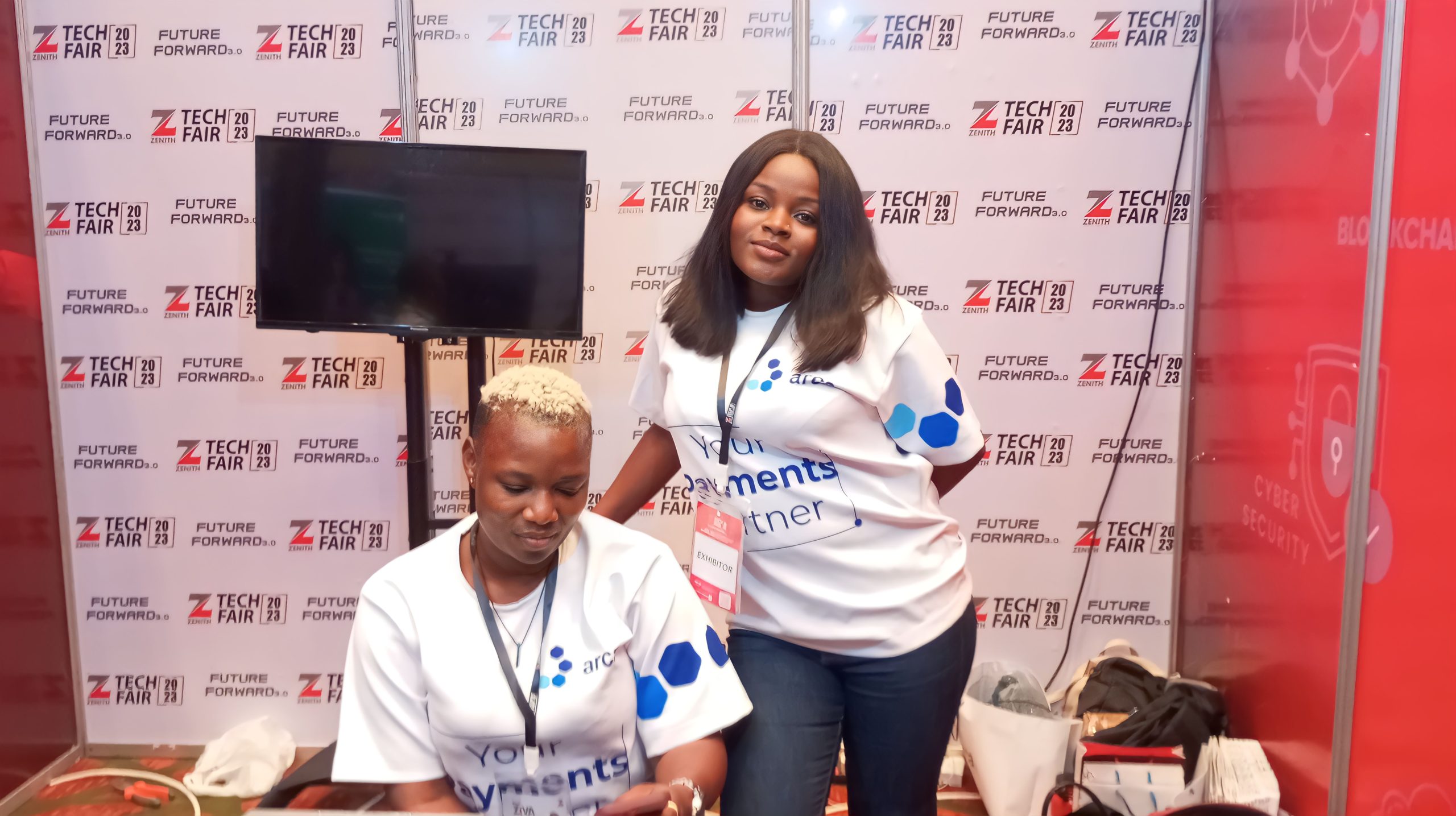
ArcaPay, a pioneering indigenous financial technology (fintech) firm, took center stage at the prestigious Zenith Bank Tech Fair 2023, a gathering of the foremost tech players in Nigeria’s thriving tech ecosystem.

ArcaPay, recognized for its groundbreaking strides in Agency Banking, Switching Network, and payment gateway solutions, seized the opportunity to unveil its cutting-edge financial technology products on a global platform.

Nifemi Sofowora, Brand and Marketing Manager, conveyed the company’s mission at the event, stating, “We are here to showcase our products, foster relationships, and drive businesses. Our presence underscores our commitment to unveiling world-class solutions. We’re delighted to participate in this exhibition, showcasing our collaborative efforts with Zenith Bank.”

Highlighting the distinctive offerings at ArcaPay’s exhibition stand, Nifemi emphasized, “Our focus extends beyond financial solutions. We’re proud to present our unparalleled Agency Banking solutions, a one-of-a-kind innovation in Nigeria. This platform allows us to demonstrate the remarkable achievements we’ve accomplished with this groundbreaking product.”

In her remarks, Nifemi further elaborated, “ARCA is an advanced technology platform designed to propel Africa’s new digital payments revolution. Leveraging cutting-edge technologies, we ensure Nigerians experience seamless services.”

Arca empowers financial institutions and SMEs to effortlessly accept and process payments, with a particular emphasis on Africa’s dynamic payments landscape. The company’s products seamlessly integrate into the existing fragmented payments environment, connecting individuals, financial institutions, banks, and businesses to Africa’s digital economy.

The Zenith Bank Tech Fair 2023 aims to facilitate a deeper understanding and utilization of emerging technologies to enhance various aspects of human life. The event features Zecathon, providing startups and tech enthusiasts a platform to present innovative solutions. Exceptional ideas stand a chance to win grants and support from the bank. Additionally, the fair hosts a tech exhibition featuring leading IT firms in Nigeria, ranging from cybersecurity solution providers to FinTechs.

The Director-General of the National Information Technology Development Agency (NITDA), Kashifu Inuwa Abdullahi, underscored the imperative for Nigerian Financial Institutions to adopt cutting-edge technologies such as Artificial Intelligence (AI) and Data Analytics to elevate digital payment systems.

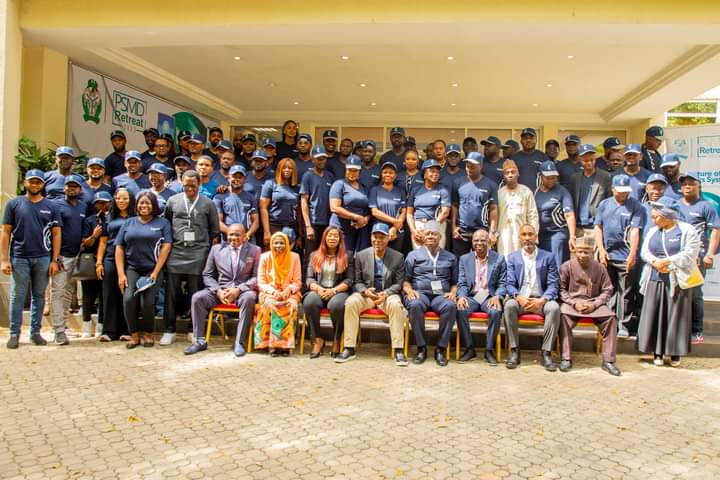
This pivotal declaration took center stage at the Central Bank of Nigeria’s 2023 Payments System Management Department Retreat, where Inuwa accentuated the vital role of collaboration between NITDA, the Central Bank of Nigeria (CBN), and other tech stakeholders for fostering exponential growth in the financial sector.

Represented by Engr Ya’u Garba, the National Director of the National Centre for Artificial Intelligence and Robotics (NCAIR), Inuwa acknowledged the substantial contribution of Financial Technology (FinTech) in propelling Nigeria’s recent industry performance. He specifically highlighted the positive impact of FinTech in Environmental, Social, and Governance (ESG) sectors, attributing this success to the effective application of developmental regulations and enabling policies.

The Director-General urged a collective effort towards the seamless integration of emerging technologies, emphasizing that this collaboration is essential for positioning Nigeria at the forefront of the global digital payments landscape.

  • In a poignant and heartfelt ceremony, the late Princess Christiana Odiri was laid to rest in her hometown, Benin City, after meticulous preparations for her farewell. Passing away at the venerable age of 92 after a brief illness, her life and legacy were celebrated during a solemn yet uplifting burial ceremony.

Mama, as affectionately known by all, was commemorated by a massive crowd that gathered to bid her farewell. Pastor  Idahosa, her devoted son and chief mourner, paid tribute, acknowledging her as a stalwart pillar not only within their family but within the broader society. He remarked, “Mama’s impact extended far and wide, touching countless lives evident from the multitude gathered here today.”

Hailing from a Royal lineage, Mama embodied the spirit of altruism, offering support and hospitality to individuals regardless of their tribal, cultural, or religious backgrounds. Her absence leaves a void felt by all who knew her, emphasized Pastor Idahosa, acknowledging the inevitability of her departure and her return to her maker.

The funeral saw notable figures in attendance, including Rabiu Musa Kwankwaso, former Presidential aspirant, standing in solidarity with Pastor Idahosa, and the President of the Christian Association Of Nigeria, Okpella, Edo State, who commissioned a building in loving memory of Mama, highlighting her enduring impact.

Addressing the gathering, Rev Philemon Marcus underscored the commemoration as a tribute to Mama’s life, affirming that death signifies a transition to another realm and acknowledging her fulfillment of purpose.

Archbishop Osa Ani reflected on the natural order of life, emphasizing the significance of children fulfilling the responsibility of burying their parents. Isaac Idahosa and his siblings, Evangelist Grace Jacob, Anna Omoya, and Isaac Idahosa, expressed their deep sense of loss while vowing to perpetuate their late mother’s virtues and legacy.

The family, friends, and well-wishers bid a heartfelt adieu to Princess Christiana Odiri, a woman whose life epitomized love, compassion, and selflessness. Her memory will continue to resonate in the hearts of all who were touched by her grace.

Dr. Aminu Maida, the Executive Vice Chairman and Chief Executive Officer of the Nigerian Communications Commission (NCC), presented an insightful discourse on leveraging Information and Communication Technology (ICT) to combat financial crimes. The occasion was the 11th Anniversary Lecture Series of RealNews Magazine held at the Ikeja Sheraton Hotel.

In a comprehensive presentation, Dr. Maida emphasized the critical role of ICT in addressing a wide spectrum of financial crimes that pose significant economic and social threats. Financial crimes encompass a range of offenses, including but not limited to Insider abuse, Money Laundering, Terrorism Financing, and Fraud, each impacting the stability and integrity of entities and nations.

Highlighting the expanding landscape of financial crimes, Dr. Maida underscored the pivotal role of robust ICT systems in preventing, investigating, and mitigating these offenses. The incorporation of cutting-edge technologies such as AI, machine learning, and data analytics enables law enforcement agencies to identify suspicious patterns and foresee criminal activities.

The telecom sector’s exponential growth in Nigeria has resulted in a wealth of data. Leveraging advanced analytics and AI, partnerships with financial institutions aid in identifying and intercepting suspicious digital patterns. Specific applications such as blockchain, biometric verification, and data analytics tools like Palantir and Chainalysis have proven instrumental in tracking illicit activities and safeguarding financial systems.

However, Dr. Maida highlighted potential challenges and concerns, including cybersecurity threats, algorithmic biases, regulatory compliance, technological obsolescence, and funding issues. Bridging the digital divide, harmonizing regulations, continuous innovation, and international cooperation were emphasized as crucial steps toward an effective multi-stakeholder approach to combat financial crimes.

The NCC’s commitment to fostering inclusive access to ICT services, collaboration with regulatory authorities, and investment in ongoing innovation and international cooperation reflects a concerted effort in addressing the complexities of financial crime.

In conclusion, Dr. Maida reiterated the importance of striking a balance between leveraging ICT for crime prevention while safeguarding data privacy. Collaboration and ongoing investment in ICT solutions, combined with public education on internet safety, are pivotal in mitigating the risks associated with technological advancements.