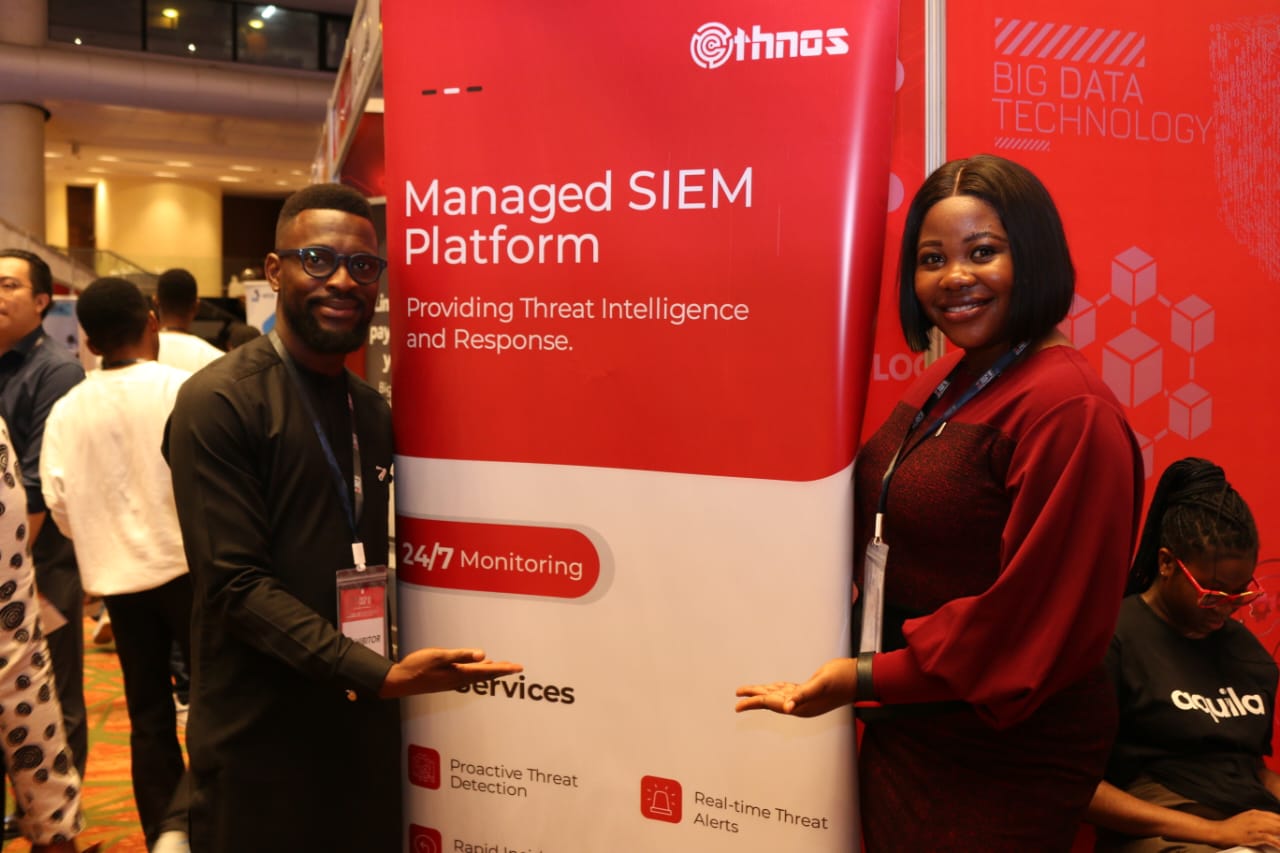
Ethnos, a cybersecurity firm based in Lagos Nigeria, marked a significant milestone at the Tech Fair 2023 organized by Zenith Bank by introducing Aquila, a mobile application scanning and security solution. This strategic move solidifies Ethnos’ position as an innovative cybersecurity firms in the country, showcasing their commitment to advancing cybersecurity through groundbreaking innovation.

The introduction of Aquila was took at the just concluded Tech Fair 2023, where Ethnos captivated technology enthusiasts, stakeholders and spectators with an  impressive display of their world-class mobile application solution.

Peter Ejiofor, the Chief Executive Officer of Ethnos expressed his enthusiasm for the invitation to the fair by Zenith Bank Plc, highlighting the confidence and trust the bank has placed in Ethnos over the years.

Ejiofor stated, “Being part of this event is a testament to the level of confidence Zenith Bank and the organizers have in us. Our longstanding relationship with the bank has been instrumental in establishing this trust. We are here to showcase our expertise, built over decades in the cybersecurity domain, and highlight our commitment to providing top-notch solutions.”

Addressing the media, Ejiofor explained, “that Aquila is a powerful software that scans .apk, ipa files for vulnerabilities, including comprehensive protection and monitoring of your mobile apps for potential threats. This development aligns with our mission to bring world-class cybersecurity solutions to their customers and empower local talent in the field.”

Olamide Ajayi, head, development for Aquila, emphasized the significance of their product, stating, “Aquila is security platform that scans mobile apps for insceure data storage, insecure communications, weak authentication, insufficient cryptography, weak authorisation, client code quality, code tampering and lots more. The platform also prevents your app from reverse engineering and safeguarding it against cyber threats. It is a must-have solution for organisations that have mobile application ensuring the security of their products from breaches.”


In addition to aquila, Ethnos also presented her cost efficient Managed SIEM solution designed for cyber threat monitoing, prevention and remediation. Miracle Chukwudebe, a Security Architect with Ethnos, highlighted their focus on providing affordable cybersecurity solutions for small businesses. “We understand the budget constraints faced by SMEs, and that’s why we offer Managed Security solutions that are cost-effective.”
Ejiofor concluded, “As an organization, we take pride in our world-class team, comprising Security Architects, Implementers, Engineers, Consultants, Developers, Product Managers, and Customer Experience Personnel. Working diligently to ensure the safety of their clients’ cyber assets.”

Ethnos also showcased some of their security solutions including Security Training, Managed Security Services, Compliance Certification (BAU), CISO as a Service.  The event also served as a platform to announce their latest offerings, particularly in the realm of Managed SIEM Platform, designed to improve the protection of digital asset.

The Zenith Bank Tech Fair 2023, dedicated to fostering a deeper understanding and utilization of emerging technologies, features Zecathon, providing startups and tech enthusiasts with a platform to present innovative solutions. The fair also includes a tech exhibition with leading IT firms, spanning cybersecurity solution providers to Fintechs. Exceptional ideas presented at the fair stand a chance to win grants and support from Zenith Bank.

Ethnos is a leading indigenous cybersecurity firm committed to providing world-class cybersecurity solutions. With decades of experience, Ethnos has established itself as a trusted partner for businesses, offering a comprehensive suite of services to safeguard against cyber threats.
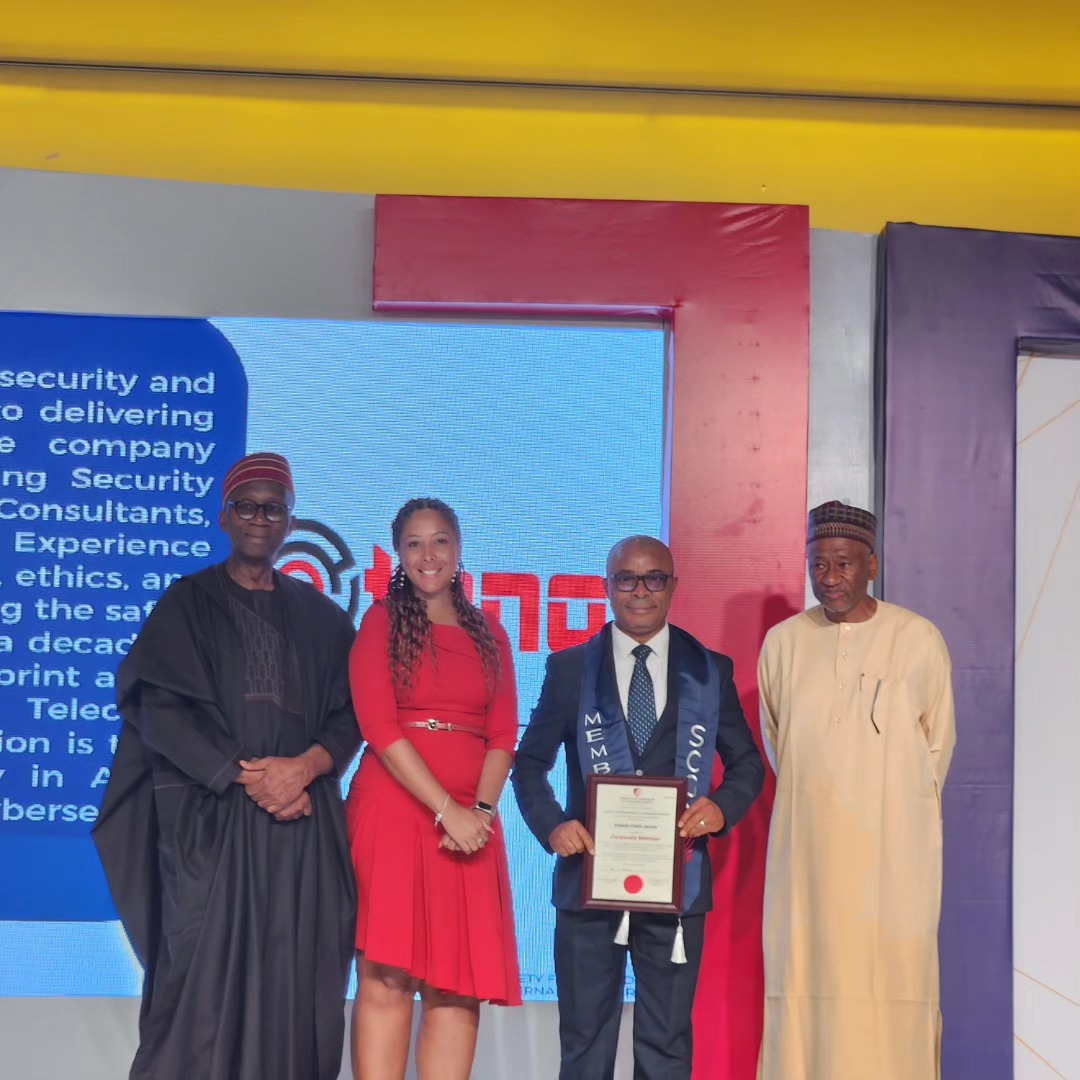


In a strategic move to fortify its dedication to organizational credibility and profitability, ETHNOS, a leading cybersecurity entity in Nigeria, proudly announced its induction into the prestigious Society for Corporate Governance Nigeria (SCGN). This milestone reaffirms ETHNOS’ unwavering commitment to precision, integrity, and the highest standards of corporate governance.

The induction ceremony, held recently, witnessed the enthusiastic expression of Mr. Peter Ejiofor, CEO of ETHNOS. Mr. Ejiofor conveyed his elation, stating, “We are thrilled to share that Ethnos has become a proud member of the Society for Corporate Governance Nigeria…This induction mirrors our dedication to upholding excellence, governance, and ethical business practices.”May be an image of 4 people, dais and text that says "bersecurity and d to delivering The company uding Securit' Consultants ner Experience ion, ethics, uring the SE er decar ootprint a ech, Tele nission is any in e cybersı ነነ GS os cy NICERIA"

Underlining their meticulous approach to corporate governance, Mr. Ejiofor emphasized, “From financial accounts to recruitment and procurement, we consistently adhere to global best practices. Our adherence to these standards has positioned us as a qualified and chosen member of this esteemed society. Here’s to a future of triumphs!”

With a distinguished history spanning over two decades, ETHNOS has been a trailblazer in providing cutting-edge IT solutions and robust support services. Notably, their latest creation, the internationally recognized scanning software ‘Aquila,’ has garnered acclaim as a groundbreaking solution within the country. Tailored for software developers and FinTech firms, Aquila stands out for its efficacy in detecting vulnerabilities and breaches.

The induction of ETHNOS into the Society for Corporate Governance Nigeria comes at a pivotal moment, further solidifying their standing as a key player in the industry.

The Society for Corporate Governance Nigeria (SCGN) is a not-for-profit institution dedicated to advancing corporate governance best practices in Nigeria and across the continent. As the foremost advocate for these standards, SCGN remains committed to the development and propagation of corporate governance ideals.


Anthony Emeka Nwosu


“From financial accounts to recruitment and procurement, we consistently adhere to global best practices. Our adherence to these standards has positioned us as a qualified and chosen member of this esteemed society. Here’s to a future of triumphs!”

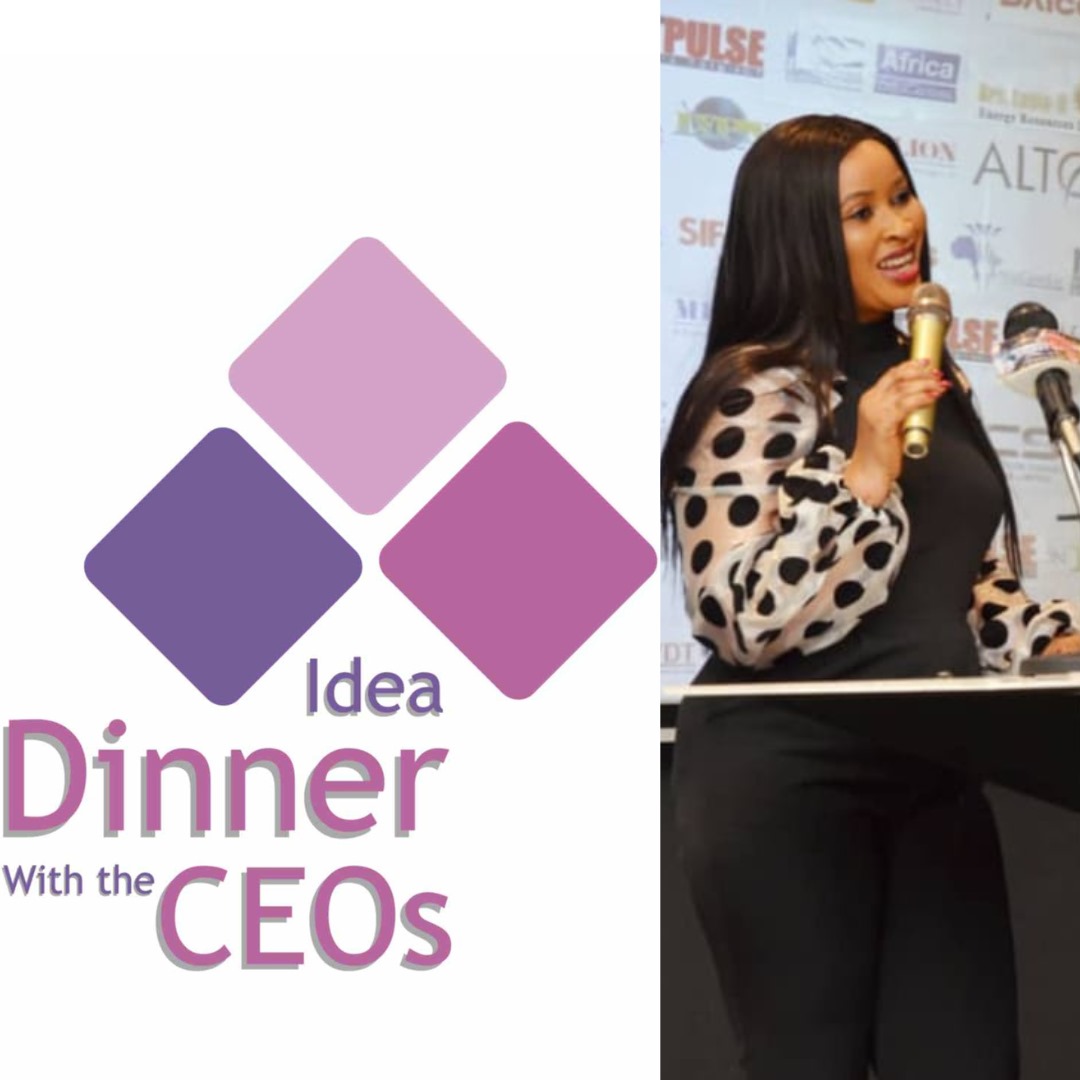
The management of TechLife Media & Communications Limited is billed to host IDEA DINNER for Chief Executive Officers that will foster dialogue around challenges in telecommunications, IT and indeed the digital economy.

In a statement in Lagos, Ugochi Emmanuel, Project Coordinator said Engr Gbenga Adebayo, President of the Association of Licensed Telecommunications Operators of Nigeria (ALTON) will present key note speaker during the IDEA DINNER, which is expected to have 10 CEOs in one room.

“The IDEA DINNER with the CEOs is designed to provide a platform for esteemed CEOs to engage in thoughtful and constructive discussions, sharing experiences, strategies, and innovative ideas that can drive progress and prosperity within the telecommunications and ICT sector,” the statement reads.

While promising that the IDEA DINNER will have in attendance a diverse group of CEOs from the interdependent players of the telecom and ICT ecosystem, whose line of business is driving Nigeria’s digital economy, the statement noted the Idea Dinner will also serves as an excellent opportunity for networking, knowledge exchange, and building lasting connections with like-minded industry pioneers.

The “Idea Dinner with CEOs” is a hallmark event orchestrated by TechLife Media and Communications. This exclusive gathering which will take place at The colossus, Plot 45, Sheraton Opebi Link Road, Ikeja- Lagos on th 8th December 2023 at 5pm,  convenes influential CEOs, thought leaders, and visionaries from various industries, particularly focusing on the tech sector. The primary objective of this event is to facilitate in-depth discussions on emerging trends, disruptive technologies, business strategies, and societal impact.


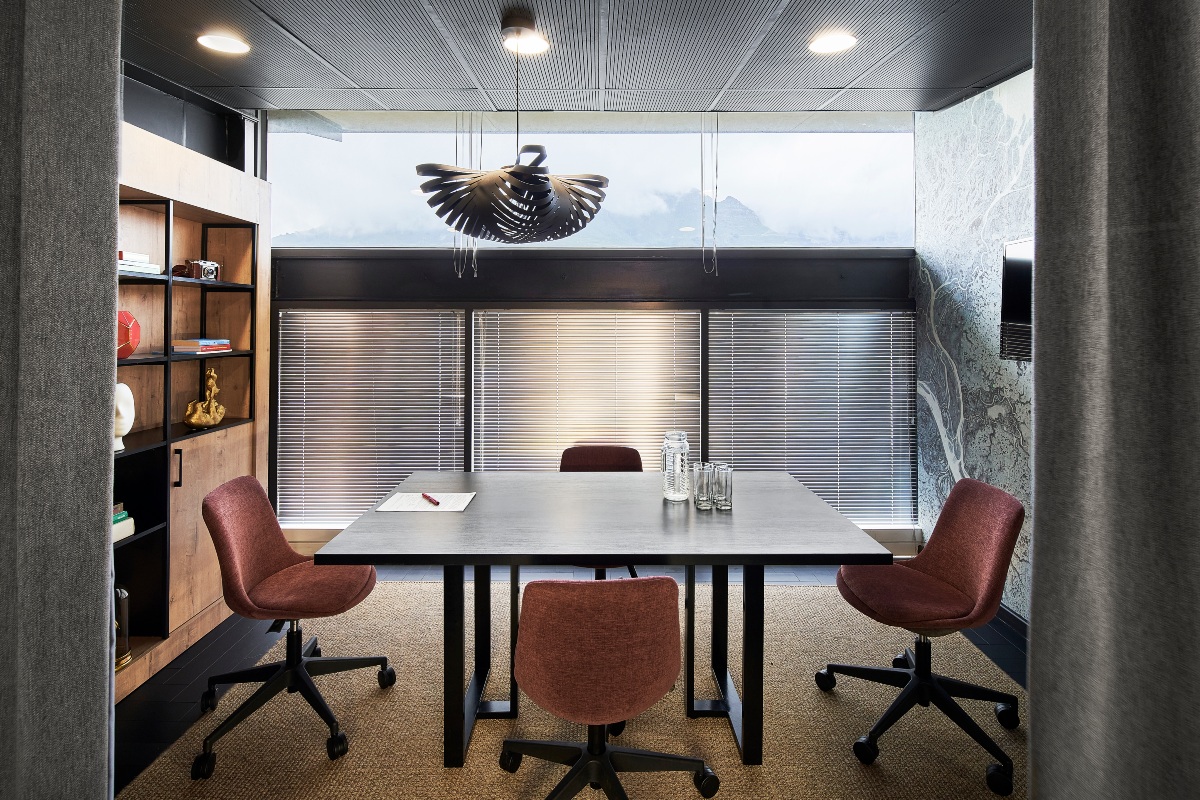
In recent years, the focus on employee experience in the workplace has surged. By 2022, recognition of its significance peaked. In 2023, leading companies are transforming the role of experience into real action – and creating workspaces that employees enjoy says Tango Matoti, Head of Workplace Strategy and Design at Tétris Design and Build South Africa.  “How businesses arrange and organise themselves for people is also a question of how they become more resilient, more innovative – and build an agile future.”  Backed by research from JLL in its Worker Preference Barometer June 2022 and Future of Work Survey, Tétris shares six key workplace trends making an impact in the Western Cape.


  1. Hospitality enters the workplace

Workplace experience has become the ultimate competitive edge for engaging people and attracting talent especially as offices compete with the comforts of home. Matoti says it’s not just the design of the space itself, but comfort and alternate work spaces that are changing to make the commute worthwhile. “It’s no use demanding people return to the office only to work in isolation pods. Companies need a much stronger social strategy that draws people to a work environment that’s not only functional, but enjoyable and fulfilling. This can be done by incorporating hospitality elements, like a barista at reception, entertainment spaces and libraries, as well as amenities like gyms and parenting rooms to help develop a culture of engagement and innovation.”


“For Cape Town-based law firm Norton Rose Fulbright, we built a striking bar and entertainment area to create an elegant, comfortable environment that fosters connections by combining soft couches, occasional chairs, rugs and artwork for an inviting lounge-like area.  According to JLL’s global research, 43% of organisations will accelerate in health and wellbeing amenities and 35% plan to invest more in spaces to recharge, like outdoor spaces and roof gardens.”


  1. Flex and familiar furniture

As flexible working takes hold, office furniture follows suit as 73% of organisations plan to open and collaborate all office spaces, with no dedicated desk spaces.


Rising workplace flexibility is spurring the move to modular furniture that adapts to group sizes. Movable dividers like shelves and acoustic curtains craft versatile zones for collaboration or relaxation. Sound-insulating features, from furniture pods to ceiling treatments, address noise in hybrid workspaces. “As employees blend home and office life, expect flexible office interiors that support employees the choice to work where they feel most effective. Recognising the pivotal role that a dynamic work and break environment plays in employee performance, a leading Business Process Outsourcing office in Sandton joined forces with Tetris to incorporate engaging break spaces and multifunctional furniture to enrich their professional setting,” Matoti notes.


  1. Designing for locale

Workplace design now extends beyond just the office. Most businesses recognise employee desires for offices to positively influence society, leading to designs deeply connected to their locale. “This is particularly true for Cape Town and the Western Cape, which now attracts prominent design ambassadors from key design countries around the world as an example of how holistic design considers accessibility, cost, functionality and authenticity,” says Matoti.


Incorporating local art, cultural nuances, and materials becomes the bedrock of distinct environments. “Favouring local producers not only supports communities but also resonates with employee values. In celebration and tribute to Ecolab Loster Ink’s chosen office location, with its expansive city views, detailed shop-fitted shelving provides a homely context that mirrors an eclectic and vibrant neighbourhood. The Tétris design team also sourced accessories from local second-hand stores while textured wallpaper in the office reflects the harbour and Table Mountain.”


Office location choices now focus on accessibility, amenities, and employee wellbeing. “Emphasising greenery, safety, and community, workplaces that echo their local essence foster a sense of belonging, boosting productivity and engagement,” she adds.


  1. Sustainability

Matoti says there’s a growing mindfulness of sustainability, not designing spaces for single use and utilising the circular economy, which includes repurposing buildings, furniture, and materials. “We’re seeing companies become more willing to be inventive, and this approach is certainly evident in the Western Cape where the province continues to respond well to water scarcity and broader electricity constraints.”


“For the manufacturing, R&D laboratories and offices for Roche in the Western Cape, a central staircase overlooking the central staff area and outside deck carefully considers sustainable materials in tandem with the environment and unique business requirements. In addition, plants, natural light, height-adjustable desks, and ergonomic chairs fill the open plan desking around the edge of each floor. At the same time, meeting rooms are positioned in the centre of the space as considered design decisions that answer sustainability goals and employee wellbeing,” she explains.


  1. Smart design

JLL’s research found that 43% of businesses plan to accelerate investment in leveraging data and analytics for real-time decision-making. Matoti expects the rising use of data analytics and technologies for tracking social interactions to provide deeper insights into workplace performance and behaviour. “As data becomes embedded in daily workplace operations, real-time insights will inform decision-making, from HR policies and employee engagement to office design and organisational structure. Workplace apps will be integral for employees and managers to interact with the office and its data streams.”


She says intelligent design isn’t just about tech. “For a leading law firm in Cape Town, making decisions about integrating non-digital artefacts, like its law library, are crucial components of creating experiences of company culture that can’t be replicated online. These artefacts aren’t mere remnants of the past; they serve as vital cultural touchpoints and often deserve a designated place in the modern office landscape.”


  1. Audio-visual and Artificial Intelligence

55% of organisations plan to have immersive technologies and virtual reality by 2025. With video conferencing vital for hybrid workplaces, new tech enhances sound and visual quality for more engaging meetings. “Flexible workspaces for increased collaboration and teamwork were a necessity for Roche in the Western Cape. It was important that the workspace communicated the Roche culture while allowing people to feel a sense of community. This was achieved by combining digital boardroom technology and smart booking systems with Google Jam boards and other elements to enhance meetings and fuel creativity and productivity,” says Matoti.


In the future, Matoti says innovative tools will improve collaboration beyond formal settings. “AI video tools are likely to enable hybrid meetings in open or social spaces and allow remote employees the chance to participate in pre- and post-meeting interactions, which are often more valuable than the meeting itself. By bridging the gap between in-office and remote team members, such advancements foster a unified culture in hybrid settings.”


Top tips for seamless cloud migration


African businesses are feeling the economic pinch, and the picture looks much the same the world over as global growth forecasts slow. One of the ways businesses are winning some financial ground, is by moving to the cloud. In its latest Cloud Business Survey, PwC reports 78% of executives surveyed have adopted cloud in most or all parts of their business.


Dirk Ras, Solutions Architect at Dariel Software, says it’s true that moving to the cloud can result in cost savings, but not without some homework first. “The two primary gains businesses can expect by moving to the cloud are having more flexibility and saving on the costs of on-premises infrastructure and maintenance.” Yet, by some estimates, around 30% of cloud spend is wasted. Ras explains: “Companies who don’t perform an in-depth cost analysis prior to moving to the cloud can easily spend too much because costs can vary depending on usage. And with that, one of the primary driving factors of their move to the cloud could fall away. It’s vital to not only understand the cost implications of moving to the cloud but also how to use it optimally to save on costs.”


It’s important to do thorough research and ready your environment before moving to the cloud. Ras gives these tips to do so:


  1. Assess your current environment: Have a good understanding of your current infrastructure and workloads. Be sure to also look at constraints that could impact your move, such as the regulatory environment in which your organisation operates. This informs your governance framework.
  2. Determine your objectives: What do you want to achieve by moving to the cloud? This will inform the entire process, such as which workloads and applications need to be migrated, which cloud service models would be best suited, and what deployment models need to be followed.
  3. Evaluate available skills: Assess what skills your workforce has and what training needs to be done.
  4. Perform an in-depth cost analysis: Careful planning and deployment, using optimised architectures instead of what seems to work for others, can mitigate costs. Transferring large amounts of data to the cloud can be extremely costly, so make sure of these costs beforehand and what services are available to you from the provider for the move.
  5. Do your research: Compare several cloud service providers and models before choosing a package. Be sure to also look at providers’ security and data protection policies. If you store personal information, there are certain safeguards that need to be in place to comply with legislation, such as strong encryption, access controls, and regular security patches. Also, read through the service level agreement to see how they mitigate downtime – it’s rare with well-known providers, but it can happen.
  6. Create a migration strategy: Be sure to have a disaster recovery- and business continuity plan in place – not only during, but also after your move. You can implement business continuity as a baked-in solution as part of certain cloud packages, though these services all carry costs that should be factored into your planning.
  7. Test and pilot: Proof of concept is relatively inexpensive and easy when it comes to the cloud. Spinning up some resources in the cloud means clicking a few buttons or writing some code, whereas a procurement process can be a nightmare – never mind having to reverse that process if it doesn’t work. It’s worth the effort to try before you buy, by simulating your environment on a small scale to test performance and scalability. It will also help with your cost analysis.


And, after the move, the work is not done. “Performance monitoring and optimisation is an ongoing task after moving to cloud,” says Ras. “Businesses are not static, so it’s vital to keep assessing your cloud strategy and updating it as the business changes. Continuous rightsizing, first and foremost, is crucial to save on costs. Keep checking for new cloud native services too, which are released at an astounding rate and can be very beneficial to your business. Lastly, security is always important – there are constant new threat vectors that need to be mitigated. By staying on top of these tasks, you can reap all the benefits cloud has to offer – and save on costs in the process.”


The Executive Vice Chairman/Chief Executive Officer (EVC/CEO), National Agency for Science and Engineering Infrastructure (NASENI), Mr. Khalil Suleiman Halilu is set to detail the Agency’s plans and strategies for rural electrification in Nigeria using homegrown technologies.

The 2023 United Nations Climate Change Conference, though officially opened today, 30th November 2023, also known as Conference of the Parties (COP28), holding at the Expo City, Dubai, United Arab Emirates (UAE) will see Mr. Halilu on December 3rd, 2023, to deliver opening remarks and also participate at a panel session titled ‘Advancing Sustainable Rural Electrification through Homegrown Technologies’

The COP28 also referred to as the UN Framework Convention on Climate Change Conference (UNFCCC) will hold from November 30 to December 12, 2023, and is intended for governments to agree on policies to limit global temperature rises and adapt to impacts associated with climate change.

The event will be graced by Presidents and Heads of State, government officials, business leaders, investors, development partners, civil society organizations, academics and media.

Halilu, NASENI’s EVC/CEO during the panel session, to be moderated by Al Amin Idris, CEO of Interface Africa, will speak alongside Gunther Beger, Managing Director of the Directorate for SDG Innovation and Economic Transformation, UNIDO; Gov Mohammed Umar Bago, Governor of Niger State, Nigeria; and Miklós Veszprémi, Climate & Sustainability Expert Consultant at Boston Consulting Group (BCG).

The NASENI boss is expected to discuss the roles which NASENI currently is playing, back home, to promote development and adoption of homegrown technologies for rural electrification in Nigeria as well as other initiatives undertaken to advance sustainable rural electrification in the country.

Mr. Halilu since assumption of office in September 2023 has made sustainable rural electrification via renewable energies one of his key priorities, having embarked on partnership commitments with government agencies and companies such as Rural Electrification Agency (REA) and Family Homes Funds Limited (FHFL) to ensure rural communities are provided with affordable renewable energy solutions and also homes. This is being accomplished through provision of fund toward research and development, facilitating technology transfer, and support for commercialization of innovative solutions.

In September, NASENI and REA agreed to work together to deploy NASENI solar resources and other renewable energy technologies to increase electricity supply to Nigeria’s rural areas. Also in November, the Family Homes Funds Limited signed an MoU with the Agency to promote modern and sustainable building designs for affordable housing across Nigeria. According to NASENI’s EVC during the MoU signing event with FHFL, he said “the Agency will contribute toward reducing the cost of building materials so that Nigerians can build, own homes and to deploy affordable solar energy solutions”

Family Homes Funds Ltd is a limited liability company owned by the federal government of Nigeria and represented by the Federal Ministry of Finance and the Nigerian Sovereign Investment Authority (NSIA).

President Bola Tinubu says Nigeria’s national defence and internal security, local job creation, macro-economic stability, investment environment optimization, human capital development, poverty reduction, and social security are some of the top priorities of the 2024 Budget of Renewed Hope.

Addressing a joint session of the National Assembly on Wednesday in Abuja during the presentation of the 2024 Federal budget proposal, President Tinubu said the nation’s internal security architecture will be overhauled to enhance law enforcement capabilities with a view to safeguarding lives, property, and investments across the country.

He said the proposed budget prioritizes human capital development, with particular attention given to children, because human capital remains the most critical resource for national development.

“To improve the effectiveness of our budget performance, the government will focus on ensuring value for money, greater transparency, and accountability. In this regard, we will work more closely with development partners and the private sector.

“To address long-standing issues in the education sector, a more sustainable model of funding tertiary education will be implemented, including the Student Loan Scheme scheduled to become operational by January 2024,” the President affirmed.

Speaking on the economy, President Tinubu said a stable macro-economic environment is crucial in his administration’s bid to catalyze private investment and accelerate economic growth; hence, his government shall continue to implement business and investment friendly measures for sustainable growth.

“We expect the economy to grow by a minimum of 3.76 percent, above the forecasted world average. Inflation is expected to moderate to 21.4 percent in 2024. In preparing the 2024 Budget, our primary objective has been to sustain our robust foundation for sustainable economic development. A critical focus of this budget and the medium-term expenditure framework is Nigeria’s commitment to a greener future.

“Emphasizing public-private partnerships, we have strategically made provisions to leverage private capital for big-ticket infrastructure projects in energy, transportation, and other sectors. This marks a critical step towards diversifying our energy mix, enhancing efficiency, and fostering the development of renewable energy sources. By allocating resources to support innovative and environmentally conscious initiatives, we aim to position Nigeria as a regional leader in the global movement towards clean and sustainable energy.

“As we approach the COP28 climate summit, a pivotal moment for global climate action, I have directed relevant government agencies to diligently work towards securing substantial funding commitments that will bolster Nigeria’s energy transition. It is imperative that we seize this opportunity to attract international partnerships and investments that align with our national goals. I call upon our representatives to engage proactively to showcase the strides we have made in the quest to create an enabling environment for sustainable energy projects.

“Together, we will strive for Nigeria to emerge from COP28 with tangible commitments, reinforcing our dedication to a future where energy is not only a catalyst for development but also a driver of environmental stewardship,” he said.

The President said a conservative oil price benchmark of 77.96 U.S. Dollars per barrel and a daily oil production estimate of 1.78 million barrels per day were adopted after a careful review of global oil market trends, and that a Naira to U.S. Dollar exchange rate of 750 naira per U.S. Dollar was adopted for 2024 as well.

Giving a breakdown of the 2024 Appropriation Bill, the President said: “Accordingly, an aggregate expenditure of 27.5 trillion naira is proposed for the Federal Government in 2024, of which the non-debt recurrent expenditure is 9.92 trillion naira while debt service is projected to be 8.25 trillion naira and capital expenditure is 8.7 trillion naira. Nigeria remains committed to meeting its debt obligations. Projected debt service is 45% of the expected total revenue.

“The budget deficit is projected at 9.18 trillion naira in 2024 or 3.88 percent of GDP. This is lower than the 13.78 trillion naira deficit recorded in 2023, which represented 6.11 percent of GDP. The deficit will be financed by new borrowings totaling 7.83 trillion naira, 298.49 billion naira from Privatization Proceeds, and 1.05 trillion naira draw down on multilateral and bilateral loans secured for specific development projects.”

President Tinubu said his administration remains committed to broad-based and shared economic prosperity, adding: “We are reviewing social investment programmes to enhance their implementation and effectiveness. In particular, the National Social Safety Net project will be expanded to provide targeted cash transfers to poor and vulnerable households.”

He also said efforts will be made to further contain financial leakages through the effective implementation of key public financial management reforms.

The President commended the patriotic resolve of the 10th National Assembly to collaborate with the Executive on the mission to renew the hope of Nigerians and deliver on the promises made to Africa’s largest population.

“As you consider the 2024 Budget estimates, we trust that the legislative review process will be conducted with a view to sustaining our desired return to a predictable January-December fiscal year. I have no doubt that you will be guided by the interest of all Nigerians. We must ensure that only projects and programs with equitable benefits are allowed into the 2024 Budget. Additionally, only projects and programs that are in line with the sectoral mandates of MDAs and those which are capable of realizing the vision of our administration should be included in the budget,” the President declared.

Chief Ajuri Ngelale
Special Adviser to the President
(Media and Publicity)
November 29, 2023


In tandem with the widespread adoption of digital banking and virtual solutions in the African financial sector, Fintrak Software, a leading financial technology (fintech) software developer based in Lagos, Nigeria, is set to host a groundbreaking webinar titled “Managing Financial Reporting: Navigating Global Accounting Standards and Compliance” this December

The webinar aims to shed light on the imperative for financial institutions, especially banks, in Africa to align with the International Financial Reporting Standards (IFRS). IFRS, established by the International Accounting Standards Board (IASB), serves as the global benchmark for transparent and comparable financial reporting across borders.

Fintrak Software has emerged as a pivotal player in this space, offering one of the most internationally recognized software solutions for banks, mortgage houses, and other financial entities. Their IFRS reporting software minimizes human error, ensuring compliance with the stringent standards set by IFRS.

Bimbo Abioye, the Group Managing Director of Fintrak Software, emphasized the significance of standardized reporting for businesses, stating, “Standardization of reporting requirements gives business entities the same leverage international companies have, as well as a greater level of confidence by market operators, potential investors, and analysts.”

Abioye further highlighted the pivotal role of financial reporting systems in achieving continuous and sustainable reporting, emphasizing the need for companies to invest in solutions that guarantee compliance with IFRS and country regulatory bodies. He remarked, “The use of financial reporting software is very crucial for efficiency and effectiveness.”

The webinar will feature key industry experts, including Oyerinde Oye, a seasoned accountant, Chukwukadibia Okoye, a top executive at the United Bank for Africa, Abiodun Oyekunle, a top executive at Fintrak Software, and other seasoned industry stakeholders. Topics covered will range from IFRS adoption challenges to the efficient deployment of Fintrak’s IFRS 9 software for streamlined and error-free reporting.

Fintrak Software invites industry stakeholders, financial professionals, and interested parties to participate in this insightful webinar, where the convergence of digital banking, international financial reporting standards, and cutting-edge technology will be explored in-depth.

Fintrak Software is a leading fintech software developer based in Lagos, Nigeria, specializing in providing innovative solutions for banks, mortgage houses, and other financial institutions. With a commitment to excellence and adherence to international standards, Fintrak Software has become a trusted partner in the digital transformation of the African financial sector.


Imo State, November 28, 2022 – In a surprise announcement today, His Excellency, Senator Hope Uzodimma, the Governor of Imo State, appointed Ms. Ify Onyegbule as the new Director General of the Imo Broadcasting Corporation. The appointment marks a significant moment in Ms. Onyegbule’s career, catching her off guard as she diligently attended to her responsibilities at another radio station.

Reflecting on the unexpected turn of events, Ms. Onyegbule expressed her astonishment and gratitude for the new opportunity. Following the announcement, social media platforms buzzed with excitement, signaling the magnitude of her new role and increased responsibilities.

Having previously worked in both the civil service and private sector, Ms. Onyegbule acknowledged the transition as a time of unlearning and relearning. Managing a larger team and navigating the complexities of human resources in a public service setting presented a unique set of challenges and learning opportunities.

Over the past year, Ms. Onyegbule has dedicated herself to building managerial skills and mastering the art of people management. She emphasized her gratitude to God for the daily strength to fulfill her duties and to her dedicated team for their tireless efforts in achieving the organization’s goals.

Acknowledging the listeners who welcome the Imo Broadcasting Corporation into their homes, Ms. Onyegbule extended her appreciation for the valuable feedback received. She also expressed thanks to her mentors, including the Board Chairman, Hon. Emma Dike, and the Hon. Commissioner for Information, Chief Declan Emelumba.

Addressing His Excellency, Governor Hope Uzodimma, Ms. Onyegbule thanked him for the opportunity to contribute to the state’s development and gain valuable experience. She emphasized her commitment to the responsibilities entrusted to her and conveyed deep gratitude for the chance to make a meaningful impact.

Ms. Onyegbule invited friends, well-wishers, and the general public to continue following her work and engage in conversations through the Imo Broadcasting Corporation’s various platforms, including www.ibc.orientfmtv.com, Radio Garden, Facebook, and Instagram (@945OrientFM).


About Imo Broadcasting Corporation

The Imo Broadcasting Corporation is a leading media organization committed to delivering informative and entertaining content to the people of Imo State. With a focus on community engagement and excellence, the corporation strives to be a voice that resonates with the diverse population it serves.


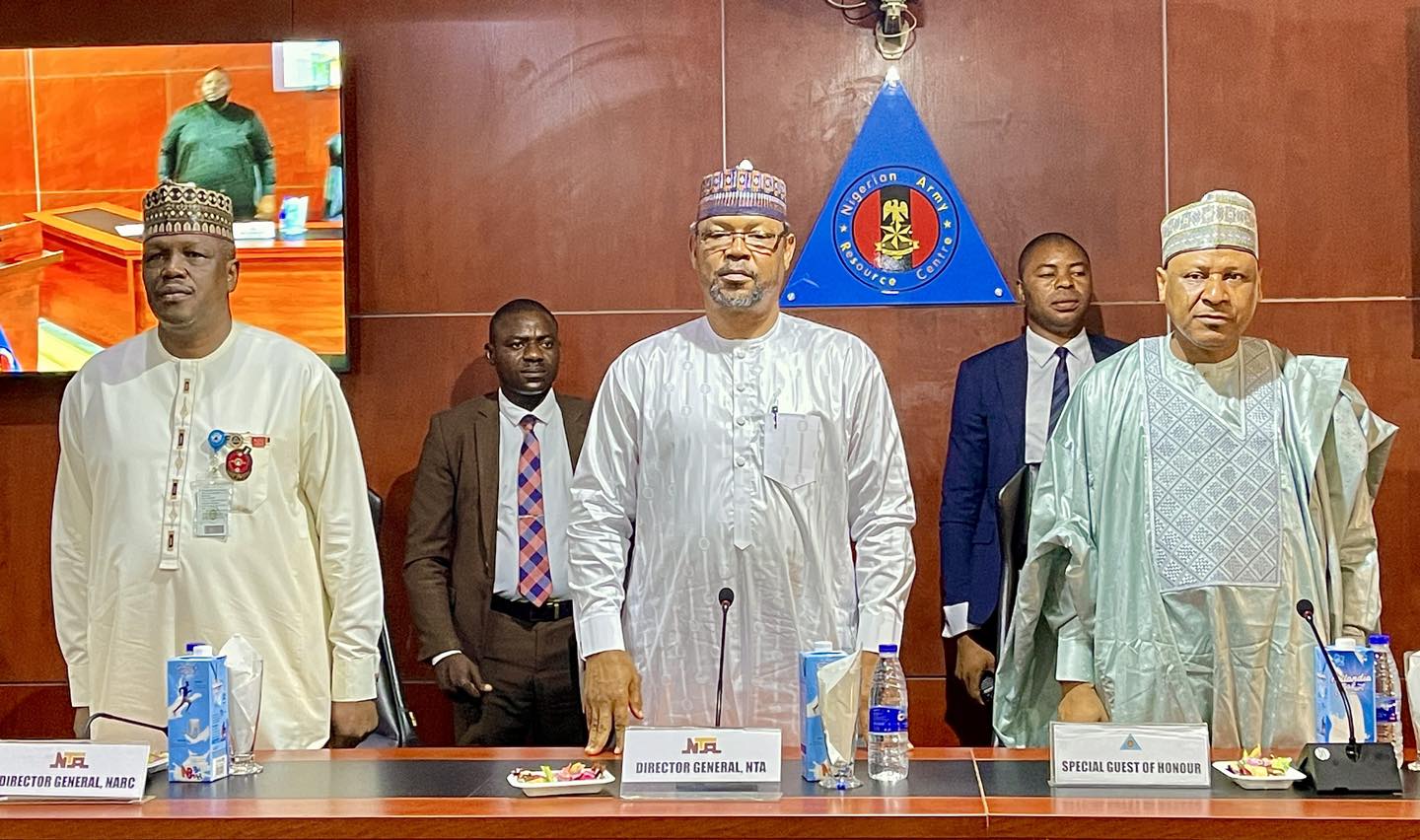
The Minister of Information and National Orientation, Mohammed Idris, has said his ministry is working assiduously to unveil a blueprint for the rollout of the Digital Switch Over across the country.

The Minister stated this in Abuja on Monday while declaring open the Management Conference and Retreat of the Nigerian Television Authority (NTA).

“I also want to use this opportunity to restate federal government commitment to the Digital Switch Over (Project), as the Ministry of Information and National Orientation is working assiduously for a DSO blueprint that will not fail; that will roll out across urban and rural Nigeria. The NTA, as a key stakeholder in the DSO project, is expected to play a prominent role,” he said.
Idris therefore challenged the NTA to reflect on the dynamic landscape of the media industry, especially with the advent of new technologies and changing viewer preferences that pose challenges and opportunities.

“Our commitment to excellence and adaptability is paramount. The NTA must continue to evolve, embracing innovation while upholding the highest standards of journalistic integrity.
“This retreat is coming at a time when there is a growing number of options for the viewing public to source information from, more especially against the backdrop of the dominant role of social media and the preponderance of false and misleading information therein; therefore, the significance of an event of this nature cannot be overemphasized,” he said.

He noted that the signal upgrade of the NTÀ from standard definition to high definition is having an appreciable impact on the viewing experience of members of the public, adding that this has to be replicated in all NTA Stations across the country to achieve the desired objective.

Against the backdrop of the Renewed Hope Agenda of the President Tinubu administration, which he described as Nigeria’s most ambitious socio-economic growth plan ever, it therefore, Idris said, “behooves the NTA to continue to enlighten Nigerians on the successes being recorded on all fronts and to ensure that Nigerians understand and appreciate the policy direction of the Tinubu administration in news and programming.

The Minister charged the NTA to strive to rediscover its golden era when its content, especially notable soap operas and drama series, not only defined the TV entertainment space in the country but was always a reason for viewers to rush back home in the evening.

Rabiu Ibrahim