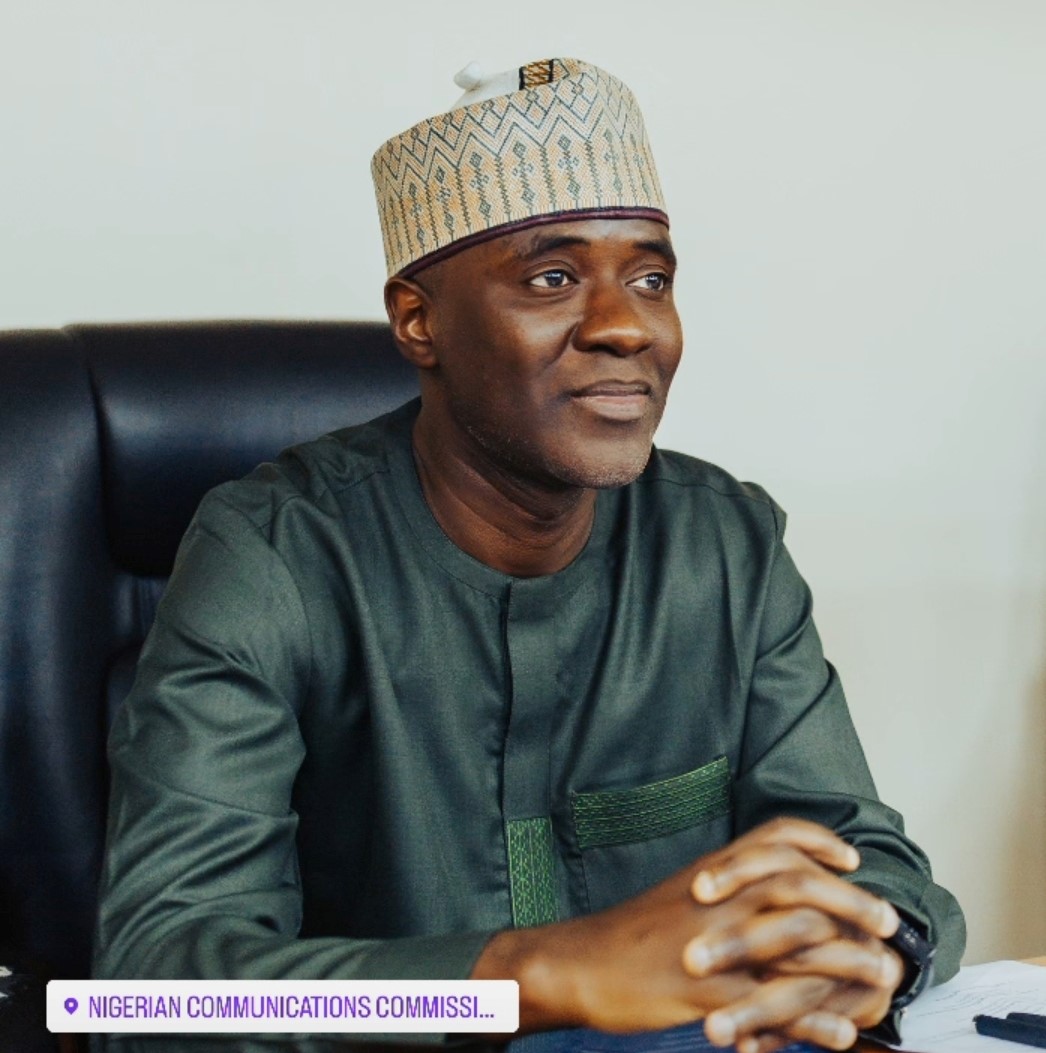
Executive Vice Chairman and Chief Executive Officer (EVC/CEO) of the Nigerian Communications Commission (NCC), Dr. Aminu Maida, has said the support of the Commission awaits law-abiding investors like Meta, (formerly Facebook), which responds positively to Nigeria’s desire for investments that promote the agenda of government to achieve a robust digital economy.


Maida, who spoke when he received a delegation of Meta, led by the company’s Vice President for Africa, the Middle-East and Turkey, Kojo Boakye, when they visited NCC’s headquarters in Abuja, said the regulatory support to all investors, including operators in Nigeria, will be predicated on their playing by the rules and regulations guiding the sector.


He said the Commission places a lot of premium on compliance to industry laws, regulations and guidelines as such will also engender a level-playing field for all licensees and other stakeholders in the industry for sustaining a healthy competition and guaranteeing a sustainable growth in the Nigerian telecoms sector.


Boakye informed NCC boss that the purpose of the visit was to congratulate the EVC on his appointment by the President and to intimate him of ongoing efforts to land 2Africa Cable in Nigeria.


At 45,000 kilometres long, Boakye said the 2Africa submarine cable will be one of the world’s largest subsea cable projects and will interconnect Europe (eastward via Egypt), Asia (via Saudi Arabia), and Africa. He said the system will go live in 2023, delivering more than the total combined capacity of all subsea cables currently serving Africa, with a design capacity of up to 180 terabytes per second (Tbps).


Boakye stated that 2Africa will deliver much-needed Internet capacity and reliability across large parts of Africa, supplement the fast-growing capacity demand in the Middle East and underpin further growth of 4G, 5G and fixed broadband access for billions of people, especially in Nigeria.


He solicited NCC’s support in sailing through all necessary legal and regulatory hurdles in landing the submarine cable to complement existing backbone infrastructure in Nigeria. He also said Meta, through a consortium, plans to land 2Africa cable simultaneously in Lagos and Akwa-Ibom States “in order to ensure those not yet connected are connected while those already connected are given opportunity for enhanced and affordable access.”


In response to the dynamic demands of modern business landscapes, Zoracom proudly unveils its latest innovation, “Miro Service Management,” aimed at transforming digital service delivery.

In an era where seamless communication and efficient service coordination are indispensable, Zoracom’s Miro Service Management emerges as a game-changing solution. As an integral part of the Miro Solution—an automated network and service management suite—this cutting-edge application fosters enhanced communication and empowers service providers to elevate their operational efficiency.

Miro Service Management acts as a unifying bridge between Communication Service Providers (CSPs), Mobile Network Operators (MNOs), Internet Service Providers (ISPs), Managed Service Providers (MSPs), their clientele, and vendors. By providing a user-friendly platform, it facilitates transparent communication channels for tracking project progress, accessing detailed reports, scheduling maintenance, and swiftly resolving any issues.

The application’s centralized hub redefines service management paradigms, promoting transparency, efficiency, and a customer-centric approach. Its impact is already evident, as one of the largest telecom service providers in Nigeria and across Africa is leveraging this innovative tool, recognizing its potential to drive competitive advantages, nurture robust client relationships, and sustain long-term growth.

“Zoracom’s Miro Service Management is not merely an application; it’s a transformative force reshaping how digital service providers engage with their customers and vendors,” said [Spokesperson’s Name], [Designation] at Zoracom. “This marks a pivotal moment in service delivery, emphasizing our commitment to empowering businesses with the tools they need to thrive in today’s competitive landscape.”

As businesses increasingly embrace digital solutions to gain an edge, Miro Service Management stands at the forefront, offering a strategic advantage for those seeking efficient service management and client engagement.


Since 2021, Versofy SOLAR has installed over 50,000 solar panels in 4,000 homes across South Africa, generating over 35 million kWh annually. But Versofy’s mission is about so much more than providing a sustainable, clean and reliable alternative energy source. Co-Founder and CEO of Versofy SOLAR, Ross Mains-Sheard says the company is equally committed to being part of a powerful movement for change and transformation.


As South Africa continues to battle one of its most pressing challenges in the form of persistent load shedding, Versofy has stepped up to provide tailor-made solar systems to suit individual family sizes, usage needs, and home structures.


Beyond addressing energy needs, Versofy is passionate about tackling the hardships faced by many South African children who live without basic electricity. “That’s why we’ve chosen to support a specific cause and one particular NGO to make a tangible difference in the lives of around 80 children in Johannesburg’s inner city,” explains Mains-Sheard.


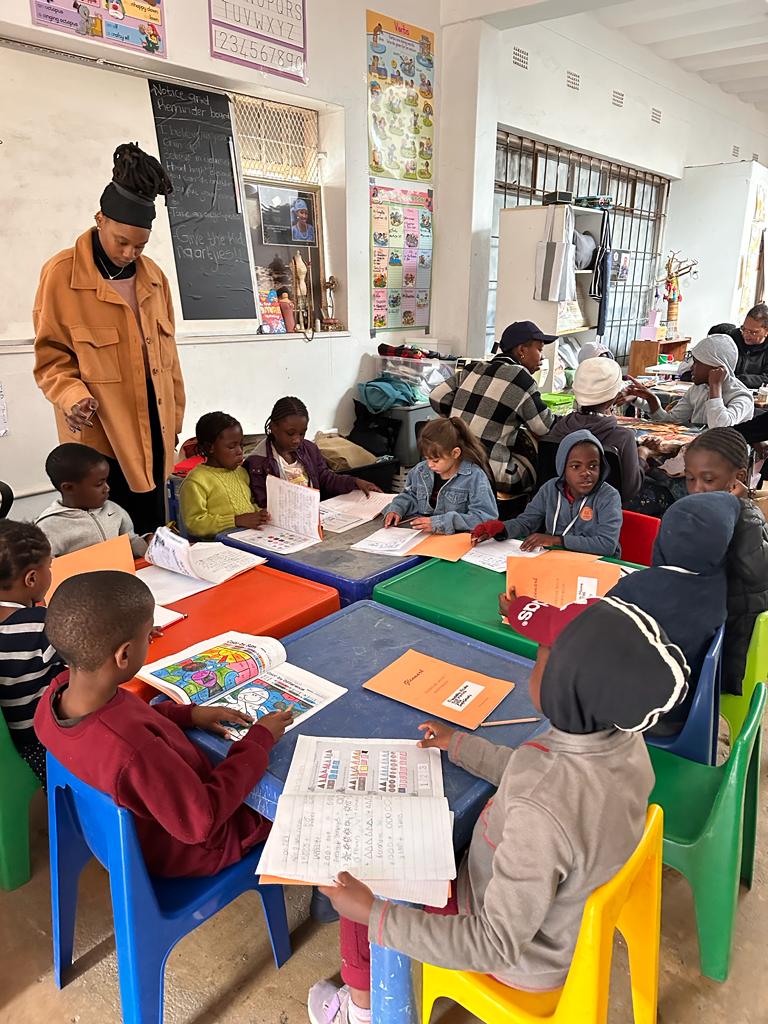
Safe Study, located in Victoria Yards, Bez Valley, Johannesburg, provides a secure and nurturing after-school environment for children who lack basic home comforts. The centre offers academic support, cultural enrichment, and a variety of activities, including creative writing, chess, music groups, art, dance, drama, pottery, and gardening. Despite their passion, the Safe Study team have struggled with load shedding, often up to five hours a day, which hindered their ability to fulfil their commitment to the children in their care.


Seeing the need, Versofy quickly stepped in to help by donating and installing a solar system at Safe Study to ensure continuous power for lights, Wi-Fi, and cooking warm meals for the children. “We are grateful to have the opportunity to uphold our commitment to making a difference in as many lives as possible. Safe Study plays an enormously important role in the community it serves, and we are delighted that they can continue their great work in offering learners and teachers a safe and well-resourced environment,” says Mains-Sheard.


Nicola Valentine, one of the founders of Safe Study says, “Versofy has literally saved our life. Providing our children with a space to learn and grow is made possible by this amazing system. Having a constant source of power at the centre is helping us to shape the children’s lives and provide them with better access to more resources.”


Looking ahead, Versofy plans to assist one charity each month, with Princess Alice Adoption Home in Westcliff identified as the next beneficiary. Princess Alice is a temporary place of safety which provides 24-hour residential care to babies who have been consented for adoption, abandoned, or temporarily removed from family care. The home is also a safe haven for pregnant girls who are destitute or in crisis.


Versofy is providing a platform for South Africans to reduce their dependency on the national grid, while also supporting various social causes. “Every choice for Versofy SOLAR contributes to a larger mission of societal improvement. We’re looking forward to doing so much more in this space and finding ways for our valued customers to contribute directly to causes close to their hearts,” says Mains-Sheard.


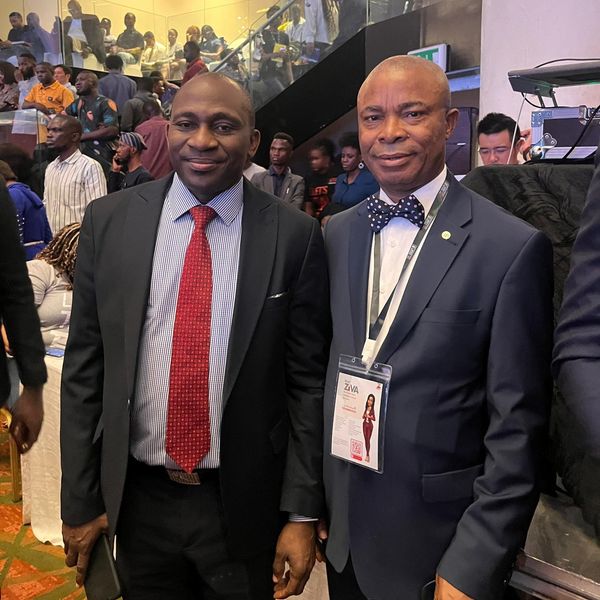
Ethnos, a leading player in information security, unveiled Aquila, its advanced mobile application scanning and security solution, at the recently concluded Tech Fair 2023 hosted by Zenith Bank. This debut marks a significant leap for Ethnos, reinforcing its standing as a trailblazer in cybersecurity within Nigeria.

Aquila garnered widespread attention at the Tech Fair, captivating technology enthusiasts, stakeholders, and observers with its cutting-edge features for securing mobile applications. Peter Ejiofor, CEO of Ethnos, expressed gratitude for the invitation from Zenith Bank, highlighting the enduring trust and confidence the bank has placed in Ethnos.

Ejiofor remarked, “Our participation in this event underscores the unwavering trust Zenith Bank and its organizers have in us. Our longstanding partnership has been instrumental in fostering this trust. We are here to showcase our extensive expertise in cybersecurity and reaffirm our commitment to delivering exceptional solutions.”

During a media briefing, Ejiofor provided insights into Aquila’s capabilities, emphasizing its ability to comprehensively scan .apk and .ipa files for vulnerabilities, offering robust protection and monitoring against potential threats. This aligns with Ethnos’ mission to provide world-class cybersecurity solutions and nurture local talent in the cybersecurity realm.

Olamide Ajayi, Head of Development for Aquila, underscored the significance of the product, stating, “Aquila is a security platform designed to scan mobile apps for vulnerabilities such as insecure data storage, weak authentication, code tampering, and more. It’s a critical solution for organizations committed to safeguarding their products from potential breaches.”

In addition to Aquila, Ethnos introduced its cost-effective Managed SIEM solution, aimed at monitoring, preventing, and remediating cyber threats. Miracle Chukwudebe, a Security Architect with Ethnos, highlighted their dedication to offering affordable cybersecurity solutions, especially catering to small businesses.

“As an organization, we take immense pride in our exceptional team, dedicated to ensuring the security of our clients’ cyber assets,” concluded Ejiofor.

Ethnos presented an array of security solutions at the Zenith Bank Tech Fair 2023, including Security Training, Managed Security Services, Compliance Certification (BAU), and CISO as a Service. The event served as a platform to unveil their latest offerings, particularly focusing on enhancing digital asset protection through the Managed SIEM Platform.

The Zenith Bank Tech Fair 2023, aimed at promoting a deeper understanding and utilization of emerging technologies, featured Zecathon, offering startups and tech enthusiasts a platform to showcase innovative solutions. Outstanding ideas presented at the fair stand a chance to receive grants and support from Zenith Bank.

With over a decade of experience in deployment, development, and support solutions, Ethnos has established itself as a trusted partner for businesses seeking top-tier cybersecurity solutions.


In a notable shift towards challenging gender stereotypes, several influential figures are making a powerful statement by grooming their daughters as successors to their vast empires. This progressive approach underscores the belief that the capabilities of a child should be the primary consideration, irrespective of gender.

In 2012, Dr. Ngozi Okonjo-Iweala, Director-General of the World Trade Organization (WTO), was recognized as one of Forbes’s 100 Most Powerful Women in the World. This honor, coupled with her inclusion in TIME magazine’s list of the most influential people on earth the previous year, highlights her remarkable achievements.

Similarly, Aliko Dangote, renowned for his substantial wealth, has chosen not to be concerned about the absence of a male heir. Dangote has three accomplished daughters—Halima, Fatima, and Mariya—who are being groomed to inherit and lead the Dangote Group. Contrary to traditional norms, Dangote values his daughters equally and believes in their ability to carry on his legacy.

Tony Elumelu, the Nigerian billionaire and UBA chairman, echoes this sentiment by designating his first daughter, Oge, as the chosen successor to his global empire. Elumelu’s approach emphasizes merit and capability over gender, breaking away from conventional expectations. His commitment to grooming Oge as the heiress to his legacy sends a powerful message about the potential and significance of the girl child.

These visionary leaders challenge societal biases, emphasizing that no gender is superior. They demonstrate that empowering and investing in the education of the girl child is not just an act of fairness but a strategic decision that benefits society as a whole.

In the pursuit of gender equality, these individuals contribute to dismantling barriers that have traditionally held women back. They serve as exemplars for progress, reinforcing the idea that every individual, regardless of gender, should have equal opportunities to fulfill their potential.

Congratulations are extended to Dr. Ngozi Okonjo-Iweala, Aliko Dangote, Tony Elumelu, and all parents who consciously choose to empower their daughters with the best education available. This progressive shift marks a positive step towards a society that recognizes and embraces the capabilities of individuals irrespective of gender.


Dr. Glory Enyinnaya, an innovative entrepreneur, strategic consultant, and management educator, recently delivered a stirring valedictory speech on behalf of the Ph.D. graduating class. Dr. Enyinnaya’s address illuminated the transformative journey of earning a Ph.D. and emphasized its profound societal impact beyond academia.

In her speech, Dr. Enyinnaya emphasized that a Ph.D. isn’t solely about conquering challenges but rather a metamorphic process shaping graduates into lifelong scholars. She urged her peers to acknowledge the global reach and enduring impact of their research efforts, dispelling the misconception that their work remains confined within academic circles.

Highlighting the significant contributions of her peers, Dr. Enyinnaya celebrated the privilege of publishing in prestigious journals such as Cogent Management and Business Journal, International Journal of Social Economics, International Journal of Professional Business Review, and the renowned Harvard Business Review. She underscored the immense potential for their contributions to resonate globally, fostering lasting societal change.

In her endeavor to debunk the belief that a Ph.D. lacks the power to change the world, Dr. Enyinnaya shared inspirational stories of influential figures like Professor Clayton Christensen, stressing the transformative nature of academic pursuits. She emphasized the profound responsibility scholars bear in applying their knowledge for the greater societal good.

Moreover, Dr. Enyinnaya passionately highlighted the potential impact of African intellectual contributions in uplifting communities and driving socio-economic development. She urged graduates not merely to add pages to library archives but to become catalysts for progress and advocates for marginalized communities.

Expressing gratitude to all who supported their collective journey—teachers, spouses, mentors, peers, and more—Dr. Enyinnaya emphasized that a Ph.D. represents not just a destination but a launchpad for positive change. She toasted to a new chapter of discovery, growth, and shaping a world eagerly awaiting their brilliance and compassion.

Dr. Glory Enyinnaya


By Temitope Ajayi

The number of delegates from Nigeria attending the ongoing Climate Summit in Dubai otherwise called COP28 has generated a lot of controversies and strong social media conversations in the last 24 hours. It is important to set the record straight and provide some clarity. To begin with, the Summit is tagged COP which means Convention of Parties. The ongoing Summit in Dubai with over 97,000 delegates from more than 100 countries around the world is the 28th in the series since the issue of climate change and action took preeminent stage in global affairs. COP27 took place at Sharm El-Sheikh in Egypt last year.

When the world comes together to take actions on achieving a common goal and proffer collective solutions to a nagging global concern, there are parties involved from government, private sector, civil society, media and multilateral institutions. The people coming together to advance their different agenda and interests from governments, businesses and civil societies are the parties to the convention who represent various shades of opinions and pushing for various mitigating actions.

In Nigeria like so many other countries, interested parties comprising government officials from both the Federal and sub-national governments, business leaders, environmentalists, climate activists and journalists are present in Dubai. Also participating are agencies of government such as the NNPC and its subsidiaries, Ministry of Niger Delta Affairs, NIMASA, NDDC. Many youth organisations from Nigeria especially from the Northern and Niger-Delta regions whose lives and livelihoods are most impacted by desert encroachment and hydrocarbon activities are also represented. The President of Ijaw Youth Council, Jonathan Lokpobiri, leads a pan-Ijaw delegation of more than 15 people who registered as parties from Nigeria. Among delegates from Nigeria are also over 20 journalists from various media houses.

Their participation is very important. It is not for jamboree as it is being mischievously represented on social media.

It is important to state here that delegates from all countries whether from government, private sector, media and civil society groups attend COP summits and conferences as parties and the number of attendees are registered against their countries of origin. This does not mean that they are sponsored or funded by the government. It must be said also that the fact that people registered to attend a conference does not also mean everyone that registered are physically present.

As the biggest country in Africa, biggest economy and one with a bigger stake on climate action as a country with huge extractive economy, it is a no-brainer that delegates from Nigeria will be more than any other country in Africa.

Among the delegates from Nigeria are UBA Chairman, Tony Elumelu, Abdul Samad Rabiu, Chairman of BUA group, and other billionaires whose businesses are promoting sustainability and climate actions through their philanthropies. These businessmen and women and their staff who came with them to promote their own business interests are part of the 1,411 delegates from Nigeria. Their trip to Dubai is not funded by the Federal Government.

United Nations Climate summit, by its very nature, commands attendance of big names from across the world – statesmen and women, politicians, lawmakers, corporate titans, journalists and activists, etc who promote big global agenda. So, people attend the summit for many reasons. And because climate issue is the biggest global issue of the moment, it is not surprising that over 97,000 people including Prime Minister Narendra Modi of India, King Charles of United Kingdom, Prime Minister of Netherlands, Mark Rutte, U.S.

Vice President Kamala Harris, US Special Envoy on Climate Change and former Secretary of State, John Kerry, President Bola Tinubu, United Nations Secretary General, Antonio Guterres, World Bank President, Ajay Banga, International Monetary Fund President, Kristalina Georgieva, World Trade Organisation Director General, Ngozi Okonjo Iweala, Africa Development Bank President, Akinwumi Adesina, former US Vice President and Nobel Peace Prize Winner, Al Gore and almost 100 Heads of States and Governments converged on Dubai for COP28. It is the first of its kind in the history of the summit because of the importance of climate change to global well-being.

After the opening and national statements by Heads of States which began from November 30 when the summit opened and up until Saturday December 2, 2023, the real work of COP28 which are the technical sessions and negotiations, financing, etc will begin from Monday, December 4 till December 12 where agreements will be reached on many proposals for consideration and ratification by the parties.

Those with sufficient understanding and knowledge on climate matters know that issues around the subject have layers and multiplicity of factors that require experts from various fields. There are lined-up technical sessions on financing climate actions at sub-national levels, regions and local governments. State Governors from Nigeria such as Governor Babajide Sanwo-Olu of Lagos, Dapo Abiodun of Ogun, Umo Eno of Akwa-Ibom have been really busy with their officials at COP28, making presentations, speaking at panel sessions and pitching some of their sustainability projects to development partners and investors.

Multifaceted stakeholders from different countries including Nigeria are on ground in Dubai because they don’t want decisions that will affect them to be taken without pushing their own agenda. It is the reason delegates from China and Brazil are over 3000 respectively. China is one of the world biggest polluters and Brazil is at the centre of global climate debate with her Amazon rainforest. These two countries know important decisions that will affect them will be taken and they have to move everything to be fully on ground and ensure they are fully represented by their best brains at every level of discussion and negotiation.

Like former President Muhammadu Buhari and other African leaders who demanded fair deal and climate justice for Africa at previous UN Climate summits, President Tinubu is leading the charge at COP28 on behalf of Nigeria and the rest of the continent, demanding from the West that any climate decision and action must be fair and just to Africa and Nigeria in particular, especially the debate around energy transition. President Tinubu has been unequivocal in his position that Africa that is battling problems of poverty, security and struggling to provide education and healthcare to her people can not be told to abandon its major source of income which is mostly from extractive industries without the West providing the funding and investment in alternative and clean energy sources. President Tinubu and other officials on the Federal government delegation are in Dubai for serious business not jamboree. Our President has been very busy representing our country well. Since Thursday morning when he arrived Dubai, President Tinubu has spent not less than 18hours daily in attending very important sessions, pushing our national agenda whilst holding bilateral and business meetings on the sidelines.

-Ajayi is Senior Special Assistant to the President on Media & Publicity

By Rainer Jeske, Consultant at Datacentrix

 A number of key South African organisations are potentially incurring significant losses due to ‘ghosts’ – that is, ghost employees, who exist on paper within business or government departments, but not in real life.

This issue is criminal rather than paranormal in nature, whereby ghost employees are one of the most prevalent types of occupational fraud, perpetuated through illicit payroll activities, and potentially resulting in substantial losses for the organisations concerned, whether at the level of a business or government entity.

And South Africa is not isolated in battling against this type of payroll theft: there have been many instances reported across Africa and even further afield, including the discovery of more than 80,000 ghost workers in the Nigerian police force; 30,000 on the Mozambican government payroll; and ghost employee scams also taking place within Zimbabwe and Kenya.

Ghost workers are not exclusively a challenge for the public sector either; large organisations with diverse environments can be just as vulnerable. To mitigate the risk and to protect organisations, leaders are needing to invest in technology that is capable of accurately defining positive identity, thereby ensuring transactional validity, assuring trust and data integrity, and enforcing accountability.

The Association of Certified Fraud Examiners (ACFE) is the world’s largest anti-fraud organisation, with more than 90,000 members. In 2022, a global fraud study by the ACFE found that payroll fraud resulted in substantial financial losses overall, and that the presence of ghost employees was a key element of payroll fraud[1], accounting for nine percent[2] of reported cases globally.

The ACFE report notes: “Try as they might, organisations cannot prevent all fraud; if an organisation is operational long enough, eventually an employee will commit fraud. Consequently, the ability to quickly detect fraud is crucial. Our research indicates that the median duration of fraud – that is, the typical time between when a fraud begins and when it is detected – is 12 months. Additionally, the longer a fraud remains undetected, the greater the financial loss[3].”

How do ghost workers enter the system?

Ghost workers, who are fictitious employees loaded onto payroll and business systems with the simple goal of defrauding the organisation or committing a crime, can enter the system through a variety of methods. These include being loaded or left in the system by corrupt employees, or introduced by threat actors looking to do more than just defraud the payroll.

Many government institutions battle with the ongoing ghost employee challenge as they manage a vast network of databases, systems and computers that do not adhere to the highest level of data integrity. Tracking the ghosts is a daunting task, and that’s assuming that the business even knows that they are there.

For public sector organisations and large businesses around the world, it is imperative to create a comprehensive integrity management system, effectively managing and overcoming the challenges around counting employee heads accurately, and ensuring that there is comprehensive visibility into the complexities of ghost employees, duplicate records and potential insider threats.

So … who are you going to call?

‘I ain’t afraid of no ghost’ is the saying in Hollywood, when the legendary heroes of the ‘Ghostbusters’ movies are called in – but these won’t work as well in the digital world.

Instead, Datacentrix, a leading hybrid ICT systems integrator and managed services provider, encourages organisations to consider a unique transaction security solution, such as its own eDNA identity and access management (IDAM) solution that institutes people accountability across all critical enterprise applications. This solution is designed to eradicate ghost employees and any other forms of fraudulent transactions from public and private entities, validating employees through a fool-proof biometric identification process. This would include forensically examining and assessing specific transactions to ensure that the DNA of the payroll and other critical applications’ activities are tied to a physical person, providing legally reputable evidence of every activity undertaken in the systems. This provides organisations with an exceptional additional layer of preventative security.

eDNA presents nine steps to trusted data

Datacentrix’s eDNA solution follows an authentication and trusted data management process to ensure that an organisation’s individual identities and data are secured in the following order:

1.     Secure enrolment that is compliant with positive identity governance, POPIA and Electronic Communications and Transactions (ECT);

2.     Three-factor digital authentication that uses biometrics, then a PKI certificate, and finally a smartcard;

3.     A secure access gateway, where logon is only permitted via eDNA’s three-factor digital authentication process;

4.     Customer sensitive data transactions are performed that need to be secured;

5.     Business rules are defined for tracking sensitive transaction data;

6.     Transactions done with eDNA are signed and sealed at the data’s source; 

7.     Using the basis of a business intelligence and alert system to build customer frameworks for business rule tracking and reporting;

8.     The solution allows for the forensic production of legally accepted data evidence; and

9.     A tamper-proof system that ensures all computing facilities adhere to an end-to-end highest security level data platform and ultimate data protection.


The prevalence of ghost employees reflects broader issues of corruption and unethical behaviour, which can produce negative effects within society at large.

As noted by Nigerian Professor of Accountancy, Emmanuel Ikechukwu Okoye: “Fraud has become one of the greatest threats to the world economy. It is a global problem, not only in terms of its impact on our major corporations and key financial institutions, but also its effect on smaller companies and the wider public who indirectly pay for the losses through increased costs of goods and services”.

Rooting out ghost employees – and ensuring that systems are in place to make sure that they stay banished – is therefore an imperative undertaking for any organisation.

For more information on Datacentrix’s eDNA offering, please contact Rainer Jeske by emailing rjeske@datacentrix.co.za 

About Datacentrix:

Datacentrix provides leading ICT integration services and solutions to South African organisations, ensuring their success and sustainability into the digital age. The company’s approach is to partner with its customers, equipping them with valuable insight and helping to align their ICT undertakings with their business strategy.

Datacentrix offers a deeply specialised skills component and is endorsed by the world’s foremost technology partners. The company is recognised for its agility, in-depth industry knowledge, proven capability and strong overall performance.

Datacentrix is a Level One (AAA) B-BBEE Contributor, with 135 percent procurement recognition. For more information, please visit www.datacentrix.co.za.

 

Predicting the future can be tricky, and some may say even more so in the world of IT.  Though not for Routed who confidently shares that it’s likely we’ll see a 2024 with tighter budgets, increased local and sovereign cloud uptake, and more AI hype than action, according to Andrew Cruise, Managing Director at Routed, a local VMware Cloud Verified provider and VMware Principal Partner.


The pace of change in the technology sector has always been brisk, as demonstrated by the rapid development and massive innovation that occurred in 2023. As we prepare for 2024, it’s clear that developments in IT will continue to reshape the business world.


2024 will see continued tightening of IT budgets.  “While this is not specifically a South African thing, or even unique to IT, there does appear to be a general negativity in the market. One area where this may be playing a role is in the uptake of cloud, as the tightening of the belts is to the detriment of the hyperscale cloud providers, who are now beginning to appear expensive,” he says.


“At the same time, however, the enterprise’s outlook on the cloud is maturing, as are the actual cloud offerings out there, so while hyperscalers may be impacted, it also becomes clearer that when it comes to cloud, there’s a hat for every head, so to speak.” Cruise notes that while the tightening of budgets has impacted IT spending, the issues organisations have with hyperscalers do not spill over to the rest of the cloud. In fact, he says, there is a lot of positivity around the cloud, and particularly around local cloud operators. This, he adds, is because there are plenty of good stories coming out of the local arena.


“One of these is the sovereign cloud story, which is especially relevant to VMware cloud providers. This sovereign VMware cloud appeals to the public sector, which is why we are increasingly seeing partners coming to us with public sector tenders that list ‘VMware Cloud verified’ as a requirement.”


“So, all told, there has been a positive trend towards local cloud, sovereign cloud, and overall cloud maturity in the last year, with VMware cloud providers, in particular, gaining more attention.”


Of course, beyond the cloud, we have seen the rise of artificial intelligence (AI). Cruise draws parallels between the current AI trend and the late 1990s/early 2000s internet boom, highlighting the challenge of translating technological advancements into profitable business models.

”When it comes to a radical new technology like this, it’s easy to be caught up in the hype, simply because your competitors are doing it. However, it is my feeling that currently, AI is mostly hype. I believe it will be very important at some later stage, but certainly not in the next year or two, as everybody else seems to think,” he continues.


“For one thing, with AI, we can see that the market is very badly affected by the lack of technical ability, relevant technology skills, and overall competence. For this reason especially, we are cautious about over-investing too soon.”


Another challenge that will still be there in 2024, he adds, is the obvious exchange rate problems, which tend to come in waves. This is because sentiment changes, causing rates to fluctuate. Sadly, these fluctuations tend to lead to the exchange rate falling further – something that significantly affects South Africa, because all its hardware and software comes from overseas, and is denominated in dollars.


“There is a general inflation caused by the fluctuating exchange rate that ultimately affects all IT, although in the case of the cloud, it probably delivers benefits. After all, local cloud is usually priced in local currency, and local cloud providers will try and smooth over the currency fluctuations for their customers. Purchases from the hyperscalers, on the other hand, will likely be dollar-denominated.”


“While the more developed nations have already experienced the growth that comes with the cloud, I think there are still enormous opportunities in Africa. However, I don’t believe 2024 will be the year where Africa becomes the next big frontier. Ultimately, markets are based on the availability of money, and that is one thing Africa still lacks. Where the opportunities really lie in Africa in the near future is in the provision of fibre optic cable infrastructure, to deliver reliable, cheap, and fast Internet. This is, after all, the foundation on which the cloud is built,” says Cruise.


OPay, a leading player in the financial technology sector, extends heartfelt gratitude to the National Information Technology Development Agency (NITDA) for the honor bestowed upon us as the recipient of the Fintech Award at the recently concluded Digital Nigeria 2023 Dinner, an event orchestrated by the esteemed government agency.

The Fintech Award was presented to OPay following a meticulous and thorough selection process conducted by NITDA. Renowned for its commitment to establishing a comprehensive framework for the planning, research, development, standardization, application, coordination, monitoring, evaluation, and regulation of Information Technology practices in Nigeria, NITDA’s recognition holds significant value in the industry.

OPay expresses sincere appreciation to the government for acknowledging our contributions to the fintech landscape. We also extend our heartfelt gratitude to our valued customers, whose trust in our financial services has been pivotal to our success. At OPay, we remain resolute in our dedication to the mission of fostering financial inclusivity through technology.

As we proudly accept this award, we reaffirm our commitment to developing tailored products and services that empower our customers. Our unwavering focus on delivering unique, customer-centric experiences remains steadfast, catering to the needs of our tens of millions of users.

OPay is proud to be at the forefront of innovative financial solutions, and we look forward to continuing our journey of driving positive change and making financial services accessible to all.