Xion Global (PTY) Ltd,a leader in multi-chain web3 payments infrastructure, achieved a significant milestone by securing a CASP & FSP License in South Africa on the 29th of November 2023. This pivotal achievement enhances Xion’s stature in the financial sector and signals the beginning of an exciting new chapter in cryptocurrency usage across South Africa, in line with the global surge in digital currency adoption.
Globally, cryptocurrency adoption has seen a dramatic increase, with over 420 million users worldwide and an average global crypto ownership rate of 4.2% as of 2023. This reflects a robust global shift towards digital currencies. Countries like Nigeria, India, and the USA are witnessing significant growth in cryptocurrency holders, indicating a burgeoning global market.
Africa, and South Africa in particular, presents a significant opportunity for cryptocurrency growth and innovation. Factors such as the need for efficient remittance solutions and a large unbanked or underbanked population make cryptocurrencies an attractive alternative to traditional financial services.
Xion Global’s Role in This Evolving Landscape
As a regulated financial service provider for crypto assets in South Africa, Xion is well-positioned to play a crucial role in this era of digital transformation. The company’s commitment to stringent compliance practices, including AML, KYT, KYC, and KYB, aligns with global standards, ensuring transparency and accountability.
Xion’s infrastructure is designed to facilitate the seamless integration and use of cryptocurrencies, echoing the global trend towards digital currency adoption. The company’s strategy includes innovative technology for 1-click crypto payments, interbank deposit token transfers and multi-chain interoperability payments.
Vision for the Future
Xion Global aspires to contribute to financial inclusion and digital transformation by integrating cryptocurrency into everyday commerce. The company is enthusiastic about expanding its web3 payment services and infrastructure, foreseeing a future where digital transactions become the norm, particularly in a promising region like South Africa.
CEO Ronan Quarmby shares, “Securing these licenses in SA is a major step towards integrating cryptocurrencies into everyday transactions. It is in line with our goal of democratizing financial services and making them accessible to everyone.”
The acquisition of the CASP & FSP license by Xion Global marks a significant turning point in the adoption and integration of cryptocurrencies in South Africa. The company is committed to leading in web3 payments adoption and financial technology advancements.
With interest rates at their highest in over a decade, South African businesses and consumers have certainly been through the wringer. But this has also led to some creative thinking that could reap benefits for years to come.
Grant Phillips, Group CEO at digital transformation specialists e4, says he’s seen many businesses using this slower time to find ways to stand out amongst competitors – and it will pay off in the long term. “Slow economic growth is currently a global phenomenon, which has had a massive impact on profits and losses, putting discretionary spend on the back burner. So, we’ve been in talks with many of our clients about embedding technology into their environment to either optimise their digital ecosystems or improve operational efficiencies to create unique selling points.”
Some have looked to improve customer onboarding, for example, to reduce their costs to acquire customers and to then improve customer retention. Others have opted to reduce manual processes to improve turn-around times and customer experiences, he says. “Whatever pathway they choose, smart business leaders are working on market differentiation and optimised expenditure to ensure growth – now and into the future – in a contracted economy.”
At e4, this way of thinking has led to some exciting new avenues. With over 20 years’ experience in proptech and consumer finance, e4 is now piloting use cases of its products in the investment space. “We want to build a platform to remove the reliance on paper and reduce lead times for investment portfolio transfers,” explains Phillips. “We’re also working with large fund administrators to improve the way they measure, monitor and report on impact investments, particularly addressing unemployment, and skills development. Ultimately, this will ensure more effective use of South Africans’ tax money, bettering the country at large.”
The company has also branched out abroad, repurposing and expanding on its intellectual property to solve property challenges in the UK, he says. “While the two home buying ecosystems (in SA and the UK) are similar in many ways, there are a lot of nuances that distinguish them. In South Africa, we were instrumental in digitising the back end of several processes, while in the UK, the focus historically was more on digitising the identification of asset and homebuyer. We’re now looking to solve specific bottlenecks and blind spots in the home buying fulfilment process, with a land-and-expand mindset. As we become embedded in the UK ecosystem, we’ll explore other avenues where we can add value there. We already have a 20-year track record of solving similar challenges in other markets, and a wealth of experience to draw from.”
One of e4’s key strategies going forward is also to gain market share in the local conveyancing industry – again, building on its existing strengths but targeting a new market. Says Phillips: “We’ve done a lot of research and allocated significant investment to build on our existing offering and develop a market-leading technology product in the conveyancing arena. Because of our dominant footprint in the banking industry, we can provide insights to conveyancers about banks’ digital journeys so they can align their processes and procedures to walk in tandem with the banks and never get left behind.
This will improve their standing on the banks’ panel of approved attorneys, driving better transaction volumes. We also view every firm as a key partner, working closely with them to determine what their ideal solution looks like. For some, it means very little tech capabilities and simply optimising turnaround times. For others, it could mean removing the friction of switching technologies, such as assistance with effective training. We can glean incredible insights into a firm’s processes to improve procedures and timeframes – ultimately improving revenue.”
While it may be tough going for a while to come, forward-thinking companies can ensure that they’re ready for an economic upturn, says Phillips. “Use this downtime wisely to think of ways to improve processes and efficiencies and create new business avenues – and to capitalise on existing revenue streams when the time comes.”
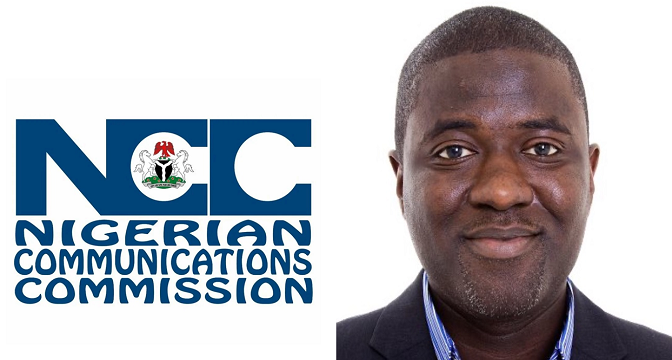
The Executive Vice Chairman of the Nigerian Communications Commission (NCC), Dr. Aminu Maida, has pledged that transparency will form the bedrock of his leadership as Nigeria’s chief telecom regulator as this will enable a solid foundation in building a resilient, accountable and efficient institution.
Maida spoke during a courtesy visit to the Hon. Minister of Communications, Innovation, and Digital Economy, Dr. Bosun Tijani in Abuja recently while briefing the minister on his activities, vision, and strategy since the assumption office in October 2023.
“Transparency is key. It is by transparency that we can self-regulate even as regulators. And by so doing, we would be putting ourselves on our toes, which in the long run will drive the Commission forward to achieve our goals of operational excellence,” Maida stated.
He commended the minister for leading by example in transparency in his leadership style.
“Honourable Minister, sir, one of the principles you have shown as a leader is transparency in all your activities and I must say that it is an attribute that has the potential to bring about a transformed industry that is accountable to both the people and the industry players,” he said.
The NCC boss conveyed his appreciation, through the Minister, to President Bola Ahmed Tinubu for finding him worthy of the responsibility to lead a critical sector of the economy.
The EVC told the Minister that the visit is a crucial one which gave him the opportunity to share with the minister, his vision and priorities for the Commission. Maida also said that these priorities were in tandem with delivering on the 5-Pillars of the Strategic Plan unveiled by the Minister.
“I have been on this seat for about six weeks, and it has afforded me the privilege of a bird’s eye view to understand things better, and identify areas that we urgently need to work on. We are currently carrying out an in-depth study and critical review of issues within the industry. One of the areas we are placing priority on is Quality of Experience,” Maida told the Minister.
“At my meeting with industry leaders, we were unambiguous that quality of experience (QoE) will not be negotiable. The Commission will take compliance in this regard seriously, and a standard of what is least acceptable will be set,” the NCC CEO stated.
Maida told the Minister that another priority area for him is broadband connectivity, which he considers as the biggest enabler of the digital economy and financial inclusion. He noted that these align with the 5-pillar agenda of the Ministry.
The NCC CEO also reflected on the need to maximise the potentials of innovations in some technological evolutions such as the 5G revolution in order to create more opportunities within the industry and further boost connectivity.
He informed the Minister that a review of internal processes at the Commission is ongoing to engender efficiency and responsiveness of the Commission, including the digitization of most of our operations.
“Under my leadership, the Commission will give priorities to the improvement of our regulatory activities. With this, we hope to see more investors come into the telecommunications industry in Nigeria, with the attendant creation of vertical businesses and increased Foreign Direct Investments, revenue generation, and employment”, Maida stated.
The EVC also said that “In all these, the goal is for the Commission to achieve optimal operational excellence which underpins the success of all other priority areas that we have set in order to achieve a significant all-round growth of the telecommunications industry”.
Maida equally recalled his visit to the Digital Bridge Institute in Lagos, where he met an institution with vast potentials that would be an asset in driving a knowledge-based economy, in line with the “Knowledge Pillar” of the Strategic Plan unveiled by the minister.
“Consequently, we will be prioritizing the revamp, retooling, and redirection of the Institute towards extracting its optimum value in line with our objectives,” the EVC said.
Dr. Tijani, who warmly welcomed the NCC boss, acknowledged the importance and relevance of the telecom regulator in achieving the nation’s digital aspiration.
“The NCC is a stellar agency, and you have my respect for the work that you do. There is no future for the country without the NCC. Already, the quality you have is good; what we need to do now is to tap into this quality to bring about greater value for the country,” Tijani said.
“I want to assure you that you have the best partner in me. We will work together to achieve the goals and vision we have set,” the Minister assured the NCC CEO.
The Minister of Humanitarian Affairs and Poverty Alleviation, Dr. Betta Edu has announced the Federal government readiness to build one million renewed hope shelters for Internally Displaced Persons (IDPs) and Refugees across Nigeria.
This Project according to the minister is in line with President Bola Ahmed Tinubu’s commitment to providing dignified shelters for the poor, internally displaced Persons and Refugees in the country.
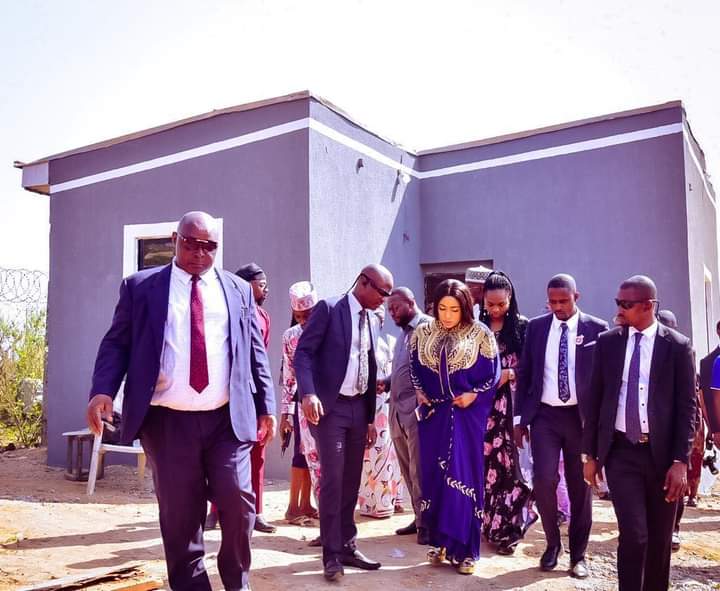
The Minister made this known during an inspection of prototype shelters of two sample houses (one bedroom & two bedroom) at Idu Industrial layout, Abuja.
She opined that both samples were built by the local people in that community for themselves, using local materials in ten days and very cost effective,the same that will applicable across Nigeria.
She said the Government wants to achieve the project in a record time ,because lots of IDPs exist in different parts of Nigeria and they need a befitting shelter they can call their homes.
Dr. Edu said
“what is also interesting about the project is the fact that we want to introduce the solar energy to it so that the shelters are not dependent on the National Grid, but they can use the solar energy to provide at least the basics such as light, charging their phones and do their basic ironing and whatever they need to do with light in the locality”.
The Minister further stated that Mr. President directed that the shelters be built by the local community to provide them with skills and economic empowerment.
” The project is not a contract or to be build by a contractor.The local community will be given the dignity of building the house they will live in. They will see it as their project, they will own it and they will not vandalise or destroy it”.
“To ensure quality control, the construction of the houses will be supervised by professional architects, engineers and support from the Federal Ministry of Works”
Dr. Edu said that the shelters will be built in Benue, Borno, Zamfara, Yobe,Cross River,Ebonyi and other states that have large numbers of IDPs, Refugees and extremely poor Nigerians.
According to her, the ground braking ceremony of the houses was done in Benue State where the building of forty shelters were flagged off.
She also disclosed that the Federal Executive Council has approved the Humanitarian and Poverty Alleviation Trust Fund. The Federal government will contribute 30 percent to the fund and the remaining 70 percent will be contributed by the Private Sectors, Donor Agencies, Development Partners, Philanthropists, Individuals, amongst others.
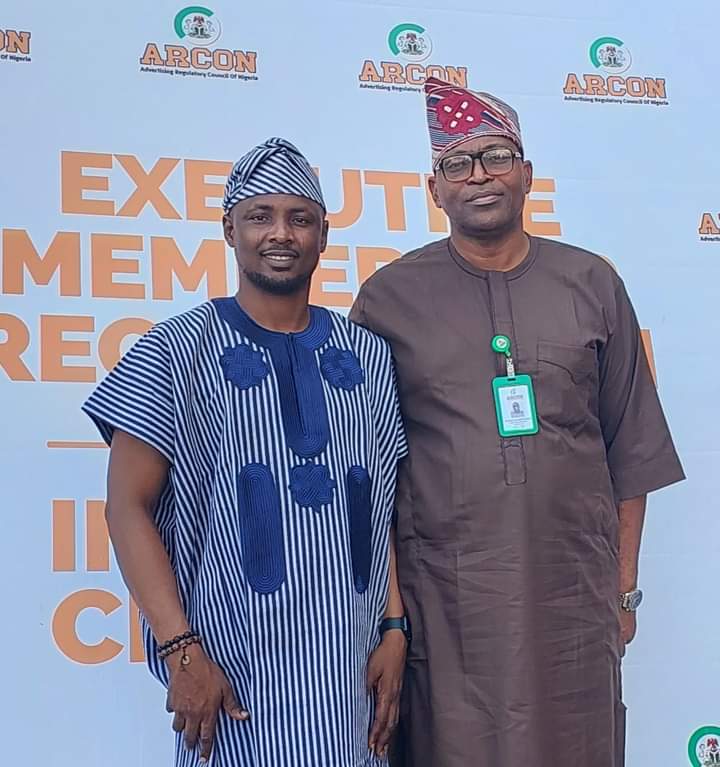
Yesterday, Wednesday, December 13, 2023, I was inducted, alonside other professional colleagues in the country by the Advertising Regulatory Council of Nigeria (ARCON) as Associate Registered Practitioner in Adverstising, qualifying me to use the acronym ‘arpa’ after my name as I was also officially listed in the honourable Register of Advertising Practitioners in Nigeria.
At the Induction Ceremony, which took place at Bolton White Hotel, Garki, Abuja, I had the privilege of ejoying the presence of our my Big Oga in the Office, the Director, Public Affairs, Nigerian Communications Commission, Mr Reuben Mouka, who was also inducted as a Full Member of ARCON, mrpn, and my direct supervisor in the office – the Head, Media Relations Management at NCC, Omoniyi Ibietan, PhD, who was inducted as Associate Registered Practitioner in Adverstising, arpn, as well.
At the event, I took the Oath of Advertising Practice and was issued a Certificate of Associate Membership of the Advertising Profession in Nigeria with Registration Number 7217 and other practice mementoes.
This new feat is in addition to my professional associate membership of the Nigeria Institute of Public Relations (NIPR), nipr; Member of the African Public Relations Association (APRA), mapra, and Member, Association of Communication Scholars and Professionals of Nigeria (ACSPN), macspn.
I thank Almighty Allah for this achievements as I hope to bring to bear my professionalism as a thoroughbred and complete Marketing Communucations Professional (MCP) in all I do at my place of work.
I must thank the Director of ARCON, Abuja Branch, Mr Jide Olishile, for his encouragement and support. I also indebted to my two Bosses – Mr Reuben and Dr. Ibietan for their supports and different laudable roles played in making this accomplishment possible.
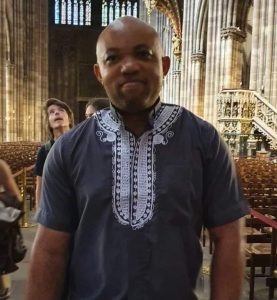
Since the event is about Advertising where CREATIVITY is usually expected, I decided to rock the the induction ceremony with my traditional attire to the admiration of other inductees at the event. In fact, some jocularly requested that I dash them the traditional attire.
I thank Almighty Allah for the new height. I also appreciate my family members, colleagues in the Office and friends for their love and support. God bless you all.
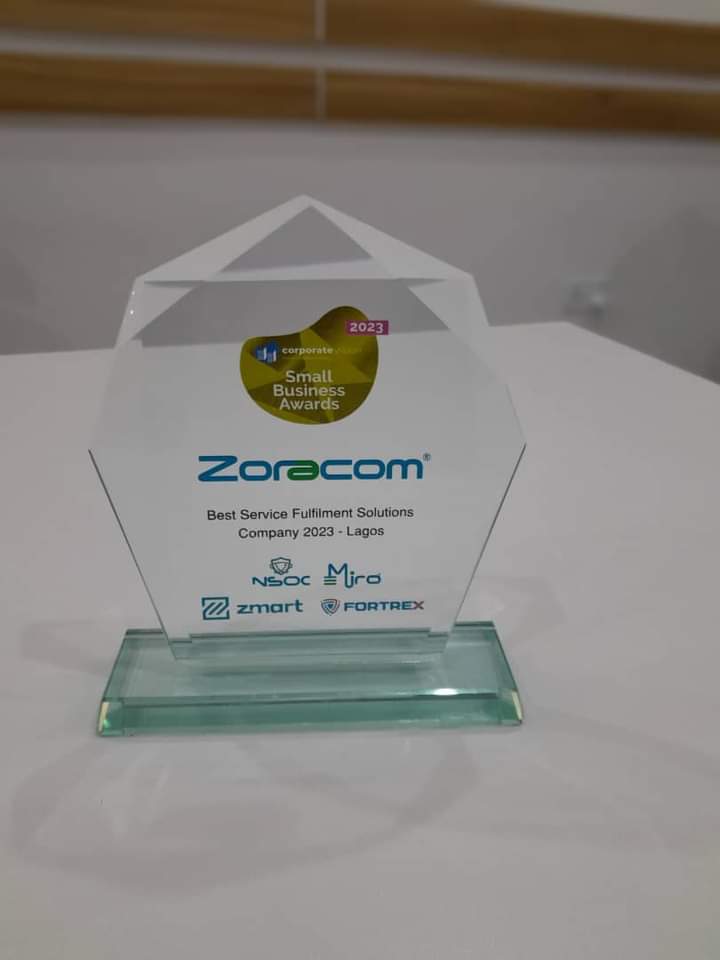
Zora Communications Limited proudly announces its prestigious win as the Best Service Fulfillment Solutions Company of 2023 in Lagos. This remarkable recognition, bestowed by Corporate Vision, underscores Zora Communications’ unyielding dedication to excellence and unparalleled commitment to delivering top-tier services.
This accolade stands as a testament to the unwavering efforts of the entire Zora Communications team, whose relentless pursuit of perfection has solidified the company’s position as an industry leader. Through innovative solutions and a customer-centric approach, Zora Communications has consistently surpassed expectations, setting new benchmarks for service excellence within the fulfillment solutions landscape.
“We are immensely honored and delighted to receive this esteemed award from Corporate Vision,” expressed John Nwachukwu, at Zora Communications Limited. “This achievement recognizes the hard work, passion, and expertise of our exceptional team. It fuels our determination to continue providing unparalleled service and innovative solutions to our valued clients.”
The recognition from Corporate Vision serves as a testament to Zora Communications’ commitment to exceeding client expectations and raising the bar in service fulfillment solutions. Embracing this accolade, Zora Communications remains steadfast in its mission to revolutionize the industry and set new standards for service excellence.
Zora Communications Limited is a pioneering force in the realm of service fulfillment solutions. Committed to innovation and client satisfaction, the company consistently delivers exceptional services, setting benchmarks for excellence in the industry.
Chidera Onuchukwu is a name that stands out in the African tech space for her exceptional contributions to software development, software security, and data analytics. Known for her expertise and innovative approach, Chidera has had a profound impact on industries ranging from small and medium-sized enterprises (SMEs) to large-scale corporations. Her work has left a lasting imprint on the oil and gas sector, as well as in banking, telecommunications, and government, positioning her as one of Africa’s most influential and respected technology professionals.
With her expertise in cloud technologies, software security, and data analysis, Chidera has demonstrated how technical proficiency, combined with a deep understanding of industry challenges, can enable businesses to thrive in an increasingly digital world. Through her work, Chidera has transformed operations, enhanced security protocols, and empowered organizations to leverage data to drive strategic decision-making.
A Leader in Software Development and Security
Chidera’s remarkable career has been defined by her ability to craft secure, scalable, and efficient software systems that address the unique needs of businesses across sectors. As an engineer specializing in cloud technologies and software security, she has played a pivotal role in enabling companies—from SMEs to large organizations—adopt digital solutions that boost productivity and ensure resilience.
For small and medium-sized enterprises (SMEs), which are often constrained by budget limitations and a lack of in-house expertise, Chidera has developed innovative, cost-effective solutions that make it easier for businesses to move to the cloud without compromising security. She has been instrumental in helping these enterprises secure their digital infrastructure, improve operational efficiency, and gain a competitive edge in a rapidly evolving marketplace.
Chidera’s work has proven invaluable for industries where data security is paramount. By leading projects that integrate cutting-edge security features, she has provided businesses with robust protection against cyber threats, while ensuring that their data remains safe and compliant with industry regulations.
Transforming the Oil and Gas Sector in Nigeria
Chidera’s influence in the oil and gas sector in Nigeria stands as a testament to her ability to apply technology to solve real-world challenges. As one of the most critical industries in the country, oil and gas face a unique set of hurdles, including managing complex logistics, regulatory compliance, and data security issues. Chidera has applied her expertise to address these challenges through innovative software solutions.
Her work on TapeTrack, an asset tracking platform, has been a game-changer for companies in the oil and gas industry. By streamlining asset management, enhancing security, and improving the transparency of supply chains, Chidera has helped firms in Nigeria and beyond boost operational efficiencies while ensuring better compliance and data integrity.
Moreover, her focus on software security has been critical in protecting sensitive data within these organizations. In an industry where data breaches and cyber threats are ever-present, Chidera’s solutions have ensured that oil and gas companies can rely on their digital infrastructure for secure, uninterrupted operations.
Harnessing the Power of Data for Strategic Growth
Chidera’s technical expertise also extends into the world of data analytics, where her ability to derive actionable insights from large datasets has been invaluable to businesses in multiple sectors. As data becomes increasingly central to decision-making processes, Chidera has empowered organizations to make informed choices that drive growth, reduce inefficiencies, and maximize profitability.
In sectors like oil and gas, telecommunications, and banking, Chidera has used data analytics to enable organizations to gain deeper insights into their operations, predict trends, and optimize their strategies. Her ability to transform raw data into clear, actionable intelligence has helped businesses navigate complex challenges, improve forecasting, and make data-driven decisions that keep them ahead of the competition.
By integrating data analysis into business strategies, Chidera has not only improved organizational efficiency but has also contributed to the wider digital transformation efforts taking place across industries in Nigeria and Africa.
Mentorship and Empowering Future Tech Leaders
Beyond her technical achievements, Chidera is also a passionate mentor and advocate for diversity and inclusion in the tech industry. She is dedicated to empowering the next generation of tech professionals, particularly young women, through various mentorship programs. Chidera’s mentorship focuses on nurturing technical expertise, leadership skills, and a mindset of innovation.
Through her programs, she has helped countless aspiring tech talents in Nigeria and across Africa break into the tech industry. Her approach emphasizes the importance of building resilience, fostering leadership qualities, and cultivating a forward-thinking approach to problem-solving. Chidera’s commitment to mentorship ensures that the next generation of African tech leaders will not only be skilled in their respective fields but also prepared to navigate the challenges of an ever-changing digital world.
Recognition and Impact Across Industries
Chidera has received widespread recognition for her contributions to technology. One of her significant achievements was being named the Beacon of Information & Communications Technology (ICT) Award winner for Software Security Personality of the Year in 2022. This prestigious award recognized her outstanding work in the field of software security and highlighted her role in shaping the cybersecurity landscape in Africa.
In addition to this, Chidera has garnered multiple awards and accolades from organizations across Africa. Her work has been recognized by key players in various sectors, including MTN, Zenith Bank, NNPC, and government agencies in Nigeria. These recognitions underscore her expertise and the lasting impact her work has had on industries critical to Africa’s economic growth.
A Driving Force in Africa’s Digital Future
Chidera Onuchukwu is not just a software engineer—she is a driving force in Africa’s digital transformation. Her ability to bridge the gap between software development, security, and data analytics has allowed businesses across Nigeria and Africa to thrive in an increasingly digital world. Whether empowering small and medium-sized enterprises or helping large corporations streamline their operations, Chidera’s work continues to shape the technological landscape.
As one of Africa’s leading tech talents, Chidera remains a beacon of innovation and leadership, constantly striving to build solutions that meet the evolving needs of businesses. Her legacy as a leader in software security, cloud technologies, and data analytics will undoubtedly continue to inspire future generations of tech professionals across the continent.
Having completely lost every hope in the government owing to the myriads of socio-economic plagues bedeviling the country, many Nigerians have decided to put their hopes in miracles as a way out. This of course has given rise to a new business: the selling of miracles. Yes. Demand is the mother of supply. The more you pay, the bigger miracle you are promised.
It pains to see how many Nigerians are into this buying and selling. I ask myself where our generation is headed to with this mentality. I ask myself where we got this bizarre mentality from. It was not practiced by our forefathers. It is not practiced in the land of those who brought us Christianity neither did our missionaries practise or taught us that.
Of course, what else can one expect from a country where quality education has suffered, died and has been buried. A country where people without school certificate rule over professors and where graduates are jobless. A country where workers cannot feed their dependents and where some privileged but jobless few swim in wealth. A country where rumours are preferred to facts.
Rather than putting heads together to see how to solve their socio-economic woes, Nigerians have taken a lazy and cowardice option: waiting for miracles.
If that is how societies are built and sustained, rather than training his apostles for the work of evangelisation, Jesus would have miraculously made every human being to believe in him.
Rather than confronting the rulers of his time who impoverished the people, Jesus would have miraculously made them good leaders.
Rather than encouraging human beings to feed the hungry, he could have miraculously made sure that no one suffers hunger or poverty.
Rather than healing only a few people, he would have healed everyone miraculously or ensured that no one becomes sick.
Instead of encouraging us to be peace makers, he could have miraculously made peace where ever there is strife.
Rather than sending his only Son to become man in order to save the world, God would have commanded salvation from heaven.
Rather than demanding his followers to love each other, he would have miraculously turned them lovers of one another.
No. He did not do any of these miracles which he has the powers to do. He rather commanded us to do them ourselves because human soceities are built by human beings through dedication and hard work and not through miracles.
The highest miracle has already been done and that is the creation of man and woman in God’s image and likeness. Being created in his image and likeness means that we were created to be co-creators with God. We are required to continue the miracles with our hands on the ground but with our mind focused on God.
Fr. Angelo Unaegbu
When Jesus performed miracles in the Bible, he did them so that people might believe in him and not as solution to socio-economic challenges. The same is with today’s miracles. When they occur, they are meant to awaken our believe in Jesus as our messiah and the Son of God and not as a way of solving societal problems.
The Bible itself is very clear on this point. Thus, at the end of the miracle narratives by the evangelists, the Bible states, “Jesus performed many other signs in the presence of his disciples, which are not recorded in this book. But these are written that you may believe that Jesus is the messiah, the son of God, and that by believing you may have life in his name.” Cf Jn.20: 30-31. Read it again: that you may believe that Jesus is the messiah. Yes. That is the reason for any miracle.
Show me any progressive and peaceful soceity and I will show you a people that solved their problems themselves realising that they are co-creators with God. Show me on the other hand any poor soceity and I will show you a people who want God to come down from heaven and solve their problems for them or a people waiting on someone else other themselves to solve their problems for them. Of course God cannot do that otherwise he will be making a caricature of his own creation.
Do we really realise the powers and abilities God built in us human beings? Do we actually know the resources God put in our disposal for our own good, that are yet undiscovered and untapped?
It has been proven that we human beings dont make up to 5% use of our brain. And yet people are still asking for miracle! Do we call that greed or ignorance or what?
It is a mockery of creation when we don’t realise the miracle of our being and the duty to alleviate the problems of our world with it.
Each time we make use of our miraculous God’s given talents, we praise and give glory to God who bestowed us with them. We simply live up to the reason why God created us. Hence the Latin adage: laborare est orare meaning “to work is to pray”/ Ora et Labore – “pray and work”.
God did not for intsance miraculously throw down the medicine to cure malaria or thyphoid from heaven. No. He did not throw down televisions, telephones, refrigerators, cars, aeroplanes and so on. Never. He simply gave us the knowledge and ability to discover them ourselves.
We don’t make these things but we discover them. The verb “discover” or “uncover” means that it has been lying there before now but “covered”. What we have to do is to “discover” or “un- cover” what was “covered”. Most of the miracles we seek have been done long ago. Our duty is to “un-cover” and claim them. If we don’t do that, we have ourselves to blame not God.
Rather than gathering people to be shouting from night till morning for a sick person, go and sponsor a research in the university to discover its cure (if hitherto unknown). Rather than praying for jobless people to become millionaires, simply form a work cooperative organisation. That is the only way to meaningfully solve human problems.
Nigerians will be praying for God’s miracle to help them travel overseas where human beings did not rely on miracles to develop. What a contradiction!
Jesus did not come on earth to perform miracles otherwise he would have been seen as a failure.
He did not find the Church as a miracle centre either but as a community of believers.
If miracles and healings and prosperity constitute the aim of Christianity then Christianity is a failure because in the history of humanity no one has suffered more persecution, hate, sickness, poverty and death than those who believed in Jesus.
Wealth and belief in God do not belong on the same page. Otherwise Jesus himsef would have been rich, his mother and foster father Mary and Joseph would have been rich, his apostles and desciples would have been rich. His friends Mary and Mather would have been rich.
Those who believe in Jesus are not promised wealth but the kingdom of God. If not, the litany of the saints of the Church would have been litany of rich men and women. Rather than extolling wealth Jesus eulogised poverty. That is why the religious in the Catholic Church take the vow of poverty till date.
Saints like Francis of Assisi and many others were born rich but chose become poor for the love of Jesus. They gave away everything they had to the poor and followed Jesus.
This however does not mean that wealth is evil. Wealth is praiseworthy as long as it is not acquired at the expense of others and as long as it does not neglect the plights of the needy.
If you are a “man of God”, please do not tell people what God will do for them, (no one knows that even), tell them rather what God has done for them. Tell them to thank God like the psalmist, for the wonder of their being, for the miracles already done which are lying waste untapped in and around them. Help them to discover themselves and appreciate God in thanksgiving for it.
It is very clear that the major cause of the problems in Nigeria is bad leadership. It is the will of God to demand good leadership from leaders through every legitimate means rather than hoping on a miracle that will change their hearts. Jesus did not do that. John the baptist did not do that. The prophets did not do that. They rather confronted the leaders. As people were buying and selling in the temple, Jesus did not pray for a miracle to stop them. No. He drove them away with his hands.
When people start going to Church mainly for economic prosperity rather than for cultivating virtues like love of God and neighbour, humility and selflessness, they become ultra-capitalists, envious, egoistic, ingrates, proud and ungodly. They make a carricature of the creation, the salvific mission of Jesus and the identity of the Church as the body of Christ.
Anyone who worships God because of material gains is not a believer in God but a merchant because he forgets God as soon as the problems are solved or refused to be solved. He is a counterfeit Christian. To such people Jesus said: most assuredly, you seek me not because you saw the signs but because you ate of the loaves and were filled. Jn. 6:26.
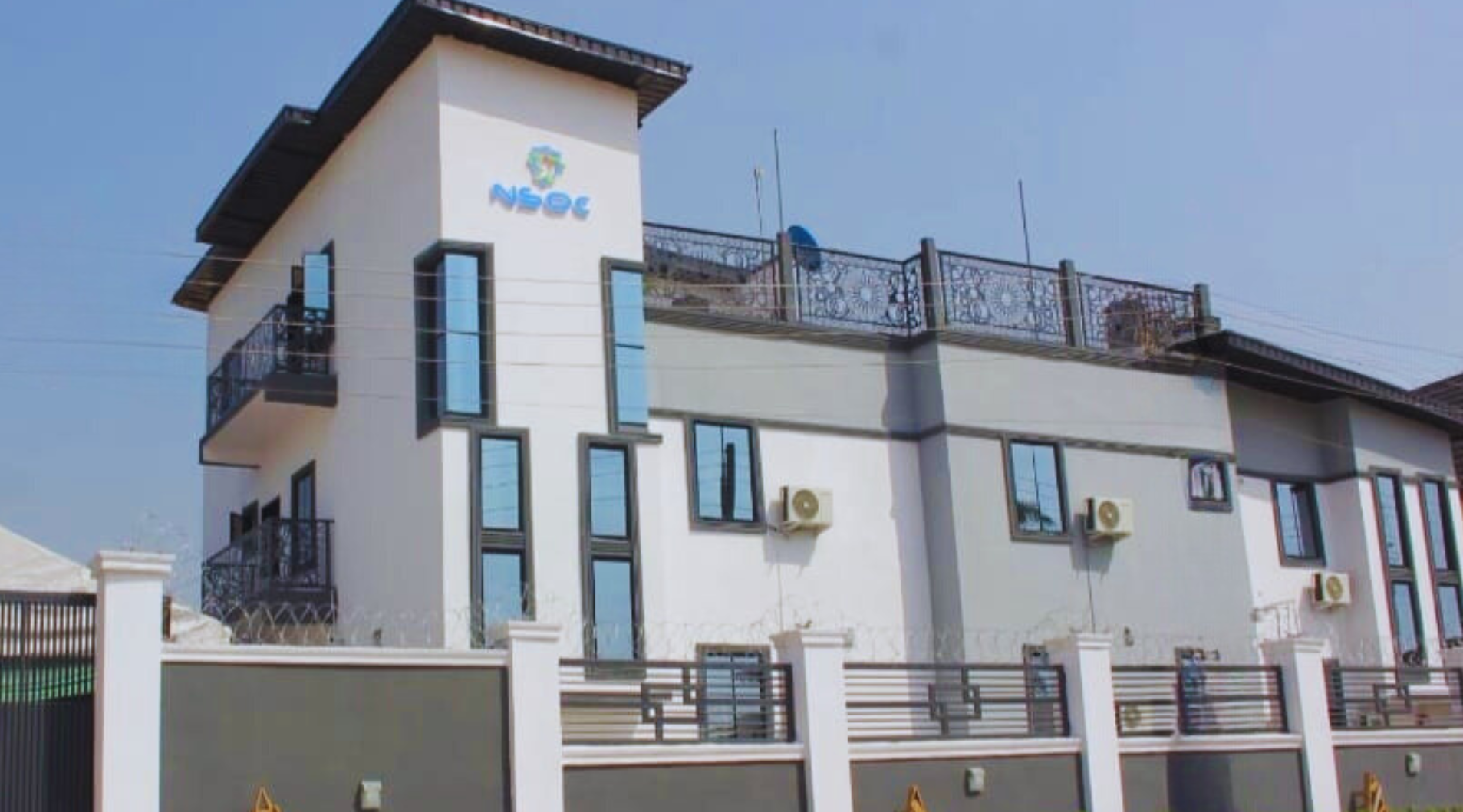
In an era of rapid digitalization where organizations worldwide are heavily investing in digital assets, the persistent threat of cybersecurity breaches has underscored the critical need for robust cybersecurity partners. Rising to meet this demand is Zoracom, a technology company for cybersecurity, observability and infrastructure management based in Lagos that has achieved significant milestones since the establishment of its Network and Security Operations Center (NSOC), touted as one of the most sophisticated in both Nigeria and Sub-Saharan Africa.
Zoracom’s NSOC has made remarkable advancements in capacity building for cybersecurity experts and the mitigation of digital breaches. Speaking at a media parley, John Nwachukwu, Chief Strategy/Executive Officer – CSEO of Zoracom, emphasized the evolving nature of the digital landscape, stating, “As the digital landscape is constantly changing, and it is becoming increasingly difficult to protect against the various forms of cyberattacks that are targeting organizations of all sizes.”
Zoracom has strategically invested in state-of-the-art technologies and strategies within its NSOC (Network & Security Operation Centers) to stay one step ahead of cyber attackers. The facility specializes in providing cybersecurity solutions and network monitoring capabilities to public and private organizations, offering services such as network security monitoring, security incident response, vulnerability management, compliance management, security analytics, and security training and education.
Furthermore, Zoracom operates as a Managed Security Service Provider (MSSP), offering services such as threat analyses, ransomware detection, 24/7 expert-led threat monitoring and response, compliance monitoring, and forensic analyses. The company is committed to empowering businesses with the right technology to secure their digital footprint, gain flexibility, and achieve agility in connecting, securing, managing, and analyzing data.
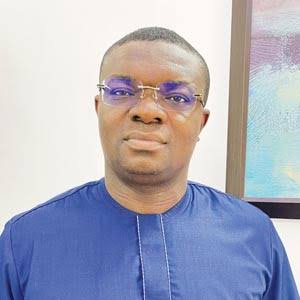
John Nwachukwu,Zoracom Boss
Highlighting their commitment to corporate social responsibility (CSR), Nwachukwu emphasized Zoracom’s engagement in Young Talent training within the community where they operate. He stated, “We proudly underscore our unwavering commitment to nurturing and empowering interns, fostering talent specializing in cybersecurity, network management, and software development.”
In the realm of cybersecurity training and awareness, Zoracom has achieved ISO27001 certification and provides training and programs to keep businesses informed about the latest cybersecurity best practices.
Expanding their impact, Zoracom has played a pivotal role in maintaining a reliable and efficient network and service management, enhancing the digital service and cybersecurity defenses in the telecom industry. The company proactively manage, monitors and maintains networks, including broadband access networks, mobile networks, LoRa Access Networks, Radio Networks, Optical/SDH, Ethernet, IP/MLS Aggregation, Optical, IP/MPLS Backbones, Security/Firewalls, Voice/Soft Switch, Change and Config management for MNOs
In response to the booming fintech sector in Nigeria, Zoracom has seamlessly integrated its services, offering data analytics, enhanced customer engagement through Miro – Service Management solutions, regulatory compliance, risk management, and innovations in payments. The company’s advanced data analytics services enable swift decision-making, while AI-powered solutions assist fintech companies in resolving complex queries. Zoracom’s risk assessment capabilities identify potential risks, while its automated network and service management solutions save time and reduce operational costs.
The cornerstone of Zoracom’s success is its cutting-edge NSOC facility, which is equipped with tools and resources to monitor network service and cyber threats in real-time. Launched in December 2022, the facility has brought a proactive approach to network monitoring and cybersecurity, resulting in various achievements and awards for the organization.
Looking ahead, John Nwachukwu outlined Zoracom’s vision, stating, “We envision an exciting chapter marked by strategic international partnerships that will propel us to new heights. With a focus on global collaboration, we anticipate forging key alliances with organizations from diverse countries to deliver excellent digital observability.
The Honourable Attorney General of the Federation and Minister of Justice, Prince Lateef Olasunkanmi Fagbemi, SAN has tasked stakeholders in the judicial parlance on needs to embrace restorative justice.
While justifying his stance, the AGF noted that there is currently a paradigm shift to Restorative Justice all over the world, saying Retributive System in operation failed to a large extent to solve issues involved in criminal Justice especially in solving crime and those impacted by the crime.
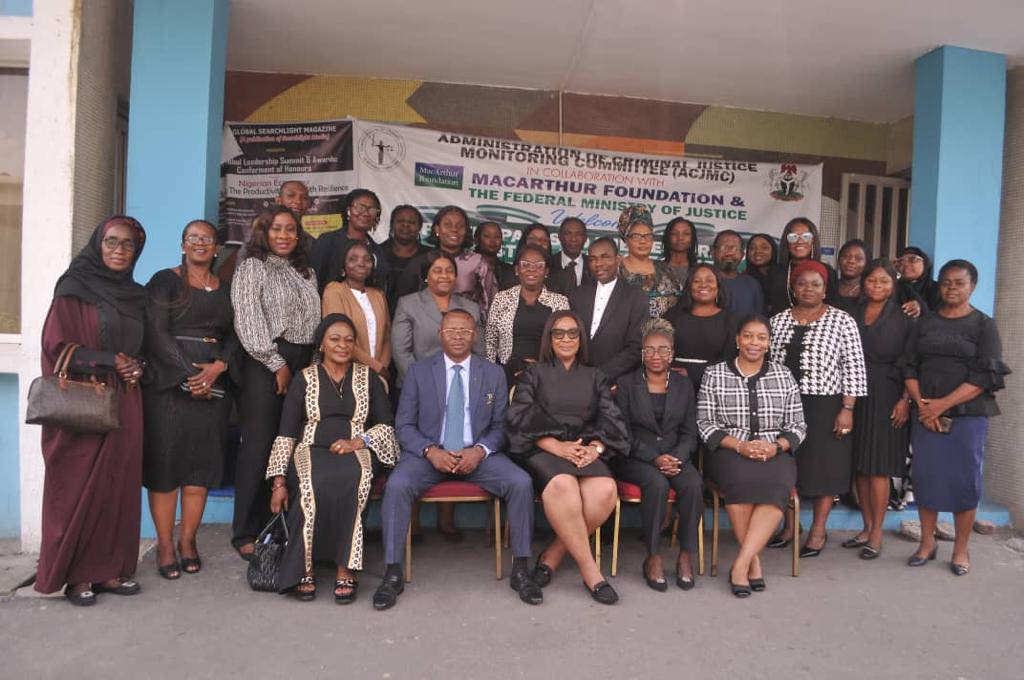
Fagbemi represented Director Administration of Criminal Justice and Reforms, Mrs. Leticia Ayoola-Daniels,stated this while giving a remarks at a 2-Day Restorative Justice Policy Retreat in Lagos.\
According to the Minister, the event marked a pivotal milestone in the establishment of the Restorative Justice Programme in the Federal Capital Territory (FCT).
He said: ” You are all gathered to consider, review and validate foundational documents including a Bill, policy document, training manual, practice direction, and necessary forms. The purpose of these documents is to lay the foundation for the systematic integration of restorative justice principles within our criminal justice system”.
“This initiative is contextualized within the ongoing efforts of the Administration of Criminal Justice Monitoring Committee (ACJMC), FMoJ and various stakeholders, aimed at strengthening the criminal justice system in accordance with the provisions of the Administration of Criminal Justice Act (ACJA) 2015.
“The goal is to craft a more inclusive, responsive, and effective justice system in the Federal Capital Territory and to ensure that the Restorative Justice process is realized in the FCT.
” The establishment of the Restorative Justice Programme in the FCT symbolizes our commitment to cultivating a more humane, inclusive, and effective criminal justice system.
“Through dialogue, accountability, and community involvement, we aspire to construct a system that not only administers punishment but also facilitates healing and transformation, thereby fostering a safer and more just society for all. I eagerly anticipate our collective efforts in realizing this vision.
“This gathering is not just as a routine occurrence but an opportunity to collectively contribute to the sustainable development of our criminal Justice system. I maintain confidence in the capacity of this meeting to achieve significant strides, and I am steadfast in my commitment to providing the leadership required to realise the objectives set forth by the ACJA. It is on this note that I declare this retreat opened.
“Unwavering commitment of each participants demonstrated the objectives of our respective MDAs and parastatals, aligning seamlessly with the provisions of the Administration of Criminal Justice Act (ACJA) 2015.
” Indeed, the positive outcomes of these collective efforts resonate at both individual and organizational levels,” he said.
While commending the Lagos State Restorative Justice and the Lagos State Ministry of Justice for their invaluable support throughout the process, the collaboration he added has been instrumental in guiding towards aligning efforts with Lagos State’s restorative justice framework.
“Furthermore, I wish to recognize and appreciate the outstanding work and collective contributions of various stakeholders, including the FCT High Court, the Federal High Court, the National Human Rights Commission, the NCOS, the Shariah Court of Appeal, FCT Police Command, Force Headquarters, Ministry of Women Affairs, Legal Aid Council of Nigeria, FCT Alternative Dispute Centre, NULAI and the Abuja Multi Door Court House.
” Special appreciation goes to our development partner MacArthur Foundation for their continuous unwavering support to the Administration of Criminal Justice and to the ACJMC Programmes,” he added.
Also speaking, Coordinator, Restorative Justice Centre, Lagos State Ministry of Justice, Mrs Adenike Oluwafemi explained that Section 372 of ACJA law Lagos State as amended 2021 now gives power to judges to award commensurate compensations in criminal cases where victims have suffered loses or injuries as a result of an action of a defendant.
Aside referral institutions like the police, office of the Director of Public Prosecution and Magistrates, Oluwafemi stated further that there were also practise directions to assist the magistrate before whom most of the cases are prosecuted.
While dwelling on challenges militating against the initiative, she cited parties unwillingness to consider restorative justice, vindictiveness on the part of victims and meeting up with terms agreement among others.