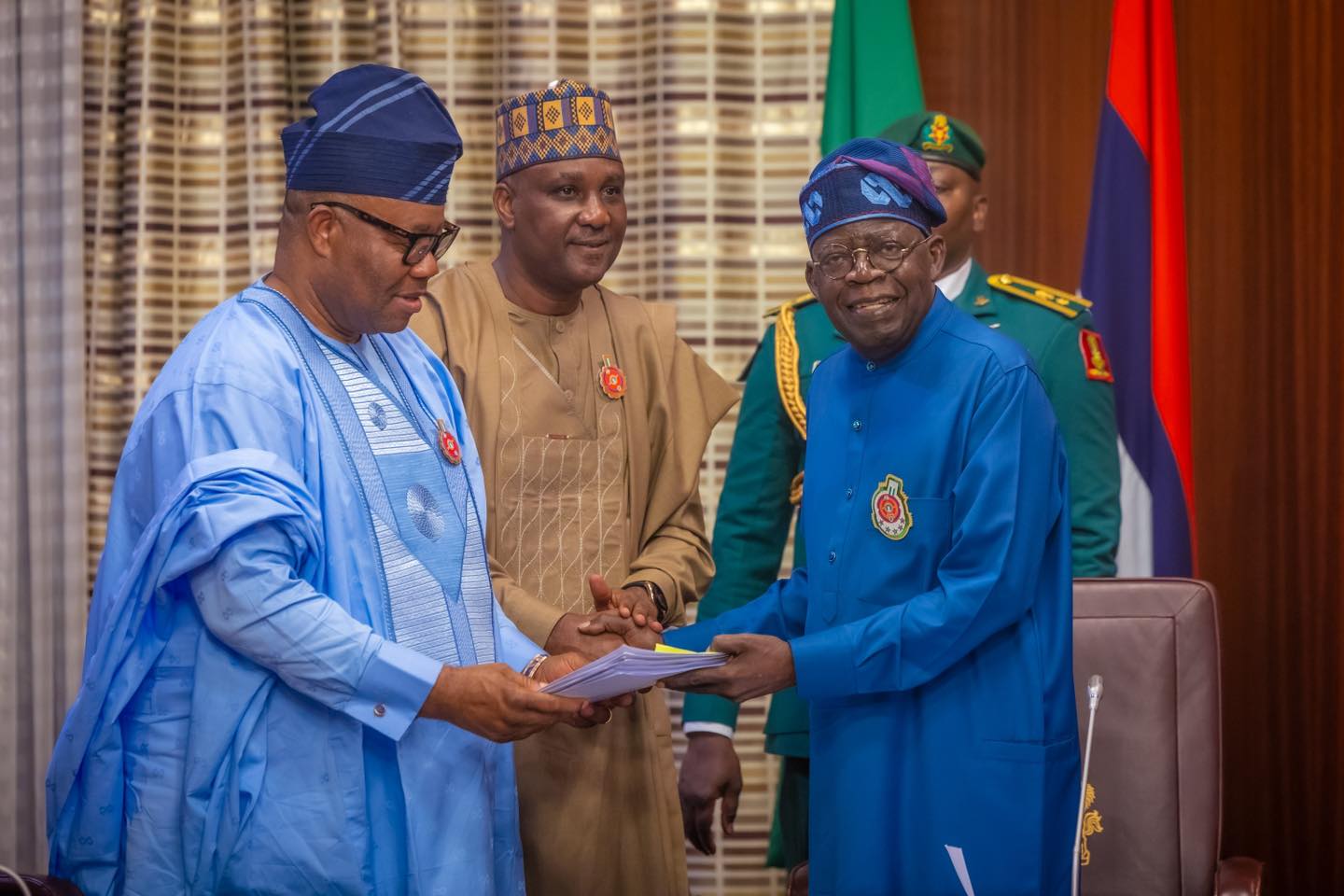
Bola Tinubu has officially signed the 2024 Appropriation Bill into law, underscoring his unwavering commitment to a timely, predictable, and efficient budget cycle. The signing ceremony took place at the State House on Monday, following the President’s return to Abuja from Lagos.

In a statement during the bill signing, President Tinubu assured Nigerians that the implementation of the budget would be pursued with efficiency and closely monitored. He emphasized, “All the institutional mechanisms shall be held to account in ensuring diligent implementation.”

To enhance transparency and oversight, all Ministries, Departments, and Agencies (MDAs) have been directed to take responsibility by providing monthly Budget Performance Reports to the Ministry of Budget and Economic Planning. The President highlighted the importance of these measures, stating, “The Minister of Finance and Co-ordinating Minister of the Economy shall hold regular reviews with the Economic Management Team, and, in addition, I shall chair periodic Economic Coordination Council meetings.”

The key priorities of the N28.7 trillion 2024 budget include defense and internal security, job creation, macro-economic stability, improved investment environment, human capital development, poverty reduction, and social security.

President Tinubu emphasized his commitment to enhancing investment promotion and creating a rules-based society. Key reforms in the Nigerian judiciary, funded through the 2024 Appropriation Act, signify a pivotal step towards this vision. “Funding the judiciary is a major element in our effort to support a just, rules-based society. Statutory transfer to the Judiciary has been increased from 165 billion naira to 342 billion naira,” stated the President.

The budget breakdown includes capital expenditure at N10 trillion, recurrent expenditure at N8.8 trillion, debt service at N8.2 trillion, and statutory transfers at N1.7 trillion.

Present at the signing ceremony were President of the Senate, Godswill Akpabio, and Speaker of the House of Representatives, Tajudeen Abbas. Other senior government officials included Minister of Finance and Coordinating Minister of the Economy, Wale Edun; Chief of Staff to the President, Femi Gbajabiamila; Minister of Budget and Economic Planning, Senator Atiku Bagudu, and National Security Adviser, Nuhu Ribadu.


Minister of Information and National Orientation, Mohammed Idris has said that the private sector has a leading role in actualizing the Federal Government initiative on Compressed Natural Gas in the country.

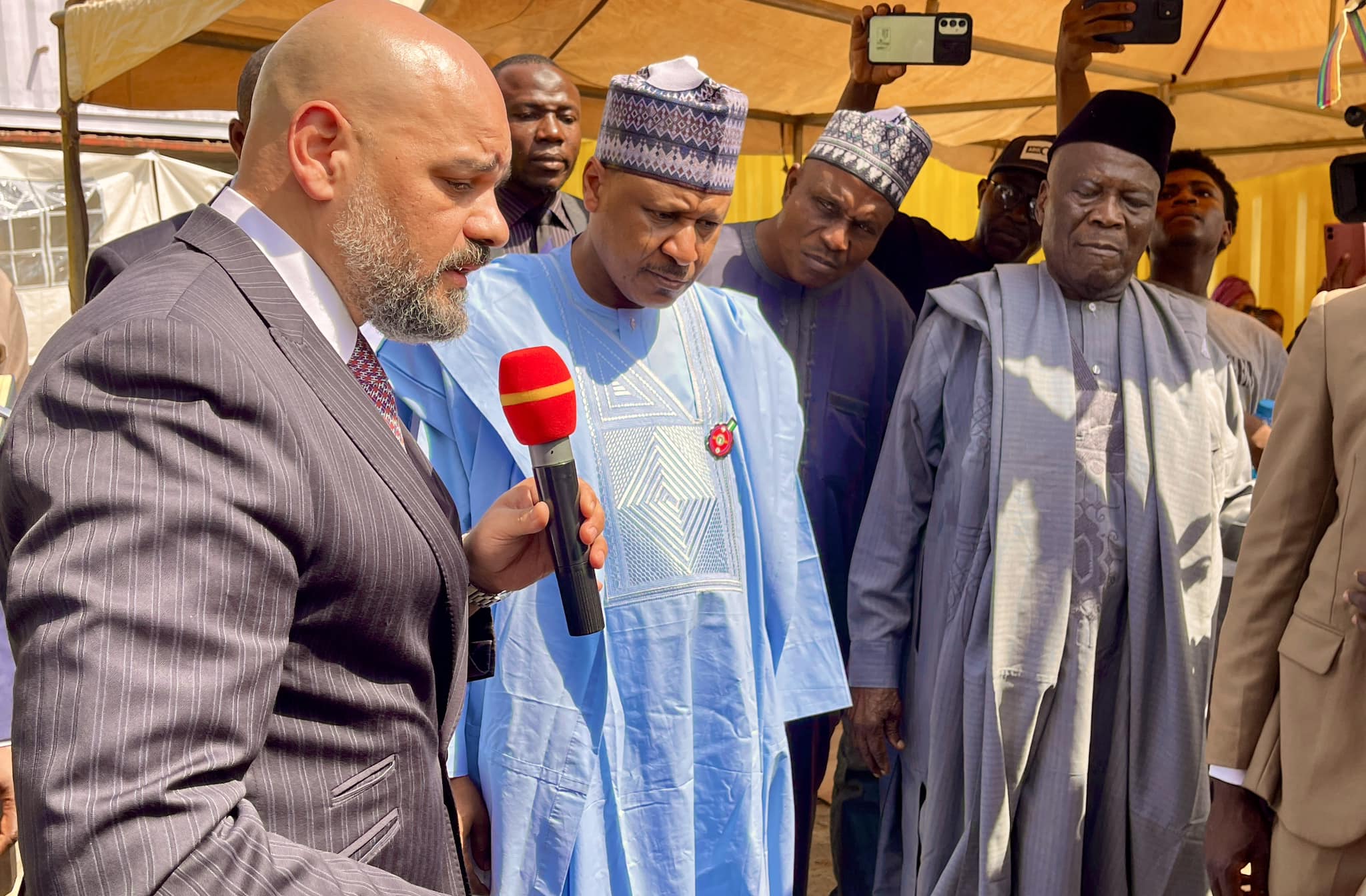
Idris stated this on Tuesday in Abuja at the commissioning of the ABG CNG Plant and graduation of 40 CNG Conversion Technicians.

Idris who described the effort of the ABG Group as noble and timely said the CNG has come to stay as a more cost-effective means in the transportation sector, and praised the foresight of President Bola Tinubu in leading the way toward the adoption of the CNG as a dominant alternative to premium motor spirits in powering commercial and private vehicles.

“The CNG is the future and it is therefore important for Nigerian entrepreneurs to seize advantage of government policy on the CNG by investing in the human and material assets required to grow its infrastructure across Nigeria,” said Idris.

The Minister explained that the government of President Tinubu has so far committed the sum of N100 billion in the first instance, towards the CNG, adding, that in fact, the CNG and its inherent opportunities appealed to the Nigerian Labour Congress and aided in their softening of grounds with the federal government.

Chairman of the ABG Group, Alhaji Bawa Garba said the CNG is a clean energy solution requiring government support and patronage to become immersive and showcase Nigeria as a “Gas Nation.”
“Our Group is thankful to President Tinubu for the bold decision to adopt CNG. We are always a pioneering company, and our involvement in the CNG initiative is underscored by training multitudes of CNG conversion engineers across Nigeria,” said Alhaji Garba.

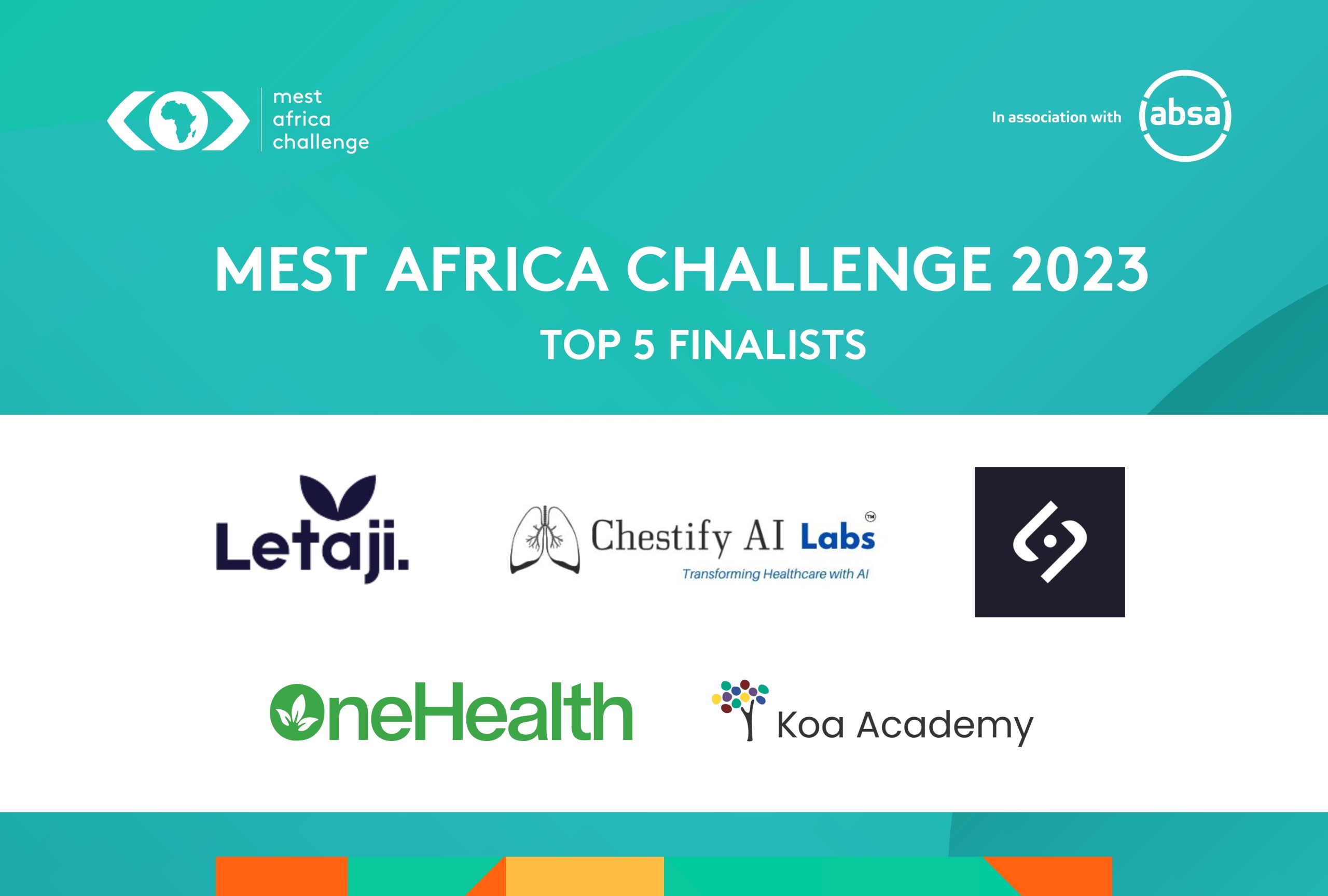
The MEST Africa Challenge (MAC) (MeltWater.org), an Africa-wide pitch competition for early-stage technology startups, is proud to announce the top 5 Regional Winners who will compete for the grand prize of $50,000 in equity.


These startups have emerged victorious after rigorous pitch sessions, beating out 40 competing startups from Ghana, Kenya, Nigeria, Senegal, and South Africa. The finalists represent diverse sectors, including fintech, health tech, e-commerce, and edtech.

Meet the Winners:

  • Letaji (Kenya): Revolutionizing the construction industry, Letaji is an online marketplace streamlining the process of purchasing building materials. It connects homeowners, contractors, and hardware stores directly with top suppliers.
  • Chestify AI (Ghana): This innovative platform enhances patient care by facilitating seamless connections and support among clinical professionals.
  • OneHealth (Nigeria): At the forefront of health tech, OneHealth offers an integrated platform for virtual consultations, connecting patients with doctors and diagnostic centers while managing prescriptions and test results online.
  • Sanya (Senegal): A visionary in IT edutainment, Sanya creates a unique blend of educational and entertainment digital products, fostering a community-based approach to tech learning for companies.
  • Koa Academy (South Africa): Pioneering the future of online education, Koa Academy stands at the forefront in South Africa with its innovative approach to digital learning.


The finalists are expected to pitch for the winning prize money at the end of January, an event that will be organized and hosted by MEST Africa.

Ashwin Ravichandran, Portfolio Advisor at MEST expressed his excitement about the upcoming finals: “The top 5 finalists of the 2023 MEST Africa Challenge are a testament to the remarkable innovation and potential within Africa’s tech ecosystem. Each startup has shown incredible prowess in their fields. We eagerly anticipate their presentations at the Final Demo Day, where they will connect with our dynamic network of entrepreneurs, investors, and partners.”

The MEST Africa Challenge, a flagship initiative of MEST Africa, plays a pivotal role in nurturing aspiring and early-stage tech startups across Africa. As a comprehensive training program, seed fund and network of hubs, MEST Africa is dedicated to empowering the next generation of African tech startup innovators.

This year’s challenge, in partnership with Absa Bank — a leader in African financial services committed to fostering innovation and entrepreneurship — highlights the collaborative spirit driving Africa’s technological advancement.

In his New Year Address to the Nation, President Bola Ahmed Tinubu expressed gratitude for the past year and outlined ambitious plans for Nigeria in 2024.

Acknowledging the challenges faced in 2023, President Tinubu emphasized the peaceful transfer of power and highlighted the nation’s commitment to democracy over the past 24 years. He reaffirmed his dedication to improving the country’s economy, bolstering security, revitalizing industries, and enhancing national productivity.

President Tinubu addressed tough decisions made to avert fiscal catastrophe, including the removal of fuel subsidies and reforms to the foreign exchange system. Despite acknowledging the resulting discomfort for individuals and businesses, he assured citizens that these decisions were made in the country’s best interest.

Speaking to concerns about rising costs and inflation, the President empathized with the Nigerian populace, vowing to energize the nation’s faith in Nigeria’s promise and urging citizens to commit to bettering themselves and the nation in 2024.

In outlining plans for the new year, President Tinubu highlighted ongoing efforts to address security challenges, accelerate the delivery of power projects, restart local refining of petroleum products, and enhance agricultural productivity. The administration is also focusing on economic reforms to improve the business environment and attract investments.

The President emphasized the 2024 budget’s priority areas, including defense, job creation, economic stability, human capital development, poverty reduction, and social security. He pledged to ensure every Nigerian feels the government’s impact, announcing the implementation of a new national living wage for workers.

President Tinubu underscored his commitment to governance excellence, warning against poor performance among his appointees. He stressed the establishment of a unit in the Presidency to enhance policy coordination, evaluation, monitoring, and delivery.

As he concluded, President Tinubu called for collective efforts in building a fair, equitable society and urged unity among Nigerians, irrespective of differences. He invited political opponents to collaborate for the country’s betterment.

The President’s message closed with an optimistic outlook, encouraging citizens to work together for a prosperous and stable Nigeria in the coming year.

In a recent statement on social media, David Hundeyin sheds light on the profound impact of the Obidient movement on the Nigerian political scene.

Before the 2023 elections, a thriving industry relied on information asymmetry and the perceived naivety of the Nigerian public. Individuals amassed fake followers and assumed titles like “Reputation Management Consultant” and “Strategic Communications Expert,” capitalizing on politicians’ willingness to pay significant sums for their services.

However, the landscape dramatically shifted when an individual from Anambra, with a distinctive voice, urged young Nigerians to “Go and verify.” This call to action dismantled the business model of those who had been preparing for the anticipated 2023 windfall. The influx of motivated young people aligned with the Obidient movement disrupted the established order within weeks.

The frustration voiced by some, particularly from the PDP camp, stems from their thwarted plans. The anticipated financial gains from the 2023 elections, earmarked for weddings and other pursuits, evaporated as the internet space became dominated by supporters of a candidate who spent minimal resources.

David Hundeyin, a prominent figure in this shift, acknowledges the animosity directed towards him. His commitment to providing free, high-quality information disrupted the status quo, rendering the usual tactics of certain individuals ineffective. Hundeyin takes pride in the impact he and millions of young Nigerians had during the 2023 election cycle, especially in dismantling the financial aspirations of those relying on deceptive social media practices.

In keeping to President Bola Ahmed Tinubu’s promise to support the transformation of the MSME space in Nigeria, the Office of the Vice President in collaboration with @BOINigeria is set to commence the disbursement of loans to MSMEs by January 2024.

The loans, totalling about N75 billion, will be given to small businesses across the country at an interest rate of 9 percent.

The Federal Government and the Bank will leverage existing platforms to provide the loans to small businesses, targeting women and youths.

Recall that the Federal Government has since the coming to office of the Tinubu administration, collaborated with stakeholders across the public and private sectors to provide massive support for MSMEs both in grants and loans.

Recently, the management of Access Bank Plc approved an upward review of its loan scheme for MSMEs from N30 billion to N50 billion.

The upward review, according to the bank, is to increase the number of beneficiaries of the bank’s loan scheme and impact more livelihoods.


.

The Nigeria Police Force has been inundated with enquiries concerning the planned demolition of the Police Officers Wives Association (POWA) Shopping Complex, Ikeja, Lagos. It has become imperative to properly establish that the complex, a property of the Nigeria Police Officer’s Wives Association, which is officially allocated to wives of Police Officers and their relatives, has been scheduled for demolition to enable the Force commence immediate construction of a modern shopping complex on the same land.

The decision to demolish and reconstruct is predicated on the fact that professional opinion indicate that the structure as it is constitutes a looming environmental hazard, as the site is prone to flood, and may be susceptible to sudden collapse, hence the need for immediate landscaping and reconstruction. The planned demolition and reconstruction will be in phases and is in good faith for the betterment of all concerned.

All necessary legal requirements have been duly met. The current occupants of the complex have been given more-than-enough notice of the demolition to enable their evacuation from the facility in good time, necessary steps have been taken to temporarily accommodate them within the same complex while the reconstruction lasts. Equally, the relevant Lagos State Government agency, according to its expert advice, has been approached, required help sought, and necessary approvals for demolition obtained.

While the demolition will proceed as planned, Nigerians are hereby urged to disregard frivolous claims, unsubstantiated protests, and media blackmail alleging wrongdoing and illegality on the part of the Force or the POWA. The Police and its affiliates, like the POWA, will always be committed to better welfare and standard of living for its personnel and their families.


Minister of Information and National Orientation, Mohammed Idris, has said that the promotion of patriotism and nationalism is a strategic approach to curb violent crimes such as banditry, kidnapping, and terrorism in the country.

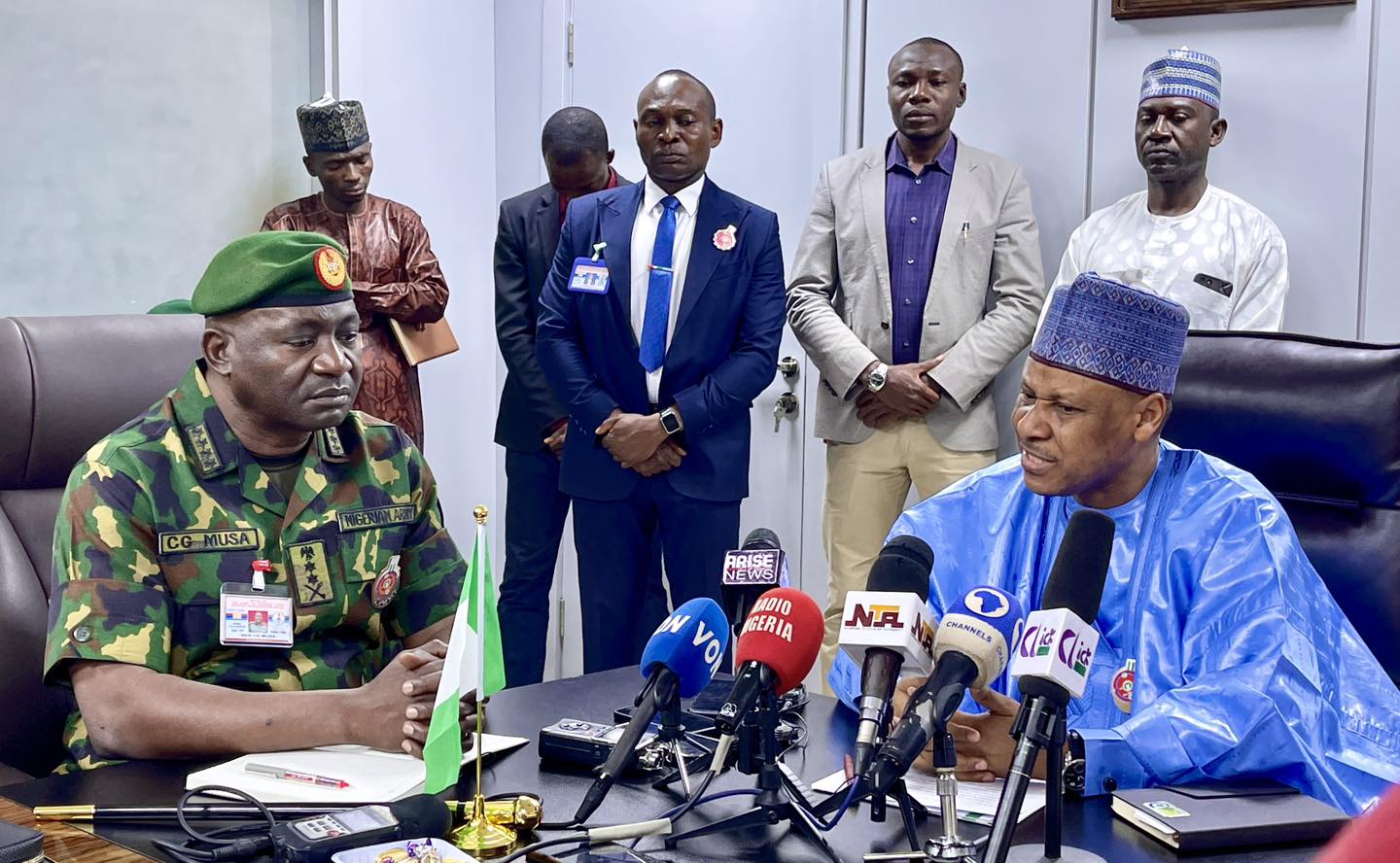
Idris, who stated this in Abuja on Friday when he received the Chief of Defence Staff, General Christopher Musa on a courtesy visit to his office, said the surest way to counter the wave of crime is to instill a sense of patriotism among citizens and foster a strong national identity as a united front against violent crimes.

“The concept of nationalism, nationhood, and patriotism must return, for us to have the unity and prosperity that all of us seek. We have seen a gradual erosion of our values – those values need to be reclaimed and we have to recover our senses as Nigerians.

“We need to go back to the drawing board and see where we got it wrong with the aim of getting it right this time around.

“I thank you so much for coming. We think that the collaboration that you require is for all of us to come together so that we fight insurgency and forge unity, development, and peace in this country. There is no way you can successfully fight this war without a frontal role for the Nigerian Media and Nigerians themselves,” he said.

Idris said violent crimes have adversely impacted the image of Nigeria hence the ministry bears the responsibility to manage and reshape the narrative about the country.

The Minister, who stressed that information management is critical to the fight against insurgency, said collaboration between the Ministry and the Military is crucial to forge a narrative that strengthens national security and launder the country’s image.

Idris said the ministry would soon launch a campaign of national rebirth as a deliberate effort to instill a renewed sense of patriotism among the citizens.

“Some of those things that we are talking about will take centre stage early next year when the President, hopefully, will lead the campaign of national rebirth. We want to talk about this concept of citizenship again,” he said.
The Minister also requested the military to reintroduce the programme of embedding journalists in military operations to provide firsthand insight into the theatre of operations thereby fostering a more informed and balanced narrative.
Earlier, the CDS, General Musa, said the visit to the Minister is part of their non-kinetic operations to build synergy between the military and the media because the challenges of asymmetric warfare being waged by the military, are people-centric where both the military and the criminals are fighting for the hearts and minds of Nigerians.

“This is part of the lines of operations that we are conducting to build synergy between the Armed Forces and members of the public and there is nowhere to start better than where information emanates from,” he said.

He called for the support of the public in the war against insurgency, terrorism, and banditry, stressing that the war is a collective endeavor of all Nigerians to defeat criminal elements challenging the sovereignty of the country.

General Musa said strategic communication is a key component in the war against terror as most of the terrorists were brainwashed to take up arms against their country.

He said through strategic communication and advocacy, the military was able to influence some of the terrorists to lay down their arms and surrender to the authorities. He noted that so far about 140,000 terrorists have voluntarily surrendered to the military.

He acknowledged that violent crimes have now moved beyond the realm of ideology to economic motivation, where criminals make huge sums of money through kidnappings, and banditry, among other crimes.

Heads of public information organs who accompanied the minister to receive the Defence Chief were the Directors General of the Nigerian Television Authority (NTÀ), Malam Abdulhamid Dembos; the Federal Radio Corporation of Nigeria (FRCN), Dr. Mohammed Bulama; the Voice of Nigeria (VON), Malam Jibrin Ndace; the National Orientation Agency (NOA), Mr. Lanre Issa- Onilu; the National Broadcasting Commission (NBC), Mr. Charles Ebuebu and the Executive Secretary, Nigerian Press Council, Mr. Dili Ezughah.

KnowBe4 (www.KnowBe4.com), the provider of the world’s largest security awareness training and simulated phishing platform, announced its 2024 cybersecurity predictions for Europe, the Middle East and Africa (EMEA) from its team of local industry experts.


Cyber threats are more sophisticated and complex than ever and evolving quickly with new technology like AI becoming increasingly advanced every day. Cultivating a security culture is paramount to strengthen an organization’s human firewall.


The predicted cybersecurity trends for 2024 include:


  1. Cloud service attacks 

A rise in attacks on cloud services unfortunately means that we will see successful attacks on either cloud providers or cloud-based applications or both. This will potentially result in loss of availability of services, breach of personal data and intellectual property. It is interesting to note that the UK is the most targeted country in EMEA and therefore has a higher likelihood for attacks.


  1. Collaboration and information sharing

We will see an increased focus on collaboration and information sharing between national and international cybersecurity agencies; and ultimately between public and private partnerships to combat cybercrime, address nation and state threats; and to proactively detect and respond to emerging cyber threats.


  1. Legislation on AI

Much needed legislation on AI, more specifically generative AI, will come to fruition throughout Europe in the next year. The laws are incredibly vague at the moment leaving them open for misinterpretation and abuse by organizations. The Digital Service Act and the proposed European Union AI Act are some of the legislation that will force generative AI providers in the EU to be more transparent and adhere to disclosure requirements, which will bring about clarity for organizations in terms of what is and isn’t allowed.


Cultivating a security culture is paramount to strengthen an organization’s human firewall

Similarly, Africa lacks AI legislation right now. However, three African countries, Mauritius, Egypt and Kenya, have made efforts to advance policy documents dedicated specifically to AI.


In contrast, the Dubai International Financial Centre (DIFC) has already enacted amendments to its Data Protection Regulations earlier this year. New requirements on the processing of personal data via autonomous and semi-autonomous systems, like AI, were introduced and were applicable as of 1 September 2023. This marks some of the first legislation in the UAE with regards to AI.


  1. Ransomware attacks to aim for supply chain services

Ransomware cybercriminal groups will continue to increase their attacks but will be more targeted and work to attack supply chain services to disrupt and damage organizations around the world.


  1. Internal training and AI to lessen the cybersecurity skills gap

According to ISACA, the EU currently has a shortage of between 260,000 to 500,000 tech workers. Microsoft’s Digital Defense Report shows that the demand for cybersecurity skills has grown by an average of 35% in Africa in 2022 alone, and a recent study by Trellix found that 66% of IT managers in the UAE and Saudi Arabia think that their organizations do not have the right people or processes in place to be cyber resilient.


This gaping hole in skills shortage is not going to be filled any time soon, leaving organizations vulnerable to cyber attacks. Organizations will have little choice but to employ tech workers with less desired qualifications and certifications to attempt to combat cybercrime. In addition, they will continue to fill the skills gap by training employees across departments to become the human firewall against cyber attacks; and using AI-powered defense for better threat detection and incident response.


  1. Disinformation campaigns to lead to extortion schemes

Disinformation campaigns will be used to launch attacks or distract from ongoing attacks. We can expect to see related service offerings on the dark web, giving rise to disinformation as a service. This will impact politics and the private sector. Disinformation becomes a tool in the tool set of cybercriminals seeking to extract money from legitimate private businesses through extortion schemes. Attackers will increase their use of deep fakes, including video and voice.


  1. Privacy by demand

Privacy regulations are forcing organizations to adapt and we will see privacy by design and user experience privacy gain traction. In particular, the use of generative AI in organizations, ethical considerations and privacy by design will become more prevalent.


  1. Cyber resilience will become a priority

Ensuring that organizations continue to function despite cyber attacks will continue to be a top strategic priority for many, acknowledging that having such a strategy in place is vital. Organizations will place greater emphasis on developing and nurturing a security culture, as it’s one of the best ways to protect their data and systems from cyber attacks; and to ensure that attacks are detected and reported quickly if successful.


“Cyber attacks like phishing are getting more difficult to detect,” said Stu Sjouwerman, CEO, KnowBe4. “It is imperative that employees keep the threat of phishing attacks top of mind and not become complacent. This is only made possible by recurrent security awareness training and simulated phishing so that end users have the knowledge to identify phishing attacks, report them and better protect their organizations. It comes down to building a strong security culture and we will see organizations continue to focus and build on this in 2024.”


The predicted trends were collected from KnowBe4’s EMEA’s team of security awareness advocates who are experts with decades of experience in the cybersecurity field. For more information on KnowBe4’s team of experts, visit https://apo-opa.co/3R6ALM5

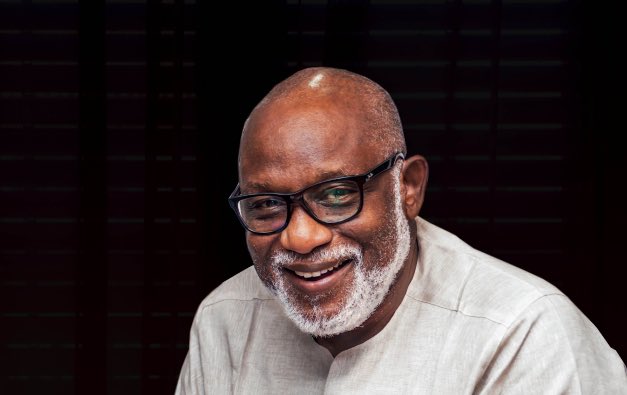
It is with profound sorrow that President Bola Ahmed Tinubu announces the passing of Oluwarotimi Odunayo Akeredolu, the esteemed Governor of Ondo State, a beloved brother, and a stalwart leader.

Rotimi Akeredolu, a fearless defender of justice, left an indelible mark on our nation through his unwavering commitment to equity and fairness. As a senior advocate, attorney general, President of the Nigerian Bar Association, and Governor of Ondo State, he tirelessly advocated against injustice, leaving an enduring legacy.

In the face of security challenges, Rotimi’s advocacy led to the establishment of local police in the South West, showcasing his commitment to a more secure nation. His tenure as Governor of Ondo State saw remarkable progress, with extensive infrastructure development, educational initiatives, and healthcare facilities that transformed the landscape.

President Tinubu, a close confidant, recounts their joint journey as members of the progressive family, fighting battles for progressive governance across the South West, Edo State, and Nigeria. Rotimi’s uncommon courage as a legal luminary shone in the pursuit of justice, notably in reclaiming stolen mandates.

Governor Akeredolu’s untimely departure is not just a loss to the people of Ondo State but a blow to the governing APC and the entire progressive family. President Tinubu extends condolences to Rotimi’s family, urging them to find strength in this national tragedy. The President also expresses hope that Acting Governor Lucky Aiyedatiwa will uphold the visionary governance left by the late political leader.

As the nation mourns a fighter and fearless defender of truth, President Tinubu pledges to honor Rotimi Akeredolu’s memory and ensure that his legacy of service is never forgotten.