

By Anthony Emeka Nwosu
Every year, malaria claims hundreds of thousands of lives around the world, with Africa carrying the overwhelming burden. Nigeria alone accounts for a significant share of global malaria cases and deaths, making the search for smarter, faster and more effective solutions more urgent than ever.
While medicines, insecticide-treated mosquito nets and public awareness campaigns have helped reduce the disease over the years, experts believe the next breakthrough could come from an unexpected source—artificial intelligence.
At a high-level strategic workshop hosted by Sproxil Nigeria in Lagos, government officials, researchers, technology innovators and healthcare professionals gathered to explore how AI-powered technologies can strengthen malaria diagnosis, improve disease surveillance and generate real-time data to support better public health decisions.
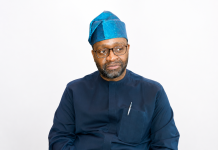
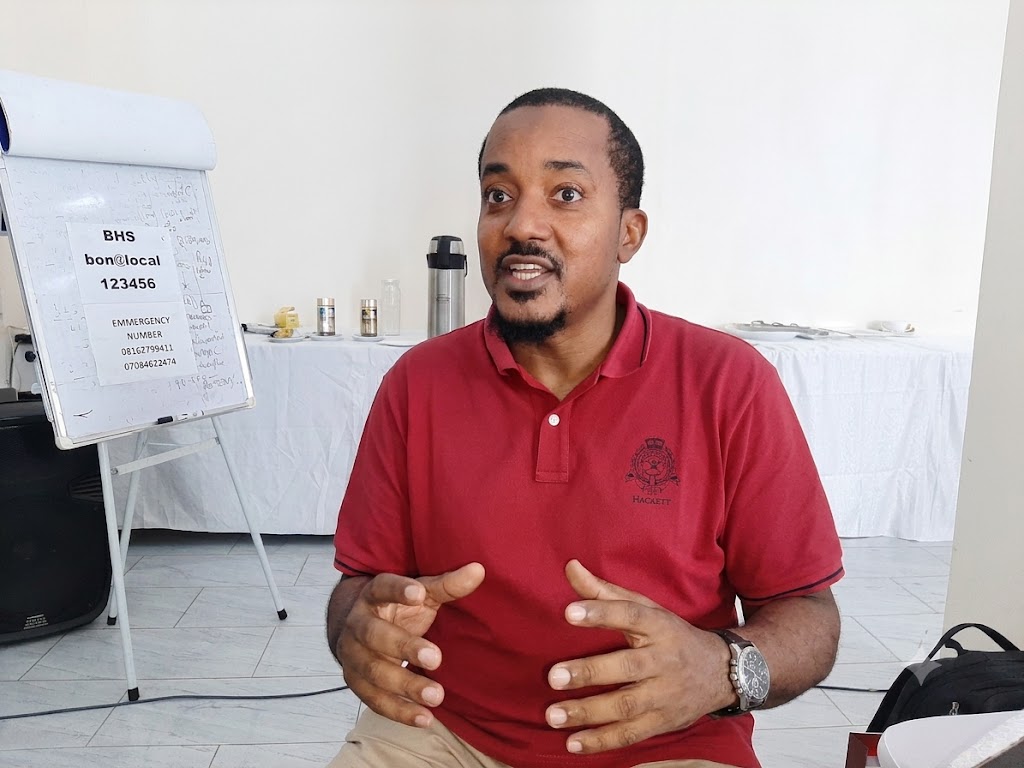
Among the experts was Dr. Ibrahim Maikore, National Professional Officer for Malaria Surveillance at the World Health Organization (WHO) Nigeria Country Office. With years of experience supporting Nigeria’s malaria surveillance systems and national disease control strategies, Dr. Maikore has been at the forefront of efforts to improve how malaria is detected, monitored and prevented.
In this exclusive interview with Anthony Emeka Nwosu, he explains why artificial intelligence could become a game changer in malaria elimination, how long-held public perceptions continue to fuel the disease, why protecting children requires a community-wide effort, and why sustainable healthcare financing will be just as important as technological innovation in winning the fight against one of Africa’s deadliest diseases.
Q: What are your expectations from this strategic workshop on Artificial Intelligence and malaria control?
Dr. Ibrahim Maikore: My expectation is very simple. If, at the end of these discussions, we arrive at practical solutions that help address one of our biggest challenges—the malaria test positivity rate—then we would have achieved something meaningful.
Today, many people who visit health facilities, whether public or private, are diagnosed and treated for malaria almost automatically. There are issues around clinical practice and public expectations, where fever is often assumed to be malaria without adequate confirmation.
Artificial Intelligence has the potential to improve this process. If AI can accurately interpret Rapid Diagnostic Test (RDT) results, it will significantly reduce unnecessary malaria treatment, improve diagnosis and provide more reliable surveillance data. That, for me, is one of the greatest opportunities this technology offers.
Q: How significant could AI become in strengthening malaria surveillance and healthcare delivery?
Dr. Ibrahim Maikore: AI can improve both diagnosis and decision-making.
When diagnostic tools become more accurate, health workers are able to distinguish genuine malaria cases from other illnesses with similar symptoms. That means patients receive the right treatment, unnecessary use of antimalarial medicines is reduced, and the data generated becomes much more reliable.
Good surveillance depends on quality data. AI helps eliminate some of the blind spots in diagnosis, allowing health authorities to better understand disease trends and deploy interventions where they are needed most.
Q: How much does public perception and culture affect malaria elimination efforts in Nigeria?
Dr. Ibrahim Maikore: It has a tremendous impact.
One of our biggest challenges is that many people believe every fever or body weakness is malaria. Unlike many infectious diseases that people fear, malaria has become something many people almost expect to have at some point in their lives.
People often walk into health facilities already convinced they have malaria before any test is conducted. That mindset influences diagnosis, treatment and prevention.
If people do not perceive malaria as a serious threat, they are less likely to take preventive measures seriously. Yet prevention remains one of the most effective strategies we have in reducing the disease burden.
Changing this mindset is just as important as introducing new technologies.
Q: Why do children and pregnant women remain the most vulnerable despite improvements in malaria control?
Dr. Ibrahim Maikore: Adults living in malaria-endemic communities often develop partial immunity. They may carry the malaria parasite without becoming seriously ill themselves.
However, mosquitoes can transmit that parasite to children under five and pregnant women, whose immune systems are far more vulnerable.
That is why parents have an important responsibility. Even when they feel healthy, they may unknowingly contribute to malaria transmission within their households.
Q: How can child health initiatives such as newborn and maternal healthcare programmes contribute to malaria control?
Dr. Ibrahim Maikore: Every opportunity to educate mothers and families about disease prevention is valuable.
Maternal and child health programmes provide an excellent platform to teach families about sleeping under insecticide-treated mosquito nets, recognising symptoms early and seeking appropriate medical care.
Children under the age of five remain among the most vulnerable to malaria because their immune systems are still developing.
These awareness programmes do more than reduce malaria; they also help prevent other childhood illnesses such as pneumonia, diarrhoeal diseases and other infections that continue to claim thousands of young lives every year.
Integrated child healthcare remains one of the most effective public health investments any country can make.
Q: How does insecurity and population displacement affect malaria control efforts?
Dr. Ibrahim Maikore: Insecurity creates enormous public health challenges.
When communities are displaced, people lose access to proper housing, healthcare services and mosquito protection. Families may be forced into temporary shelters where they cannot even hang mosquito nets.
As WHO, we work closely with humanitarian partners to provide emergency malaria interventions in displaced communities. Those interventions save lives.
However, emergency responses are temporary. Long-term success depends on addressing the root causes of displacement so that people can safely return to their communities where health systems can function effectively again.
Q: International donor funding has been critical for malaria programmes. How can countries build more sustainable health financing?
Dr. Ibrahim Maikore: International partners have made enormous contributions to malaria control, but sustainability remains essential.
When external funding is suddenly interrupted, health programmes become vulnerable. That is why countries need financing models that are more resilient.
In my view, healthcare should be affordable rather than entirely dependent on donor support. Governments should strengthen health insurance systems and develop financing mechanisms that allow citizens to contribute according to their ability without creating financial hardship.
When countries invest in sustainable healthcare financing, programmes become more stable and less vulnerable to external shocks.
Q: Looking ahead, what role do you see Artificial Intelligence playing in Nigeria’s journey towards malaria elimination?
Dr. Ibrahim Maikore: Artificial Intelligence is not a replacement for healthcare workers. It is a tool that helps us make better decisions through better data.
It can improve diagnosis, strengthen surveillance and support more targeted interventions. But technology alone will not eliminate malaria.
To defeat malaria, we need innovation, stronger health systems, sustained investment and, perhaps most importantly, a change in public behaviour. When all of these come together, AI can become one of the most powerful tools in accelerating malaria elimination—not just in Nigeria, but across Africa.
Maternal and child health programmes provide an excellent platform to teach families about sleeping under insecticide-treated mosquito nets, recognising symptoms early and seeking appropriate medical care.