

ANTHONY EMEKA NWOSU
For more than a decade, the West Africa Convergence Conference (WACC) has served as a meeting point for policymakers, technology leaders, regulators, entrepreneurs, investors, academics, and development partners seeking to shape the future of Nigeria’s digital economy.
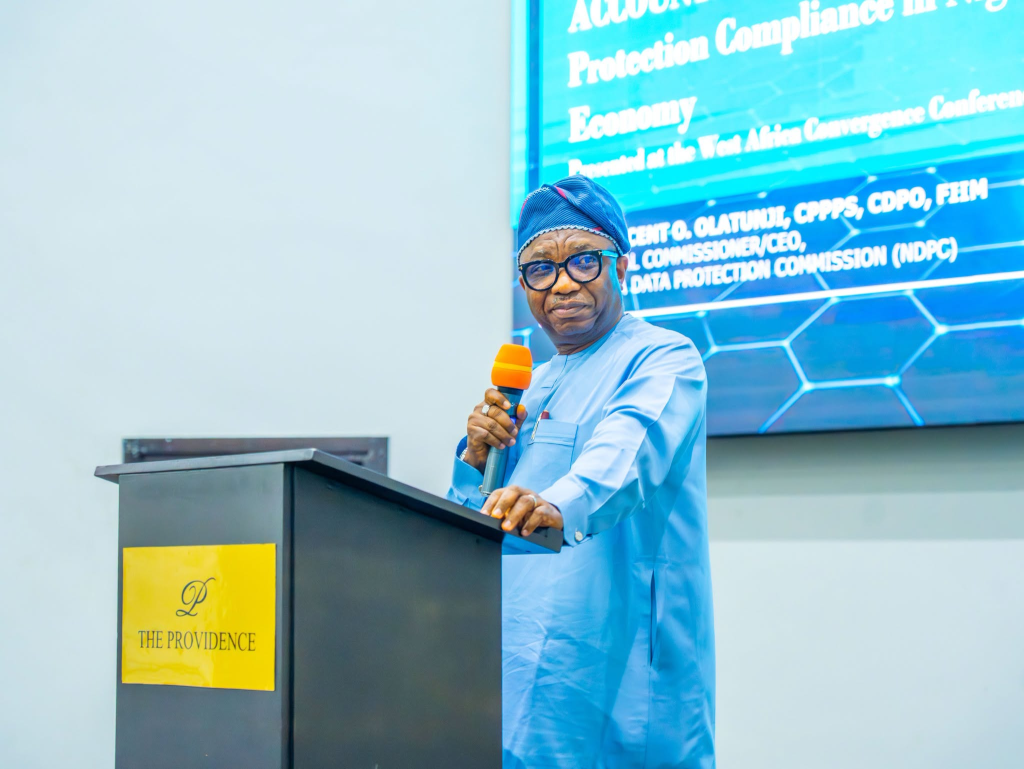
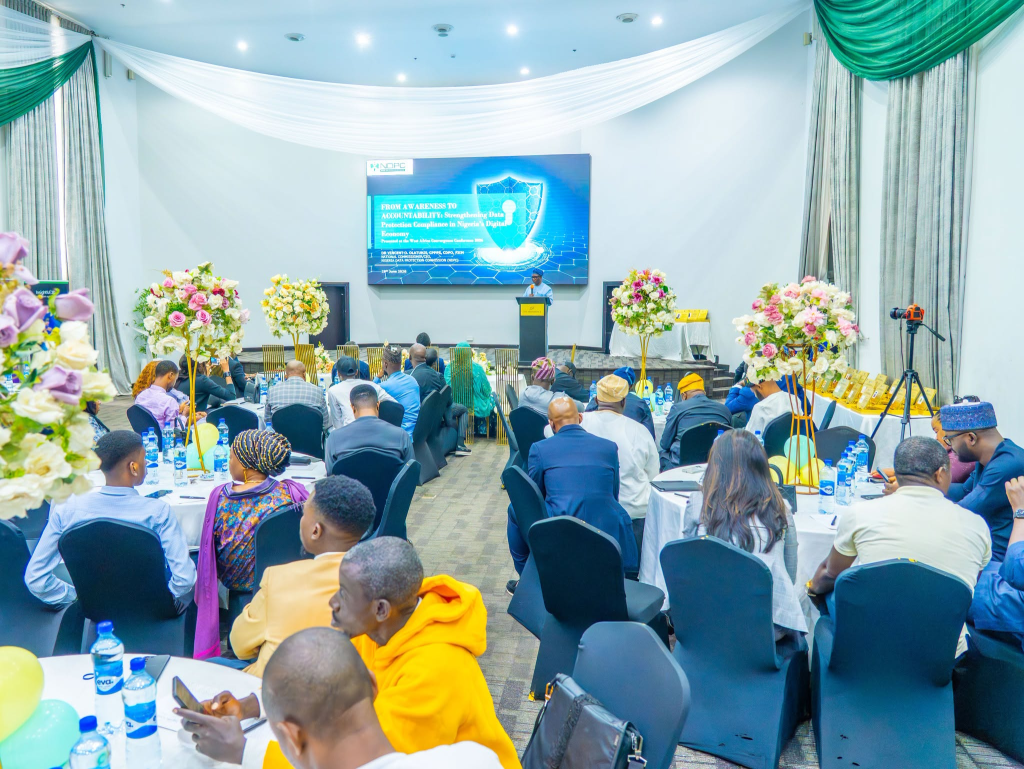
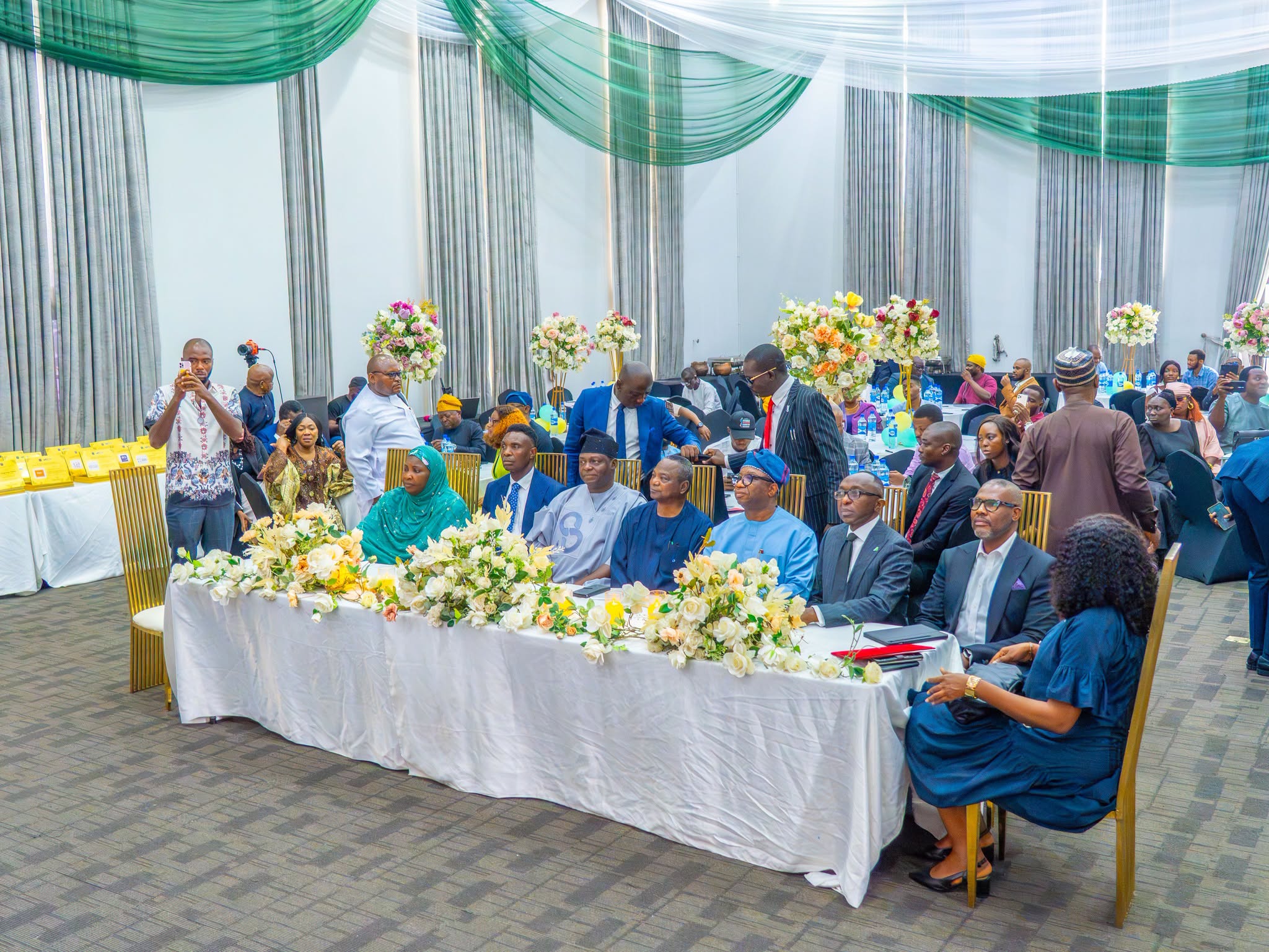
The 15th edition of the conference, held in Lagos on June 26, continued that tradition, bringing together key stakeholders from across the public and private sectors to discuss the opportunities, challenges, and policy directions that will define Nigeria’s digital transformation journey.
Since its inception, WACC has evolved into one of West Africa’s leading technology and policy forums, creating a space where conversations around innovation, digital inclusion, cybersecurity, artificial intelligence, data protection, digital infrastructure, and economic development can take place under one roof.

Speaking on the significance of the conference, Segun Oruameh, Founder of WACC and Chief Executive Officer of Know How Media International Limited, said the platform was established to foster collaboration among stakeholders whose decisions and actions shape the region’s digital future.
“WACC was conceived as a platform where government, industry, regulators, innovators, investors, and development partners could come together to exchange ideas, build partnerships, and collectively address the issues that impact our digital economy,” Oruameh said.
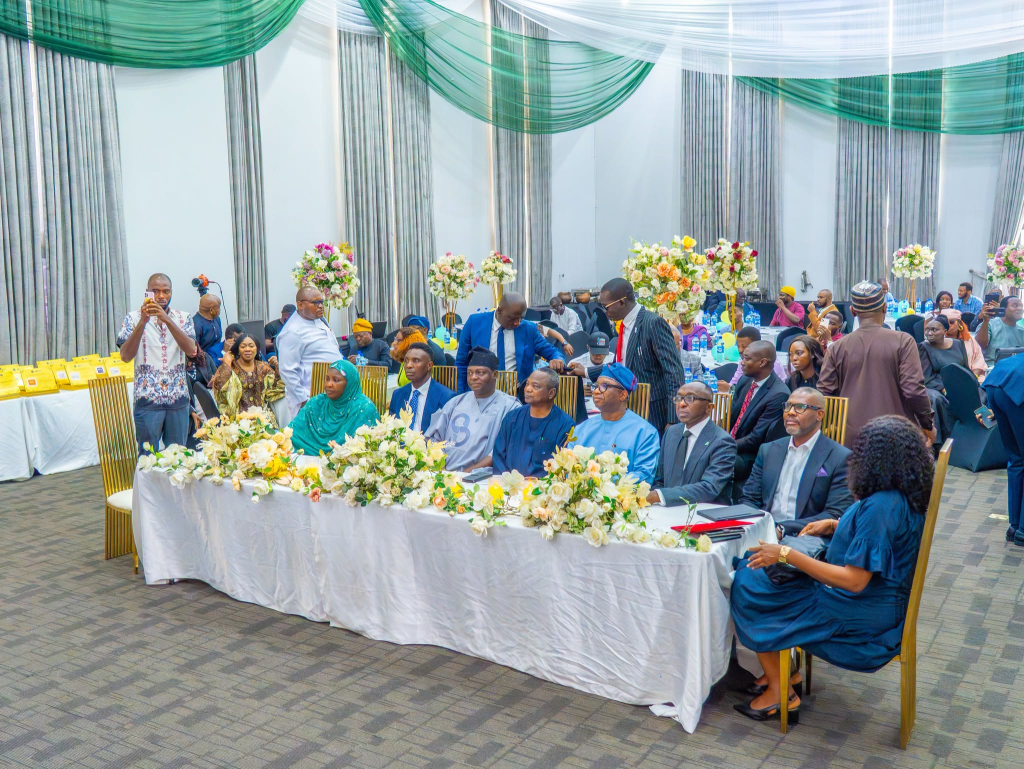
According to him, the conference has consistently provided opportunities for stakeholders to engage in meaningful dialogue, identify emerging trends, and explore practical solutions to challenges facing the technology ecosystem.
Over the years, the forum has hosted leading voices from government institutions, multinational technology companies, telecommunications operators, startups, academia, and international development organizations, making it a key gathering for conversations around digital growth and innovation in Nigeria and the wider West African region.
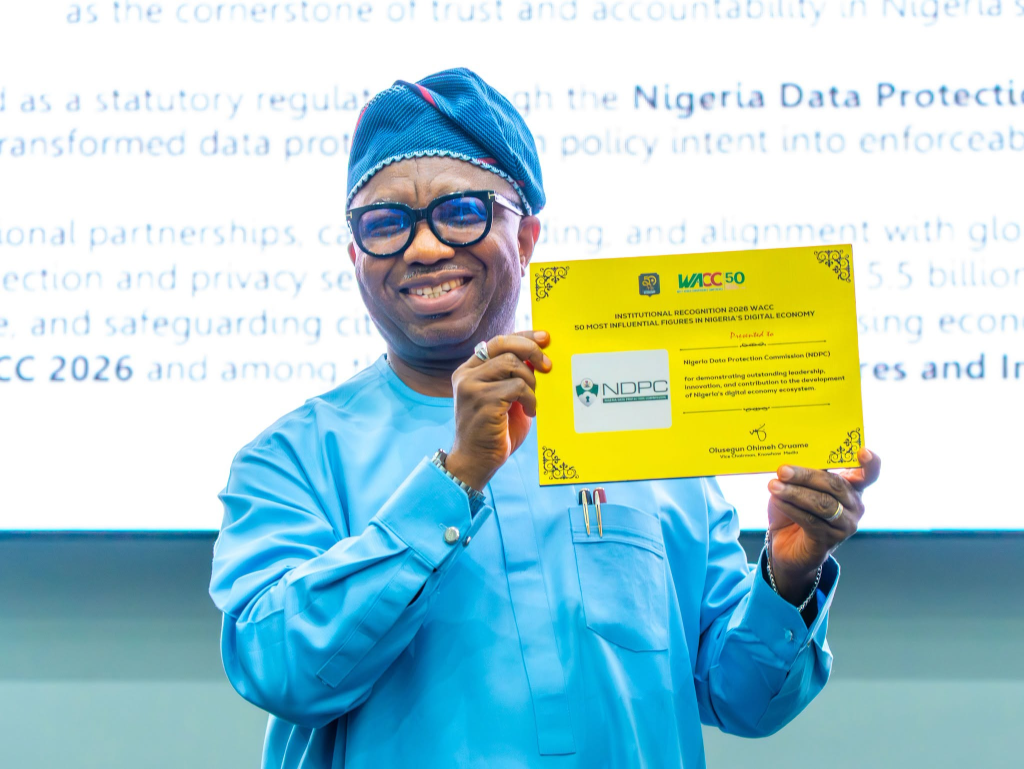
This year’s conference focused on the role of technology in driving economic growth, improving public service delivery, strengthening digital trust, and preparing Nigeria for the opportunities of an increasingly connected future.
Participants examined issues ranging from digital policy and regulatory frameworks to cybersecurity, digital skills development, artificial intelligence, investment, and data protection. Discussions also highlighted the importance of collaboration in ensuring that the benefits of digital transformation reach businesses, communities, and citizens across the country.
A major highlight of WACC 2026 was the recognition of individuals and institutions making significant contributions to Nigeria’s digital economy through the annual “50 Most Influential Figures in Nigeria’s Digital Economy” awards.
For many attendees, the event represented more than a conference. It was a reflection of how far Nigeria’s digital ecosystem has come and a reminder that sustained collaboration remains essential for future growth.

“As technology continues to transform every aspect of society, platforms like WACC become even more important because they bring the right people into the same room to discuss solutions, share knowledge, and build the partnerships needed for sustainable development,” Oruameh noted.
As the curtains fell on the 2026 edition, stakeholders left with a renewed commitment to strengthening innovation, fostering digital inclusion, and leveraging technology as a tool for economic prosperity and social impact.

After more than a decade of convening conversations that matter, WACC continues to reinforce its role as a trusted platform where ideas, policy, innovation, and leadership converge to shape the future of Nigeria’s digital economy.