








LAGOS, Nigeria — Technology entrepreneur and innovation ecosystem advocate Charles Uche Emembolu has called for stronger collaboration between academia, industry, government, and entrepreneurs to unlock the economic potential of research and innovation in Nigeria.
Speaking on lessons drawn from nearly a decade of innovation ecosystem development, Emembolu emphasized that Nigeria’s greatest opportunity lies not only in generating knowledge but in creating pathways that transform research into practical solutions, jobs, and economic prosperity.
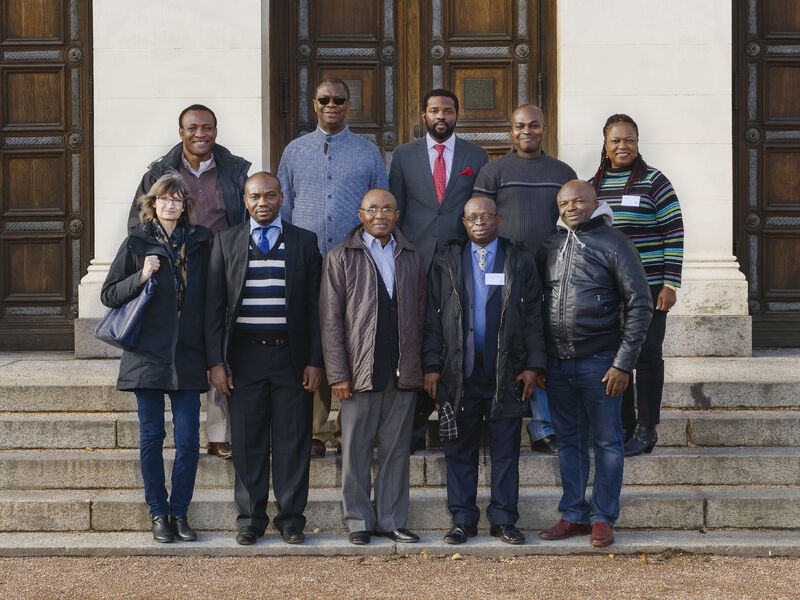
Reflecting on a 2017 study and partnership visit to Lund, Sweden, alongside the leadership of the University of Nigeria, Nsukka (UNN), Emembolu recalled how the delegation engaged with Ideon Science Park, one of Europe’s leading innovation hubs. The visit, which took place shortly after the establishment of Roar Nigeria Hub in partnership with UNN, offered valuable insights into how successful innovation ecosystems operate.
According to Emembolu, the most striking lesson was not the quality of infrastructure or the number of companies within the science park, but the strong integration between universities, industry, government institutions, and entrepreneurs.
“Research was not an end in itself,” he noted. “It was part of a system designed to create value, solve problems, and drive economic growth.”
He observed that while Nigerian universities and research institutions continue to produce high-quality research and innovative ideas, stronger mechanisms are needed to connect academic discoveries with industry needs, investment opportunities, and entrepreneurial ventures.
This philosophy, he explained, informed the creation of the Omniverse Research Exchange, a key feature of the Omniverse Africa Summit 3.0.
The programme attracted more than 430 applications from 31 countries and brought together 34 international researchers from 25 countries in Lagos. Participants included representatives from universities, government agencies, private-sector organizations, innovation hubs, and development institutions.
According to Emembolu, discussions during the programme revealed a shared desire among stakeholders for deeper collaboration. Researchers expressed interest in translating their work into practical applications, while industry leaders sought innovative solutions to address real-world challenges. Universities advocated stronger engagement with the private sector, and development partners emphasized the importance of cross-border cooperation.
He said the recurring theme throughout the engagements was the need to create stronger connections between knowledge generation and economic opportunity.
Industry experts have increasingly highlighted the role of research commercialization, technology transfer, and innovation-driven entrepreneurship as critical factors in national competitiveness and economic transformation.
Emembolu argued that research delivers its greatest value when it improves lives, strengthens industries, creates employment opportunities, and contributes to sustainable development.
With a growing population, expanding entrepreneurial ecosystem, and increasing investment in innovation, he believes Nigeria is well positioned to become a leading knowledge-driven economy.
“The countries that will lead in the future are not simply those that generate knowledge,” he said. “They are those that most effectively transform knowledge into prosperity.”
Stakeholders across Nigeria’s innovation ecosystem continue to advocate for policies and partnerships that strengthen links between universities, research institutions, industry, investors, and government, with the goal of accelerating the commercialization of research and fostering long-term economic growth.