

Legal practitioner and governance expert, Chinyere Okorocha, has called for increased female participation in decision-making processes related to peace, security, governance, and development across Africa, stressing that sustainable peace is more achievable when women play active leadership roles.
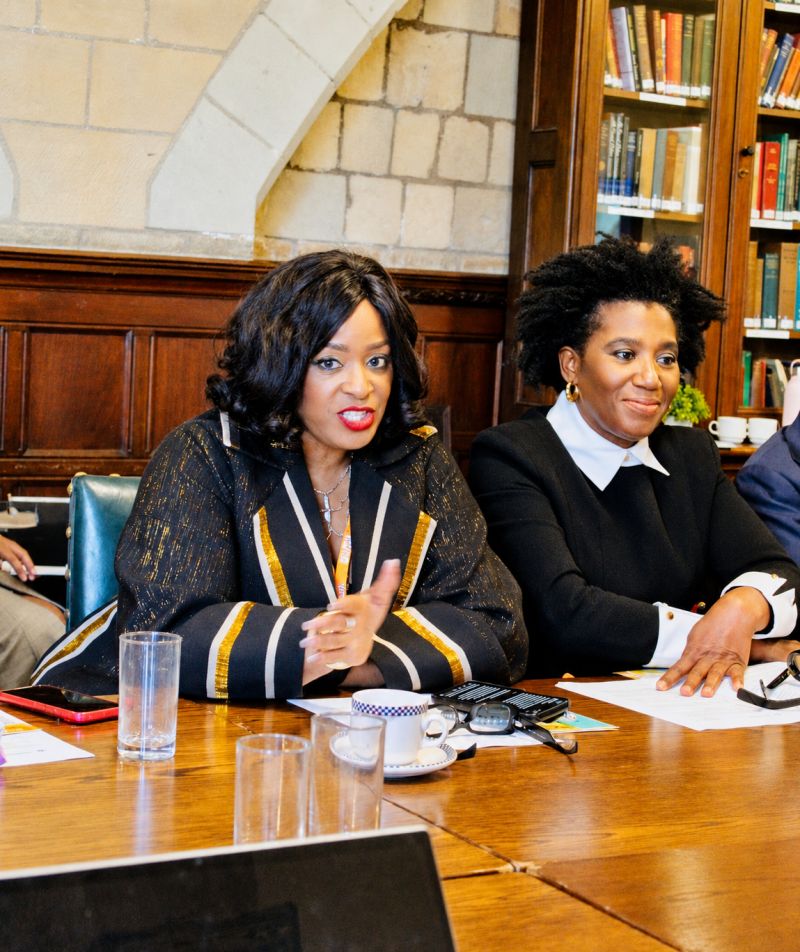
Okorocha, who is Partner and Head of Sectors at Jackson, Etti & Edu and Immediate Past Chairperson of the Nigerian Bar Association Women Forum, made the remarks following her participation in a high-level roundtable discussion held at the UK Parliament in London.
The event, themed “Positioning the UK’s Policy on Women, Peace & Security in Africa in a Changing Global Context: Lessons, Gaps and Opportunities,” was organized by the Royal African Society in collaboration with Women for Women International.
Reflecting on the engagement, Okorocha described it as a privilege to contribute to discussions focused on strengthening institutions, promoting sustainable peace, and enhancing the role of women in shaping resilient societies across Africa.
According to her, one of the key takeaways from the discussions was the need to move beyond mere representation of women and ensure their meaningful participation in shaping policies, influencing decisions, and driving outcomes that impact communities and nations.
“Peace is more sustainable when women are not merely represented but are actively influencing decisions and outcomes,” she stated.
The roundtable brought together prominent stakeholders from government, diplomacy, academia, civil society, and the private sector to examine evolving global priorities and their implications for the Women, Peace and Security agenda across Africa.
Okorocha also highlighted her meeting with renowned financial expert and development advocate, Arunma Oteh, Chair of the Royal African Society, whose leadership and commitment to Africa’s development she described as inspiring.
The distinguished panel featured Thelma Ekiyor, International Chief Executive Officer of Women for Women International, and Dorong Grace Nailo Mayo of Roots of Generations, South Sudan. Opening remarks were delivered by representatives of the UK’s Foreign, Commonwealth and Development Office, while the session was moderated by Juliana Olayinka, UK Bureau Chief of Channels Television.
She further expressed appreciation to Stella Nse Okuzu, Chief Executive Officer of the Royal African Society, for facilitating what she described as a timely and impactful dialogue.
Okorocha emphasized that as global priorities continue to shift, policymakers and development stakeholders must ensure that women remain central to conversations around peacebuilding, governance, security, and development.
She noted that women should be viewed not only as participants in these conversations but as architects of lasting solutions capable of driving sustainable change across communities and nations.