

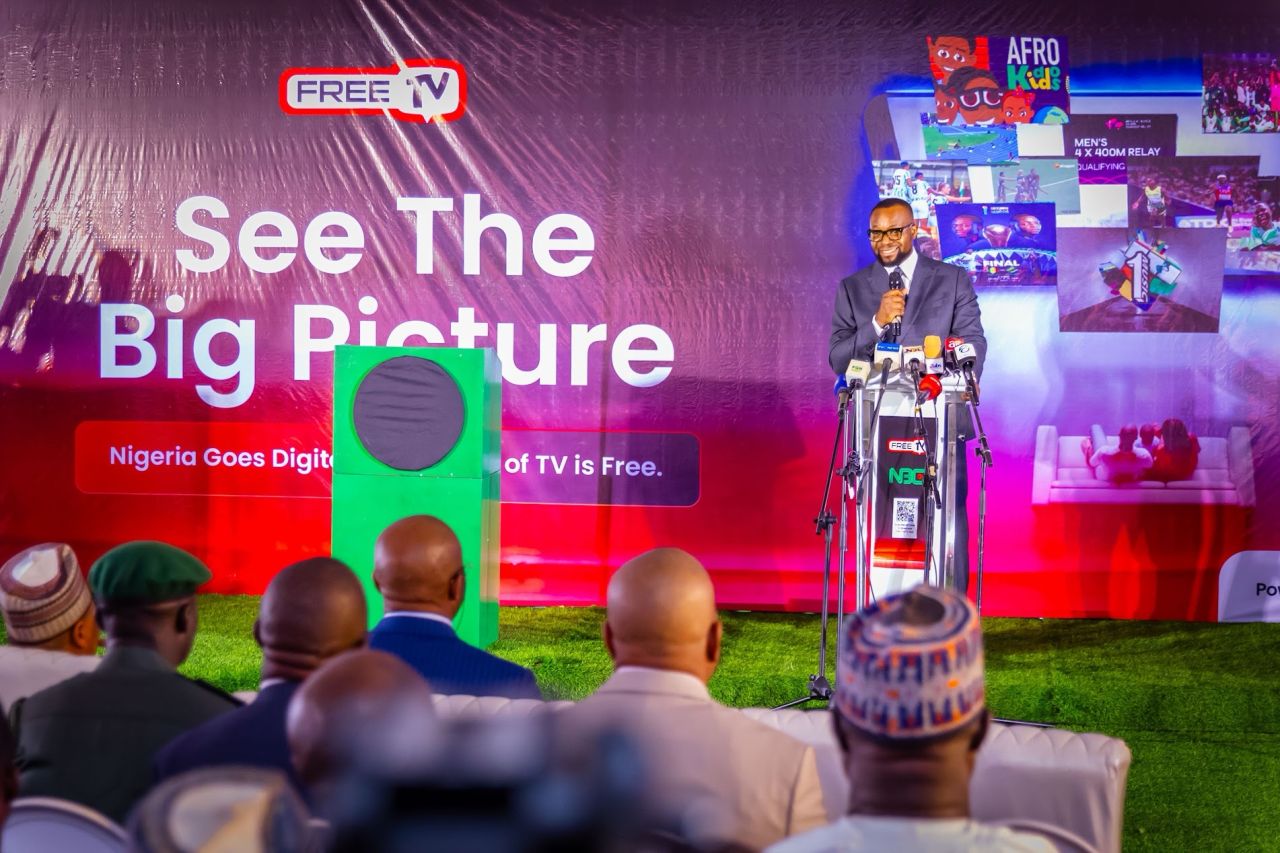
Abuja, June 18, 2026 — Nigeria has officially entered a new phase of its digital transformation journey with the launch of the Digital Switch Over (DSO), a landmark initiative that transitions the nation’s broadcasting system from analogue to digital. The event, announced by Dr. ‘Bosun Tijani, Minister of Communications, Innovation and Digital Economy, underscores the government’s commitment to building infrastructure that will power growth and prosperity for decades.
A Longstanding Dream Realised
The DSO marks the fulfilment of a vision long pursued by successive administrations: modernising Nigeria’s broadcasting landscape to align with global standards. According to Dr. Tijani, the initiative is not just about clearer television signals but about unlocking access to information, education, and cultural content for millions of Nigerians, regardless of their location.
“By leveraging NigComSat’s satellite infrastructure, Nigerians can benefit from improved quality of service and greater inclusion, ensuring that no one is left behind simply because of where they live,” the Minister stated.
Part of a Broader Digital Agenda
The DSO is only the beginning of a much larger national digital infrastructure strategy. Under President Bola Ahmed Tinubu, GCFR, Nigeria is rolling out Project BRIDGE, which will deploy 90,000 kilometres of open-access fibre infrastructure across the country. This ambitious project aims to connect communities, businesses, institutions, and public services, laying the groundwork for a truly digital economy.
In addition, the President has approved investments in two new satellites, further strengthening Nigeria’s capacity in communications and digital services. These satellites, combined with fibre deployment, are expected to create a transformative digital backbone capable of reaching every Nigerian.
Implications for Society and Economy
The impact of the DSO extends far beyond broadcasting. It opens doors for:
- Broadcasters — delivering clearer signals and wider reach.
- Content creators — accessing new audiences across Nigeria and West Africa.
- Entrepreneurs — leveraging improved connectivity to innovate and expand businesses.
- Educators — providing richer educational resources to remote communities.
Dr. Tijani emphasised that infrastructure is more than just cables and satellites: “Infrastructure does not merely move signals; it amplifies culture, ideas, and influence as we move closer to a more connected, inclusive, and prosperous Nigeria.”
Looking Ahead
With the DSO now operational, Nigeria is poised to accelerate its digital transformation agenda. The combination of satellite investments, fibre deployment, and broadcasting upgrades positions the country as a regional leader in digital innovation, offering unprecedented opportunities for growth, creativity, and inclusion.