


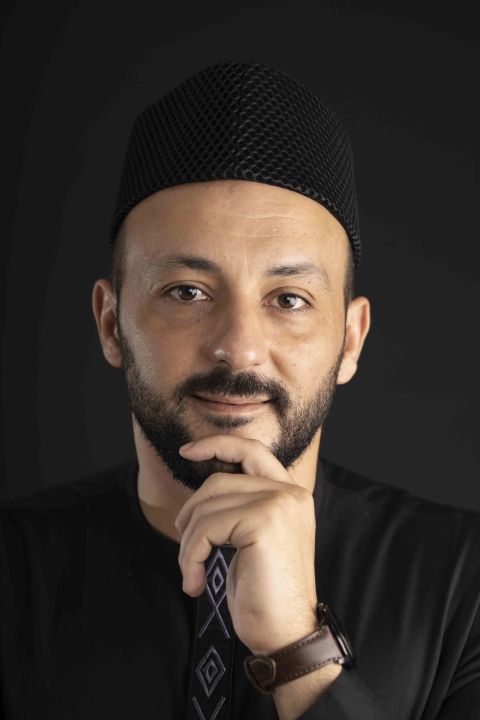




LAGOS — Finance executive Jaouad Rahou has described Nigeria’s informal economy as a highly organized system that operates alongside formal structures, arguing that it represents a significant but often misunderstood part of the country’s overall economic activity.
Drawing on his experience in Nigeria after more than a decade in structured, regulated markets, Rahou noted that his initial assumptions about systems, contracts, and formal processes were challenged by what he described as a different form of order—one built on relationships, trust, and community-based mechanisms.
According to him, economic activities across informal markets demonstrate characteristics of a functioning ecosystem, including access to credit without formal banking, long-standing supplier relationships without written agreements, and rapid dispute resolution through community leadership structures.
Rahou highlighted examples such as market associations, cooperative savings groups, and apprenticeship systems in commercial hubs, which he said contribute to sustained business operations, workforce development, and capital flow without reliance on traditional institutional frameworks.
He also pointed to the speed and efficiency of transactions within informal markets, noting that goods movement, pricing, and coordination often occur through networks of trust, reputation, and real-time communication channels rather than formal digital systems.
“Nigeria’s informal economy is not disorder. It is architecture—built without blueprints, refined over decades, and maintained without institutions,” he stated.
Rahou further observed that many participants in the informal sector operate multiple income streams and maintain financial records and business decisions without formal enterprise systems, yet still achieve consistent turnover and market continuity.
He argued that understanding this segment of the economy is critical, as it represents a substantial portion of economic activity that is often excluded from conventional analysis, policy design, and institutional planning.
His remarks underscore growing conversations among economists and business leaders about the need to better integrate informal economic structures into national development strategies, particularly in emerging markets where informal activity plays a dominant role.