Industry leaders and trade experts have called for stronger coordination in policy, infrastructure, and private-sector participation to unlock the full potential of intra-African trade under the African Continental Free Trade Area (AfCFTA).
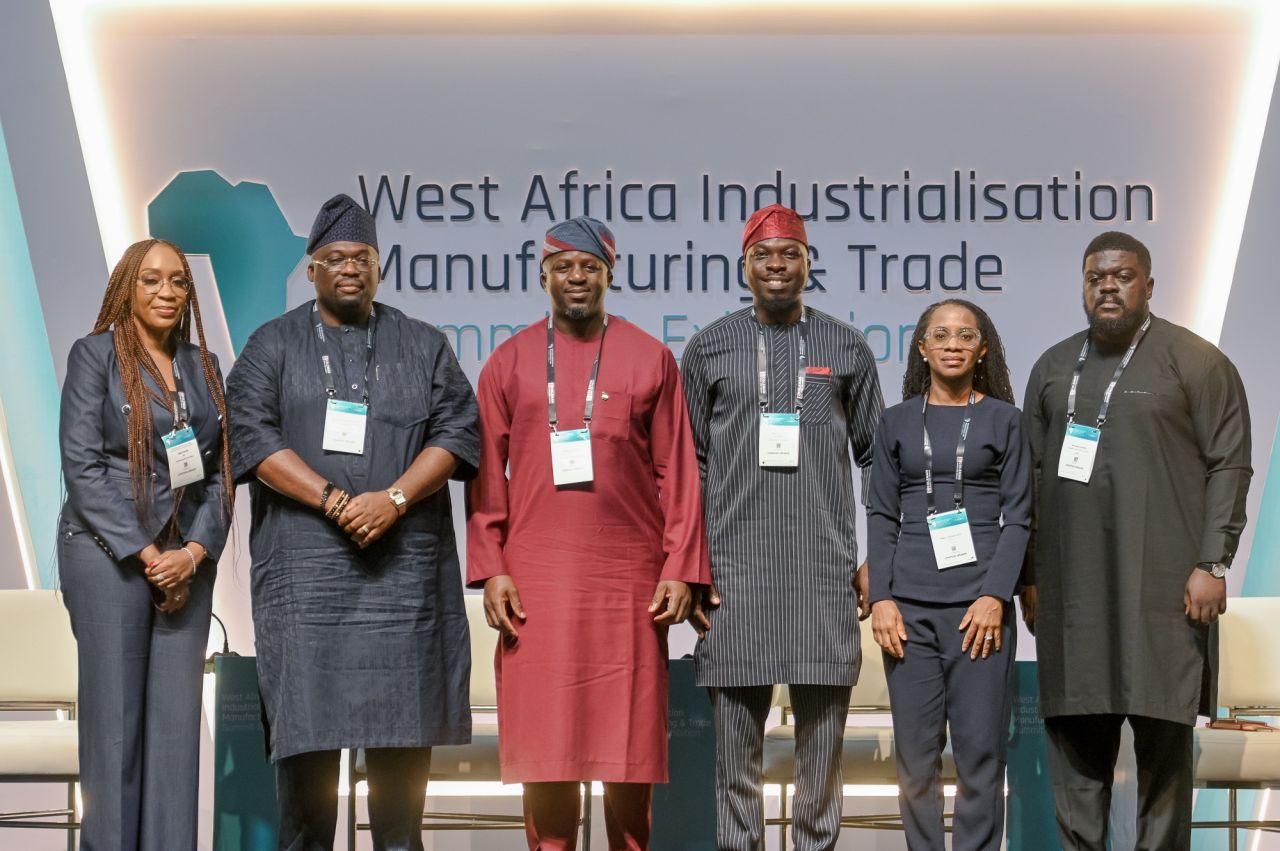
The call was made during the inaugural West Africa Industrialisation, Manufacturing & Trade Summit & Exhibition held in Lagos, where policymakers, business leaders and development experts gathered to discuss strategies for accelerating industrialisation and boosting trade within the continent.
Among the speakers was international development and trade governance expert David Opeyemi Oke, who emphasized that Africa’s economic transformation will depend not only on trade agreements but on how effectively countries execute cross-border economic strategies.
According to Oke, the AfCFTA framework presents a historic opportunity for the continent, bringing together a potential market of more than 1.3 billion people. However, he noted that the success of the agreement will depend on aligning industrial policies, infrastructure investments, and private-sector leadership across African countries.
“Africa does not lack opportunity; what we need now is coordinated execution across borders,” he said during the panel discussion.
Experts at the summit highlighted several critical areas that require attention to make intra-African trade more effective. One key recommendation was the need to move beyond isolated national industrial policies and instead develop regional value chains that allow African countries to complement one another’s production capacities.
Panelists also stressed the importance of building “trade-intelligent” infrastructure—transport, energy and digital connectivity systems designed around strategic trade corridors that can facilitate the smooth movement of goods and services across borders.
Another major focus of the discussion was the role of small and medium-sized enterprises (SMEs), which account for a significant share of businesses across Africa but often struggle with limited access to markets, financing, and cross-border partnerships. Experts said stronger regional platforms are needed to help SMEs connect with investors, supply chains and export opportunities within the continent.
Oke noted that institutions such as the World Trade Centers Association network, including World Trade Center Lagos, are working to strengthen links between African businesses and global markets by facilitating partnerships, trade connections and knowledge exchange.
The summit also featured contributions from several industry leaders, including Obehi Ojeaga, who moderated the session, as well as panelists George Onafowokan, Bowale Odumade Adeoye, Taiwo Ajetunmobi and Mudiaga Mowoe.
Participants concluded that while frameworks like AfCFTA provide the legal foundation for continental trade, the real impact will depend on collaboration between governments, private-sector leaders, and development institutions to ensure policies translate into measurable economic growth and inclusive prosperity for Africans.
Observers say such conversations are increasingly important as African nations seek to reduce dependence on external markets, strengthen regional supply chains and position the continent as a more integrated economic bloc in the global economy.