


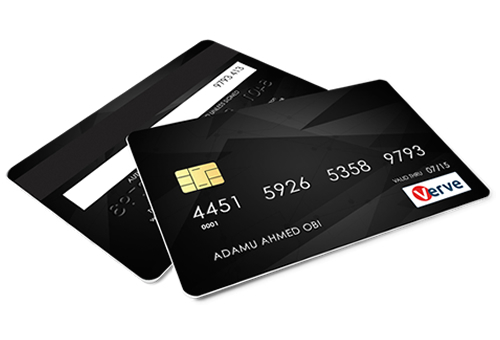






Take a walk into any supermarket in Lagos, step into a pharmacy in Enugu, or watch a POS agent in Kano handle back-to-back transactions. The small plastic card in a customer’s hand may look ordinary, but it represents something much bigger — trust in a system that works.
Nigeria’s shift from cash-heavy transactions to digital payments hasn’t just changed how people pay. It has changed how people live, run businesses, and plan their futures. Behind that simple “tap” or “insert card” moment is a growing ecosystem powered by global giants like Visa, Mastercard, and China UnionPay, alongside Nigeria’s homegrown champion, Verve.
But beyond the logos printed on the cards lies a deeper story — one about local capacity, national pride, and economic empowerment.
For millions of Nigerians, a debit or prepaid card is the gateway to receiving salaries, paying school fees, buying fuel, subscribing to streaming platforms, and even sending money to loved ones. It’s security compared to carrying cash. It’s proof of financial identity. It’s access.
Visa and Mastercard connect Nigerians to the world. Whether someone is paying for goods from the UK, booking a hotel in Dubai, or purchasing software from the United States, these networks make cross-border transactions seamless and secure. Their global fraud monitoring systems and chip technology provide layers of protection that were almost unimaginable two decades ago.

UnionPay plays a growing role too, especially as trade between Nigeria and China expands. For importers and entrepreneurs dealing with Asian suppliers, it creates smoother transaction pathways and reduces payment friction.
Then there is Verve — Nigeria’s own card scheme. For many everyday Nigerians, Verve is the card they first receive when opening a bank account. It works reliably across ATMs and POS terminals nationwide and has grown to symbolize domestic payment strength. It reminds Nigerians that not all financial infrastructure has to be imported.
Here’s where the story becomes even more personal.
Years ago, many Nigerian banks had to send card production overseas. That meant longer waiting times, exposure to foreign exchange fluctuations, and limited domestic control over personalization processes. Today, that is changing.
Companies like Cardforte have stepped into this space, building capacity to manufacture and personalize secure payment cards right here in Nigeria. That means the chip embedding, printing, encoding, and packaging processes happen locally under strict security standards.
Why does that matter?
It means when a young graduate opens her first bank account, she can receive her card faster. It means banks are less vulnerable to currency shocks. It means sensitive customer data is handled within Nigerian regulatory oversight. And it means jobs — real technical jobs — are being created in secure printing, quality control, chip technology, and logistics.
Local production also strengthens economic resilience. Instead of sending value abroad, more of the economic activity stays within Nigeria. Skills are developed. Expertise grows. The industry becomes stronger.
Cardforte’s role in this ecosystem reflects a quiet but powerful shift: Nigeria is no longer just consuming financial technology — it is producing it.
At the end of the day, card payments are about trust. Trust that your salary will reflect instantly. Trust that your money won’t disappear into thin air. Trust that if something goes wrong, there are systems in place to protect you.

Every successful card transaction reinforces that trust. Every locally produced card strengthens national capacity. Every innovation deepens financial inclusion.
Nigeria’s card payment revolution is not just about technology. It is about dignity — giving people safe, reliable access to their own money. It is about empowerment — enabling entrepreneurs to trade beyond borders. And it is about sovereignty — building infrastructure that the country can proudly call its own.
That small piece of plastic in a wallet? It carries more than money. It carries the story of a nation steadily building its digital future from the inside out.